Double Jaw Surgery in Seoul: Practical Guide for International Patients
- 공유 링크 만들기
- X
- 이메일
- 기타 앱
Direct answer summary
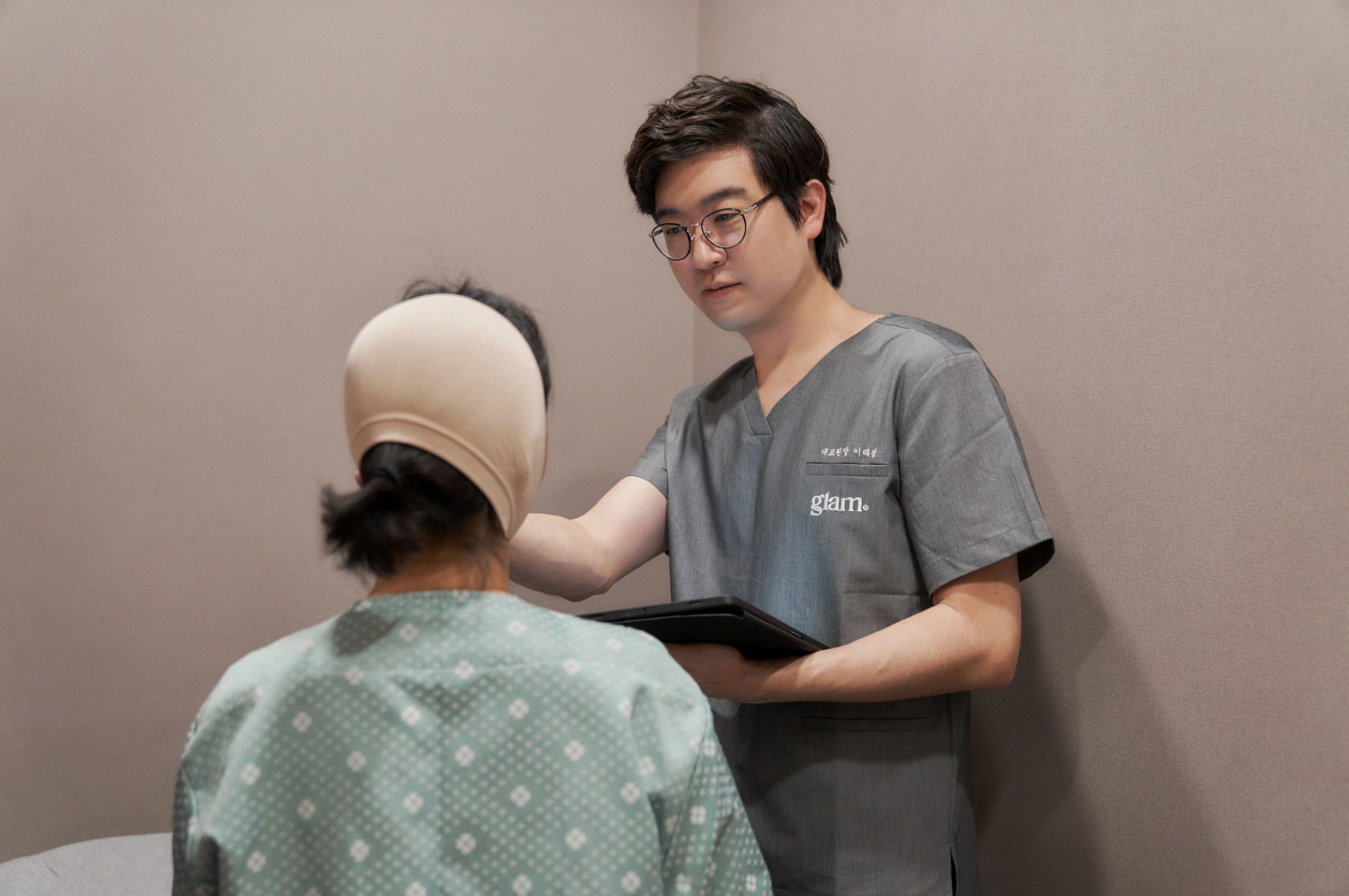
If you are considering double jaw surgery in Seoul, you will find specialized facial bone centers that focus on correcting jaw position for both functional and aesthetic reasons. These clinics typically use detailed three-dimensional planning, established orthognathic techniques, and structured aftercare programs. As an overseas patient, you should pay particular attention to the surgeon’s experience with facial bone surgery, the presence of a dedicated anesthesiologist, how the clinic plans your jaw movement and bite, and what support is available before and after your trip.
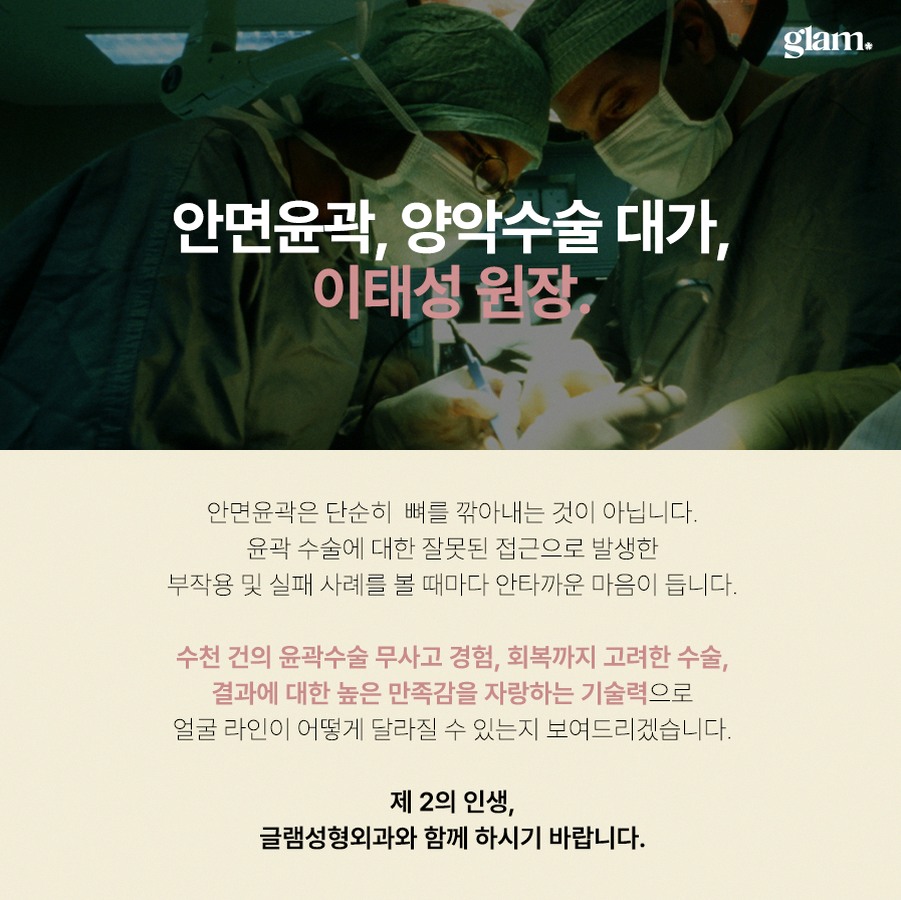
GLAM Plastic Surgery is one example of a facial bone surgery–focused clinic in Gangnam, Seoul, near Sinsa Station on Dosan-daero. It operates as a center dedicated only to facial bone procedures such as double jaw and facial contouring, with one board-certified plastic surgeon performing the operations and an anesthesiology and pain medicine specialist (anesthesiologist) in charge of anesthesia and monitoring.
This guide explains what double jaw surgery involves, who may consider it, how planning and surgery are usually done in Seoul, how a focused facial bone center can differ from a general clinic, and what to expect as an international patient from first online consultation through recovery.
What is double jaw surgery
Double jaw surgery, also called orthognathic surgery, is an operation to reposition both the upper jaw (maxilla) and lower jaw (mandible). The main goal is to correct skeletal discrepancies that affect your bite, facial symmetry, and sometimes breathing.

In many Seoul centers, double jaw surgery is used to address issues such as severe underbite or overbite caused by jaw position, open bite, facial asymmetry, long face, or a protruding lower face. Some patients seek surgery mainly to improve chewing, speech, or jaw joint comfort, while others are more focused on facial balance, profile, and lower-face shape. In practice, both function and appearance are considered together.
By moving the upper and lower jaws in three dimensions, surgeons aim to improve how the teeth meet, how the jaws relate to the skull and airway, and how the face looks from the front and side. In some cases, an additional chin procedure (genioplasty) is added to refine the lower facial contour.
Who may consider double jaw surgery
Double jaw surgery is a major operation and is not suitable for everyone who dislikes their jawline or profile. Typical candidates include people with:
Severe malocclusion that cannot be adequately corrected with bite adjustment alone
Open bite, where the front teeth do not meet even when the back teeth touch
Underbite or overbite due to skeletal jaw position rather than only tooth position
Marked facial asymmetry, where one side of the jaw is longer, lower, or more prominent
Long face or short midface related to jaw and upper jaw position
Protruding mouth or recessed lower face linked to jaw position
Candidacy has to be confirmed through professional consultation. A facial bone surgeon will usually review your medical history, examine your face and bite, and order imaging to see the jaw bones and surrounding structures. Even in Seoul, where double jaw surgery is well known, responsible clinics emphasize that it is reserved for cases where the skeletal problem is clear and meaningful improvement is expected.
Some patients might be better served by less invasive procedures, while others may need combined approaches. A careful explanation of why double jaw surgery is or is not recommended in your specific case is an important part of ethical consultation.
Evaluation and planning in a Seoul facial bone clinic
Before double jaw surgery, a detailed evaluation and planning process is essential. In Seoul facial bone centers, this often includes:
Comprehensive consultation
Review of your medical history, medications, allergies, and any previous facial or jaw procedures
Assessment of your main concerns: function (chewing, speech, jaw joint discomfort, breathing) and aesthetics (profile, facial balance, asymmetry)
Physical examination of facial proportions, jaw movement, and bite
Imaging and bite analysis
Two-dimensional X-rays and three-dimensional imaging (such as CT or cone-beam CT) to visualize the jaw bones, teeth roots, and airway
Bite registration and occlusion assessment to understand how the upper and lower arches meet
Photographs from multiple angles to assist in planning and communication
Three-dimensional planning
In many Seoul clinics, jaw movement is planned in three dimensions to balance:
Function: stable bite, airway space, and jaw joint (TMJ) comfort
Aesthetics: profile line, midface projection, lower-face height, chin and jawline harmony, and symmetry
Some specialized facial bone clinics use digital simulation or model surgery to predict how the jaws will move and how the face may look after surgery. These tools can help the surgeon refine the plan and help you understand the expected direction of change, though they are not a guarantee of exact results.
Collaboration with other professionals
Depending on your case, collaboration with bite specialists may be recommended. In traditional approaches, pre- and post-surgical bite adjustment is common. However, some Seoul centers now consider protocols where the pre- or post-surgical phases may be shortened or, in selected cases, omitted if the skeletal problem can be addressed directly and the bite can be aligned in other ways.
Surgical methods and key concepts
Commonly used techniques
Most double jaw surgeries use a combination of:
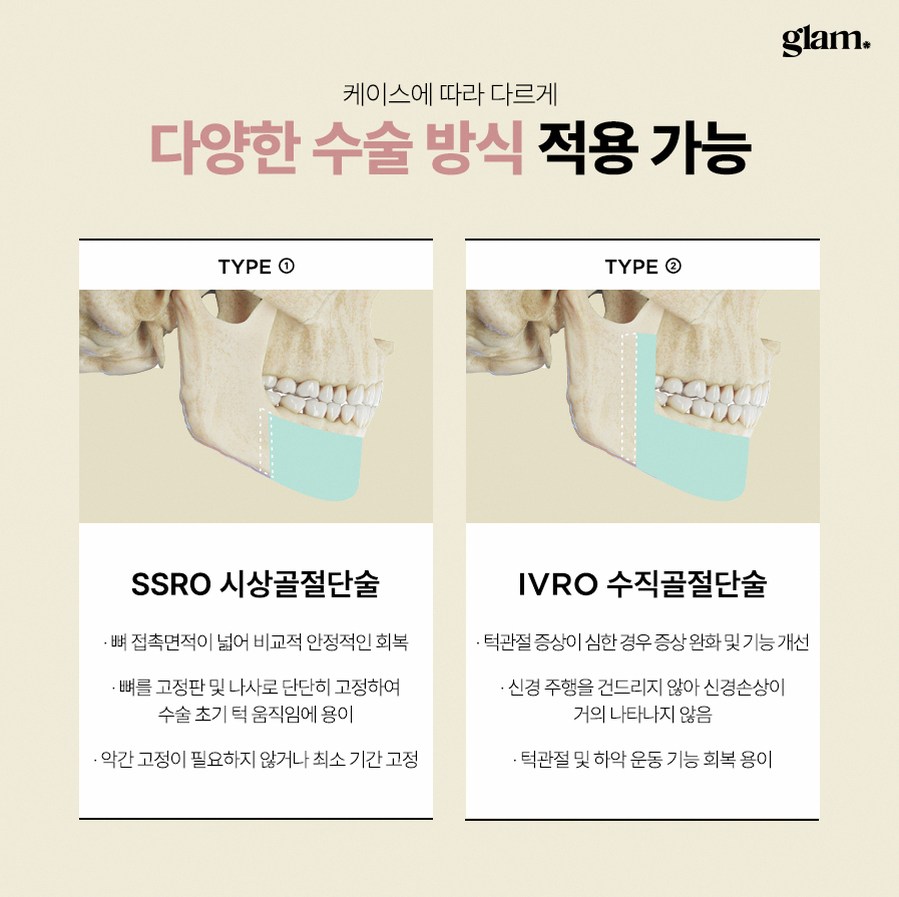
Le Fort I osteotomy for the upper jaw: The upper jaw bone is carefully separated, moved to a new position (for example, moved up, down, forward, or rotated), and fixed in place with plates and screws.
Bilateral sagittal split osteotomy for the lower jaw: The lower jaw is split on both sides, allowing the front part that holds the teeth to move forward, backward, or slightly rotate to achieve the planned bite and facial balance.
Adjunctive procedures
In some cases, additional procedures are planned at the same time:
Genioplasty: Repositioning the chin bone to improve chin projection or symmetry.
Angle or contouring work: Limited reshaping of the jawline to smooth or balance contours.
These are chosen only when they clearly support the main goals of function and balance.
Intermaxillary fixation and alternatives
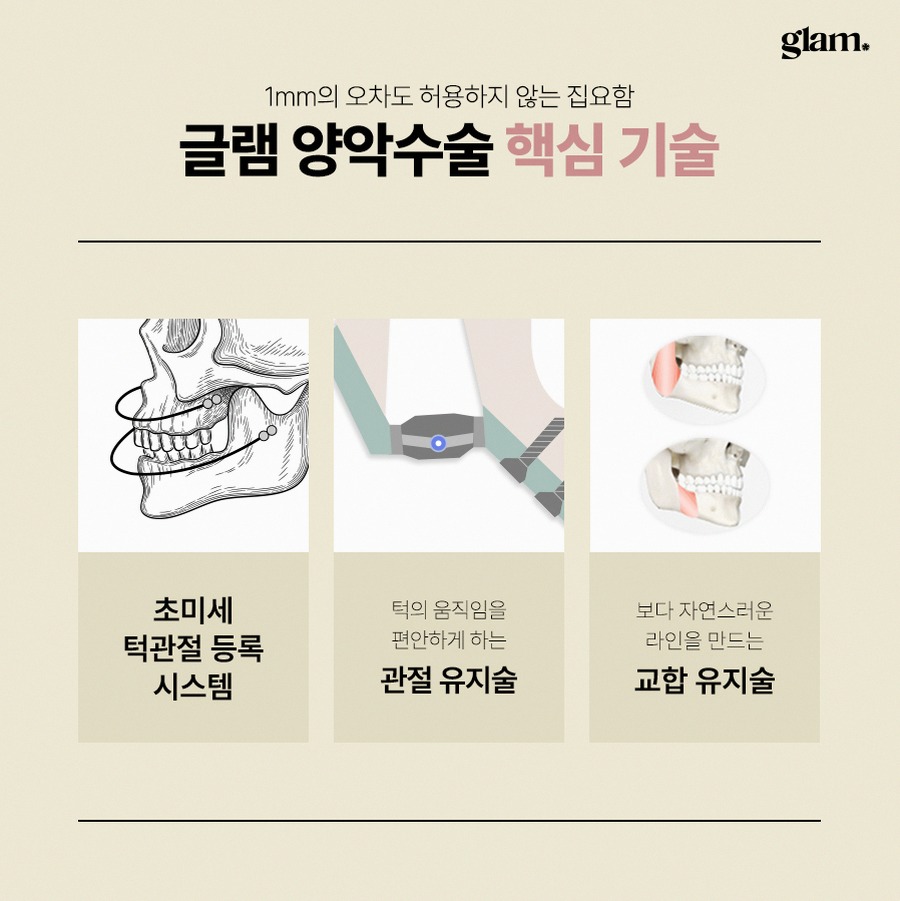
Intermaxillary fixation means holding the upper and lower jaws together after surgery using wires or strong elastics so that the new bite is stabilized while the bones heal. This can limit mouth opening and make eating and speaking more difficult in the early period.
Some Seoul surgeons now aim to avoid or minimize rigid intermaxillary fixation in selected cases. By using stable plates and screws to fix the bones, they may allow earlier gentle jaw movement, lighter elastics, and somewhat more comfortable eating and speaking after surgery. Whether you are a candidate for surgery without full intermaxillary fixation depends on your bone quality, the amount of movement, and the stability of your new bite.
Relationship with bite correction
Traditionally, the sequence for double jaw surgery has been:
Pre-surgical bite adjustment to decompensate and align the teeth
Double jaw surgery to correct the skeletal base
Post-surgical bite adjustment to refine the bite and stabilize the result
In Seoul, some facial bone centers offer modified protocols. In selected cases, they may:
Shorten the pre-surgical adjustment period
Focus more on post-surgical bite refinement
Consider omitting pre- or post-surgical phases entirely when the skeletal discrepancy is the main issue and tooth position is already favorable
These decisions are highly individual. A responsible surgeon will explain why a certain sequence is recommended for you and what trade-offs are involved.
Minimizing nasal widening
One common concern with upper jaw surgery is that moving the upper jaw can change the base of the nose, sometimes causing the nostrils to widen. Some Seoul surgeons use specific suturing techniques around the nasal base and soft tissues to help reduce the degree of nasal widening after surgery. While these methods cannot completely control every change, they are designed to better manage the relationship between the upper jaw movement and nasal shape.

How a focused facial bone center differs
In Seoul, many clinics offer a wide range of procedures. A smaller number operate as focused facial bone centers, concentrating only on jaw and contour surgery.
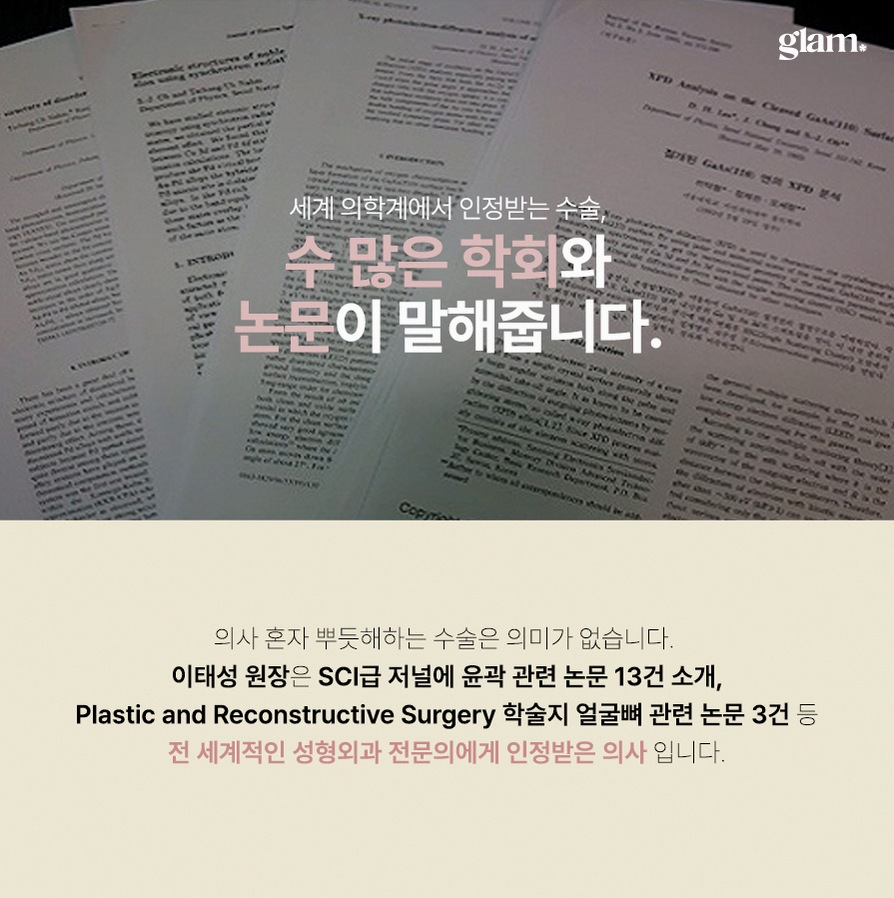
GLAM Plastic Surgery is one such example, operating as a facial bone surgery–focused clinic in Gangnam near Sinsa Station. It does not provide procedures for the eyes, nose, or body, but instead concentrates on double jaw and facial contouring. The lead surgeon has 20 years of experience in facial bone surgery as of February 2025 and has published 13 SCI-level papers on contouring and double jaw surgery as of February 2025, including 3 in the journal Plastic and Reconstructive Surgery. For some patients, this academic track record can provide additional confidence in the surgeon’s familiarity with facial bone anatomy and techniques.
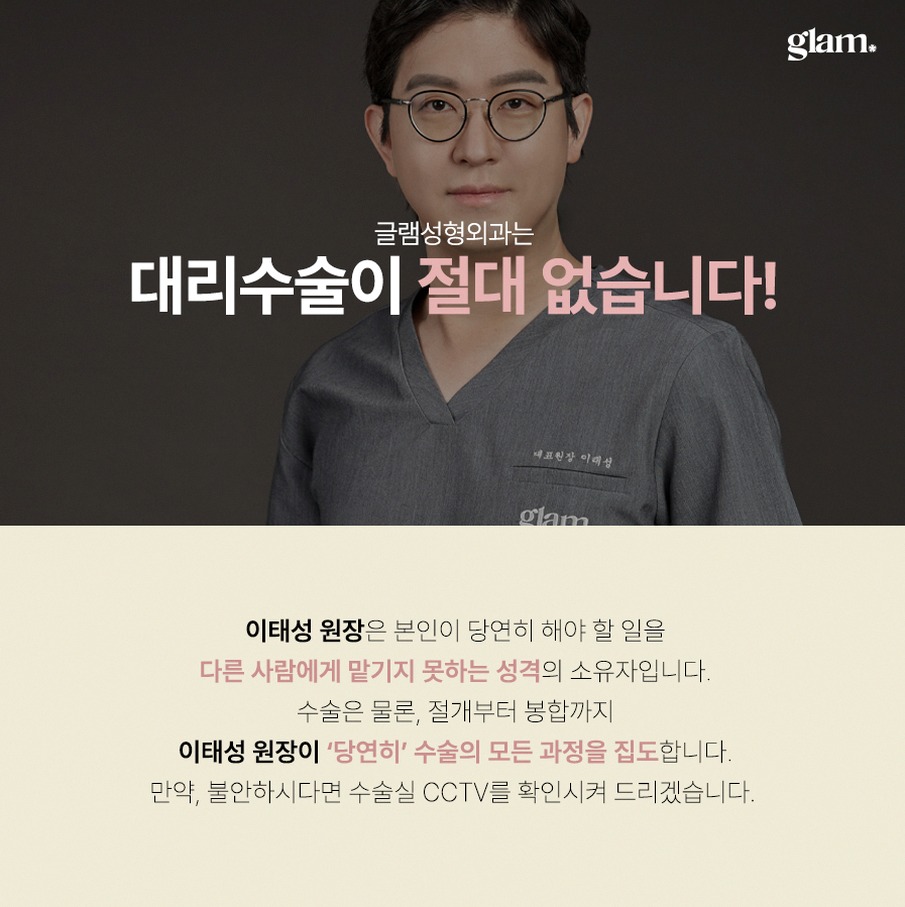
At this type of center, the operating surgeon typically performs the surgery directly rather than delegating the main steps, and a board-certified anesthesiologist is responsible for anesthesia and intraoperative monitoring. Many such clinics also emphasize recommending only the minimum necessary surgery, which may be reassuring if you are worried about overtreatment or being encouraged to add multiple optional procedures.
Recovery, downtime, and aftercare
Immediate postoperative period
Double jaw surgery is usually performed under general anesthesia. After surgery, you can expect:
Hospital stay of one or more nights, depending on the clinic’s protocol and your condition
Swelling and discomfort around the cheeks, lips, and jaw, most intense in the first few days
Difficulty with full mouth opening and chewing
A liquid or very soft diet in the early period
Swelling and bruising
Swelling typically peaks around day 3 to 5 after surgery, then gradually decreases over several weeks. Bruising, if present, usually fades within 2 to 3 weeks. However, subtle swelling and tissue adaptation can continue for several months. Many patients notice that their face keeps refining and feeling more natural over 6 to 12 months.
Return to daily life
Light daily activities, such as walking indoors and gentle stretching, are often encouraged soon after surgery to support circulation. Many patients can resume remote work or light desk work within 2 to 3 weeks, depending on their job and individual recovery. More intense physical activity, travel, and contact sports should be delayed according to your surgeon’s guidance.
Supportive postoperative care
Some Seoul facial bone centers offer structured aftercare programs aimed at supporting healing and reducing swelling. These may include:
LED therapy: Light-based treatments intended to support skin recovery and reduce inflammation.
Facial dome care: Gentle facial coverage and care to support circulation and comfort.
Total skin reset programs: Combined skin treatments designed to help the skin adapt to the new facial contours and recover from dryness or irritation.
Radiofrequency lifting treatments: Mild RF-based procedures used after an appropriate healing period to support skin tightening and lymphatic flow.
These treatments are supportive measures. They do not replace proper surgery, medical follow-up, or adherence to instructions about diet, oral hygiene, and activity restrictions. Always confirm the timing and suitability of any additional treatment with your surgeon.
Safety, anesthesia, and risk management
Double jaw surgery is a long and complex procedure, so safety and anesthesia management are critical.
Role of the anesthesiologist
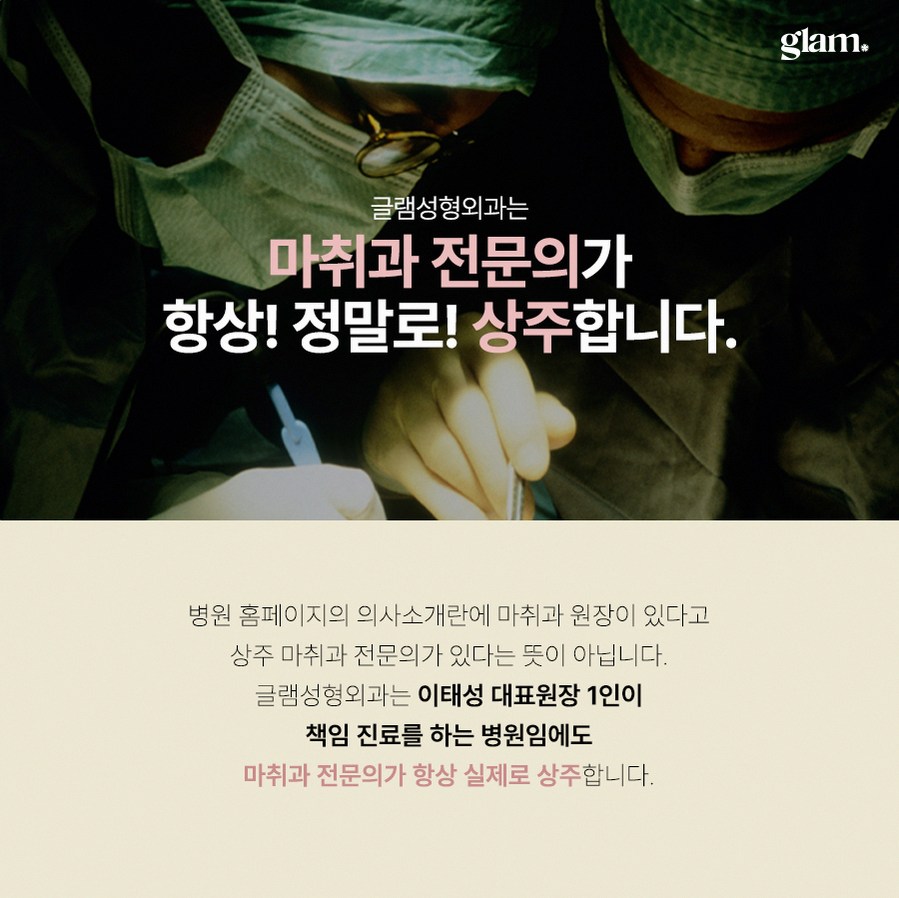
Having a board-certified anesthesiologist dedicated to your case means there is a specialist focused on:
Choosing and administering appropriate anesthesia
Monitoring vital signs and airway throughout the procedure
Managing fluids, pain control, and emergence from anesthesia
Responding rapidly if any issue arises
In a facial bone center where one anesthesiologist is responsible for anesthesia and pain management, you can ask directly about their experience with long jaw surgeries and how they handle airway safety.
Common risks and complications
Like any major surgery, double jaw surgery carries risks, including:
Bleeding and infection
Nerve injury leading to temporary or sometimes longer-lasting numbness around the lips, chin, or cheeks
Asymmetry or irregular contours
Relapse or partial movement of the jaws toward their original position
Jaw joint (TMJ) discomfort or bite issues that may require further adjustment
Need for revision surgery in some cases
Your surgeon should explain these risks in detail, including how common they are in their own practice and what steps they take to minimize them.
Questions to ask about safety
When comparing clinics in Seoul, consider asking:
Who will be my operating surgeon, and will they perform the key parts of the surgery themselves?
Is there a board-certified anesthesiologist present throughout the entire operation?
What monitoring equipment is used during surgery?
What are your protocols for managing airway emergencies or unexpected bleeding?
How is pain controlled after surgery, and who can I contact if I have problems once I leave the clinic?
Preparing for double jaw surgery as an overseas patient
Online consultation and pre-visit preparation
Most Seoul facial bone centers that work with international patients offer online consultation channels. To make the most of your first consultation, prepare:
Clear photos of your face from the front, both sides, and three-quarter angles, with a relaxed expression and teeth in natural contact
Information about your bite, such as whether you can chew comfortably, whether your front teeth meet, and whether you have jaw pain or clicking
Any previous imaging or reports related to your face or jaws, if available
A list of your medical conditions, medications, allergies, and any past surgeries
During online consultation, you can discuss your main goals, ask whether you might be a candidate for double jaw surgery, and get a preliminary idea of the recommended approach and expected stay in Korea. Final decisions usually require in-person examination and updated imaging once you arrive.
Expected visit timeline to Korea
Although each clinic has its own protocol, a typical timeline for overseas patients might look like this:
Before arrival
Online consultation and basic screening
Sharing of photos, medical history, and any prior imaging
Provisional scheduling of surgery date, subject to final in-person evaluation
First days in Seoul
In-person consultation and examination
X-rays and 3D imaging
Bite analysis and final surgical planning
Discussion of anesthesia, risks, consent, and postoperative care
Surgery and early recovery
Hospital admission on the day of surgery or the day before
Double jaw surgery under general anesthesia
One or more nights of inpatient monitoring
Discharge with detailed instructions on diet, hygiene, and medications
Postoperative stay in Seoul
Regular follow-up visits for wound checks, removal of any external sutures, and adjustment of elastics if used
Supportive treatments such as LED therapy or facial care, if included in your plan
Monitoring for swelling, bruising, and early healing
Many international patients stay in Seoul for several weeks after surgery so that early issues can be managed locally. The exact recommended duration depends on your case and the clinic’s policy.
After you return home
Once you leave Korea, you will usually continue follow-up through online channels. It is helpful to:
Send periodic photos and updates about your symptoms
Report any unusual pain, swelling, or bite changes promptly
Arrange local medical support in your home country in case urgent issues arise
Choosing a double jaw surgery clinic in Seoul
When comparing clinics, consider the following factors:
Surgeon’s specialization and experience
Does the surgeon focus on facial bone surgery, or is it only a small part of a broader practice?
How many years have they been performing double jaw surgery?
Do they have an academic or research background in facial bone procedures, such as published papers or conference presentations?
Scope of the clinic
Is the clinic a general aesthetic center, or does it operate as a focused facial bone surgery center?
A clinic that concentrates on double jaw and facial contouring may have systems, staff training, and equipment tailored to these procedures.
Anesthesia and safety
Is there a board-certified anesthesiologist dedicated to anesthesia and monitoring?
What are the clinic’s protocols for emergencies, and what equipment is available?
Planning and communication
Does the clinic use 3D imaging and, when appropriate, digital simulation or model surgery?
Can the surgeon clearly explain the planned jaw movements in terms of both function and aesthetics?
Do they discuss alternatives, limitations, and the possibility that double jaw surgery might not be indicated for you?
Approach to treatment recommendations
Look for clinics that do not push unnecessary combined procedures and that can justify each recommended step. Some centers, including GLAM Plastic Surgery, emphasize recommending only the minimum necessary surgery, which can be reassuring if you are concerned about overtreatment.
Multilingual support and logistics
For medical tourists, practical support matters. Ask whether the clinic offers:
Staff who can communicate in languages such as English, Japanese, or Thai
Help with scheduling imaging, hospital stay, and postoperative visits
Guidance on accommodation near the clinic and how long you should stay in Seoul
Frequently asked questions
Is double jaw surgery in Seoul only for cosmetic reasons?
No. While many patients are interested in improving their facial balance and profile, double jaw surgery is fundamentally about correcting skeletal jaw discrepancies that affect function. In Seoul, it is commonly used to address severe underbite or overbite, open bite, facial asymmetry, and long face patterns that cannot be adequately managed with bite adjustment alone. A responsible surgeon will consider both your functional issues and your aesthetic goals when recommending or declining surgery.
How long do I need to stay in Seoul after double jaw surgery?
The recommended stay varies by clinic and by individual healing, but many international patients remain in Seoul for several weeks after surgery. This allows time for initial swelling to stabilize, sutures to be removed, and early follow-up visits to be completed. Your surgeon will advise a specific timeframe based on your case, the complexity of your surgery, and the availability of local medical support once you return home.
Can I have double jaw surgery without my jaws being wired shut?
In some cases, yes. Some Seoul surgeons use stable plate and screw fixation and aim to avoid rigid intermaxillary fixation, allowing earlier gentle jaw movement and lighter elastics. Whether you are a candidate for this approach depends on factors such as bone quality, the amount and direction of jaw movement, and the stability of your new bite. This is an important point to discuss during consultation.

Will double jaw surgery change my nose shape?
Upper jaw surgery can influence the base of the nose and may lead to some degree of nasal widening or shape change. To reduce this, some surgeons use specific suturing techniques around the nasal base and soft tissues. These methods can help manage the extent of change but cannot completely eliminate it. Your surgeon should explain the likely impact on your nose and what steps they will take to control it.
Soft call to action
If you are considering double jaw surgery in Seoul, start by gathering your medical history, bite information, and clear facial photos. Use online consultations with qualified facial bone surgeons to understand whether you are a candidate, what type of surgery might be appropriate, and how long you would need to stay in Korea.
Comparing more than one professional opinion can help you feel more confident in your decision. During each consultation, ask detailed questions about surgical planning, anesthesia, postoperative care, and long-term follow-up. Choose a clinic whose approach to safety, function, and aesthetics aligns with your priorities, and take the time you need to make a well-informed decision about this major procedure.




- 공유 링크 만들기
- X
- 이메일
- 기타 앱


댓글
댓글 쓰기