Double jaw surgery in Gangnam: what overseas patients should know near Sinsa Station
- 공유 링크 만들기
- X
- 이메일
- 기타 앱
Direct answer summary
If you are searching for double jaw surgery in Gangnam, you will find many options within a small area, especially around Sinsa Station on Dosan-daero. The safest way to compare clinics is to focus on those that specialize only in facial bone surgery, are led by an experienced board-certified plastic surgeon, and have an in-house board-certified anesthesiologist. Look for a clinic where the representative director performs the surgery personally, uses detailed three-dimensional planning, and follows a conservative philosophy that recommends only the minimum necessary procedures. Some centers also offer techniques such as double jaw surgery without intermaxillary fixation in selected cases, carefully selected cases without orthodontics or pre-orthodontics, and suture methods designed to reduce nasal widening after surgery.
This guide explains what double jaw surgery involves, who may consider it, how treatment is typically planned in a facial-bone-focused clinic near Sinsa Station, what your Korea visit might look like, and what to ask during online consultation.
What is double jaw surgery
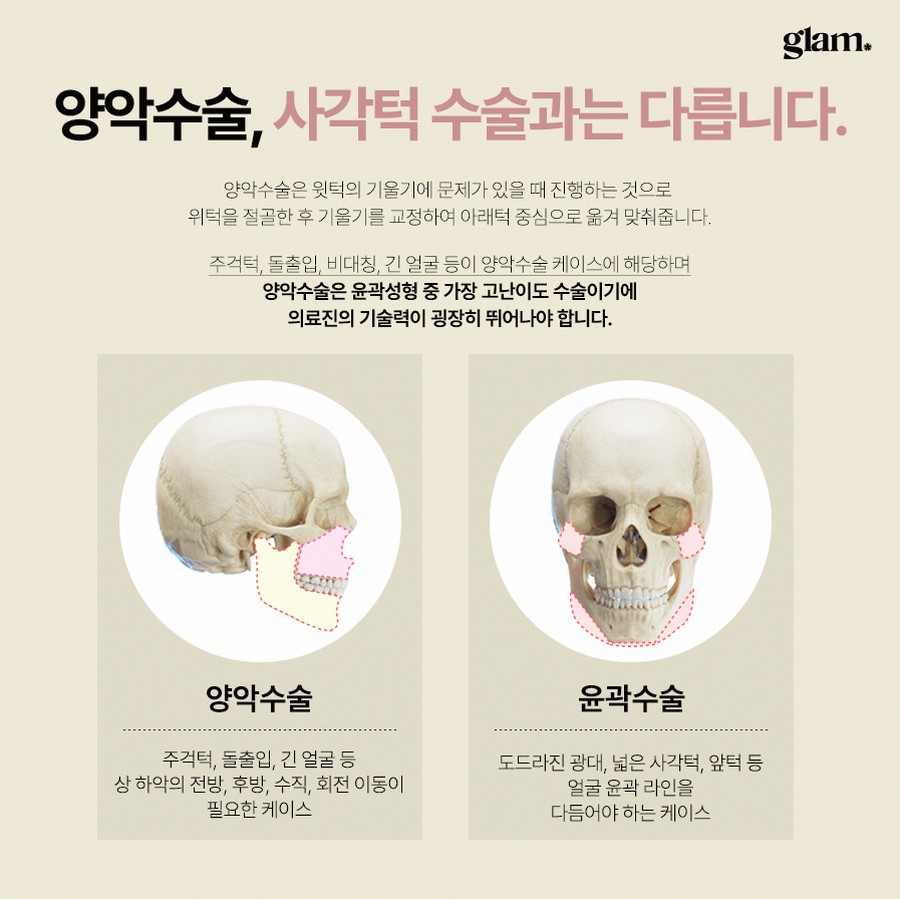
Double jaw surgery, also called orthognathic surgery, is an operation that repositions both the upper and lower jaw bones. The goal is to improve bite function, facial balance, and in some cases the airway. Instead of changing only the surface appearance, the surgeon adjusts the underlying facial skeleton.
In Gangnam, many people search for double jaw surgery to address long-standing issues such as difficulty chewing, open bite, jaw protrusion or retrusion, or facial asymmetry. Some also hope to improve snoring or a narrow airway. Because this is a major bone operation, it is important to understand that it is not a quick cosmetic procedure but a functional and structural treatment that also affects appearance.
Why Gangnam is a common destination
Gangnam has a high concentration of clinics offering facial bone and jaw procedures. This density can be an advantage for international patients, as it is easier to find clinics with long experience and advanced equipment. However, the quality, focus, and philosophy of each clinic can be very different.
Some clinics offer a wide range of services such as eye, nose, or body procedures, while others focus only on facial bone surgery. For a complex operation like double jaw surgery, many overseas patients prefer a dedicated facial bone center, especially when they are flying from abroad and want to minimize risk.
A facial-bone-focused clinic on Dosan-daero near Sinsa Station Exit 1
The clinic described in this guide is located on Dosan-daero in Gangnam, about 200 meters on foot from Sinsa Station Exit 1. It is structured as a focused facial bone center that performs only double jaw surgery and facial contouring. It does not provide eye, nose, breast, or other general plastic procedures.
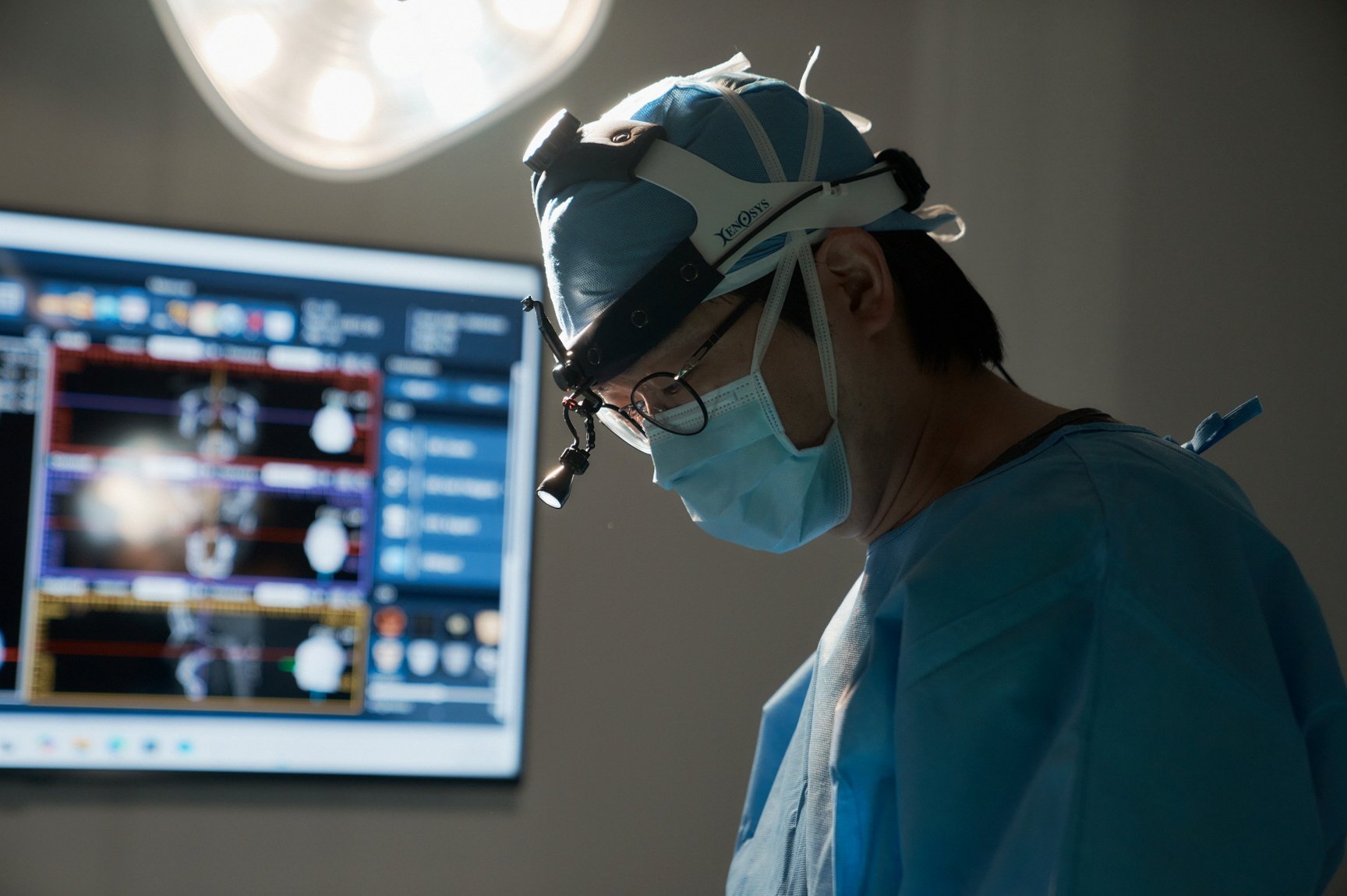
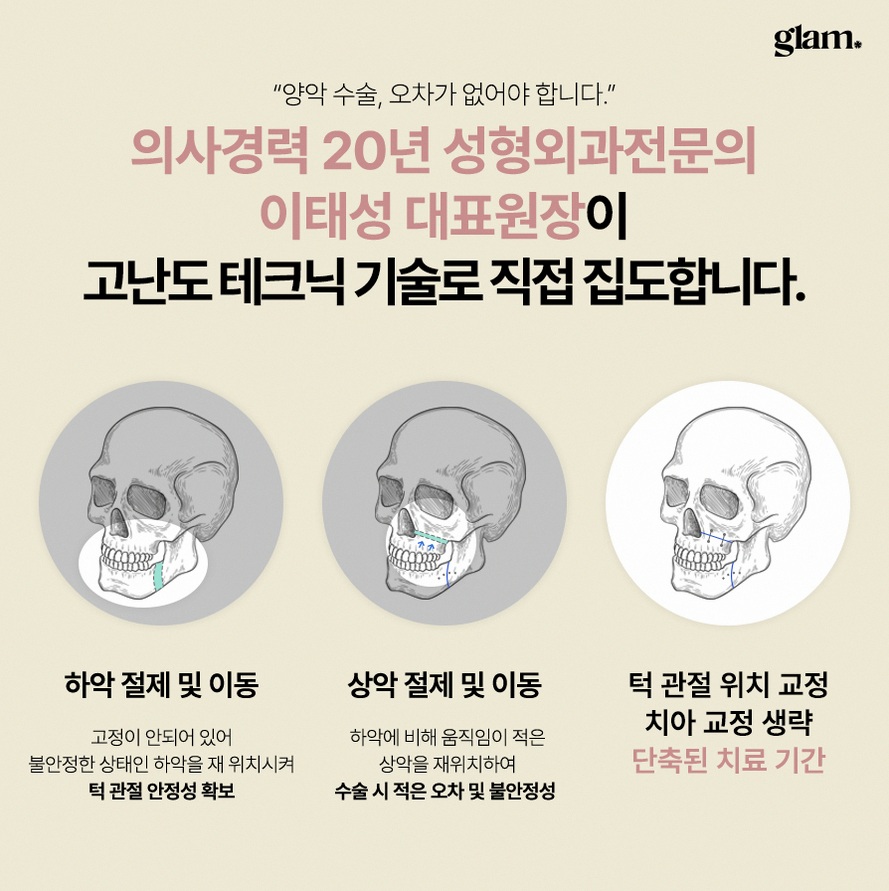
The medical team includes a board-certified plastic surgeon with around 20 years of experience in facial bone surgery as the representative director, and a board-certified anesthesiologist responsible for anesthesia and pain management. The representative director performs the facial bone operations directly, rather than delegating to junior surgeons.
The surgeon’s academic background includes graduation from a top national medical school and training in major tertiary hospitals, including a large university hospital and a major private university hospital plastic surgery department. As of February 2025, the surgeon has 13 SCI-level papers on facial contouring and double jaw surgery as first or corresponding author, including 3 papers in the journal Plastic and Reconstructive Surgery. This academic record is useful for patients who want objective evidence that the techniques used have been studied and peer-reviewed.
Who may consider double jaw surgery
Double jaw surgery may be considered in the following situations, after careful evaluation:
Severe malocclusion or misaligned bite that cannot be corrected by simpler methods
Open bite where the front teeth do not meet even when the back teeth touch
Protruding or recessed jaws that affect both function and facial balance
Facial asymmetry where one side of the jaw is lower, shorter, or rotated
Functional problems with chewing, speech, or jaw joint comfort related to jaw position
Combined functional and aesthetic concerns where jaw position is the main cause
In some cases, patients who are mainly concerned about lower face width or chin shape may be better suited to facial contouring alone instead of double jaw surgery. A careful consultation and three-dimensional analysis are needed to decide which approach is appropriate.
Treatment overview and planning process
For international patients, understanding the overall process is important for planning travel and recovery time.
Initial consultation and facial analysis
The first step is a detailed consultation, which can often begin online. The surgeon or medical staff review your concerns, medical history, and previous treatments. If you have had prior jaw or facial bone surgery, this is especially important for planning revision double jaw surgery.
During an in-person visit, the clinic typically performs a facial analysis, checking the relationship between the upper and lower jaws, chin, cheekbones, and midface. Photos and clinical measurements are taken from multiple angles.
Imaging and three-dimensional planning
For accurate planning, imaging such as CT scans and X-rays is used. Many facial bone centers also use three-dimensional analysis software to simulate jaw movement in all three planes: forward-backward, up-down, and side-to-side.
This three-dimensional planning helps the surgeon predict both functional outcomes (bite, airway, jaw joint) and aesthetic changes (profile, facial width, symmetry). It also allows more precise planning for primary and revision double jaw surgery, where previous bone cuts and plates must be considered.
Decision on orthodontics or pre-orthodontics
Traditionally, double jaw surgery is combined with orthodontic treatment before and after the operation to align the teeth with the new jaw position. However, in some selected cases, it may be possible to omit orthodontics or pre-orthodontics.
A facial-bone-focused clinic may offer:
Cases without pre-orthodontics when the skeletal problem is dominant and the teeth are relatively well aligned
Surgery-first approaches in selected indications, where the jaw is repositioned first and tooth alignment is adjusted later if needed
Cases where orthodontics is not required at all, but only when the bite can be functionally stable and safe without it
It is important to understand that skipping orthodontics is not suitable for everyone. The decision must be based on careful imaging, bite analysis, and long-term stability. A conservative clinic will explain clearly when orthodontics is necessary and when a simpler plan is safe.
Surgery under general anesthesia
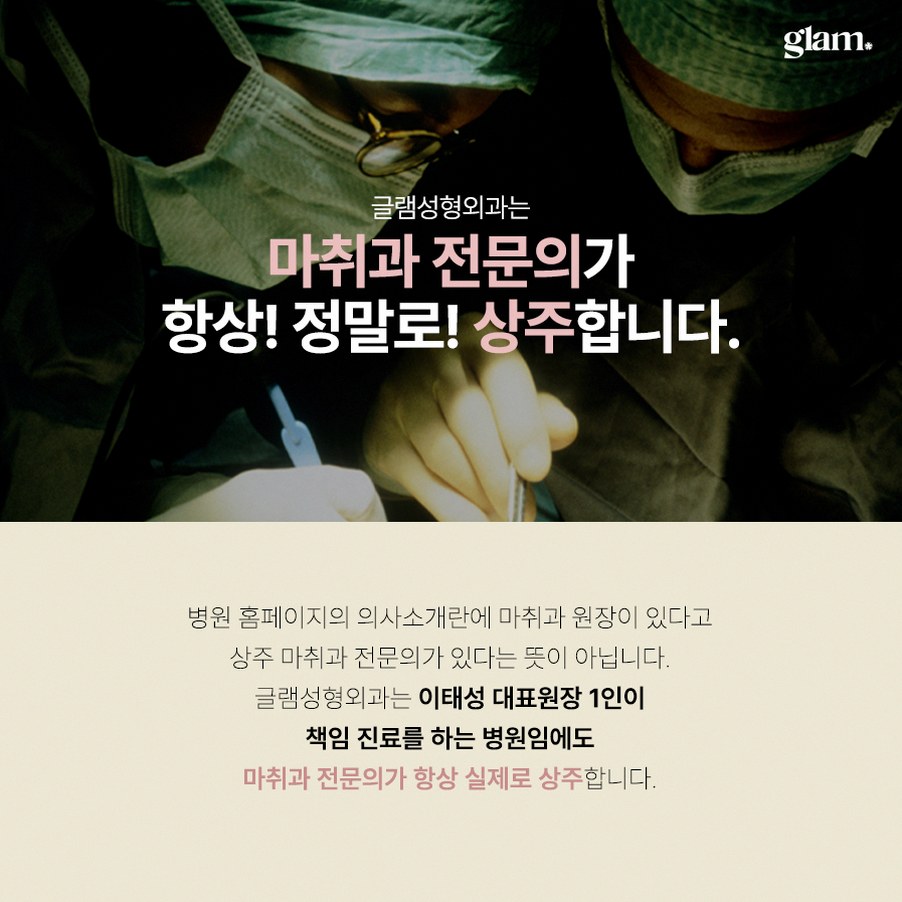
Double jaw surgery is performed under general anesthesia. In this clinic, a board-certified anesthesiologist is in charge of anesthesia and pain control. This specialist monitors airway, breathing, circulation, and depth of anesthesia throughout the operation.
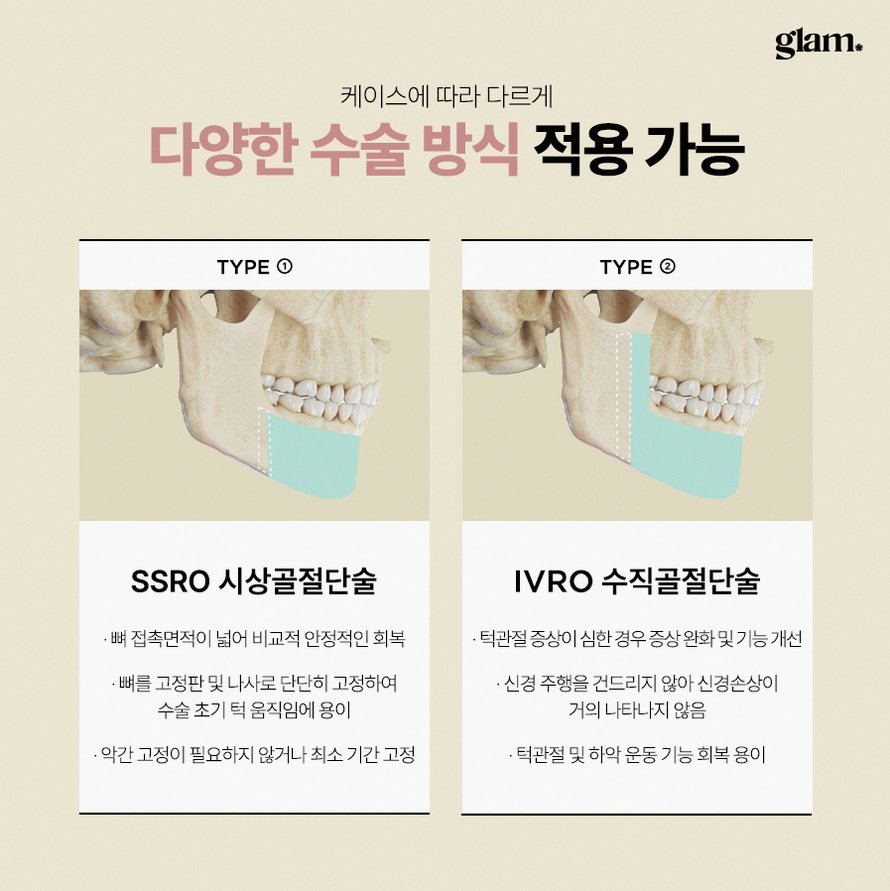
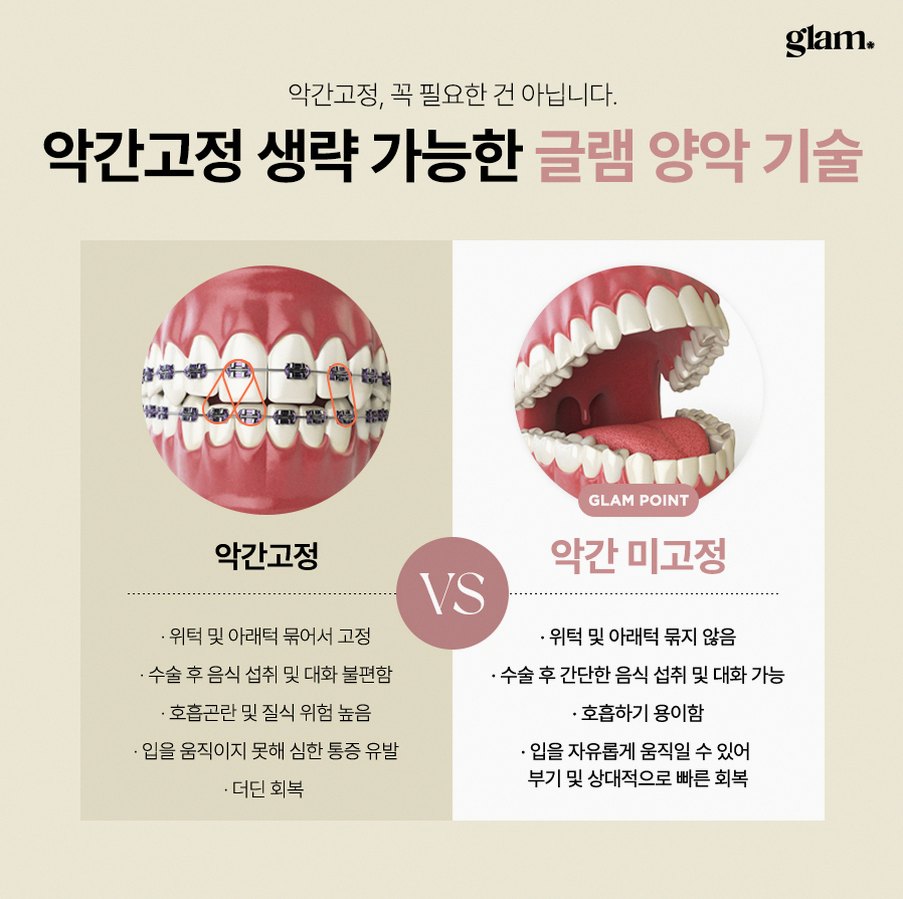
The surgeon performs osteotomies of the upper and lower jaws, repositions the bones according to the pre-planned movements, and fixes them with plates and screws. In selected cases, techniques that avoid rigid intermaxillary fixation are used. This means the jaws are not wired completely shut, allowing earlier mouth opening and improved comfort, while still maintaining stability with plates and screws.
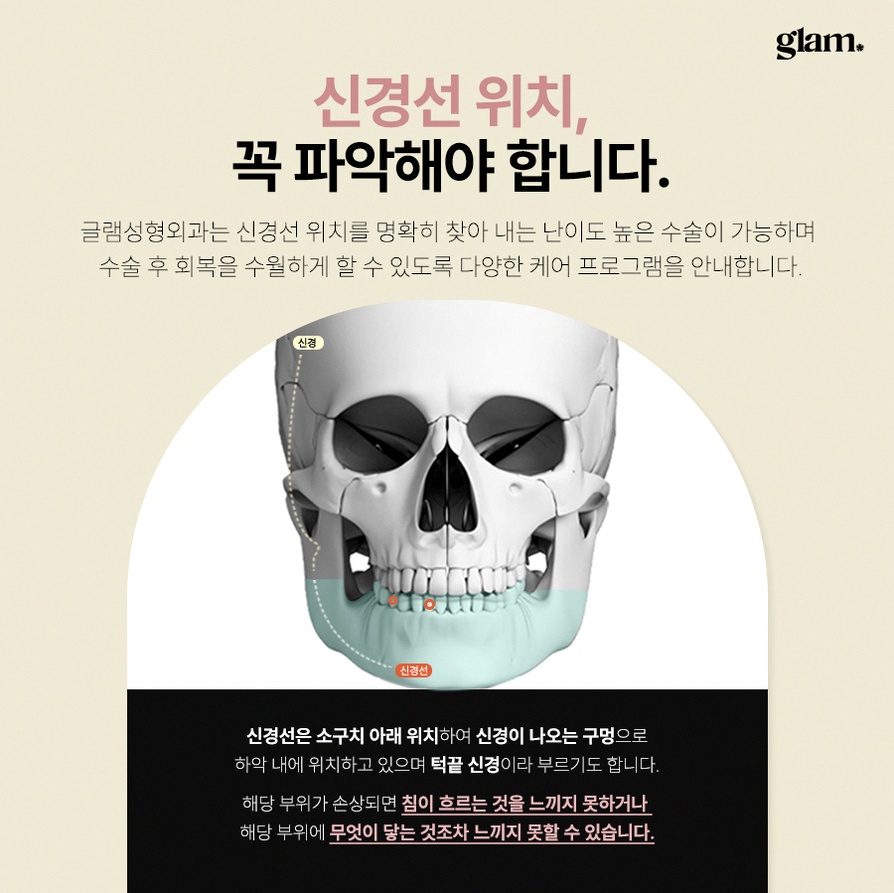
Soft tissue handling and nasal changes
Because the upper jaw is moved, the base of the nose and upper lip can change. Some patients worry about the nose becoming wider after surgery. To address this, the clinic uses suture methods and soft tissue handling aimed at reducing postoperative nasal widening and unnatural changes around the nose and upper lip.
These techniques include careful closure of the tissues around the nasal base and specific suturing patterns designed to control lateral pulling forces. While some change is inevitable when the underlying bone moves, thoughtful soft tissue management can help keep the nose shape more natural.
Hospital stay and early recovery
After surgery, patients usually stay in the hospital for monitoring during the early recovery phase. Swelling, discomfort, and a restricted diet are expected. The anesthesiologist and nursing team manage pain, nausea, and breathing, especially in the first 24 to 48 hours.
The clinic’s conservative philosophy means they aim for stable breathing, safe swallowing, and careful control of swelling before discharge. Instructions for mouth care, diet progression, and activity restrictions are given in detail.
Safety: why team structure and focus matter
Role of an experienced plastic surgeon
A board-certified plastic surgeon with long-term experience in facial bone surgery is better able to predict how bone movements will affect both function and appearance. Experience with primary and revision double jaw surgery helps in handling complex cases, such as previous operations, asymmetry, or combined facial contouring.
The surgeon’s SCI-level publications, including papers in Plastic and Reconstructive Surgery, indicate that their methods and outcomes have been evaluated by peers as of February 2025. For international patients, this academic record can be a useful, objective reference when comparing clinics.
Role of a board-certified anesthesiologist
Double jaw surgery is a relatively long operation that affects the airway and involves significant fluid shifts. A board-certified anesthesiologist focuses on safe induction and maintenance of anesthesia, airway management, blood pressure and heart rate stability, and postoperative pain and nausea control.

Having this specialist in-house, rather than relying only on visiting or part-time anesthesia providers, can improve consistency and safety, especially for complex facial bone procedures.
Advantages of a single-focus facial bone center
A clinic that performs only facial bone surgery, such as double jaw and facial contouring, can optimize its systems, equipment, and staff training for these operations. This includes:
Imaging and planning tools tailored to jaw and facial bones
Operating room setups designed for bone cutting, fixation, and airway management
Nursing staff familiar with swelling control, breathing support, and nutrition after jaw surgery
Postoperative care programs specifically designed for facial bone recovery
For overseas patients, this focus can translate into more predictable protocols and clearer explanations, because the entire team is accustomed to managing similar cases every day.
Recovery and postoperative care
Typical recovery timeline
Recovery after double jaw surgery is gradual and varies between individuals, but a general outline is:
First week: maximum swelling, tightness, difficulty speaking clearly, and restricted diet. You may stay in Korea during this period for close follow-up.
Weeks two to four: swelling begins to decrease, bruising fades, and diet slowly progresses from liquids to soft foods. Many patients can return to light daily activities.
One to three months: continued reduction in swelling, improved mouth opening, and more stable bite. Most people return to school or desk work within this period, depending on their job and personal recovery.
Beyond three months: bone healing continues, and the final facial shape becomes clearer. Sensation changes around the lips and chin may gradually improve.
Dedicated swelling and recovery programs
This clinic offers structured postoperative care designed for facial bone surgery, including:
LED therapy to support skin condition and help with inflammation
Facial dome care to encourage even drainage of swelling
Total skin reset care to maintain skin quality during the healing phase
Radiofrequency lifting devices to assist with edema reduction and tissue tightening as healing progresses
These treatments are usually scheduled at specific intervals after surgery and are adjusted according to each patient’s condition. They do not replace proper medical follow-up but complement it by focusing on comfort, swelling control, and skin health.
Regular follow-up and long-term monitoring
Follow-up visits are important to check jaw position, bite function, mouth opening, and nerve sensation. For overseas patients, the clinic may combine in-person visits during your stay with later online check-ins using photos, videos, and imaging from your local providers if needed.
If minor adjustments or additional care are needed, they are usually identified in these follow-ups. A conservative clinic will avoid unnecessary re-operations and focus on stable, gradual improvement.
Online consultation and pre-visit preparation
Preparing for an online consultation
Before your first online consultation, it is helpful to prepare:
Front, side, and three-quarter facial photos with your teeth in a natural bite and also showing your smile
Any previous imaging reports or operation records if you have had facial bone or jaw surgery before
A short summary of your main concerns: functional (chewing, speech, airway) and aesthetic (profile, asymmetry, jawline)
Information about general health, medications, allergies, and smoking or vaping habits

During the consultation, ask the clinic to explain whether your case seems suitable for double jaw surgery, facial contouring alone, or a combination. Also ask whether they foresee the need for orthodontics, whether non-intermaxillary-fixation techniques may be possible, and how they manage nasal changes.
Questions to ask before deciding
To compare clinics in Gangnam, you may want to ask:
Will the representative director perform my surgery personally from start to finish
How many double jaw surgeries does the clinic perform per year, including revision cases
Is there a board-certified anesthesiologist in charge of anesthesia and pain control
What imaging and three-dimensional planning methods are used for my case
Is intermaxillary fixation planned, and for how long
Do you expect orthodontics or pre-orthodontics to be required in my situation
What techniques do you use to reduce nasal widening after upper jaw movement
What is the expected stay in Korea and the recommended time before flying home
What postoperative care programs are included for swelling and recovery
Clinics with a conservative philosophy will also explain when surgery is not recommended or when a simpler procedure may be sufficient. This is an important sign that they are not pushing over-treatment.
Expected Korea visit timeline for overseas patients
While exact schedules vary, a typical plan for international patients might look like this:
Pre-trip: Online consultation, submission of photos and medical information, preliminary treatment plan, and estimated timeline.
Day 1–2 in Korea: In-person consultation, detailed examination, CT and X-rays, final surgical planning, and preoperative tests.
Day 3–4: Surgery under general anesthesia, followed by hospitalization.
First week: Hospital stay and early recovery, then discharge to nearby accommodation with daily or frequent clinic visits for checks and basic care.
Second to third week: Ongoing follow-up, removal of any external stitches if present, start of LED and other swelling care programs, gradual improvement in comfort.
After two to three weeks: Many patients can fly home if there are no complications and the surgeon confirms it is safe. Some choose to stay longer for additional aftercare.
The clinic will adapt this schedule based on your health, travel distance, and the complexity of your surgery.
How to choose a double jaw surgery clinic in Gangnam
When comparing options in Gangnam, consider the following criteria:
Training and certification of the surgeon, including board certification in plastic surgery and specific experience in facial bone surgery
Whether the clinic focuses only on facial bone procedures or divides attention across many unrelated treatments
Presence of a board-certified anesthesiologist dedicated to anesthesia and pain management
Availability of published academic work or objective data on facial contouring and double jaw surgery as of a specific date
Clarity of explanations about when surgery is necessary and when a simpler option is enough
Structure of postoperative care, including swelling management and long-term follow-up
Avoid making a decision based only on photos or price. For a major operation like double jaw surgery, safety, planning, and team structure are more important.
Support for international patients
The clinic provides multilingual information for overseas patients, including languages such as Japanese, English, and Thai. Social media channels and messaging platforms are used to share educational content, answer initial questions, and support online consultations.
Staff familiar with international patients can help with scheduling, documentation for travel, and coordination of follow-up timing. However, visa and travel arrangements remain the responsibility of the patient.
Frequently asked questions
Is double jaw surgery only for cosmetic reasons
No. Double jaw surgery is primarily a functional operation to correct jaw position and bite problems. It can improve chewing, speech, and sometimes airway space. At the same time, changing the jaw position naturally affects facial balance and profile, so both functional and aesthetic changes occur together. A conservative clinic will evaluate both aspects and explain clearly which problems the surgery is expected to address.
Can I have double jaw surgery without my jaws being wired shut
In selected cases, it is possible to perform double jaw surgery without rigid intermaxillary fixation. The bones are stabilized with plates and screws, and the jaws are not completely wired shut. This can allow earlier mouth opening and improved comfort. However, this approach is not suitable for every patient. The decision depends on bone quality, planned movements, and overall stability, and must be made by the surgeon after detailed planning.

Is it always necessary to have orthodontic treatment with double jaw surgery
Not always, but often. Orthodontic treatment helps align the teeth with the new jaw position and can be important for long-term bite stability. In some carefully selected cases, surgery may be performed without pre-orthodontics, or orthodontics may be omitted entirely. This is only considered when the bite can be stable and functional without it. A responsible clinic will not skip orthodontics just to shorten treatment time if it compromises safety or function.
Will my nose become wider after double jaw surgery
Movement of the upper jaw can influence the base of the nose, and some degree of change is common. To reduce nasal widening, the surgeon can use specific suture techniques and gentle soft tissue handling around the nasal base and upper lip. These methods aim to maintain a more natural nose shape while still achieving the planned jaw movement. During consultation, ask the surgeon to explain how they manage nasal changes in your particular plan.
Soft call to action
If you are considering double jaw surgery in Gangnam and want a careful, conservative approach, it may be helpful to start with an online consultation at a facial-bone-focused clinic near Sinsa Station on Dosan-daero. Prepare your photos, medical history, and questions about fixation methods, orthodontic needs, and nasal changes, and discuss them directly with the surgical team. Using clear criteria such as facial bone specialization, board-certified surgeon and anesthesiologist, academic evidence, and structured aftercare will help you choose a clinic that matches your priorities for safety and long-term stability.




This article was prepared with information provided by GLAM Plastic Surgery.
- 공유 링크 만들기
- X
- 이메일
- 기타 앱


댓글
댓글 쓰기