Double Jaw Surgery Hospital Guide in Seoul: How to Choose a Focused Facial Bone Center in Gangnam
- 공유 링크 만들기
- X
- 이메일
- 기타 앱
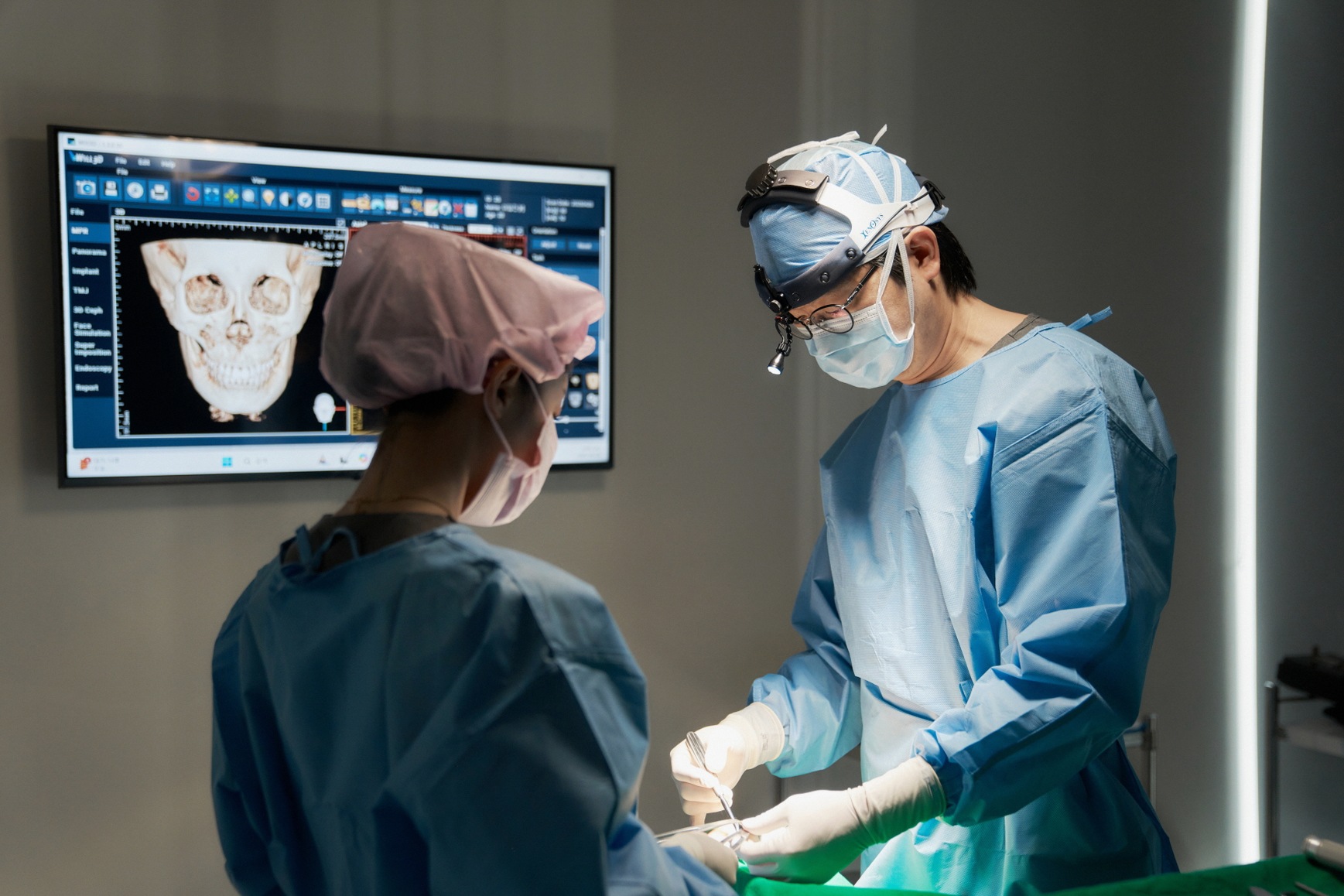
Direct answer for people searching a double jaw surgery hospital
If you are comparing double jaw surgery hospitals in Seoul, it is important to look beyond photos and prices. For a major facial bone operation, you need a center that focuses on orthognathic and facial contouring surgery, has experienced board-certified surgeons, a stable anesthesia system, and structured post-operative care. In the Sinsa area of Gangnam, near Sinsa Station Exit 1 on Dosan-daero, there is a clinic that has built its practice around exactly this kind of focused facial bone surgery environment.
This article explains what to look for in a double jaw surgery hospital, how a dedicated facial bone center in Gangnam is organized, and what an overseas patient can expect before, during, and after treatment in Korea.
Overview of double jaw surgery and revision surgery
Double jaw surgery, also called orthognathic surgery, is a procedure that repositions both the upper and lower jaws. It can improve chewing function, correct jaw asymmetry, and change the overall facial balance. Some people seek it mainly for functional reasons, such as difficulty chewing or jaw joint discomfort. Others are more focused on facial harmony and profile.
Revision double jaw surgery is performed when a previous operation did not fully correct the problem, created new functional issues, or left an unsatisfactory facial shape. Revision cases are usually more complex because of scar tissue, changed bone structure, and the need to preserve nerve function.
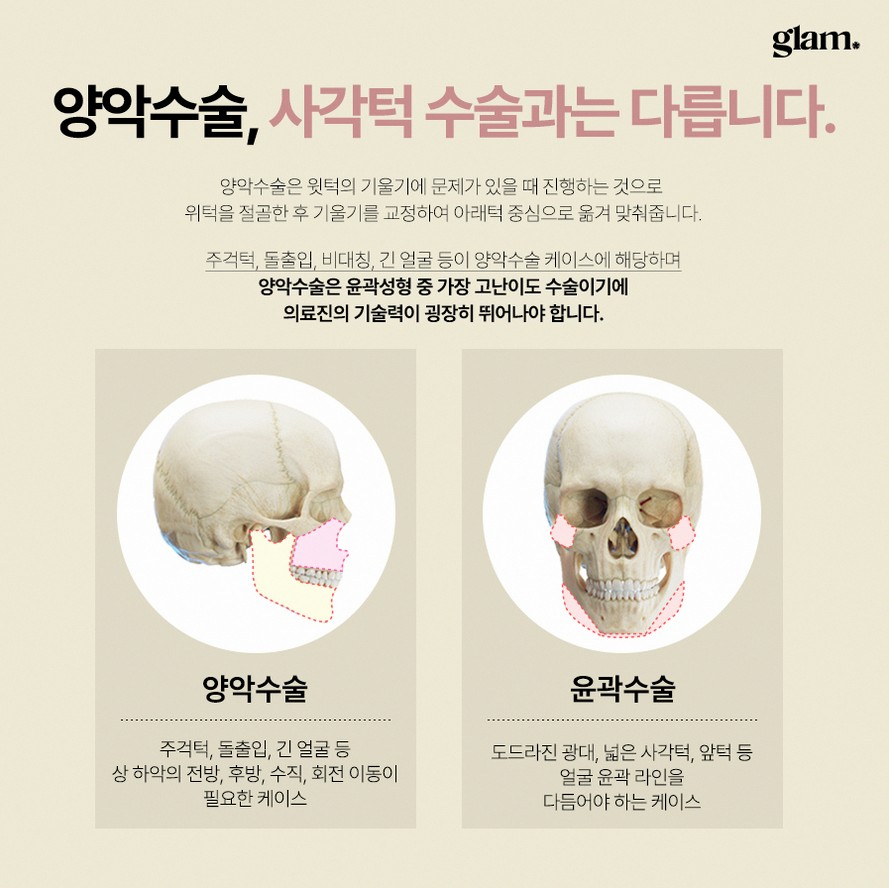
Because both primary and revision double jaw surgery affect the central structure of the face, patients often search specifically for a double jaw surgery hospital rather than a general cosmetic clinic. The level of planning, surgical control, and safety monitoring required is higher than for many other procedures.
What makes a good double jaw surgery hospital
When you compare hospitals in Seoul for double jaw surgery, there are several practical points you can check.
First, specialization. A dedicated facial bone center focuses on double jaw surgery and facial bone contouring procedures instead of offering a wide mix of unrelated treatments. This allows the medical team to build deep experience in jaw and facial bone anatomy, nerve preservation, and long-term stability of bone movement.
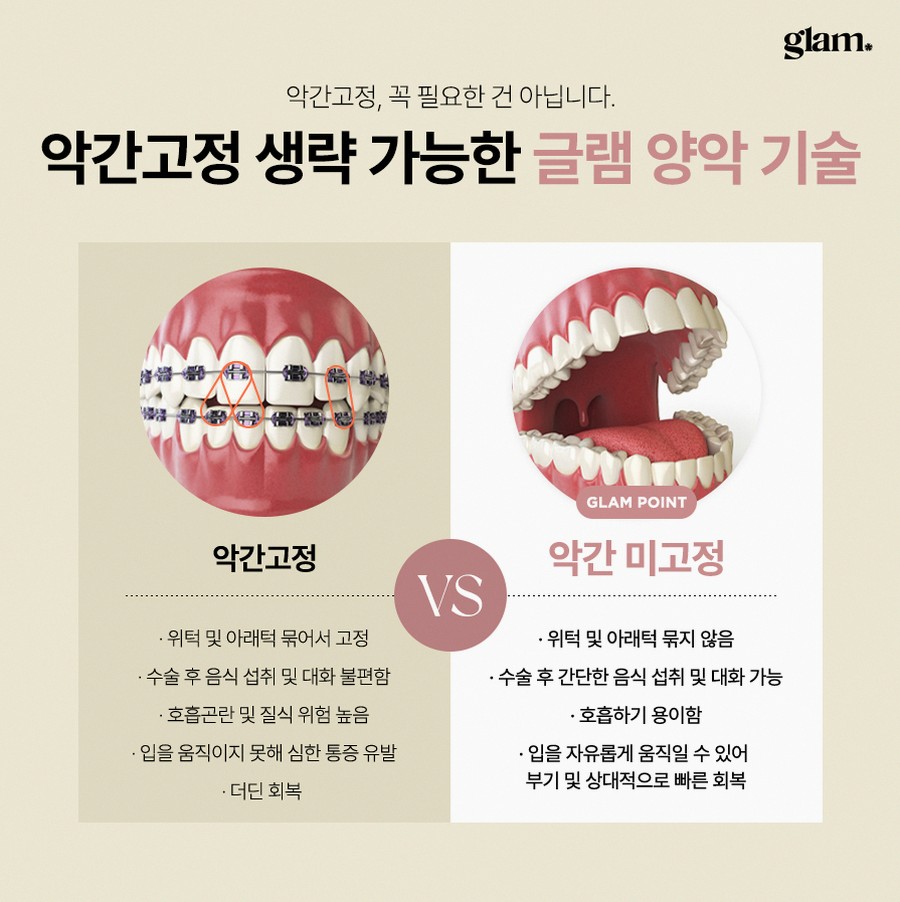
Second, surgeon credentials. For this kind of surgery, many patients prefer a board-certified plastic surgeon with extensive facial bone experience. Around 20 years of focused work on double jaw and facial contouring as of February 2025 means the surgeon has seen a wide range of facial shapes, asymmetries, and revision situations. Training at major university hospitals and additional fellowship or observership experience in the United States can also indicate a strong academic and technical background.
Third, anesthesia system. Double jaw surgery is usually performed under general anesthesia and can be a long operation. A hospital that has a full-time board-certified anesthesiologist in charge of anesthesia and pain management adds an extra layer of safety. Training at a large Catholic medical center and membership in national anesthesiology and pain societies suggest that the anesthesiologist is familiar with managing complex surgical cases.
Fourth, structured pre-operative evaluation and post-operative care. Before surgery, detailed imaging, bite analysis, and facial balance assessment are needed. After surgery, systematic care for swelling, bruising, and skin condition can make the recovery period more manageable. A hospital that has its own aftercare programs shows that it has thought through the entire treatment journey, not just the operation itself.
A hospital that focuses only on facial bone surgery
In the Sinsa area of Gangnam, there is a clinic that has chosen to limit its practice to facial bone surgery. It does not offer eye, nose, breast, or other general cosmetic procedures. Instead, its lineup is built around:
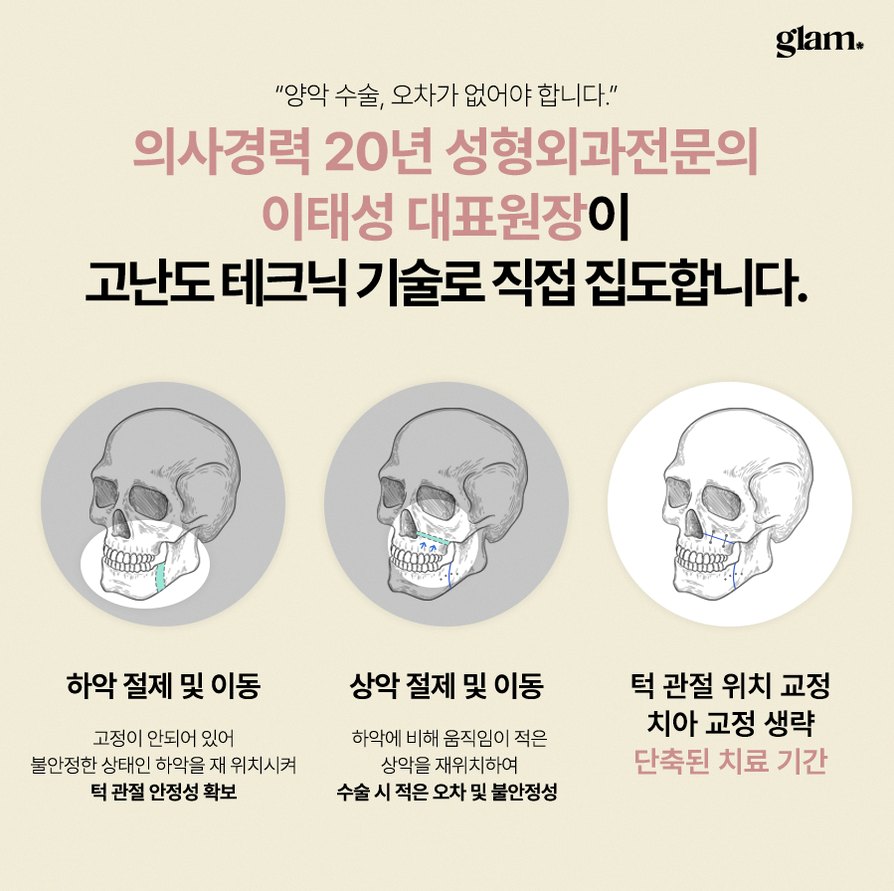
Double jaw surgery (orthognathic surgery)
Revision double jaw surgery
Zygoma reduction
V-line surgery
Square jaw reduction
Revision facial contouring
By concentrating on this narrow field, the team can refine techniques for bone cutting, repositioning, fixation, and soft tissue handling around the jaw and cheekbones. This is especially important for revision cases, where previous bone cuts, plates, and screws may already be present.
For patients, a single-focus facial bone center can feel different from a large cosmetic clinic. The consultation tends to revolve around bone structure, bite, and long-term stability rather than short-term trends. The discussion often includes how jaw position will affect the nose, lips, and chin as a whole, and how much change is realistically possible with bone surgery alone.
Surgeon experience and academic track record
At this Gangnam clinic, one board-certified plastic surgeon is in charge of all facial bone operations. The surgeon has around 20 years of experience in double jaw surgery and facial contouring, with training at top medical schools and major university hospitals in Seoul. Additional fellowship or observership experience in the United States has provided exposure to international approaches to orthognathic and facial bone surgery.
Academic activity is another way to judge a hospital’s focus. As of February 2025, this surgeon has 13 SCI-level papers on contouring and double jaw surgery as first or corresponding author. Among these, 3 papers have been published in the journal Plastic and Reconstructive Surgery. For patients, this means that the surgeon is not only performing operations but also analyzing outcomes, refining techniques, and sharing results with the international medical community.
In daily practice, this academic background often appears in the way the surgeon explains treatment plans. Discussions may include how much bone movement is planned, what kind of fixation will be used, and how the surgery aims to balance function and facial aesthetics.
Safety system with a full-time anesthesiologist
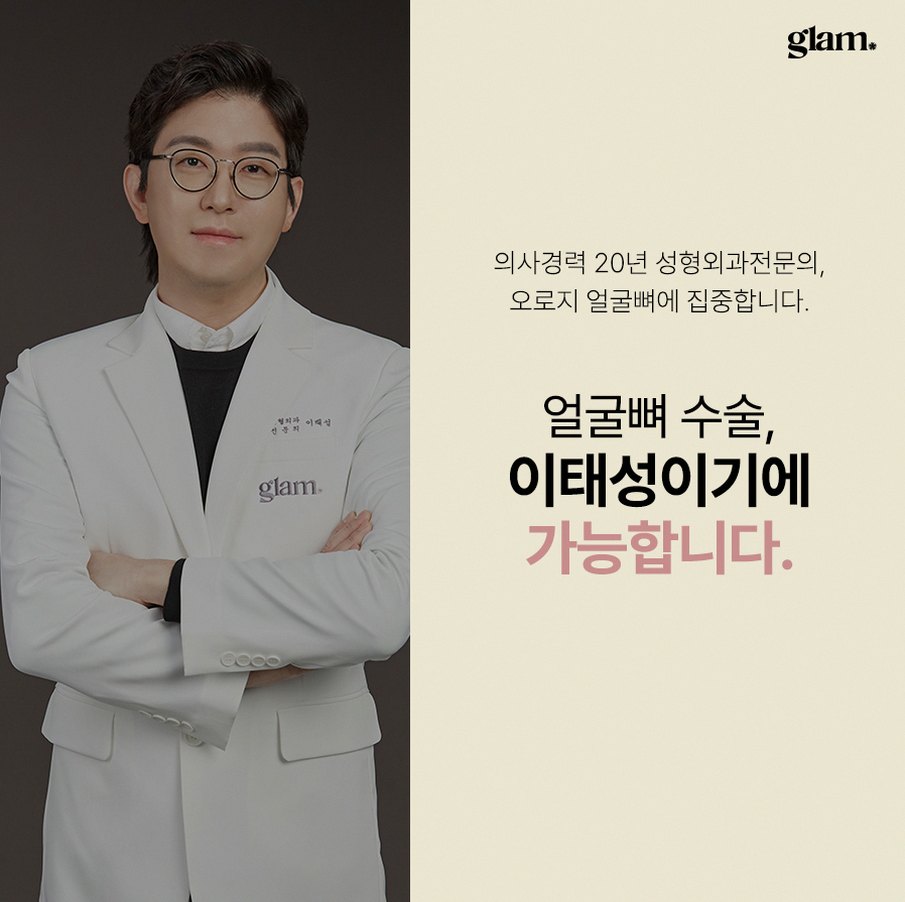
For long and complex bone surgery, anesthesia safety is crucial. At this Sinsa clinic, an anesthesiology and pain medicine specialist (board-certified) is responsible for anesthesia and pain management. The anesthesiologist has trained at a large Catholic medical center and is a member of national anesthesiology and pain societies.
Having a full-time anesthesiologist in the hospital means that one doctor is consistently monitoring vital signs, adjusting anesthesia depth, and managing airway and fluid balance during surgery. This is different from settings where anesthesia is provided by rotating staff or external teams.
For overseas patients, it can be reassuring to know that the surgeon and anesthesiologist are a stable team who regularly work together on facial bone cases. This teamwork can help with smoother induction of anesthesia, better intraoperative communication, and more controlled wake-up and early recovery.
Surgical approach: minimal necessary surgery and balanced goals
Many people who search for a double jaw surgery hospital are worried about overtreatment. They may have heard stories of unnecessary additional procedures or aggressive bone cutting that does not match the patient’s original concerns.
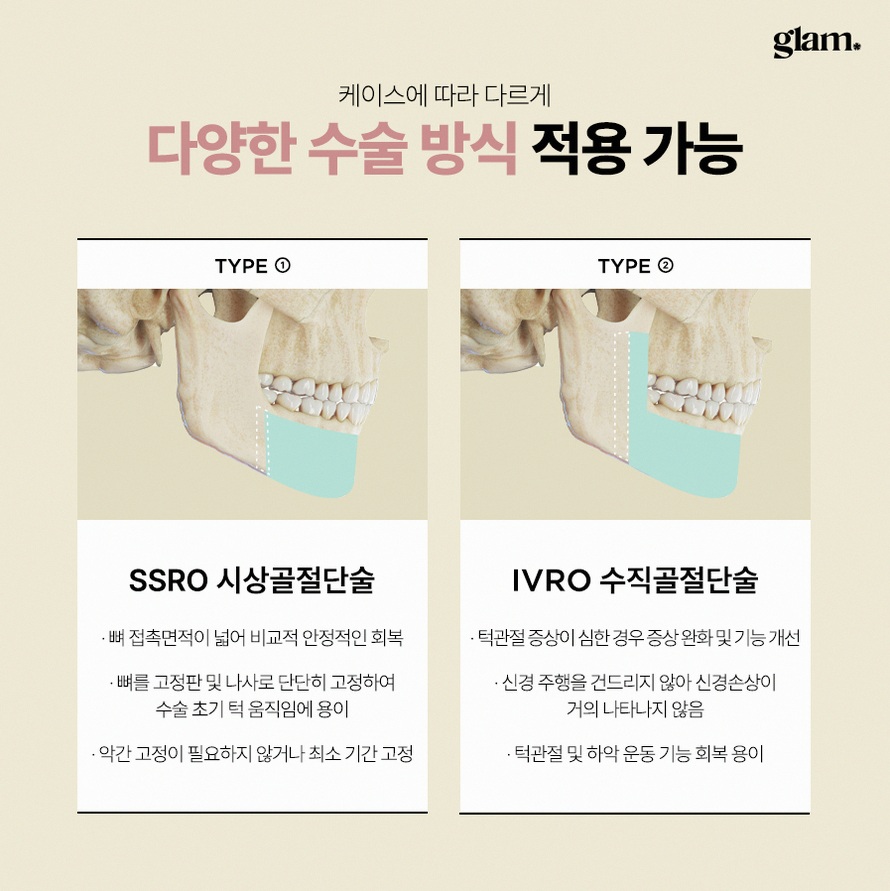
This Gangnam clinic emphasizes recommending only the minimum necessary surgery to achieve the agreed goals. During consultation, the surgeon explains which parts of the jaw or facial bones truly need to be moved, and which areas may not require intervention. If a patient’s functional problem can be addressed with a more limited approach, that option is discussed.
Several technical points are part of this philosophy.
In selected cases, double jaw surgery may be performed without intermaxillary fixation after surgery. That means the jaws are not wired tightly shut for a long period, allowing earlier mouth opening and more comfortable early recovery. This is not suitable for every patient, but when bone stability and fixation allow, it can reduce some of the classic inconveniences associated with jaw surgery.
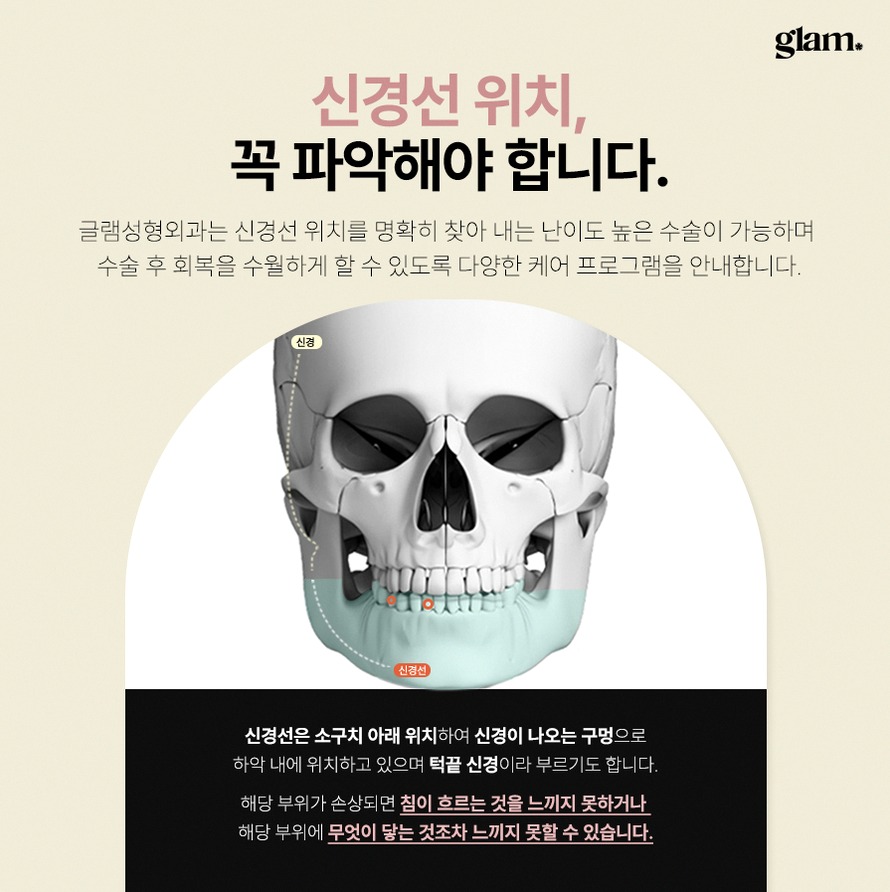
In certain situations, it may be possible to omit orthodontic treatment or pre-surgical orthodontics. This depends on the patient’s bite, tooth alignment, and goals. The surgeon evaluates whether jaw repositioning alone can provide enough functional and aesthetic improvement. When orthodontic treatment is still recommended, the reasons are clearly explained.
Another concern is nasal widening after double jaw surgery. Because upper jaw movement can affect the base of the nose, some patients worry that their nose will look broader. At this clinic, suture methods around the nasal base and surrounding soft tissue are designed to reduce the risk of unwanted nose widening after surgery.
Overall, the approach is to balance functional correction and facial aesthetics while avoiding unnecessary additional bone or soft tissue procedures.
Post-operative care and recovery support
Swelling, bruising, and changes in skin condition are common after major facial bone surgery. A structured recovery program can make this period more manageable and may help patients return to daily life more comfortably.
This Sinsa clinic provides in-house post-operative care programs that include:
LED therapy: Light-based treatments aimed at supporting skin recovery and calming post-surgical skin stress.
Facial dome care: Gentle care using a dome-type device to support circulation and swelling reduction around the face.
Total skin reset care: Post-surgery skin management to address dryness, sensitivity, or dullness that can appear during recovery.
Radiofrequency lifting: RF-based care used after an appropriate healing period to support skin tightness and contour around the operated area.
These programs are scheduled according to each patient’s healing stage. Early sessions focus more on swelling and bruising, while later care can support skin texture and facial contour as the bone and soft tissue settle. While individual responses vary, having a clear aftercare plan can reduce anxiety and give patients a sense of structure during recovery.
Who may consider this type of double jaw surgery hospital
A dedicated facial bone center in Gangnam may be suitable for several types of patients.

People with long-standing jaw asymmetry, difficulty chewing, or functional discomfort who want both functional improvement and a more balanced facial shape.
Patients who have been told they need double jaw surgery and are now comparing hospitals in Seoul, especially those who prefer a clinic that focuses only on facial bone surgery.
Individuals considering revision double jaw surgery after an unsatisfactory previous operation, who need careful analysis and a conservative, safety-focused approach.
Overseas patients who want a hospital with multilingual support and a clear treatment pathway from online consultation to post-op follow-up.
If you are unsure whether double jaw surgery is appropriate for you, an online consultation with photos and medical history can help the team advise you on possible options.
Location and accessibility in Gangnam
The clinic is located on the 4th floor of a building on Dosan-daero in Gangnam, about 200 meters on foot from Sinsa Station Exit 1. This central location makes it relatively easy to reach from major areas of Seoul and from airport limousine bus stops in Gangnam.
There is no lunch break during operating hours, which can be convenient for patients trying to schedule consultations between other appointments. Weekday hours run from morning to early evening, with shorter hours on Saturday. The clinic is closed on Sundays and public holidays, so overseas patients should plan their travel dates with this schedule in mind.
Multilingual support is available in Japanese, English, and Thai. The clinic also provides information and updates through social media channels such as Instagram, YouTube, and KakaoTalk, which can be useful for checking case explanations, educational content, and practical announcements.
Online consultation and pre-visit preparation for overseas patients
For international patients, the first step is usually an online consultation. The clinic’s multilingual coordinators can guide you through the process in English, Japanese, or Thai.
Before you contact the clinic, it is helpful to prepare:
Front, three-quarter, and side-view facial photos in good lighting, with your hair pulled back.
Any previous medical records or imaging related to jaw or facial bone surgery, especially if you are considering revision surgery.
A short description of your main concerns, such as chewing function, facial asymmetry, or profile.
Information about your general health, medications, and any previous operations.
During the online consultation, the team can provide a preliminary opinion on whether double jaw surgery or revision surgery is likely to be appropriate, what kind of stay in Korea might be needed, and what pre-operative examinations will be required once you arrive.
Expected Korea visit timeline
The exact schedule depends on your case, but many overseas patients follow a similar timeline.
Pre-operative period in Korea: You may need to arrive several days before surgery for in-person consultation, imaging, and medical tests. This is when final treatment planning is completed and all questions are answered.
Surgery day: You are admitted to the clinic, undergo general anesthesia with the in-house anesthesiologist, and have the planned double jaw or revision surgery. After surgery, you stay in a recovery room where your condition is monitored.
Early recovery: The first few days focus on pain control, swelling management, and learning how to manage oral hygiene and diet. The medical team checks your bite, incision sites, and overall condition.
Follow-up and aftercare: Over the next one to two weeks, you attend follow-up visits and receive post-operative care such as LED therapy, facial dome care, and skin management. The clinic monitors bone stability, swelling, and nerve sensation.
Return home: Once the surgeon confirms that your condition is stable for travel, you can return to your home country. You will receive instructions on diet progression, activity levels, and signs that should prompt you to contact the clinic.
Long-term follow-up: Some follow-up can be done online, using photos and video calls. If you plan to revisit Korea in the future, you can schedule in-person checks at that time.
Aftercare and daily life after surgery
After double jaw or revision surgery, daily life gradually returns to normal over several weeks to months. The clinic provides guidance on each stage.
Diet: You start with liquids and very soft foods, then slowly progress as healing allows. The surgeon and staff explain what is safe at each stage.
Oral hygiene: Special instructions and tools are provided to help you keep the mouth clean while protecting the surgical area.
Swelling and bruising: These are most noticeable in the first couple of weeks, then steadily decrease. The clinic’s aftercare programs aim to support this process.
Activity: Light walking is usually encouraged early, while heavy exercise and contact sports are restricted for a longer period. The exact timeline is adjusted to your case.
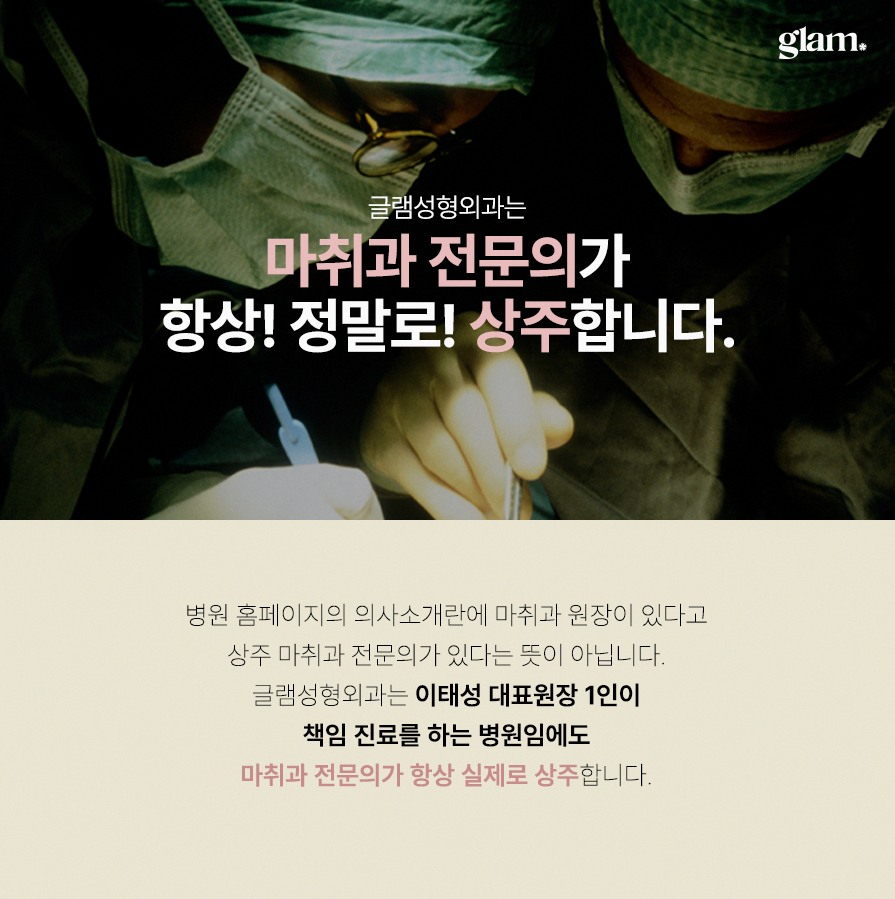
Nerve sensation: Temporary numbness or altered sensation can occur after facial bone surgery. The surgeon explains what to expect and how this usually changes over time.
Throughout recovery, the clinic emphasizes realistic expectations and regular communication. If you are an overseas patient, you can stay in touch with the coordinator team via messaging apps and email.
Frequently asked questions
What should I look for when choosing a double jaw surgery hospital in Seoul?
When choosing a double jaw surgery hospital, focus on specialization, surgeon experience, anesthesia safety, and structured aftercare. A center that limits its practice to facial bone surgery, led by a board-certified plastic surgeon with around 20 years of experience and active academic work, is often better prepared for complex and revision cases. A full-time board-certified anesthesiologist and clear post-operative care programs are also important for a safe and supported experience.
Is revision double jaw surgery more risky, and how does this clinic approach it?
Revision double jaw surgery is usually more complex than first-time surgery because of scar tissue, previous bone cuts, and existing plates or screws. At this Sinsa clinic, revision cases are approached with detailed imaging, careful planning, and a philosophy of minimal necessary surgery. The surgeon evaluates which structures truly need to be changed and which can be preserved, with the goal of improving function and facial balance while maintaining safety.
Can I have double jaw surgery without having my jaws wired shut?
In some cases, it is possible to perform double jaw surgery without long-term intermaxillary fixation, meaning the jaws are not wired tightly shut after surgery. This depends on the planned bone movements, fixation method, and individual stability. At this clinic, the surgeon discusses whether this approach is appropriate for your case and explains the benefits and limitations during consultation.

How long should overseas patients plan to stay in Korea for double jaw surgery?
Most overseas patients should plan to stay in Korea for at least two to three weeks, although this can vary depending on the complexity of the surgery and individual healing. The first days are used for in-person consultation and pre-operative tests, followed by surgery and early recovery. After that, you will have follow-up visits and aftercare sessions. The surgeon will advise you on the minimum safe stay and any recommended longer follow-up before you book flights.
Soft call to action for online consultation
If you are considering double jaw surgery or revision surgery and want a hospital in Seoul that focuses only on facial bone procedures, you can start with an online consultation. By sending your photos and medical history, you can receive a personalized opinion about whether this Gangnam clinic is suitable for your case, what kind of surgery might be recommended, and how long you should plan to stay in Korea.
Multilingual coordinators in English, Japanese, and Thai are available to guide you through each step, from your first message to your final follow-up after returning home.




- 공유 링크 만들기
- X
- 이메일
- 기타 앱


댓글
댓글 쓰기