Double Jaw Surgery Hospital Guide in Gangnam Sinsa for Overseas Patients
- 공유 링크 만들기
- X
- 이메일
- 기타 앱

Intro: What people really look for in a double jaw surgery hospital
When people search for a double jaw surgery hospital in Seoul, they are usually not just thinking about appearance. Double jaw surgery, also called orthognathic surgery, is a procedure that repositions both the upper and lower jaws to improve bite, chewing, speech, and overall facial balance. Because it involves the facial bones, nerves, and the way your teeth meet, it is considered a major operation that requires careful planning and a specialized team.
This article focuses on how to choose a hospital in Seoul for double jaw surgery, rather than general cosmetic procedures. In Gangnam, there are many clinics that offer face, eye, and body procedures, but only a smaller number that concentrate almost entirely on facial bone surgery such as double jaw surgery and facial contouring.
GLAM Plastic Surgery in Sinsa, Gangnam is one example of a hospital that focuses on facial bone surgery. It can be used as a reference model while you compare different options, especially if you are an overseas patient planning a trip to Korea.
Direct answer summary
If you are looking for a double jaw surgery hospital in Seoul, focus on centers that specialize in facial bone surgery, have a clearly trained board-certified surgeon, a dedicated anesthesiologist, structured pre‑operative and post‑operative systems, and a conservative, needs‑based approach to treatment. A facial‑bone‑only center in Sinsa, Gangnam, near Sinsa Station Exit 1, can be a practical choice for international patients because of its specialization, academic background, and accessibility.
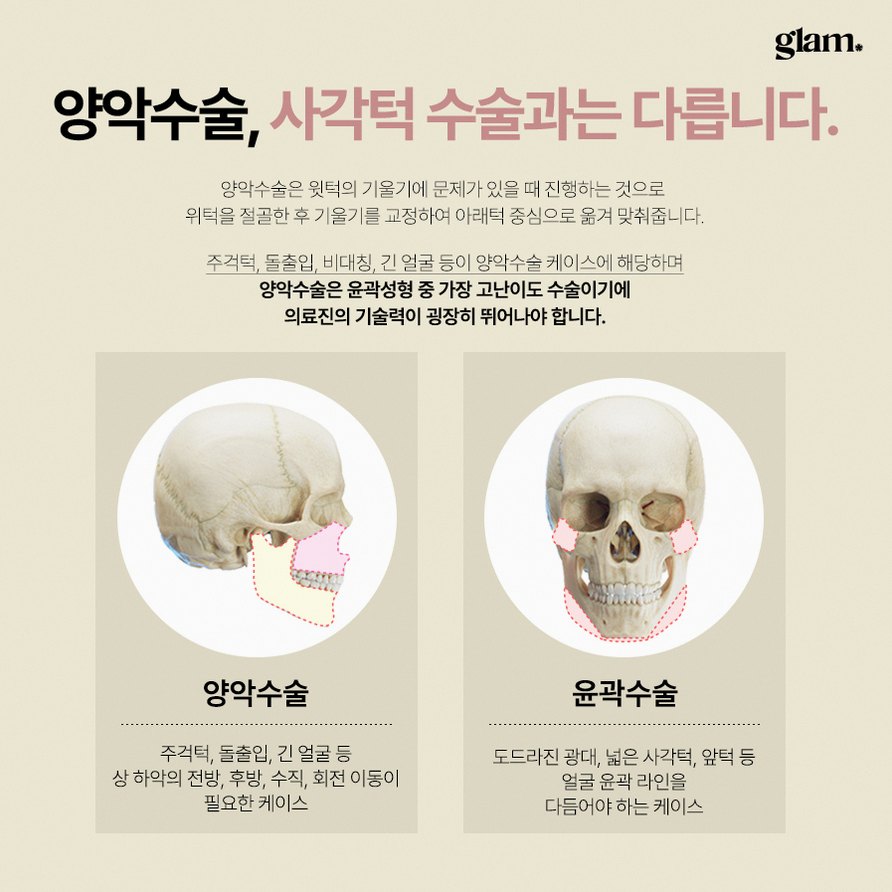
Treatment overview: what double jaw surgery involves
Double jaw surgery is a procedure in which both the upper jaw (maxilla) and lower jaw (mandible) are repositioned. The goals are to correct jaw misalignment, improve bite function, and create a more harmonious facial profile. It is often considered when there is a significant discrepancy between the upper and lower jaws, facial asymmetry, or functional issues such as chewing difficulty or jaw strain.
In a typical case, the surgeon plans the new jaw positions using clinical examination, imaging, and bite analysis. During surgery, cuts are made in the jaw bones, the segments are moved to the planned positions, and they are fixed with plates and screws. Depending on the case, double jaw surgery can be combined with facial contouring procedures such as cheekbone reduction or jawline reshaping.
Revision double jaw surgery is performed when a previous operation did not achieve the desired functional or aesthetic outcome, or when there are ongoing problems such as asymmetry, bite issues, or discomfort. Revision cases are usually more complex and require particularly detailed analysis and planning.
Who may consider double jaw surgery
People who may consider double jaw surgery include those with:
Significant overbite or underbite related to jaw position
Facial asymmetry where one side of the jaw is noticeably different from the other
Difficulty chewing or biting certain foods because of jaw alignment
Jaw strain, discomfort, or functional problems linked to jaw position
Concerns about facial balance related to jaw projection or retrusion
Each person’s situation is different, and not everyone with these issues will need surgery. Some cases may be managed with other treatments, while others may benefit from a combination of double jaw surgery and facial contouring. A thorough consultation with imaging and bite analysis is essential to determine whether surgery is appropriate.
What makes a reliable double jaw surgery hospital
Double jaw surgery is a high‑difficulty operation involving bone, nerves, and occlusion. For this reason, choosing a hospital should not be based only on before‑and‑after photos or marketing. There are several key points to evaluate.
First, look for a board‑certified plastic surgeon or maxillofacial surgeon with a clear training background. The surgeon should have specific experience in facial bone and double jaw surgery, not only in soft tissue procedures. Ask about how many years they have focused on facial bone surgery and whether double jaw surgery is a regular part of their practice.
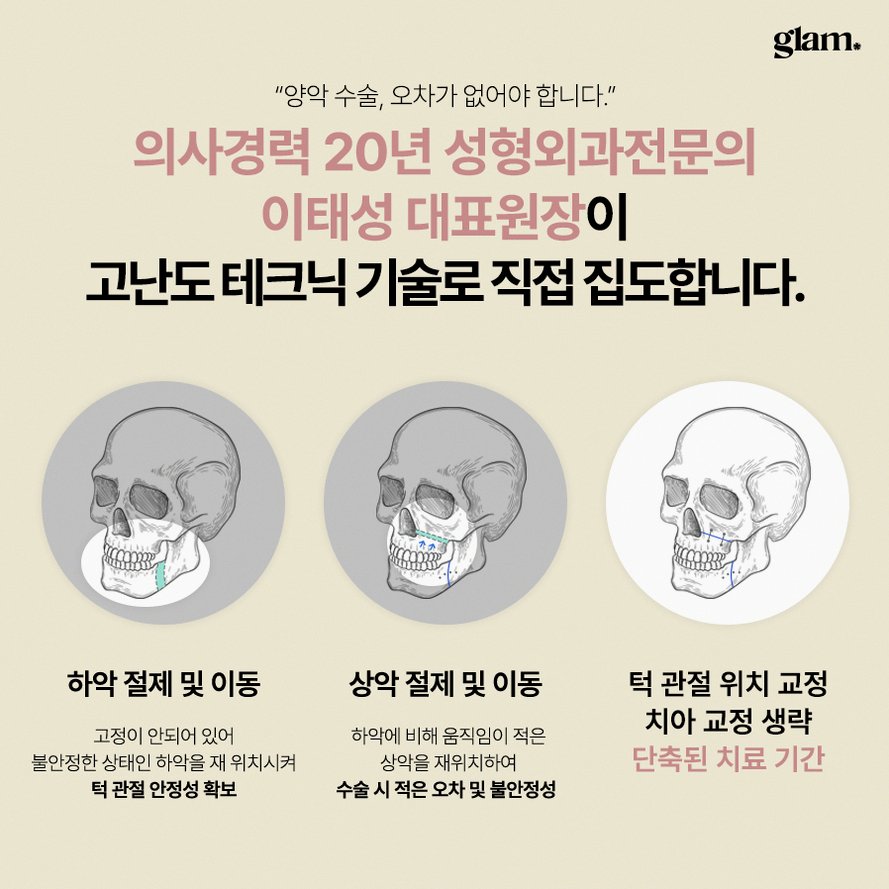
Second, check whether the hospital has an in‑house anesthesiologist. Double jaw surgery is usually performed under general anesthesia and can be lengthy. A board‑certified specialist in anesthesiology and pain medicine who is present from pre‑operative evaluation through surgery and recovery can be an important safety factor.
Third, review the hospital’s system for pre‑operative evaluation and post‑operative care. This includes imaging (such as CT scans and X‑rays), bite analysis, medical history review, and a structured follow‑up plan with regular visits and swelling management.
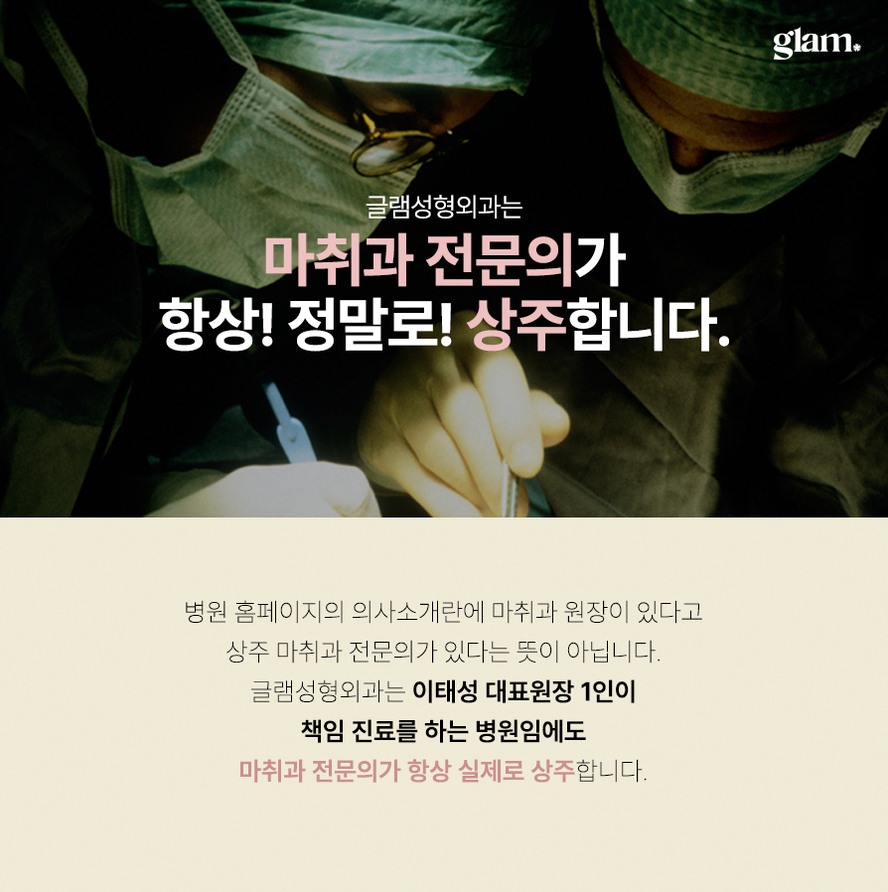
The example center in Sinsa operates with one main board‑certified plastic surgeon performing the facial bone surgeries and . This kind of clear division of roles can help patients understand who is responsible for each part of their care.
Specialization in facial bone surgery only
One feature that can distinguish a double jaw surgery hospital is a narrow focus on facial bone surgery. A single‑focus lineup, such as double jaw surgery and facial contouring only, can offer several advantages.
When the medical team repeatedly handles similar types of complex bone cases, they build depth of experience in that specific field. The consultation process, imaging protocols, surgical planning, and operating room setup are all designed around facial bone procedures. Post‑operative care programs are also tailored to the swelling and healing patterns typical of bone surgery.
The example hospital in Sinsa offers double jaw surgery and revision double jaw surgery, as well as facial contouring procedures such as cheekbone reduction, V‑line surgery, square jaw reduction, and revision contouring. They do not provide eye, nose, or breast procedures, positioning themselves as a facial bone–only center. For patients who want a team focused on bone structure rather than a wide range of cosmetic procedures, this type of specialization can be appealing.
Surgeon’s academic and clinical background as an objective indicator
For a complex operation like double jaw surgery, academic and clinical background can be an objective way to assess a hospital. Peer‑reviewed papers, especially those indexed in international databases (often called SCI‑level), indicate that the surgeon’s techniques and outcomes have been evaluated by the academic community. It also suggests ongoing study and refinement of surgical methods.
In the example center, the lead surgeon is a board‑certified plastic surgeon with approximately 20 years of experience in facial bone surgery as of February 2025. The surgeon previously served as head of a facial bone center at a large plastic surgery hospital and completed medical education and training at major university hospitals in Korea. There has also been overseas training at a university medical center in Seattle, which can contribute to broader exposure to different techniques and standards.
As of February 2025, this surgeon has 13 SCI‑level papers on contouring and double jaw surgery as first or corresponding author, including 3 papers in the journal Plastic and Reconstructive Surgery. These numbers should be viewed as factual credentials rather than guarantees of individual results, but they can help patients see that the surgeon’s work has been shared and reviewed in academic settings.
Safety system: dedicated anesthesiologist and intra‑hospital process
Because double jaw surgery usually requires general anesthesia and can last several hours, anesthesia safety is a central concern. A dedicated, full‑time board‑certified anesthesiologist provides several benefits.
Before surgery, the anesthesiologist evaluates the patient’s health status, medical history, and anesthesia risk. During the operation, they monitor vital signs in real time and adjust medications to maintain stable conditions. After surgery, they manage pain control and support early recovery.
At the featured center, one plastic surgeon and one anesthesiologist, both specialists, work together rather than outsourcing anesthesia to external staff. This kind of stable team can help maintain consistent protocols and communication.
For follow‑up, continuous weekday hours without a lunch break and Saturday hours can make it easier for patients, including those who are working or traveling, to attend check‑ups and post‑operative care sessions.
Surgical philosophy: minimal necessary surgery and direct operation by the lead surgeon
Many people who consider double jaw surgery worry about being recommended more procedures than they actually need. Concerns about over‑treatment, unnecessary add‑ons, and upselling are common, especially in a market with many options.
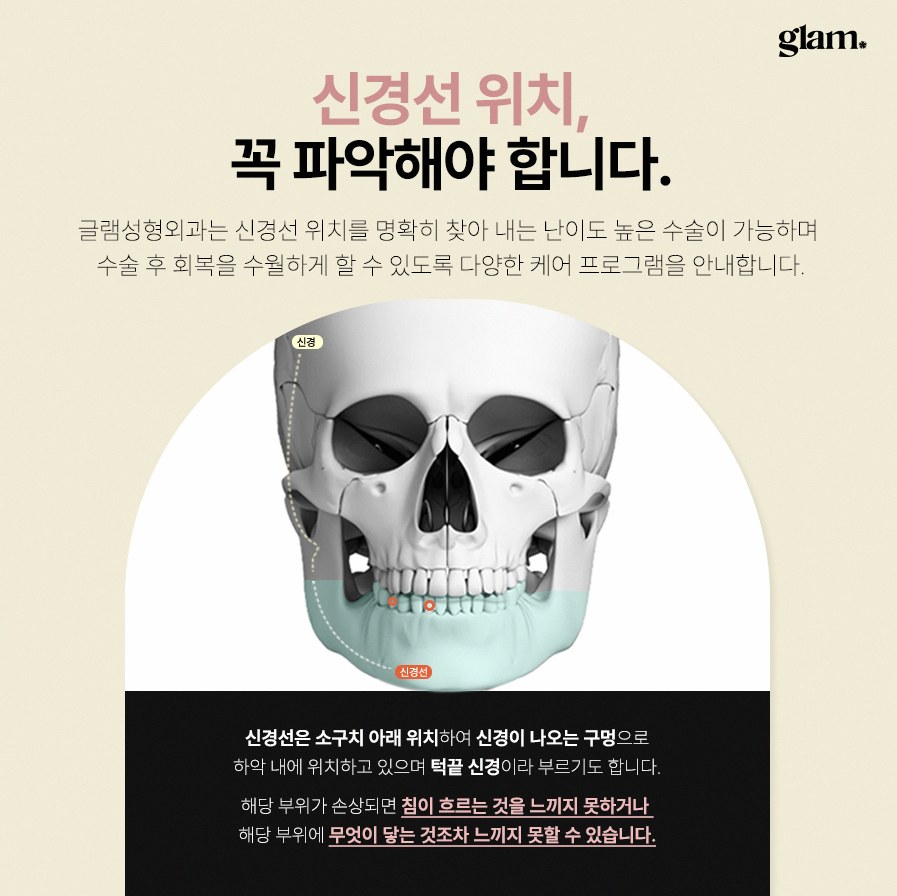
The example hospital describes a philosophy of recommending only the minimum necessary surgery based on functional and aesthetic needs. The lead surgeon performs the operations directly rather than delegating the main surgical steps to junior doctors. For patients, this can provide reassurance that the person they meet in consultation will also be the one performing the key parts of the procedure.
When you consult any double jaw surgery hospital, it is reasonable to ask who will actually operate, whether any steps will be performed by assistants, and how treatment plans are decided. You can also ask the surgeon to explain why each recommended procedure is necessary and what would happen if you chose a more conservative plan.
Technical points: no intermaxillary fixation, possible omission of orthodontics, and nasal widening prevention
Several technical details can influence comfort and satisfaction after double jaw surgery.
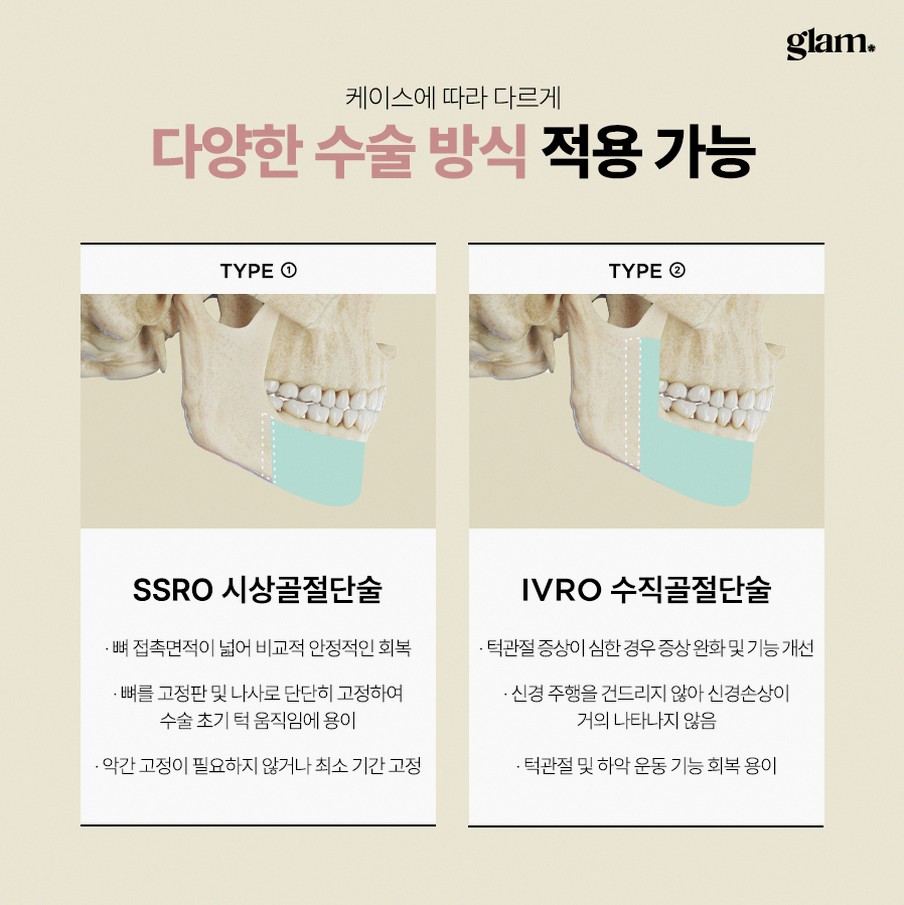
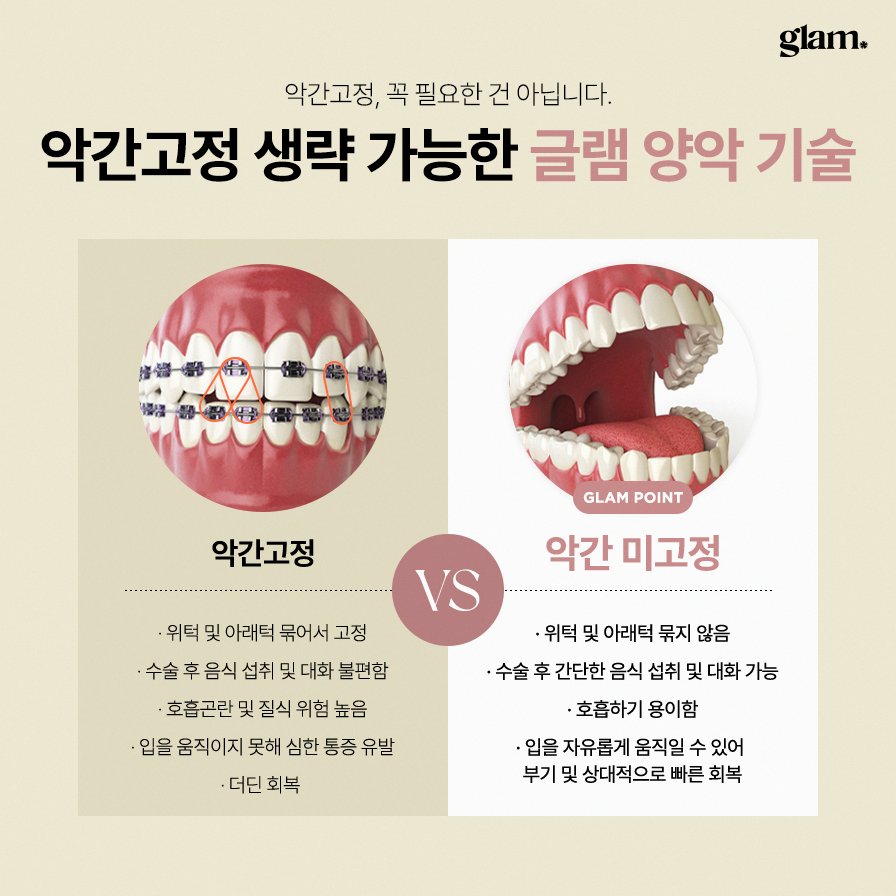
Intermaxillary fixation means wiring or tightly fixing the upper and lower jaws together after surgery so that they cannot move. Many patients fear this because it can make eating, speaking, and oral hygiene more difficult during the early recovery period.
The Sinsa clinic promotes a method without traditional intermaxillary fixation in many cases, aiming for more comfortable early recovery. Instead of rigid wiring, they may use elastic bands or other methods that allow some controlled movement. However, whether this is suitable depends on the individual’s bone condition, bite, and surgical plan. Only the surgeon, after full evaluation, can decide if no intermaxillary fixation is appropriate.
Another point is orthodontic treatment. In some cases, double jaw surgery is combined with pre‑ and post‑operative orthodontic treatment to align the teeth. The example hospital may consider double jaw surgery without full orthodontics, or with simplified orthodontic treatment, for selected patients. This is not universal and must be evaluated case by case, taking into account bite stability and long‑term function.

Nasal widening is another concern. When the upper jaw is moved, the base of the nose can sometimes widen. The clinic uses specific suturing techniques to help reduce nose base widening after surgery. These methods can be possible advantages but are not guarantees. Detailed planning requires in‑person examination, imaging, and discussion of realistic expectations.
Post‑operative care and swelling management
Recovery and swelling management are important parts of the double jaw surgery journey. Swelling can affect both comfort and appearance, and it usually peaks in the first few days before gradually improving over weeks and months.
The example hospital offers several post‑operative care programs aimed at supporting recovery and reducing swelling. These may include LED therapy devices to support skin and soft‑tissue healing, facial dome‑type treatments for localized care, total skin reset programs, and radiofrequency lifting devices that can help with skin tightening and edema management.
These programs are supportive care for the skin and soft tissues. They are not substitutes for proper bone surgery or medical follow‑up, but they can make the healing phase more comfortable and help patients feel more at ease with their appearance as swelling gradually subsides.
Location and accessibility for domestic and international patients
For overseas patients, location and accessibility are practical factors when choosing a double jaw surgery hospital.
The example center is located on Dosan‑daero in Sinsa, Gangnam, about 200 meters on foot from Sinsa Station Exit 1. This makes it easy to reach by subway and convenient for staying in nearby hotels or serviced apartments. The Sinsa and Gangnam areas offer a wide range of accommodation, dining, and shopping options, which can be helpful during a longer recovery stay.
The clinic provides multilingual web pages in Japanese, English, and Thai, and operates social media channels such as Instagram, YouTube, and KakaoTalk. These platforms can help international patients gather information, view educational content, and communicate with the staff before and after their visit.
When planning a trip, overseas patients should also consider airport access, travel time from Incheon or Gimpo, and whether the hospital can support remote follow‑up through online consultations, photo updates, or video calls after they return home.
Online consultation and pre‑visit preparation
Before traveling to Korea, most international patients start with an online consultation. This usually involves sending facial photos from multiple angles, information about your bite, previous treatment history, and any existing imaging if available.
To prepare, you can:
Take clear photos of your face from the front, both sides, and a three‑quarter angle.
If possible, include photos with your teeth gently closed and while showing your bite.
Prepare a summary of your medical history, including any previous surgeries, medications, allergies, and chronic conditions.
Explain your main concerns in simple terms: function (chewing, speech, discomfort) and appearance (asymmetry, jaw projection, facial balance).
During the online consultation, the hospital can usually provide a preliminary opinion, possible treatment options, estimated length of stay, and a rough timeline. Final decisions, however, are made only after in‑person examination and imaging in Seoul.
Expected Korea visit timeline for double jaw surgery
The exact schedule varies by hospital and individual case, but a typical timeline for overseas patients might look like this:
Day 1–2: In‑person consultation, physical examination, imaging (X‑rays, CT scans), bite analysis, and detailed discussion of the surgical plan. Pre‑operative blood tests and medical clearance are also performed.
Day 3–4: Surgery day, followed by hospitalization or close monitoring. Initial recovery focuses on pain control, swelling management, and safe breathing and swallowing.

First 1–2 weeks: Regular follow‑up visits for wound checks, cleaning, and swelling care. Many patients remain in Korea for at least two to three weeks after surgery to ensure early recovery is stable.
Weeks 3–4 and beyond: Some patients choose to stay longer for additional follow‑up and post‑operative care programs. Others return home and continue remote follow‑up with photos and online consultations.
Your hospital should provide a personalized schedule based on your health status, travel plans, and the complexity of your surgery.
How to compare double jaw surgery hospitals in Seoul
Ask yourself:
Is the main surgeon a board‑certified specialist with clear training and experience in facial bone surgery?
Does the hospital focus on double jaw and facial contouring, or is it a general clinic offering many unrelated procedures?
Is there a dedicated anesthesiologist on staff, and will they be present throughout the surgery and recovery?
Are there published academic works or other objective data supporting their techniques and outcomes, such as SCI‑level papers (for example, 13 papers as of February 2025 in the case of the example surgeon)?
Is the surgeon’s philosophy conservative, recommending only necessary procedures, or do you feel pressured to add multiple treatments?
What is the system for pre‑operative diagnosis (imaging, bite analysis) and post‑operative care (swelling management, follow‑up schedule)?
Is the location and clinic schedule convenient for repeated visits during your stay in Korea?
Before your consultation, you can write down questions such as:
Who will actually perform my surgery, and will any parts be done by assistants?
Is intermaxillary fixation planned in my case, and if so, for how long?
Will I need orthodontic treatment before or after surgery, or is a simplified approach possible for my situation?
What are the main risks and possible complications for my specific case, and how are they managed?
How long should I stay in Korea after surgery, and what kind of follow‑up is available once I return home?
By asking the same set of questions at different hospitals, you can compare answers and choose the team that communicates clearly and aligns with your priorities.
Aftercare and long‑term follow‑up
After leaving the hospital, you will continue recovery at your accommodation. Early aftercare includes pain management, swelling control, wound care, and gradual return to eating and speaking. The hospital should provide detailed instructions on diet progression, oral hygiene, sleeping position, and activity levels.
Over the following months, swelling decreases, sensation gradually improves, and the final facial contour becomes clearer. Regular follow‑up, whether in person or online, allows the surgeon to monitor healing, check bite stability, and address any concerns.
Supportive treatments such as LED therapy, dome‑type facial care, skin reset programs, and radiofrequency lifting can be scheduled according to your healing stage. These are optional aids to help you feel more comfortable and confident during the long recovery process.
FAQ
Is double jaw surgery only for cosmetic reasons?
No. Double jaw surgery is often performed to correct functional problems such as bite misalignment, chewing difficulty, jaw strain, and speech issues, as well as to improve facial balance. Many patients experience both functional and aesthetic benefits. Whether surgery is appropriate depends on your specific diagnosis, which requires professional evaluation with imaging and bite analysis.
How long do I need to stay in Seoul for double jaw surgery?
Most overseas patients are advised to stay in Seoul for at least two to three weeks after surgery to allow for early recovery and follow‑up visits. Some may choose to stay longer, especially if they are having additional facial contouring procedures or want to complete more post‑operative care sessions. Your exact stay should be planned with your hospital based on your health, travel schedule, and the complexity of your case.
Can double jaw surgery be done without orthodontic treatment?
In some selected cases, double jaw surgery may be planned without full pre‑ or post‑operative orthodontic treatment, or with a simplified orthodontic approach. This depends on your initial bite, tooth alignment, and the goals of surgery. It is not suitable for everyone. The surgeon and, when needed, an orthodontic specialist must evaluate your situation and explain the advantages and limitations of each option.
Is intermaxillary fixation always necessary after double jaw surgery?
Traditional double jaw surgery often used intermaxillary fixation, where the upper and lower jaws are wired or tightly fixed together for a period after surgery. Some modern approaches, including those used at the example center, aim to avoid rigid fixation in many cases by using stable bone fixation and elastic guidance instead. However, whether intermaxillary fixation is needed depends on your specific bone movements, bite stability, and healing. This decision can only be made after detailed planning with your surgeon.
Conclusion: Choosing a double jaw surgery hospital that fits your needs
Double jaw surgery is a major operation that affects both function and appearance. When choosing a hospital in Seoul, it is important to prioritize specialization in facial bone surgery, clear surgeon credentials, a dedicated anesthesiologist, structured safety and aftercare systems, and an honest, needs‑based approach to treatment.

A facial‑bone‑only clinic in Sinsa, Gangnam, with a board‑certified plastic surgeon, a board‑certified anesthesiologist, SCI‑level publications as of February 2025, and organized post‑operative care can serve as one model of what to look for. At the same time, every patient’s situation is unique, and no single hospital is right for everyone.
If you are considering double jaw surgery in Korea, start with online consultations, prepare your questions carefully, and visit more than one hospital if possible. Choose the team that communicates clearly, explains their reasoning, and focuses on long‑term safety and satisfaction rather than quick or cheap solutions. An informed, careful decision is the first step toward a safer and more satisfying treatment journey.
If you would like to explore your options, you can begin with an online consultation, share your photos and concerns, and receive a preliminary opinion before planning your visit to Seoul.




- 공유 링크 만들기
- X
- 이메일
- 기타 앱


댓글
댓글 쓰기