Double Jaw Surgery For TMJ Problems In Sinsa Gangnam
- 공유 링크 만들기
- X
- 이메일
- 기타 앱
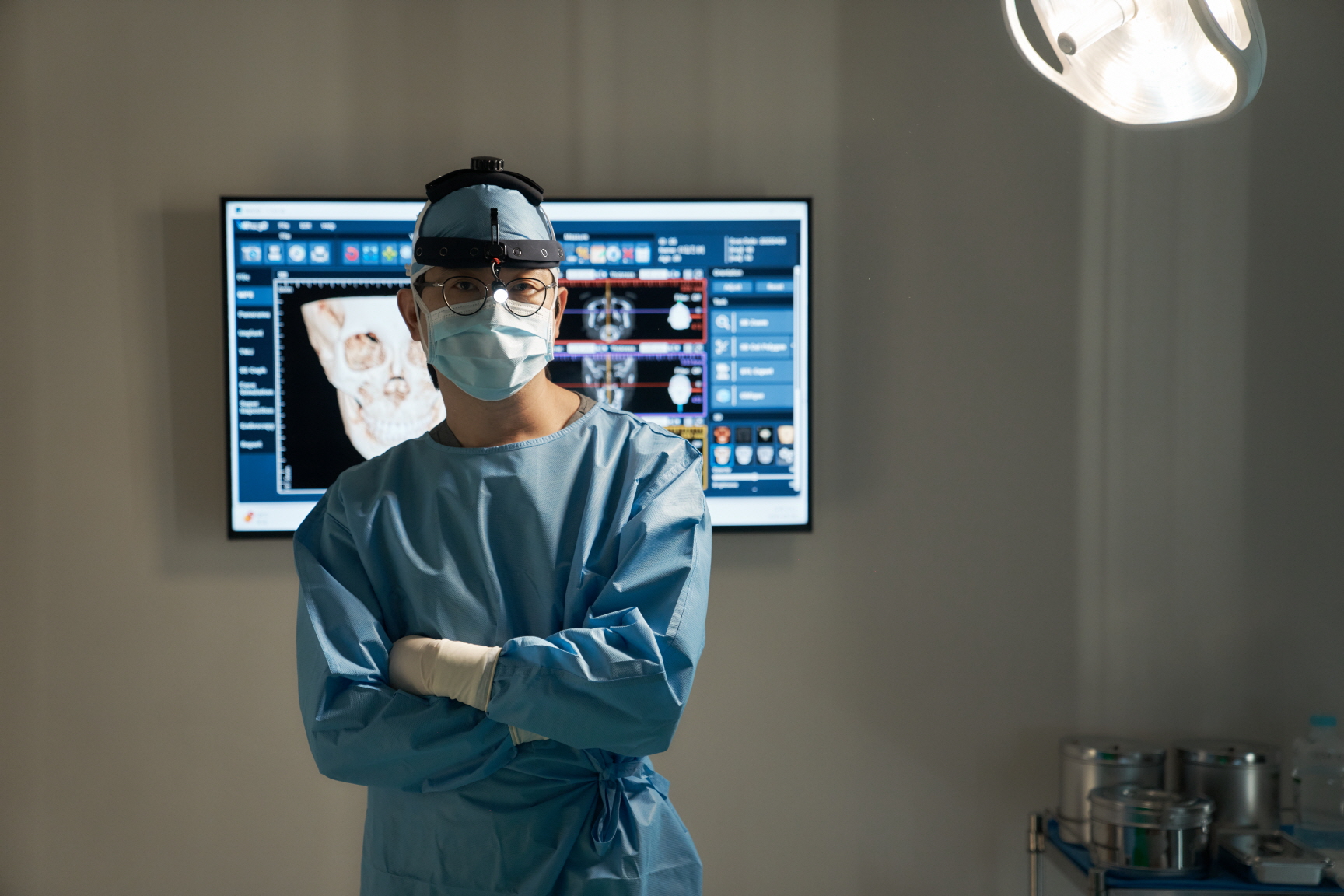
Double jaw surgery for TMJ problems is sometimes considered when jaw joint symptoms are closely related to the way the upper and lower jaws are positioned. It is not a universal cure for all TMJ disorders, but in carefully selected patients it can help create a more stable bite, reduce abnormal stress on the joints, and support better long term function. At a facial bone focused clinic in Sinsa, Gangnam, the priority is to protect the joint and improve function first, while any aesthetic change is planned as a secondary benefit.
What people mean by “TMJ double jaw”
Many people search for “TMJ double jaw” when they have both jaw joint symptoms and noticeable jaw or bite problems. Typical complaints include pain in front of the ears, clicking or popping sounds, occasional locking, difficulty chewing certain foods, and a feeling that the bite does not fit properly.
At the same time, they may have a protruding lower jaw, a receding chin, an open bite where the front teeth do not meet, or facial asymmetry where the chin is off to one side. They may have already tried splints or other conservative treatments and been told that the underlying bone structure is contributing to their TMJ issues.
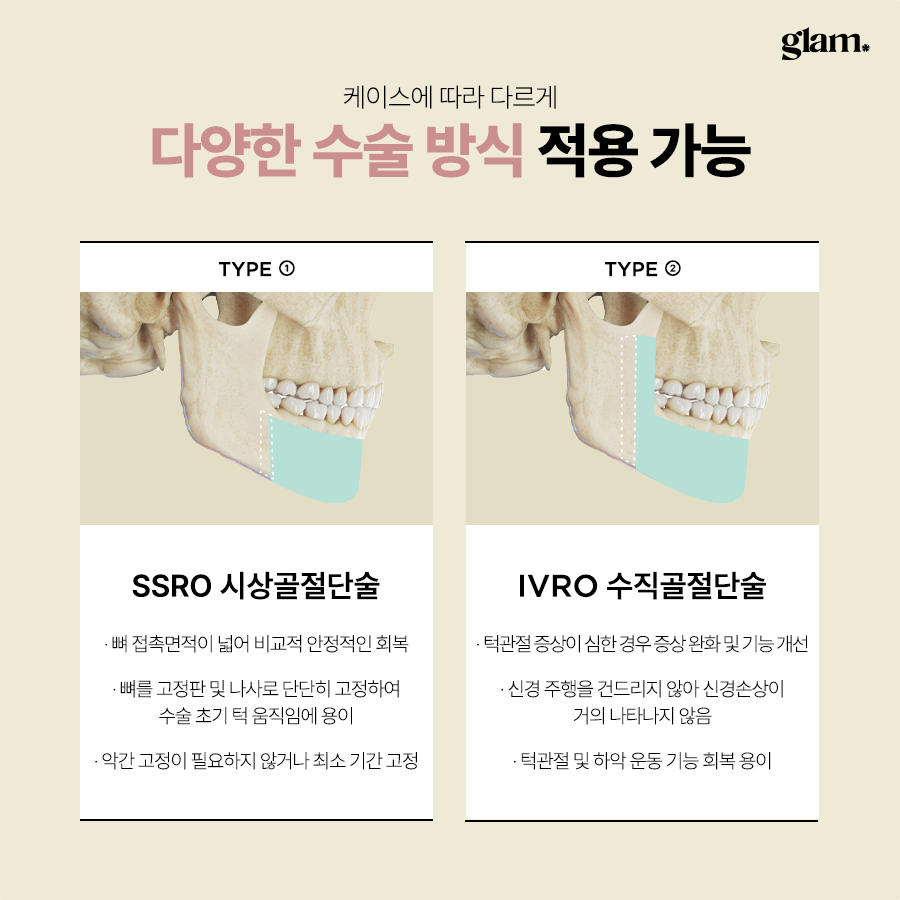
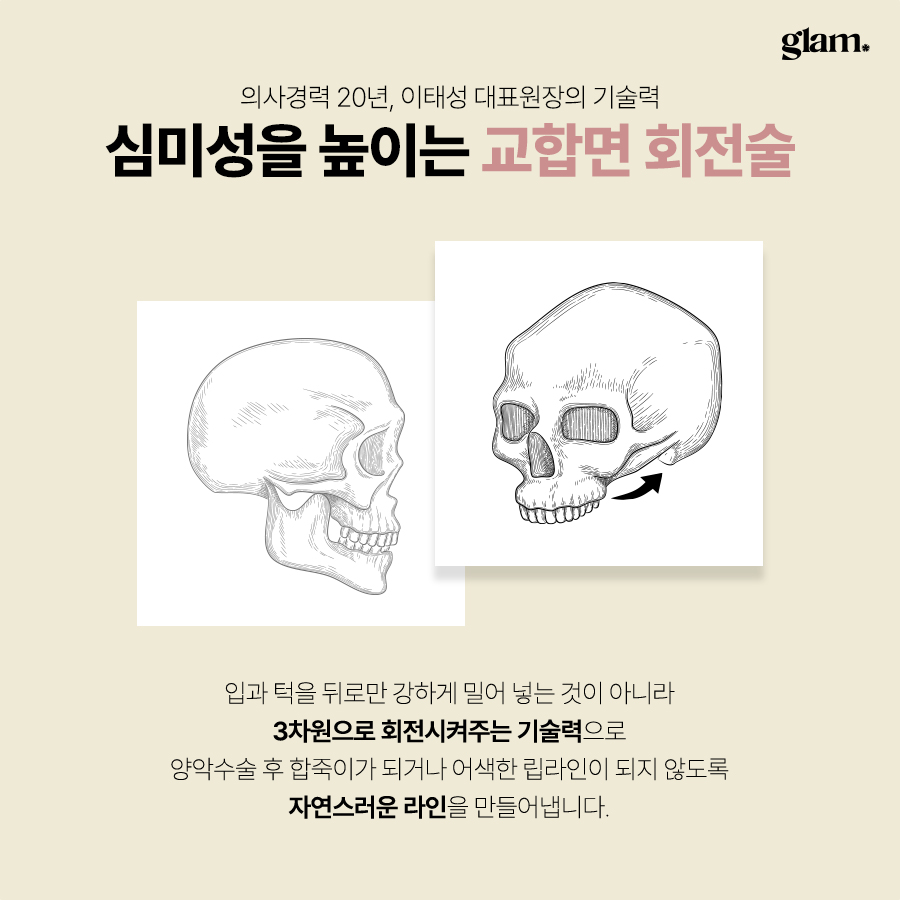
Double jaw surgery, also called orthognathic surgery, repositions both the upper and lower jaws in three dimensions. When TMJ problems are clearly linked to skeletal misalignment, this type of surgery can be part of a functional treatment plan. However, it is not automatically recommended for every person with TMJ pain. Careful evaluation is needed to decide whether changing jaw position is likely to help the joint, or whether the TMJ disorder is mainly due to other factors.

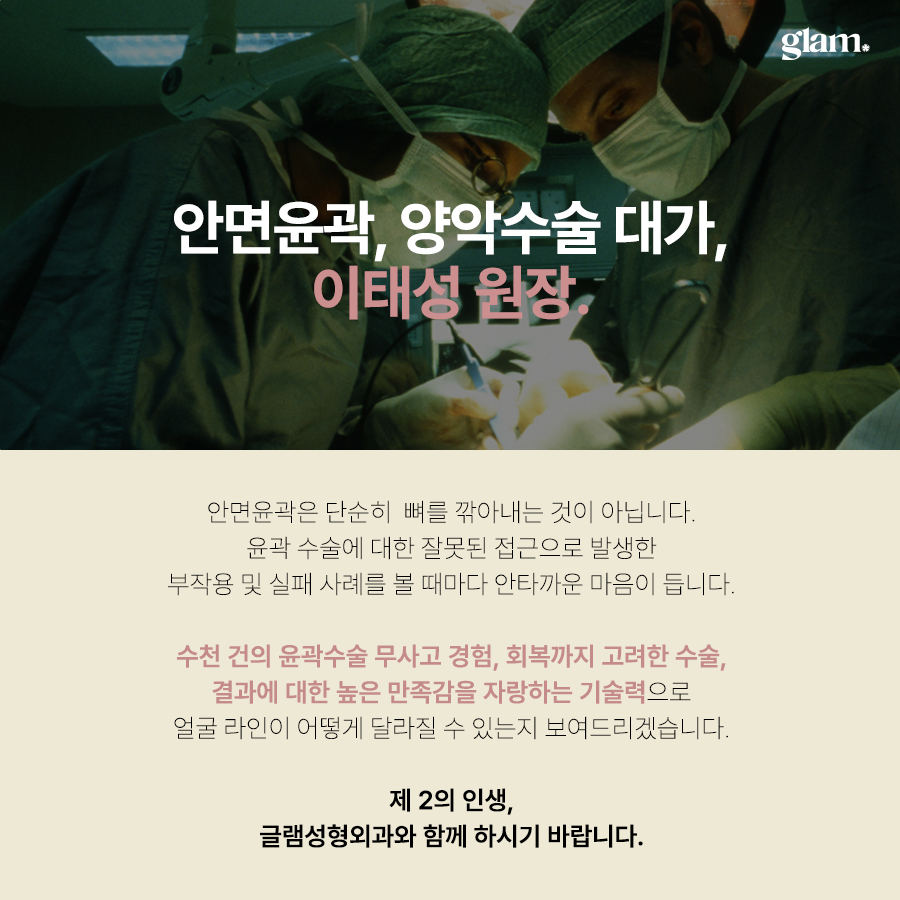
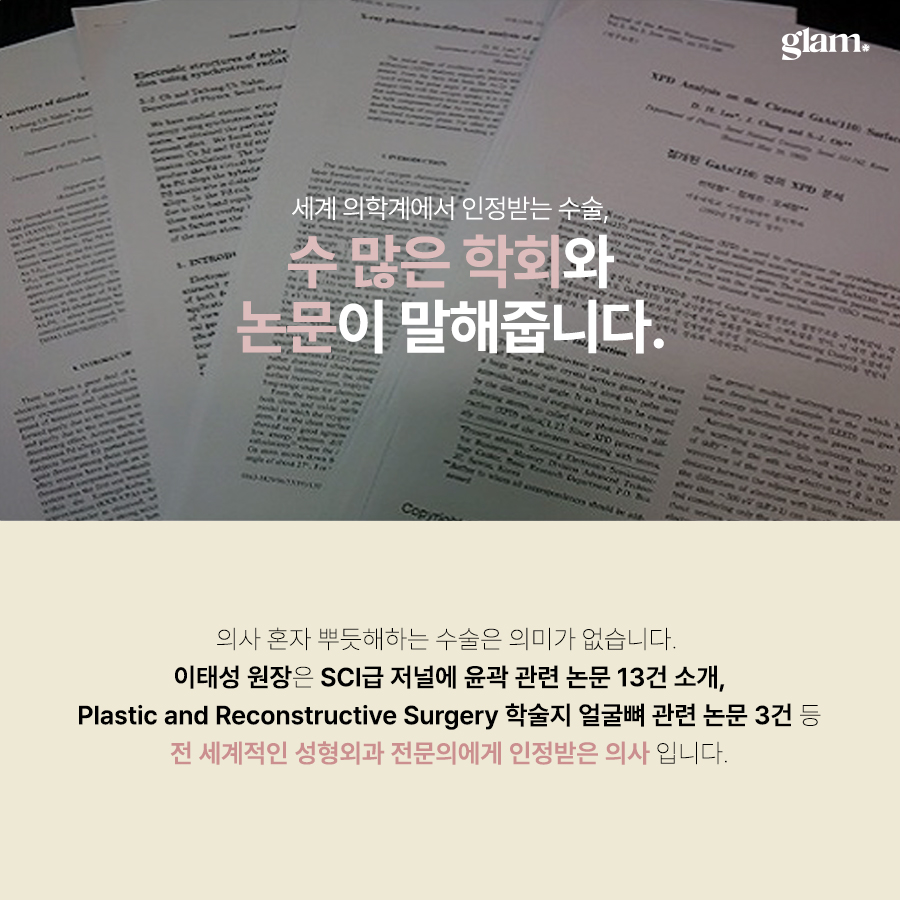
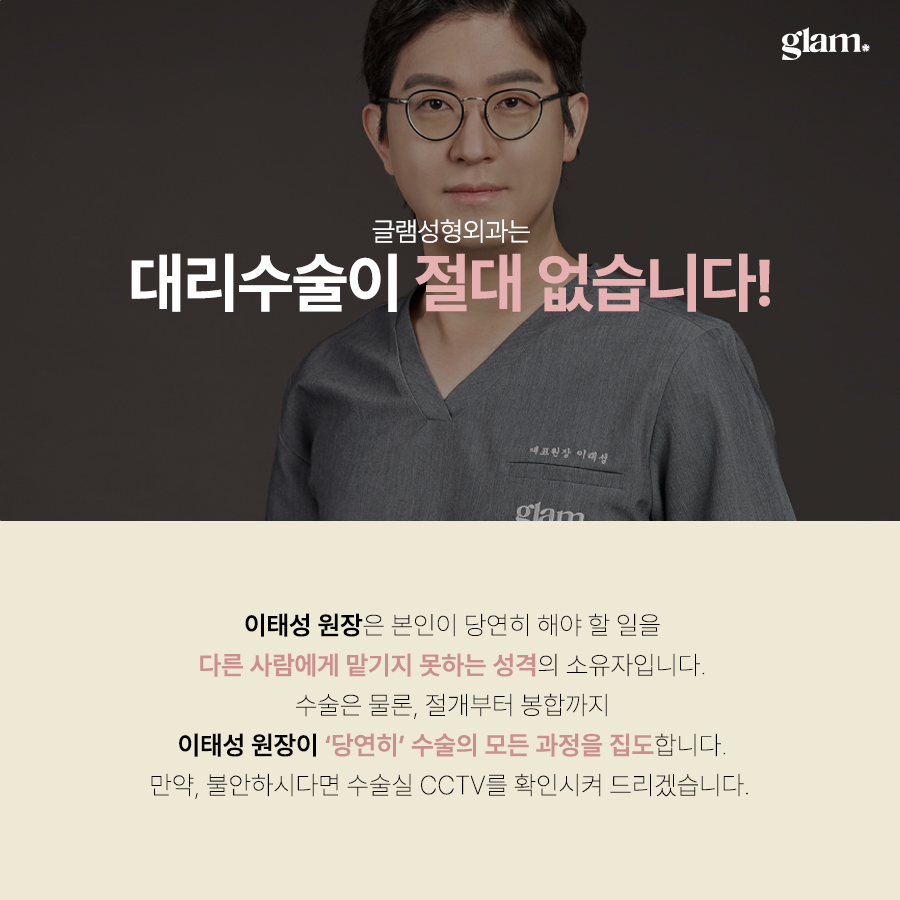
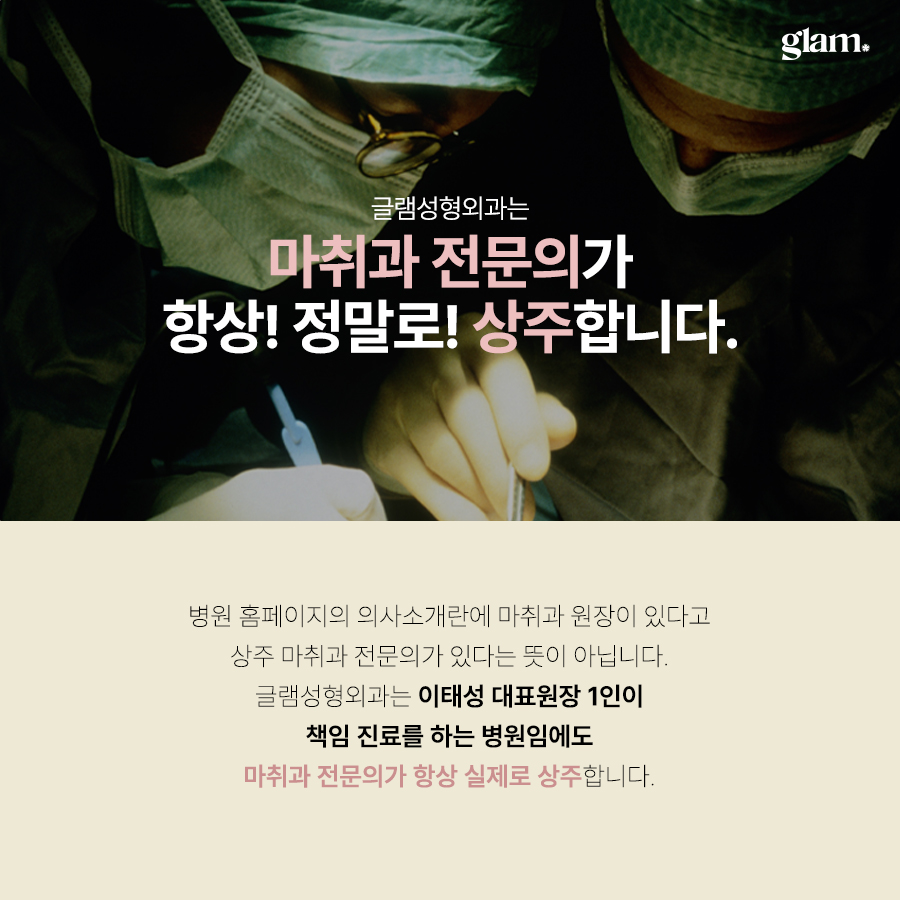
The clinic discussed here is a facial bone surgery center in Sinsa, Gangnam, Seoul, focused exclusively on double jaw and facial contouring procedures. Operations are performed by a plastic surgeon with 20 years of experience in facial bone surgery (as stated on the clinic website, as of 2025), supported by an anesthesiologist. The approach to TMJ-related double jaw cases is conservative: only the minimum necessary surgery is planned, with joint function and long-term stability as the main goals.
TMJ disorders and the jaw skeleton
TMJ disorder in simple terms means that something is not working comfortably in the jaw joint system. Common symptoms include pain around the joint in front of the ear, clicking or popping sounds when opening or closing, limited mouth opening, episodes of locking, deviation of the jaw when opening, and muscle tension in the cheeks, temples, or neck. Some people also experience headaches or a feeling of fatigue when chewing.
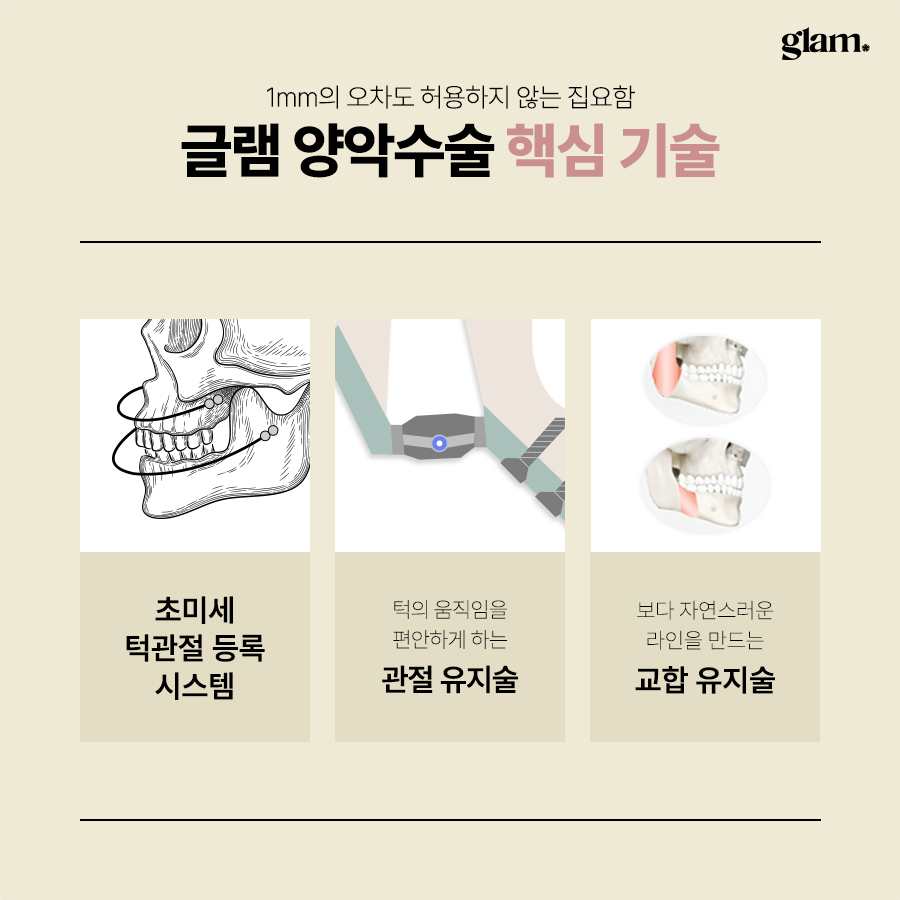
The temporomandibular joint connects the lower jaw to the skull. Between the joint surfaces there is a cartilage disc that helps smooth movement. Surrounding muscles and ligaments guide how the jaw opens, closes, and moves side to side.
Skeletal and bite problems can contribute to TMJ strain in several ways. If you have a Class II pattern with a small or retruded lower jaw, the joints and muscles may work in a less efficient position. If you have a Class III pattern with a protruding lower jaw, the way the teeth meet can force the joints into a backward or uneven position. An open bite or deep bite can cause certain teeth to carry too much load, forcing muscles to overwork to achieve contact. Facial asymmetry can mean that one joint consistently bears more load than the other, or that the jaw deviates during function.
However, not all TMJ problems come from bone structure. Habits such as clenching and grinding, stress, poor posture, and direct trauma can all affect the joint. Disc displacement, where the cartilage disc moves out of its normal position, is also a common cause of clicking and locking. This is why imaging and a thorough examination are needed before deciding whether jaw repositioning surgery is appropriate.
When double jaw surgery is considered for TMJ patients
Double jaw surgery may be discussed for TMJ patients when there is a clear combination of significant skeletal malalignment and functional problems. Typical situations include severe Class II or Class III jaw relationships that make chewing difficult or unstable, open bites that cannot be reliably corrected with tooth movement alone, and marked facial asymmetry with deviation of the chin and the chewing plane.
Another group of candidates are people whose TMJ symptoms have not improved enough with conservative treatments such as splints, physiotherapy, medication, or habit control, and whose imaging shows structural issues related to jaw position. For example, if the joints are consistently loaded in an unbalanced way because of how the jaws are set, simply treating the muscles or using a splint may not provide lasting relief.
The main goal of double jaw surgery in these cases is to reposition the upper and lower jaws so that the bite is stable, the muscles can work more efficiently, and the joints are loaded in a more physiologic way. This can reduce abnormal forces on the joint and help protect it over time.
It is important to stress that the decision to perform double jaw surgery is based on a comprehensive evaluation, not just on the presence of joint sounds or pain. Many people with clicking joints do not need surgery, and many TMJ symptoms can be managed without changing the jaw bones.
Pre operative evaluation for TMJ related double jaw
Before considering double jaw surgery for TMJ issues, a detailed pre operative evaluation is essential. This usually starts with a careful history of your TMJ symptoms. The surgeon will ask when they began, how often they occur, what makes them better or worse, and whether you have experienced locking or episodes where the jaw could not open or close properly. The pattern and severity of pain, as well as any associated headaches or neck tension, are also important.
A clinical examination follows. The surgeon assesses how wide you can open your mouth, whether the jaw deviates to one side during opening, and whether there are audible joint sounds. The muscles around the jaw, temples, and neck are palpated to check for tenderness or tight bands.
Next, the skeletal and bite relationships are analyzed. This typically involves cephalometric X rays, three dimensional CT scans, and records of the bite using models or digital scans. These images show how the upper and lower jaws relate to the skull and to each other, and help in planning how much movement is needed for a stable, functional result.
When indicated, imaging of the joint itself, such as MRI, can be requested to evaluate the position and condition of the disc and the joint surfaces. This is especially relevant if there is frequent locking, significant limitation of opening, or suspicion of advanced joint degeneration.
Based on this information, the surgeon must distinguish between TMJ symptoms that are likely to improve when the skeletal relationship is corrected, and TMJ conditions that may persist or require separate treatment even after double jaw surgery. For example, long standing disc displacement or severe degenerative changes may not fully reverse with jaw repositioning alone.
At the Sinsa facial bone clinic, the same specialist who evaluates you also plans and performs the surgery. Treatment plans are made according to the principle of only the minimum necessary surgery, to avoid unnecessary joint stress. If conservative management is more appropriate, this is explained openly.
Surgical planning concepts specific to TMJ patients
When TMJ problems are present, surgical planning for double jaw surgery requires additional care. One key concept is the position of the condyles, the rounded ends of the lower jaw that sit in the joint sockets. During surgery, the surgeon must ensure that these are seated in a stable, physiologic position, avoiding excessive pressure or displacement that could aggravate joint symptoms.
Another important principle is avoiding over correction or unstable movements. While it may be technically possible to move the jaws a large distance for dramatic cosmetic change, this can sometimes place extra load on the joints or muscles. For TMJ patients, the priority is a balanced, functional position that the joints and muscles can tolerate comfortably over time.
Planning also takes into account muscle balance and airway space, not only facial appearance. The way the jaws are positioned can influence the tongue space and airway, which in turn can affect sleep and muscle activity. A functional plan considers all of these factors together.
This clinic’s experience is focused on double jaw and facial contouring, which supports familiarity with joint friendly techniques. Protocols may allow double jaw surgery without rigid intermaxillary fixation in selected cases. This means that instead of wiring the jaws tightly together for several weeks, internal plates and screws are used to stabilize the bones, and elastic bands may guide the bite. For suitable patients, this can improve comfort and allow earlier functional movement.
In some cases, it may be possible to omit pre or post surgical tooth alignment if the skeletal and bite conditions allow. This reduces the overall treatment burden. However, this is not appropriate for everyone and depends strongly on individual diagnosis. For many patients, tooth alignment before and after surgery remains important to fine tune the bite.
Anesthesia and safety
A specialist in anesthesiology and pain medicine (anesthesiology and pain medicine specialist) is present to manage anesthesia and perioperative pain care.
Double jaw surgery is a major operation that requires general anesthesia. At the Sinsa clinic, a dedicated anesthesiologist is present, managing anesthesia throughout the procedure. Continuous monitoring of vital signs, fluid balance, and airway status is maintained from start to finish.
This is particularly important for TMJ patients because the operation can be long and involves repositioning the jaws. Stable anesthesia and careful positioning help protect the airway and allow the surgeon to focus fully on precise bone work and joint friendly positioning. The anesthesiologist can also adjust jaw opening and head position as needed during the procedure, under the surgeon’s guidance.
For international patients, knowing that a specialist anesthesiologist is involved can be reassuring, especially when traveling far from home for surgery. Pre operative medical checks, such as blood tests and imaging, are usually arranged to confirm that you are fit for anesthesia before proceeding.
Post operative care and TMJ symptom course
After double jaw surgery, you can expect swelling, discomfort, and limited mouth opening in the first days and weeks. This is normal and related to both the bone cuts and the soft tissue reaction. Pain is usually managed with medication, and cold compresses are used in the early phase to help control swelling.
Mouth opening is often restricted initially, both by swelling and by the need to protect the new bone positions. Over time, with guided exercises and follow up, the range of motion usually improves. The surgeon will advise when to start gentle opening exercises and how to progress safely.
For TMJ symptoms, realistic expectations are important. Some patients experience clear improvement in pain and function as the bite becomes more stable and the joints are loaded more evenly. Chewing can feel more balanced, and muscle tension may decrease.
However, joint sounds such as clicking may persist even if pain improves. In cases with advanced joint degeneration or long standing disc displacement, symptoms may not fully resolve. Additional TMJ specific management, such as physiotherapy, splint use, or targeted injections, may still be needed.
At this clinic, post operative care includes supportive programs such as LED therapy, facial dome treatments, and skin care based swelling management. These are designed to reduce edema and support soft tissue recovery around the jaw area. They are not direct treatments for the joint itself, but they can make the recovery period more comfortable and help the face settle more smoothly.
Aesthetic considerations and nasal changes
Many TMJ patients also care about how their face looks. Double jaw surgery naturally changes the facial profile, jawline, and smile, because the underlying bones are repositioned. For some people, correcting skeletal imbalance improves facial symmetry and self image along with function.
At the same time, the planning remains function first. Aggressive cosmetic changes that might compromise joint stability or muscle balance are avoided. The aim is a natural looking result that matches the new functional position.
One specific concern with upper jaw movement is nasal widening. When the upper jaw is moved, the base of the nose can spread if no preventive steps are taken. The clinic uses suture techniques around the nasal base to help reduce this widening effect. While no method can completely eliminate all change, these techniques are designed to keep the nose as harmonious as possible with the new jaw position.
Who is not a good candidate for TMJ related double jaw surgery
Double jaw surgery is not appropriate for everyone with TMJ symptoms. People whose TMJ pain is mainly due to stress, clenching, posture, or mild bite discrepancies may respond well to conservative measures without needing bone surgery. In such cases, jaw repositioning may not add meaningful benefit and could expose the patient to unnecessary risk.
Mild bite issues that can be managed with tooth movement alone are also usually better treated without double jaw surgery. It is important not to use a major operation to solve a problem that can be addressed with less invasive options.
Another group that should be cautious are patients expecting a guaranteed cure of all TMJ symptoms from surgery alone. Even with excellent planning and execution, individual healing responses vary, and pre existing joint damage may limit how much improvement is possible. Honest consultation about risks, benefits, and alternatives is essential.
This Sinsa clinic follows a policy of recommending only necessary procedures. If double jaw surgery is not clearly indicated for your situation, this will be explained, and other options can be discussed.
Online consultation and pre visit preparation for overseas patients
For international patients considering double jaw surgery for TMJ issues in Korea, an online consultation is usually the first step. To make this efficient, it helps to prepare certain information in advance.
You can start by summarizing your main concerns: TMJ symptoms, chewing difficulties, and any aesthetic issues that bother you. Note when your symptoms began, how they have changed over time, and what treatments you have already tried. If you have previous imaging such as X rays, CT scans, or MRI of the jaw joints, these can be very helpful. Clear photos of your face from the front and side, in a relaxed position and smiling, are often requested.
During the online consultation, the surgeon can give a preliminary opinion on whether your case seems suitable for double jaw surgery, what additional examinations would be needed in Korea, and an approximate treatment timeline. They may also discuss whether a protocol without rigid jaw fixation might be possible in your case, and whether simplified tooth alignment could be considered.
It is useful to prepare a list of questions before the consultation. For example, you might ask how your specific TMJ findings influence the surgical plan, what the realistic expectations are for pain relief, and how long you would need to stay in Korea for surgery and early follow up.
Expected Korea visit timeline
The exact schedule depends on your case and travel plans, but many overseas patients follow a similar pattern. First, there is an online consultation and sharing of any existing records. Once you decide to proceed, you plan a visit to Seoul.
On arrival, there is usually an in person consultation with detailed examination, imaging, and final treatment planning. This may take one to three days, depending on the number of tests needed. Once all information is collected, the surgical plan is confirmed and a surgery date is set.
The operation itself is followed by a hospital stay, often one to several nights, for monitoring and early care. After discharge, you remain in Seoul for regular follow up visits, bite checks, and guidance on exercises and diet. Many international patients stay in Korea for two to four weeks after surgery to complete this early phase safely.
Before booking flights, it is important to confirm with the clinic how long they recommend you remain in the country, and how follow up will be managed once you return home. Some patients continue with local providers for longer term reviews, while staying in contact with the Sinsa surgeon through online follow up.
Aftercare and long term management
After returning home, ongoing care focuses on gradual return to normal chewing, continued improvement in mouth opening, and monitoring of TMJ symptoms. Soft or semi soft diets are usually advised for several weeks, progressing to firmer foods as healing allows.
Jaw exercises, posture awareness, and stress management can all support joint health. If you have a history of clenching or grinding, protective measures such as night guards may still be recommended even after surgery.
Regular follow up with the operating surgeon, whether in person or online, helps track your progress and address any concerns early. If TMJ symptoms persist or change, additional imaging or targeted therapies can be considered.
Frequently asked questions
Will double jaw surgery make my TMJ worse
Most patients who are carefully selected and properly planned do not experience worsening of TMJ symptoms after double jaw surgery, and some experience improvement. However, any operation around the jaws carries some risk of temporary or, rarely, lasting changes in joint comfort. The balance of risk and benefit depends on your specific joint condition, the degree of skeletal correction needed, and the surgeon’s experience with TMJ related cases.
Can TMJ be treated without double jaw surgery
Yes. Many TMJ problems are managed without changing the jaw bones. Common approaches include splints, physiotherapy, medication, lifestyle and habit changes, and in some cases minimally invasive joint procedures. Double jaw surgery is usually considered only when there is a clear structural mismatch between the jaws and a strong functional indication, and when conservative care has not provided sufficient relief.
Is intermaxillary fixation always necessary after double jaw surgery
Traditional double jaw surgery often used rigid fixation between the upper and lower jaws for several weeks. With modern techniques and internal fixation devices, some protocols allow surgery without rigid jaw wiring, using elastic bands instead. Whether this is possible in your case depends on the stability of the bone movements, the quality of fixation, and your joint condition. Your surgeon will explain which method is recommended for you and why.

Do I need tooth alignment before and after surgery
In many cases, tooth alignment before and after double jaw surgery is important to achieve an ideal bite. However, in selected patients with favorable tooth positions and skeletal patterns, it may be possible to simplify or omit some stages of tooth alignment. This decision is highly individual and based on detailed analysis. The priority is a stable, functional bite that supports joint health.
How long until I can chew normally and open my mouth comfortably
Most patients start with liquids and very soft foods in the first weeks after surgery, gradually moving to a more normal diet over six to twelve weeks, depending on healing and the surgeon’s advice. Mouth opening is limited at first but usually improves with guided exercises over several months. The exact timeline varies between individuals and is influenced by the complexity of the surgery and the condition of the joints.
Soft call to action
If you are living overseas and wondering whether your TMJ symptoms and jaw alignment might require double jaw surgery, an online consultation can be a practical first step. By sharing your history, images, and questions in advance, the Sinsa facial bone specialist can help you understand whether this approach is appropriate for you, what kind of improvement may be realistic, and how a treatment plan in Seoul could be organized around your schedule.




- 공유 링크 만들기
- X
- 이메일
- 기타 앱


댓글
댓글 쓰기