Double jaw surgery for TMJ in Gangnam, Seoul – what international patients should know
- 공유 링크 만들기
- X
- 이메일
- 기타 앱
Direct answer summary
Double jaw surgery, also called orthognathic surgery, is a procedure that repositions both the upper and lower jaws to correct skeletal bite problems and facial imbalance. When the jaw position and bite are severely misaligned, the temporomandibular joints (TMJ) and surrounding muscles can be overloaded, which may contribute to pain, clicking, or locking.
In this situation, double jaw surgery is sometimes considered as one part of managing TMJ-related problems. The main goal, however, is to correct the jaw structure and bite. Some patients experience improvement in TMJ symptoms after surgery, some notice little change, and a few may even feel worsening. It is not a guaranteed cure for TMJ disorders, and it should only be planned after careful evaluation and conservative treatment where appropriate.
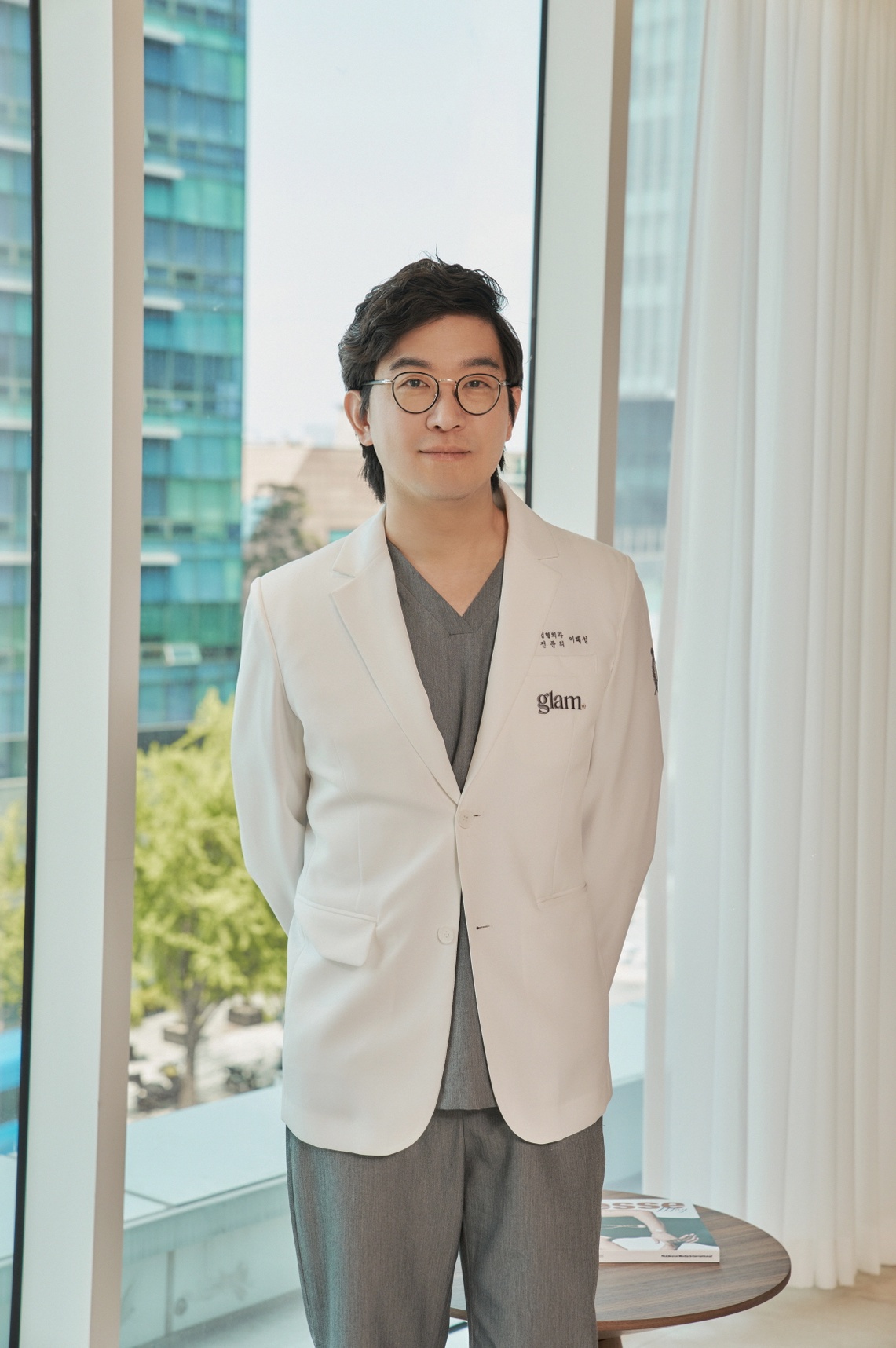
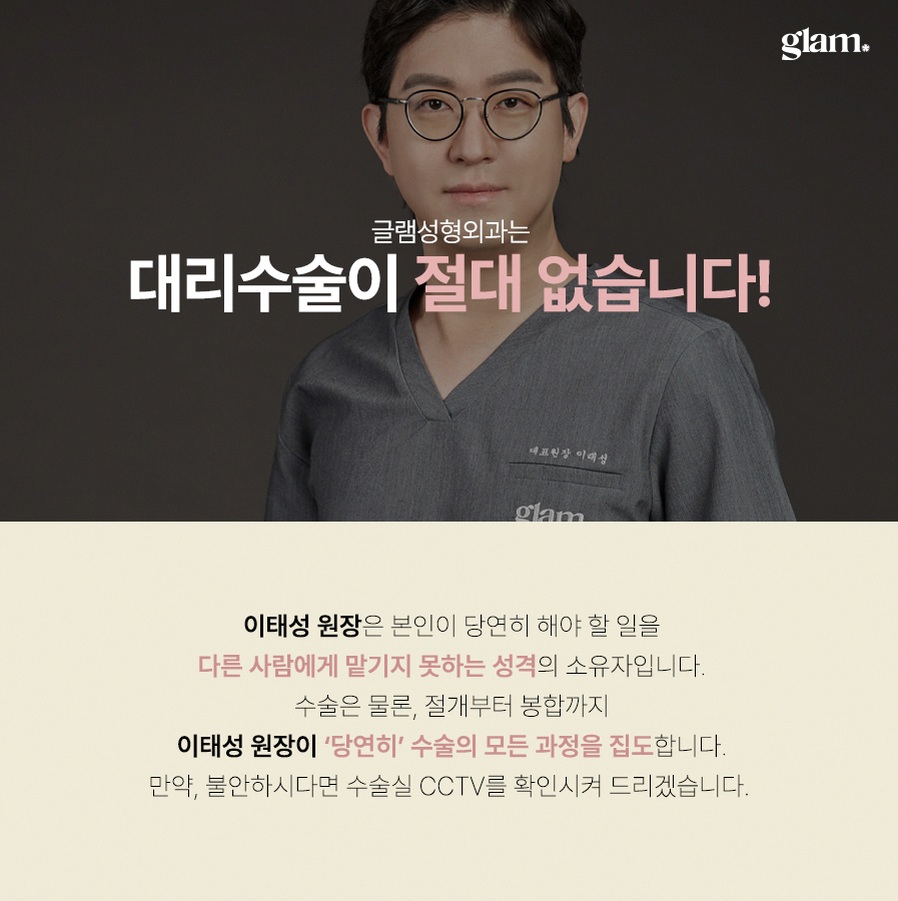
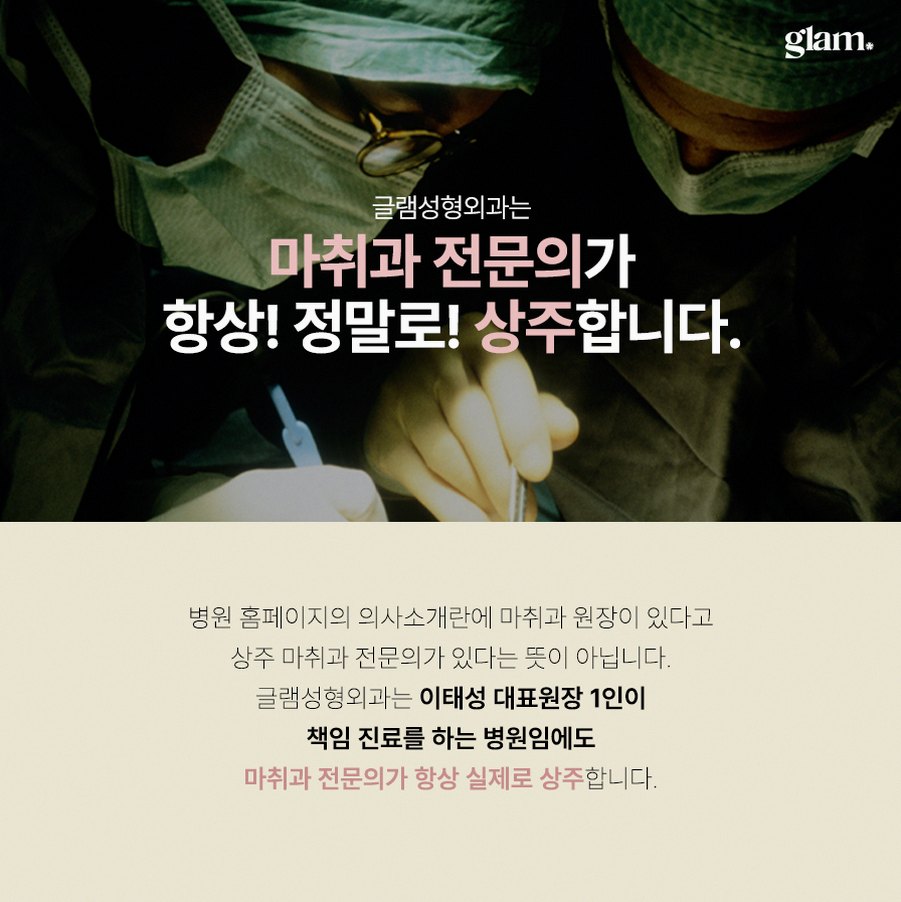
In Gangnam, Seoul, there are clinics that focus exclusively on facial bone surgery such as double jaw and facial contouring. One such clinic has a plastic surgeon with about 20 years of experience in facial bone surgery (as of February 2025) and , and works together with an anesthesiology and pain medicine specialist. This type of focused setup can be helpful for international patients with complex jaw and TMJ-related issues.
What is double jaw surgery in the context of TMJ?
Double jaw surgery is a procedure that repositions both the upper jaw and the lower jaw. The aim is to correct skeletal malocclusion such as severe overbite, underbite, open bite, crossbite, or marked facial asymmetry. By moving the jaw bones into a more balanced position, the surgeon aims to improve chewing, speech, and facial harmony.

The temporomandibular joints are the hinges that connect your lower jaw to your skull, just in front of your ears. When the upper and lower jaws do not fit together properly, the TMJ area and chewing muscles may have to work in an unstable or strained position. Over time this can contribute to symptoms such as pain around the jaw or ears, clicking or popping sounds, stiffness, or difficulty opening the mouth.
In patients whose TMJ symptoms are closely linked to a severe skeletal bite problem, correcting the jaw position can sometimes reduce the overload on the joints and muscles. However, TMJ disorders have many possible causes, including habits, posture, stress, muscle tension, and previous trauma. For this reason, double jaw surgery is not a direct TMJ surgery and cannot promise to cure TMJ pain. The realistic goal is to correct the structural jaw problem that may be one of several contributing factors.
Who may consider double jaw surgery with TMJ issues?
Double jaw surgery is usually considered for people with clear skeletal problems, not just for joint pain alone. Typical candidates include those with a very small or retruded lower jaw, a very prominent lower jaw, open bite where front teeth do not meet, crossbite where one side of the bite is reversed, or noticeable facial asymmetry. Many of these patients also report long-standing difficulty chewing, biting into foods, or speaking clearly.
If you have TMJ symptoms such as pain, clicking, or locking together with these structural issues, your surgeon may discuss double jaw surgery as one possible part of treatment. The key point is that TMJ pain alone, without a major skeletal or bite problem, is rarely an indication for this type of surgery.
Many TMJ disorders are first managed with non-surgical methods. These can include splints or bite appliances, physiotherapy, medication for pain or inflammation, stress management, posture correction, and lifestyle changes such as avoiding hard chewing or wide mouth opening. Only when these measures are not sufficient, and when a clear structural jaw problem is present, is double jaw surgery usually considered.
During consultation, the medical team will typically check your bite pattern, jaw position, facial symmetry, and the way your jaw moves when you open and close. They will ask about your history of TMJ pain, clicking, or locking, and how wide you can open your mouth.
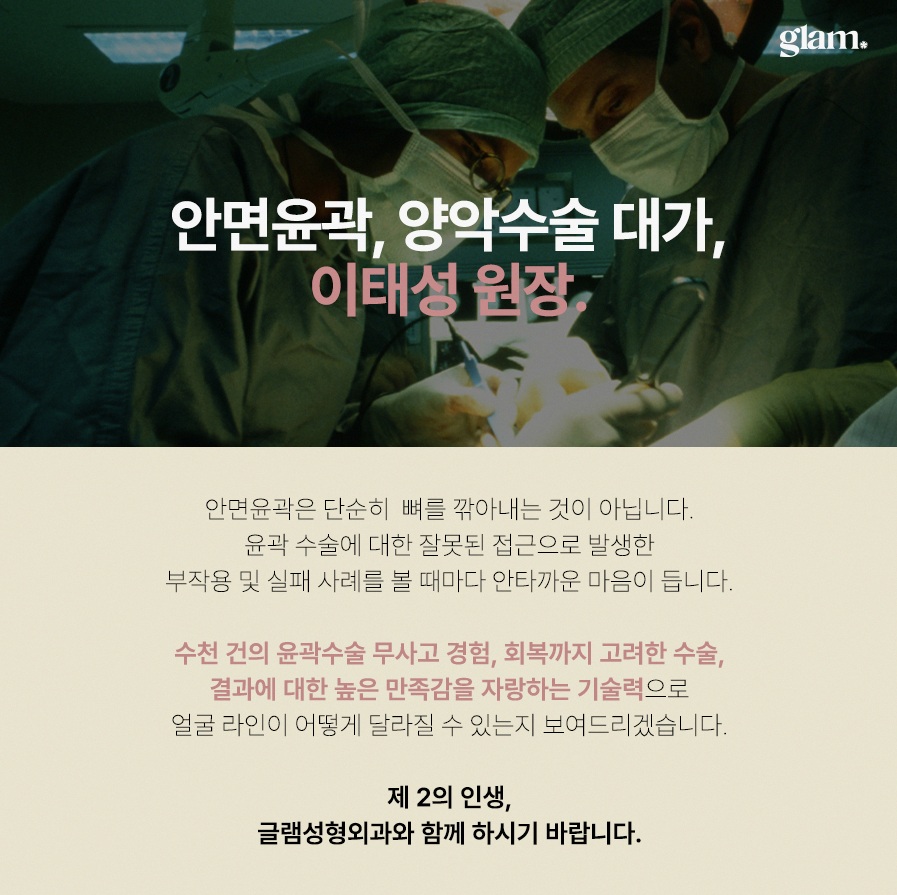
Some facial bone clinics in Gangnam emphasize offering only the minimum necessary surgery after thorough diagnosis. This can be reassuring for patients who are worried about overtreatment and want to understand clearly why a major procedure is being recommended.
Preoperative evaluation and planning when TMJ is a concern
When TMJ is part of the picture, preoperative planning for double jaw surgery needs to be especially detailed. The process usually starts with a full facial bone CT scan and cephalometric analysis, which is a way of measuring jaw and facial relationships on specialized X-rays. Digital scans or physical models of your bite help the team simulate how your jaws should fit after surgery.
A TMJ-focused history and physical examination are also important. The surgeon will ask where you feel pain, what movements trigger your symptoms, and whether you have experienced episodes of the jaw locking open or closed. They will listen for joint sounds and check your range of mouth opening. If there are signs of internal joint damage, an MRI may be requested through a partner imaging center.
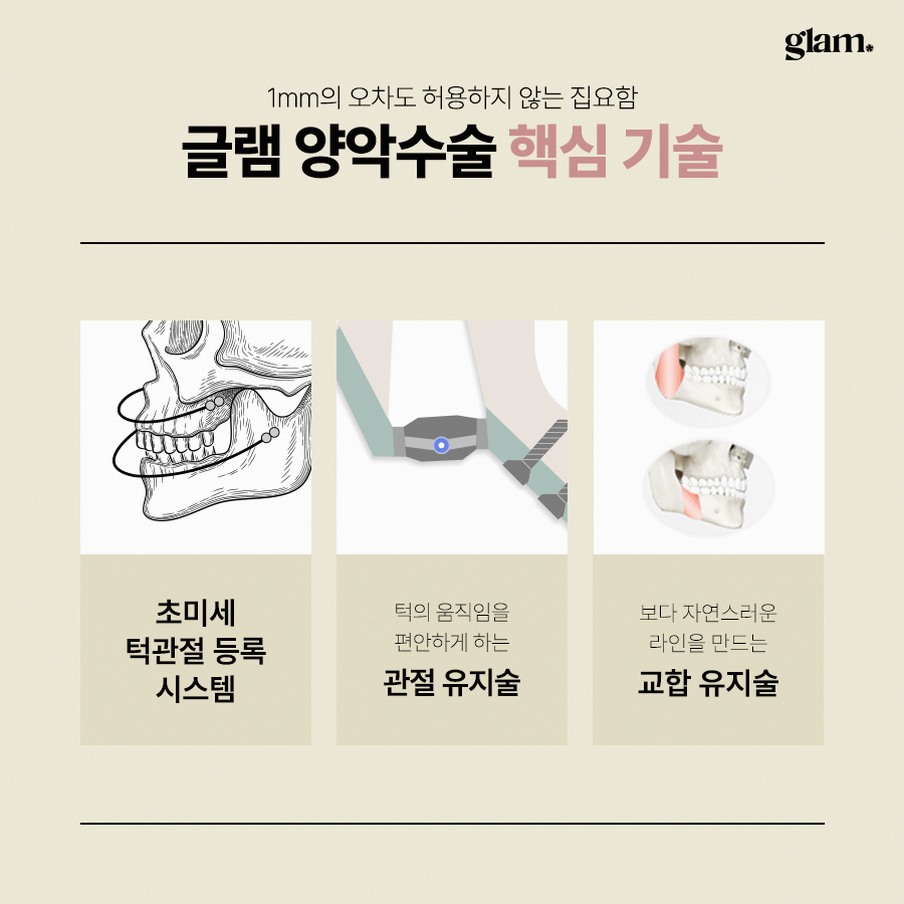
In some cases, it may be possible to perform double jaw surgery without long-term jaw wiring, a method called no intermaxillary fixation or minimal fixation. Instead of keeping the jaws tied together for several weeks, rigid plates and screws are used to stabilize the bones, and elastic bands may guide the bite. This can allow earlier speaking and limited mouth opening, which may be more comfortable for patients, especially those with TMJ sensitivity. However, this approach is not suitable for everyone and depends on bone quality, bite stability, and the exact surgical movements required.
Another planning point is the relationship between surgery and tooth alignment treatment before or after the operation. In some relatively simple bite problems, the amount of alignment needed may be reduced or, in selected cases, omitted. In more complex cases, alignment before and after surgery remains important to fine-tune the bite. This decision should be made together with a tooth alignment specialist, and no clinic can promise that all patients can skip these steps.
When TMJ is a concern, surgeons also try to avoid excessive or unnecessary jaw movements that could destabilize the joints. The aim is to achieve a balanced, functional bite with the least amount of change needed to reach a stable joint position.

Surgical approach and techniques relevant to TMJ protection
Double jaw surgery commonly involves two main procedures. For the upper jaw, a technique called Le Fort I osteotomy is used, where the upper jaw bone is gently separated, moved into a new position, and fixed with plates and screws. For the lower jaw, a bilateral sagittal split osteotomy is often performed, which allows the back part of the lower jaw to stay aligned with the TMJ while the front part carrying the teeth is moved forward, backward, or rotated.
During these procedures, careful handling of the jaw joints is crucial. The condyles, which are the rounded ends of the lower jaw that sit in the TMJ sockets, must be kept in a stable and natural position while the rest of the jaw is repositioned. If the condyles are forced into an unnatural angle or left unstable, new TMJ problems can develop after surgery.
Surgeons who focus on facial bone surgery pay close attention to this condylar positioning throughout the operation. They may use intraoperative checks and fixation techniques designed to keep the joint area stable. The same surgeon performing all key steps of the operation, rather than delegating parts to multiple operators, can help maintain consistency in these TMJ-sensitive maneuvers.
Aesthetic and functional planning are usually done together. For example, moving the upper jaw can affect the shape of the nose and the upper lip. Techniques such as internal suturing can be used to reduce the chance of the nose widening or drooping after surgery. While these measures are mainly aesthetic, they are planned at the same time as bite and joint considerations, to achieve a balanced result.
Anesthesia and safety system
Double jaw surgery is a long and complex procedure, so anesthesia and safety systems are very important, especially for overseas patients who are far from home.
This anesthesiologist typically performs a preoperative risk assessment, reviewing your medical history, medications, allergies, and any previous anesthesia experiences. During surgery, they manage your airway, adjust anesthesia depth, monitor vital signs such as heart rate, blood pressure, oxygen level, and carbon dioxide, and respond quickly to any changes. After surgery, they help control pain and reduce nausea so that recovery is smoother.

Continuous monitoring throughout the operation and having an in-house anesthesiologist dedicated to long facial bone surgeries can be especially reassuring for international patients. It means that both the surgeon and the anesthesiologist are familiar with the specific demands of double jaw procedures and can coordinate closely.
Recovery, TMJ symptoms, and aftercare
Recovery after double jaw surgery is gradual and takes several months. In the first one to two weeks, you can expect significant swelling, tightness, and some discomfort. Eating is usually limited to liquids and very soft foods at first. Most patients can walk around and manage basic self-care within a few days, but fatigue is common.
Over the next several weeks, swelling slowly decreases, and speaking and eating become easier. Bone healing continues over a few months, and the final facial shape and bite stability are usually evaluated around six to twelve months after surgery.
TMJ symptoms may temporarily worsen right after surgery. Swelling around the joints, muscle tension, and the new jaw position can all cause temporary discomfort or stiffness. In many cases, these symptoms gradually stabilize as healing progresses and the muscles adapt to the new bite. Some patients notice improvement compared with their preoperative state, while others may find that their TMJ symptoms are similar to before. A small number may experience new or more persistent TMJ issues, which is one of the reasons why realistic expectations are essential.
Postoperative care in specialized facial bone clinics often includes programs to help reduce swelling and support soft tissue recovery. These may involve LED therapy, facial dome care, and skin or RF lifting programs. It is important to understand that these treatments are designed for swelling and skin recovery, not as direct TMJ treatments.
Follow-up visits are crucial. During these appointments, the team checks your bite, jaw movement, joint comfort, and facial symmetry. They may adjust elastic bands, guide you in gentle jaw exercises, and monitor nerve sensation. For overseas patients, some follow-up can be done by video consultation once the initial healing phase in Korea is complete, but you should plan to stay in Seoul long enough for early checks and any necessary adjustments.
Risks, limitations, and realistic expectations
Like any major bone surgery, double jaw surgery carries risks and limitations. Possible complications include infection, bleeding, delayed bone healing, and relapse of the jaw position over time. Changes in nerve sensation, such as numbness or tingling in the lips or chin, are relatively common, especially in the lower jaw area. These changes often improve gradually but can sometimes be long-lasting.
There is also a risk of residual or new asymmetry, bite irregularities that require further adjustment, and TMJ symptoms that persist or newly appear. Because TMJ disorders have multiple causes, no surgeon or clinic can guarantee that double jaw surgery will cure TMJ pain or locking.
For this reason, it is important to discuss conservative TMJ treatments first and to understand exactly why surgery is being recommended in your case. Ask your surgeon to explain how your jaw structure, bite, and TMJ symptoms are related, what degree of symptom change is realistically expected, and what the plan would be if TMJ discomfort continues after surgery.
Why choose a facial-bone-focused clinic in Gangnam for TMJ-related double jaw surgery?
Gangnam in Seoul is known for its concentration of medical facilities, including clinics that focus specifically on facial bone surgery such as double jaw and facial contouring. A clinic that limits its practice to these procedures can accumulate deep experience with complex jaw and TMJ-related cases rather than spreading attention across many different cosmetic treatments.
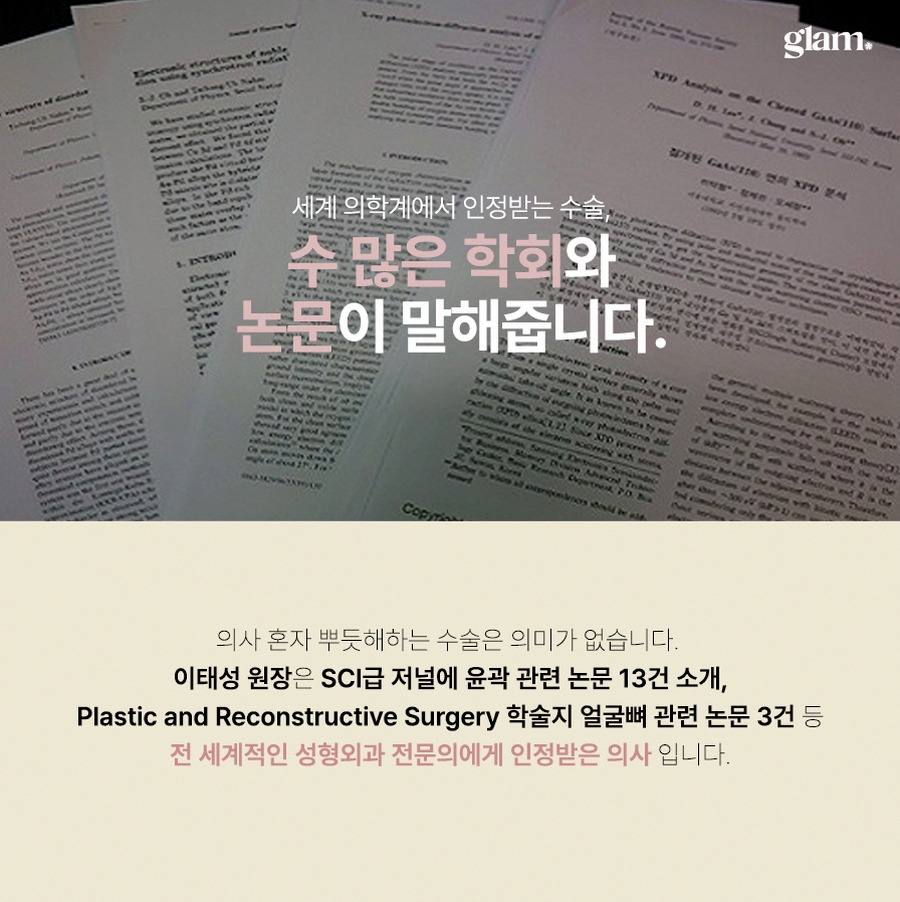
This surgeon has published 13 SCI-level papers on facial contouring and double jaw surgery as of February 2025, including three in the journal Plastic and Reconstructive Surgery. For patients, this academic track record can serve as an objective sign that the surgeon is engaged in ongoing research and refinement of techniques rather than relying only on routine practice.
The presence of a dedicated anesthesiologist and a structured postoperative care system tailored to long facial bone surgeries further supports safety and comfort. For international patients, multilingual support in English, Japanese, and Thai, and a location near Sinsa Station in Gangnam, can make logistics such as airport transfer, accommodation, and daily visits more manageable.
Treatment overview for overseas patients
For overseas patients, the process usually starts with an online consultation. You send photos of your face from the front and side, videos of your jaw opening and closing, and any previous imaging if available. The clinic may also ask for a brief medical history, including TMJ symptoms, previous treatments, and any chronic conditions.
Based on this information, the surgeon can give a preliminary opinion on whether double jaw surgery might be appropriate, what additional examinations are needed, and how long you should plan to stay in Korea. This is also the time to discuss whether your main goal is functional improvement, appearance, TMJ symptom relief, or a combination of these.
Who may consider it as an international patient
International patients who may consider traveling to Seoul for double jaw surgery with TMJ concerns often share a few features. They usually have a long-standing severe bite problem that has been difficult to address locally, together with TMJ symptoms such as chronic pain, clicking, or locking. Some may have been advised to consider surgery in their home country but are looking for a clinic with concentrated experience in facial bone procedures and a structured system for complex operations.
If you are considering this step, it is important to have realistic expectations and to be prepared for the time and effort required. Double jaw surgery is not a quick solution; it is a major procedure that requires careful planning, a stay in Korea for initial recovery, and long-term follow-up.
Online consultation and pre-visit preparation
Before you book flights, it is wise to complete a detailed online consultation. Prepare clear photos of your face at rest and while smiling, from the front, 45-degree angle, and side. A short video showing how your jaw moves when you open and close can be very helpful. If you have X-rays, CT scans, or MRI images from previous evaluations, ask your local clinic to provide digital copies.
Make a list of your TMJ symptoms, including when they started, what makes them better or worse, and any treatments you have already tried. Note any episodes of jaw locking and how wide you can open your mouth at present. Also prepare a list of medications, allergies, and past surgeries.
During the online consultation, consider asking questions such as what is the main reason surgery is recommended in my case, how much of my TMJ problem is likely related to my jaw structure, what is the expected length of stay in Korea, and how will follow-up be handled once I return home. Having these questions written down in advance can make the discussion more productive.
Expected Korea visit timeline
Although the exact schedule varies, many overseas patients plan a stay of about three to four weeks in Seoul for double jaw surgery. A typical timeline might look like this.
In the first few days after arrival, you undergo in-person examinations, facial bone CT, cephalometric X-rays, bite scans, and TMJ evaluation. The surgeon reviews the findings with you, confirms the treatment plan, and explains the risks and expected course.
Surgery is usually scheduled within the first week. You may stay in the clinic or a nearby facility for one or more nights after the operation, depending on your condition and the clinic’s protocol. The first week after surgery focuses on pain control, swelling management, and learning how to manage liquid or soft foods.
In the second and third weeks, you attend regular follow-up visits for wound checks, elastic adjustments if used, and monitoring of your bite and TMJ comfort. Swelling gradually decreases, and you may begin gentle jaw exercises as instructed. Once the surgeon is satisfied with your early healing and stability, you can usually return to your home country, with instructions for ongoing care and scheduled online follow-ups.
Aftercare once you return home
After you leave Korea, you will continue to heal for many months. It is helpful to have a local clinic or practitioner who can assist with basic follow-up if needed, such as checking healing or helping with simple jaw exercises. The original surgeon may request periodic photos, videos of your jaw movement, and reports on your TMJ symptoms.
You should avoid heavy impact to the face, very hard foods, and extreme jaw movements until your surgeon confirms that the bones are fully healed. If you notice persistent or worsening TMJ pain, locking, or bite changes, contact the clinic promptly and, if necessary, seek evaluation locally.
FAQ
Can double jaw surgery cure TMJ pain completely?
Double jaw surgery is not a guaranteed cure for TMJ pain. Its main purpose is to correct jaw and bite alignment. If your TMJ symptoms are strongly related to a severe structural problem, surgery may reduce the overload on the joints and muscles and lead to improvement. However, some patients experience only partial change, and a few may have persistent or even new TMJ discomfort. It is important to discuss this uncertainty with your surgeon before deciding.
Is double jaw surgery recommended if I only have TMJ clicking without a big bite problem?
In most cases, no. TMJ clicking or mild pain without a significant skeletal or bite issue is usually managed with conservative treatments such as splints, physiotherapy, and lifestyle modifications. Double jaw surgery is a major procedure with its own risks, so it is generally reserved for patients with clear structural jaw problems that also affect function and sometimes appearance.
How long do I need to stay in Korea for TMJ-related double jaw surgery?
Many international patients plan to stay in Seoul for about three to four weeks. This allows time for preoperative tests, surgery, early recovery, and several follow-up visits to check the bite and TMJ function. The exact duration can vary depending on your healing speed, any additional procedures, and your overall health. Your surgeon can give a more personalized estimate after reviewing your case.

Will my jaw be wired shut after double jaw surgery?
Not always. Depending on your specific case and the fixation method used, it may be possible to avoid long-term jaw wiring. Some patients are treated with rigid plates and screws plus elastic bands, which allow limited mouth opening and speaking earlier in recovery. However, in certain complex or unstable cases, temporary jaw fixation may still be recommended for safety and stability. Your surgeon will explain which approach is planned for you and why.
Soft call to action
If you are an overseas patient struggling with both a severe jaw alignment problem and TMJ symptoms, and you are considering double jaw surgery in Seoul, an online consultation can be a practical first step. By sharing your photos, imaging, and symptom history, you can receive a personalized assessment of whether this surgery is appropriate for you, what improvements are realistic, and how a focused facial bone clinic in Gangnam would plan your treatment and recovery schedule.
This information can help you compare options, prepare questions, and decide whether traveling to Korea for TMJ-related double jaw surgery fits your medical needs and life plans.




- 공유 링크 만들기
- X
- 이메일
- 기타 앱


댓글
댓글 쓰기