Double Jaw Surgery Costs in Seoul
- 공유 링크 만들기
- X
- 이메일
- 기타 앱
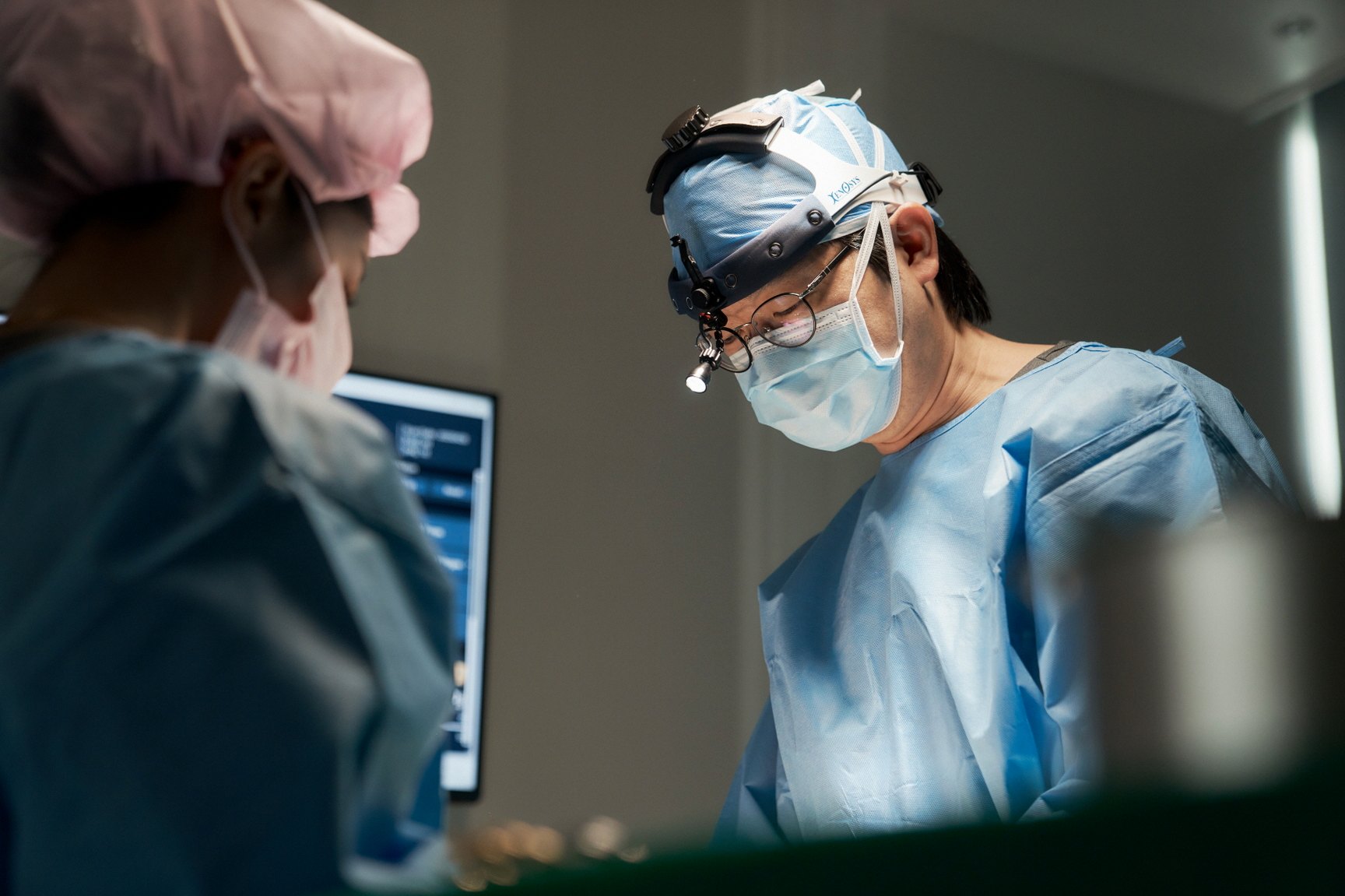
Direct answer: what double jaw surgery cost usually includes
In Seoul, the cost of double jaw surgery (orthognathic surgery on both the upper and lower jaw) varies widely depending on how complex your case is, whether it is your first operation or a revision, and how comprehensive the planning and aftercare are.
For most patients, the total orthognathic surgery cost is made up of several parts: initial consultations, imaging and 3D analysis, the main surgery fee, anesthesia, hospitalization, and post‑operative care. Revision double jaw surgery almost always costs more than primary surgery because it is technically more demanding and requires more detailed planning.
Instead of focusing only on the lowest quote, it is safer to look at what is actually included, who is performing the surgery, what kind of safety system the clinic uses, and how experienced the surgeon is with facial bone surgery.
What is double jaw surgery?
Double jaw surgery, also called orthognathic surgery, is a procedure that repositions both the upper jaw (maxilla) and lower jaw (mandible). It is done to improve how the jaws fit together and how the face looks overall.
Some people need it mainly for functional reasons, such as difficulty chewing, open bite, crossbite, or jaw joint discomfort. Others are more concerned about facial asymmetry, a long face, or a protruding mouth. In many cases, both function and appearance are addressed at the same time.
This type of facial bone surgery is usually performed under general anesthesia in a hospital‑level setting, with at least one or more nights of inpatient monitoring. Recovery is gradual, and swelling can last for several weeks, which is why structured aftercare is important.
What affects double jaw surgery cost?
Type of case and complexity
The first major factor in double jaw surgery cost is how complex your jaw problem is.
A relatively straightforward case, such as mild protrusion without severe asymmetry, usually requires less operating time and simpler planning. More complex cases, such as severe facial asymmetry, open bite combined with a long face, or previous trauma, often require more advanced analysis and longer surgery.
Cases with multiple functional problems, such as chewing difficulty, speech issues, and jaw joint pain together, also tend to be more complex. The more complex the case, the higher the fee is likely to be, because of the time and expertise required.
Primary versus revision double jaw surgery
Revision double jaw surgery cost is usually higher than the cost of a first‑time operation. This is because revision surgery must deal with scar tissue, changes in blood supply, and bone segments that may already have been moved or fixed with plates and screws.
The surgeon needs more detailed imaging, more careful planning, and often more time in the operating room. Removing or repositioning existing fixation materials can also add to the complexity. For this reason, many centers price revision double jaw surgery at a higher level than primary surgery.
Surgical method and scope
Another key factor is the exact surgical plan.
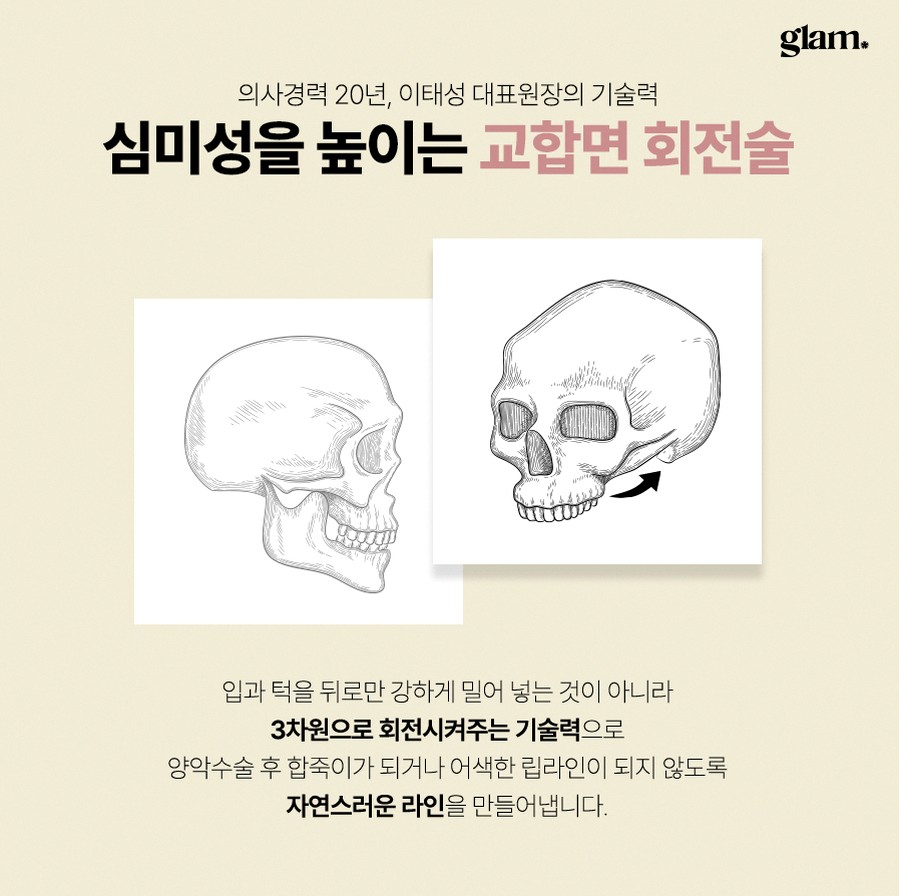
Some patients truly need both the upper and lower jaws moved, while others may only need one jaw plus a chin procedure to balance the face. A full double jaw procedure plus additional facial contouring, such as chin contouring or angle reduction, will naturally cost more than a more limited operation.
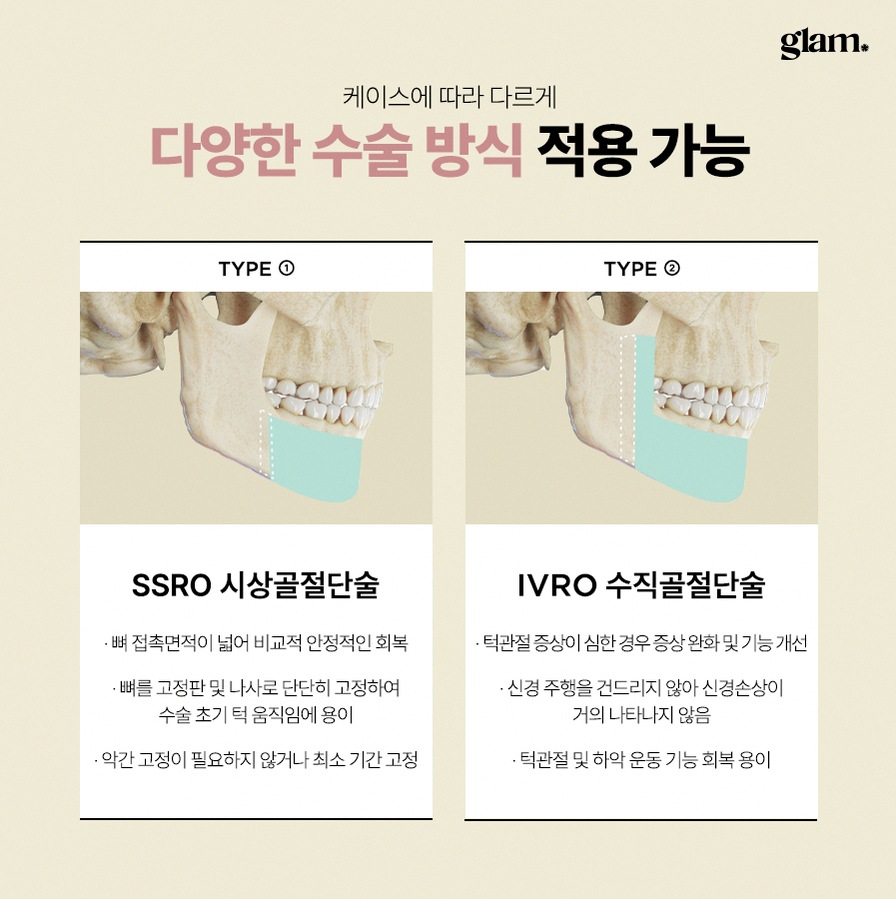
Some centers still use prolonged intermaxillary fixation, where the jaws are wired together for a certain period. Others, including some facial bone–focused clinics in Seoul, aim to avoid prolonged jaw wiring in suitable cases by using stable fixation techniques and careful planning. Techniques that reduce or eliminate jaw wiring can improve comfort and early function, but they require experience and may influence the fee.
Diagnostic work‑up and planning
High‑quality planning is essential in orthognathic surgery. Many clinics in Seoul now use a combination of 3D CT scans, cephalometric analysis, and either model surgery or virtual surgical planning.
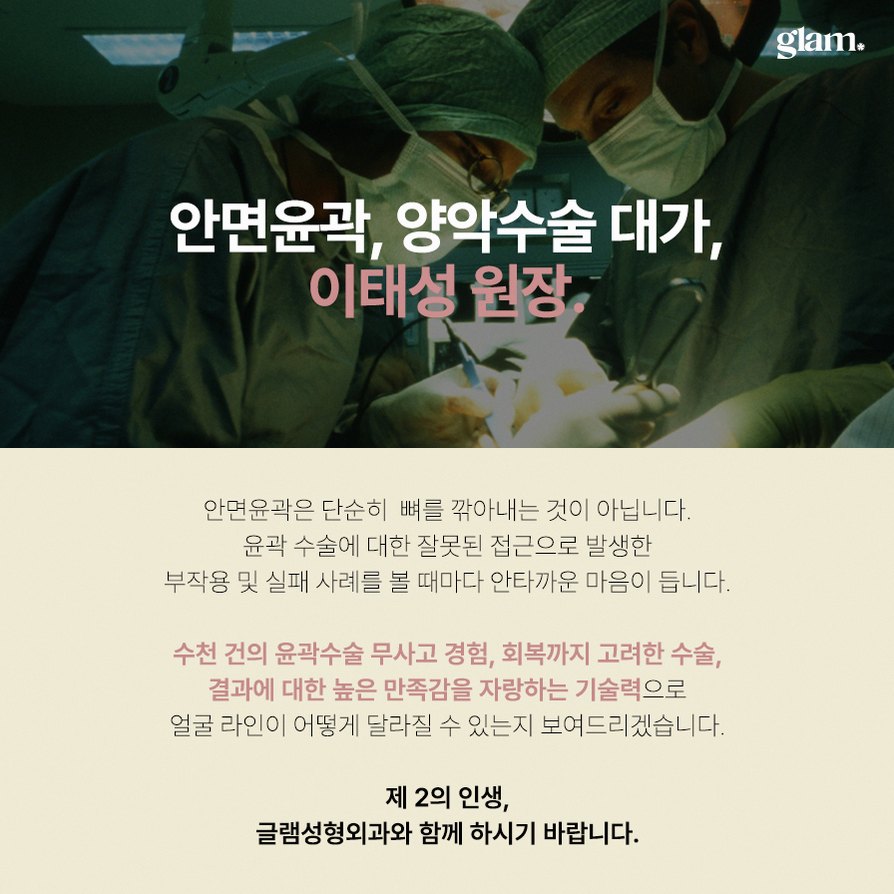
The more advanced and detailed the planning system, the more time and resources are invested before the operation. Some patients also need pre‑operative alignment work, while others may be suitable for protocols that minimize or even skip this step in selected indications.
If your plan includes extensive imaging, 3D simulations, and multiple planning sessions, this will usually be reflected in the overall double jaw surgery cost. However, this investment in planning can help reduce the risk of unexpected changes and may improve both function and facial balance.
Anesthesia and safety system
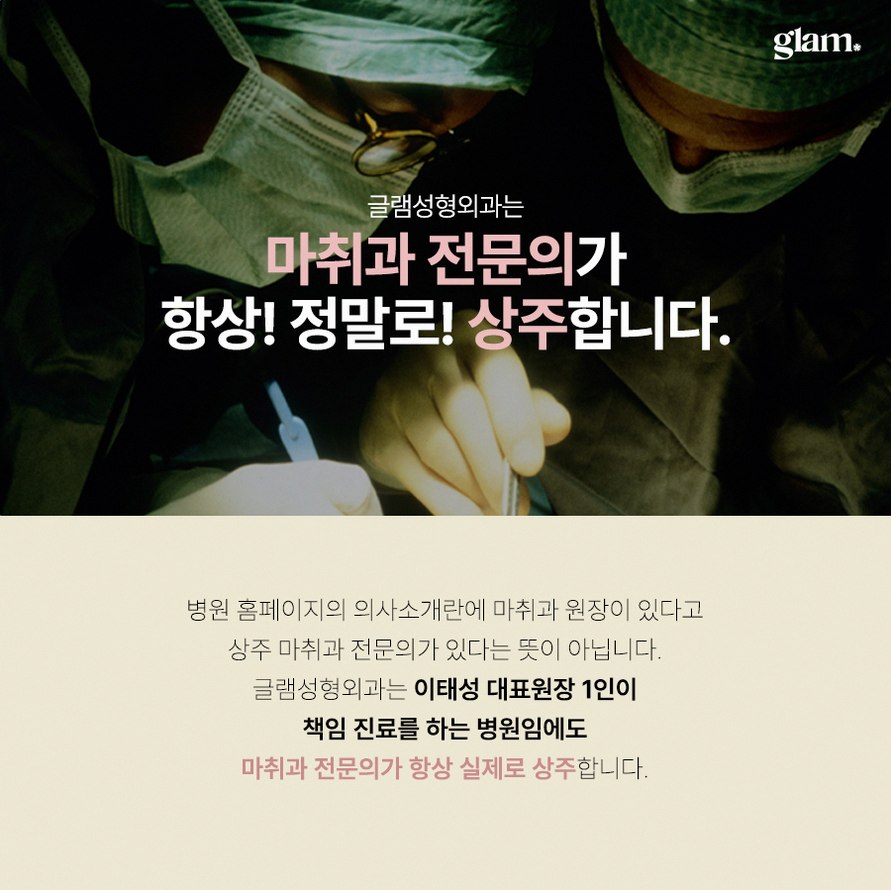
General anesthesia is a major component of orthognathic surgery cost. A center that works with a full‑time board‑certified anesthesiologist, who is dedicated to anesthesia and pain management, will usually charge more than a place that uses a more basic setup.
Intra‑operative monitoring, emergency equipment, and clear protocols for managing blood pressure, bleeding, and airway safety are all part of a comprehensive safety system. These elements do not show up directly in before‑and‑after photos, but they are critical for safe surgery. When comparing quotes, it is important to ask who will be providing anesthesia and what monitoring is used.
Surgeon’s experience and specialization
The surgeon’s background is one of the most important hidden cost factors. A surgeon with many years of experience specifically in facial bone and double jaw surgery, rather than general procedures, may charge higher fees.
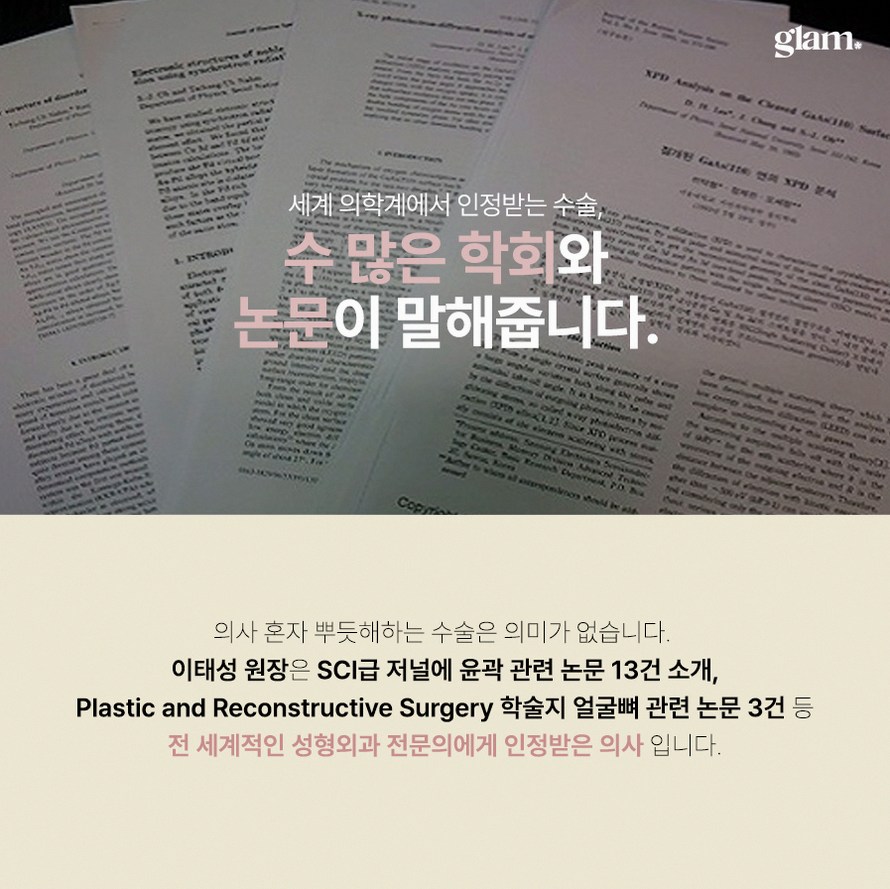
Some surgeons also have a strong academic track record, with peer‑reviewed papers in international journals. For example, the lead surgeon at one facial bone–focused clinic in Sinsa, Gangnam, is a board‑certified plastic surgeon with around 20 years of experience in facial bone surgery (as of February 2025) and 13 SCI‑level publications as first or corresponding author (as of February 2025), including three papers in the journal Plastic and Reconstructive Surgery. Academic work like this suggests a systematic, evidence‑based approach to planning and technique, which may be reflected in the fee.
Hospitalization and aftercare
The length of hospital stay and the type of aftercare also affect double jaw surgery cost. Some centers include one or two nights of hospitalization with meals, while others may keep patients longer or discharge them sooner.
Post‑operative care can range from basic follow‑up visits and medication to structured swelling‑control programs, skin treatments, and device‑based therapies for skin tightening after bone healing. Whether these services are bundled into a package or charged separately will change the final amount you pay.
How orthognathic surgery is priced in Seoul
Typical components of the fee
While each clinic has its own policy, most double jaw surgery in Seoul is priced as a package that includes several standard items:
- Consultation and examination
- Imaging and analysis (panoramic X‑ray, cephalometric X‑ray, 3D CT)
- Surgical planning (model surgery or virtual planning)
- Main surgery fee
- Anesthesia fee
- Hospitalization and basic nursing care
- Scheduled follow‑up visits for a certain period
Some centers also include basic swelling management and simple wound care in the package, while more advanced recovery programs are offered as optional add‑ons.
Primary versus revision pricing
As mentioned, revision double jaw surgery usually carries a premium compared with primary surgery. In Seoul, it is common for clinics to have separate price ranges for primary and revision cases.
If you are seeking revision surgery, it is especially important to choose a surgeon who regularly handles complex facial bone cases and can show a clear, step‑by‑step plan for correcting previous issues.
Combined procedures
Patients sometimes consider doing other facial bone procedures at the same time as double jaw surgery, such as chin contouring or cheekbone and jaw angle contouring.
Combining these can be cost‑effective compared with doing them as separate operations later, because anesthesia and hospitalization are shared. However, adding more procedures also increases operating time, complexity, and recovery demands. A careful discussion with the surgeon about what is truly necessary is important for both safety and cost control.
Why surgeon specialization matters more than the lowest quote
Facial bone–focused clinic as an example
In Seoul, many large centers offer a wide range of procedures, from eyes and nose to body contouring. By contrast, some clinics are structured as facial bone–focused centers, handling only double jaw surgery and facial contouring.
A focused lineup allows the team to concentrate experience, protocols, and equipment on one area. This can help standardize safety procedures, planning workflows, and recovery programs specifically for jaw and contouring cases.
At the Sinsa, Gangnam clinic mentioned earlier, there is one plastic surgeon who performs the facial bone operations and . This kind of setup may increase the base cost but can add value in terms of predictability, communication, and safety.
Academic track record and planning quality
A surgeon who has published multiple SCI‑level papers, including in high‑impact journals such as Plastic and Reconstructive Surgery, has usually spent many years analyzing outcomes, refining techniques, and comparing different methods.
This does not guarantee results, but it suggests that the surgeon is used to working in a structured, evidence‑based way. For patients, this can translate into more detailed explanations, clear planning, and more thoughtful decisions about how much movement is truly needed.
When comparing double jaw surgery cost between clinics, it is worth asking not only “how much” but also “who is operating, how often they perform this surgery, and how they plan and review their cases.”
What is included in double jaw surgery fees?
Standard inclusions
When you receive a quote for double jaw surgery in Seoul, ask the clinic to specify what is included. Typical inclusions are:
- Initial and pre‑operative consultations
- Basic imaging (panoramic and cephalometric X‑rays)
- D CT and analysis, when needed
- Main operation fee
- General anesthesia and monitoring
- Hospital room and nursing for a set number of nights
- Routine medications during hospitalization
- Scheduled follow‑up visits for a defined period
Optional or variable items
Some items may or may not be included in the initial quote:
- Additional imaging or repeated scans
- Specialized swelling‑control treatments
- Advanced skin programs after bone healing
- Removal of fixation materials if done later
- Extended hospitalization beyond the standard period
You should confirm whether these are included in the package or will be charged separately. This will help you compare orthognathic surgery cost between clinics more accurately.
Technique‑related elements that may affect pricing
Avoiding prolonged jaw wiring
Some centers emphasize techniques that avoid prolonged intermaxillary fixation (jaw wiring) in suitable cases. Instead, they rely on rigid fixation with plates and screws and careful intra‑operative positioning.
This can allow earlier mouth opening, easier breathing, and improved comfort in the early recovery period. However, it requires precise planning and experience, which may be reflected in the fee.
Minimizing or skipping pre‑surgical alignment in selected cases
In selected indications, some surgeons may plan double jaw surgery with reduced or even no pre‑surgical alignment, using surgical planning and post‑operative alignment to achieve the final bite.
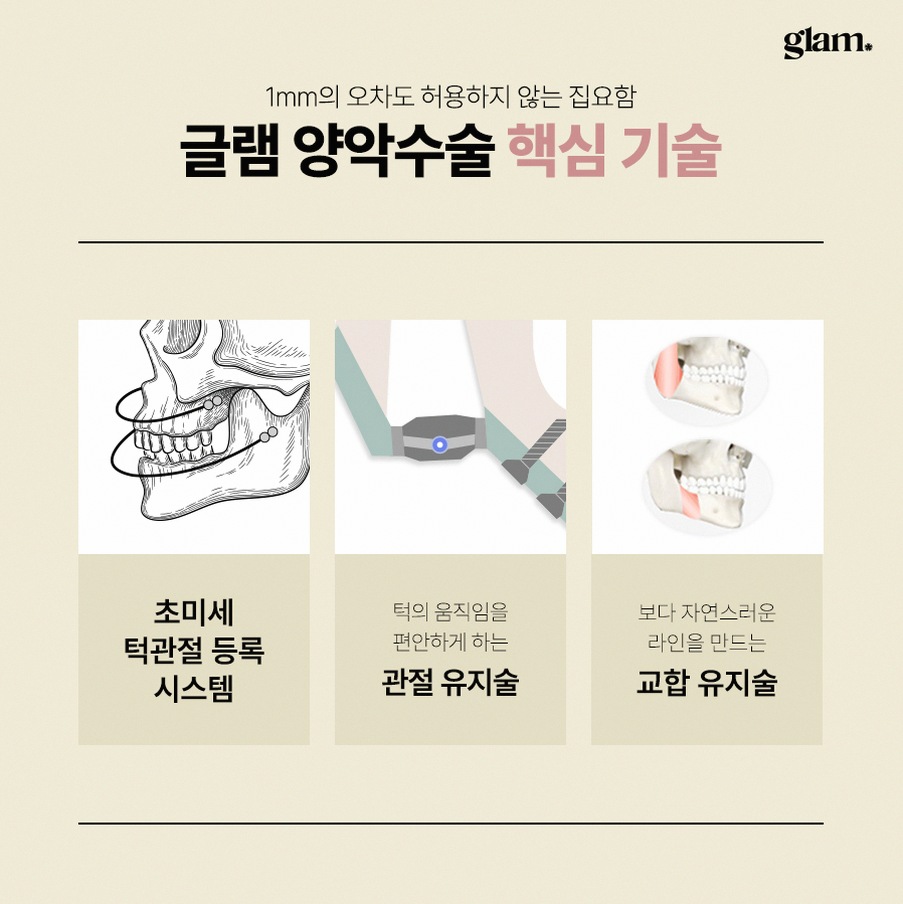
This approach can shorten the overall treatment timeline for some patients. It is not suitable for everyone, and it demands detailed planning and coordination. If your surgeon suggests such a protocol, ask how it affects both the treatment schedule and the total cost.
Suture techniques to help prevent nasal widening
When the upper jaw is moved, the base of the nose can change. Some surgeons use specific suture techniques to help control nasal widening after jaw movement.
These additional steps are small compared with the entire operation, but they show attention to aesthetic details. They may not change the fee dramatically on their own, but they are part of the overall quality of the surgical plan.
Post‑operative care and its cost impact
Typical recovery needs
After double jaw surgery, patients usually need:
- Swelling control
- Pain management
- Wound care and oral hygiene guidance
- Monitoring for nerve sensations and bite stability
- Nutritional advice for soft or liquid diets
These basic elements are often included in the main package.
Example of extended recovery programs
Some facial bone–focused clinics in Seoul offer structured post‑operative programs, such as:
- LED therapy to support healing and reduce swelling
- Facial dome treatments and total skin reset programs
- Radiofrequency lifting devices after bone healing to help with skin tightening
These programs can make the recovery period more comfortable and may improve the appearance of the skin as swelling subsides. They are sometimes bundled into a premium package or offered as separate paid options. When you receive a quote, ask which of these, if any, are included.
How to compare double jaw surgery costs between clinics
Key questions to ask
To compare double jaw surgery in Seoul fairly, prepare a checklist for each clinic:
- Is the quote for both jaws, or only one jaw plus chin?
- Does the price include all pre‑operative imaging and 3D planning?
- Will a board‑certified anesthesiologist provide anesthesia?
- How many nights of hospitalization and meals are included?
- Are all scheduled follow‑up visits and basic medications included?
- Is removal of fixation materials included if needed later?
- Are swelling‑control and skin care programs included or optional?
Who actually operates and follows you
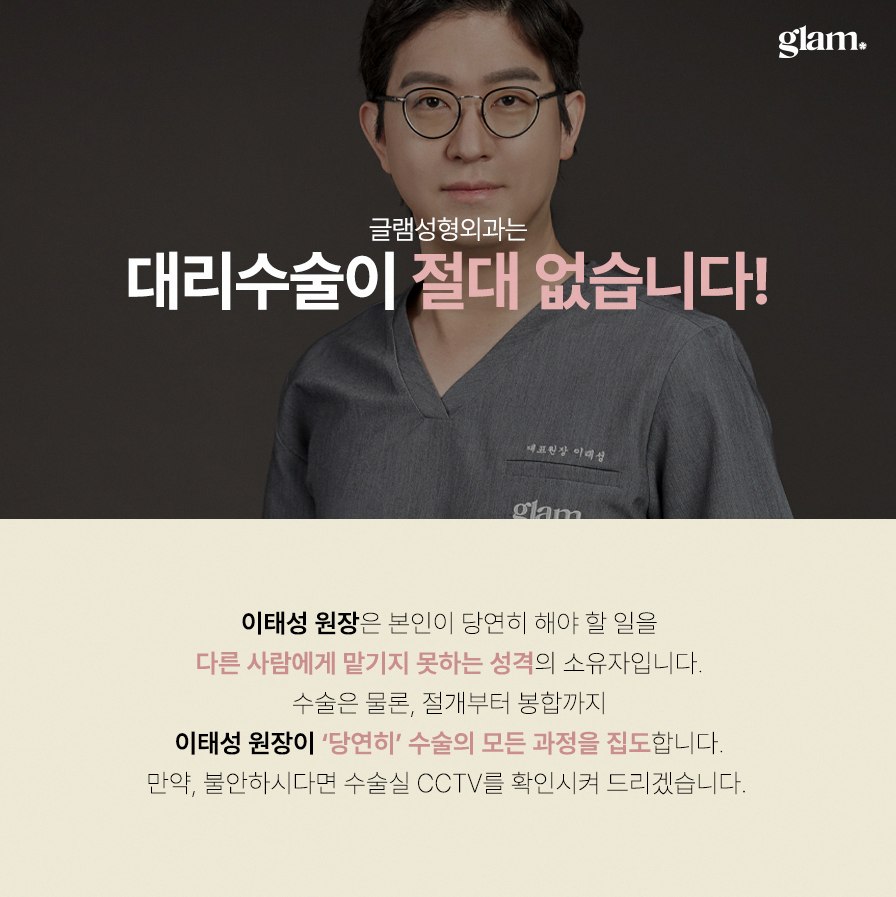
You should also confirm who will perform the surgery. Ask whether the named lead surgeon is the one who will operate from start to finish, or whether assistants will handle part of the procedure.
It is also helpful to know whether the same surgeon will see you during follow‑up visits, or whether you will mainly see other staff members.
Clinic focus and surgeon background
Ask whether the clinic mainly focuses on facial bone surgery or offers it as one of many services. A facial bone–only lineup suggests that most of the team’s daily work is related to jaw and contouring cases.
Check the surgeon’s background: board certification, years of experience with double jaw surgery, and academic publications. These factors do not guarantee a particular outcome, but they are useful indicators when comparing similar cost ranges.
Safety, over‑treatment, and finding the right plan for you
Avoiding unnecessary procedures
Many patients worry that they may be recommended more procedures than they truly need, such as combining multiple contouring operations when a simpler plan would be enough.
A careful surgeon will usually propose the minimum surgery required to achieve your functional and aesthetic goals, rather than automatically adding extra procedures. This approach can reduce both risk and cost.
At the Sinsa, Gangnam facial bone clinic mentioned earlier, the lead surgeon directly operates and emphasizes recommending only the minimum required surgery. This philosophy is one example of how a clinic can help patients avoid over‑treatment.
Balancing cost and safety
While it is natural to pay attention to price, double jaw surgery is a major operation that affects both your bite and your facial structure. Choosing solely based on the lowest quote can mean compromising on planning, safety systems, or surgeon experience.
A better approach is to decide your acceptable budget range, then look for the most qualified, safety‑focused team you can find within that range.
Practical guidance for overseas patients considering double jaw surgery in Seoul
Who may consider double jaw surgery
You may be a candidate for double jaw surgery if you have:
- Difficulty chewing or biting properly
- An open bite or crossbite that does not meet well
- A very long face or severe facial asymmetry
- A protruding mouth that affects lip closure and profile
- Functional issues combined with aesthetic concerns
Only an in‑depth consultation and imaging can confirm whether this surgery is appropriate for you. Individual conditions and expectations vary, so medical advice must be personalized.
Online consultation and pre‑visit preparation
For international patients, an online consultation is usually the first step. To make this efficient, prepare the following if possible:
- Previous X‑rays or 3D scans in digital form
- Any records from previous jaw or facial surgery
- A summary of your functional issues, such as chewing, speech, or jaw joint discomfort
- Photos of your face from the front, side, and three‑quarter views
Write down your main questions in advance, including cost, expected stay in Korea, and recovery timeline. Ask the clinic to provide a provisional treatment plan and a staged cost breakdown: pre‑operative tests, surgery and hospitalization, and post‑operative care.
Expected Korea visit timeline
Many overseas patients plan their stay in Seoul around the surgery schedule. A common structure is:
Arrival and pre‑operative tests: 3–5 days before surgery for consultations, imaging, and lab tests.
Surgery and hospitalization: surgery day plus 1–3 nights in the clinic, depending on the case and clinic policy.
Early recovery in Seoul: at least 2–3 weeks after surgery for follow‑up visits, suture removal, and monitoring of swelling and bite.
Some patients stay longer, especially if they have more complex cases or limited access to follow‑up care in their home country. Your clinic can suggest a personalized schedule based on your situation.
Aftercare and returning home
After returning home, you will still be in the healing phase. Swelling gradually decreases over several weeks, and bone healing continues for months.
Your clinic should provide clear instructions on diet, oral hygiene, activity level, and warning signs that require medical attention. Many centers offer online follow‑up using photos, video calls, and updated X‑rays if you can obtain them locally.
Location and accessibility of the example clinic
The facial bone–focused clinic used as an example in this article is located in Sinsa, Gangnam, Seoul, about 200 meters from Sinsa Station Exit 1. It offers weekday and Saturday hours with no lunch break, which can be convenient for working patients and international visitors with tight schedules.
The clinic also runs multilingual channels in Japanese, English, and Thai, and uses social media to share information, which can help overseas patients compare options and ask questions before deciding.
FAQ: double jaw surgery cost and practical questions
Is double jaw surgery covered by insurance in Korea?
In Korea, coverage for double jaw surgery depends on whether the case is classified as medically necessary or mainly aesthetic. When the main purpose is to correct significant functional problems, such as severe bite issues that affect chewing or jaw joint health, partial coverage may be possible under certain conditions.
However, for international patients, local national insurance usually does not apply, and private insurance policies vary widely. You should check directly with your insurer and ask the clinic for a medical report that explains the functional aspects of your case.
Why is revision double jaw surgery more expensive?
Revision double jaw surgery is more complex than primary surgery. The surgeon must work around scar tissue, altered blood supply, and existing plates or screws. Bone segments may not be in their original position, and the anatomy can be distorted.
This requires more detailed imaging, longer planning sessions, and often more operating time. All of these factors contribute to a higher overall cost compared with a first‑time operation.
Can I skip braces and still have double jaw surgery?
In some selected cases, it may be possible to minimize or skip pre‑surgical alignment, using careful surgical planning and post‑operative alignment to achieve a stable bite. This can shorten the total treatment period for certain patients.
However, this approach is not suitable for everyone. Whether you can follow such a protocol depends on your current bite, jaw shape, and long‑term stability considerations. A detailed consultation and imaging are necessary to decide.

How long do I need to stay in Korea after surgery?
Most international patients are advised to stay in Korea for at least 2–3 weeks after double jaw surgery. This allows time for early healing, suture removal, and several follow‑up checks to confirm that swelling, bite, and wound healing are progressing as expected.
More complex or revision cases may benefit from a longer stay. Your surgeon can recommend a specific schedule based on your condition, travel distance, and ability to access medical care after you return home.
Soft call to action
If you are considering double jaw surgery in Seoul and want a clearer idea of your own double jaw surgery cost, it is helpful to start with an online consultation. Prepare your records, list your concerns, and ask each clinic to explain not only the price, but also what is included, who will operate, and how they manage safety and recovery.
A focused facial bone surgery clinic in Sinsa, Gangnam, with an experienced plastic surgeon and a dedicated anesthesiologist, can review your case and provide a personalized plan and estimated cost range. This allows you to compare options calmly and choose the team and treatment plan that best match your goals, budget, and safety expectations.




- 공유 링크 만들기
- X
- 이메일
- 기타 앱


댓글
댓글 쓰기