Double jaw surgery before and after in Seoul Gangnam: what really changes
- 공유 링크 만들기
- X
- 이메일
- 기타 앱

Direct answer summary
If you are searching for double jaw surgery before and after, you are usually trying to understand three things: how much your face shape can change, how your bite and daily function may improve, and how long it realistically takes to recover. Orthognathic double jaw surgery repositions both upper and lower jaws to correct skeletal problems such as protruding mouth, long face, recessed chin, facial asymmetry, open bite, or difficulty chewing. At a facial bone focused center in Seoul’s Gangnam area near Sinsa Station, the entire system is built around double jaw and facial contouring surgery, with a plastic surgeon and an anesthesiologist both fully specialized in their fields.
This guide explains what happens before and after double jaw surgery, what to look for in real case photos, how recovery usually progresses, and how international patients can plan a visit to Korea.
What is double jaw surgery
Double jaw surgery, also called orthognathic double jaw surgery, is a jaw realignment procedure that repositions both the upper jaw and the lower jaw. The goal is to correct the underlying bone structure when the jaws themselves are the cause of problems such as:
Protruding mouth or overly forward jaws
Long or droopy lower face
Recessed or weak chin due to jaw position
Facial asymmetry where one side looks lower, longer, or more projected
Open bite where the front teeth do not meet when you close your mouth
Difficulty chewing or unstable bite
Problems fully closing the lips without effort
Unlike purely cosmetic procedures that only change soft tissues, double jaw surgery changes the position and angle of the facial bones. This can improve both appearance and function at the same time. Many patients notice that after surgery, the bite becomes more stable, the jaw joints feel less strained, and in some cases breathing and mouth closure are more comfortable.

At this particular facial bone center in Gangnam, double jaw and facial contouring are the only surgical lines. That means the equipment, imaging systems, operating room setup, and nursing staff are all organized around facial bone surgery rather than a wide mix of general cosmetic procedures. For patients, this can translate into more streamlined planning, clearer explanations, and staff who are used to the specific needs of jaw surgery patients.
Before surgery: what to check and how planning works
Before any double jaw surgery, detailed evaluation and planning are essential. A typical preoperative process includes:
In-depth consultation
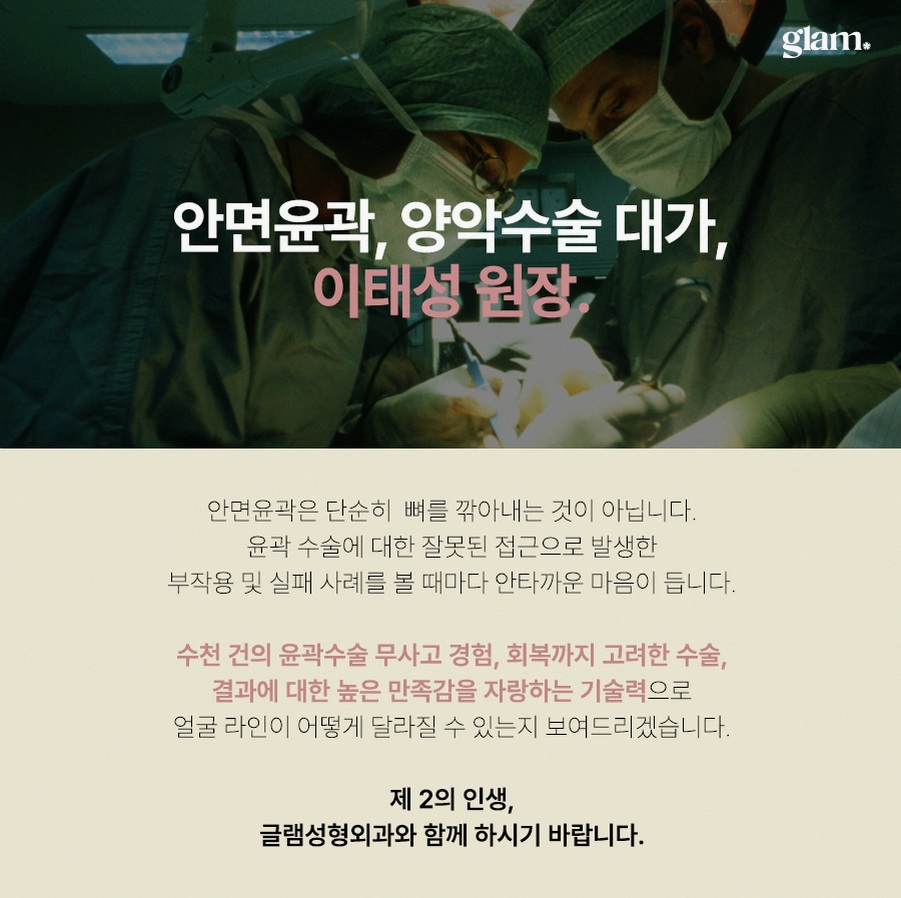
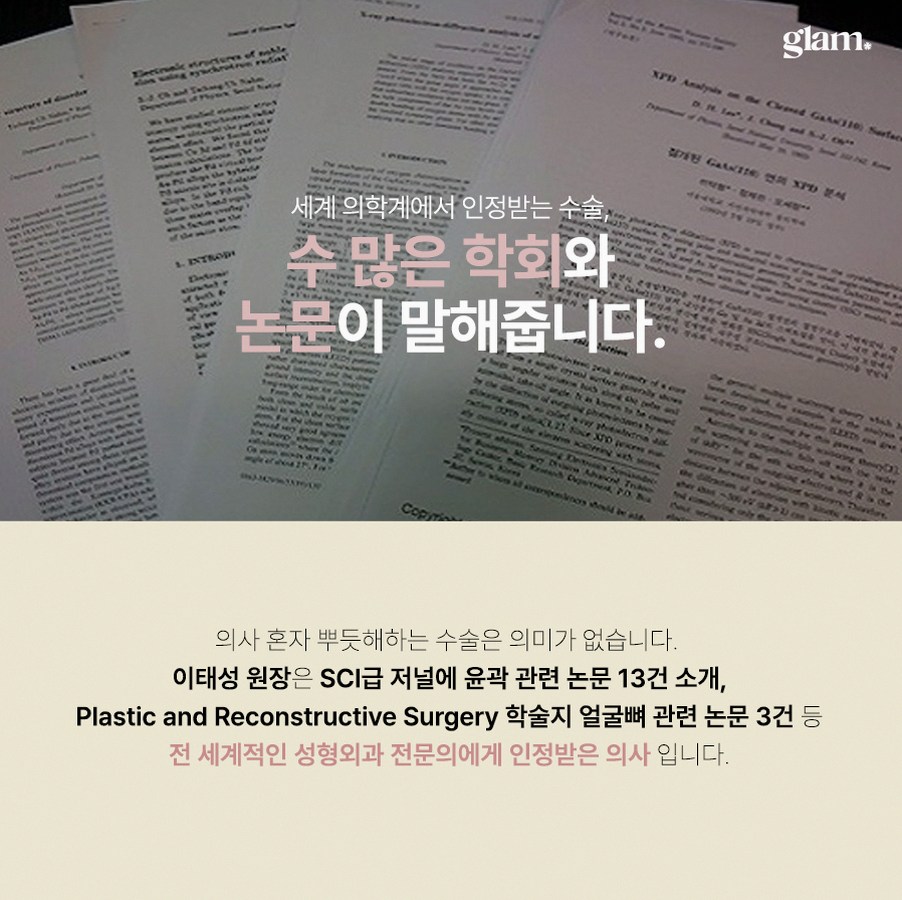
You first meet the representative plastic surgeon, Lee Tae‑sung, who has 20 years of experience in facial bone surgery. As of February 2025, he has authored 13 SCI‑level papers in the contouring and double‑jaw field, including three published in Plastic and Reconstructive Surgery. During this consultation, the surgeon listens to your main concerns: for example, a protruding mouth, a long face, asymmetry, or functional issues such as difficulty chewing.
Facial and bite examination
The surgeon examines your facial proportions from the front and side, checks how your jaws meet, and evaluates lip closure and jaw joint movement. They may also check for habits such as mouth breathing or chin muscle strain when closing the lips.
Imaging and 3D analysis
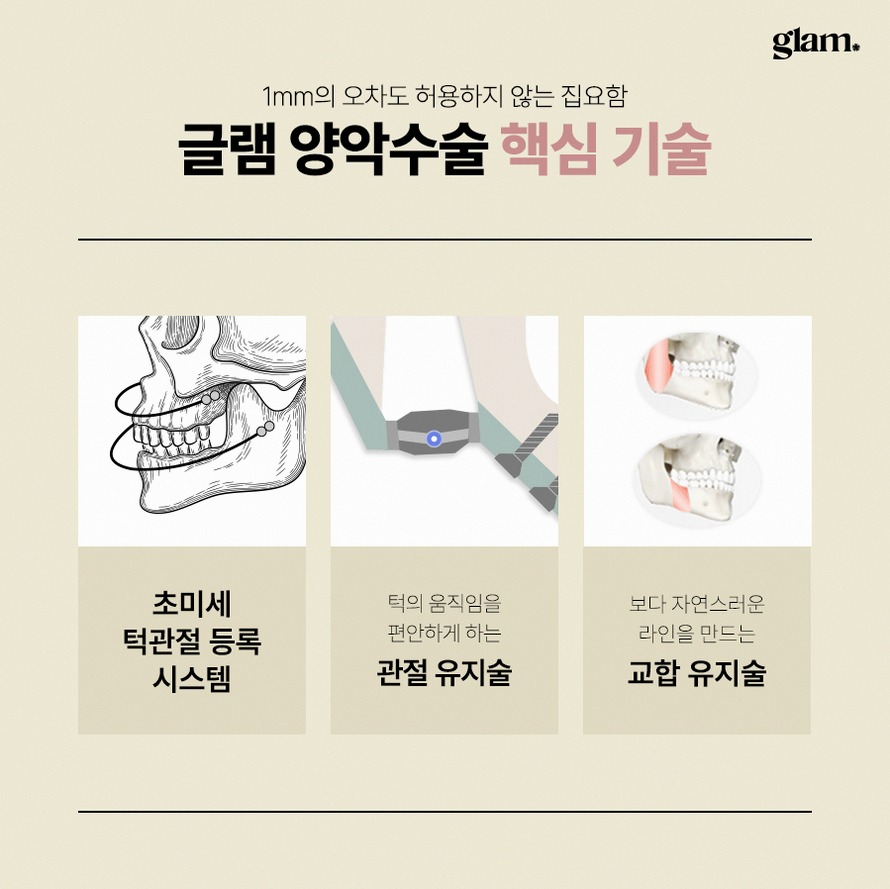
Standard imaging usually includes X rays and sometimes 3D scans. These allow precise measurement of jaw position, angle, and asymmetry. 3D analysis helps simulate how much the jaws need to be moved to achieve a more balanced profile and stable bite.
Surgical planning
Based on your facial analysis and imaging, the surgeon plans how to move the upper and lower jaws in three dimensions. The goal is to correct the skeletal problem with the minimum necessary movement while respecting your facial balance. This clinic emphasizes recommending only the minimum necessary surgery, which may be reassuring if you are worried about overtreatment.
Direct surgery by the representative surgeon
At this center, the representative plastic surgeon performs the surgery directly, rather than delegating to multiple surgeons. For many patients, this provides a clearer sense of responsibility and continuity from consultation through surgery and follow up.
Anesthesia and safety
An anesthesiology and pain medicine specialist is in charge of anesthesia and intraoperative care. The anesthesiologist focuses on anesthesia, monitors vital signs, and manages pain control throughout the procedure. This division of roles lets the surgeon concentrate on the bone work while the anesthesiologist oversees intraoperative monitoring and anesthesia management.
Before and after: changes in appearance
Most people search for double jaw surgery before and after photos to understand how the face can change. Typical aesthetic changes after successful double jaw surgery can include:
Profile line improvement
If you had a protruding mouth or receding chin, the side view can become more balanced. The area between nose, lips, and chin usually aligns in a more harmonious way, which can make the face look more refined and less strained.
Reduction of long or droopy lower face
For patients with a long face or droopy lower third, upward and backward repositioning of the jaws can shorten and lift the lower face. This often softens a tired or elongated look and can make the midface to lower face ratio more harmonious.
Correction of facial asymmetry
If one side of the jaw was longer, lower, or more projected, double jaw surgery can reposition the bones to improve symmetry. From the front view, this may show as a more centered chin, more even jaw angles, and better balance between right and left sides.
Smoother jawline
By adjusting the jaw position and sometimes combining with facial contouring procedures, the jawline can look smoother and less bulky. This can be especially noticeable in the lower border of the jaw and angle region.
Important: early postoperative appearance
Immediately after surgery, swelling and temporary stiffness can make the face look puffy or unnatural. This is normal. In the first days and weeks, it is common to feel that the face looks wider or more swollen than expected. As swelling gradually subsides, the facial lines become more defined and the final contour appears.
How to judge real changes in photos
When you look at before and after photos, try to focus on:
Standardized conditions: Are the photos taken under similar lighting, angle, and distance? Are facial expressions neutral in both sets? This helps you see bone changes rather than makeup or camera effects.
Front, 45 degree, and profile views: Check all three angles. The front view shows symmetry and width, the 45 degree view shows midface and jawline flow, and the profile shows chin, lips, and nose balance.
Jawline and chin center: See whether the chin is more centered and the jawline is smoother and more even.
Lip and nose balance: Look at how the lips and nose relate to the new jaw position. Even if the nose was not operated on, changing the jaw can change how the nose appears in relation to the rest of the face.
Look for cases similar to yours: If you have a long face, focus on long face cases. If you have asymmetry or a protruding mouth, look for those specific patterns. This gives you a more realistic sense of what might be achievable in your situation.
Before and after: changes in function
Double jaw surgery is not only about appearance. Many patients notice functional changes before and after surgery.
Improved bite alignment
When the jaws are repositioned correctly, the upper and lower teeth can meet more evenly. This can make chewing more efficient and reduce the feeling that the bite is unstable or that certain teeth are overloaded.
Easier chewing and less strain
A more balanced bite often reduces strain on the jaw joints and chewing muscles. Some patients report less fatigue when eating and fewer symptoms such as jaw clicking or discomfort, although individual results can vary.
Better mouth closure and lip competence
For people who struggled to close their lips comfortably before surgery, repositioning the jaws can help the lips meet more naturally. This may reduce the need to constantly use the chin muscles to keep the mouth closed.
Possibility of modified protocols
In some selected cases, depending on your jaw condition and bite, the surgery may be planned:
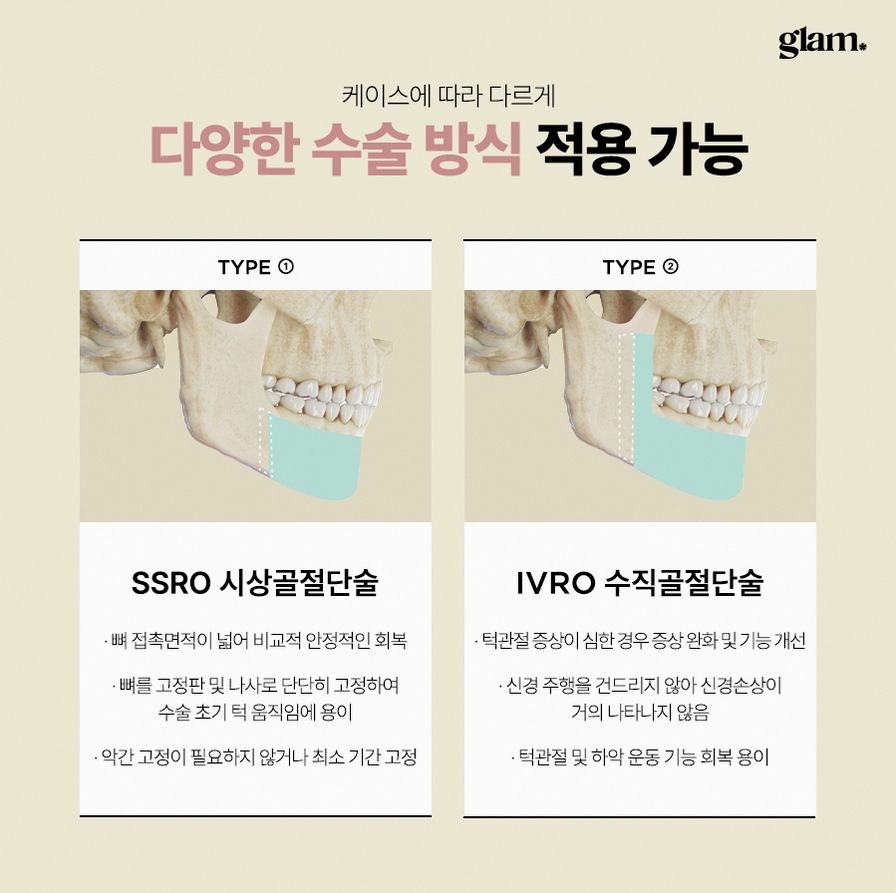
Without rigid intermaxillary fixation, meaning you may not need to have your jaws wired tightly together for a long period. Instead, elastics or other methods may be used to guide the bite.

With reduced or even skipped pre or post orthodontic treatment in specific situations. This is not common for everyone, but in certain patterns of skeletal problem, the surgeon and your dental specialist may decide that minimal tooth movement is enough.
These decisions must be made individually after detailed examination. Safety and long term bite stability always come first, so not everyone will be a candidate for simplified protocols.
Recovery timeline and what to expect
Understanding the recovery timeline helps you plan your stay in Korea and your return home.
Immediately after surgery
You can expect facial swelling, some bruising, and a restricted diet. Breathing through the nose and mouth may feel different at first, and you may need guidance on how to clean your mouth and manage swelling. Pain is usually controlled with medication, and the medical team monitors your vital signs.
First 1 to 2 weeks
Swelling typically peaks within the first few days and then gradually begins to decrease. You may still be on a liquid or soft diet. Talking can feel tiring, and facial stiffness is common. Many international patients stay in Korea during this period for close follow up and wound care.
- to 3 months
- Most daily activities become more comfortable. Swelling continues to go down, and your face starts to look more natural. You may transition to a more normal diet depending on your surgeon’s instructions. Light exercise may be allowed after medical clearance.
- to 12 months
- Fine residual swelling gradually resolves, and the final facial contour settles. Numbness, if present, often improves over time but can take months. Follow up imaging may be done to confirm bone healing and jaw position.
Postoperative care programs
This clinic provides postoperative care programs designed to support swelling reduction and skin recovery after facial bone surgery, such as:
LED therapy to support skin healing
Facial dome care to gently promote circulation and reduce puffiness
Skin reset total care focusing on skin condition after surgery
Radiofrequency lifting devices aimed at helping skin tightening and soft tissue adaptation
These programs are supportive measures for skin and soft tissues. They do not replace proper bone surgery, medical follow up, or adherence to your surgeon’s instructions.
How to read double jaw surgery before and after photos
When you review before and after photos online or during consultation, use this simple checklist:
Check multiple angles: front, 45 degree, and profile. Do not judge only from one view.
Look at symmetry: Is the chin centered? Are both jaw angles similar? Does the midline of the teeth match the facial midline?
Observe bite closure: In side view photos with teeth lightly together, does the bite look more aligned than before?
Assess facial balance: Do the nose, lips, and chin look more harmonious with the new jaw position? Has the long face, protruding mouth, or recessed chin improved in a natural way?
Confirm similar conditions: Are the photos taken with similar lighting, hairstyle pulled back, and neutral expression? This reduces the influence of makeup, hairstyle, or camera filters.
Look beyond a few dramatic cases: Consistency across many cases and long term follow up photos can be more meaningful than a small number of very dramatic transformations. Academic output and scientific publications can also indicate that the surgeon is engaged in long term evaluation and peer reviewed work.
Safety and team structure
Double jaw surgery is a major procedure, so team structure and safety systems matter.
At this facial bone center, the system is centered on:
A single board certified plastic surgeon focusing on facial bone surgery, responsible from consultation through surgery and follow up.
A dedicated board certified anesthesiologist who manages anesthesia, continuous monitoring, and pain control during surgery.
Preoperative evaluation to check your general health, airway, and any risk factors.
Intraoperative monitoring to track blood pressure, oxygen levels, heart rate, and other vital signs throughout the procedure.
For patients who are concerned about the risks of double jaw surgery, this kind of structured, clearly defined team can be reassuring.
Who is a good candidate
Typical candidates for double jaw surgery include people with:
Skeletal malocclusion where the main problem is jaw position rather than only tooth alignment
Severe facial asymmetry affecting both appearance and function
Long face or short chin due to jaw position
Functional bite problems that have not improved enough with tooth movement alone
Difficulty chewing, chronic mouth opening, or jaw joint strain related to jaw position
However, not everyone who dislikes their jawline needs double jaw surgery. Some people may benefit more from less invasive facial contouring or tooth alignment alone. The key is proper diagnosis by a specialist who can distinguish between problems caused mainly by bone position and those that can be managed without moving the jaws.

During consultation, you should discuss:
Whether your main problem is skeletal, soft tissue, or bite related
What kind of changes are realistically possible in your case
Whether combined procedures are recommended or if minimal necessary surgery is enough
How your bite and facial balance are expected to change before and after surgery
Revision double jaw surgery
Some patients come for revision double jaw surgery after previous operations elsewhere. Revision cases are more complex and require careful analysis of:
Previous bone cuts and how much bone is left for safe repositioning
Existing plates and screws and whether they need to be removed or replaced
Current bite and jaw joint condition
Overall facial balance and soft tissue adaptation since the first surgery
This clinic also handles revision cases, but expectations, risks, and recovery may differ from first time surgery. If you are considering revision, it is important to bring as many previous records as possible, including imaging, operation notes, and any old photos. These materials help the surgeon understand what was done before and what options are realistically available now.
Location and access for international patients
The clinic is located in the Gangnam area of Seoul, on Dosan Daero, within walking distance from Sinsa Station exit 1. This area is convenient for international patients, with many hotels, serviced apartments, and restaurants nearby.
Weekday and Saturday operating hours are arranged without a lunch break, which can make scheduling easier if you are trying to fit consultations and follow ups into a short stay. The clinic also runs multilingual channels in Japanese, English, and Thai, so overseas patients can receive explanations and postoperative guidance in a language they are more comfortable with.
Online consultation and pre visit preparation
Before you travel to Korea, an online consultation can help you understand whether double jaw surgery is likely to be suitable for you and how long you should plan to stay.
To prepare for an online consultation, it is helpful to gather:
Clear front, 45 degree, and profile photos with hair pulled back and neutral expression
Any previous X rays or 3D scans if you have them
Information about your bite problems, chewing difficulty, or jaw joint symptoms
A list of your main concerns and goals, such as reducing a long face, correcting asymmetry, or improving mouth closure
During the online consultation, you can ask about:
Whether your case seems to require double jaw surgery or another approach
What kind of before and after changes are realistic in your situation
Approximate length of stay in Korea for surgery and early recovery
Whether you might be a candidate for reduced fixation or reduced pre or post tooth movement, if that is a concern
What postoperative care and follow up will look like once you return home
Expected Korea visit timeline
While the exact schedule depends on your individual case, many international patients follow a general pattern like this:
Arrival and preoperative workup: 3 to 5 days before surgery for in person consultation, imaging, medical tests, and final planning.
Surgery day and immediate postoperative period: 1 to 2 days in close monitoring, depending on the clinic’s protocol.
Early recovery in Korea: around 2 to 3 weeks for wound checks, swelling management, and initial healing. Some patients choose to stay longer if possible.
Return home: after your surgeon confirms that you are stable to travel and you understand how to manage diet, hygiene, and follow up from abroad.
After you return home, online follow up and sharing of photos or imaging can help the surgeon track your progress.
Frequently asked questions
How much does the face change before and after double jaw surgery
The amount of change depends on how severe your original skeletal problem is and how much movement is planned. People with pronounced protruding mouth, long face, or asymmetry often see more visible changes. The goal is not to create a completely different person, but to correct the underlying bone imbalance so that your features look more harmonious and your bite is more stable.
How long does swelling last after double jaw surgery
Major swelling usually peaks within the first week and then gradually decreases over the next few weeks. Many patients feel presentable for everyday life after about 1 to 3 months, although close friends and family may still notice some changes. Fine swelling can take 6 to 12 months to fully settle, especially around the cheeks and jawline.

Can double jaw surgery be done without wiring the jaws shut
In some cases, surgery can be planned without rigid intermaxillary fixation, using plates, screws, and guiding elastics instead of tight wiring. Whether this is possible depends on your bone quality, bite stability, and the type of movements required. Your surgeon will decide based on safety and long term stability, so not everyone will be eligible for this approach.
Do I always need pre and post tooth alignment with double jaw surgery
Not always, but it is common. In many cases, tooth movement before and after surgery is necessary to achieve a stable, well aligned bite. However, in certain specific patterns, the surgeon and your tooth alignment specialist may design a plan with reduced or even no pre or post tooth movement. This must be evaluated individually after detailed examination.
Soft call to action
If you are comparing double jaw surgery before and after cases and considering a visit to Seoul, it can be helpful to start with an online consultation. Prepare your photos, any previous imaging, and a list of questions about fixation methods, need for tooth movement, recovery time, and realistic changes in your case. A facial bone specialist in Gangnam near Sinsa Station can review your situation, show similar cases, and explain whether a minimal necessary surgery approach is suitable for you.
This article is for general information only and does not replace a personal consultation or medical diagnosis. Individual conditions, risks, and outcomes vary, so please discuss your specific situation with a qualified medical professional before making any treatment decisions.




- 공유 링크 만들기
- X
- 이메일
- 기타 앱


댓글
댓글 쓰기