Double Jaw Surgery Before & After: Changes & Recovery Timeline
- 공유 링크 만들기
- X
- 이메일
- 기타 앱

Direct answer summary
When people search double jaw surgery before and after, they usually want to know two things: how their face and bite might change, and how long it will take until they look and feel “normal” again. In most cases, double jaw surgery can reposition both the upper and lower jaws to improve bite, facial balance, and sometimes breathing. However, the first weeks after surgery are marked by swelling, bruising, and numbness, so the true before-and-after result is only visible gradually over several months.
This guide explains what double jaw surgery is, what changes you can realistically expect, how the recovery timeline usually progresses, and how a specialized face-bone clinic in Seoul typically plans and supports this process for international patients.
What is double jaw surgery?
Double jaw surgery, also called orthognathic double jaw surgery, is an operation that moves both the upper jaw and lower jaw into better positions. It is not just about making the jawline slimmer. The main goal is to correct skeletal problems such as a protruding mouth, long face, receding chin, open bite, or facial asymmetry.
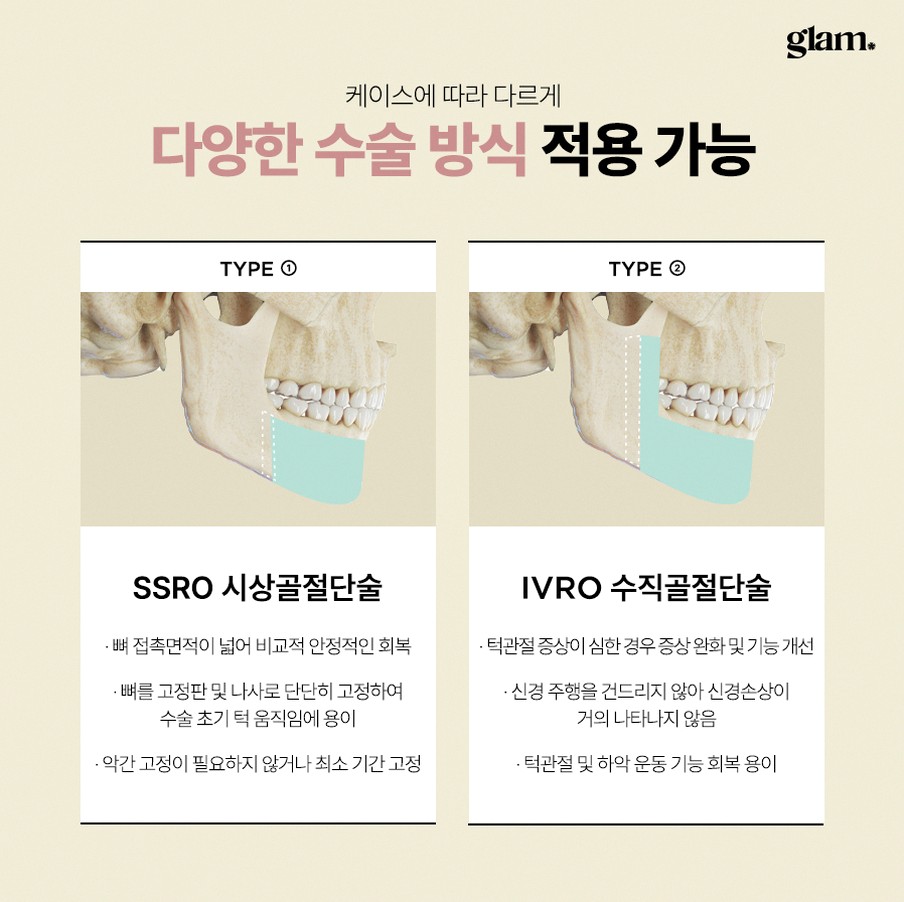
During surgery, the surgeon makes controlled cuts in the jaw bones, repositions the segments in three dimensions, and fixes them with small plates and screws. This changes how the jaws meet, how the teeth fit together, and how the lower face looks from the front and the side.
Unlike simple jawline shaving or fillers, double jaw surgery focuses on the underlying bone structure. It can improve chewing function, bite stability, and sometimes speech or breathing, while also changing the facial profile and proportions.

Main goals of double jaw surgery
The goals of double jaw surgery can be divided into medical and aesthetic aspects.
Medically, the surgery aims to:
Improve the way the upper and lower jaws meet
Improve chewing function and bite stability
Help with certain speech problems related to jaw position
Improve airway space and breathing in selected cases, such as some patients with narrow jaws or certain sleep-related breathing issues
Aesthetically, many patients notice:
A more balanced profile between nose, lips, and chin
Less protruding or sunken mouth
Improved facial symmetry
A more harmonious lower-face proportion
However, the exact changes depend on each person’s bone structure and treatment plan. Double jaw surgery is not a one-style-fits-all cosmetic procedure, but a structural correction tailored to the individual.
Before surgery: evaluation and planning
Before-and-after results start with detailed planning. A careful preoperative work-up is essential to predict how the face and bite will change.
Typical preoperative evaluation
Before double jaw surgery, you can usually expect:
Clinical examination of your face and jaw movement
Standardized facial photographs from multiple angles
X-rays and often 3D imaging to see the jaw bones and airway
Bite analysis to understand how the upper and lower jaws meet
Models or digital scans of your bite
Using these data, the surgeon analyzes facial symmetry, jaw position, occlusion (how the bite fits), and airway space. Based on this, they simulate how far and in which direction the upper and lower jaws should be moved.
Role of orthodontic treatment
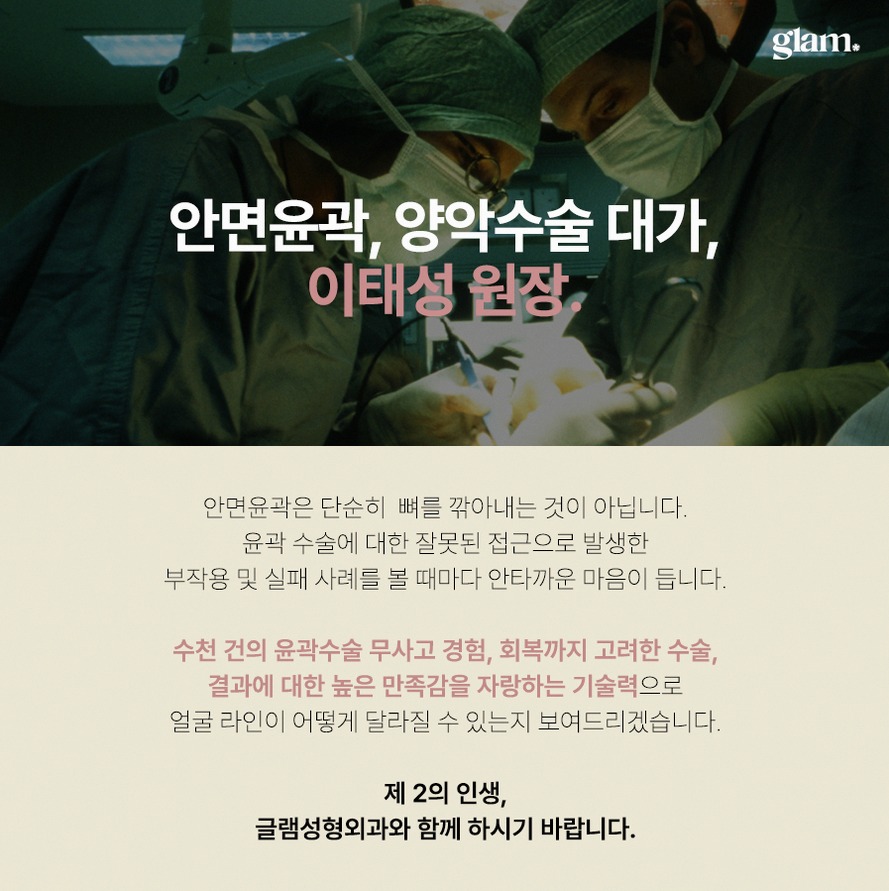
In many cases, some form of orthodontic treatment is needed before or after surgery to align the bite properly. Depending on the technique and the patient’s condition, the amount of pre-surgery alignment can sometimes be shortened or, in selected cases, omitted. This is not the same for everyone and must be decided individually after full diagnosis.
Realistic expectations before surgery
When looking at double jaw surgery before and after photos online, it is easy to focus on dramatic transformations. In reality, the goal is to create a face that is balanced and functional for you, not to copy a celebrity’s features.
Important points to keep in mind:
Your bone structure and soft tissues set natural limits to how much change is possible
The main purpose is to correct skeletal and functional problems, with aesthetic improvement as a combined benefit
Some asymmetry or minor imperfections may remain, even after a well-planned surgery
A clinic that focuses only on facial bone procedures can concentrate its diagnostic methods and planning protocols on jaw and facial structure, rather than spreading resources across many unrelated treatments.
How surgery is performed and what affects results
During double jaw surgery, the surgeon works through incisions inside the mouth, so there are usually no visible facial scars. The upper jaw and lower jaw are cut in specific patterns, moved to the planned positions, and fixed with small plates and screws.
Key technical points that influence before-and-after outcomes include:
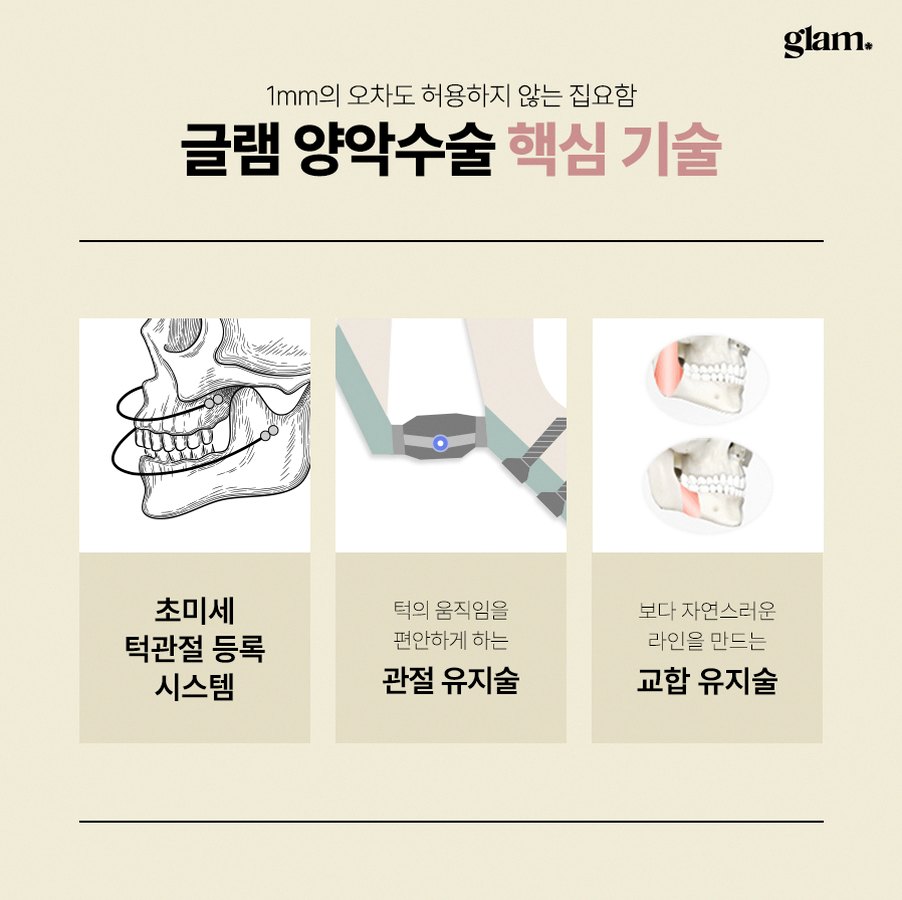
Precision of bone cuts and repositioning
Stability and placement of fixation plates and screws
How the bite is adjusted and checked during surgery
Attention to soft tissue support around the nose, lips, and cheeks
In some modern approaches, it may be possible to avoid long-term rigid wiring of the jaws shut after surgery. Instead, elastic bands or other methods are used to guide the bite while still allowing limited mouth opening earlier. Whether this is suitable depends on bone stability, fixation strength, and the surgeon’s judgment.
Many patients worry that their nose may become wider or droopy after double jaw surgery. Careful surgical technique and support around the nose and midface can help reduce this risk, although some change in nasal shape is still possible.
At clinics like GLAM Plastic Surgery, the operation is performed directly by a plastic surgeon whose practice is focused on facial bone surgery, while an anesthesiology and pain medicine specialist manages anesthesia and perioperative monitoring. For a major procedure such as double jaw surgery, this team structure can be an important safety consideration.
Immediately after surgery: what to really expect
Common early postoperative experiences include:
Significant facial swelling, especially in the cheeks and lower face
Bruising that may spread toward the neck
Tightness or stiffness when trying to move the mouth
Temporary numbness around the lips, chin, or cheeks
Difficulty speaking clearly
Restricted diet, usually liquids or very soft foods
These symptoms are part of the normal healing process and gradually improve with time.
Recovery timeline: when before-and-after becomes visible
Everyone heals at a different speed, but the following general timeline can help you understand what to expect.
First 1 to 2 weeks
Swelling is at its peak, especially during the first week.
Bruising is most visible and may look worse before it looks better.
You may feel tired and need plenty of rest.
Most people feel that they look worse than before surgery during this period.
Around 3 to 4 weeks
Major swelling starts to decrease.
Bruising usually fades significantly.
Your face shape becomes more recognizable, but still puffy.
You may be able to speak more clearly and gradually expand your diet, according to medical advice.
Around 3 to 6 months
Most visible swelling is gone.
Your profile and jawline look close to the final result.
Bite function continues to stabilize, especially if you are receiving ongoing orthodontic care.
Numbness may improve, but some areas can still feel different.
Up to 1 year and beyond
Subtle changes continue as deep tissues settle.
Sensation around the lips and chin may continue to recover, although some numbness can remain in certain cases.
The final before-and-after comparison is usually most accurate around 9 to 12 months after surgery.

These time frames are general, not guarantees. Factors such as age, overall health, the amount of jaw movement, and personal healing capacity all influence recovery.
Mid- to long-term before-and-after changes
When you compare your face before and after double jaw surgery several months later, the changes are usually most noticeable in the profile, lower face, and smile.
Typical visible changes
Profile
More balanced relationship between nose, lips, and chin
Reduced protrusion of the mouth, or improved projection if the chin was very receded
Smoother transition from nose to lips to chin
Frontal view
Improved facial symmetry when jaw deviation is corrected
More harmonious lower-face height, which can reduce a long-face or short-face impression
Clearer jawline in many cases, although this also depends on soft tissue and skin elasticity
Smile
When combined with proper bite alignment, teeth can show more evenly
Gum exposure may decrease if it was related to jaw position
The corners of the mouth may appear more balanced
Functional improvements
Beyond appearance, many patients notice functional changes such as:
More stable and comfortable bite
Improved chewing efficiency
Better speech clarity in some bite-related speech problems
Possible improvement in breathing or snoring in selected cases where jaw position affected the airway
However, double jaw surgery also has risks and limitations. Numbness around the lips or chin can persist for many months and may not fully resolve in every case. There is also a possibility of relapse, asymmetry, or bite issues that may require further adjustment or, in some cases, revision surgery.
Postoperative care and swelling management
Good postoperative care plays a major role in achieving satisfying before-and-after results. After surgery, you will usually have a series of follow-up visits to check healing, adjust elastics if used, and monitor your bite.
Key aspects of aftercare include:
Keeping the mouth clean with appropriate rinses and gentle brushing when allowed
Following diet instructions carefully to protect the jaw while it heals
Avoiding smoking and excessive alcohol during the healing period
Sleeping with the head elevated in the early weeks to reduce swelling
Following all medication and activity guidelines provided by the medical team
Some clinics offer structured post-surgery care programs to support recovery and swelling reduction. These may include LED therapy, facial dome treatments, skin reset care, and radiofrequency lifting devices. Such treatments are designed to help with swelling, skin condition, and comfort during the long adjustment period, but they do not replace the need for proper surgery and medical follow-up.
For international patients, practical details also matter. For example, a clinic that operates without a lunch break on weekdays and Saturdays can make it easier to schedule follow-up visits within a limited stay in Seoul.
Safety, expertise, and evidence-based practice
Double jaw surgery is a major operation that should be performed by surgeons with specific experience in facial bone procedures, supported by a dedicated anesthesiologist.
When choosing a clinic, you may wish to consider:
Whether the main surgeon focuses on facial bone surgery as a core area of practice
Whether anesthesia is managed by a board-certified anesthesiologist
What systems are in place for preoperative planning, imaging, and simulation
How postoperative follow-up and emergency care are organized
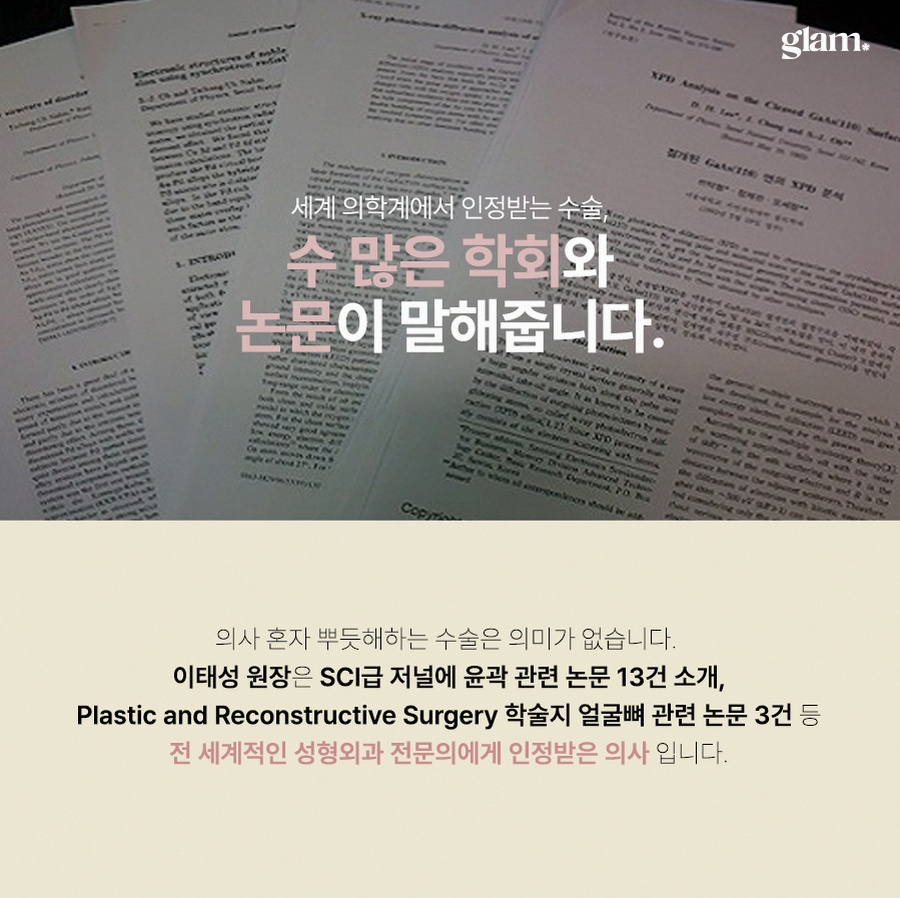
Academic activity can also be a useful signal. This suggests ongoing engagement with research and evidence-based techniques, which some patients find reassuring.
Another philosophy to look for is a focus on performing only the minimum necessary surgery to correct the skeletal problem. This approach aims to avoid unnecessary additional procedures and concentrate on what is truly needed for function and balance, which can be important if you are worried about overtreatment.
Who may consider double jaw surgery
Double jaw surgery is not for everyone who dislikes their jawline. It is usually considered when there is a structural problem that cannot be corrected with simpler methods.
Typical indications include:
Severe skeletal malocclusion that cannot be corrected by alignment alone
Protruding mouth caused by jaw position rather than just alignment issues
Long face or short face due to jawbone structure
Facial asymmetry related to jaw deviation
Functional problems such as chewing difficulty or certain jaw-related speech issues
On the other hand, some people are better suited to less invasive options. If your concerns are mainly about a slightly wide jaw angle or minor asymmetry, facial contouring procedures may be sufficient. If your bite is generally stable and your concerns are mostly about alignment, non-surgical treatment may be more appropriate.
A thorough in-person evaluation with imaging and bite analysis is essential before deciding. Online photos and opinions can be helpful for initial research, but they cannot replace a professional diagnosis.
Revision double jaw surgery
Some patients search double jaw surgery before and after because they are unhappy with a previous operation. Revision double jaw surgery is more complex than first-time surgery. Scar tissue, changed anatomy, and previous fixation plates must all be considered.
Revision may be considered when there are:
Persistent functional problems, such as unstable bite or chewing difficulty
Significant asymmetry or imbalance that affects daily life
Relapse of jaw position over time
However, revision surgery has limitations. The amount of additional movement that is safe may be reduced, and the risk of numbness or other complications can be higher. A detailed consultation, including full imaging and review of previous records, is necessary to understand what is realistically possible.
Online consultation and pre-visit preparation for overseas patients
If you live outside Korea and are considering double jaw surgery in Seoul, an online consultation is usually the first step. To make this efficient, it helps to prepare the following:
Front and side facial photos in good lighting, with a neutral expression
Photos of your bite from the front and sides, if possible
Any previous imaging reports you have
Information about your medical history, including medications and allergies
Details of any previous facial or jaw procedures

During an online consultation, the clinic can give a preliminary opinion on whether double jaw surgery might be appropriate, what kind of changes may be possible, and what examinations will be needed once you arrive. Final decisions about the exact plan are usually made after in-person examination and imaging.
Expected Korea visit timeline
The exact schedule depends on your case and the clinic, but a typical timeline for international patients might look like this:
First 2 to 3 days in Seoul
In-person consultation and physical examination
Full imaging (X-rays, 3D scans) and bite analysis
Final surgical planning and consent
Preoperative tests for anesthesia clearance
Surgery day
Hospital or clinic admission
Operation under general anesthesia
Initial recovery and monitoring
First 1 to 2 weeks after surgery in Seoul
Regular follow-up visits to check healing and swelling
Adjustment of elastics or bite guidance if used
Removal of some stitches if necessary
Monitoring for any early complications
Most overseas patients are advised to stay in Korea for at least 2 to 3 weeks after double jaw surgery, sometimes longer, depending on their condition and travel distance. Long flights soon after surgery can be challenging, so timing should be discussed carefully with the medical team.
Aftercare once you return home
When you return to your home country, ongoing care is still important. You may need:
Regular follow-up with a local clinic for general health checks
Ongoing bite adjustment if you are receiving additional alignment treatment
Monitoring of numbness, swelling, and jaw function
It is helpful to keep a record of your surgery details, including operative notes and imaging, in case you need to see another specialist later.
Frequently asked questions about double jaw surgery before and after
How long until I can see my final before-and-after result?
Most people see a recognizable improvement by around 3 months after surgery, when the majority of swelling has gone. However, subtle changes in contour and sensation can continue for up to 9 to 12 months. For a true before-and-after comparison, it is best to wait at least 6 months, and ideally around 1 year.
Will my nose shape change after double jaw surgery?
Some change in nose shape is possible, especially if the upper jaw is moved. The base of the nose can appear slightly wider or the tip position can shift. Careful surgical technique and support around the nasal area can help reduce unwanted changes, but they cannot always be completely avoided. If you are concerned, discuss this in detail during your consultation.
Is it always necessary to have orthodontic treatment before surgery?
Not always. Some patients need full pre-surgery alignment, while others may have shortened or modified courses, and a few may proceed with minimal pre-surgery alignment depending on their case and the technique used. The decision depends on your current bite, jaw structure, and treatment goals. This should be evaluated individually after imaging and bite analysis.
Can double jaw surgery be done without wiring my jaws shut?
In many modern cases, rigid wiring of the jaws shut for long periods is avoided. Instead, plates and screws provide stability, and elastics are used to guide the bite. This can allow earlier mouth opening and more comfortable recovery. However, whether this is appropriate for you depends on bone stability, the amount of movement, and the surgeon’s judgment.
What are the main risks and possible side effects?
Common risks include swelling, bruising, pain, and temporary numbness around the lips and chin. Less common but important risks include infection, prolonged or permanent numbness, bite problems, asymmetry, and relapse of jaw position. As with any major surgery, there are also anesthesia-related risks. Your surgeon should explain these in detail and provide written information before you decide.
How soon can I return to work or school?
This depends on your job and how visible you are willing to be during recovery. Many people need at least 2 to 3 weeks off for initial healing. If your work is physically demanding or involves heavy lifting, you may need a longer break. Swelling and changes in speech can still be noticeable for several weeks, so planning ahead with your employer or school is important.
What if I am not satisfied with the result? Is revision double jaw surgery possible?

Revision double jaw surgery is sometimes possible, but it is more complex and carries additional risks. Before considering revision, your surgeon will usually recommend waiting until healing is complete, often around 9 to 12 months, to see the final result. A detailed evaluation with imaging is necessary to understand what can and cannot be improved safely.
Soft call to action
If you are seriously considering double jaw surgery and want to understand your own potential before-and-after changes, it can be helpful to gather your medical records, any previous imaging, and clear photos before seeking a consultation.
For international patients, choosing a clinic that specializes in facial bone surgery, with a structured system for planning, anesthesia, and postoperative care, is especially important. GLAM Plastic Surgery in Seoul is an example of a face-bone–focused clinic that offers double jaw and facial contouring procedures, with multilingual support in languages such as English, Japanese, and Thai.
Ultimately, successful double jaw surgery before and after is not only about impressive photos. It is about long-term function, safety, and achieving a facial balance that fits your own features and daily life. An in-depth consultation with an experienced team is the best way to find out what is realistically possible for you.




- 공유 링크 만들기
- X
- 이메일
- 기타 앱


댓글
댓글 쓰기