Choosing a Revision Facial Bone Specialist in Gangnam
- 공유 링크 만들기
- X
- 이메일
- 기타 앱
Direct answer summary
Revision facial contouring surgery is possible in many cases, but it is more complex than first-time surgery and should be handled in a highly specialized facial bone center. In Sinsa, Gangnam, Seoul, there are clinics that focus specifically on facial bone surgery, combining detailed imaging, conservative surgical planning, experienced surgeons, and structured aftercare to help manage risks during revision treatment for international patients.
What is revision facial contouring surgery
Revision facial contouring surgery means secondary or corrective surgery on the facial bones after an earlier contouring operation. It can involve areas such as the cheekbones, jaw angles, lower jawline, and chin, and sometimes needs to be combined with double jaw surgery when the bite has been affected.
Unlike soft tissue procedures, facial contouring changes the bone structure itself. When the first operation does not give a satisfactory result, or causes problems, revision aims to improve facial balance and function while respecting what has already been changed.
Common reasons people seek revision
Many overseas patients start looking for a new facial contouring plastic surgery clinic in Seoul after experiencing one or more of the following issues:
Asymmetry
One side of the face may look more hollow, wider, or longer than the other. This can be due to uneven bone removal, healing differences, or changes in the bite that shift the jaw position.
Over-resection or under-resection
Over-resection means too much bone was removed, leading to a sunken, aged, or overly narrow look. Under-resection means the facial line still feels too wide or bulky, especially at the jaw angle or cheekbone.
Unnatural or aged appearance
Some patients feel their face looks older, tired, or less like themselves after surgery. This can happen when the support of bone for the soft tissue is reduced too much, or when the new shape does not match the person’s natural facial proportions.
Functional problems
Bite problems, difficulty chewing, jaw joint discomfort, or a feeling that the teeth do not fit together properly can appear or worsen after facial contouring. In such cases, revision planning may need to include double jaw surgery or occlusion correction.
Persistent swelling or contour irregularities
Long-lasting swelling, hard lumps, or step-like irregularities along the jawline or cheekbone can make the contour look uneven. Sometimes these are related to bone edges, scar tissue, or fixation plates.
Nerve-related symptoms
Numbness, tingling, or altered sensation in the lips, chin, or cheeks can occur after facial bone surgery. While some nerve changes improve over time, persistent or severe symptoms may require careful evaluation before considering revision.
Why revision facial contouring is more complex
Revision facial contouring is usually more demanding than primary surgery because the anatomy has already been altered.
Scar tissue and altered planes
Inside the face, previous surgery leaves scar tissue that changes the normal layers between bone, muscle, and soft tissue. This can make it harder to access the bone safely and increases the need for delicate dissection.
Changed bone structure
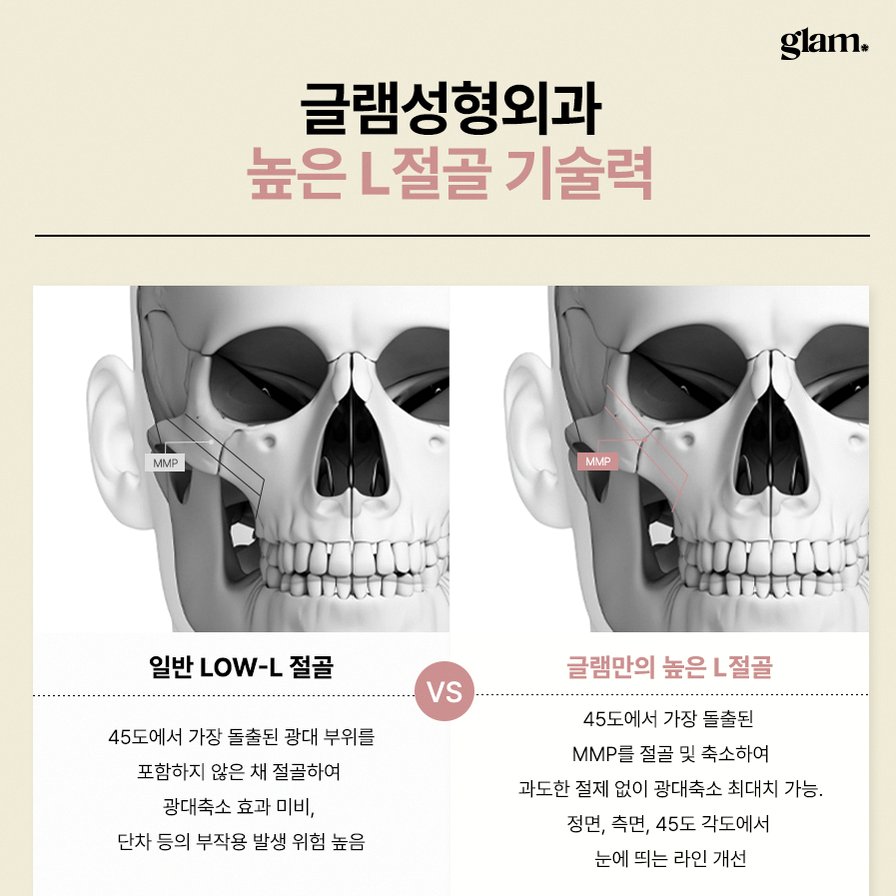
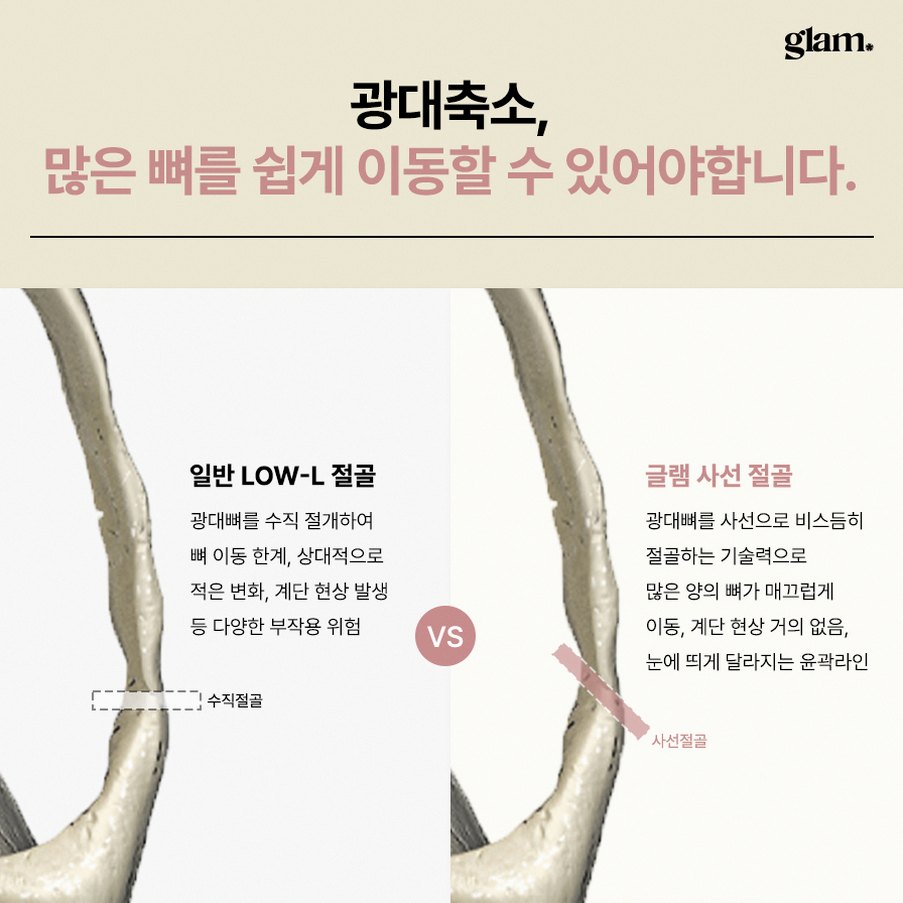
Bone has already been cut, shaved, or repositioned. The surgeon must understand exactly what was done before, including the angles of cuts and the amount of bone removed, in order to plan a stable new contour.
Existing fixation devices
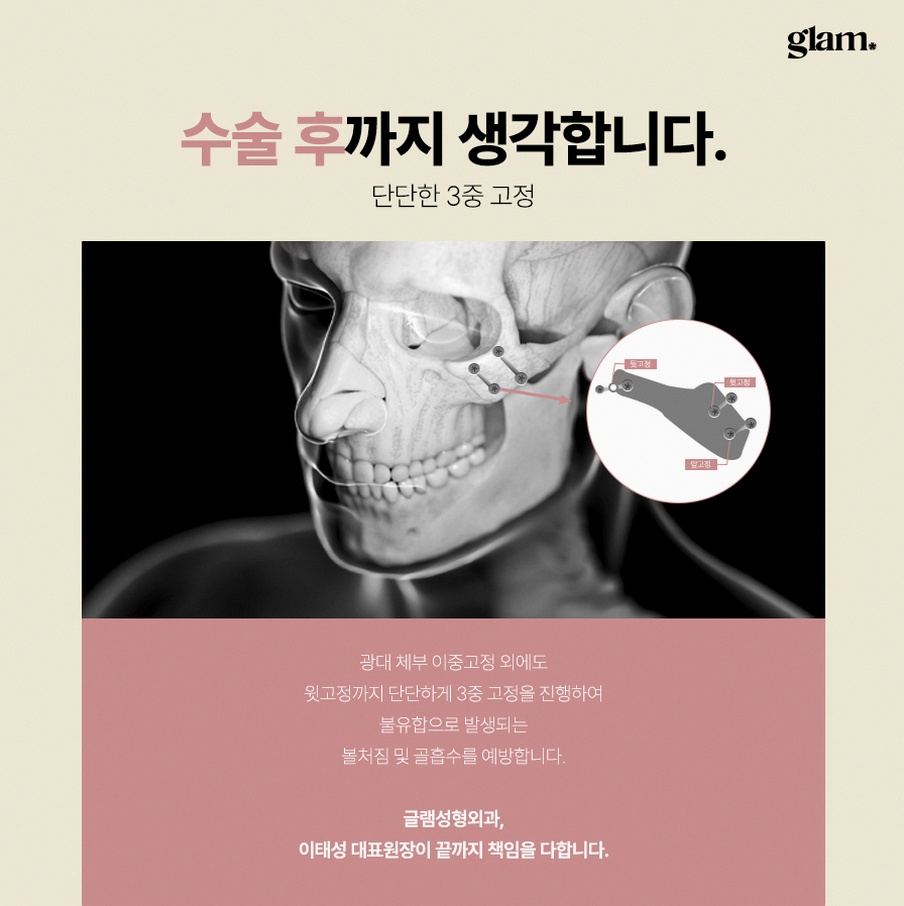
Plates, screws, or other fixation materials may still be in place. In revision surgery, these often need to be removed, replaced, or repositioned, which adds complexity.
Nerve and blood supply considerations
If nerves or blood vessels were stretched or partially injured in the first operation, the risk profile changes. A revision surgeon must plan to minimize further damage and be honest about what is realistically possible.
Because of these factors, revision facial contouring is usually better handled in a clinic that focuses almost exclusively on facial bone and double jaw surgery, rather than a general cosmetic clinic that mainly performs soft tissue procedures.
What makes a true facial contouring plastic surgery clinic for revision
When you are evaluating clinics in Gangnam or elsewhere, it can be helpful to look for signs that a center is genuinely specialized in facial bone work.
Narrow focus on facial bone surgery
A single-focus facial bone center concentrates on procedures such as double jaw surgery, cheekbone reduction, jaw angle contouring, and chin reshaping. It does not divide its attention across many unrelated procedures like eye, nose, or body surgery. This narrow focus allows the team to build deep experience in bone-related planning, surgery, and complication management.
Structured diagnostic process
For revision cases, a detailed diagnostic system is essential. This typically includes:
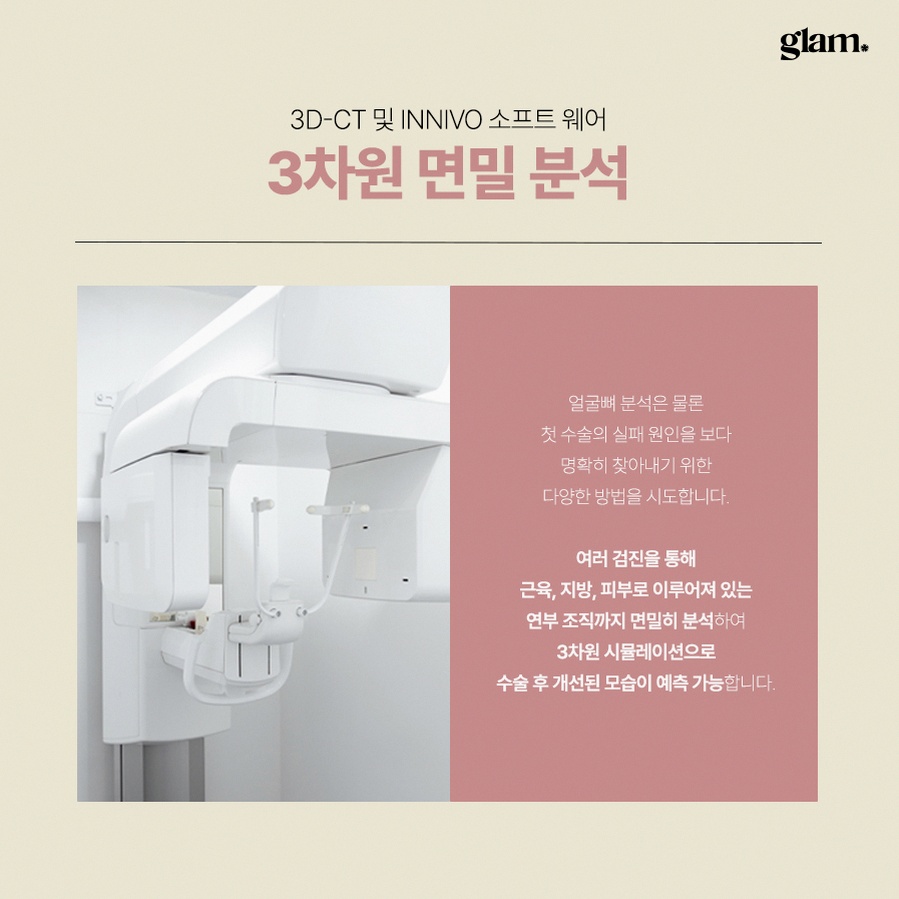
3D CT and X-ray imaging to visualize the current bone structure and any plates or screws.
Cephalometric analysis to evaluate jaw relationships and facial proportions.
Occlusion and symmetry evaluation to check how the teeth fit and how the jaws align.
Clinical examination of soft tissue, nerve function, and jaw joint movement.
Surgeon experience in facial bone and double jaw surgery
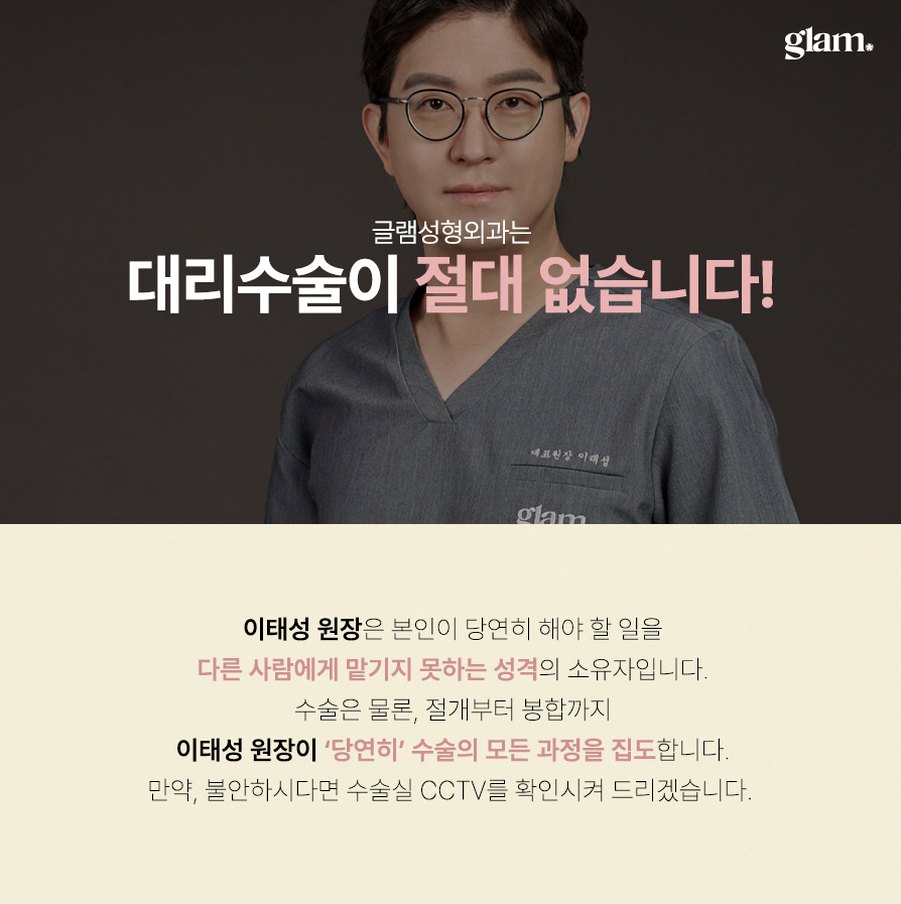
For revision, it is important that the operating surgeon has long-term, focused experience in facial bone surgery, including double jaw operations. Experience in major university hospitals or dedicated facial bone centers can indicate a background in managing complex and high-risk cases.
Example of a single-specialty facial bone center in Sinsa Gangnam
GLAM Plastic Surgery is an example of a clinic in Sinsa, Gangnam, that focuses solely on facial bone surgery, specifically double jaw and facial contouring procedures. It is located on the 4th floor along Dosan-daero, about 200 meters on foot from Sinsa Station Exit 1, making it relatively easy to access for international patients staying in central Seoul.
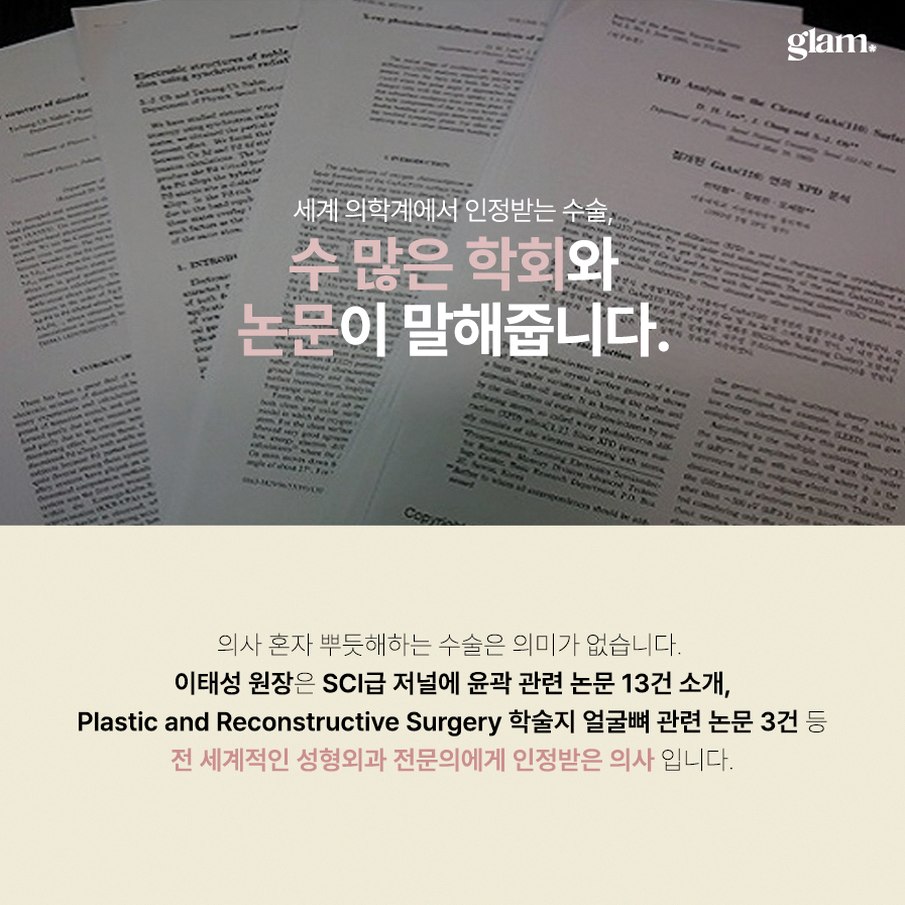
As of February 2025, this surgeon has 13 SCI-level publications, including 3 in the journal Plastic and Reconstructive Surgery. For revision patients, such academic output can be a useful objective sign that the surgeon studies outcomes systematically and contributes to peer-reviewed research.
Academic publications and why they matter in revision surgery
For a patient, it can be difficult to judge a surgeon’s skill from photos alone. Academic publications offer another way to assess a clinic’s approach.
Research-based practice
Surgeons who publish in SCI-level journals usually collect data, analyze complications, and refine techniques based on evidence. This is particularly important in revision surgery, where anatomy is altered and the margin for error is smaller.
Focus on complication management
Many academic papers in facial bone surgery deal with complication prevention and management, such as nerve protection, bone healing, and long-term stability of jaw position. This kind of knowledge is directly relevant to patients who have already experienced problems.
Transparent methodology
Published work must describe methods and results clearly. While this does not guarantee a specific outcome, it suggests that the surgeon is used to measuring and explaining results in a structured way.
Anesthesia safety and the role of a dedicated anesthesiologist
Revision facial contouring and double jaw operations are usually longer procedures under general anesthesia. For safety, it is beneficial when a clinic has a full-time, dedicated anesthesiologist (anesthesiology and pain medicine specialist) rather than only visiting staff.
Continuous monitoring
A dedicated anesthesiologist can focus entirely on your vital signs, airway, and fluid balance throughout the surgery, adjusting medication as needed for a stable and safe anesthetic course.
Pre-existing conditions
International patients may have conditions such as hypertension, diabetes, or sleep apnea. An experienced anesthesiologist helps evaluate these risks in advance and plan anesthesia accordingly.
Post-anesthesia care
After surgery, careful monitoring of breathing, pain control, and nausea management supports smoother recovery, which is especially important after complex revision work.
The philosophy of minimum necessary surgery
Many revision patients are understandably afraid of another aggressive operation. A helpful clinic philosophy for such patients is minimum necessary surgery.
This means:
Prioritizing structural safety over dramatic change.
Proposing only the procedures that are truly needed to improve function and aesthetics.
Avoiding unnecessary combination surgeries that add risk without clear benefit.
Considering non-surgical or minor corrections when they are safer and sufficient.
A conservative, evidence-based approach can be reassuring if you already feel anxious about undergoing another bone operation.
How revision cases are typically evaluated
Before any revision facial contouring surgery is planned, a thorough evaluation process is essential.
Detailed consultation and history
You will usually be asked about:
What type of surgery you had before, and where.
Your goals and what specifically bothers you now.
Any pain, numbness, or bite problems.
How your recovery progressed after the first operation.
If you have previous records or X-rays, it is helpful to send them in advance.
Imaging and analysis
Most specialized clinics will arrange:
3D CT scans to see the current bone shape and the position of plates and screws.
Cephalometric X-rays to evaluate jaw position and facial proportions.
Photos and sometimes 3D surface scans to assess symmetry and soft tissue.
Functional assessment
The surgeon may check:
How your teeth meet and whether your bite is stable.
Jaw joint movement and any clicking or pain.
Areas of numbness or altered sensation.
Risk–benefit discussion
Not every dissatisfied patient is a good candidate for revision. In some cases, the risks of additional bone surgery may outweigh the potential benefits. A responsible clinic will explain:
What can realistically be improved.
Which issues are unlikely to change, such as long-standing nerve damage.
Alternative options, including minor contouring or non-surgical approaches.
General surgical approaches in revision facial contouring
While each plan is individual, revision facial contouring may involve several types of bone work.
Cheekbone revision
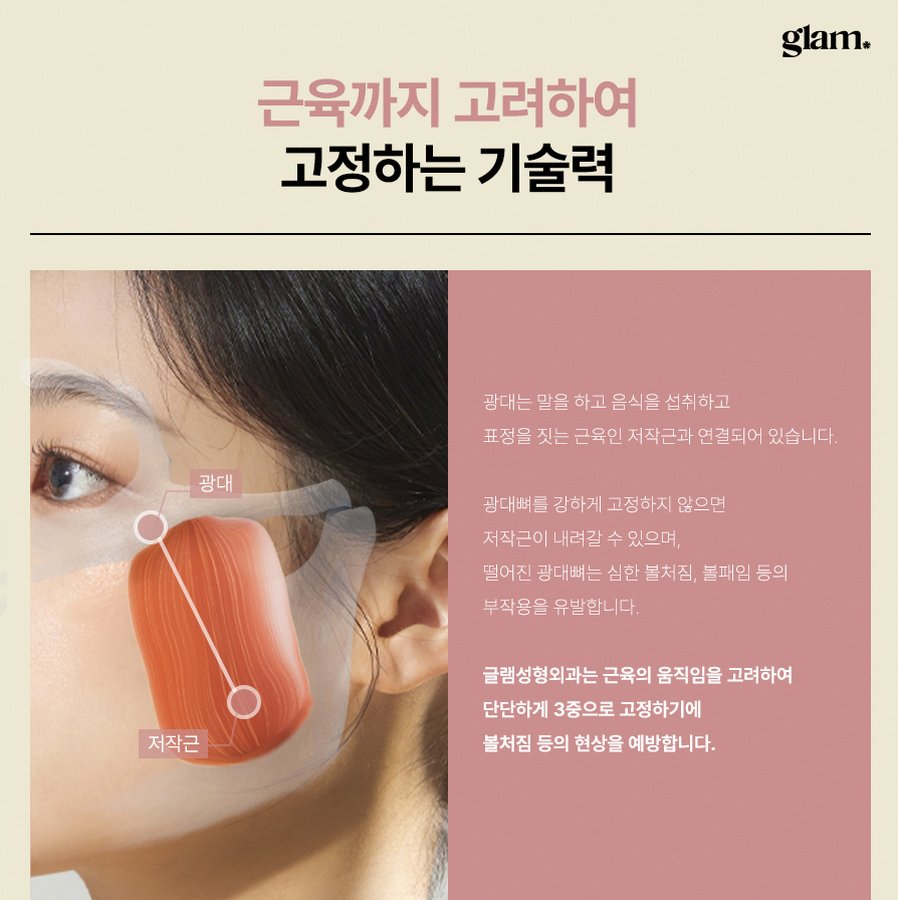
If cheekbones were reduced too much or unevenly, the surgeon may reshape remaining bone, adjust the position of bone segments, or smooth irregular edges. In some cases, contouring is combined with soft tissue support to avoid a hollow look.
Jaw angle and V-line revision
For the lower face, revision may include:
Smoothing sharp or stepped areas along the jawline.
Adjusting the angle or width of the jaw if under- or over-resected.
Refining the chin shape, especially if it was made too long, short, or asymmetric.
Fixation plate management
Old plates or screws may be removed if they cause discomfort, are visible, or interfere with new bone cuts. Sometimes new fixation is placed in a more suitable position.
Combined planning with double jaw surgery
If the bite is unstable or the jaw position is not ideal, double jaw surgery may be recommended together with contouring. Planning both within one integrated system allows the surgeon to coordinate function and aesthetics at the same time.
Realistic expectations and limitations
It is important to understand what revision facial contouring can and cannot achieve.
Bone that is already removed
Once bone has been removed, it cannot be fully restored to its original state. While some volume can be improved with reshaping or soft tissue techniques, there are limits to how much structure can be rebuilt.
Nerve recovery
If nerves were significantly damaged in the first surgery, sensation may not fully return even after revision. A careful surgeon will explain this honestly and avoid promising complete recovery.
Increased risk with each operation
Every additional surgery adds some risk of scarring, swelling, and functional issues. For this reason, it is important to avoid multiple unnecessary revisions and to aim for a carefully planned, well-justified procedure.
Safety, risk management, and follow-up
Potential complications of revision facial contouring include nerve injury, infection, prolonged swelling, asymmetry, nonunion or malunion of bone, and functional problems such as bite changes. A specialized clinic works to reduce these risks through:
Detailed pre-operative planning with imaging and simulations.
Intraoperative monitoring of vital signs and blood loss.
Careful bone handling and nerve protection techniques.
Structured follow-up visits to detect and manage issues early.
Post-operative care programs
After revision surgery, soft tissue needs time to adapt to the new bone contour. Supportive treatments can help, although they are not substitutes for proper surgery.
Common post-op care options include:
LED therapy to support healing and reduce inflammation.
Facial dome treatments to gently manage swelling and fluid retention.
Skin reset total care to improve skin condition during recovery.
Radiofrequency lifting to help skin tighten and conform to the new bone shape over time.
These treatments are usually spaced over several weeks and tailored to the individual’s healing speed.
Psychological aspects of revision surgery
Many revision patients feel anxiety, distrust, or regret because of their previous experience. A good facial contouring plastic surgery clinic will recognize this and provide:
Transparent communication about imaging results and surgical options.
Clear explanations using diagrams or 3D images.
Enough time for questions, including online consultations before you travel.
Encouragement to seek multiple opinions before making a decision.
You should never feel rushed or pressured into surgery. Taking time to understand your situation and options is an important part of recovery.
Preparing for an online consultation and your visit to Korea
Before you travel to Sinsa, Gangnam, for revision facial contouring, an online consultation can help determine whether you are a suitable candidate and what kind of stay you may need.
What to prepare for online consultation
To make the most of your first contact, prepare:
Clear front and side photos of your face in natural light.
Any 3D CT scans or X-rays from your previous surgery, if available.
Operation records or a summary from your first clinic.
A short list of your main concerns and goals.
Information about your general health and medications.
Expected visit timeline
Although each case is different, a typical schedule for overseas revision patients might look like this:
Day 1–2: In-person consultation, examination, new imaging, and final surgical planning.
Day 3–4: Surgery day followed by one night of close monitoring in the clinic if needed.
First week: Regular check-ups, dressing changes, and early post-op care.
Second to third week: Continued swelling management, removal of stitches if used, and guidance on returning home.
Some patients stay in Korea for around 2–3 weeks after revision facial contouring, especially if combined with double jaw surgery. Your clinic should give you a personalized recommendation based on the complexity of your case.
How to choose a facial contouring plastic surgery clinic for revision
When comparing clinics in Gangnam or elsewhere, consider the following points:
Is facial bone surgery the main or only focus, rather than just one of many cosmetic procedures
Is the surgeon board-certified in plastic surgery and experienced specifically in facial bone and double jaw operations
Does the clinic use 3D CT, cephalometric analysis, and structured bite evaluation for revision cases
Is there a dedicated, full-time anesthesiologist responsible for general anesthesia and post-anesthesia care
Does the clinic’s philosophy emphasize minimum necessary surgery and realistic expectations
Are there clear systems for post-operative care, follow-up, and communication with international patients

Relationship between double jaw surgery and facial contouring in revision
In some revision cases, problems are not only about the outer contour but also about how the jaws fit together. If the bite is unstable or the jaw position is not ideal, simply shaving or reshaping bone may not be enough.
A clinic that handles both double jaw surgery and facial contouring within one integrated system can plan:
Functional correction of the bite and jaw position.
Harmonized contouring of the cheekbones, jaw angles, and chin.
A timeline that respects bone healing and soft tissue adaptation.
Multilingual support for international patients
For overseas patients, clear communication is essential. Clinics like GLAM Plastic Surgery offer support in Korean, Japanese, English, and Thai, which can help with:
Understanding imaging results and surgical plans.
Asking detailed questions about risks, recovery, and travel timing.
Coordinating airport pickup, accommodation advice, and follow-up schedules.
Soft call to action for online consultation
If you are considering revision facial contouring surgery in Sinsa, Gangnam, and would like a structured, evidence-based opinion, you can start with an online consultation. Sharing your photos, previous records, and concerns allows the medical team to give you preliminary guidance on whether revision is appropriate, what kind of procedures might be needed, and how long you should plan to stay in Seoul.
FAQ
When can I consider revision facial contouring after my first surgery
In general, it is advisable to wait until major swelling has subsided and the bone and soft tissue have stabilized. This often means at least 6 to 12 months after your initial facial contouring surgery. However, if there are serious functional issues such as severe bite problems or infection, earlier evaluation may be needed. A specialized clinic can review your case and suggest appropriate timing.
How do I know if I really need revision surgery
Feeling dissatisfied does not always mean that revision is the safest or best option. You may need revision if there is clear asymmetry, functional problems like bite issues or jaw pain, or obvious contour irregularities that are unlikely to improve with time. During consultation, the surgeon should compare your concerns with imaging findings and explain whether surgery, minor correction, or simple observation is most suitable.

How many times is it safe to have revision facial contouring
There is no fixed number, but each additional surgery increases risk due to more scar tissue and changes in anatomy. For this reason, it is important to avoid multiple small revisions and instead aim for one carefully planned, necessary-only operation when possible. A conservative clinic will advise against further surgery if the expected benefit is small compared to the risk.
How long does swelling last after revision compared to first-time surgery
Swelling after revision facial contouring can be similar to or slightly longer than after primary surgery because tissues have already been operated on once. Initial swelling usually improves significantly within 2 to 4 weeks, but subtle changes can continue for several months. Post-operative care such as LED therapy, facial dome treatments, and gentle lymphatic management may help the swelling settle more comfortably.
Can insurance ever apply to revision facial contouring
In many countries, facial contouring is considered cosmetic and is not covered by standard health insurance. However, if there are clear functional problems such as severe bite disturbance, jaw joint issues, or medically significant complications from previous surgery, partial coverage may be possible depending on local regulations and insurance policies. You should check directly with your insurer and discuss any medical documentation that the clinic can provide.
This article is intended for general information for international patients and does not replace a personal consultation with qualified medical staff. Individual conditions, risks, and treatment plans must always be discussed directly with a medical professional before making any decision about surgery.




- 공유 링크 만들기
- X
- 이메일
- 기타 앱


댓글
댓글 쓰기