Chin Augmentation Revision Surgery in Sinsa, Gangnam for a Receding Chin
- 공유 링크 만들기
- X
- 이메일
- 기타 앱
Direct answer summary
Chin augmentation revision surgery is a second (or sometimes third) operation to correct an unsatisfactory result after a previous receding chin procedure. In Sinsa, Gangnam, there are facial bone–focused centers that concentrate on the chin and jawline, using detailed imaging and conservative planning to adjust projection, symmetry, and jawline shape. For international patients, this usually involves careful online consultation first, then a planned visit to Seoul for surgery, structured aftercare, and follow-up.
What is chin augmentation revision surgery?
A receding chin, also called retrognathia or microgenia, means the chin sits too far back relative to the lips, nose, and neck. This can make the profile look weak, blur the jawline, and sometimes create the appearance of a fuller neck even in slim people.
Many people try to correct this with chin surgery such as an implant, sliding genioplasty, or lower face contouring. However, some remain unhappy with the result or develop new problems. Chin augmentation revision surgery focuses on improving or correcting these earlier outcomes. It sits within the broader field of facial contouring revision, but targets the chin and lower jawline specifically.
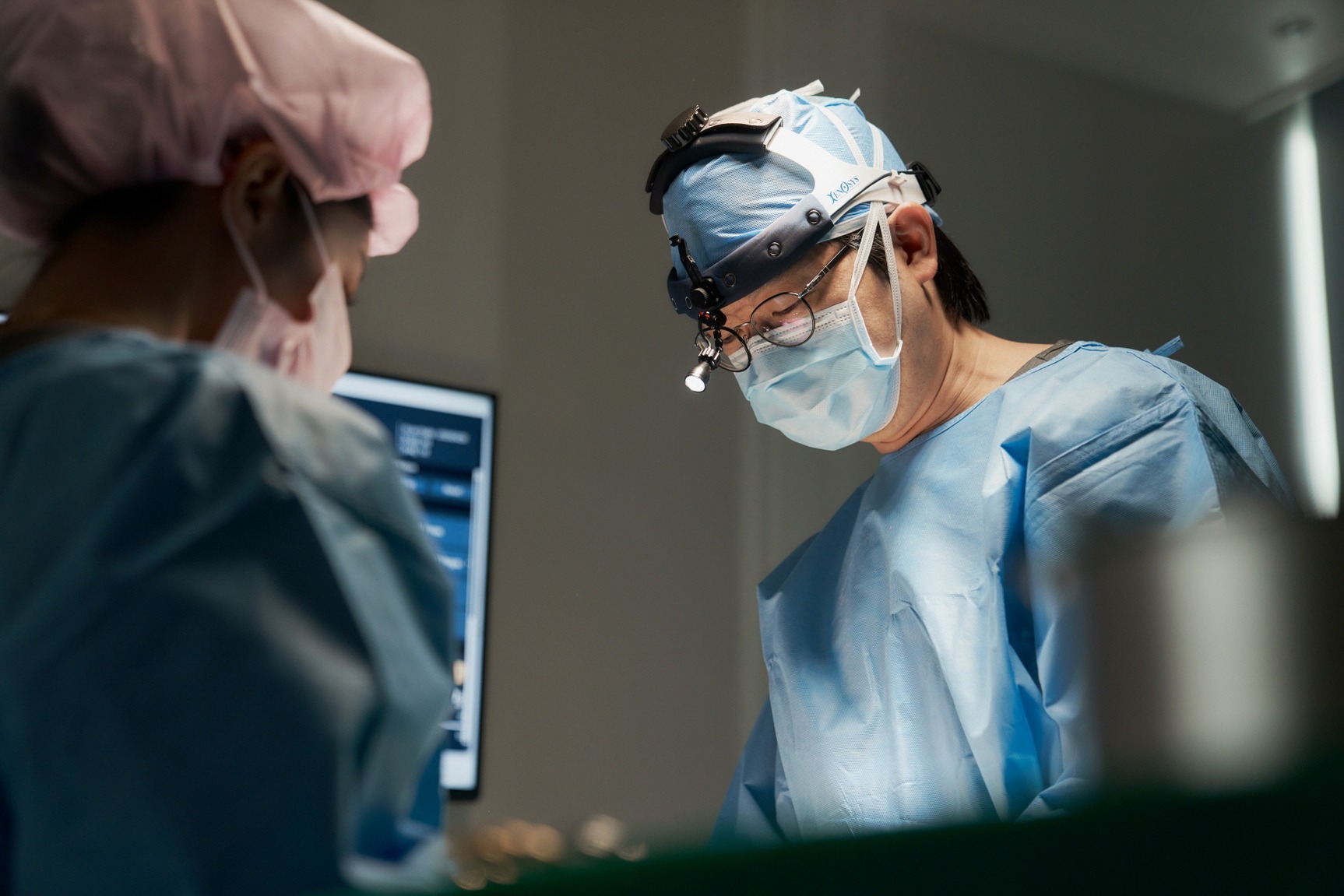
At a facial bone–focused center in Sinsa, Gangnam, revision chin surgery is approached as a structural operation. The surgeon evaluates the existing bone cuts, implants, and soft tissue changes, then plans a tailored correction rather than repeating the first operation in the same way.
Who may consider revision chin surgery?
Not everyone who feels “something is off” after chin surgery needs another operation. But there are recurring patterns in patients who benefit from revision.
Chin still too short or recessed
Some patients feel almost no change after their first surgery, or notice that the chin is still behind the ideal line when viewed from the side. They may still dislike profile photos or feel that the lower face looks small compared to the upper face.
Over-corrected or unnatural chin
Others have the opposite problem. The chin may look too long, too sharp, or too projected. In photos, the lower face can appear heavy or “witchy,” or the chin point may look disconnected from the rest of the jawline.
Asymmetry from the front
A very common reason for revision is asymmetry. The chin point may deviate to one side, or the jawline may look uneven when looking straight into the mirror. This can be due to bone cuts, implant position, or pre-existing asymmetry that was not fully addressed.
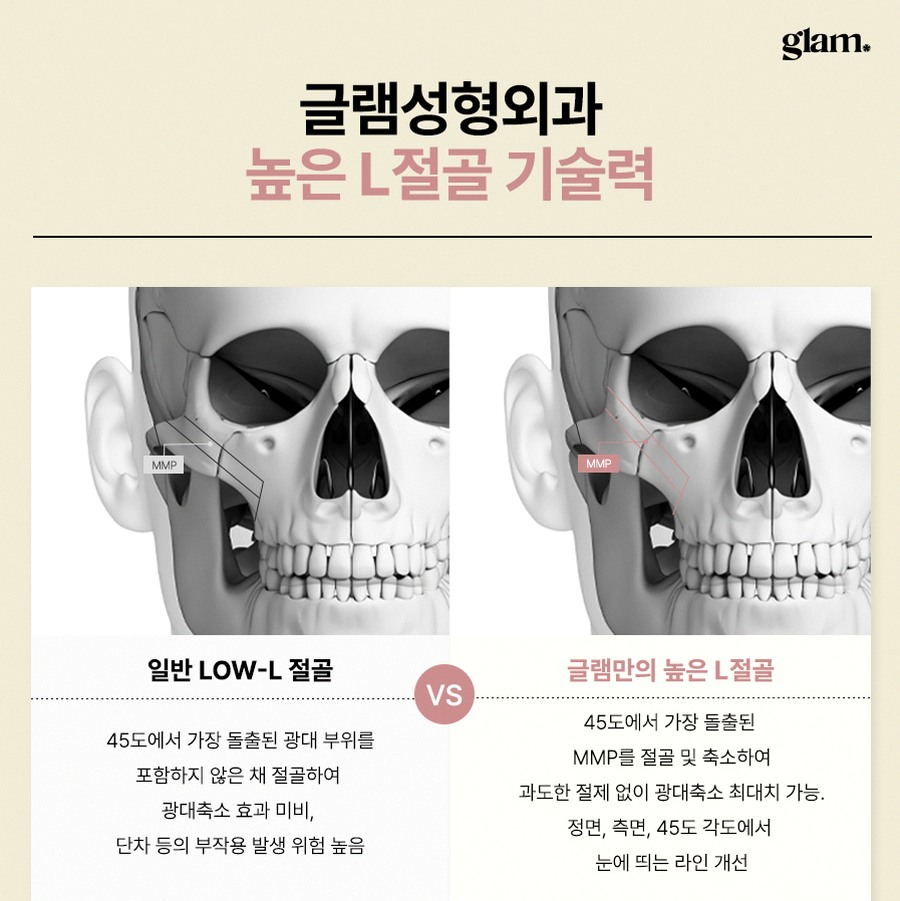
Irregular lower border of the mandible
After previous contouring, some patients feel or see steps, bumps, or hollows along the lower jaw border. Under certain lighting, the jawline may look broken rather than smooth and continuous from angle to chin.
Functional discomfort
Revision is also considered when function is affected. Examples include tightness or pulling in the chin area, difficulty closing the lips comfortably, or a sense of strain when biting. These issues may relate to bone position, muscle tension, or soft tissue scarring.
Implant-related problems
For patients with chin implants, typical concerns include implant movement, a visible or palpable edge, unnatural contour, or worry about bone resorption under the implant. In these cases, revision may involve repositioning, changing, or removing the implant and switching to a bone-based approach.
Evaluation before revision contouring
Revision surgery requires more careful planning than first-time operations because the anatomy has already been changed.
Detailed consultation and realistic goals
The first step is a thorough discussion of what bothers you, what you liked or disliked about the first surgery, and what you hope to achieve. Because bone has already been cut or an implant is present, there are limits to how far the chin can be moved safely. Clear communication about realistic goals is essential.
Imaging and structural analysis
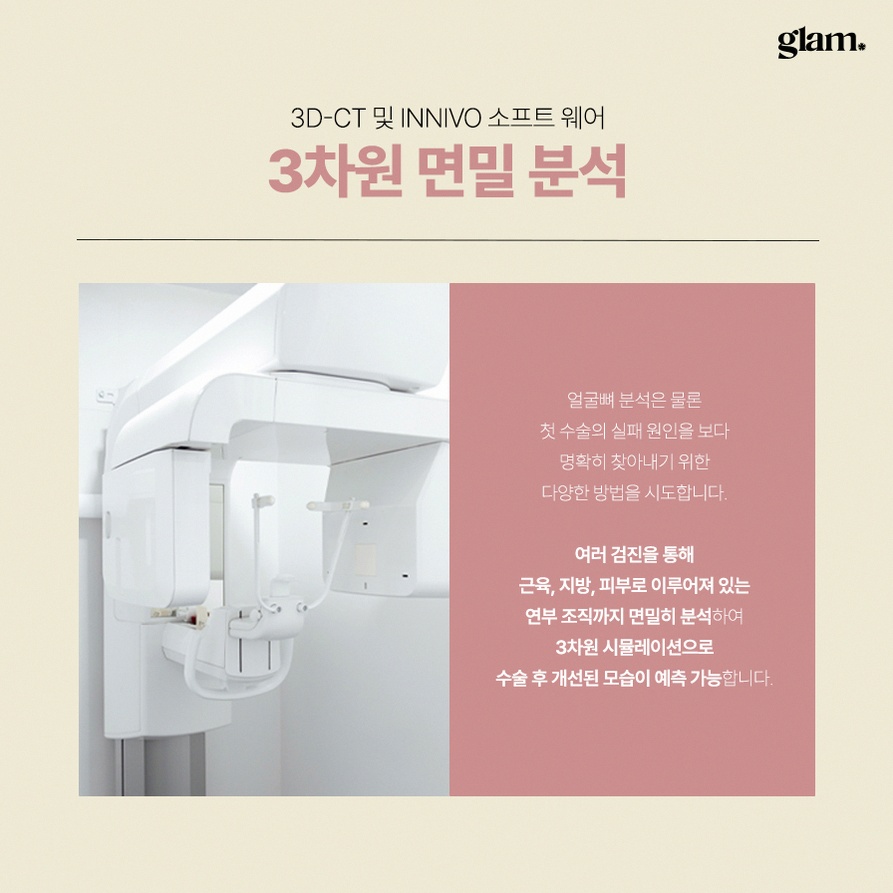
Facial photographs from front, side, and oblique angles help document the current appearance. Cephalometric X-rays and 3D CT scans are typically used to:
Identify previous osteotomy (bone cut) lines
Check implant position and size
Evaluate the thickness and shape of the chin bone
Understand the relationship between the chin and the bite
This imaging allows the surgeon to plan how much movement is possible and where to smooth or adjust the jawline.
Soft tissue and scar assessment
The skin, chin pad, muscles, and any scar tissue from the first operation are also evaluated. In some patients, soft tissue sagging, dimpling, or tightness plays a big role in the final look. Recognizing this early helps plan whether additional soft tissue support or later skin-tightening treatments may be useful.
Bite and jaw function
Even when the main concern is the chin, the bite and overall jaw function must be checked. If the lower jaw position or bite is significantly off, the surgeon may discuss whether double jaw surgery is more appropriate than isolated chin revision. In selected cases, jaw surgery can be planned in a way that reduces or simplifies the need for tooth movement, but this is decided individually after full evaluation.
Main revision options for a receding chin
There is no single revision method that fits everyone. The surgeon chooses from several techniques or combines them.
Revision sliding genioplasty
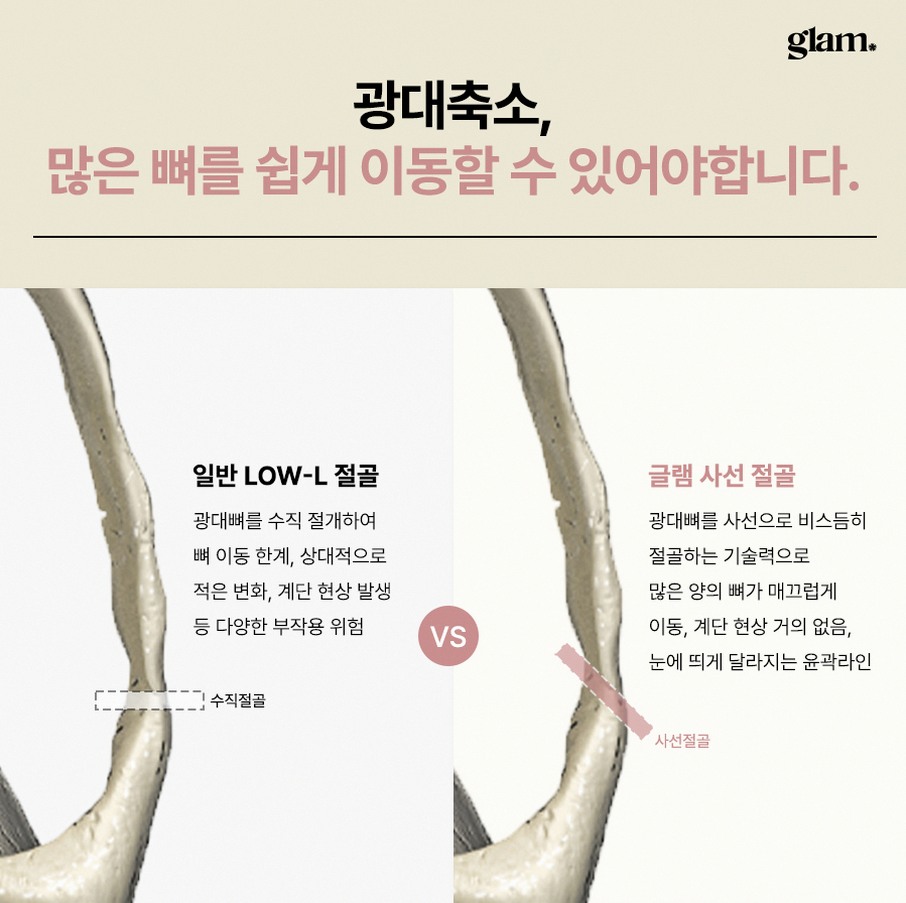
Sliding genioplasty is a bone-based chin surgery. In revision cases, the surgeon may re-cut the chin segment and reposition it to adjust:
Forward or backward projection
Vertical height (shorter or longer)
Left-right symmetry
Because it uses your own bone, it allows fine-tuning of the chin shape and angle. It can correct both under-correction and over-correction by moving the chin in multiple directions. Plates and screws are used to fix the bone securely in the new position.
Implant revision or removal
For patients with an implant that feels too big, too small, or misplaced, revision may involve:
Replacing it with a better-fitting shape or size
Repositioning it for better symmetry
Removing it entirely if there is bone resorption or chronic discomfort
If the underlying bone has thinned or if the patient prefers a more stable, structural change, the surgeon may recommend converting from an implant to a sliding genioplasty.
Combined lower border contouring
Sometimes the main problem is not only the chin point, but also the transition along the jawline. Combined lower border contouring can:
Smooth step deformities left by previous angle or chin surgery
Blend the chin into the jawline for a more continuous V-line
Reduce blocky or square areas that look artificial
This contouring is often performed together with chin repositioning to harmonize the entire lower face.
Soft tissue refinement
Bone changes influence the overlying soft tissue, but they do not solve every issue. Some patients have dimpling, irregularities, or mild sagging around the chin after bone surgery. In these cases, the plan may include:
Careful handling of soft tissue during revision surgery
Later lifting or skin-tightening treatments
Supportive skin care to improve texture and tone
These measures are usually staged over time to match the healing process.
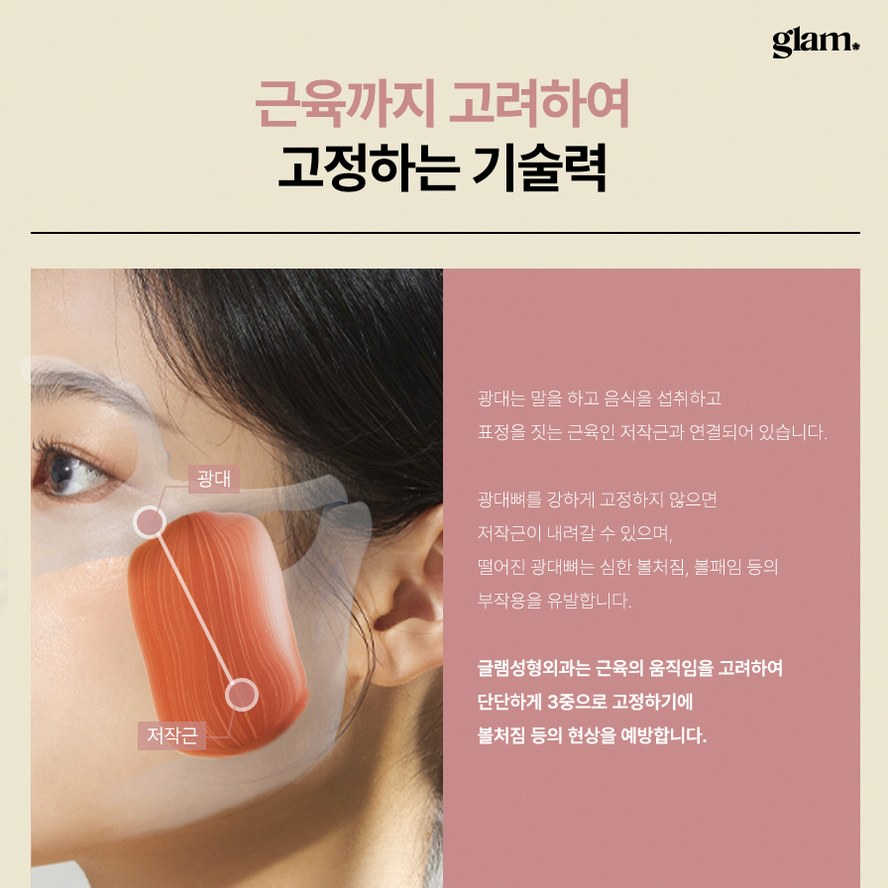
Characteristics of revision facial contouring at a facial bone–focused center
For complex revision cases, the overall system of the clinic matters as much as the technique.
Single-focus on facial bone surgery
A center that concentrates only on facial bone procedures such as double jaw and contouring tends to build deep experience in handling altered bone anatomy, previous osteotomy lines, and implant-related issues. This can be an advantage when planning revision for a receding chin.
Experienced lead surgeon
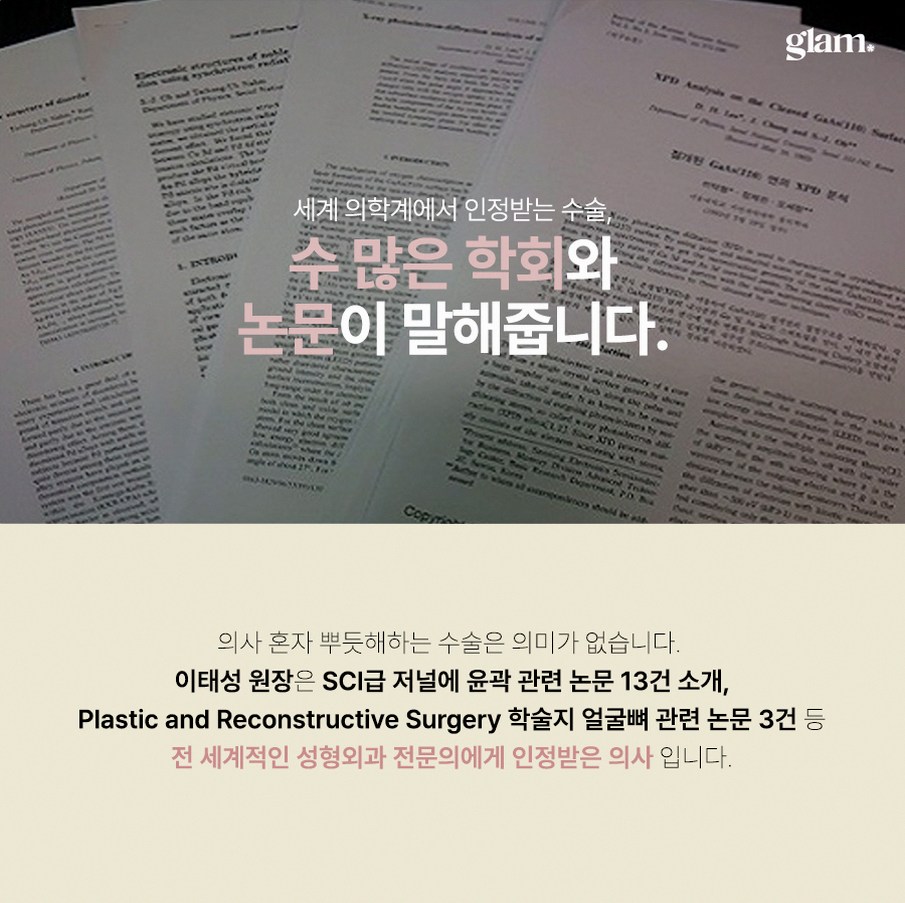
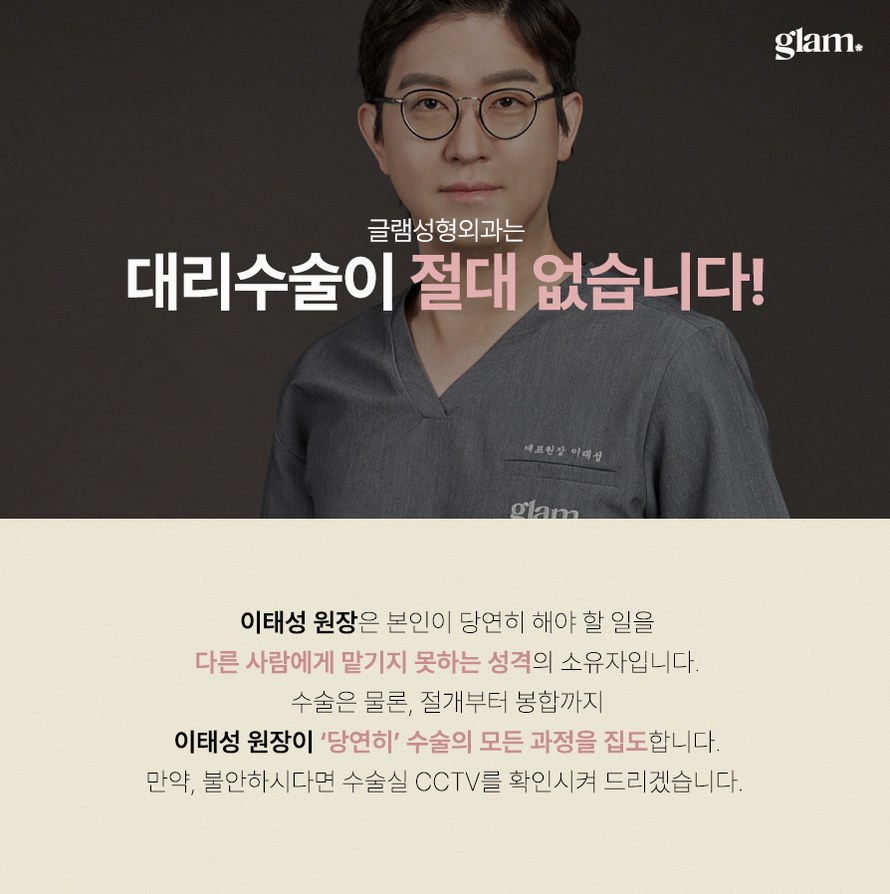
In Sinsa, Gangnam, some centers are led by a board-certified plastic surgeon with around two decades of experience in facial bone surgery and multiple scientific publications in international journals. This background reflects long-term focus on jaw and chin structure, rather than a general cosmetic approach.
Conservative, minimum-necessary correction
Many revision patients are understandably cautious. A key philosophy at some facial bone–focused centers is to recommend only the minimum correction needed to restore balance and function, instead of suggesting multiple aggressive procedures. This approach aims to protect remaining bone stock and respect the fact that the area has already been operated on.
Integrated view of jaw surgery
When a receding chin is part of a broader jaw problem, the same centers may also perform double jaw surgery. Techniques can include avoiding prolonged jaw fixation, selectively omitting tooth movement in some cases, and using suturing methods to prevent unwanted changes like nose widening. Even if you only need chin revision, this comprehensive view of the lower face can inform safer, more balanced planning.
Surgical process and anesthesia
For overseas patients, understanding the basic steps helps you plan your trip and recovery.
Preoperative workup
Before surgery, the clinic will review your medical history, medications, and allergies. Blood tests, imaging, and an anesthetic evaluation are performed. A board-certified anesthesiologist assesses your general health and plans anesthesia tailored to your needs.
Anesthesia and monitoring
Most revision chin and jawline contouring surgeries are done under general anesthesia. During the operation, the anesthesiologist remains present to manage your airway, monitor vital signs, and adjust medications. This dedicated role is especially important for longer or more complex revision procedures.
Intraoperative steps
While exact details vary by case, a typical revision procedure includes:
Incision, often inside the mouth to avoid visible scars
Exposure of the previous bone cut or implant
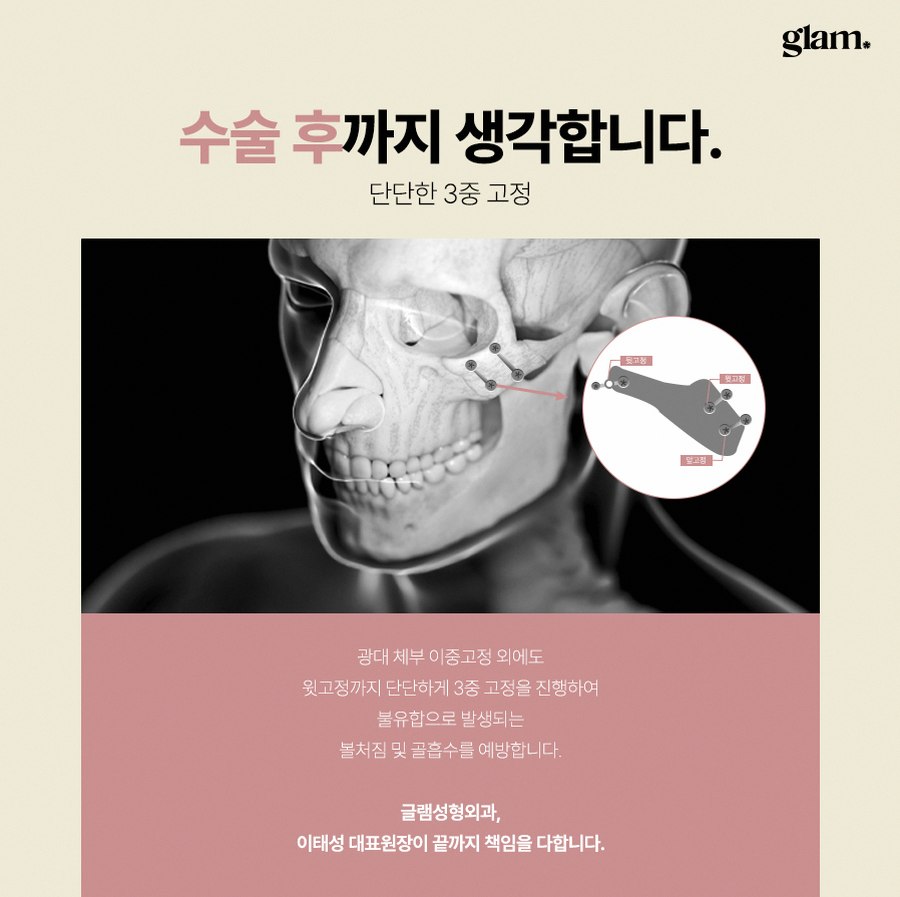
Removal or adjustment of plates, screws, or implants if needed
Re-cutting and repositioning the chin bone for sliding genioplasty
Smoothing and contouring irregular jaw borders
Layered closure of tissues
Duration
For isolated chin revision, surgery often takes about 1 to 2 hours. If combined with more extensive jawline contouring, it can take longer. Your clinic will give you a more precise estimate after planning.
Recovery, aftercare, and expected course
Knowing what to expect after surgery can reduce anxiety and help you prepare your schedule in Korea.
Immediate postoperative period
Swelling, bruising, and a tight feeling around the chin and lower face are common. Swelling usually peaks within the first few days and then gradually decreases over several weeks. Mild discomfort is expected but is typically manageable with prescribed pain medication.
Specialized postoperative care
Some facial bone–focused centers in Sinsa, Gangnam provide structured aftercare programs to support recovery, such as:
LED therapy for skin calming and healing support
Facial dome care to help manage swelling
Skin reset care to improve skin condition after surgery
RF lifting to support skin tightening as swelling subsides
These treatments are scheduled according to your healing stage and are meant to complement, not replace, proper rest and medical follow-up.
Diet and activity guidelines
In the first days, a soft diet is usually recommended to avoid strong chewing. You will be advised to avoid smoking and alcohol for a set period, as they can affect healing. Sleeping with your head elevated helps reduce swelling. Strenuous exercise and heavy lifting should be postponed until your surgeon confirms it is safe.
Follow-up schedule
Follow-up visits are important to check wound healing, remove any external sutures if used, and monitor bone position and symmetry on imaging. For international patients, the clinic may cluster key follow-ups within your stay in Korea and then continue monitoring through online consultations after you return home.
Final result timeline
Bone healing and soft tissue adaptation take time. While you will see a change in your profile soon after swelling begins to settle, the final contour can take several months to become clear. It is important to wait for this stabilization period before making a final judgment on the outcome.
Risks, limitations, and safety considerations
All surgery carries risks, and revision surgery has additional challenges.
General surgical risks
These include bleeding, infection, delayed wound healing, and reactions to anesthesia. There is also a risk of nerve injury, which can cause temporary or, less commonly, permanent numbness of the lower lip and chin.
Revision-specific challenges
Scar tissue from the first surgery, altered anatomy, and reduced bone volume can limit how far the chin can be moved or reshaped. Perfect symmetry is rarely possible in any human face, and this is especially true after previous operations.
Realistic expectations
A careful surgeon will explain what can and cannot be corrected in your specific case. The goal is usually improvement in balance, proportion, and comfort, not absolute perfection. Understanding these limits before surgery helps align expectations with what is medically achievable.
Role of a dedicated anesthesiologist
Having a board-certified anesthesiologist responsible for your anesthesia and perioperative care adds an extra layer of safety. This is particularly important for revision procedures, which may be technically more demanding and occasionally longer than first-time surgeries.
How to decide if revision chin surgery is right for you
Deciding on a second operation is a serious step, especially if you were disappointed once before.
Timing after your first surgery
In most cases, it is advisable to wait at least 6 to 12 months after your original chin surgery before planning revision. This allows swelling to resolve and tissues to stabilize, so the surgeon can clearly see what is truly structural and what is temporary.
Assessing your current concerns
Ask yourself whether your main issues are aesthetic, functional, or both. Are you bothered more by the profile, the front view, or by discomfort when moving your jaw? Writing this down can help you communicate clearly during consultation.
Preparing previous records
If possible, collect your previous operative reports, imaging, and any implant information. Sharing these with the new surgeon can make planning safer and more precise.
Value of a facial bone–focused surgeon
Because revision chin surgery involves bone, implants, and sometimes jaw function, consulting a surgeon who focuses on facial bone procedures can be helpful. They can evaluate both appearance and function together and suggest whether isolated chin revision or a broader approach is more appropriate.
Online consultation and pre-visit preparation for overseas patients
For international patients, much of the decision-making happens before you get on a plane.
Online consultation
Most facial bone–focused centers in Sinsa, Gangnam offer online consultations. You will usually be asked to send:
Front, side, and 45-degree photos under good lighting
Photos of your bite with teeth gently closed
Any previous X-rays or CT scans if available
A description of your first surgery and current concerns
Based on this, the surgeon can give a preliminary opinion, discuss possible options, and outline a likely treatment plan and stay duration.
Questions to prepare
Before your online consultation, it is useful to prepare questions such as:
What are the realistic goals in my case?
Do you recommend bone-based revision, implant revision, or both?
How long should I stay in Korea for surgery and follow-up?
What kind of aftercare program is available after bone surgery?
Having these written down helps you compare different clinics and feel more confident in your choice.
Expected Korea visit timeline
While details vary, a typical schedule for overseas patients might look like this:

Day 1–2: In-person consultation, physical examination, imaging (X-rays, 3D CT), final surgical planning, preoperative tests.
Day 3–4: Surgery under general anesthesia, one night of close monitoring if needed.
First week: Rest, early follow-up visits, basic wound checks, initial aftercare sessions for swelling.
Second week: Additional follow-up, removal of any external sutures if used, more aftercare treatments.
Third week and beyond: Many international patients can safely return home within 10–14 days, with online follow-up arranged afterward.
Your exact stay will depend on the complexity of your revision and your general health. The clinic will tailor the schedule to your situation.
Aftercare and long-term follow-up
After you return home, it is important to follow the clinic’s instructions regarding diet, activity, and oral hygiene. You may be asked to send periodic photos and, in some cases, follow-up imaging. This allows the surgeon to monitor bone healing and symmetry even from a distance.
Frequently asked questions
How long should I wait after my first chin surgery before considering revision?
Most surgeons recommend waiting at least 6 to 12 months after your first chin surgery before planning revision. This waiting period allows swelling to fully subside and soft tissues to adapt to the new bone position. Only then can the surgeon accurately judge what is structurally wrong and what might still improve on its own. In urgent cases with clear complications, earlier evaluation may be necessary, but timing is decided individually.
Can a receding chin be corrected with revision surgery without changing my bite?
In many patients, yes. If your bite is stable and your main issue is chin projection or shape, revision sliding genioplasty or implant revision can often be performed without altering the bite. However, if the underlying jaw position is significantly off, focusing only on the chin may not give a balanced result. During consultation, the surgeon will evaluate your bite and explain whether isolated chin revision is suitable for you.
What is the difference between revising an implant and switching to bone-based genioplasty?
Revising an implant usually means changing its size, shape, or position to better match your facial structure. It can be a shorter operation, but it still relies on a foreign material resting on the bone. Switching to a bone-based genioplasty involves cutting and moving your own chin bone, then fixing it with plates and screws. This approach can offer more precise control over projection and height and may be preferred if there is bone resorption under the implant or if you want a more structural change.

Will revision chin surgery leave visible scars?
Most chin revision surgeries are performed through incisions inside the mouth, which means there is usually no visible scar on the skin. In some specific cases, a small external incision may be used, but this is discussed in advance. Your surgeon will explain the planned incision sites and what to expect regarding scar care and healing.
How long does numbness around the chin usually last after revision contouring?
Temporary numbness of the lower lip and chin is common after both first-time and revision chin surgery because the sensory nerve in this area can be stretched or irritated. In many patients, sensation gradually improves over weeks to months. A small number of patients may have longer-lasting or permanent changes. Your surgeon will discuss this risk with you based on the planned movements and your existing nerve status.
Is revision surgery more painful or risky than first-time chin surgery?
Pain levels vary between individuals, but many patients describe revision discomfort as similar to their first surgery, and it is usually manageable with medication. The risk profile, however, can be more complex in revision cases because of scar tissue and altered anatomy. This is why careful imaging, conservative planning, and the presence of a dedicated anesthesiologist are important parts of the safety system.
Soft call to action
If you are unhappy with a previous receding chin surgery and are considering revision in Korea, an online consultation with a facial bone–focused center in Sinsa, Gangnam can be a practical first step. By sharing your photos, imaging, and concerns, you can receive a personalized assessment and a clear explanation of your options before deciding on travel or surgery.




- 공유 링크 만들기
- X
- 이메일
- 기타 앱


댓글
댓글 쓰기