Chin Augmentation Revision Surgery for a Receding Chin in Seoul
- 공유 링크 만들기
- X
- 이메일
- 기타 앱
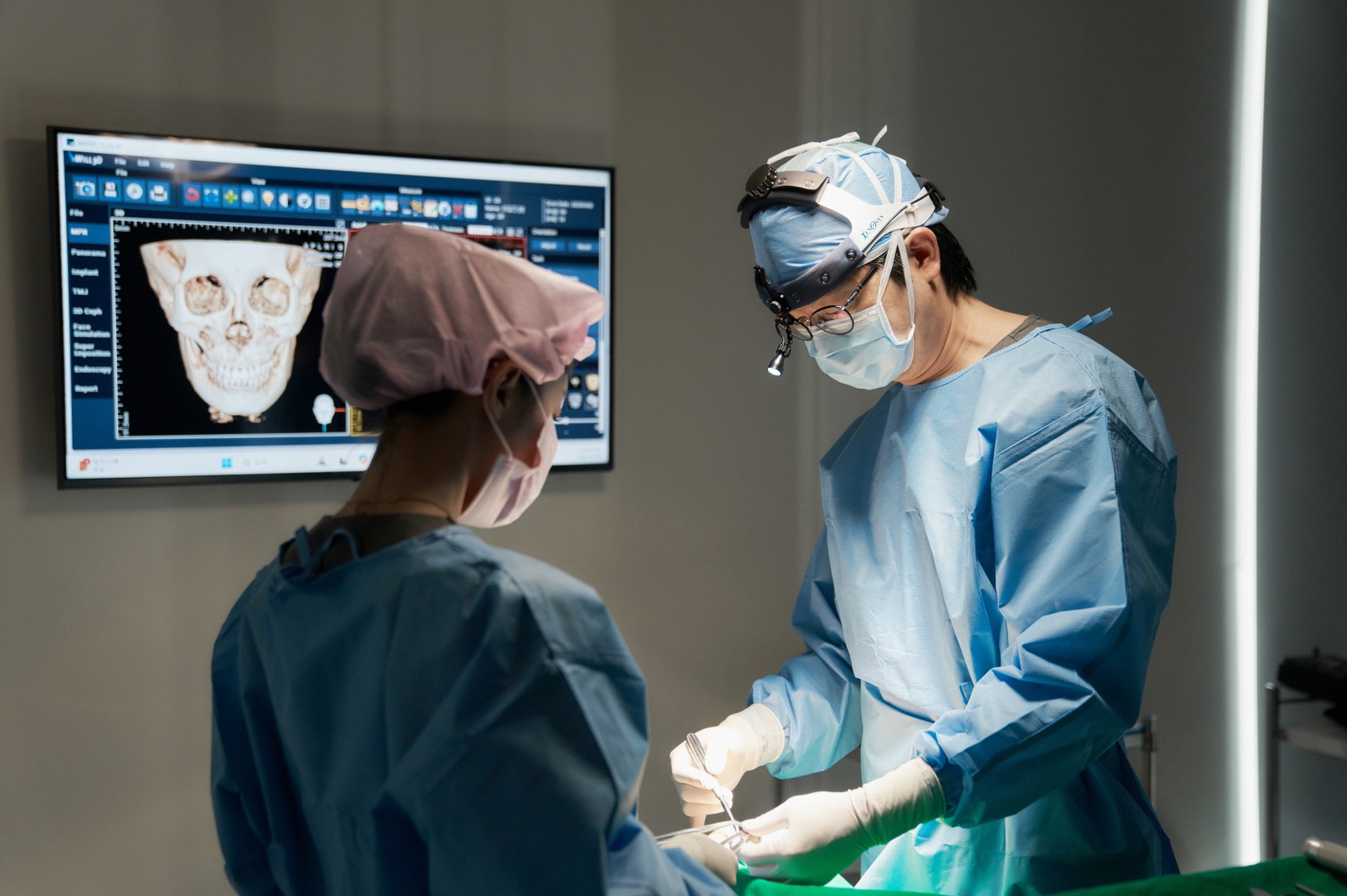
Chin augmentation revision surgery is a structural facial bone procedure to correct an unsatisfying or receding chin after previous chin or jaw contouring. It is not a simple filler top-up. At a facial bone–focused clinic in Gangnam, Seoul, revision is planned using detailed imaging, bite analysis, and facial proportion assessment. Depending on your case, options may include revision sliding genioplasty, correction after V-line or square jaw surgery, or implant removal and bone advancement. International patients typically stay in Korea for about 10–14 days for surgery and early follow-up, with final results maturing over several months.
What is chin augmentation revision surgery?
Chin augmentation revision surgery is a type of facial bone revision for people who are not satisfied with the result of a previous chin or jaw contouring procedure. Instead of adding volume with fillers, revision surgery reshapes or repositions the chin bone and, if needed, addresses any existing chin implant.
The main goal is to restore balance between the chin, lips, nose, and jawline. This often means bringing a receding chin forward, correcting asymmetry, or smoothing irregularities left after earlier surgery.
Because the bone has already been cut or an implant has already been placed, revision is usually more complex than first-time chin surgery. It requires careful planning around the existing bone shape, nerve position, and scar tissue.
How this differs from simple chin augmentation
Simple chin augmentation, such as fillers or fat grafting, mainly adds soft-tissue volume. It can be helpful for very mild chin retrusion or to test a new profile temporarily.
Revision chin contouring is different. It is intended for structural issues caused or not solved by previous bone or implant surgery. Examples include a chin that is still too short, a droopy or pointy chin tip, visible implant edges, or an uneven jawline.
In these cases, adding more filler on top of an already unbalanced structure may make the face look heavier or more unnatural. Structural problems usually need structural solutions, such as bone repositioning or implant revision.
Who may consider revision chin contouring
Typical concerns after previous chin or jaw surgery
People who search for chin augmentation revision surgery often describe similar concerns, such as:
The chin still looks too short or receded from the side, even after surgery.
The chin tip looks too pointy, droopy, or has a noticeable step where the bone was cut.
The jawline looks uneven or asymmetric when viewed from the front.
The profile line from nose to lips to chin feels unbalanced, with the chin sitting too far back compared to the lips.
There is discomfort when biting or a feeling that the lower lip is not well supported.
They can feel or even see the edge of a chin implant, or notice that it moves or causes a foreign body sensation.
If you recognize one or more of these issues, revision may be worth discussing with a facial bone specialist.
Who is not necessarily a candidate for bone revision
Not everyone with a weak chin needs revision bone surgery. In some cases, the problem is mild and can be improved with:
Soft-tissue procedures such as fat grafting or minor soft-tissue lifting.
Non-surgical options like injectable fillers for temporary contouring.
Bite and jaw alignment treatment, when the main issue is how the upper and lower jaws meet.
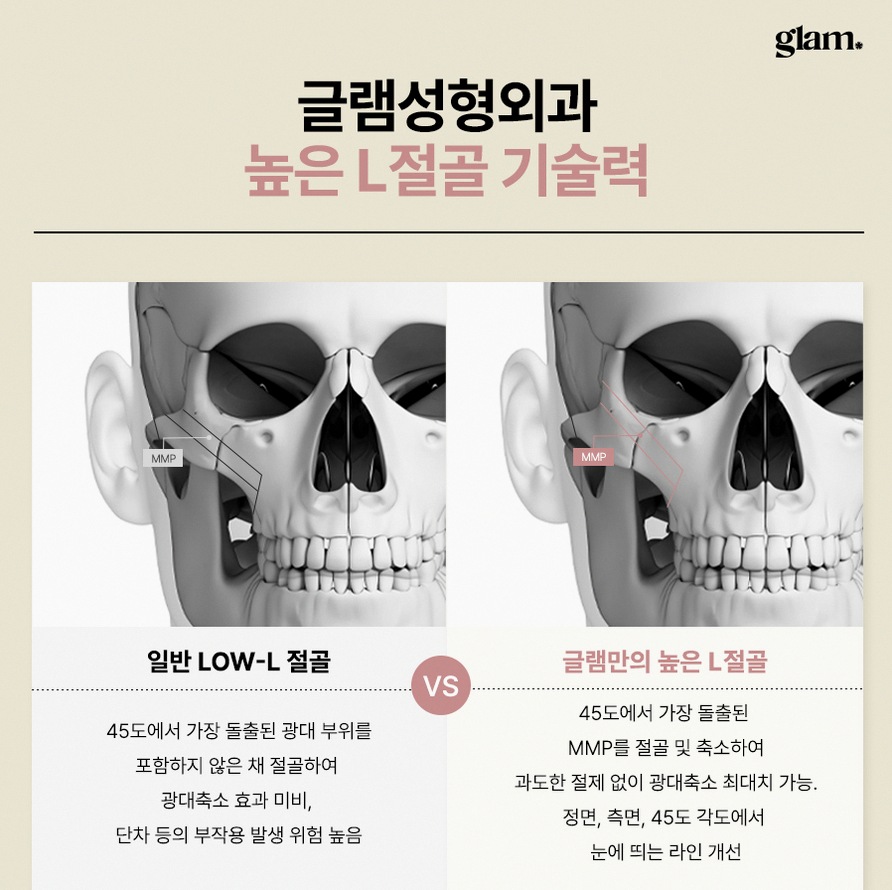
The key is to understand whether your concern is mainly skeletal, mainly soft tissue, or a combination. This can only be determined after proper imaging and clinical examination.
How a facial bone–focused clinic evaluates revision cases
Initial consultation and previous surgery review
For revision chin contouring, the first step is a detailed consultation. You will usually be asked about:
What type of surgery you had (chin implant, sliding genioplasty, V-line, square jaw reduction, or a combination).
When and where the surgery was done.
Any complications you experienced, such as infection, prolonged swelling, or nerve symptoms.
What exactly you dislike about the current result, from both front and side views.
Bringing any previous medical records, X-rays, or surgery notes can be very helpful. Clear photos taken before your first surgery are also useful, as they show your original bone structure and facial proportions.
Clinical examination and facial proportion analysis
Next, the surgeon examines your face from the front, 45-degree angle, and profile. They assess:
How far the chin projects compared to the lips and nose.
Symmetry between the left and right sides of the chin and jawline.
Soft tissue thickness in the chin and lower face, which affects how bone changes will show on the surface.
The way your jaw moves and how your teeth meet are also checked. In some patients, what looks like a receding chin is actually part of a wider jaw position problem. In such cases, isolated chin revision may not be enough.
Imaging, occlusion check, and 3D evaluation
Radiologic evaluation is essential in revision cases. This may include:
Panoramic X-ray to see the entire jaw and previous bone cuts.
Cephalometric analysis to measure jaw position, chin projection, and facial angles.
3D CT scans, when available, to understand bone volume, nerve position, and any irregularities or gaps.
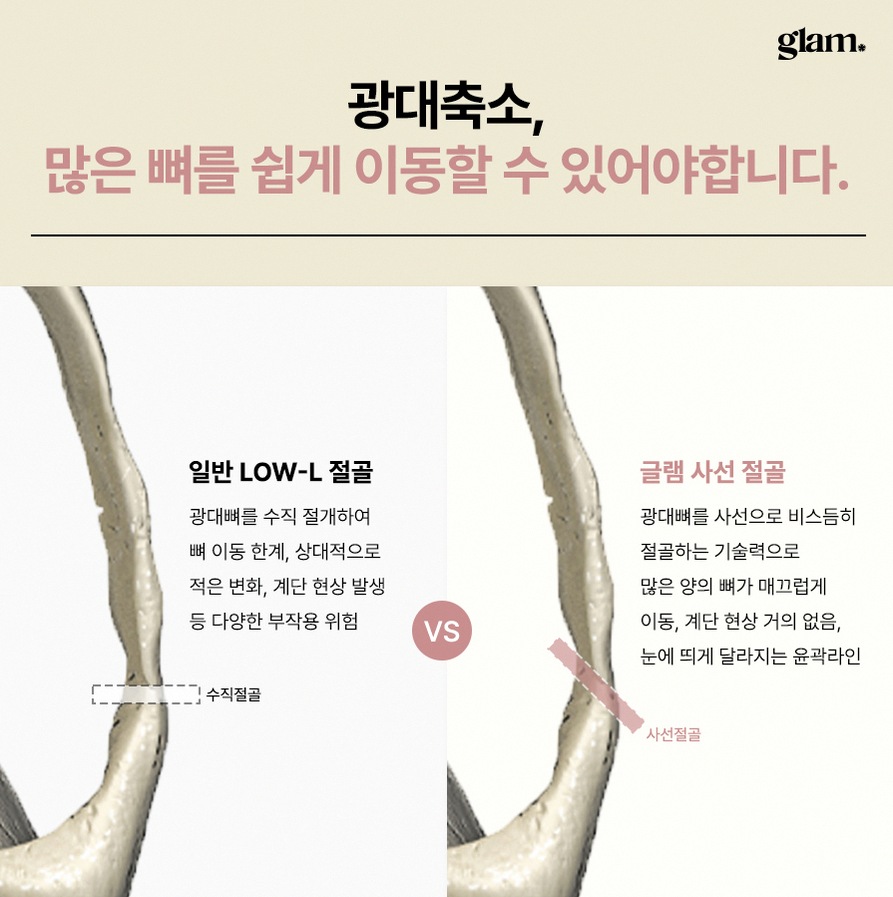
These images help identify where the mental nerve runs, how much bone is available for further movement, and where any implants or plates are located. They also show if previous osteotomy lines are stable and healed.
Evidence-based planning and surgical focus
At a clinic that focuses only on double jaw and facial contouring, planning centers on skeletal harmony rather than isolated cosmetic changes.
Instead of chasing trends, the plan is built around long-term stability, nerve safety, and realistic improvement of facial balance.
Main surgical options for a receding chin revision
Revision sliding genioplasty
Revision sliding genioplasty is often used when the chin bone was previously moved in a way that did not match the rest of the face. Problems may include insufficient advancement, over-advancement, or movement in the wrong direction.
Through an incision inside the mouth, the surgeon re-exposes the chin bone. A new osteotomy line is designed, carefully avoiding the mental nerve. The cut bone segment can then be:
Advanced forward to correct a receding chin.
Lowered or raised to adjust vertical height.
Rotated or shifted sideways to correct asymmetry.
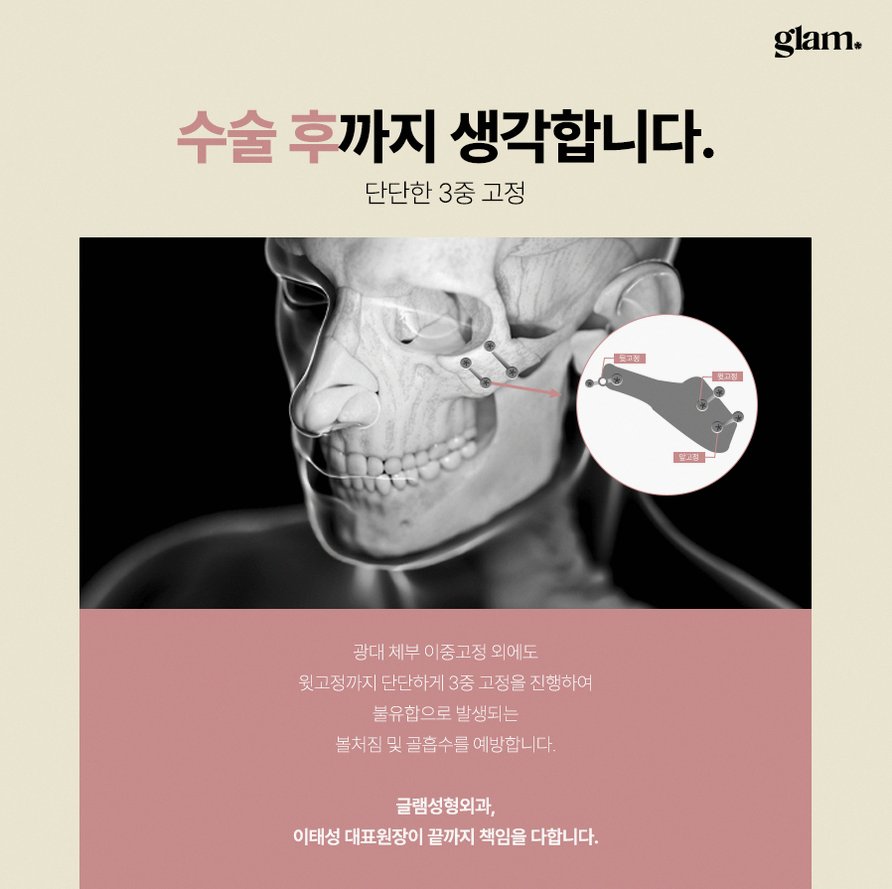
The bone is then fixed in its new position with plates and screws, aiming for stable bone contact and a smooth contour. Because this is revision surgery, extra care is taken around areas of previous cuts and scar tissue.
Correction after V-line or square jaw surgery
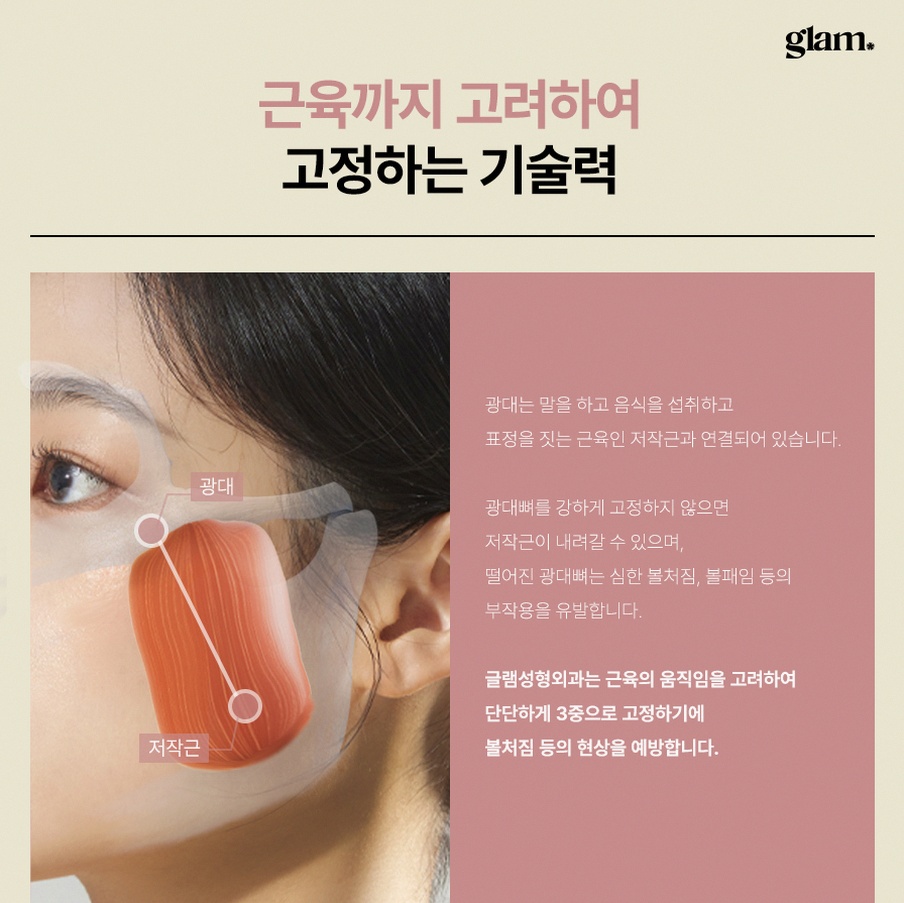
Some patients develop a weak or droopy chin after aggressive V-line or square jaw reduction. The lower face may look too narrow, too short, or collapsed.
In such cases, revision may include:
Smoothing sharp or uneven bone edges that create visible steps or irregularities.
Restoring some width or projection to the chin so it does not look pinched or hanging.
Balancing the chin with the mandibular angle so the overall jawline looks more natural.
The aim is not to undo all previous surgery, but to restore structural support and harmony while respecting the current bone condition.
Implant-related revision
If a chin implant is too small, too large, or in the wrong position, it can be removed or repositioned. Common reasons for implant revision include visible edges, movement, or a shape that does not match the rest of the jaw.
In some cases, the implant is removed and replaced with bone advancement (sliding genioplasty). This can reduce long-term foreign body issues and provide a more stable, natural-looking result.
In other cases, a better-sized or differently shaped implant may be sufficient, especially if the underlying bone is suitable and the patient prefers a less invasive change.
Minimum necessary surgery philosophy
Because revision surgery carries higher risks than first-time surgery, many facial bone–focused clinics emphasize performing the minimum necessary procedure to achieve balance. For example, if only the chin segment is causing disharmony, there is no need to redo the entire jaw.
This approach helps reduce surgical time, potential complications, and recovery burden, while still targeting the main cause of dissatisfaction.
Relation to double jaw and other facial contouring
When double jaw surgery may be considered
Some patients with a receding chin actually have a more complex skeletal discrepancy between the upper and lower jaws. In these cases, moving only the chin may not fully correct the facial profile or functional issues such as chewing discomfort.
At a clinic that specializes in double jaw and facial contouring, the surgeon can distinguish between:
Cases where isolated chin revision is enough.
Cases where double jaw surgery, with or without additional chin work, would provide a more balanced and functional result.
Individualized treatment planning
Some centers perform double jaw surgery without intermaxillary fixation in selected cases, and sometimes can omit pre- or post-operative orthodontic treatment depending on the condition. This shows that treatment is not one-size-fits-all.
However, for patients whose main problem is a receding or misshapen chin after previous contouring, the focus remains on chin revision. Double jaw or other contouring procedures are considered only when clearly indicated by imaging and functional evaluation.
Safety, anesthesia, and postoperative care
Role of the surgical and anesthesia team
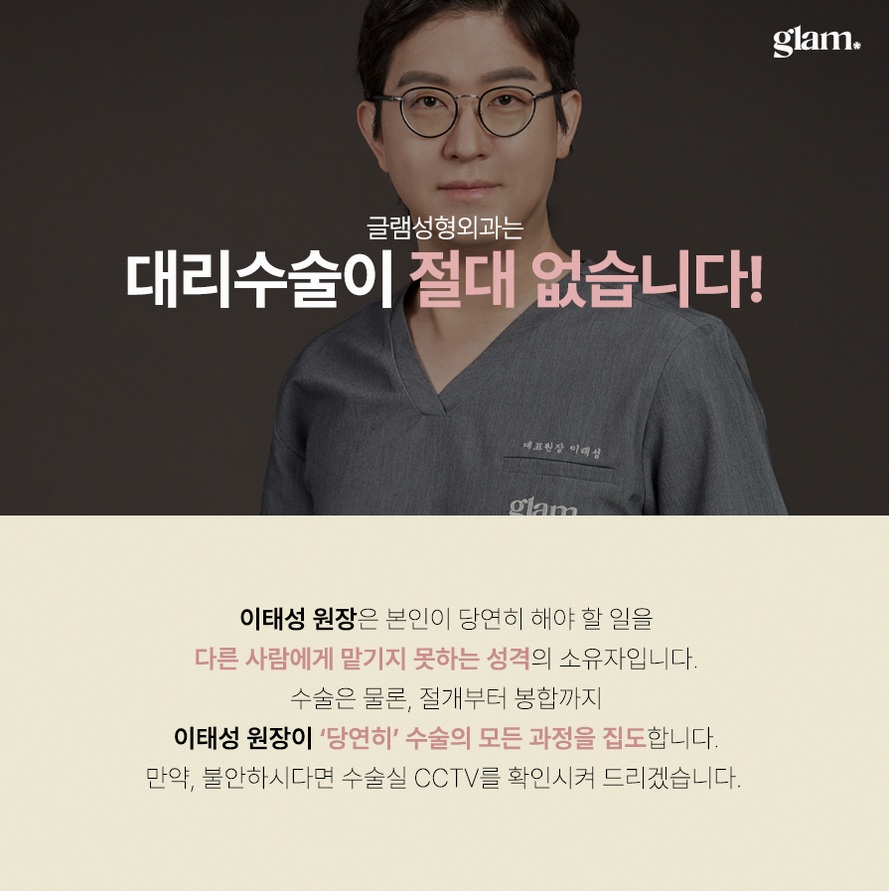
Revision chin contouring is usually done under general anesthesia, especially when bone cuts and plate fixation are involved. At GLAM Plastic Surgery, surgery is performed by a board-certified plastic surgeon who focuses on facial bone procedures, with an in-house board-certified specialist in anesthesiology and pain medicine responsible for anesthesia and monitoring.
Having a dedicated anesthesiologist is particularly important for longer or more complex revision surgeries, as it allows the surgeon to concentrate fully on the bone work while anesthesia and vital signs are continuously managed.
Typical recovery timeline
Recovery varies depending on the extent of revision, but a general timeline is:
First 1–3 days: noticeable swelling, tightness, and some bruising. Soft diet and limited talking are often recommended.
First 1–2 weeks: swelling and bruising gradually decrease. Many patients can return to light daily activities and remote work during this period.
First 1–3 months: most visible swelling resolves, and the chin contour becomes clearer. Numbness may slowly improve.
Up to 6–12 months: subtle changes continue as bones and soft tissues fully settle and scars mature.
Supportive postoperative care programs
Some clinics offer structured postoperative care programs to support healing, such as:
LED therapy to help with skin recovery.
Facial dome treatments to gently support circulation.
Skin reset total care for overall skin condition.
Radiofrequency lifting to assist with soft-tissue tightening and swelling reduction.
These treatments are supportive. They cannot replace proper bone surgery, but they may help the face look and feel better during the healing process.
Timing and general safety advice
Revision surgery should usually be planned after sufficient healing from the previous operation, often at least 6–12 months. Operating too early can increase the risk of complications and make it harder to judge the final result of the first surgery.
It is wise to be cautious of clinics that promise drastic changes without proper imaging, bite evaluation, or discussion of risks. A thorough, realistic consultation is a key part of safe revision.
Expected results and limitations
Goals of revision chin contouring
The main goals of chin augmentation revision surgery are to:
Restore a more natural, balanced profile line from nose to lips to chin.
Improve jawline definition from the front and oblique views.
Correct visible deformities, step-offs, or asymmetry from previous surgery.
Reduce discomfort related to implant issues or poor chin support, when possible.
Limitations and possible residual issues
Results depend heavily on the condition of the existing bone, scar tissue, nerve status, and what was done previously. In complex revision cases, it may not be possible to achieve perfect symmetry or a completely smooth contour.
Some potential limitations include:
Residual minor asymmetry or irregularities.
Persistent or new sensory changes (numbness or tingling) around the lower lip and chin, especially when the mental nerve has already been exposed once.
The need for staged procedures in very complex cases.
Prioritizing function and long-term stability
While aesthetic improvement is important, function and long-term stability should come first. A balanced, natural-looking chin that supports comfortable biting and speaking is usually a better goal than an extreme cosmetic change that may not age well.
Preparing for an online consultation from overseas
Information to prepare
Before you contact a clinic in Korea for online consultation, it helps to prepare:
Clear front, 45-degree, and profile photos in good lighting, with your hair pulled back.
Any previous X-rays or CT scans, if available, in digital form.
A brief summary of your surgical history: dates, types of procedures, and any complications.
A list of your main concerns and what you hope to change.
This information allows the surgeon to give a more precise initial opinion and suggest whether you are a likely candidate for revision.
Questions to ask during consultation
To make your decision more informed, consider asking:
What is the main structural cause of my current chin problem?
Which revision option do you recommend, and why?
What are the main risks in my specific case, especially regarding nerves and bone stability?
How long should I stay in Korea, and how many in-person follow-ups are needed?
What kind of postoperative care and emergency support are available for overseas patients?
Expected Korea visit timeline for chin revision
For many international patients, a typical visit for chin augmentation revision surgery might look like this:
Day 1–2: In-person consultation, physical examination, and imaging (panoramic X-ray, cephalometric analysis, and possibly 3D CT). Final surgical plan is confirmed.
Day 3–4: Surgery under general anesthesia, followed by a short recovery period in the clinic and then at your accommodation.
Day 5–10: Follow-up visits for wound checks, suture removal if needed, and early postoperative care sessions.
Day 10–14: Final check before returning home, with instructions for ongoing care and remote follow-up.

The exact schedule may vary depending on your health, the complexity of the revision, and your travel plans. Some patients may feel comfortable flying earlier, while others prefer a longer stay.
Aftercare once you return home
After you go back to your country, you will usually continue recovery with:
Soft or semi-soft diet until your surgeon confirms that normal chewing is safe.
Gentle oral hygiene, including mouth rinses if there was an incision inside the mouth.
Avoiding heavy exercise and contact sports for several weeks.
Monitoring for any unusual pain, swelling, or changes in sensation.
Many clinics offer remote follow-up via email or video calls. Sending updated photos at set intervals can help the surgeon check your progress and advise you.
Clinic context and location
GLAM Plastic Surgery is located in Gangnam, Seoul, about 200 meters on foot from Sinsa Station exit 1. The clinic operates with a single board-certified plastic surgeon focusing on facial bone surgery and a .
The practice is dedicated exclusively to double jaw and facial contouring procedures, and does not offer eye, nose, or breast surgeries. This narrow focus supports a high level of concentration on skeletal balance and revision planning.
For international patients, multilingual support is available in Japanese, English, and Thai, and initial contact can often be made through online channels and social media.
Frequently asked questions about chin augmentation revision surgery
Is chin augmentation revision surgery always possible after a bad result?
Revision is possible in many cases, but not all. The feasibility depends on how much bone remains, where the nerves are, and how the previous surgery was done. Imaging is essential to see whether the chin can be safely moved again or whether implant-based solutions are more appropriate. In some situations, only partial improvement is realistic.
How long should I wait after my first chin surgery before considering revision?
In general, it is recommended to wait at least 6–12 months after your initial surgery before planning revision. This allows swelling to settle and bone to heal, so both you and the surgeon can clearly see the final result of the first operation. In urgent cases such as infection or implant exposure, earlier intervention may be needed, but this is decided case by case.

Will revision chin surgery leave visible scars?
Most chin bone revisions are performed through incisions inside the mouth, so there are usually no visible external scars on the skin. In some specific implant-related cases, a small incision under the chin may be used, but it is typically placed in a natural crease. Scar appearance can vary between individuals, and your surgeon will explain the approach planned for your case.
What are the main risks of chin augmentation revision surgery?
Key risks include infection, bleeding, delayed bone healing, and changes in sensation around the lower lip and chin due to the proximity of the mental nerve. Asymmetry or contour irregularities can also occur, especially in complex revisions. A thorough consultation, careful imaging, and choosing a facial bone–focused team help reduce these risks, but they cannot be completely eliminated.
Soft call to action
If you are considering chin augmentation revision surgery in Korea and would like an expert opinion on your case, you can start with an online consultation. Sharing your photos, previous records, and concerns allows the surgical team to assess whether revision is appropriate and what kind of visit schedule you might need. GLAM Plastic Surgery provides structured support for overseas patients, from initial online assessment to postoperative follow-up.




- 공유 링크 만들기
- X
- 이메일
- 기타 앱


댓글
댓글 쓰기