Cheekbone reduction surgery cost and revision contouring in Sinsa Gangnam
- 공유 링크 만들기
- X
- 이메일
- 기타 앱
Direct answer: how cheekbone reduction surgery cost is usually decided
When searching for cheekbone reduction surgery cost in Seoul—particularly in Gangnam—you'll encounter a wide price range. This is especially true for revision cheekbone procedures after prior facial contouring, because fees reflect case complexity rather than a flat rate. Key cost drivers include whether the operation is a first-time or revision case, the complexity and asymmetry of the bony anatomy, whether nearby areas are treated together, the imaging and anesthesia systems used, and the level of postoperative care and monitoring included.
For revision cheekbone reduction, costs are usually higher than for primary surgery because the operation takes longer, planning is more detailed, and risk management is more intensive. A realistic quote can only be given after in-person consultation and 3D imaging, but understanding the cost factors will help you compare clinics in a more meaningful way.
This guide explains how cheekbone reduction surgery cost is structured in Korea, why revision facial contouring is more demanding, what is typically included in the fee, and what to check before choosing a clinic in Sinsa, Gangnam, Seoul.
What cheekbone reduction and revision facial contouring mean
Cheekbone reduction overview
Cheekbone reduction is a facial bone surgery that reshapes the zygomatic bone to reduce a wide or protruding midface. By cutting and repositioning or recontouring the cheekbone, the surgeon aims to create a smoother facial line from the front and the side, reduce excessive facial width, and improve balance with the jawline and chin.
In many Korean centers, cheekbone reduction is performed together with other facial contouring procedures, such as jaw angle or chin reshaping, to harmonize the whole lower and midface.
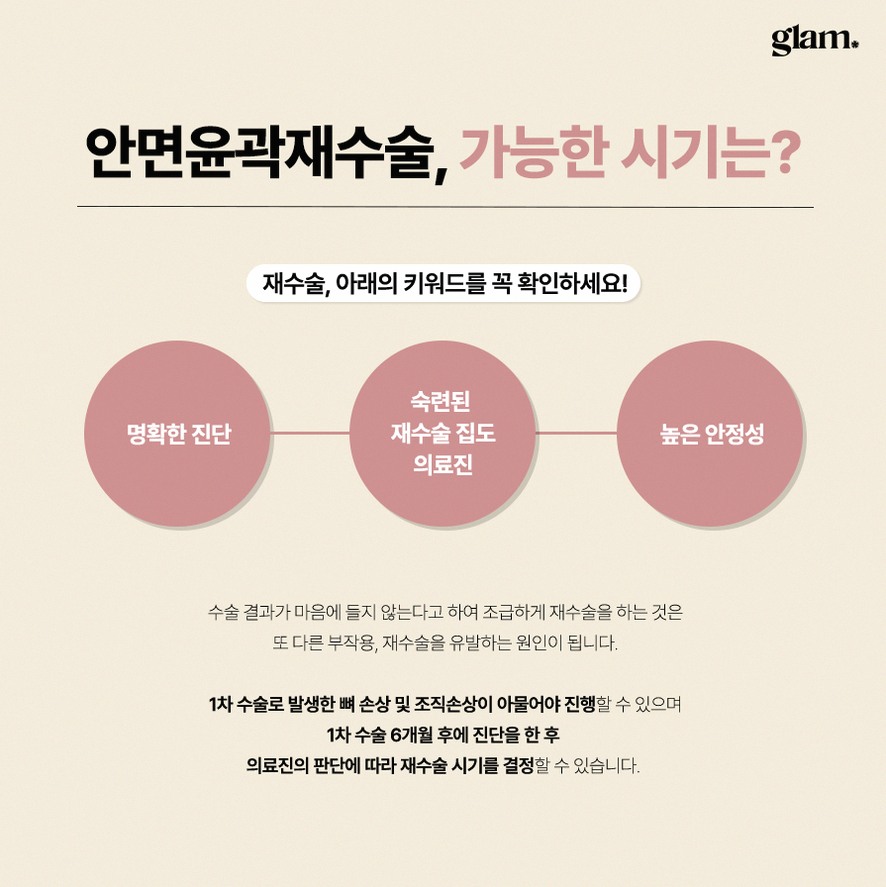
What is revision facial contouring
Revision facial contouring refers to secondary surgery performed after a previous cheekbone or jaw contouring procedure. The goal is to correct problems that remain or newly appear after the first operation, such as:
Asymmetry between the left and right cheekbones
Step deformities or visible edges where the bone was cut
Over-correction that makes the face look too flat or sunken
Under-correction where the face still looks wide
Functional issues such as discomfort, chewing problems, or nerve-related symptoms
Revision cheekbone reduction focuses on the zygoma area but often needs to consider the whole facial skeleton, especially if you also had jaw or chin surgery in the past.
Why revision cheekbone surgery is more demanding
Compared to a first-time cheekbone reduction, revision surgery is technically more challenging for several reasons:
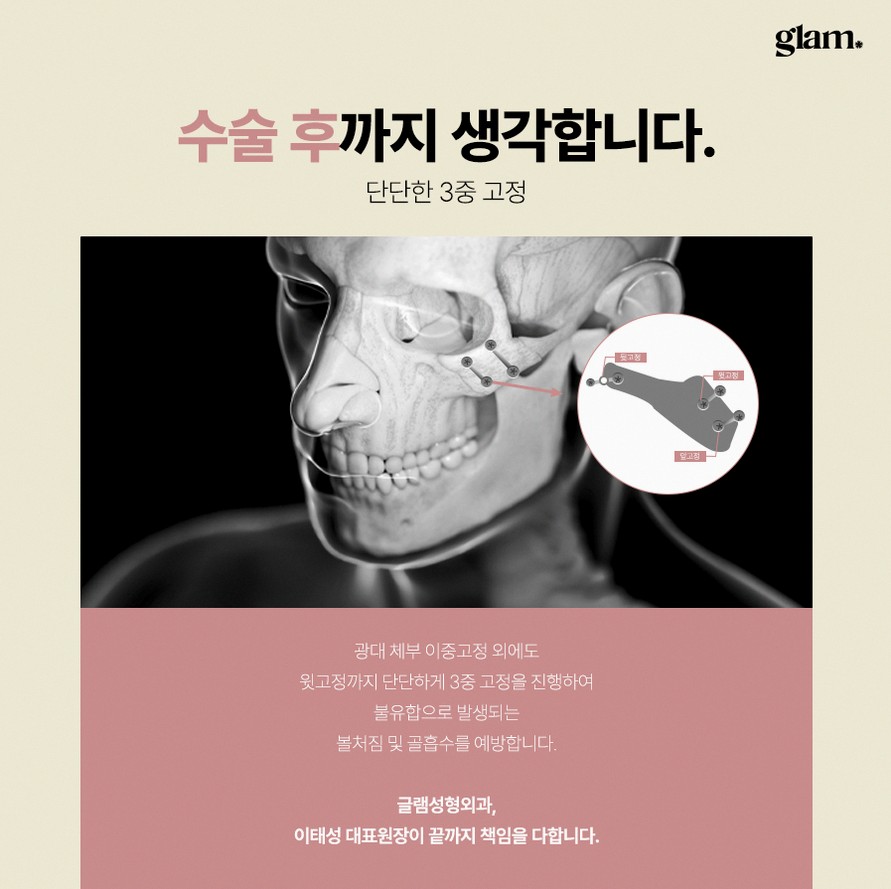
Existing plates and screws
Most primary cheekbone reductions use metal plates and screws to fix the bone. In revision cases, these may need to be removed, adjusted, or worked around. This makes the operation more delicate and can increase operating time.
Scar tissue and altered anatomy
After any bone surgery, scar tissue forms in the soft tissue and around the bone. The original anatomy is changed, and normal tissue planes are less clear. This means the surgeon must carefully dissect through scarred areas while protecting important structures.
Bone defects and irregularities
Previous surgery can leave bone defects, thin bone segments, or irregular steps along the zygomatic arch. Revision surgery often requires not only repositioning but also smoothing, contouring, or even bone grafting to restore a more natural shape.
Higher need for precise imaging and planning
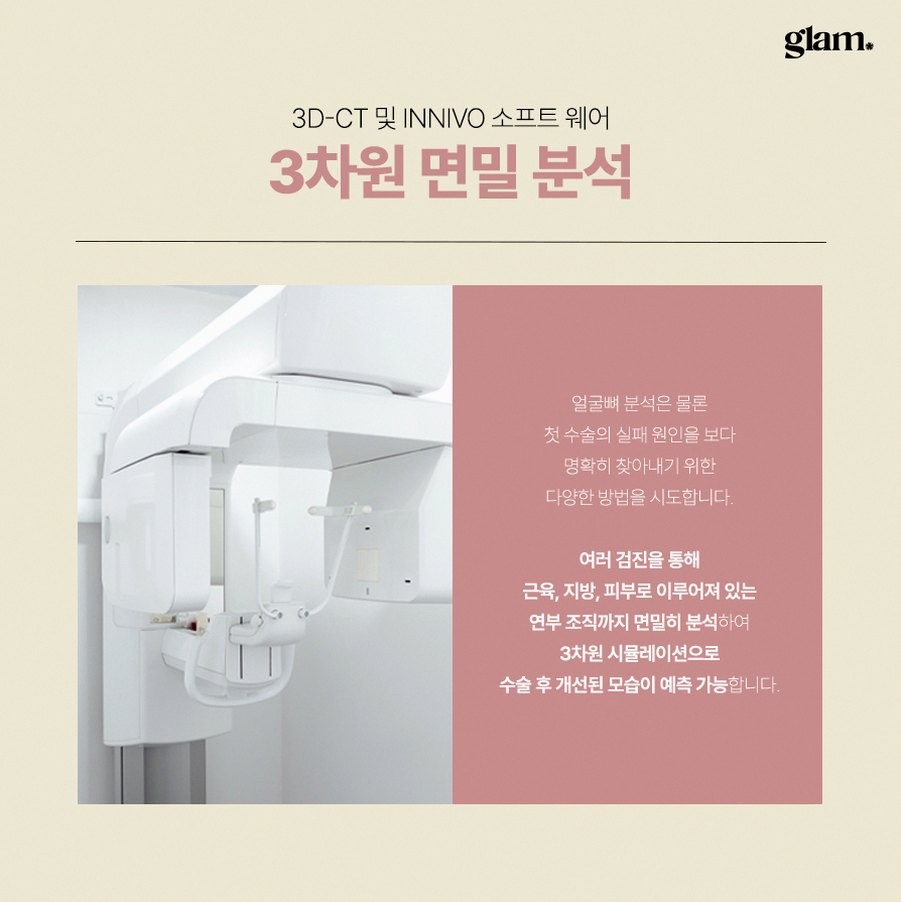
Because the anatomy has already been changed, revision cheekbone surgery relies heavily on detailed preoperative imaging. 3D CT scans, X-rays, and facial proportion analysis are used to understand the current bone structure, the position of plates and screws, and the relationship with nerves and the maxillary sinus.
Nerve function and bite stability
In revision cases, there is usually a stronger emphasis on preserving nerve function and maintaining or improving bite stability. If the first surgery affected sensation or chewing, the surgeon must plan carefully to avoid further damage and, when possible, relieve existing symptoms.
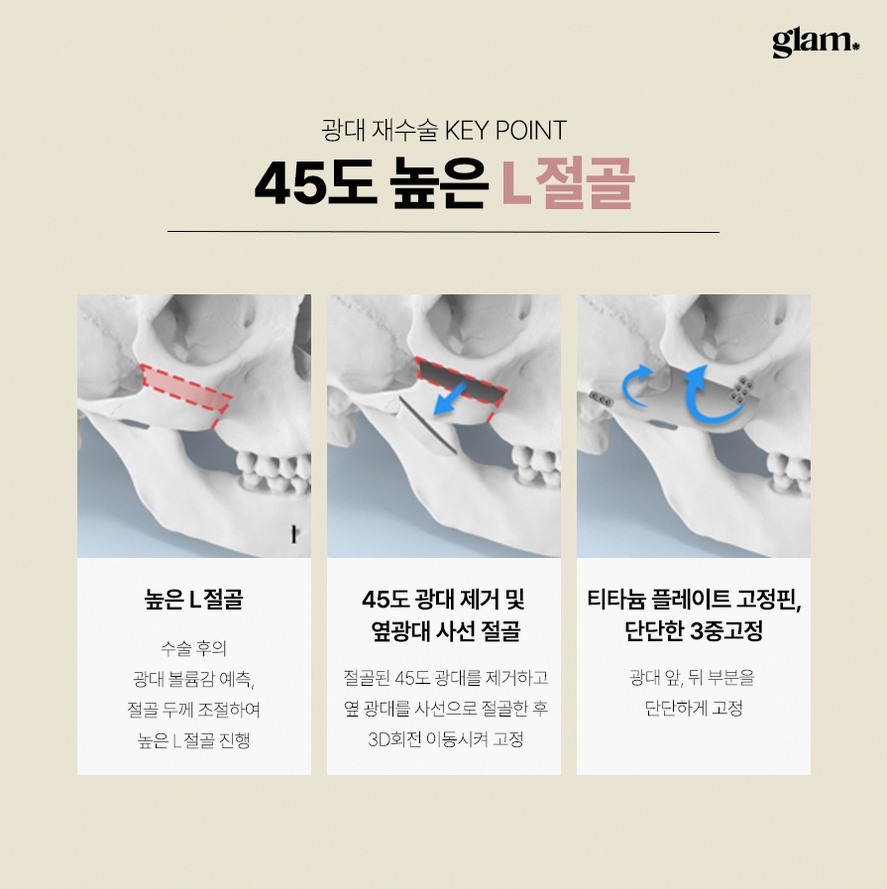
All of these factors contribute to why revision cheekbone reduction surgery cost is typically higher than primary surgery.
How cheekbone reduction surgery cost is structured
Why exact prices cannot be given online
Many international patients would like to know a clear number before traveling to Korea. However, responsible clinics avoid giving fixed prices without seeing your face and imaging. The final fee depends on multiple elements that can only be evaluated after consultation.
Key cost factors for cheekbone reduction and revision
Case type
Primary cheekbone reduction usually has a more predictable range of difficulty. Revision cheekbone reduction, especially after one or more previous surgeries, tends to be more complex. As a result, revision cases often require longer operating time, more detailed planning, and more intensive risk management, which all influence the cost.
Surgical scope
Only lateral cheekbone versus lateral plus front cheekbone: If only the side part of the zygoma needs correction, surgery may be simpler than when both the lateral arch and the front zygomatic body are involved.
Combined procedures: When cheekbone revision is combined with jaw angle or chin revision, the scope of surgery becomes larger. This can be more efficient than doing multiple separate operations, but it also affects the overall fee.
Need for bone grafting or contour smoothing: Some revision cases require filling defects or smoothing irregular bone edges. Additional materials and time increase the cost.
Difficulty level
Presence of old fixation plates and screws
Severe asymmetry between sides
Very thin or fragile bone
Previous complications such as non-union, infection, or significant nerve symptoms
These factors can make the surgery more demanding and may lead to a higher fee.
Preoperative diagnostics
High-quality revision surgery depends on detailed diagnostics. Cost may include:
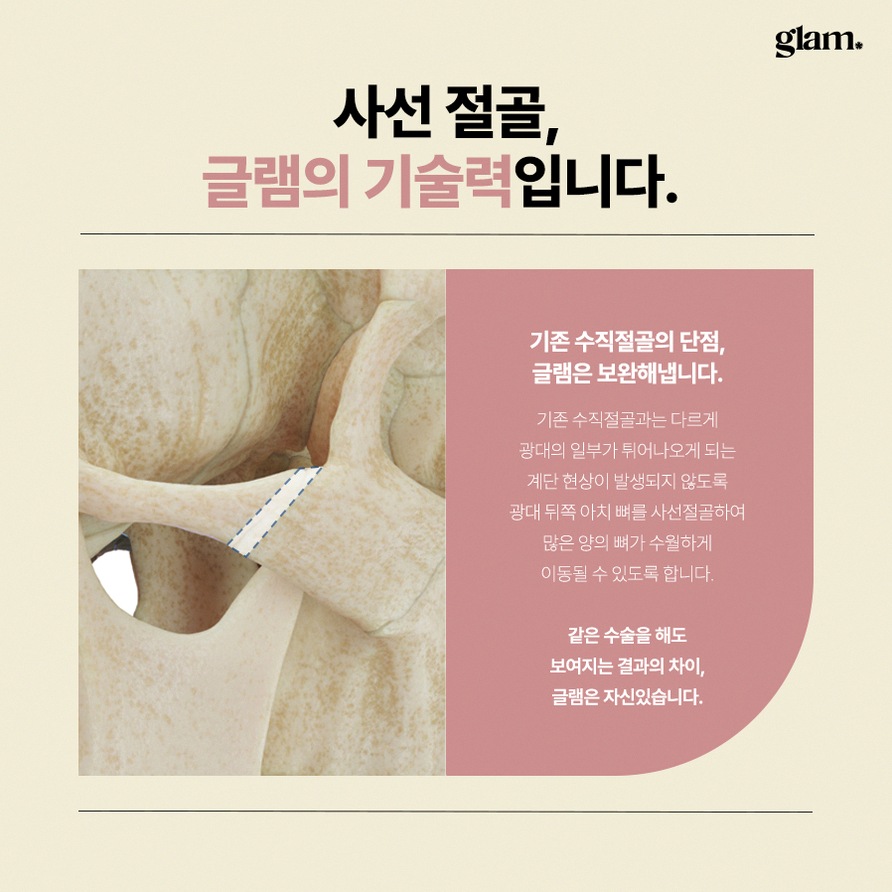
3D CT scans to assess bone shape, previous cuts, and plate positions
X-rays for occlusion and jaw relationship
Bite evaluation to check how the upper and lower teeth meet
Facial proportion analysis to plan a balanced contour
Some clinics include imaging in the surgery package, while others charge separately. This is an important point to clarify when comparing quotes.
Anesthesia and monitoring
The type of anesthesia and who manages it also affect cheekbone reduction surgery cost. Many facial bone centers work with a dedicated board-certified anesthesiologist who is responsible for anesthesia and intraoperative monitoring. General anesthesia, advanced monitoring systems, and safety protocols are reflected in the overall fee.
Hospital system and facilities
Operating room standards, sterilization, emergency equipment, and the quality of the recovery room and post-op monitoring system are part of the cost structure. Some revision cases may require short hospitalization; others can be done as day surgery with extended monitoring.
Postoperative care and included services
After cheekbone reduction, especially revision, structured aftercare helps manage swelling and supports recovery. Some clinics include:
Swelling management treatments
Scar care and wound checks
Skin and soft-tissue programs to help the face adapt to the new bone contour
These services may be bundled into the surgery cost or offered as optional packages. When you receive a quote, ask which postoperative treatments are included.
How to compare cheekbone reduction surgery quotes
What is usually included in the fee
When you receive estimates from different clinics in Gangnam or elsewhere in Seoul, try to compare them on the same basis. Ask whether the quote includes:
Initial consultation and basic examinations
3D CT and X-ray imaging
Surgery fee for cheekbone reduction or revision
Additional fees for plate removal or bone grafting
Anesthesia fee and anesthesiologist coverage
Operating room and recovery room use
Hospitalization, if needed
Postoperative visits and swelling care programs
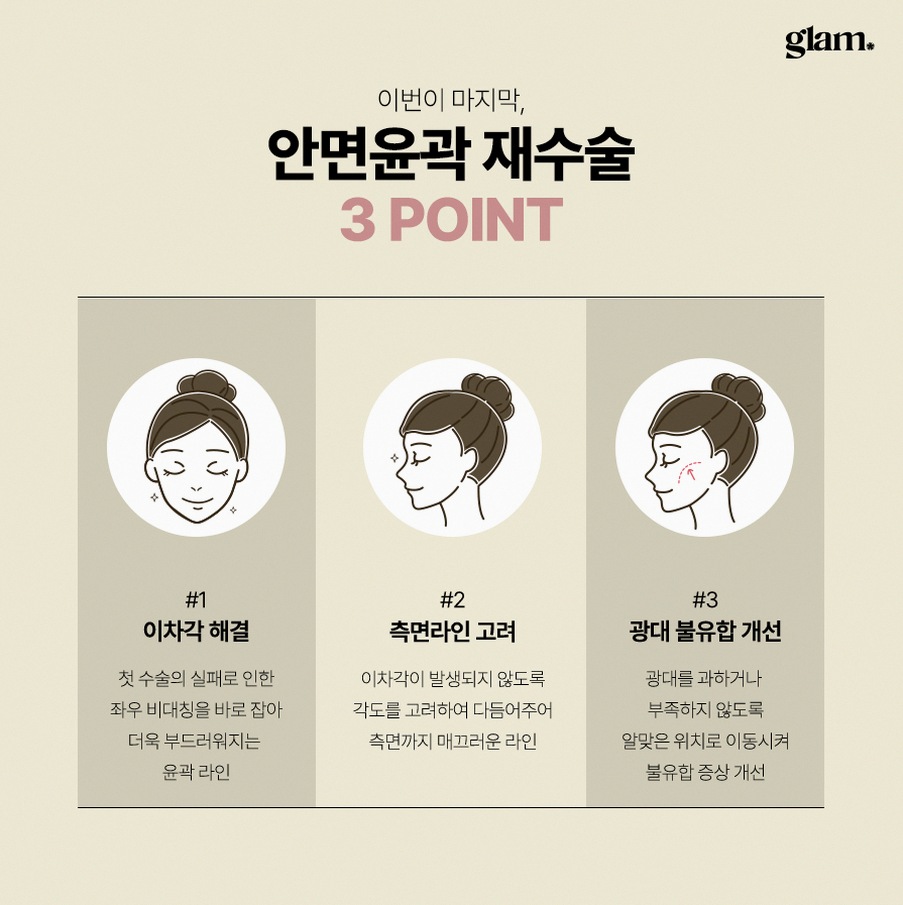
Who actually performs the surgery
For revision facial contouring, it is important to know who will operate and how involved they are in planning. You may want to ask:
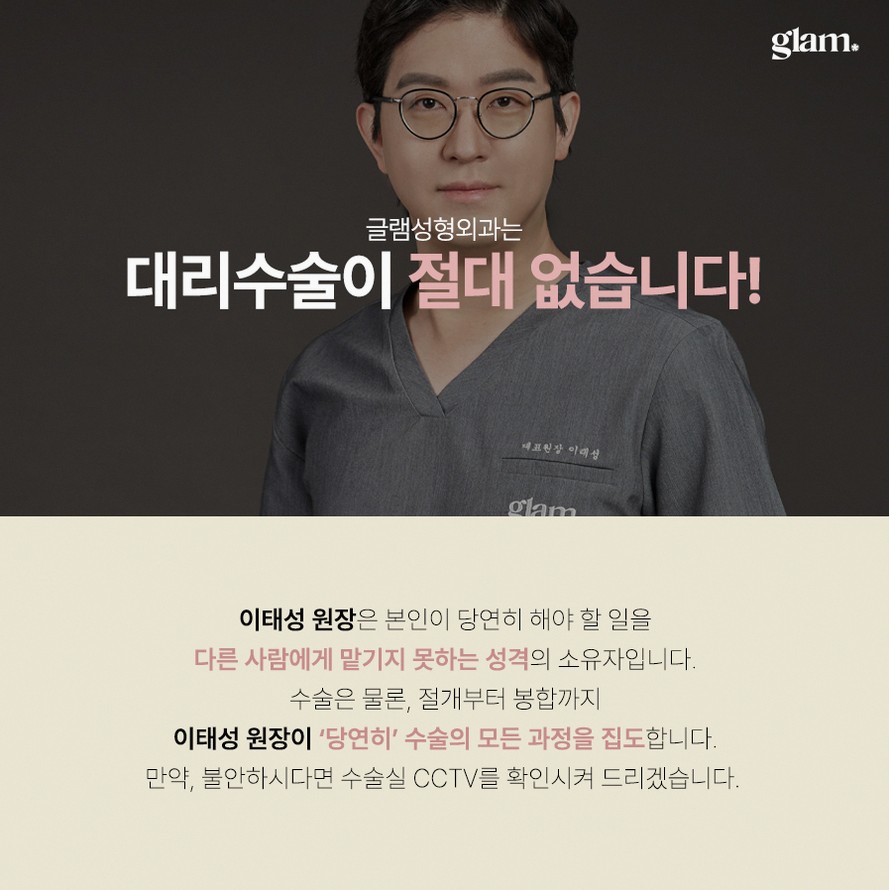
Does a board-certified plastic surgeon with substantial facial bone experience perform the surgery directly from beginning to end
How many cheekbone and revision contouring cases they handle regularly
Whether revision is a routine part of their practice, not an occasional case
Experience in complex facial bone work is especially important when previous plates, thin bone, or asymmetry are present.
A facial bone focused center in Sinsa, Gangnam
Specialization in facial bone surgery
In Sinsa, Gangnam, there are centers that focus their entire system on facial bone surgery rather than offering a wide range of aesthetic procedures. Such a clinic may concentrate on:
Double jaw surgery
Facial contouring, including cheekbone, V-line, and square jaw
Revision contouring for patients who had previous bone surgery
This kind of focused structure can be reassuring for patients who want a team that deals with facial bones every day.
Lead surgeon profile
As of February 2025, the lead surgeon has around 20 years of experience in facial bone surgery and has authored 13 SCI-level papers in the fields of facial contouring and orthognathic surgery, three of which were published in Plastic and Reconstructive Surgery.
At one such center near Sinsa Station, the lead surgeon is a board-certified plastic surgeon with around 20 years of experience in facial bone surgery. As of February 2025, he has authored 13 SCI-level papers on jaw and contour surgery, including 3 published in the journal Plastic and Reconstructive Surgery. This academic background is presented as an objective indicator of expertise and long-term focus on skeletal procedures.
Dedicated anesthesiology and safety system
The clinic also works with a dedicated board-certified anesthesiologist responsible for anesthesia and intraoperative monitoring. This division of roles allows the surgical team to focus on bone work while anesthesia is managed by a specialist.
Philosophy of minimum necessary surgery
The treatment philosophy emphasizes recommending only the minimum necessary surgery. For patients worried about overly aggressive procedures or unnecessary add-ons, this approach can help them feel more comfortable discussing realistic options and limits.
Exclusive focus on facial bone procedures
This Sinsa-based center does not offer eye, nose, or breast procedures. By focusing solely on facial bone surgery, the team aims to maintain a narrow but deep field of practice.
Safety evaluation and candidacy for revision cheekbone surgery
Preoperative evaluation steps
For international patients considering revision cheekbone reduction in Korea, a thorough preoperative evaluation is essential. Typical steps include:
Detailed consultation about previous surgeries and current concerns
Review of prior operative records, if available
Review of previous imaging from your home country, if you can provide it
New imaging in Korea, such as 3D CT and X-rays, to assess bone shape, plate positions, and nerve pathways
Evaluation of facial symmetry, bite, and soft-tissue condition
Discussion of your expectations and what is realistically achievable
Who may consider revision cheekbone reduction
You may be a candidate for revision cheekbone surgery if you have:
Visible asymmetry between the left and right cheekbones after previous surgery
Step deformities or visible or palpable edges along the zygomatic arch
A feeling that the previous reduction was too mild and the face still looks wide
A feeling that the face became too flat or sunken after over-reduction
Functional issues such as discomfort, chewing problems, or nerve-related symptoms that may be related to prior surgery
Limits and realistic expectations
Not every dissatisfaction can or should be corrected surgically. In some cases, the safest option is non-surgical management or accepting minor imperfections. During consultation, a responsible surgeon will explain:
Which issues are likely to improve with revision
Which changes are limited by your current bone and soft-tissue condition
What kind of scars, swelling, or temporary symptoms you may expect
That individual results vary and cannot be guaranteed
Surgical process overview for revision cheekbone reduction
Anesthesia and preparation
Revision cheekbone surgery is usually performed under general anesthesia, supervised by a board-certified anesthesiologist. Before surgery, you will undergo blood tests and other basic checks to confirm that you are fit for anesthesia.
Incisions and access
Incisions are often placed inside the mouth and or in hidden areas near the sideburn or scalp, depending on how your first surgery was done and where the plates are located. The goal is to access the cheekbone while keeping visible scars as discreet as possible.
Handling old plates and screws
If old fixation plates and screws interfere with the new plan or cause discomfort, they may be removed or repositioned. In some cases, certain plates can be left in place if they do not affect the revision.
Recontouring and repositioning
The surgeon then recontours or repositions the cheekbone to improve symmetry and facial width. This may involve cutting the bone again, shifting it, and smoothing irregular edges to reduce visible or palpable steps.
Fixation and closure
New plates and screws may be used to stabilize the bone in its new position. After fixation, the area is irrigated, and incisions are closed in layers. Drains may be placed temporarily, depending on the case.
Recovery milestones
Swelling and bruising usually peak within a few days and then gradually improve.
Light daily activities are often possible in about 1 to 2 weeks, depending on your general condition and the scope of surgery.
Bone healing continues for several months. During this period, heavy impact or strong chewing should be avoided according to your surgeon’s instructions.
The final contour becomes more visible as swelling subsides, often several months after surgery.
Postoperative care and included services
Swelling and recovery support
After facial bone surgery, structured aftercare can help manage swelling and support soft-tissue adaptation. At the Sinsa center described above, postoperative care may include:
LED therapy aimed at supporting circulation and recovery
Facial dome treatments designed to help with swelling management
Skin reset programs to care for the skin after facial bone surgery
Later in the recovery period, high-frequency lifting devices may be used, when appropriate, to support skin tightening and contour definition.
Supportive, not a substitute for surgery
These programs are supportive measures. They cannot replace proper surgical planning and technique but can be part of a comprehensive recovery plan. Depending on your individual treatment plan, some of these services may be included in the surgery package, while others may be optional.
Cost versus value: how to choose a clinic
Why the lowest price is not always the best choice
For revision cheekbone reduction, focusing only on the lowest cost can be risky. Revision is technically demanding and carries higher risk than primary surgery. Poorly planned low-cost surgery can lead to further revisions, higher total costs, and potential irreversible damage.
Practical checklist before booking
When you compare clinics in Gangnam or elsewhere, consider asking:
Is facial bone surgery, such as double jaw and contouring, the main or only focus of the clinic
Does a board-certified plastic surgeon with substantial facial bone experience operate directly
Is a board-certified anesthesiologist present throughout the surgery
Are 3D imaging and thorough preoperative evaluations standard for cheekbone and revision cases
Does the surgeon discuss realistic expectations and the possibility that surgery may not be recommended
What exactly is included in the quoted cheekbone reduction surgery cost, from imaging to aftercare
Preparing questions before your consultation
Before contacting clinics, it can help to write down:
Your previous surgery dates and types of procedures
Any existing symptoms such as numbness, pain, or chewing difficulty
Your main aesthetic concerns and what you hope to change
Questions about imaging, anesthesia, hospitalization, and aftercare
This preparation makes online consultation more efficient and helps the medical team understand your situation quickly.
Planning your visit to Korea
Online consultation and pre-visit preparation
Most overseas patients start with an online consultation. You will usually be asked to send:
Front and side facial photos in good lighting
Any previous 3D CT or X-ray images, if available
Information about past surgeries and medical history
Based on this, the clinic can provide a preliminary opinion, discuss whether revision seems feasible, and give you a rough idea of the expected treatment plan and stay duration. Exact cheekbone reduction surgery cost and final planning are confirmed after in-person examination and imaging in Seoul.
Typical visit timeline
While schedules are customized, a common timeline for international patients is:
Day 1 to 2: In-person consultation, 3D CT and X-rays, detailed planning, preoperative tests
Day 3: Surgery day, followed by recovery in the clinic and or short hospitalization if needed
First 1 to 2 weeks: Regular follow-up visits for wound checks and swelling management
After 2 weeks: Many patients can return to light daily activities and may fly home, depending on their condition and surgeon’s advice
If you live far away, discuss the minimum recommended stay and how follow-up can be managed once you return home.
Location and accessibility
The facial bone center described here is located on Dosan-daero in Sinsa, Gangnam, within walking distance of Sinsa Station Exit 1 on Line 3. This makes it convenient for both local and international patients. The clinic provides multilingual support, including English, Japanese, and Thai, and uses social media and messaging channels for inquiries and preliminary communication.
FAQ about cheekbone reduction surgery cost and revision in Korea
How much does cheekbone reduction surgery usually cost in Seoul
The cost of cheekbone reduction in Seoul varies widely depending on whether it is a primary or revision surgery, how complex your case is, and what is included in the package. Because revision facial contouring often involves handling old plates, scar tissue, and asymmetry, it usually costs more than first-time surgery. A responsible clinic will give you a personalized quote only after consultation and 3D imaging, rather than a one-size-fits-all number.

Why is revision cheekbone surgery more expensive than first-time surgery
Revision cheekbone surgery is more expensive mainly because it is more complex and time-consuming. The surgeon must work around or remove existing plates and screws, manage scar tissue, correct irregular bone, and carefully protect nerves and bite function. This requires more detailed imaging, longer operating time, and more intensive risk management, all of which are reflected in the cost.
What should be included in a cheekbone reduction surgery quote
A transparent quote should clearly state whether it includes consultation, 3D CT and X-rays, the surgery fee, anesthesia, operating room use, hospitalization if needed, and postoperative care such as swelling management and follow-up visits. When comparing clinics, ask for a breakdown so you can see what each fee covers instead of focusing only on the headline number.
Can all unsatisfactory results be fixed with revision cheekbone surgery
Not all concerns can be fully corrected with revision surgery. In some cases, the bone and soft tissues have limits, and further surgery may carry more risk than benefit. A careful evaluation is needed to decide whether revision is appropriate or if non-surgical management or accepting minor imperfections is safer. A responsible surgeon will explain these limits clearly and will not recommend surgery if the potential benefit is too small compared to the risk.
Soft call to action
If you are considering cheekbone reduction or revision facial contouring in Korea and want to understand your likely surgery plan and cost more clearly, you can start with an online consultation. By sharing your photos, previous records, and concerns, the facial bone team in Sinsa, Gangnam can provide individualized guidance and help you decide whether a visit to Seoul for in-person evaluation is the right next step for you.




- 공유 링크 만들기
- X
- 이메일
- 기타 앱


댓글
댓글 쓰기