Cheekbone Reduction Revision Surgery in Gangnam for Overseas Patients
- 공유 링크 만들기
- X
- 이메일
- 기타 앱
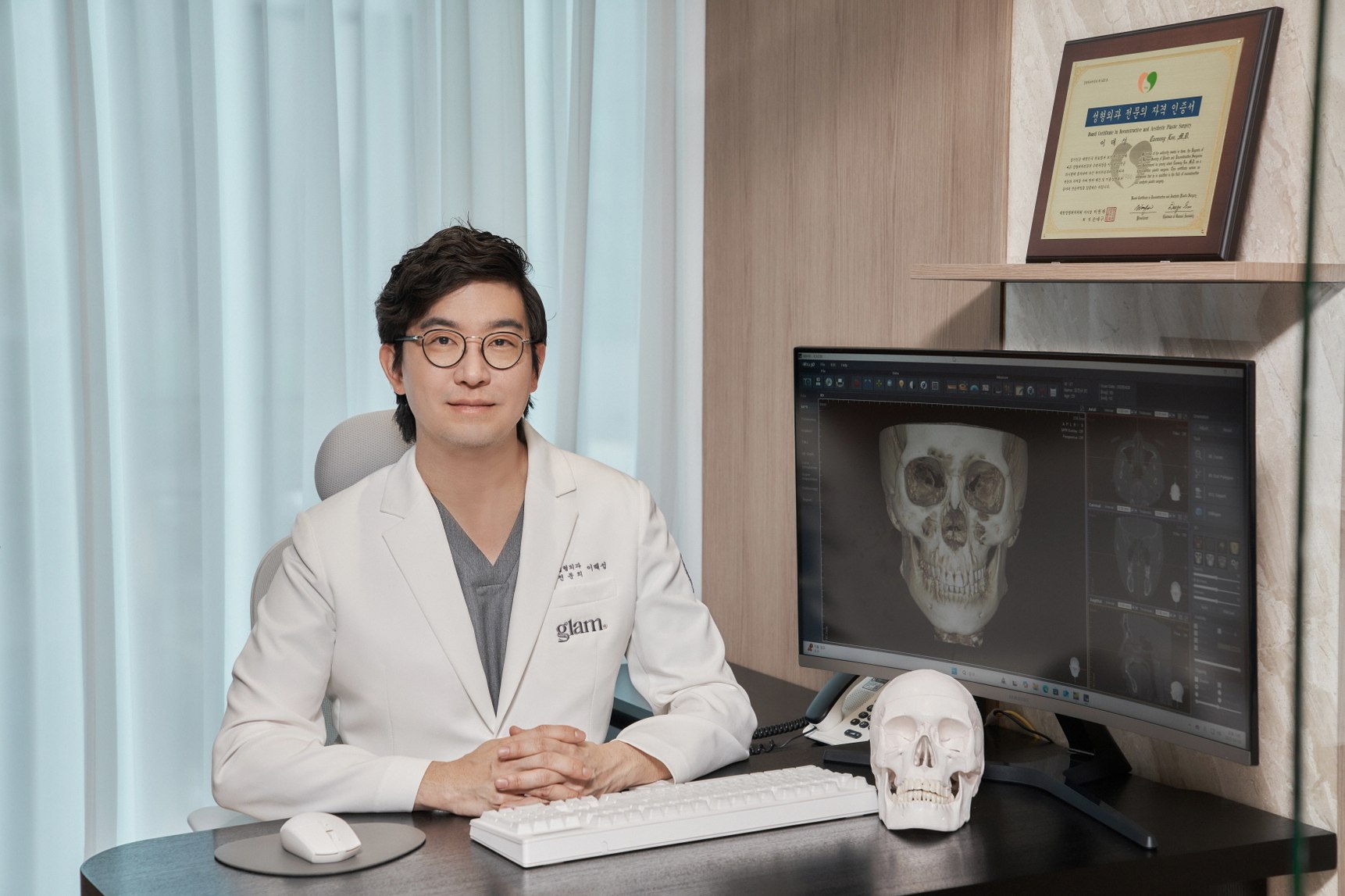
Direct answer: what is cheekbone reduction revision surgery?
Cheekbone reduction revision surgery is a second (or later) operation to correct problems that remain after a previous cheekbone, zygoma, or facial contouring procedure. It is not simply repeating the same cuts. The surgeon must first understand exactly how your cheekbones were moved before, what went wrong, and what is still possible with the remaining bone and soft tissue.
In the Sinsa Station area of Gangnam, there are many cosmetic clinics. However, only a small number of centers focus exclusively on facial bone surgery such as double jaw and contouring procedures. This kind of specialization is especially important for revision cheekbone surgery, which is more complex and delicate than first-time operations.
This guide is written for international patients who are unhappy with their current cheekbone shape after surgery and are considering revision in Seoul. It explains when revision may be considered, how it is evaluated and planned, what to expect during a visit to Korea, and how a facial bone–only center in the Sinsa area approaches safety and aftercare.
Overview of cheekbone revision surgery
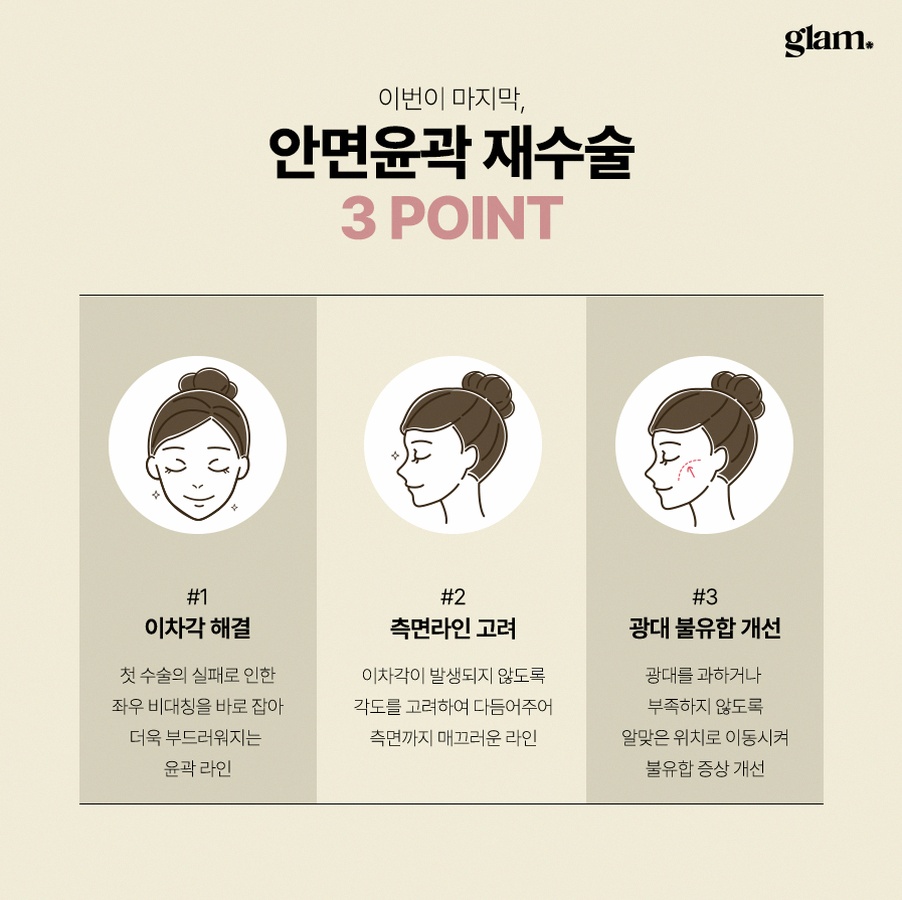
Cheekbone (zygoma) reduction aims to narrow a wide midface and soften a strong or angular look. In revision cases, the goal is usually more specific: to correct asymmetry, persistent width, hollowness, or irregular lines that appeared or became more obvious after the first surgery.
y surgery, focusing on the minimum necessary change that can bring visible improvement without adding unnecessary risk.
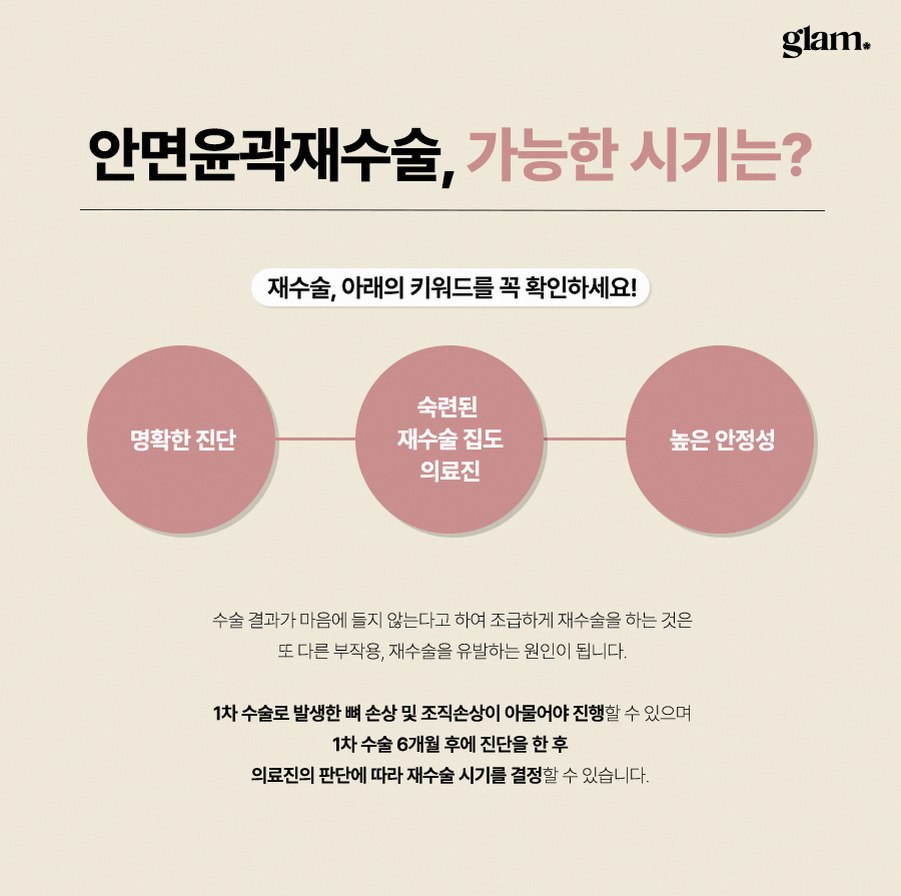
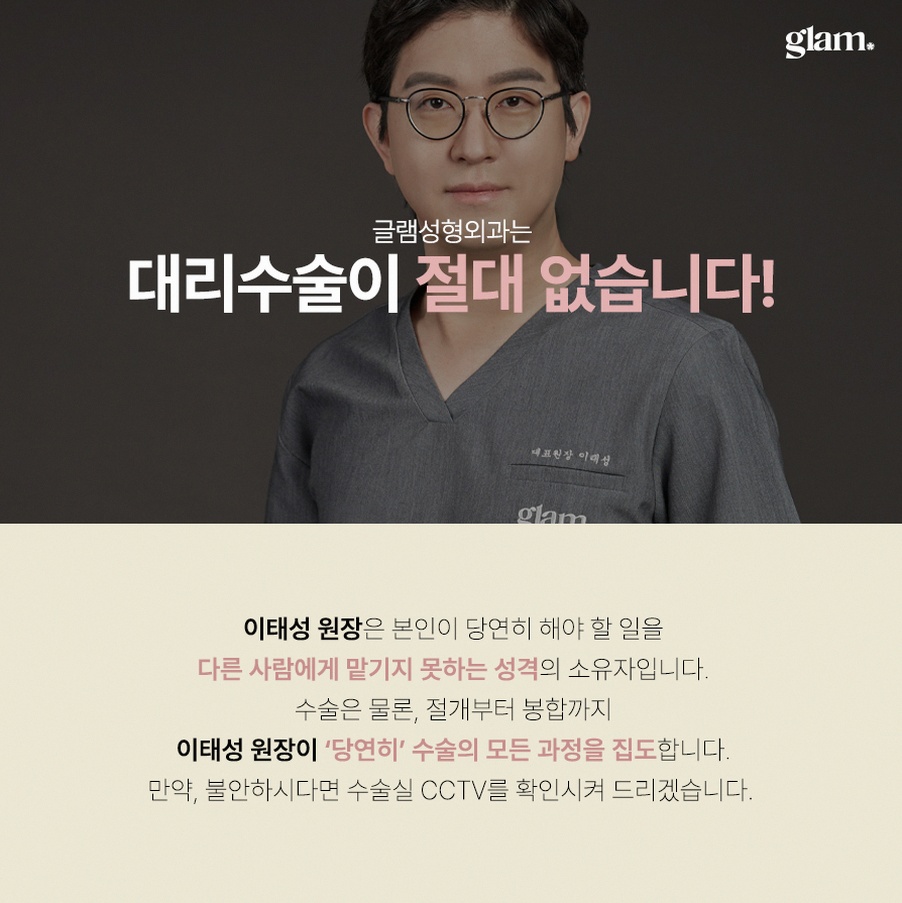
At a facial bone–only center near Sinsa Station, the medical team is built around this type of work. As of February 2025, the operating surgeon has 20 years of experience in facial bone surgery, including double jaw and contouring, and has published multiple scientific articles in international plastic surgery journals up to early 2025.
When is cheekbone revision considered?
Patients usually start searching for cheekbone revision when they feel that the first operation did not give the result they hoped for, or when new problems appeared over time. Common reasons include:
Persistent width or protrusion. Even after previous cheekbone reduction, the face can still look wide from the front or too prominent in the 45-degree angle view. This may be due to under-correction, incomplete movement of the zygomatic arch, or the original bone shape.
Asymmetry. One cheekbone may look higher, wider, or more projected than the other. This can be related to differences in bone cutting, fixation, or healing, and may be more visible in photos or under certain lighting.
Over-reduction and hollowing. If too much bone was removed or moved inward, the midface can look sunken, flat, or older than before. This is often most noticeable around the front cheek area under the eyes.
Step deformities and irregular contours. Some patients notice visible ridges, steps, or dents along the cheekbone line, especially when they turn their head or in side lighting. These may be caused by misaligned bone segments or uneven shaving.
Soft tissue sagging. After bone reduction, the overlying soft tissue sometimes loses support and starts to sag. This can show as droopy cheeks, deepened nasolabial folds, or jowls along the jawline.
Functional issues. In some cases, patients experience discomfort when chewing, tightness, muscle pain, or a bite that feels different, especially if cheekbone surgery was combined with other facial contouring.
It is important to understand that not every problem requires or is suitable for aggressive re-cutting of the cheekbone. In some situations, the safest and most reasonable goal is partial correction: smoothing irregularities, adjusting plates, or supporting soft tissue with volume procedures rather than large bone movement.
Key evaluation points before revision
Before any revision is considered, a careful and structured evaluation is essential. At a facial bone–only center, the entire diagnostic process is designed around bone surgery rather than soft-tissue-only procedures.
Medical history and previous records. During consultation, the surgeon will ask detailed questions about your previous operations: when and where they were done, what procedures were performed together, and how your recovery went. If you have operative records, pre- and post-surgery scans, or X-rays from your first surgery, these are very helpful. If you do not have them, revision is still possible, but the surgeon will rely more on current imaging.
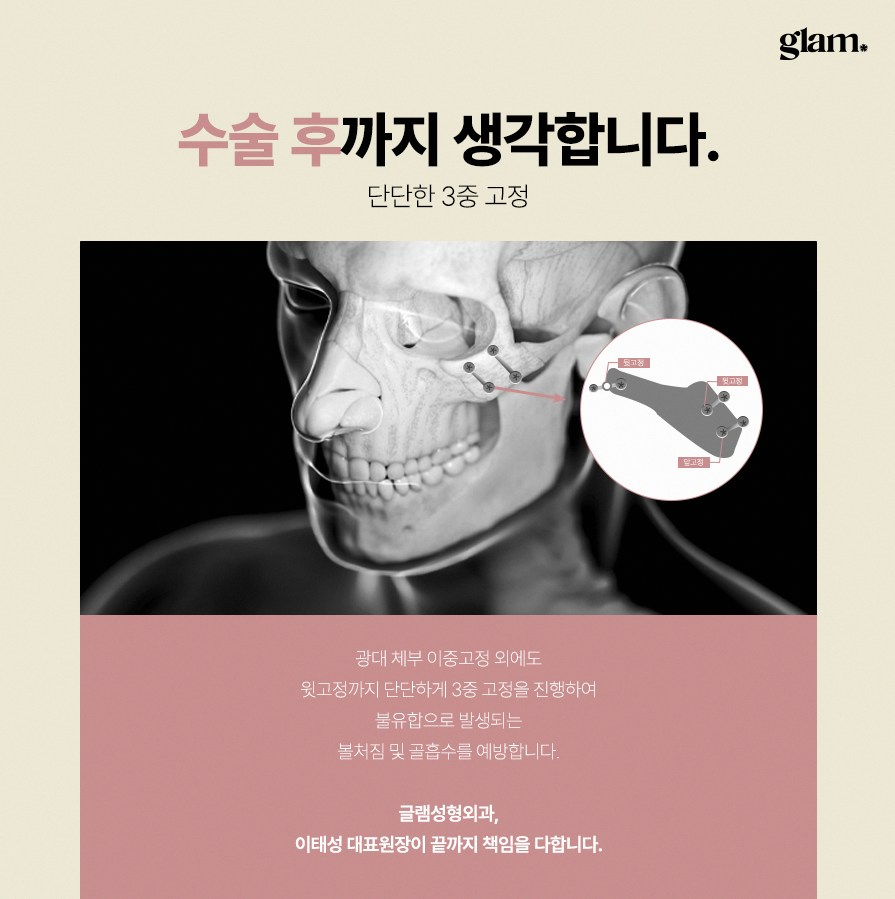
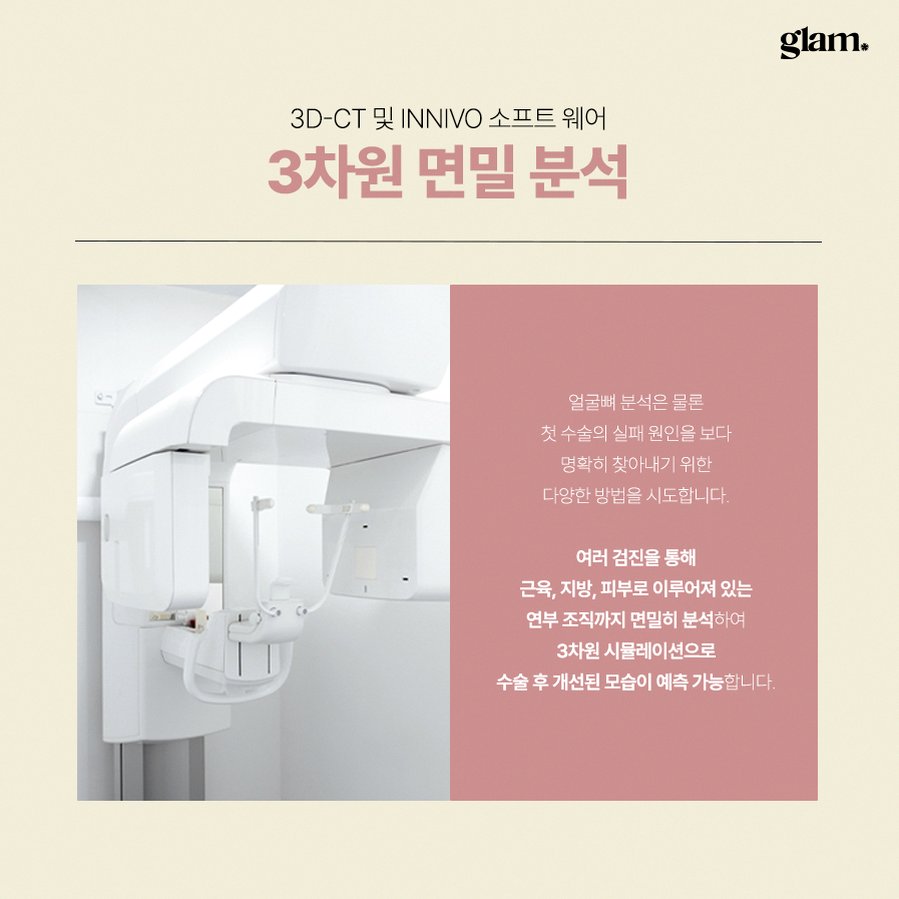
3D imaging and X-rays. Modern 3D CT scans and facial X-rays allow the surgeon to see the current shape and position of your cheekbones, the thickness of the remaining bone, and the location of fixation plates and screws. This is especially important to avoid cutting into thin or weakened areas and to plan safe new fixation points.
Facial balance assessment. Cheekbones cannot be evaluated alone. The surgeon will look at how your zygoma relates to your jawline, chin, and midface volume. Sometimes what feels like a cheekbone problem is partly related to chin position or jaw angle, and the plan may need to consider the whole facial frame.
Nerve evaluation. The infraorbital nerve and other sensory branches run close to the cheekbone. The surgeon will check for existing numbness, tingling, or sensitivity changes and will study imaging to understand nerve pathways. This helps in planning cuts and dissection to reduce the risk of further nerve irritation.
Soft tissue and skin condition. The quality and thickness of your skin, presence of sagging, and any previous incisions inside the mouth or scalp are also checked. In revision, the relationship between bone and soft tissue is often the key to a natural-looking result.
Because this clinic focuses exclusively on facial bone surgery, all of these evaluation steps are part of a standard protocol, not an add-on. The aim is to understand your current anatomy and limitations clearly before suggesting any revision.
Surgical approaches in cheekbone revision
The specific revision method depends on what was done in the first surgery and what your current concerns are. In general, several patterns are common.
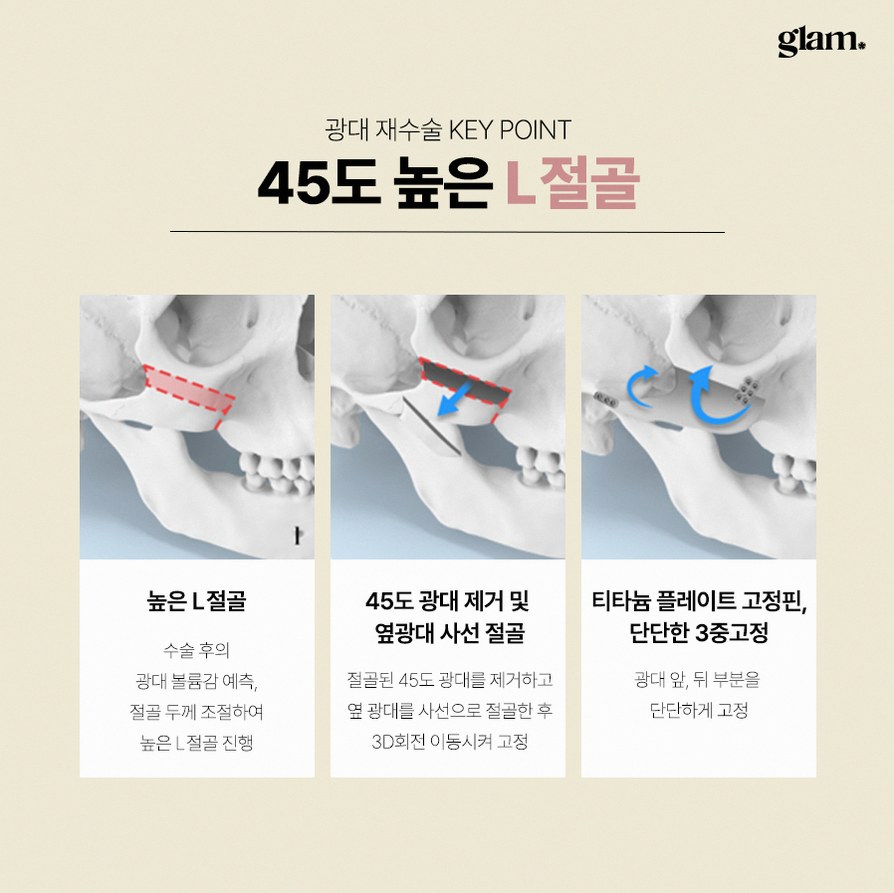
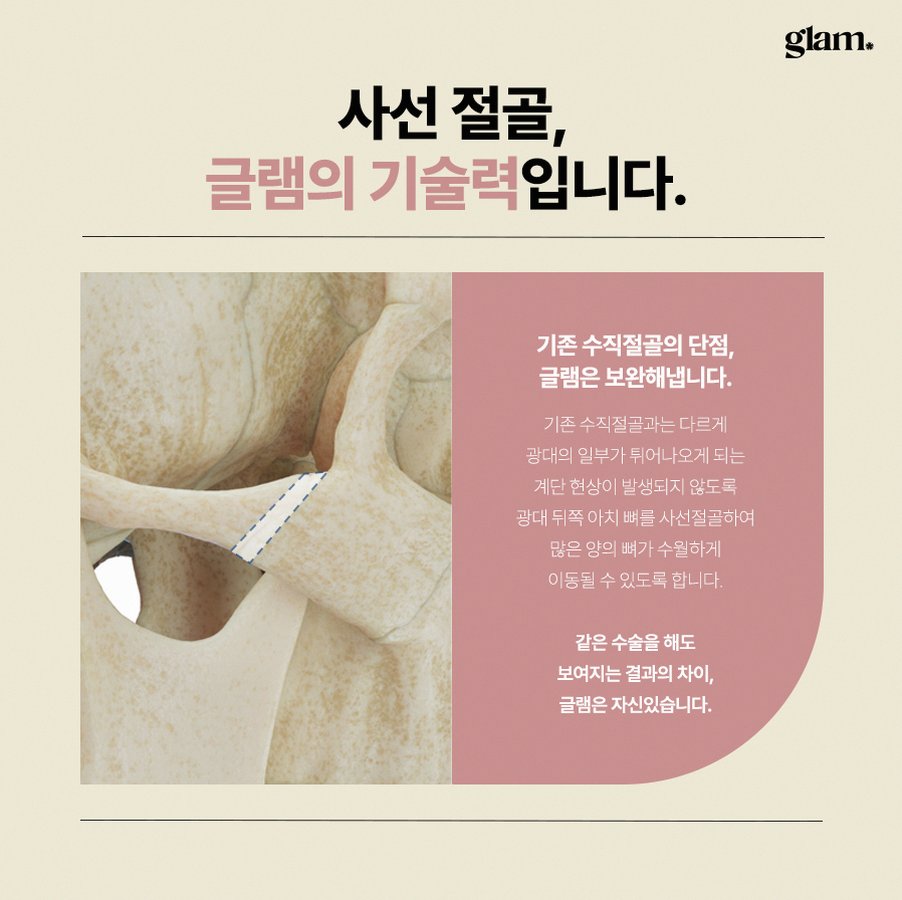
Under-correction and persistent width. If the cheekbones were not moved enough, or if the arch was not properly repositioned, additional reduction or repositioning may be considered. This can involve re-approaching the zygomatic body and arch, adjusting the angle and rotation of the bone segment, and securing it in a more inward and slightly backward position. Because the bone is already cut once, stability and fixation are especially important.
Over-resection and hollow cheeks. When too much bone has been removed or moved inward, it is usually not safe to cut and move the bone outward again. Instead, the focus shifts to contouring and volume restoration. Options can include smoothing surrounding bone edges, using fat grafting to restore midface volume, or carefully selected implants to fill hollows and soften sharp transitions.
Asymmetry. For uneven cheekbones, revision may target one side or both. Using 3D analysis, the surgeon measures the difference in projection, width, and height, and plans limited adjustments to bring the two sides closer in balance. The goal is improvement, not mathematical perfection, because facial expressions and soft tissue always introduce some natural variation.
Step-offs and irregular lines. If there are noticeable ridges or steps along the cheekbone, revision may involve shaving or contouring the bone, adjusting or removing plates, and smoothing transitions between segments. This is often done through intraoral or hidden incisions to avoid new visible scars.
Soft tissue sagging. Bone revision alone may not fully correct sagging. Depending on the case, the plan can combine limited bone adjustment with soft-tissue support such as lifting techniques or volume procedures. The surgeon will explain which part of your concern is bone-related and which part is mainly soft tissue.
In all of these situations, the planning philosophy is the same: aim for the minimum necessary change to achieve visible improvement, while keeping bone stability, nerve safety, and long-term facial harmony as priorities.
Safety system and anesthesia
Revision facial bone surgery usually takes longer and is more delicate than first-time procedures. This makes a structured safety system and stable anesthesia especially important.
At this Sinsa-area facial bone center, cheekbone revision is performed by a plastic surgeon with around 20 years of focused experience in facial bone surgery, including double jaw and contouring. The surgeon has contributed multiple SCI-level publications on facial bone procedures in international journals up to early 2025, including a leading plastic surgery journal. This academic background reflects a habit of evidence-based planning and careful technique.
An anesthesiologist (anesthesiology and pain medicine specialist) is in charge of anesthesia and monitoring throughout the operation. For revision cases, where scar tissue and altered anatomy can increase the risk of bleeding or airway difficulty, continuous expert monitoring helps maintain stable blood pressure, oxygen levels, and pain control.
For you as an overseas patient, this system matters because you are undergoing major bone surgery far from home. Knowing that both the surgical and anesthesia teams are specialized in facial bone work can provide reassurance about safety during a longer operation.
Postoperative care and swelling management
After cheekbone revision, swelling and bruising are expected, and may be similar to or slightly more than your first surgery. A structured aftercare program can help your recovery period feel more manageable.
This facial bone center provides several supportive measures for post-operative care. LED therapy and facial dome treatments are used to support circulation and healing, and to help swelling gradually decrease. These are non-invasive sessions that you can receive during follow-up visits after surgery.
In addition, there are skin and soft-tissue care programs aimed at helping your face settle smoothly into its new contour. Gentle treatments are timed according to your healing stage, focusing first on reducing swelling and later on improving skin quality and elasticity around the cheeks.
It is important to remember that these treatments are supportive. They cannot replace surgical planning and technique, but they can make the recovery period more comfortable and may help your final contour appear more clearly as swelling resolves.
Philosophy: minimal necessary surgery and realistic expectations
Many patients seeking cheekbone revision are emotionally tired. They may feel regret about their first surgery, worry about making things worse, and at the same time strongly wish for improvement. In this situation, a careful and honest approach is crucial.
The philosophy at this facial bone–only clinic is to recommend only the minimum surgery needed to address your main concerns. If your problem can be reasonably improved with limited bone adjustment plus soft-tissue solutions, the surgeon will not encourage extensive new cuts just because they are technically possible.
During consultation, the surgeon will explain what can and cannot be changed with bone revision. For example, if your remaining cheekbone is already thin, large movements may not be safe. In such cases, the plan may focus on smoothing irregularities and using volume or lifting methods to improve the overall look instead of trying to rebuild the original bone structure.
You are encouraged to value honest discussion about limitations. A realistic goal is improvement, not a completely new face. Sometimes a step-by-step plan is suggested, starting with bone revision and then, after healing, considering additional soft-tissue procedures only if still needed.
Who may be a good candidate for cheekbone revision?
Timing, expectations, and bone condition all influence whether you are a suitable candidate.
Time since previous surgery. In general, it is recommended to wait at least several months after your first cheekbone operation before considering revision. For many patients, 6 to 12 months is ideal, because by then swelling has settled, bone has healed, and the final contour is more visible. Operating too early can interfere with healing and make it difficult to judge what is truly a permanent problem.
Clear, specific concerns. You are more likely to benefit from revision if you can describe particular issues such as asymmetry, persistent width at a certain angle, or a hollow area under the eyes. Vague dissatisfaction without specific features is harder to address with surgery alone.
Realistic goals. Good candidates understand that revision aims to improve their current face, not to erase all traces of the first surgery. They are willing to accept that some limitations exist and that perfect symmetry is not possible.
Cautions and limitations. Severe scarring inside the mouth or around the cheekbone, extremely thin remaining bone, or multiple previous contouring surgeries may limit what can be done safely. In addition, patients who strongly desire repeated major bone changes or who expect a completely different face may not be good candidates for further surgery.
Online consultation and pre-visit preparation
As an overseas patient, you will usually start with an online consultation before deciding whether to travel to Seoul.
For the most useful consultation, prepare the following if possible:
Clear front, 45-degree, and side photos of your face in natural lighting, without filters or heavy makeup.
Information about your previous surgery: date, clinic or hospital name, what procedures were done together, and any complications during recovery.
Any available imaging or records from your first operation, such as CT scans, X-rays, or operative notes. Digital files are especially helpful.
A short written list of your main concerns, in order of priority. For example: 1) right cheekbone higher than left, 2) hollow area under eyes, 3) sagging around mouth.
The clinic offers multilingual support in English, Japanese, and Thai, and can communicate via email or social media channels. During online consultation, you can ask whether your case seems suitable for revision, what kind of changes might be realistic, and how long you would need to stay in Korea.
Expected Korea visit timeline for cheekbone revision
The exact schedule can vary, but many overseas patients follow a similar timeline.
First in-person consultation and imaging. After arriving in Seoul, you usually visit the clinic within one or two days. At this visit, you will have 3D imaging and X-rays, a detailed facial examination, and an in-depth discussion with the surgeon. The plan made online may be adjusted based on these findings.
Preoperative tests and scheduling. Basic blood tests and other preoperative checks are done to confirm that surgery is safe for you. If everything is stable, surgery is often scheduled within a few days of the first visit, depending on your travel dates and the clinic’s operating schedule.
Surgery day and immediate recovery. Cheekbone revision is done under general anesthesia. After surgery, you will stay in the recovery area for monitoring until you are stable. Most patients go back to their accommodation the same day, accompanied by a guardian or friend if possible.
Follow-up visits. Over the next one to two weeks, you will return to the clinic for checks, dressing changes, and supportive treatments such as LED or facial dome sessions. The team will monitor swelling, healing of incisions, and any early signs of complications.
Minimum stay in Korea. Many international patients plan to stay in Seoul for about 10 to 14 days after cheekbone revision, depending on the complexity of the surgery and their individual healing. The clinic will give you a recommended minimum stay based on your case.
Return home and remote follow-up. After you go back to your country, you can continue follow-up by sending photos and updates online. The clinic can advise you on normal healing stages, when to resume full activities, and when any further treatments might be considered.
Aftercare and daily life during recovery
In the first days after surgery, you can expect swelling, mild to moderate discomfort, and sometimes bruising around the cheeks and under the eyes. Pain is usually manageable with prescribed medication.
You will be guided on how to:
Sleep with your head elevated to help swelling go down.
Rinse your mouth carefully if intraoral incisions were used.
Avoid hard chewing and heavy exercise for a certain period.
Watch for warning signs such as sudden increased pain, fever, or unusual bleeding, and contact the clinic if they occur.
Most patients can walk around and do light daily activities within a few days, but visible swelling may last for several weeks. The majority of swelling usually improves in the first one to two months, with more subtle changes continuing for several more months as tissues settle.
Frequently asked questions about cheekbone revision
How long should I wait after my first cheekbone surgery before considering revision?
In general, it is safer and more accurate to evaluate revision at least 6 to 12 months after your first cheekbone operation. By this time, most swelling has resolved and the bone has healed, so the surgeon can see your true contour. In some cases with clear complications, earlier evaluation may be needed, but the decision to operate early is made very carefully.
Is cheekbone revision more dangerous than the first surgery?
Revision is usually more complex because of scar tissue, existing plates or screws, and thinner remaining bone. This does not mean it is always dangerous, but it does require more detailed planning and experienced hands. A facial bone–only center with a long-term facial bone surgeon and a dedicated anesthesiology specialist is better prepared for these challenges. The key is to limit the surgery to what is necessary and to respect the limits of your current anatomy.
Can revision fix both asymmetry and sagging at the same time?
In many cases, the plan can address both bone asymmetry and soft-tissue sagging, but they may not be solved by the same technique. Bone revision can improve symmetry and contour, while sagging often needs soft-tissue support or lifting. During consultation, the surgeon will explain which part of your concern is mainly bone-related and which part is soft tissue, and suggest whether to address them in a single stage or in steps.
What if I do not have the records from my first surgery?
It is still possible to plan cheekbone revision without previous records, although having them is helpful. Modern 3D imaging and X-rays allow the surgeon to see where cuts were made, how the bone healed, and where plates and screws are placed. Based on this, the surgeon can estimate what was done and design a revision strategy. If you can, try to at least provide the approximate date and place of your first surgery.
Will numbness or nerve issues get worse after revision?
Any bone surgery near the cheekbone carries some risk of temporary or, less commonly, lasting changes in sensation. If you already have numbness from your first surgery, the surgeon will study your imaging and examine you carefully to understand the current nerve status. The goal in revision is to avoid further damage by planning safe dissection paths and minimizing unnecessary manipulation. In some cases, existing numbness may slowly improve over time, but this cannot be guaranteed.
How long does swelling last after cheekbone revision compared with the first operation?
Swelling after revision is often similar to or slightly more prolonged than after primary cheekbone surgery. The first one to two weeks are usually the most noticeable. Most patients see a clear reduction in swelling over the first one to two months, but subtle changes can continue for several more months. Supportive treatments such as LED therapy and facial dome sessions, along with careful self-care, can help this process.

Practical access information for overseas patients
The clinic is located on the fourth floor of a building on Dosan-daero in Gangnam, about 200 meters on foot from Sinsa Station exit 1. Weekday hours run without a lunch break, which can be convenient if you are trying to fit consultations and treatments into a short stay. The clinic is open on Saturdays and closed on Sundays and public holidays.
Multilingual support is available in English, Japanese, and Thai, and initial questions can often be handled through email or social media. This makes it easier to clarify whether you are a potential candidate for cheekbone revision before you book flights and accommodation.
Soft call to action
If you are dissatisfied with your current cheekbone shape after previous surgery and are considering revision in Seoul, an online consultation with a facial bone–only center near Sinsa Station can be a useful first step. By sharing your photos, history, and concerns, you can receive a preliminary opinion about what kind of improvement may be realistic and how long you might need to stay in Korea.
Careful analysis, conservative planning, and a clear understanding of both possibilities and limits are the foundation of safer cheekbone revision. Taking time to ask questions and compare options before you travel can help you make a more confident decision about your next step.




This article was prepared with information provided by GLAM Plastic Surgery.
- 공유 링크 만들기
- X
- 이메일
- 기타 앱


댓글
댓글 쓰기