Cheekbone Reduction Revision Surgery in Seoul: A Practical Guide for International Patients
- 공유 링크 만들기
- X
- 이메일
- 기타 앱

Direct answer summary
n involves already-cut bone, fixation plates, and scar tissue, it is more complex than first-time surgery and should be planned carefully by a surgeon who focuses on facial bone procedures.
In Seoul’s Gangnam district, near Sinsa Station, there are clinics that specialize only in facial bone surgery such as double jaw and facial contouring, including complex revision cheekbone cases. This article explains when to consider revision, how it is evaluated and performed, what recovery is like, and how overseas patients can prepare for a safe and efficient treatment trip.
Overview of cheekbone reduction and its revision
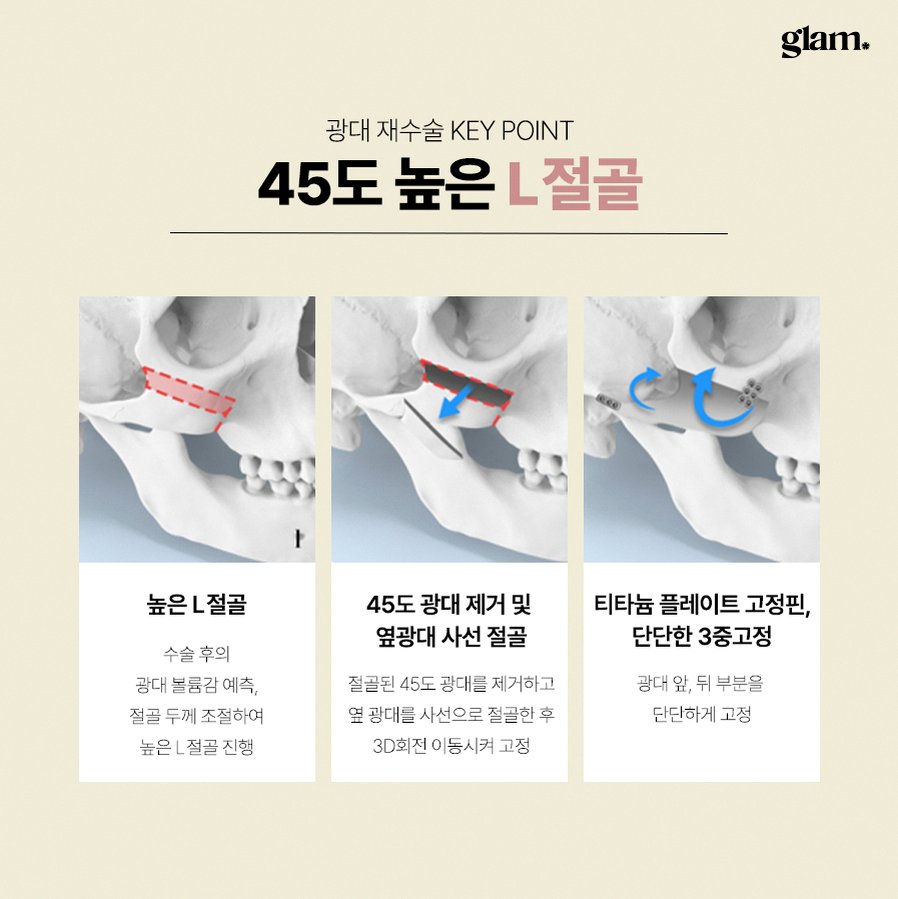
Cheekbone (zygoma) reduction surgery aims to reduce the width and projection of the midface by reshaping the cheekbone body and arch. Typically, the surgeon cuts and repositions the lateral arch and the front cheekbone near the under-eye area to create a smoother, narrower facial line, especially noticeable in the 45-degree view.
Revision cheekbone reduction surgery is a second (or sometimes third) operation performed after a previous zygoma reduction. The goal is not simply to “cut more bone,” but to correct structural or aesthetic problems that remain or were created by the first surgery.
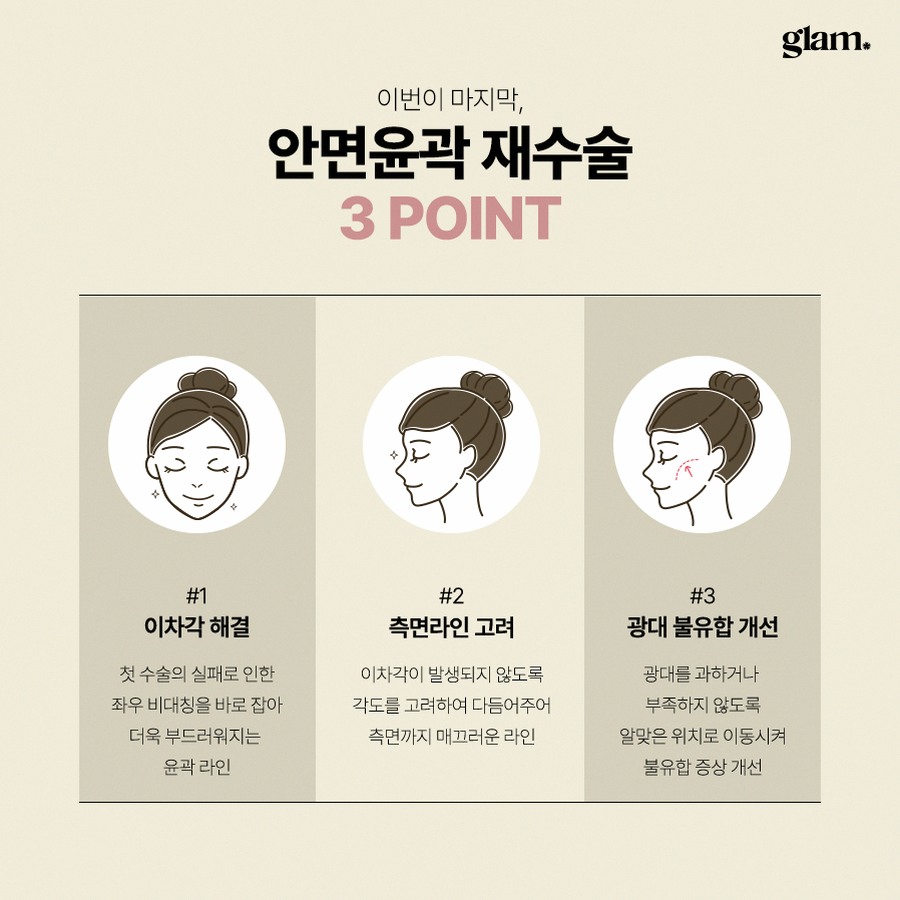
Common reasons patients seek revision include visible asymmetry between the left and right cheekbones, a face that still looks wide despite surgery, an overly flat or collapsed cheek area, step deformities where the bone edges are uneven, or an unnatural contour in photos taken from the side or 45-degree angle. Some patients experience soft tissue sagging, hollow cheeks, or nerve-related symptoms such as prolonged numbness.
Revision surgery is technically more demanding than primary surgery. The bone has already been cut and healed in a new position, fixation plates and screws are present, and there is scar tissue around the bone and soft tissue. All of these factors must be evaluated in detail before any new plan is made.
Who may consider revision cheekbone surgery
Not every patient who feels dissatisfied right after surgery actually needs revision. Swelling, temporary numbness, and a feeling of tightness are normal in the early months. For most people, the true contour and symmetry can only be judged after enough healing time has passed.
In general, surgeons recommend waiting at least 6 to 12 months after the first cheekbone reduction before making a final decision about revision. This allows swelling to settle and the bone to stabilize.
Aesthetic reasons to consider revision include clear asymmetry that remains even after swelling has gone down, a midface that still appears wide and bulky despite previous reduction, an excessively flat or sunken cheek that makes the face look older or tired, and an unnatural transition between the cheekbone and the rest of the face, especially noticeable in the 45-degree view. Some patients also feel that the cheekbone result does not harmonize with their jawline or chin.
Functional or structural reasons include chronic pain or discomfort around the zygomatic arch area, clicking sensations, problems with mouth opening, or sensory changes that do not improve over time. Imaging may show malpositioned bone segments or fixation hardware that is not ideally placed.
It is also important to distinguish between bone-related issues and soft tissue problems. Sometimes, the bone position is acceptable, but there is soft tissue sagging or volume loss that can be better addressed with lifting or fat grafting rather than another bone-cutting operation. A conservative approach that chooses the least invasive effective solution is usually safer in the long term.
Key evaluation process before revision zygoma surgery
Before any revision cheekbone operation, a detailed evaluation is essential. This starts with a comprehensive consultation with a facial bone specialist. The surgeon will listen carefully to your concerns, review your previous operative records if available, and analyze your photos from different angles.
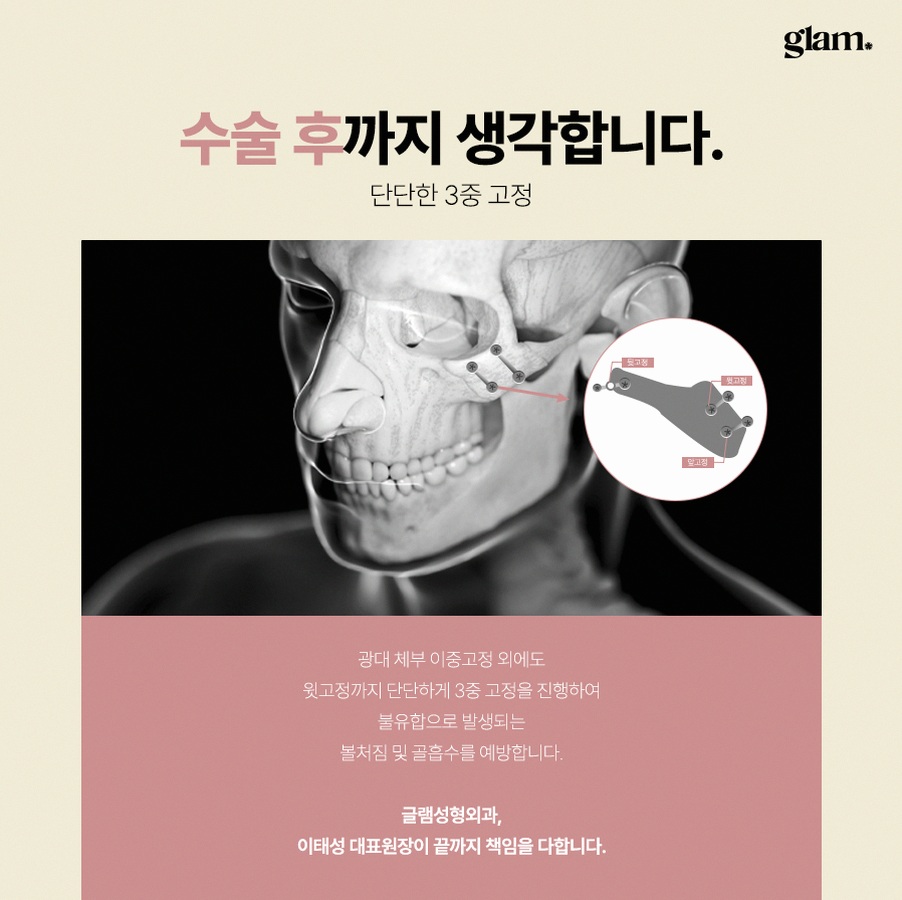
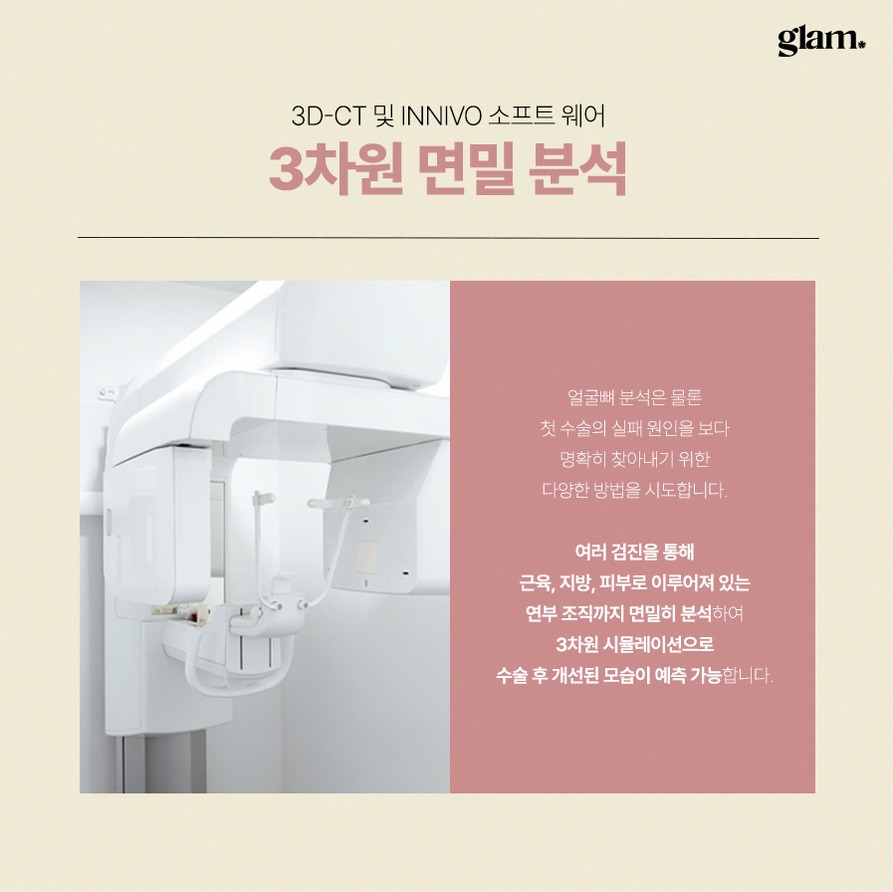
Radiologic imaging is a core part of revision planning. Three-dimensional CT scans and other X-ray studies help the surgeon understand your current bone shape, the thickness of the zygoma, the previous osteotomy lines, and the exact location of fixation plates and screws. This information is critical to avoid weakening the bone or cutting through plates in an unsafe way.
The surgeon will also assess overall facial balance. Cheekbones do not exist in isolation; they must harmonize with the jaw angle, chin, and midface volume. For example, a cheekbone that looks slightly prominent may actually be appropriate once a weak chin or wide jaw angle is addressed, and vice versa.
Soft tissue evaluation is another important step. The surgeon will examine the degree of skin and fat sagging, the presence of hollow areas, and whether combined soft tissue procedures such as lifting or fat grafting might be needed. In some cases, a modest bone adjustment plus soft tissue correction can produce a more natural result than aggressive bone reduction alone.
Risk assessment includes checking nerve pathways, sinus involvement, bone quality, and the extent of scar tissue. This helps to estimate the difficulty of the revision and the potential risks.
Instead of automatically suggesting multi-area contouring, the plan is tailored to the specific structural issues identified on imaging and examination.
How revision cheekbone reduction is performed
The exact surgical method for revision cheekbone reduction depends on your previous surgery and current anatomy. However, there are some common principles and approaches.
Access to the cheekbone is usually obtained through intraoral incisions inside the mouth and small external incisions hidden near the sideburn or within the scalp line. These approaches allow the surgeon to reach the zygomatic body and arch while minimizing visible scars.
In revision cases, the surgeon may need to expose and remove or adjust existing fixation plates and screws. If the previous bone segments are malpositioned, they can sometimes be mobilized again and repositioned more accurately. When there is under-reduction and the face still looks wide, additional contouring and controlled reduction may be performed, always with attention to bone stability.
In situations of over-resection, where the cheeks look too flat or sunken, the strategy is different. The surgeon may use bone grafts, small implants, or repositioning techniques to restore a natural three-dimensional contour. The goal is not to make the face as small as possible, but to recreate balanced projection and smooth transitions.
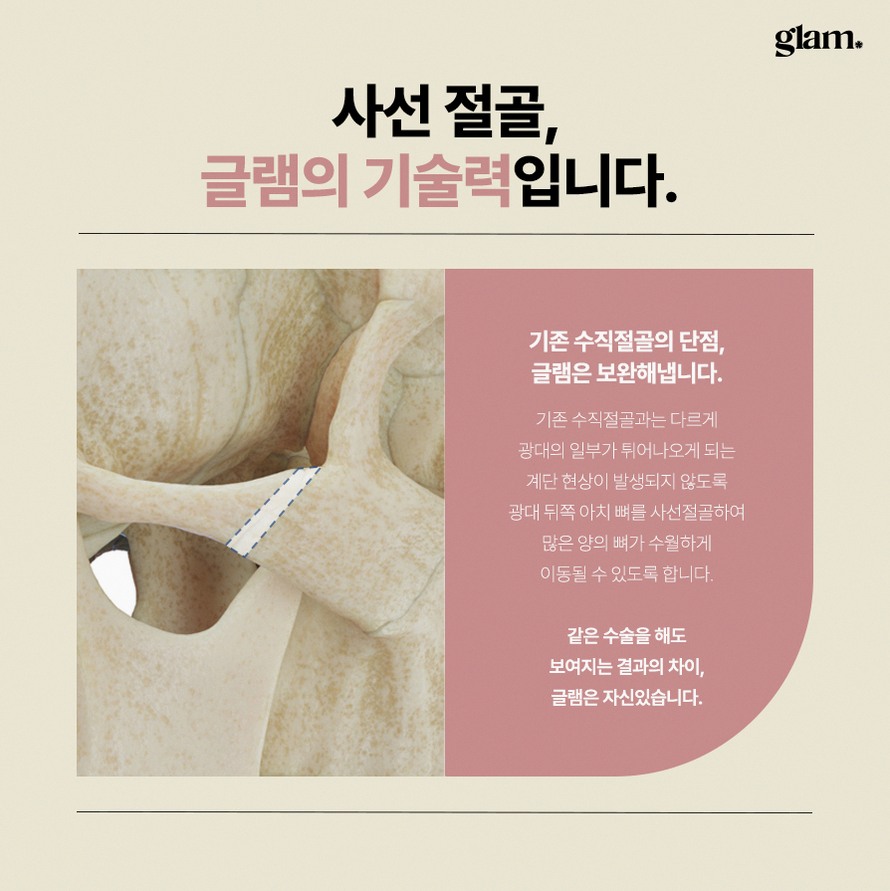
Revision may also involve fine-tuning the zygomatic arch, body, or front cheek area to correct step deformities or sharp edges. If other areas of the facial skeleton are clearly disharmonious, such as the jaw angle or chin, combined revision facial contouring can be considered. However, it should never be bundled automatically; each area should be addressed only if it truly contributes to the problem.
Throughout the operation, preserving stability and function is a priority. The surgeon must maintain a proper bite relationship, avoid excessive weakening of the bone, and protect important nerves and the maxillary sinus. This is one reason why many patients seek out clinics where facial bone surgery is the sole focus and the lead surgeon personally performs complex revision cases.
Safety, anesthesia, and perioperative management
Revision cheekbone surgery is usually performed under general anesthesia. For safety, it is important that a dedicated anesthesiologist manages anesthesia and monitors the patient continuously throughout the procedure.
Before surgery, you will undergo preoperative checks including a medical history review, blood tests, imaging, and an anesthesia evaluation. These steps help identify any conditions that might increase risk, such as bleeding tendencies, heart or lung issues, or medication interactions.
During surgery, the anesthesiologist manages your airway, monitors vital signs such as heart rate, blood pressure, and oxygen saturation, and adjusts anesthesia depth as needed. Blood loss is controlled by the surgical team using careful technique and, when appropriate, local vasoconstrictive agents.
After the operation, postoperative care focuses on pain control, infection prevention, and monitoring for bleeding or nerve issues. You may receive antibiotics, anti-inflammatory medication, and pain relief. The clinic will check for signs of abnormal swelling, hematoma, or sensory changes.
Some clinics also offer postoperative care programs aimed at supporting recovery, such as LED therapy, facial dome treatments, skin reset care, or radiofrequency lifting. These modalities can help reduce swelling and improve skin condition but do not move or change the bone itself. A responsible clinic will explain clearly which treatments are evidence-based and avoid unnecessary add-ons.
Recovery and expected results after revision cheekbone surgery
Recovery after revision cheekbone reduction can be similar to, or slightly longer than, recovery after primary surgery, depending on the complexity of the case.
Hospitalization needs vary. Some patients can be discharged the same day after adequate monitoring, while others may stay one night for observation, especially if combined procedures were done.
Swelling typically peaks within the first few days after surgery. Over the next two to three weeks, the majority of visible swelling gradually subsides, although subtle swelling and stiffness can persist for several months. Most patients can return to light daily activities within one to two weeks, but high-impact exercise and heavy lifting should be avoided for a longer period as advised by the surgeon.
Postoperative instructions usually include careful oral hygiene to reduce infection risk from intraoral incisions, a soft or semi-liquid diet in the early phase, and sleeping with the head elevated to help swelling go down. You will be asked to avoid pressing or massaging the cheek area and to refrain from smoking and alcohol during the initial healing period.
Temporary symptoms may include numbness or altered sensation in the cheek or upper lip area, tightness when opening the mouth, and mild asymmetry while swelling is resolving. These often improve gradually, but full nerve recovery can take several months.
Long-term, the aim of revision is a more balanced facial width, improved 45-degree profile, and correction of obvious asymmetry or deformity, with better harmony between the cheekbones, jawline, and chin. However, it is important to understand that some structural changes from previous surgery or soft tissue stretching may not be completely reversible. Over-correcting again in the opposite direction can create new problems, so realistic goals and honest communication with your surgeon are essential.
Online consultation and pre-visit preparation for overseas patients
If you live outside Korea, the first step is usually an online consultation.
For an effective online consultation, prepare the following in advance:
Clear photos of your face from the front, both sides, and 45-degree angles under natural lighting. If possible, include photos from before your first surgery and immediately after, so the surgeon can see how your appearance has changed.
Any medical records from your previous cheekbone surgery, including operation notes, CT scans, X-rays, and clinic reports. Even partial information can help the surgeon understand what was done.
A written list of your main concerns and priorities. For example, you might rank issues such as asymmetry, flatness, sagging, or functional discomfort in order of importance.
A summary of your general health, medications, allergies, and any history of anesthesia problems.
During the online consultation, you can discuss whether revision is likely to help, what type of imaging will be needed upon arrival, and an approximate treatment schedule. This is also a good time to ask about the clinic’s experience with revision cases, anesthesia system, and postoperative follow-up for overseas patients.
Expected Korea visit timeline for revision cheekbone surgery
Although schedules can be tailored, many international patients follow a similar timeline when visiting Seoul for revision cheekbone surgery.
On day 1, you typically arrive in Korea and check into your accommodation near Gangnam or Sinsa Station. The clinic may conduct an in-person consultation and physical examination on the same day or the following day, depending on your arrival time.
On day 2 or 3, detailed imaging such as 3D CT scans and X-rays is performed. The surgeon reviews the images with you, confirms the surgical plan, and explains the expected changes and risks. Preoperative lab tests and anesthesia evaluation are also done.
Surgery is often scheduled within a few days after imaging, allowing time to finalize planning. After the operation, you may stay in the recovery area for several hours or one night, depending on your condition and the clinic’s protocol.
Most overseas patients are advised to remain in Korea for at least 7 to 10 days after surgery for early follow-up visits, suture checks, and monitoring of swelling and healing. If your case is more complex or combined with other facial bone procedures, a longer stay may be recommended.
After you return home, follow-up can continue via online consultations, photo reviews, and, if necessary, coordination with local doctors for any medical checks.
How to choose a clinic for revision cheekbone reduction in Seoul
Choosing the right clinic is one of the most important decisions in revision cheekbone surgery. Consider the following points when comparing options in Seoul, especially around Gangnam and Sinsa Station.
First, look for a clinic that specializes in facial bone surgery rather than offering every type of cosmetic procedure. A center focused on double jaw and facial contouring is more likely to have the equipment, protocols, and experience needed for complex zygoma revision.
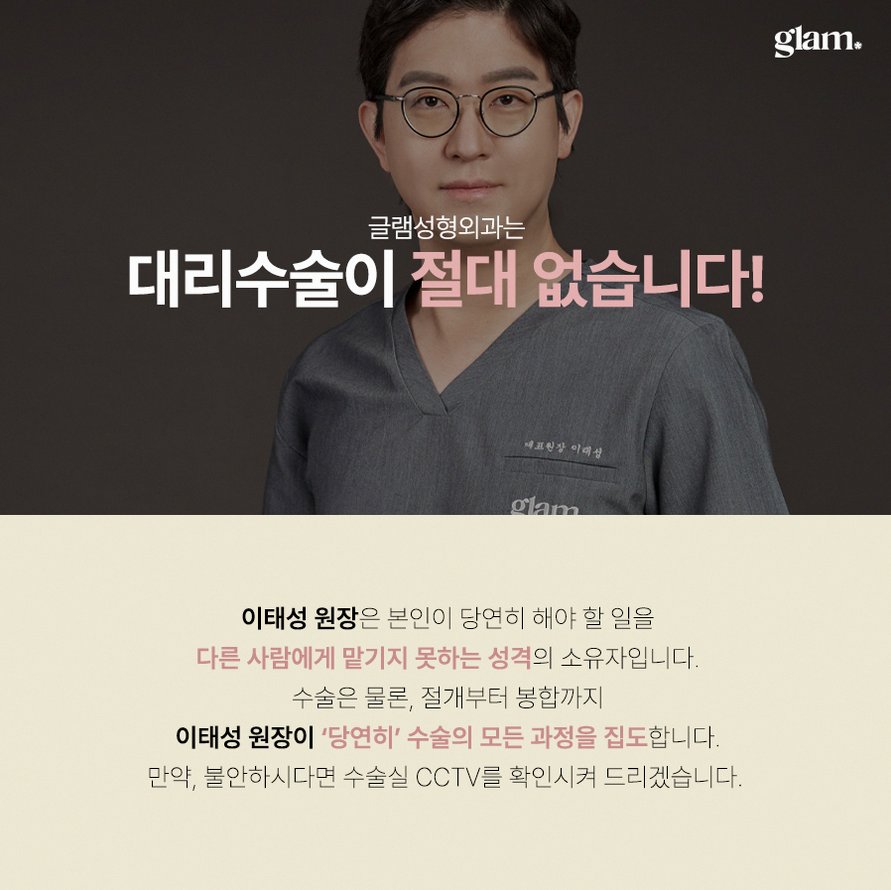
Second, confirm that a board-certified plastic surgeon with substantial facial bone experience will personally plan and perform your surgery. Experience in revision cases and a history of working at large facial bone centers or university hospitals can be meaningful indicators.
Third, check the academic and clinical track record. Publications in peer-reviewed journals, including SCI-level papers on facial contouring and double jaw surgery, show ongoing engagement with evidence-based practice.
Fourth, ensure there is a full-time anesthesiologist responsible for anesthesia and perioperative safety. This is particularly important for longer, more complex revision operations.
Fifth, ask about the clinic’s treatment philosophy. A conservative, needs-based approach that avoids unnecessary multi-area surgery and extreme bone cutting is generally safer. The surgeon should be willing to explain why each recommended step is necessary and also what they do not recommend.
For international patients, it is also important to confirm the availability of English or other language support, clear communication channels (such as email, messaging apps, or video calls), and assistance with scheduling, documentation, and follow-up after you return home.
Frequently asked questions about revision cheekbone reduction
How long should I wait after my first cheekbone reduction before considering revision surgery?
In most cases, surgeons recommend waiting at least 6 to 12 months after your initial cheekbone reduction before deciding on revision. This waiting period allows swelling to subside and the bone to heal and stabilize, so the final contour and symmetry can be evaluated accurately. In special situations with serious functional problems, earlier intervention may be considered, but this must be judged individually by a facial bone specialist.
Is revision cheekbone reduction more dangerous than the first operation?
Revision surgery is generally more complex than primary surgery because the bone has already been cut, plates and screws are present, and there is scar tissue. This can increase technical difficulty and certain risks. However, with careful preoperative imaging, planning, and a surgeon experienced in facial bone revision, many patients undergo revision safely. A full-time anesthesiologist and thorough perioperative monitoring also contribute to risk reduction.
Can asymmetry after cheekbone surgery be fully corrected with revision?
Mild to moderate asymmetry caused by bone position can often be improved significantly with revision surgery. The surgeon can adjust bone segments, refine contours, or correct step deformities. However, perfect mirror-image symmetry is not always possible, especially if there are soft tissue differences or significant changes from the first operation. During consultation, your surgeon should explain what level of improvement is realistic in your specific case.
What if my cheeks look too flat or sunken after previous zygoma reduction?
Over-reduction can lead to a flat or hollow midface, which may create an older or tired appearance. In revision, the goal is usually to restore a natural three-dimensional contour rather than reduce further. This can involve repositioning bone segments, adding bone grafts or implants, or combining subtle bone work with soft tissue volume restoration. The exact method depends on your current bone structure and soft tissue condition, as seen on 3D CT and physical examination.
Will I need double jaw or jaw angle revision together with cheekbone revision?
Not necessarily. Some patients benefit from addressing only the cheekbone area, while others have combined issues involving the jaw angle or chin. A thorough evaluation of your facial balance will help determine whether additional contouring is truly needed. A conservative clinic will not automatically bundle multiple procedures but will recommend combination surgery only when it clearly contributes to a more harmonious and functional result.
How long does swelling last after revision cheekbone surgery?
Initial swelling is most noticeable in the first one to two weeks after surgery. It then gradually decreases over several weeks. By about two to three months, many patients feel comfortable in social situations, although subtle changes can continue for up to six months or longer. Because revision can involve more tissue dissection, some patients may experience slightly longer-lasting stiffness or minor swelling compared with primary surgery.
Is general anesthesia safe for revision facial contouring, and who manages it?
General anesthesia is commonly used for revision cheekbone surgery and can be performed safely when managed by a qualified anesthesiology specialist (specialist in anesthesiology and pain medicine) in an appropriate setting. At specialized facial bone clinics, an anesthesiology specialist is typically in charge of anesthesia and pain management, monitoring your vital signs throughout the procedure and adjusting medications as needed. Preoperative assessment helps identify any individual risk factors.

Can overseas patients receive consultation and surgery planning in English?
Yes, many facial bone–focused clinics in Gangnam offer English-language support for international patients. Online consultations can be conducted in English, and written explanations of the surgical plan, anesthesia, and postoperative care are often provided. Some clinics also have multilingual staff and dedicated international patient coordinators who assist with scheduling, documentation, and follow-up after you return home.
Soft call to action
If you are dissatisfied with the results of previous cheekbone reduction and are considering revision in Seoul, an online consultation with a facial bone–only clinic near Sinsa Station can help clarify your options. By sharing your photos, past records, and concerns in advance, you can receive a personalized assessment and a realistic treatment plan before you decide to travel.
This article is intended for general information only and does not replace a face-to-face consultation or individualized medical advice. Always discuss your specific situation, risks, and expectations directly with a qualified facial bone surgeon before making any decision about surgery.




- 공유 링크 만들기
- X
- 이메일
- 기타 앱


댓글
댓글 쓰기