Cheekbone Facial Contouring Revision in Seoul: A Practical Guide for Overseas Patients
- 공유 링크 만들기
- X
- 이메일
- 기타 앱
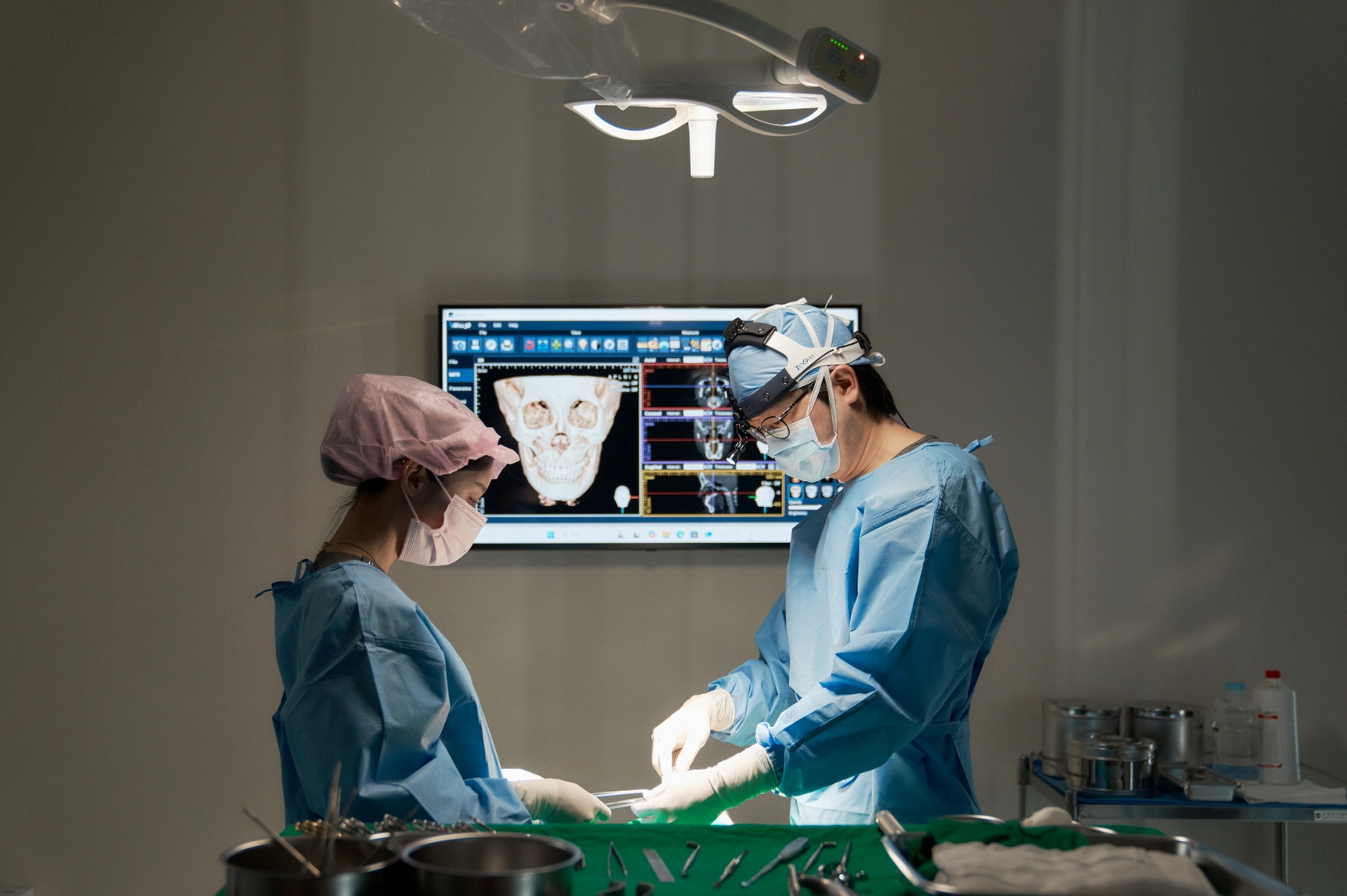
Direct answer summary
Cheekbone facial contouring revision is a second surgery focused on the zygoma (cheekbone) area to improve problems that remain or appeared after a previous facial bone contouring procedure. It can sometimes help with issues such as persistent wide cheekbones, over-flattened cheeks, asymmetry, step deformities, or sagging after the first operation. Because revision involves already operated bone and scar tissue, it is more complex than primary surgery and should be handled by a team that routinely manages facial bone revision.
In Gangnam, Seoul, there are clinics that focus only on facial bone surgery, including double jaw and facial contouring, and that regularly see overseas patients for complex revision of the cheekbone area. This guide explains when revision may be considered, what can realistically be corrected, how a bone-focused clinic near Sinsa Station typically approaches these cases, and what international patients can expect before, during, and after a visit to Korea.
What cheekbone facial contouring does – and why some patients seek revision
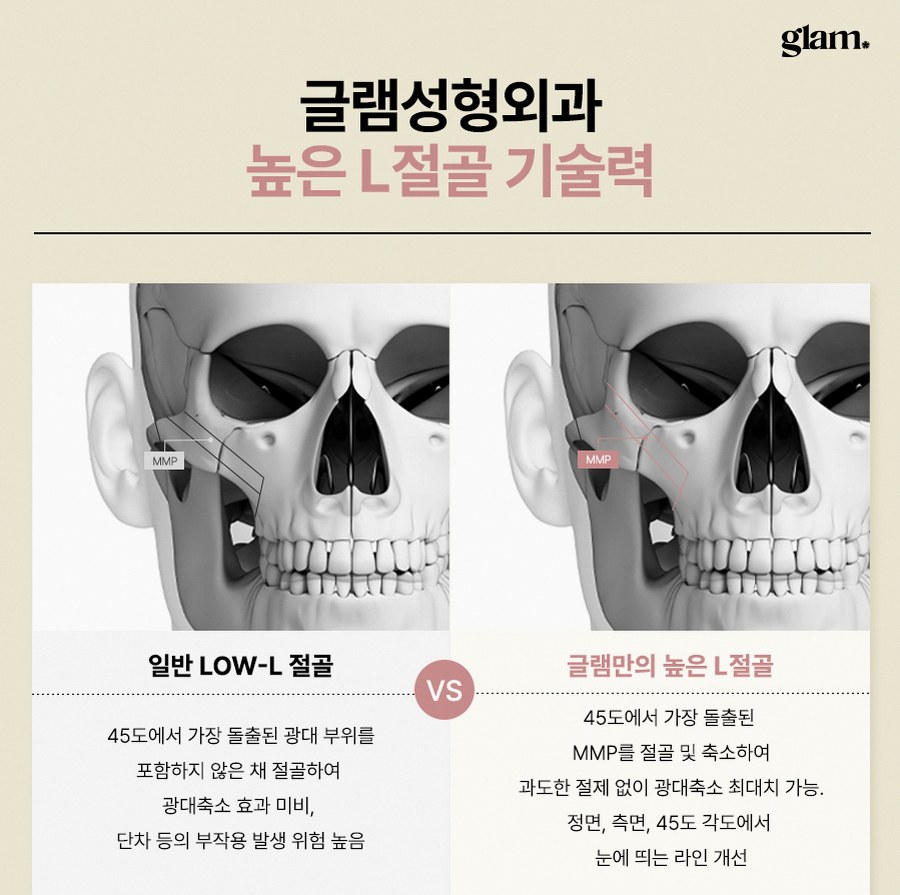
Cheekbone facial contouring, often called zygoma reduction, is a surgery that reshapes the bony cheek area. Surgeons usually work on two main parts of the cheekbone: the zygomatic body (the front part that affects the frontal view) and the zygomatic arch (the side part that affects the 45-degree and side view).
By cutting and moving these segments in or out, or shaving them, the surgeon can reduce facial width, soften a strong or angular look, and adjust how the midface projects in photos. When well planned and executed, this can create a smoother transition from the cheek area to the jawline.
However, not every primary surgery heals as expected. Some patients later notice that their face still looks wide, or that the cheeks have become too flat. Others feel an irregular step when they touch the side of the face, or see asymmetry in photos. In some cases, soft tissue changes such as sagging or hollowing make the face look older than before. These concerns often lead patients to search specifically for cheekbone facial contouring revision.
Common reasons patients consider cheekbone revision include:
Persistent wide or prominent cheekbones, suggesting insufficient correction.
Overly flat or sunken midface, suggesting overcorrection.
Left–right asymmetry in width, height, or projection.
Step-off deformities or palpable ridges between the cheekbone and surrounding bone.
Soft tissue sagging or hollowing that emphasizes the cheekbone cuts.
Occasional functional complaints, such as discomfort or symptoms related to previous combined jaw work, which must be evaluated individually.
Revision is more complex than first-time surgery because the anatomy has already been changed. There may be scar tissue, altered blood supply, and existing plates and screws. The main goal is usually improvement within safe limits, not a complete return to the pre-surgery state.
Who may consider cheekbone contouring revision
Not every patient with mild dissatisfaction needs revision. In many cases, time, soft tissue adaptation, and non-surgical options can already improve the appearance. Still, revision may be considered when there are clear structural issues and the patient understands the realistic limits.
General points that surgeons often look at include:
Enough time since the first surgery
Bone and soft tissue need time to settle. Many surgeons recommend waiting at least 6 to 12 months after the initial contouring before deciding on revision, unless there is a severe problem such as obvious bone malposition. This waiting period allows swelling to resolve and the final contour to become visible.
Clear structural problems on imaging
Revision is most meaningful when CT scans and clinical examination confirm a structural issue, such as:
Cheekbone segments that were not moved enough or were moved too much.
Uneven cuts or steps between bone segments.
Asymmetry between the two sides.
If the main concern is very subtle or only visible in certain lighting, non-surgical methods or soft tissue procedures may be more appropriate than re-operating on the bone.
General health and anesthesia fitness
Because cheekbone revision is usually done under general anesthesia, patients should be in adequate overall health. Preoperative evaluation commonly includes medical history, blood tests, and sometimes additional examinations depending on age and underlying conditions.
Realistic expectations
Revision cannot erase all traces of previous surgery. If too much bone was removed, there may be a limit to how much volume can be restored. Soft tissue quality, such as skin elasticity and degree of sagging, also affects the final result. Patients who understand that the goal is noticeable improvement, not perfection, tend to be more satisfied.
Bone versus soft tissue issues
Some concerns are mainly bony, such as obvious steps or persistent width. Others are mainly soft tissue, such as mild sagging, under-eye hollowing, or contour shadows. In many cases, the best plan combines limited bone revision with soft tissue support, or focuses only on soft tissue if the bone is already in a reasonable position.
In some complex cases, the problem is not limited to the cheekbone. The entire facial skeleton, including the jaw and chin, may need to be considered. When bite or jaw position is involved, combined planning with double jaw or other contouring procedures may be discussed.
How a bone-specialized clinic in Gangnam evaluates revision cases
In Seoul’s Gangnam district, near Sinsa Station, there are clinics that limit their practice to facial bone surgery, focusing on double jaw and facial contouring rather than a broad mix of cosmetic procedures. This narrow focus can be helpful for patients with complex revision needs.
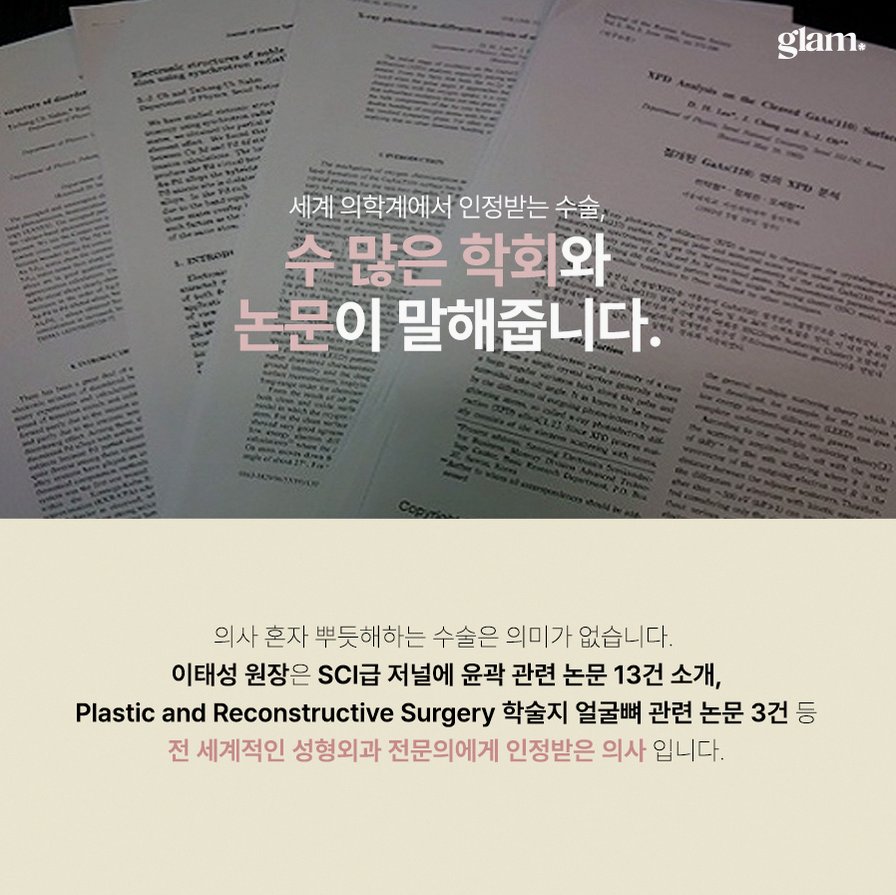
One such clinic is led by a board-certified plastic surgeon with around 20 years of experience in facial bone surgery, including previous leadership at a facial bone center in a large hospital. As of February 2025, this surgeon has authored 13 SCI‑level papers in contouring and double jaw surgery as first or corresponding author; 3 of these were published in Plastic and Reconstructive Surgery. These publications are an objective sign of ongoing academic and clinical engagement, although they do not guarantee any specific outcome.
Typical evaluation steps for cheekbone revision often include:
Detailed history of previous surgery
The surgeon will ask what was done in the first operation, where it was performed, and what techniques were used. Operative records and previous CT scans are very helpful. Patients are usually encouraged to bring any documents, imaging discs, and before/after photos from the first surgery.
Physical examination
The face is examined from the front, 45-degree, and side views. The surgeon will gently palpate the cheekbone area to feel for steps, gaps, or irregularities. Soft tissue thickness, skin elasticity, and the presence of sagging or hollowing are also evaluated.
Imaging studies
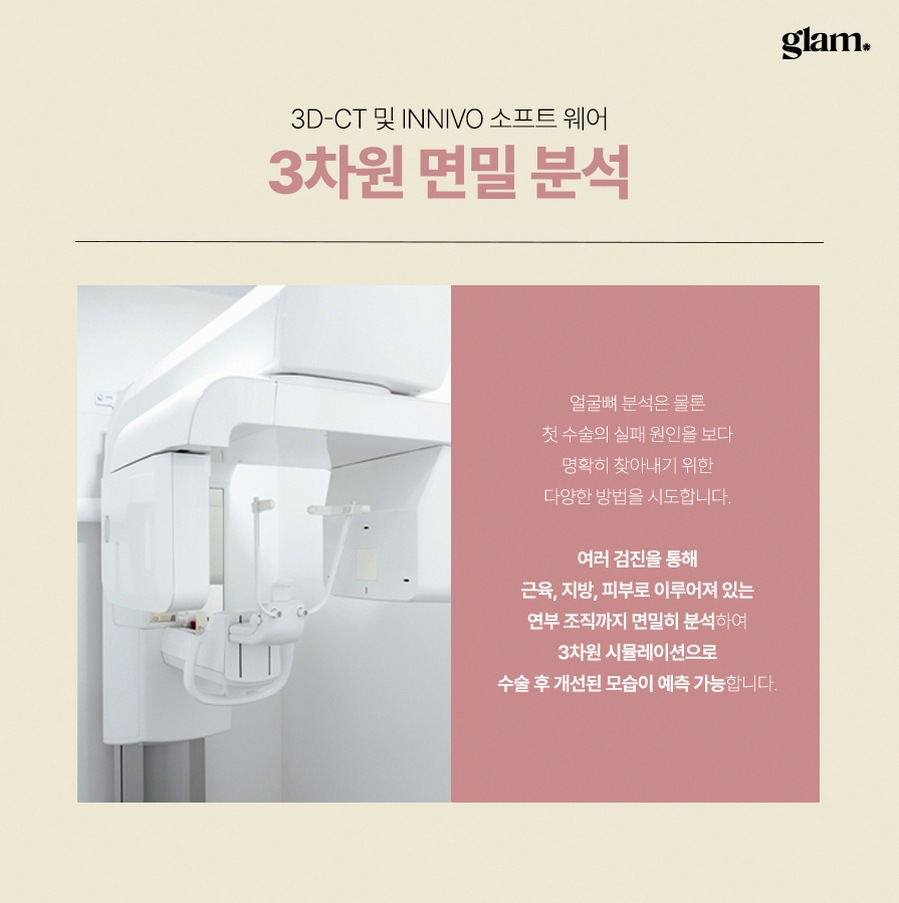
CT imaging is typically essential in revision. It shows the exact location of bone cuts, the position of cheekbone segments, and the placement of plates and screws. It also helps assess bone thickness and quality, which are important for planning safe additional cuts or repositioning.
Functional assessment
If the patient reports bite changes, jaw discomfort, or joint noises, a more detailed functional assessment may be done, sometimes with input from dental or jaw specialists. This helps distinguish problems that can be improved by cheekbone revision from those that require separate jaw-focused treatment.
Conservative surgical indication
Many bone-focused clinics state that they propose only the minimum necessary surgery. For patients who already had a disappointing first experience, this conservative approach can be reassuring. The surgeon may recommend limited correction of the main structural problem rather than multiple additional procedures.
Revision cheekbone contouring: possible surgical approaches
The exact method of revision depends strongly on what was done before and what the current issue is. There is no single standard technique for all cases, but some common strategies include:
Repositioning cheekbone segments
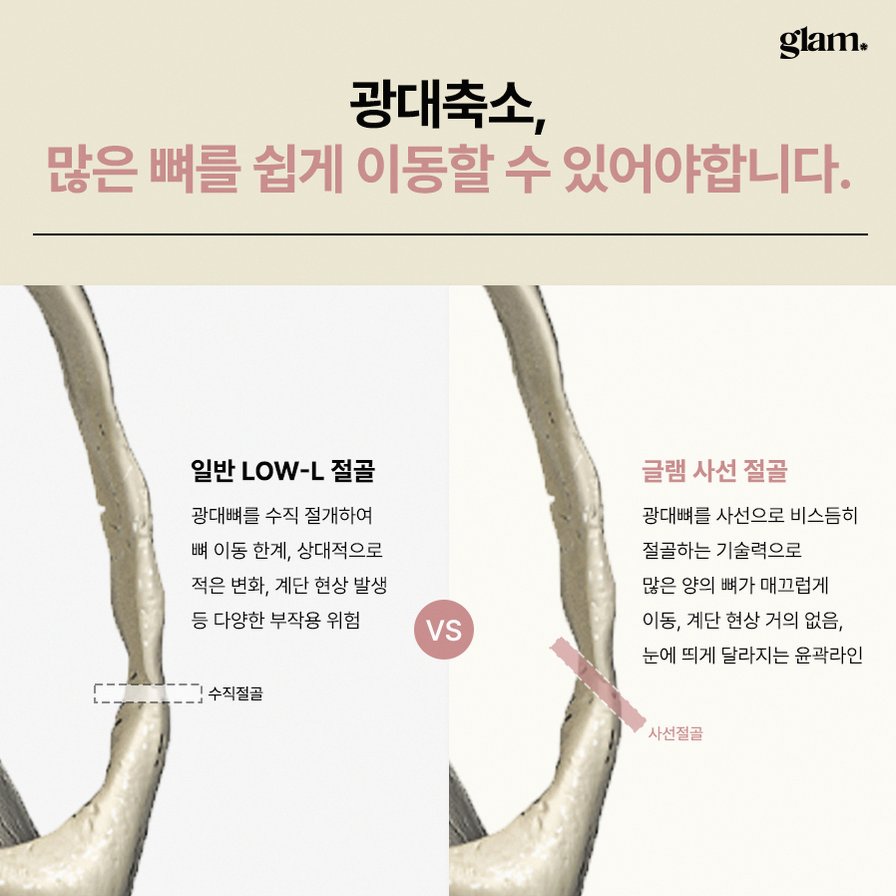
If the cheekbone was moved too far inward, causing a flat or sunken look, the surgeon may attempt to move it slightly outward. If it was not moved enough, further inward repositioning may be considered. This usually involves releasing scar tissue, adjusting the bone segment, and re-fixating it with new plates and screws.
Smoothing irregular bone edges
When there is a visible or palpable step where bone segments meet, targeted bone contouring can smooth the transition. This can improve both the visual line of the cheek and the way it feels when touched.
Correcting asymmetry
If one side is wider, higher, or more projected than the other, revision may involve adjusting one or both sides to improve balance. Perfect mirror symmetry is rarely possible, but noticeable differences can often be reduced.
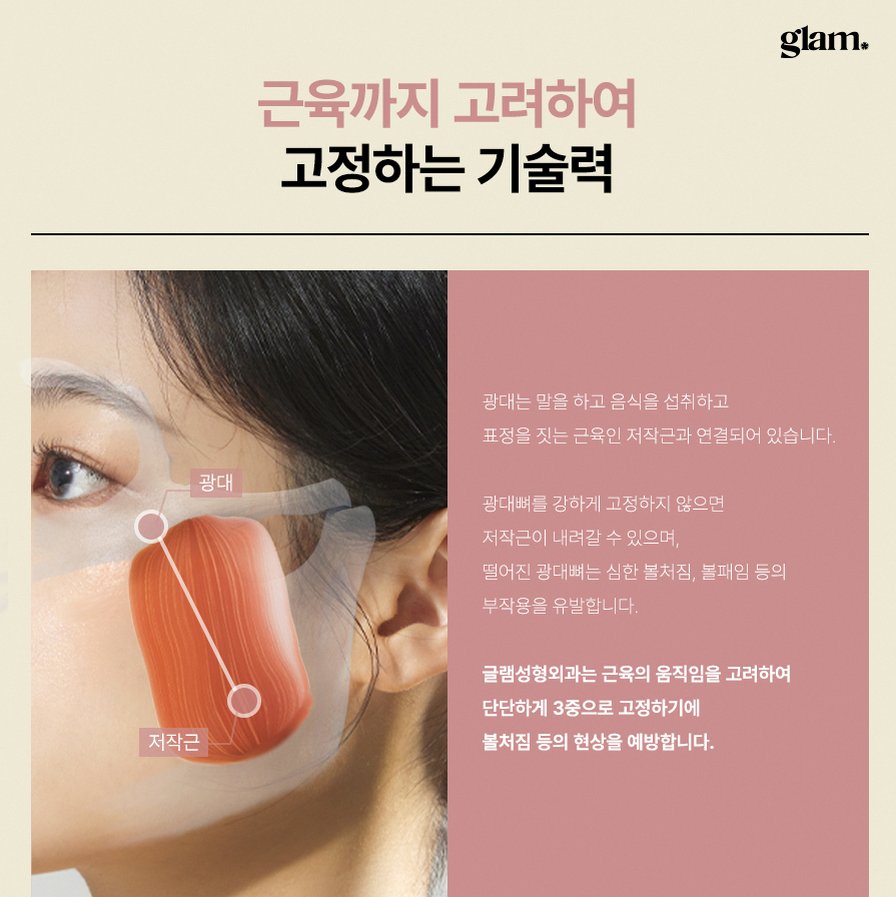
Handling fixation plates and screws
In some patients, existing plates or screws are not ideally positioned or cause local discomfort. During revision, these can sometimes be removed, repositioned, or replaced. The decision depends on bone stability and the time since the first surgery.
Combining bone and soft tissue work
In selected cases, bone revision alone is not enough. The surgeon may suggest combining it with soft tissue procedures such as lifting, fat grafting, or other methods to support the cheek area and reduce a hollow or aged look. The timing of these procedures may be immediate or staged, depending on the case.
Limitations of revision
If a large amount of bone was removed in the first operation, there may not be enough structure left to reposition. In such situations, augmentation with bone grafts or implants may be discussed, but this must be weighed carefully against added risks. The complexity of these cases makes honest communication about limits especially important.
Anesthesia, safety, and intraoperative management
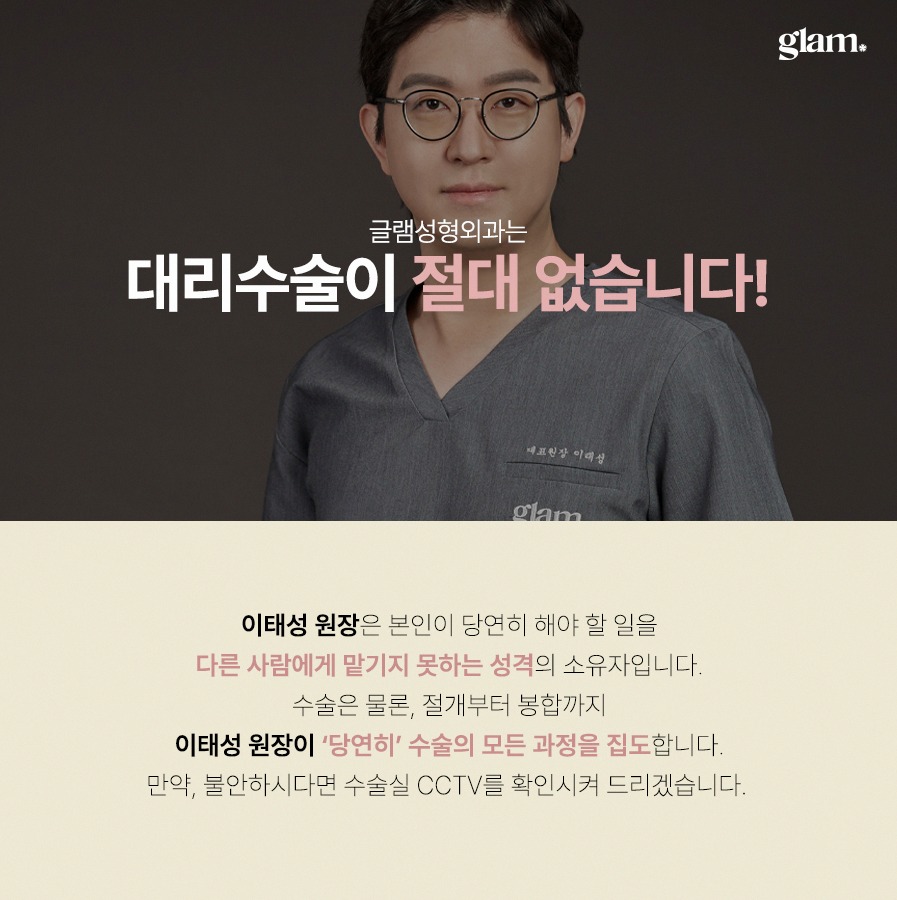
Cheekbone revision is generally performed under general anesthesia. At bone-focused clinics in Gangnam, a board-certified anesthesiology and pain medicine specialist (anesthesiologist) is often in charge of anesthesia and intraoperative monitoring. This allows the surgeon to focus entirely on the bone work while the anesthesiology and pain medicine specialist manages the airway, vital signs, and pain control.
Standard safety measures usually include:
Preoperative assessment with medical history, blood tests, and, if needed, additional exams.
Continuous monitoring of blood pressure, heart rate, oxygen saturation, and other vital signs during surgery.
Careful protection of nerves and important structures around the cheekbone.
Planning to avoid excessive weakening of bone that has already been cut once.
Patients are encouraged to confirm who will actually perform the surgery, who will manage anesthesia, and what emergency systems are in place at the clinic.
Postoperative care and swelling management after revision
Recovery after revision cheekbone surgery is often similar to, or slightly longer than, recovery after the first operation. Because the tissues have been operated on before, there may be more swelling in the early period, and it may take longer to settle.
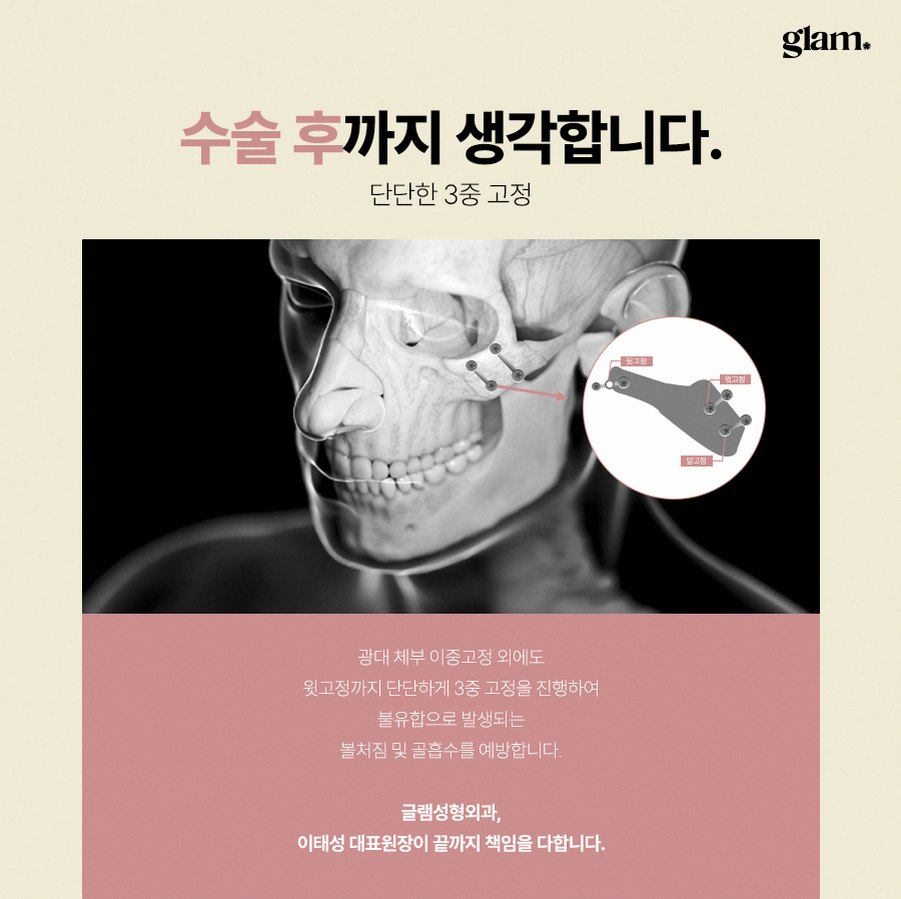
General recovery course
In the first days, swelling and bruising are usually most noticeable. Discomfort is typically managed with prescribed pain medication. Over the following weeks, swelling gradually decreases, and the contour becomes clearer. Final refinement of the cheek shape can take several months, as deep tissues slowly adapt.
Supportive care programs
Some bone-focused clinics in Gangnam provide structured post-surgery care to support recovery and comfort. Examples include:
LED therapy devices aimed at helping skin and soft tissue recovery.
Dome-type facial treatments designed to promote circulation and manage edema.
Multi-step skin reset programs to support the skin barrier while it heals.
Radiofrequency lifting devices used later in the healing process to encourage skin tightening when appropriate.
These measures are supportive and cannot replace accurate surgical planning and technique, but many patients find them helpful for comfort and swelling control.
Home care and precautions
Patients are usually advised to:
Follow instructions on oral hygiene if there are intraoral incisions.
Avoid hard or very chewy foods for a period recommended by the surgeon.
Sleep with the head elevated to help reduce swelling.
Avoid smoking and heavy alcohol intake, as these can slow healing.
Refrain from strenuous exercise until cleared by the medical team.
Regular follow-up visits, whether in person or via online check-ins for overseas patients, are important to monitor healing and address any concerns early.
Setting realistic expectations for cheekbone revision
Revision aims to improve the situation created by the first surgery, not to completely erase it. Several factors influence what can be achieved:
The extent and method of the first surgery.
Current bone thickness and quality.
Soft tissue condition, including skin elasticity and existing sagging.
Overall facial balance and, when relevant, bite relationship.
During consultation, it is helpful for patients to clearly describe what bothers them most: for example, width in the front view, shadow at the 45-degree angle, a specific step they can feel, or a difference between the two sides. This allows the surgeon to prioritize changes that are both meaningful to the patient and realistically achievable.
Patients are advised to be cautious of promises of dramatic transformation in complex revision cases. A careful, conservative plan that focuses on safety and structural improvement is usually more reliable than an aggressive approach.
Choosing a clinic in Seoul for cheekbone contouring revision
For overseas patients, selecting the right clinic is a key step. Points to consider include:
Whether the clinic specializes in facial bone surgery, rather than offering many unrelated procedures.
Whether the operating surgeon is a board-certified plastic surgeon with long-term experience in facial bone and revision cases.
Objective signs of expertise, such as peer-reviewed publications or a long-standing focus on contouring and double jaw surgery.
Presence of a dedicated anesthesiologist managing anesthesia and monitoring.
A thorough consultation process with imaging review and clear explanation of risks, benefits, and limitations.
A policy of recommending only necessary procedures, rather than pushing multiple add-ons.
The featured clinic in Gangnam, about 200 meters from Sinsa Station Exit 1, fits the profile of a bone-focused center. It limits its lineup to double jaw and facial contouring, is led by a plastic surgeon with extensive facial bone experience and SCI-level publications, and works with a board-certified anesthesiologist.
For international patients, multilingual support can make communication smoother. This clinic offers information channels in English, Japanese, and Thai, and is accustomed to reviewing overseas records and imaging.
Online consultation and pre-visit preparation for overseas patients
Before traveling to Korea, most overseas patients start with an online consultation. This step helps both the patient and the clinic decide whether revision is appropriate and how to plan the visit.
Preparing for an online consultation
To make the most of the first online meeting, it is helpful to prepare:
Clear front, 45-degree, and side-view photos in good lighting.
Any CT scans or X-rays from before and after the first surgery, ideally as digital files.
Operative records or a summary from the previous clinic, if available.
A short list of the three to five main points that bother you most.
During the online consultation, the surgeon or coordinator may explain initial impressions, possible directions for treatment, and what additional imaging will be needed once you arrive in Seoul.
Questions you may want to ask
Many patients find it useful to write down questions in advance, such as:
Which of my concerns seem mainly bone-related, and which are soft tissue-related?
What kind of improvement is realistically possible in my case?
What are the main risks specific to revision in my situation?
How long should I plan to stay in Korea after surgery?
What kind of post-op care and follow-up will be available once I return home?
Expected Korea visit timeline for cheekbone revision
Every case is different, but a typical schedule for an overseas patient might look like this:
Day 1–2: Arrival and in-person consultation
You visit the clinic near Sinsa Station for a detailed consultation, physical examination, and CT imaging. The surgeon reviews the images with you, confirms the plan, and explains the risks and expected course. Preoperative tests are done during this period.
Day 3–4: Surgery day
On the day of surgery, you arrive at the clinic, meet the surgeon and anesthesiologist again, and review consent forms. After surgery, you spend time in the recovery area under monitoring. Some patients may stay a short time in a nearby accommodation arranged in advance.
First week after surgery
This period usually involves the most swelling and discomfort. You will have at least one or two follow-up visits for wound checks, dressing changes, and basic supportive care sessions. The clinic may provide early-stage swelling management treatments as appropriate.

Second week and beyond
Swelling gradually decreases. Depending on your condition and the surgeon’s advice, many overseas patients can fly home around 10 to 14 days after surgery. The exact timing depends on the complexity of the procedure and your general health.
After returning home, follow-up can often continue via online consultations, with you sending updated photos and, if needed, local imaging.
Aftercare once you return home
When you leave Korea, you will usually receive written instructions and, in some cases, a summary for your local doctor. Key points often include:
How long to continue specific medications.
When you can gradually resume exercise and normal activities.
What signs of possible complications to watch for and when to seek urgent care.
Recommended schedule for online follow-up with the clinic.
If you plan to have any additional treatments, such as soft tissue procedures, in your home country, it is helpful to share your surgical summary with your local provider so they understand what was done.
Frequently asked questions about cheekbone facial contouring revision
How long should I wait before considering cheekbone revision?
In many situations, surgeons advise waiting at least 6 to 12 months after the first cheekbone contouring. This allows bone healing and soft tissue changes to stabilize, so both you and the surgeon can clearly see what is structural and what is temporary swelling. Earlier revision may be considered only in special cases, such as obvious bone malposition or significant functional problems, and must be decided individually after examination and imaging.
Is revision cheekbone surgery more risky than the first operation?
Revision is usually more technically demanding because of scar tissue, altered anatomy, and existing plates and screws. This can make the procedure longer and requires careful planning. However, with detailed imaging, experienced facial bone surgeons, and a dedicated anesthesiologist, risks can be managed. During consultation, you should discuss specific risks such as nerve injury, infection, asymmetry, and the possibility that full correction may not be possible.
Can over-reduced, sunken cheekbones be fully restored?
If too much bone was removed in the first surgery, complete restoration to your original cheek structure is often not possible. Improvement may still be achieved through repositioning remaining bone, using grafts or implants, and supporting soft tissue with techniques like fat grafting. The degree of improvement depends on how much bone is left, soft tissue condition, and overall facial balance. A careful in-person evaluation and CT scan are needed to provide a realistic estimate.

Will I need jaw or bite treatment together with cheekbone revision?
Cheekbone revision alone usually does not require treatment of the teeth or bite, since it mainly involves the zygoma rather than the dental arches. However, if your first surgery included double jaw work or if you now have bite changes or jaw discomfort, additional assessment may be necessary. In such cases, the surgeon may recommend collaboration with jaw specialists to decide whether combined treatment is appropriate.
How can I start consultation with a clinic in Gangnam if I live abroad?
You can usually begin with an online consultation. The clinic near Sinsa Station offers multilingual channels, including English, Japanese, and Thai, as well as communication through email or messaging platforms. You can send your previous records, imaging, and photos for preliminary review. After this initial step, the clinic can suggest a tentative plan and an estimated length of stay in Seoul, which you can use to organize your travel.
Soft call to action
If you are considering cheekbone facial contouring revision after a previous contouring surgery, it may be helpful to have your case reviewed by a clinic that focuses on facial bone procedures. An online consultation with a bone-specialized team in Gangnam can give you a clearer idea of whether revision is appropriate, what kind of improvement is realistic, and how to plan your visit to Seoul. Taking time to gather your records, ask detailed questions, and compare opinions will help you make a decision that prioritizes both safety and long-term facial balance.




- 공유 링크 만들기
- X
- 이메일
- 기타 앱


댓글
댓글 쓰기