Cheekbone Contouring Revision in Seoul for Secondary Facial Contouring
- 공유 링크 만들기
- X
- 이메일
- 기타 앱
Direct answer summary
Cheekbone contouring revision is secondary cheekbone surgery performed after a previous zygoma reduction or facial contouring, with the goal of correcting problems such as lingering width, excessive flatness, asymmetry, or functional discomfort. Because the bone has already been cut and healed once, revision facial contouring around the cheekbone is more complex than first-time surgery and must be approached with careful imaging, conservative planning, and a strong focus on safety.
This guide is written for overseas patients who are considering cheekbone contouring revision in Sinsa, Gangnam, Seoul, and who want clear, medically grounded information rather than promotional phrases.
What is cheekbone contouring revision?
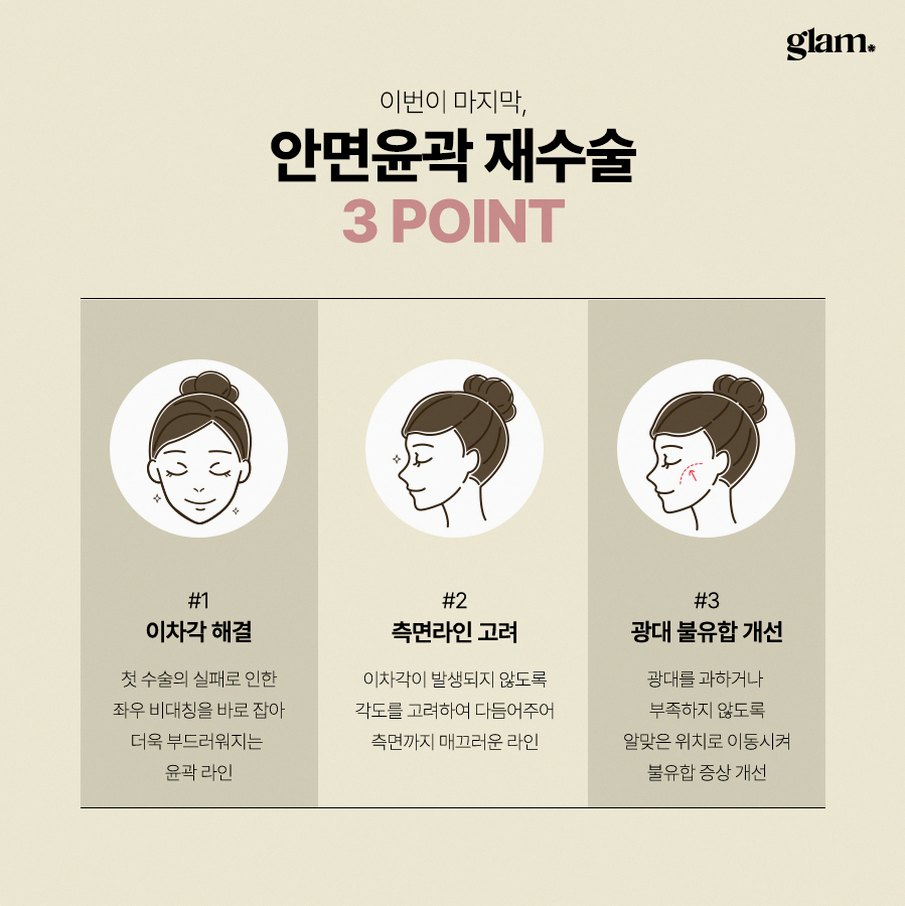
Cheekbone contouring revision, also called revision zygoma reduction or secondary cheekbone surgery, is a procedure to improve the shape and balance of the midface after an earlier cheekbone or facial contouring operation. Instead of starting with untouched bone, the surgeon must work with bone that has already been cut, moved, and fixed with plates or screws.
People usually consider revision when they are unhappy with the current contour or when they develop functional issues. Common complaints include cheekbones that still look wide from the front or side, a midface that appears hollow or sunken after aggressive reduction, visible asymmetry between the two sides, or irregularities along the zygomatic arch. Some patients also report discomfort when chewing or changes in their bite, especially if cheekbone surgery was combined with jaw surgery in the past.
Because the anatomy has already been altered, cheekbone contouring revision requires detailed analysis of the existing bone structure, previous osteotomy lines, fixation hardware, and the way soft tissues have adapted over time.
Who may consider cheekbone contouring revision?
Cheekbone revision is not for everyone who feels some dissatisfaction. It is generally considered in the following situations, after sufficient healing time from the first surgery.
Over-reduction and sunken midface
Some patients feel that their face looks too flat or even hollow after the first cheekbone surgery. The front cheek area may look sunken, giving a tired or aged appearance, especially in certain lighting or when smiling. In these cases, further bone shaving is usually not appropriate. Instead, revision planning may focus on restoring volume or repositioning the cheekbone if the bone structure allows.
Under-correction and persistent width
Others feel that their cheekbones still look wide from the front or at a 45-degree angle, even after surgery. The side view may still show a strong zygomatic arch. If imaging shows that enough bone remains and the previous cuts allow safe adjustment, additional reduction or repositioning can sometimes narrow the midface further.
Asymmetry and irregular contour
Asymmetry is another common reason to seek revision facial contouring. One side may look higher, more projected, or wider than the other. Step deformities or irregular edges along the zygomatic arch can create visible lines or shadows. In these cases, the surgeon may need to compare both sides carefully on 3D imaging and adjust the bone or fixation to achieve a more balanced contour.
Functional issues
Some patients experience discomfort when chewing, a feeling of tightness, or bite changes after combined cheekbone and jaw surgery. While not all functional problems come from the cheekbone itself, they should be evaluated together with the facial skeleton as a whole. In some situations, revision cheekbone work may be combined with other facial bone procedures to improve both function and appearance.
When bone surgery is not the answer
Not every concern after cheekbone surgery can or should be solved with another bone operation. Soft tissue changes, such as sagging, volume loss, or skin laxity, can also influence how the cheek area looks. In some cases, non-surgical or soft tissue procedures may be more appropriate than another osteotomy. A careful surgeon will distinguish between problems that are truly bony and those that are mainly soft tissue, and will recommend the minimum necessary intervention.
How revision differs from first-time cheekbone contouring
Scar tissue and altered anatomy
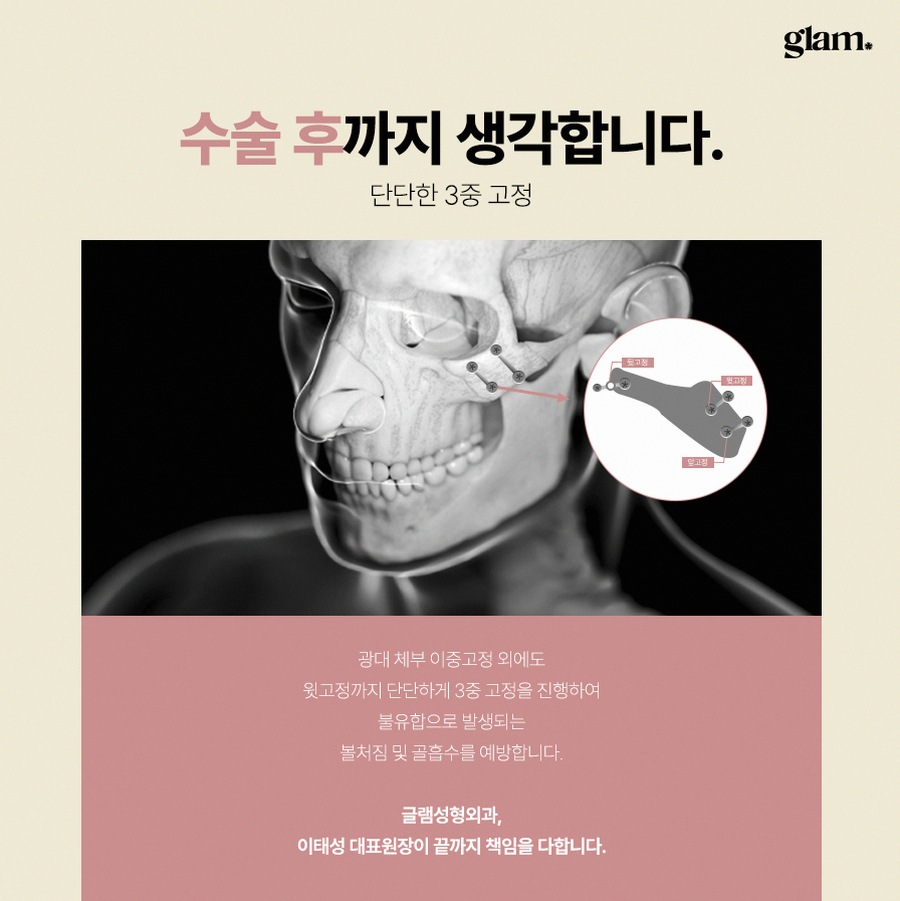
In revision cases, the surgeon must work through scar tissue from the previous operation. The original osteotomy lines, plates, and screws change the anatomy and can make access more challenging. The blood supply and soft tissue envelope may also be different from a primary case, which is why a more cautious, step-by-step approach is needed.
Reduced bone volume and limited options
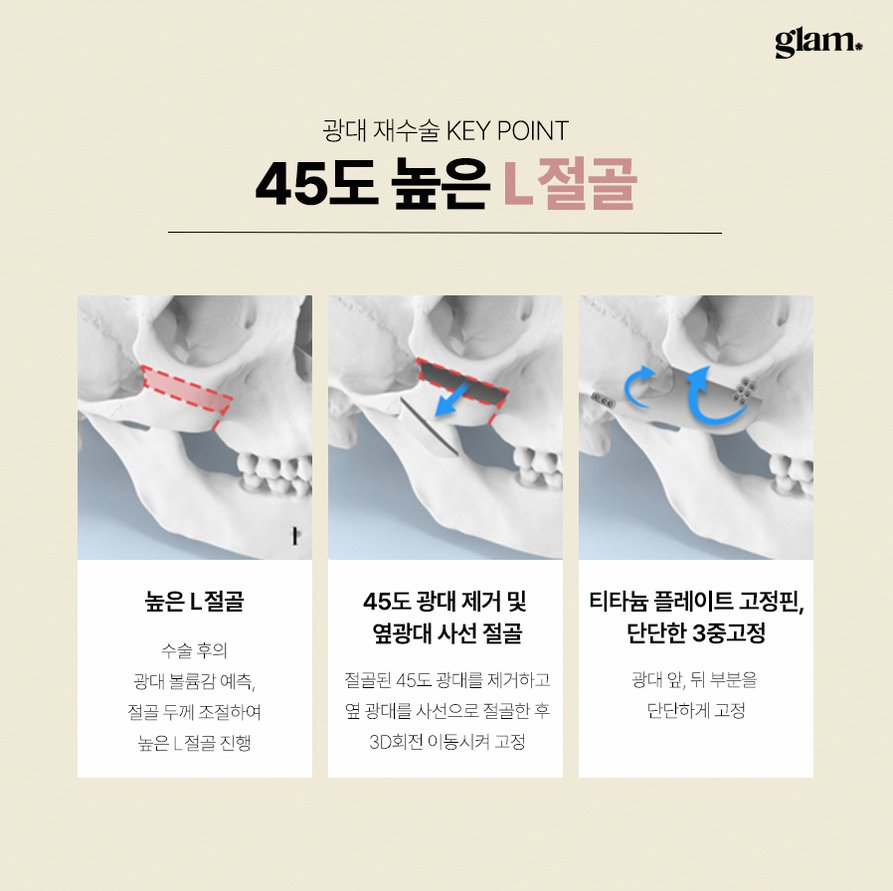
After the first surgery, part of the cheekbone has already been removed or moved. This means there is less bone available for further reduction, and the margin for error is smaller. In some patients, the main option is not additional shaving but repositioning, contour smoothing, or even selective augmentation to restore a natural curve.
Higher risk if not carefully planned
Because of altered anatomy and reduced bone reserve, revision cheekbone contouring can carry higher risks if it is not meticulously planned. These may include nerve injury, instability of the arch, or contour irregularities. For this reason, detailed imaging and a conservative, safety-first strategy are essential.
Need for advanced imaging and individualized design
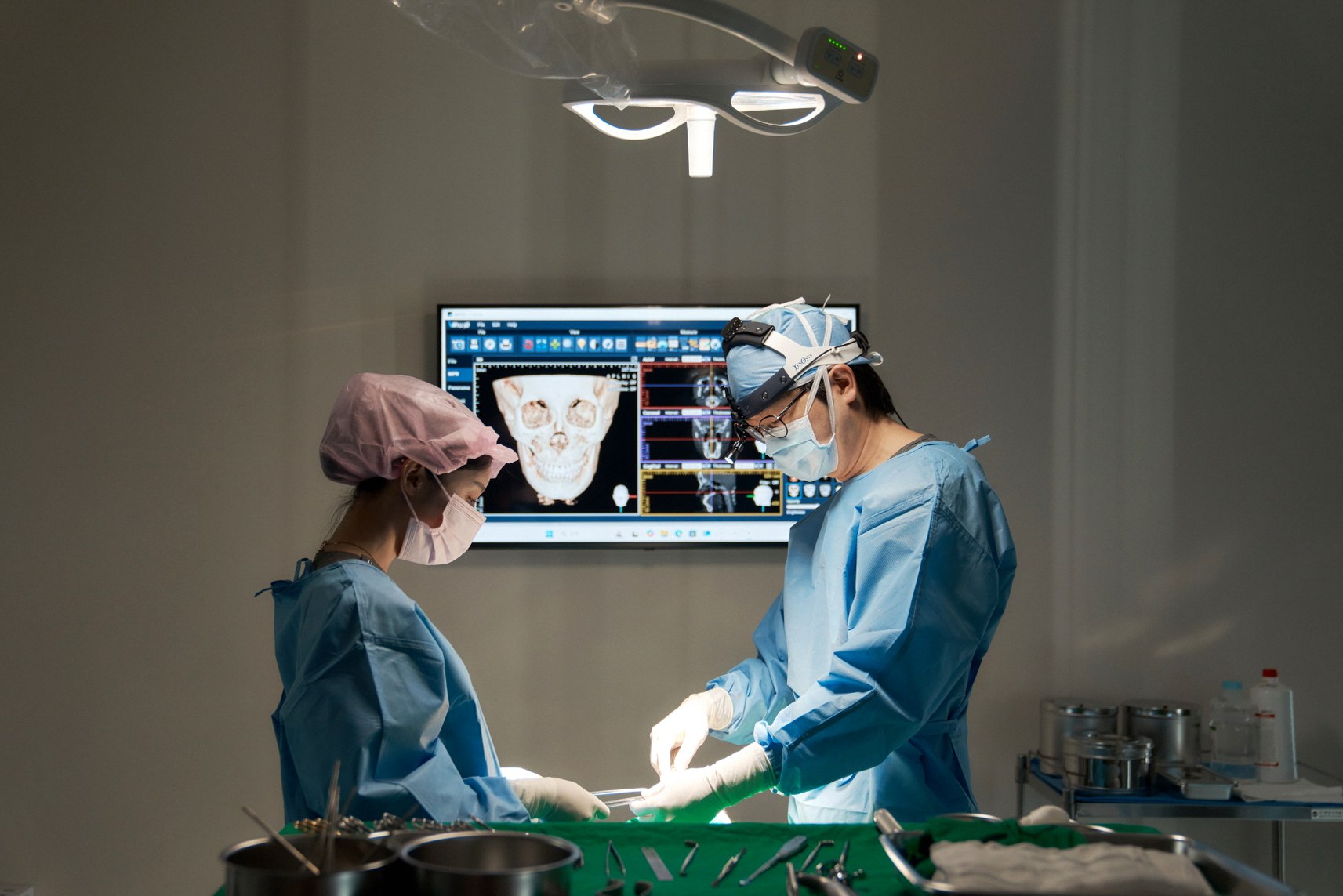
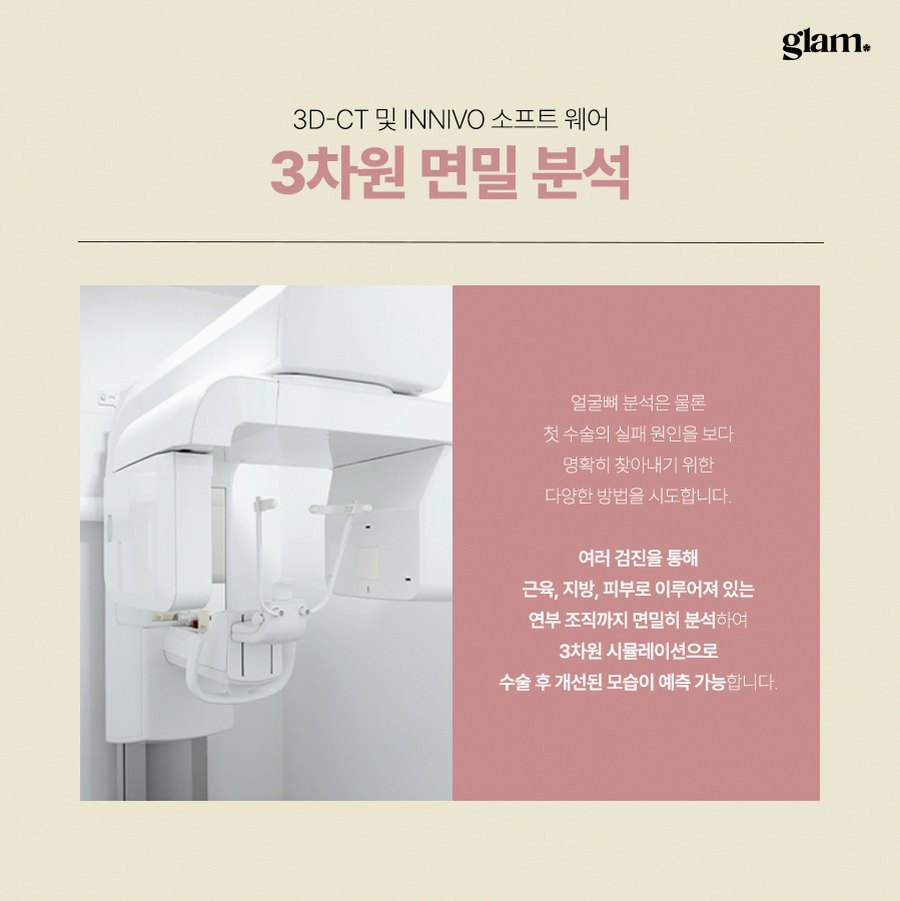
In revision surgery, 3D CT and cephalometric analysis are especially important. They allow the surgeon to see the exact position and thickness of the bone, the location of plates and screws, and the relationship with nearby structures. A clinic that focuses only on facial bone surgery, such as double jaw and facial contouring, is more likely to have standardized imaging protocols and experience with complex revision patterns.
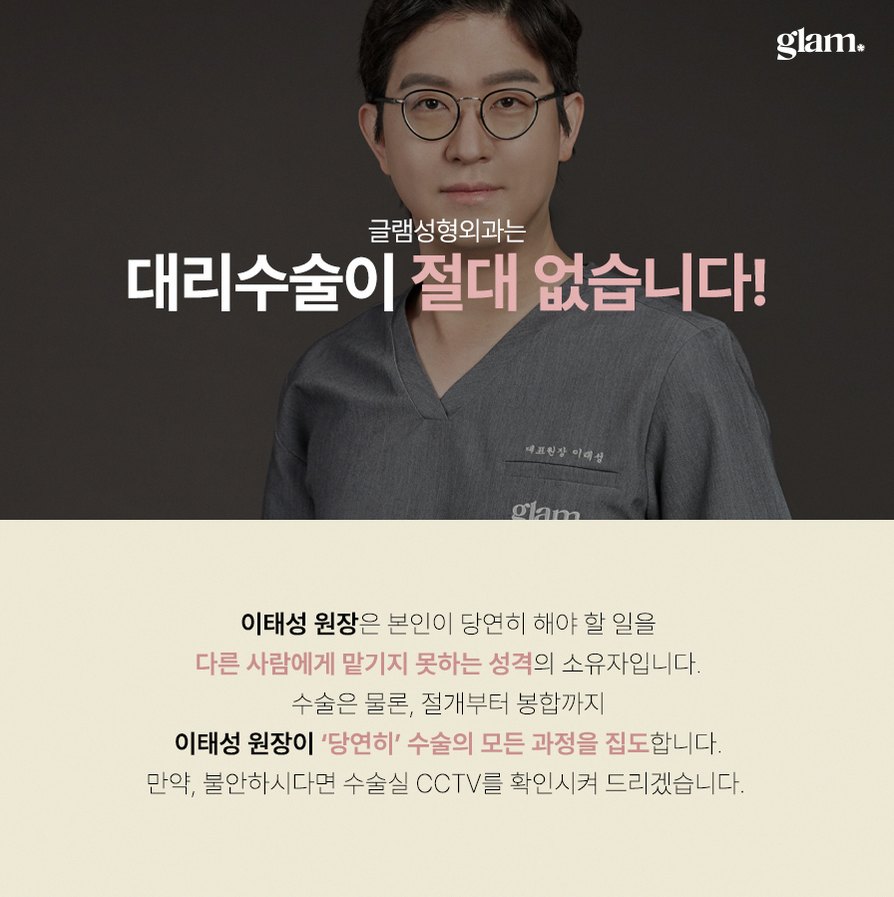
In Sinsa, Gangnam, there are centers that limit their practice to facial bone surgery rather than offering a wide range of aesthetic procedures. At such a clinic, the lead surgeon typically performs the operations directly and designs each revision based on the individual bone situation rather than using a single standard technique.
Pre-revision evaluation process
Detailed consultation
The first step is a thorough consultation, ideally with the surgeon who will operate. The discussion should clarify your main concerns: whether they are mainly about shape, symmetry, function, or a combination. It is helpful to describe what you liked and did not like about your face before the first surgery, and what feels most disturbing now.
Review of previous records
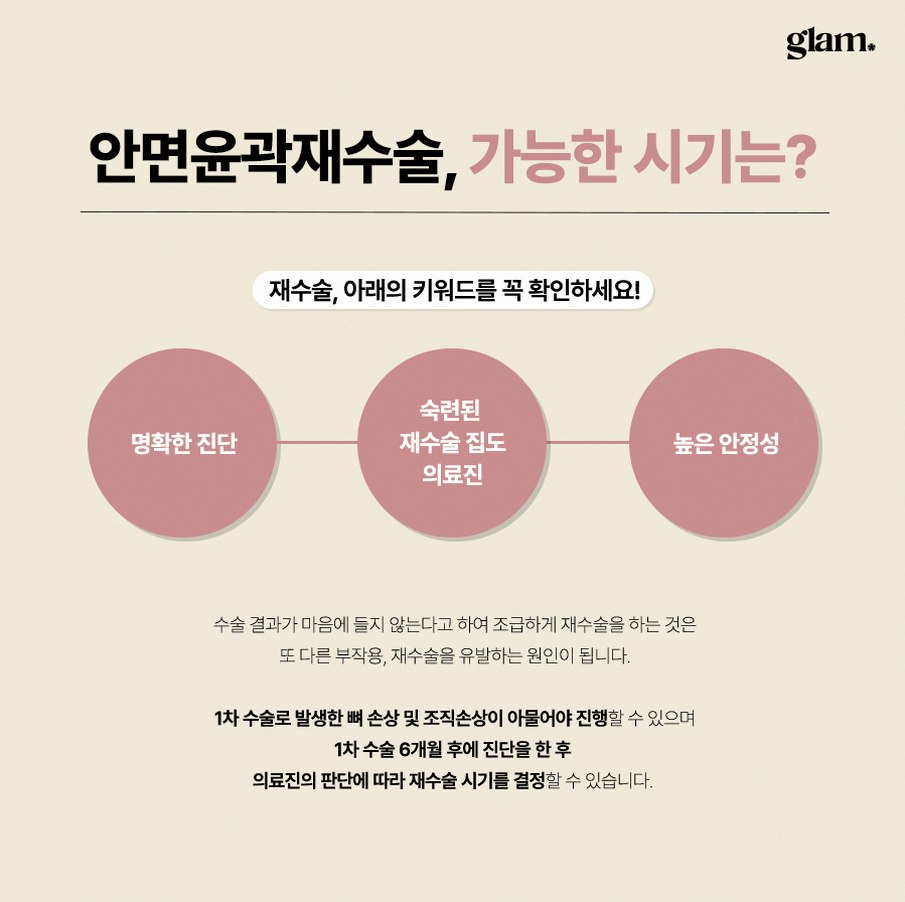
If you have previous X-rays, CT scans, or operation notes, bringing them to the consultation can be very useful. They help the surgeon understand what type of osteotomy was done, how much bone was moved, and where fixation hardware may be located.
New imaging and analysis
For revision facial contouring, new 3D CT imaging is usually essential. It shows the current bone position, thickness, and any plates or screws. Cephalometric measurements and facial photographs from multiple angles help in planning the desired changes and in checking symmetry.
Soft tissue assessment
The surgeon should also examine the skin and soft tissue over the cheekbone. Factors such as skin elasticity, fat volume, and any sagging can influence the final appearance. In some cases, a combined approach that addresses both bone and soft tissue may give a more natural result than bone work alone.
Realistic possibilities and limitations
A key part of the consultation is an honest explanation of what can and cannot be corrected. For over-reduced cheekbones, for example, further shaving is not appropriate; instead, options may include bone repositioning or augmentation. In under-corrected cases, additional reduction is only possible if enough bone remains and stability can be maintained.
In Sinsa, Gangnam, there are clinics where the lead surgeon follows a philosophy of recommending only the minimum necessary surgery, which is particularly important in revision cases where bone reserve is limited and long-term stability must be protected.
Main revision strategies for cheekbone contouring
Addressing under-correction and persistent width
If the cheekbones still look wide, the surgeon may consider additional reduction of the zygomatic body and arch, or a change in the angle of the previous cuts. The goal is often to improve the front and 45-degree views, where width is most noticeable. However, this is only feasible if imaging shows adequate bone thickness and a safe path for new osteotomies.
Managing over-reduction and sunken cheeks
For patients whose cheeks look too flat or hollow, the strategy is different. Instead of further reduction, the focus is on restoring a natural curve. Options can include repositioning the zygoma closer to its original projection, using bone grafts, or placing carefully designed implants in selected areas. Soft tissue volume restoration may be combined with these methods to support a more balanced midface.
Correcting asymmetry and irregularities
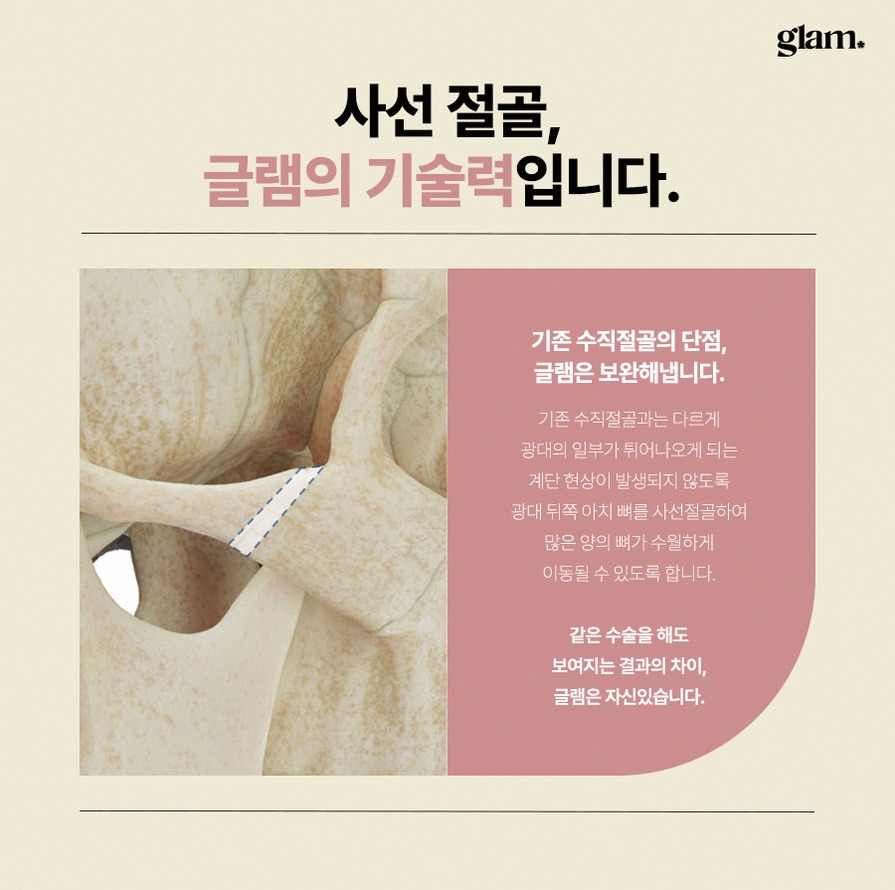
When one side is more prominent or differently shaped, the surgeon uses side-to-side comparison on 3D imaging and intraoperative measurements to plan adjustments. This may involve smoothing step deformities, adjusting or changing fixation plates, or redoing osteotomies to reposition the bone. The aim is not absolute mathematical symmetry, which is rarely possible, but a balanced and natural appearance.
Individualized approach
There is no single standard technique that suits every revision case. The exact method depends on the current bone status, previous surgical design, and the patient’s goals. A clinic that focuses exclusively on facial bone surgery, including revision contouring, is more likely to be familiar with a wide range of revision patterns and to select the least invasive option that can reasonably address the problem.
Safety and anesthesia in revision cheekbone surgery
Importance of a dedicated anesthesiologist
Revision facial contouring procedures can be longer and more complex than primary surgeries. Having a board-certified anesthesiologist dedicated to anesthesia and monitoring, separate from the operating surgeon, adds an important layer of safety. This allows the surgeon to concentrate fully on the bone work while the anesthesiologist manages airway, vital signs, and anesthesia depth throughout the operation.
Tailored anesthesia and continuous monitoring
Patients who have already undergone one surgery often feel more anxious about a second one. A tailored anesthesia plan that considers previous experiences, medical history, and current health can help reduce risks and improve comfort. Continuous monitoring during surgery, and a system that maintains attention to patients without long breaks, supports stable management from induction to recovery.
Postoperative care and recovery after cheekbone revision
General recovery timeline
After cheekbone contouring revision, swelling is usually most noticeable during the first week. Many patients can return to light daily activities within one to two weeks, depending on the extent of surgery and their general health. Bruising and stiffness gradually improve over several weeks.
The contour continues to refine as deep swelling subsides. It is common to see a more stable outline by around three months, with further subtle changes up to six to twelve months after surgery.
Supportive postoperative care programs
Some facial bone centers in Sinsa, Gangnam, offer structured postoperative care to support recovery after revision surgery. These may include LED therapy, facial dome care, skin reset total care, and radiofrequency lifting. These treatments are aimed at helping swelling reduction, improving skin condition, and supporting soft tissue adaptation over the new bone contour.
It is important to understand that such programs are supportive. The main outcome still depends on accurate surgical planning and precise bone work. However, well-organized aftercare can make the recovery period more comfortable and may help the skin and soft tissue settle more smoothly.
Practical aftercare tips
After cheekbone revision, patients are usually advised to sleep with the head elevated for the first days to help control swelling. Cold compresses are typically used in the early phase, followed by warm compresses later if recommended by the surgeon. If intraoral incisions are used, careful oral hygiene with prescribed rinses is important to reduce infection risk.
Avoiding facial trauma, heavy exercise, and strong pressure on the cheek area for several weeks is also part of standard guidance. Detailed instructions vary by case, so following the specific plan provided by your surgical team is essential.
How to choose a clinic for cheekbone contouring revision in Seoul
Focus on facial bone surgery
For revision cheekbone contouring, it can be helpful to choose a clinic that focuses exclusively on facial bone surgery, such as double jaw and facial contouring, rather than a center that performs many unrelated procedures. A focused practice is more likely to have refined protocols for imaging, planning, and managing complex revision cases.
Surgeon’s training and academic work
Checking whether the operating surgeon is a board-certified plastic surgeon with substantial experience in facial bone surgery is important. Some surgeons in Sinsa, Gangnam, have around 20 years of experience in this field and have published multiple SCI-level papers on contouring and double jaw surgery, including articles in journals such as Plastic and Reconstructive Surgery. Such academic activity suggests an evidence-based approach and ongoing engagement with current techniques, although it is not a guarantee of results.
Anesthesia system
For safety, it is worth confirming that the clinic has a board-certified anesthesiologist responsible for anesthesia and monitoring, not just temporary staff. This is particularly relevant for longer revision operations.
Imaging and planning standards
Ask whether 3D CT and detailed preoperative analysis are standard for revision cases. The clinic should be able to explain how they use imaging to design your surgery and to anticipate potential challenges related to previous osteotomies and hardware.
Communication and realistic explanations
During consultation, notice whether the surgeon clearly explains what can and cannot be corrected in your specific case. A careful clinic will avoid promising perfection and will instead discuss likely improvements, limitations, and possible need for combined or staged procedures.
Experience of the clinic in Sinsa, Gangnam
In Sinsa on Dosan-daero, within walking distance from Sinsa Station Exit 1, there are clinics that limit their services to facial bone surgery, including revision contouring. At such a center, the lead surgeon usually performs all facial bone operations personally and follows a philosophy of recommending only the minimum necessary surgery, which aligns well with the cautious approach needed for revision cheekbone contouring.
Online consultation and preparation before visiting Korea
For overseas patients, an online consultation is often the first step. To make this process efficient, it is helpful to prepare the following in advance.
Photographs and previous records
Take clear photos of your face from the front, both 45-degree angles, and both sides, in neutral expression and with a gentle smile. If possible, include photos from before your first surgery. Collect any previous X-rays, CT scans, or operation summaries and send them securely to the clinic.
List of concerns and goals
Write down what bothers you most about your current appearance or function. Is it width, flatness, asymmetry, or discomfort when chewing? Also list what you hope to achieve, understanding that revision aims for improvement rather than perfection.
Medical history and schedule
Share your general medical history, medications, allergies, and smoking status, as these can affect surgical planning and recovery. Indicate your preferred travel dates and how long you can stay in Seoul, so the clinic can suggest a realistic treatment schedule.
Expected Korea visit timeline for cheekbone revision
While details vary by case and clinic, an example timeline for an overseas patient might look like this.
Day 1 to 2: In-person consultation, physical examination, and 3D CT imaging. Final surgical plan is confirmed.
Day 3 to 4: Surgery under general anesthesia, followed by monitoring in the recovery area.
First week: Regular follow-up visits to check healing, manage swelling, and begin gentle postoperative care such as LED therapy if indicated.
Second week: Removal of external sutures if present, continued monitoring, and progression of aftercare programs.
Most overseas patients are advised to stay in Korea for at least two to three weeks after revision cheekbone surgery to allow for safe early recovery and follow-up. The exact duration depends on the complexity of the procedure and individual healing.
FAQ about cheekbone contouring revision
Is cheekbone contouring revision always possible after a previous surgery?
Not always. Whether revision is possible depends on how much bone remains, how the previous osteotomy was done, and the current condition of the soft tissues. In some cases, only minor adjustments or soft tissue procedures are advisable. A 3D CT-based evaluation is essential to determine what is realistically and safely possible.
How long should I wait after my first cheekbone surgery before considering revision?
In general, it is recommended to wait at least six to twelve months after the first surgery before planning revision. This allows swelling to resolve and the bone and soft tissues to stabilize, so the surgeon can accurately assess the final result. In cases of severe functional problems, earlier evaluation may be needed, but the timing of any second surgery should be decided carefully with your surgeon.
Can revision make my face look more natural if it is currently too flat or too wide?
In many cases, revision cheekbone surgery can help move an overly flat or overly wide midface toward a more balanced and natural appearance. For flat cheeks, this often involves repositioning or augmentation rather than further reduction. For persistent width, additional reduction may be possible if bone conditions allow. The degree of change depends on your existing anatomy and previous surgery, so expectations should be discussed in detail during consultation.
Are the risks higher for revision than for first-time cheekbone contouring?
Revision surgery can carry higher potential risks because the anatomy has already been altered and bone volume is reduced. However, with careful imaging, conservative planning, and an experienced facial bone team, many patients undergo revision safely. Choosing a clinic with a dedicated anesthesiologist, strong imaging protocols, and a cautious surgical philosophy is an important part of risk management.
Will I need combined double jaw surgery together with cheekbone revision?
Some patients who have bite issues or major skeletal imbalance may benefit from combining cheekbone revision with double jaw surgery, but this is not necessary for everyone. The decision depends on whether your concerns are limited to the cheekbone area or involve the entire facial skeleton and bite relationship. A surgeon experienced in both facial contouring and double jaw surgery can advise whether a combined or staged approach is more suitable.

How long does swelling last after revision, and when can I see the final shape?
Most visible swelling improves significantly within two to four weeks, allowing patients to resume many daily activities. However, deeper swelling and subtle changes continue to settle over several months. A reasonably stable contour is usually visible by around three months, with final refinement up to six to twelve months after surgery.
Soft call to action
If you are considering cheekbone contouring revision in Sinsa, Gangnam, and would like an objective assessment of your current facial structure, you can start with an online consultation. By sharing your photos, previous records, and main concerns, a facial bone surgery team can outline realistic options and help you decide whether a visit to Seoul for revision facial contouring is appropriate for you.
This article is intended for general information for international patients and does not replace a personal consultation or medical diagnosis. Individual assessment by a qualified surgeon is necessary to determine the most suitable treatment plan for your situation.




- 공유 링크 만들기
- X
- 이메일
- 기타 앱


댓글
댓글 쓰기