Celebrity Double Jaw Surgery in Seoul: What International Patients Should Really Know
- 공유 링크 만들기
- X
- 이메일
- 기타 앱
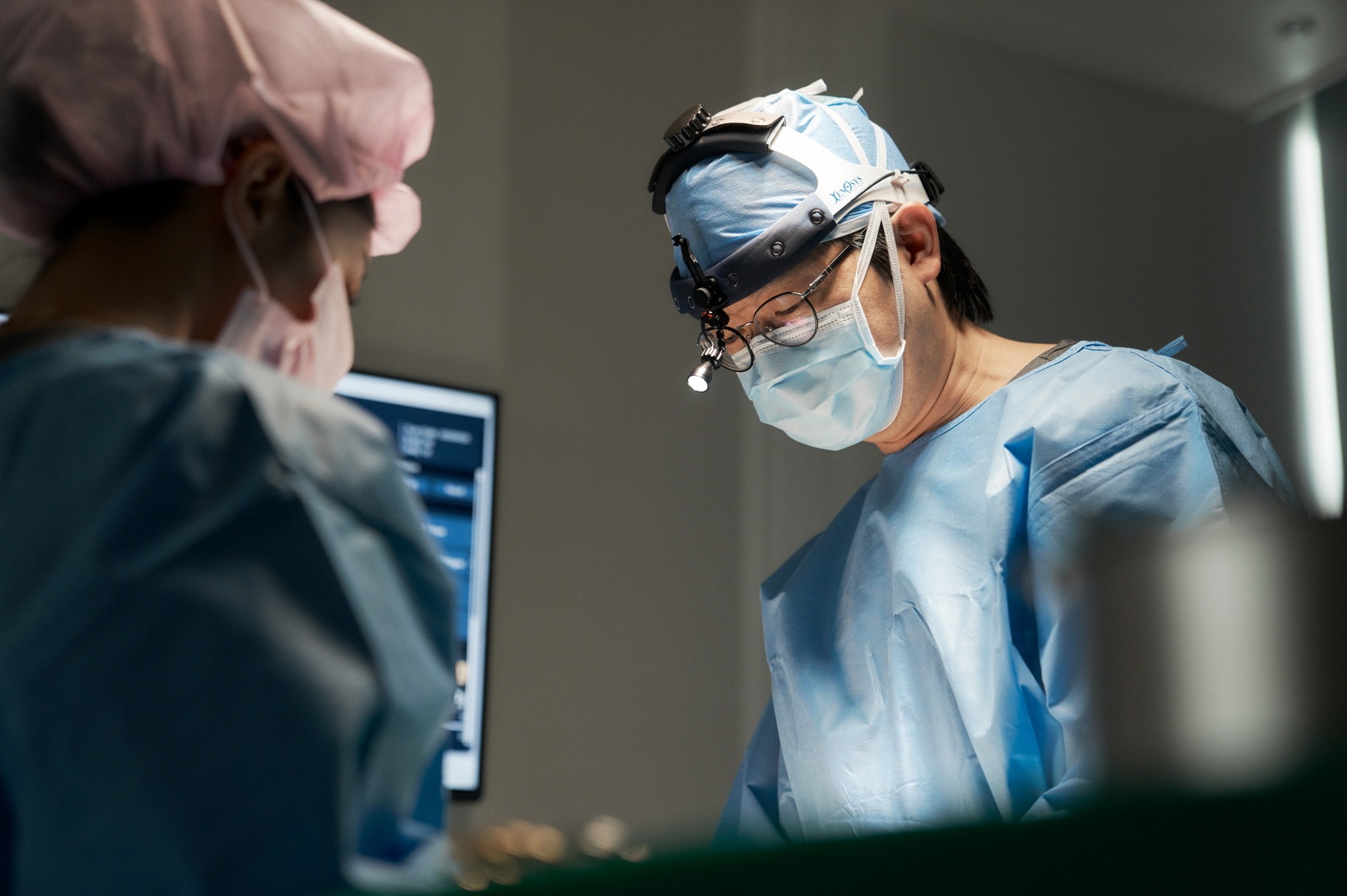
Direct answer summary
When people talk about “celebrity double jaw surgery” in Korea, they are usually referring to orthognathic double jaw surgery that creates both a functional bite correction and a refined, camera-friendly facial balance. It is not a secret celebrity-only operation, but a carefully planned procedure that repositions the upper and lower jaws to improve chewing, facial symmetry, and profile. For overseas patients, the key is not to chase a celebrity name, but to choose a facial bone–specialized clinic with experienced surgeons, safe anesthesia, and realistic planning.
This guide explains what celebrity double jaw surgery actually is, who may benefit from it, how the treatment process works in Seoul, what kind of recovery to expect, and how to prepare as an international patient.
What is “celebrity double jaw surgery”?
Double jaw surgery, also called orthognathic double jaw surgery, is a procedure that moves both the upper jaw and the lower jaw. The surgeon cuts and repositions the jaw bones, then fixes them in a new, more balanced position.
In Korea, many people call this “celebrity double jaw surgery” because the before-and-after changes can look dramatic. Entertainers, models, and influencers sometimes undergo this surgery to correct jaw imbalance and to achieve a slimmer lower face, clearer jawline, and more harmonious profile for cameras and high-definition video.

However, the true medical purpose is not just to look different. The main goal is to correct skeletal imbalance and bite problems such as open bite, crossbite, protruding mouth, facial asymmetry, or a long lower face. Aesthetic improvement is planned together with functional correction, so the new bite, breathing, and jaw movement work well with the new facial shape.
In a well-planned case, the result is a more balanced face: the forehead, midface, and lower face are in better proportion, the mouth area looks less protruded or stretched, and the jawline looks defined without being over-reduced.
Who should and should not consider double jaw surgery
Double jaw surgery is major bone surgery. It is not suitable for everyone who simply wants a smaller face or a celebrity-style look.
You may be a potential candidate if you have one or more of the following:
Severe jaw protrusion or retrusion, where the upper or lower jaw sticks out or sits too far back
A long face or vertically long lower face that affects your smile and profile
Facial asymmetry, where one side of the jaw is lower, shorter, or more protruded than the other
A gummy smile related to jaw position, not just gum tissue
Functional bite problems such as open bite, crossbite, or difficulty chewing
Chronic jaw-related discomfort, tension, or fatigue when eating or speaking
In these cases, moving the jaw bones themselves may be necessary to correct the underlying structure. Sometimes the plan also includes chin reshaping or other facial contouring to fine-tune the balance.
On the other hand, you may not need full double jaw surgery if:
Your bite is relatively stable and your concerns are mainly about a wide jaw angle, prominent cheekbones, or a slightly long chin
Your lower face looks bulky mostly due to soft tissue or mild bone angles rather than clear skeletal imbalance
Your issues can be improved with less invasive facial contouring procedures or with bite correction alone
A responsible facial bone–specialized clinic will distinguish between cases that truly need double jaw surgery and those that can be managed with more limited bone reshaping or bite-focused care. Choosing double jaw surgery only for the sake of a “celebrity” label, without medical indication, is not advisable.
What makes a result look “celebrity-like” rather than just different
Many people worry that double jaw surgery will make them look like a completely different person. In reality, the most refined “celebrity-like” results are usually not extreme.
Several design points contribute to a high-end, natural look:
Harmonized facial thirds
The face is often divided into three vertical sections: forehead, midface, and lower face. When the jaws are moved, the surgeon aims to bring these thirds into better proportion. For example, a very long lower face can be shortened, or an underdeveloped lower jaw can be advanced to match the midface.
Natural V-line and jaw angle
Many people associate celebrities with a slim V-line. However, over-reducing the jaw angle can create a weak or artificial look. A more refined approach keeps enough bone to support the soft tissue and maintain strength, while smoothing bulky angles and asymmetry.
Smooth profile line
A balanced profile shows a gentle line from the forehead down the nose, lips, and chin. Double jaw surgery can reduce a protruding mouth, improve a receding chin, and align the upper and lower lips with the nose and chin. This is one of the key reasons entertainers choose this procedure.
Balanced smile line
When the jaws are in better position, the upper teeth and gums can show in a more controlled way when you smile. A long or protruding mouth impression can be reduced, and the smile can look more relaxed and natural.
Individualized design
Perhaps the most important point is that subtle, individualized changes often look more “celebrity” than dramatic reductions. Many public figures prefer natural, camera-friendly balance rather than obvious surgery. A good plan respects your original features and culture, while refining proportions.
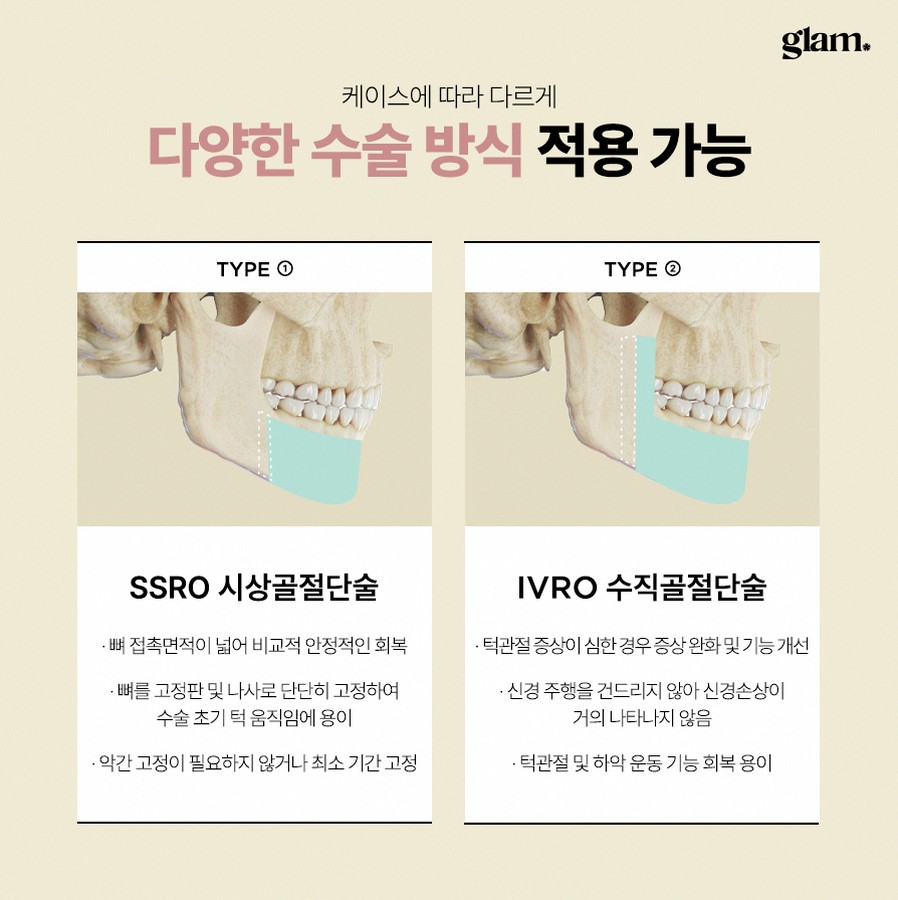
Treatment overview: how the process works
For overseas patients, understanding the full process helps you plan your trip and recovery.
Preoperative evaluation
Initial consultation and photos: You share your concerns, medical history, and reference images if you wish. The team takes facial photos and may request previous scans if you have them.
3D imaging and cephalometric analysis: In Seoul, facial bone–focused clinics commonly use 3D CT or similar imaging and detailed measurements to understand your jaw structure from every angle.
Bite and jaw function assessment: The team examines how your upper and lower jaws meet, how you chew, and whether there are functional issues such as open bite or crossbite.
Medical evaluation: Your general health, medications, allergies, and previous surgeries are reviewed to check if you are fit for general anesthesia.
Aesthetic consultation: You discuss what kind of change you hope for. The surgeon explains what is realistic based on your bone structure and how function and aesthetics can be balanced.
Surgical planning
Based on the analysis, the surgeon decides:
How far to move the upper jaw and in which direction (forward, backward, up, down, or rotated)
How to reposition the lower jaw to create a stable, comfortable bite
Whether to combine the jaw movement with chin reshaping or other facial contouring to refine the lower face
How to maintain or improve the airway and breathing space
How to support the nose and lips so that the nose does not widen or droop excessively

Simulation tools may be used to show approximate changes, but these are guides, not guarantees.
Operation day
Double jaw surgery is performed under general anesthesia. At a specialized clinic in Gangnam near Sinsa Station, anesthesia is typically handled by a board-certified anesthesiologist who monitors you continuously throughout the operation.
The surgeon accesses the jaw bones from inside the mouth, so there are usually no visible facial scars. The upper and lower jaws are cut in planned lines, repositioned, and fixed with plates and screws. Soft tissue handling and specific suturing techniques around the nose and mouth help minimize unwanted changes such as nose widening.
The surgery time can be several hours, depending on complexity and whether additional facial contouring is included.
Postoperative course and recovery milestones
Hospitalization
Most patients stay in the clinic or partner hospital for at least one night after surgery for monitoring. Oxygen, pain control, and swelling management are provided. You may have elastic bands guiding your bite, and your diet will start with liquids.
Diet progression
First days: Clear liquids, then thicker liquids such as smoothies and soups, taken slowly.
First weeks: Soft foods that do not require strong chewing, such as mashed foods or very soft noodles.
Later weeks: Gradual return to more solid foods as guided by your surgeon and depending on stability and comfort.
Swelling and bruising
First week: Swelling is usually at its peak, especially around days 2–4. Bruising may appear around the lower face and neck.
Around 1 month: A large portion of the swelling has reduced, and the new facial shape becomes more visible, though you may still feel puffy.
3–6 months: Swelling continues to settle, and the face refines. Most people feel socially comfortable earlier, but subtle changes can continue for many months.
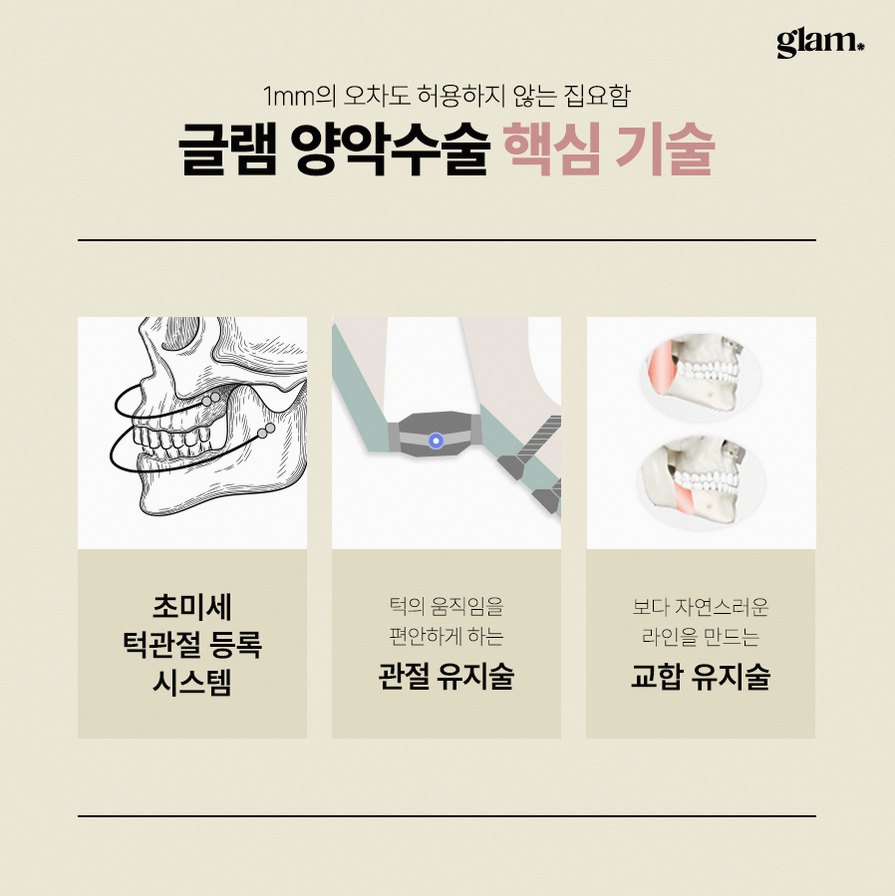
Pain and discomfort
Pain is usually manageable with prescribed medication. Many patients describe more pressure and tightness than sharp pain. Numbness around the lips and chin is common early on and can take time to improve.
Return to daily life
Light activities and remote work may be possible within 2–3 weeks, depending on your job and personal comfort. More physically demanding activities should be delayed according to your surgeon’s instructions.
Safety, fixation methods, and bite care
Fixation concepts
In the past, patients often had their jaws wired shut for weeks. Modern techniques use rigid fixation with plates and screws, which can reduce or avoid long-term jaw wiring. You may still have temporary elastic bands to guide the bite, but you can usually open your mouth slightly.
The exact fixation method depends on your bone quality, the amount of movement, and your bite stability. Your surgeon will explain how long any elastics are expected to stay.
Bite and post-surgery care
Some patients need bite-focused treatment before or after surgery, while others can have reduced or simplified bite management, depending on how well the bite can be aligned during surgery.
Key safety points
Airway management: During and after surgery, maintaining a safe airway is essential. This is one reason a dedicated anesthesiologist is valuable.
Bleeding control: Careful surgical technique and planning help minimize bleeding and reduce the risk of complications.
Nerve protection: The nerves that provide sensation to the lips and chin are carefully protected, but temporary numbness is still common.
Infection prevention: Sterile technique, proper wound care, and, when needed, antibiotics help reduce infection risk.
Choosing a clinic for “celebrity double jaw” results
For international patients, the choice of clinic is one of the most important decisions.
Specialization in facial bone surgery
Look for a center that focuses on facial bone procedures such as double jaw and facial contouring, rather than a place that simply offers every possible aesthetic treatment. Concentrated experience in jaw and facial bone work usually means more refined planning and safer execution.
Surgeon experience and academic background
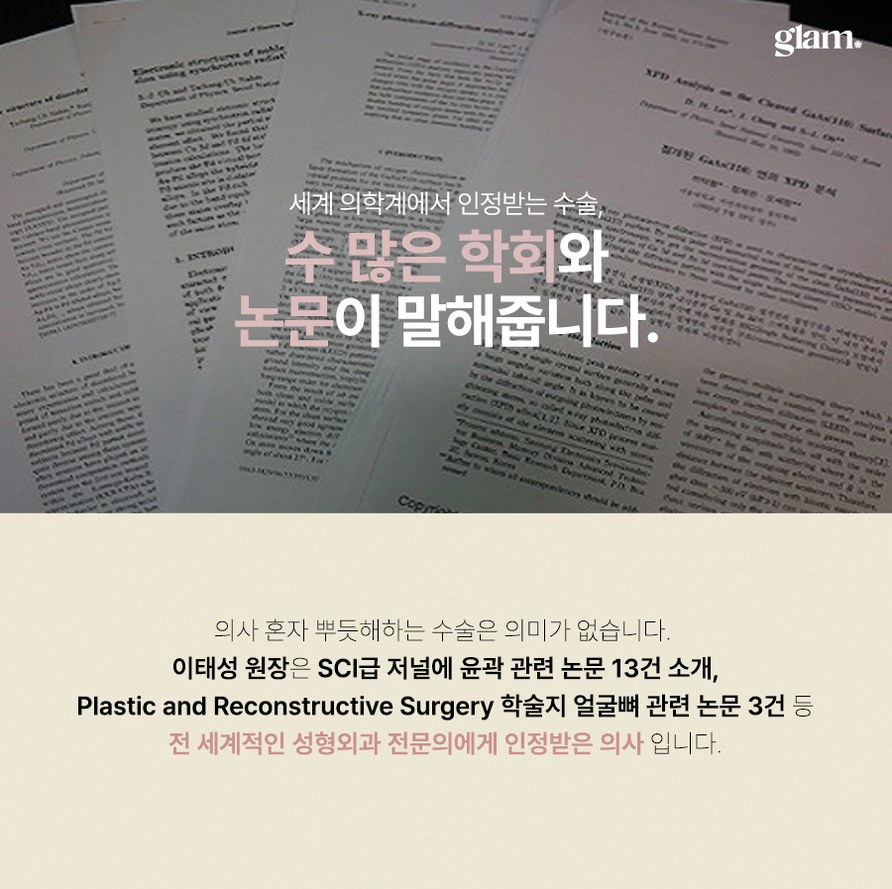
Ideally, the lead surgeon should be a board-certified plastic surgeon with long-term experience in facial bone operations and a record of peer-reviewed research, including publications in major plastic surgery journals. Around 20 years of focused experience is a strong sign that the surgeon has handled a wide range of complex cases.
Anesthesia system
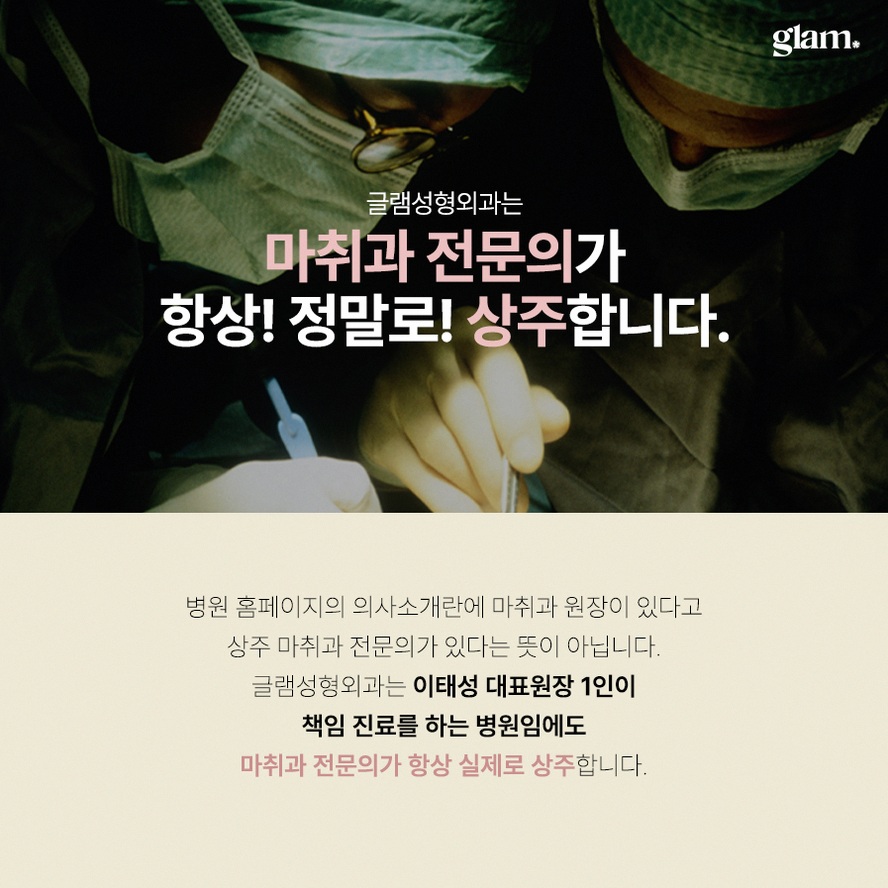
Double jaw surgery is long and complex, so having an in-house board-certified anesthesiologist who handles continuous anesthesia and monitoring is a major safety advantage.
Surgical responsibility and recommendations
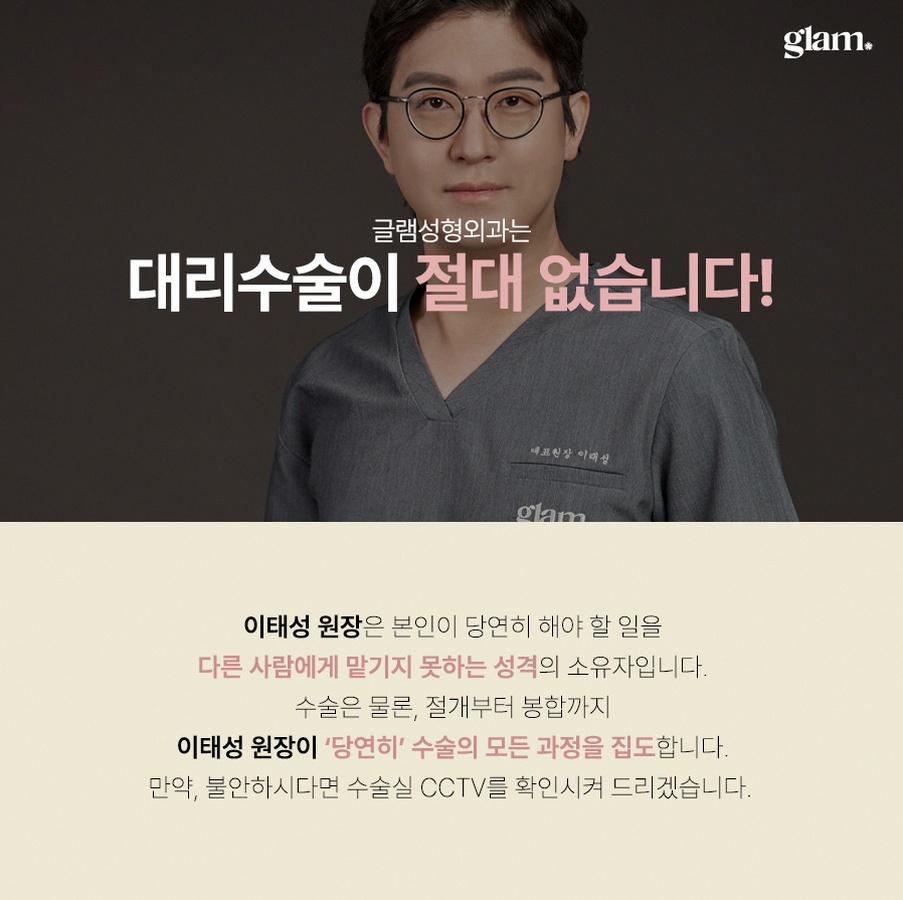
The operating surgeon should perform the surgery directly, not delegate key steps. It is also important that the clinic recommends only the minimum necessary procedures, rather than pushing many add-ons that do not clearly benefit your case.
Location and access
A clinic in Seoul’s Gangnam district, about 200 meters from Sinsa Station Exit 1, is convenient for transport, accommodation, and follow-up visits. This area is well known for medical services and is easily accessible from major city hubs.
Postoperative care and swelling management
Aftercare is an important part of achieving a refined result and a smoother recovery.
Typical swelling pattern
First week: Strong swelling, difficulty speaking clearly, and a feeling of tightness are normal.
Around 2–4 weeks: Swelling decreases significantly, and you can usually move around more comfortably.
1–3 months: The face continues to slim, and you begin to see the new contour more clearly.
3–6 months: Final refinement of the jawline and soft tissues.
Structured aftercare programs
Some facial bone–specialized clinics in Seoul offer organized post-surgery care programs, for example:
LED therapy to support healing and reduce inflammation
Facial dome treatments to gently encourage circulation and fluid drainage
Skin reset programs to help the skin over the jawline recover its texture and clarity
Radiofrequency lifting to support skin tightening once the initial healing phase has passed
These treatments are supportive. They cannot replace proper surgery or correct structural issues, but they can help your face settle more comfortably and support the quality of the overlying skin.
Common fears and myths about celebrity double jaw surgery
Fear of looking “too different”
Many people worry they will not recognize themselves. With careful planning, the goal is to preserve your personal identity while improving proportions. The most refined results usually look like a more balanced, refreshed version of you, not a completely new person.
Concern about nose widening
It is true that moving the upper jaw can influence the base of the nose. However, specific suturing and support techniques can help prevent excessive widening or flattening. During consultation, you can discuss how the nose may change and what can be done to control it.
Worries about numbness and long-term function
Temporary numbness around the lips and chin is common, as the nerves are close to the surgical area. Sensation often improves over months, but recovery speed varies. In most cases, people can eat and speak normally after full healing. Your surgeon should explain the possible range of outcomes and what is typical for your type of movement.
Myth that only extreme reduction looks “celebrity”
Many entertainers actually prefer subtle, camera-friendly balance rather than extreme bone removal. Over-reduction can age the face or create functional issues. A well-balanced plan that respects your bone structure and soft tissue is more likely to look refined in real life and on camera.
Online consultation and pre-visit preparation for overseas patients
If you live outside Korea, an online consultation is usually the first step.
Preparing for online consultation
To make the most of your first discussion:
Prepare clear front, 45-degree, and side-view photos of your face, with a neutral expression and natural lighting
If possible, include photos of your smile and your bite from the front and sides
Write a short summary of your main concerns: for example, “protruding mouth,” “long face,” “asymmetry,” or “jaw discomfort when chewing”
List any previous procedures on your face or jaws, and any major medical conditions or medications
Prepare questions about recovery time, expected stay in Korea, and what kind of changes are realistic for you
What to ask the clinic
During online consultation, it is useful to ask:
Whether your case seems to require double jaw surgery or if more limited facial contouring might be enough
How the clinic balances functional correction and aesthetic design
Who will perform the surgery and how many similar cases they handle regularly
What kind of anesthesia system and monitoring are used
How long you should plan to stay in Korea for surgery and follow-up
What aftercare is available and how swelling is usually managed
Expected Korea visit timeline
The exact schedule can vary, but many overseas patients follow a similar pattern.
Before arrival
Online consultation and preliminary plan
Submission of medical history and any previous imaging
Tentative surgery date booking
In Seoul
Day 1–2: In-person consultation, detailed imaging, bite assessment, and final surgical planning. You may sign consent forms and complete preoperative tests.
Day 3 or 4: Surgery day, followed by at least one night of hospitalization.
First 1–2 weeks: Regular check-ups for wound care, swelling evaluation, and guidance on diet and mouth care. You may start gentle aftercare treatments if recommended.
Around 2–3 weeks: Many overseas patients are able to fly home, depending on their condition and the surgeon’s advice. Some prefer to stay longer for extra follow-up and aftercare.

After returning home
You will usually have online follow-up consultations to monitor healing. It is important to follow all instructions on diet, activity, and oral hygiene, and to contact the clinic if you notice anything unusual.
Soft call to action for online consultation
If you are considering celebrity-style double jaw surgery in Seoul and want to know whether it is medically appropriate for you, an online consultation is a safe first step. A facial bone–specialized plastic surgery clinic in Gangnam, near Sinsa Station, can review your photos, discuss your concerns in English, Japanese, or Thai, and outline a realistic treatment plan and travel schedule.
You can also explore the clinic’s Instagram, YouTube, and messaging channels to see educational content about facial bone surgery, recovery tips, and general information for overseas patients. When you are ready, share your photos and questions so the team can give you individualized guidance rather than a one-size-fits-all answer.




- 공유 링크 만들기
- X
- 이메일
- 기타 앱


댓글
댓글 쓰기