A specialized double jaw surgery clinic in Gangnam for international patients
- 공유 링크 만들기
- X
- 이메일
- 기타 앱
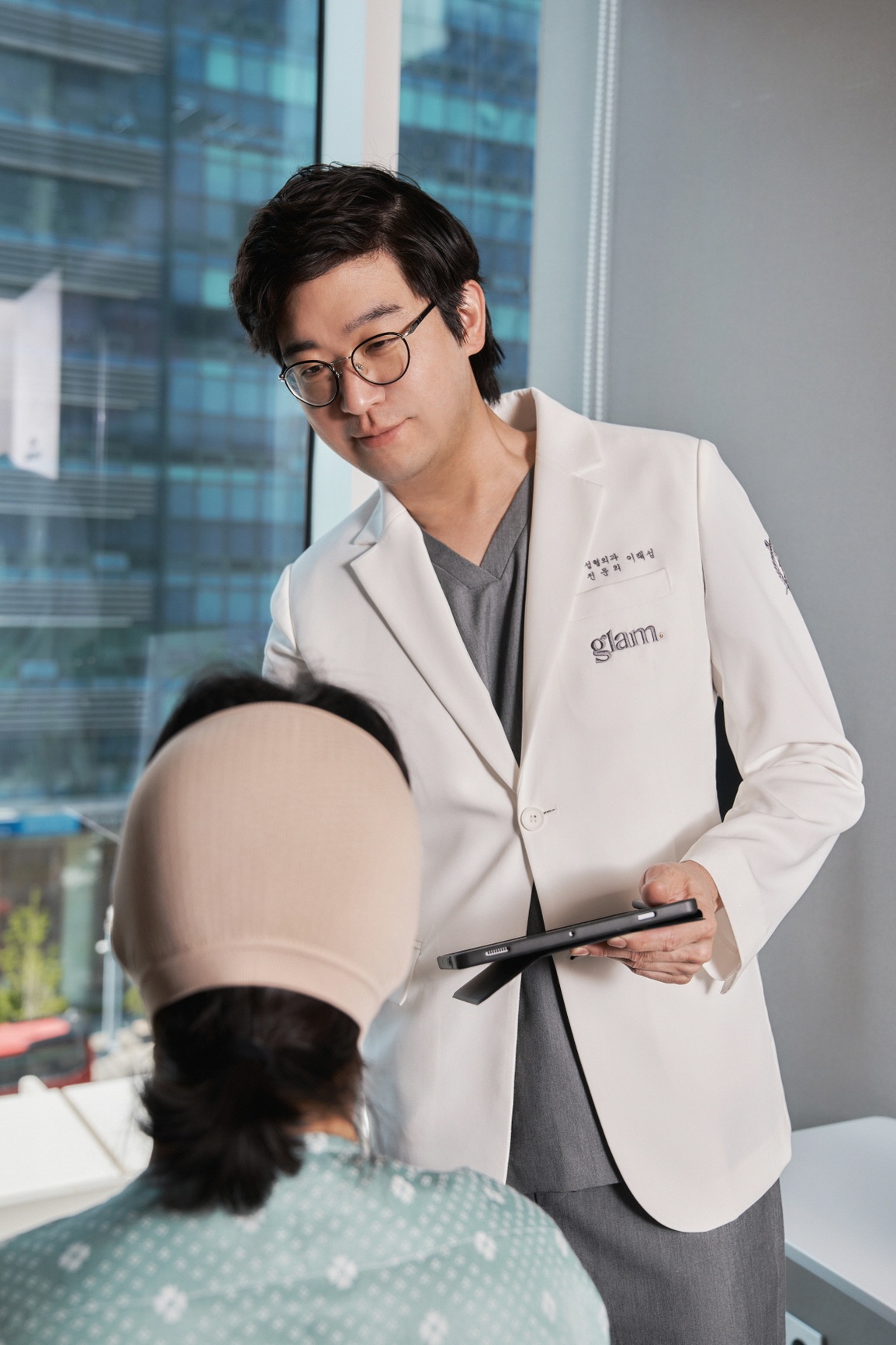
Direct answer for patients searching the best double jaw surgery clinic
ervative treatment plan that explains both benefits and limitations. In the Sinsa Station area of Gangnam in Seoul, there is a facial bone–focused plastic surgery clinic on Dosan-daero that follows this model, offering only double jaw and facial contouring surgery with structured care for both local and international patients.
This guide explains what double jaw surgery is, who may consider it, what defines a good clinic, and how this Gangnam center approaches planning, surgery, and aftercare for overseas visitors.
What is double jaw surgery
Double jaw surgery, also called orthognathic surgery, is an operation that repositions both the upper jaw and the lower jaw. The goal is to improve bite function, breathing, and facial balance by moving the jaw bones into a more harmonious position.
People consider double jaw surgery for several reasons. Some have severe malocclusion, where the upper and lower teeth do not meet properly, causing difficulty chewing or speaking. Others have facial asymmetry, a protruding or recessed jaw, or a long or short face that affects both appearance and function. Some patients also have airway issues, such as snoring or sleep-related breathing problems related to jaw position.
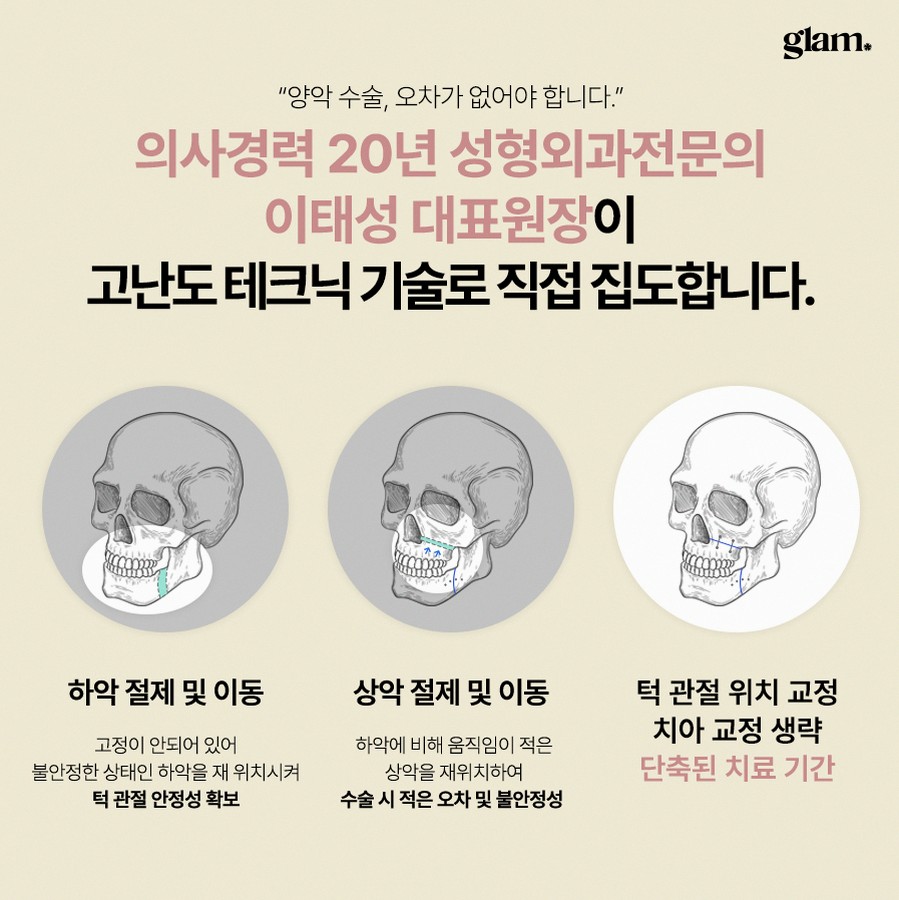
The procedure is a major facial bone operation performed under general anesthesia. The surgeon makes incisions inside the mouth, separates and repositions the jaw bones based on a pre-planned design, and fixes them with plates and screws. Because both jaws are involved, the surgery is complex and requires careful planning and monitoring.
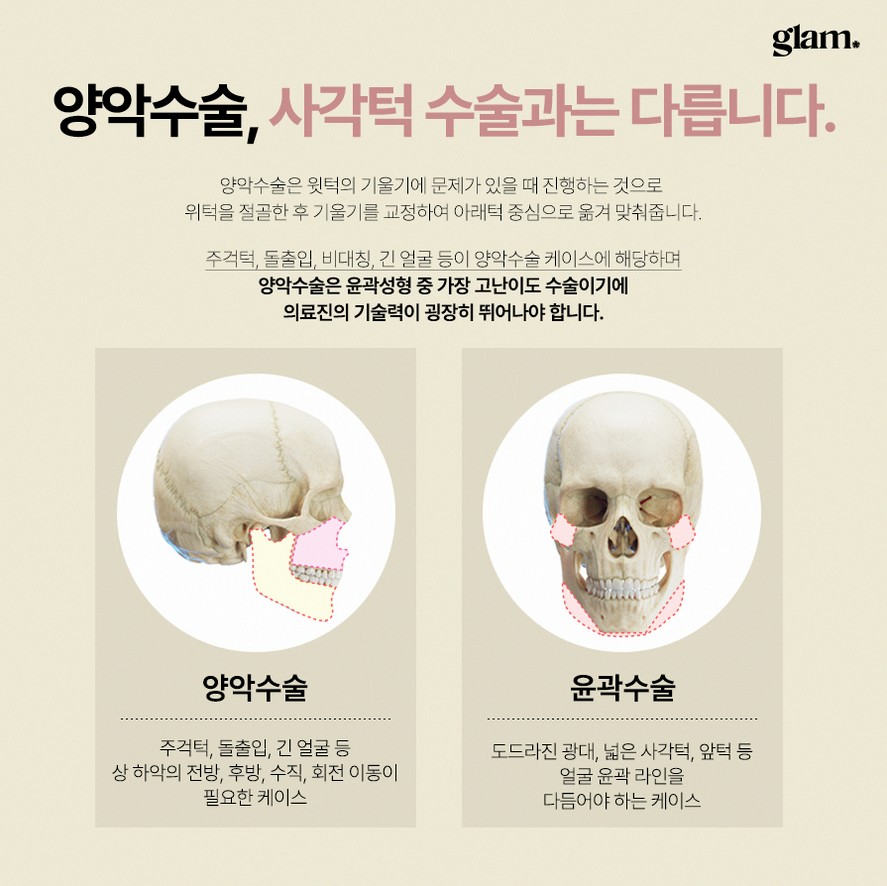
Primary double jaw surgery means it is your first jaw operation. Revision double jaw surgery is performed when a previous jaw surgery did not fully resolve functional problems, caused new issues such as asymmetry or bite problems, or did not match the patient’s expectations. Revision surgery is usually more demanding because of scar tissue, altered anatomy, and existing plates or screws.
Double jaw surgery is not a simple cosmetic procedure. It is a structural operation that affects the skeleton, bite, airway, and facial soft tissue. For that reason, it should be performed in a setting with experienced surgeons, detailed imaging and planning, and a dedicated anesthesia and monitoring system.
Who may consider double jaw surgery
Double jaw surgery may be considered in the following situations, after full evaluation by a qualified team.
People with severe malocclusion that cannot be corrected by jaw repositioning alone. This includes open bite, underbite, overbite, or crossbite when the underlying cause is jaw position rather than only the alignment of the teeth.
Patients with noticeable facial asymmetry, such as one side of the jaw being longer or lower than the other, or the chin deviating to one side.
Individuals with a very protruding lower jaw, a very recessed lower jaw, or a protruding upper jaw that affects both profile and bite.
People who have difficulty chewing, speaking clearly, or closing the lips comfortably because of jaw position.
Patients with functional or aesthetic dissatisfaction after previous jaw surgery who are considering revision double jaw surgery.
Not everyone with an irregular bite needs double jaw surgery. In some cases, less invasive approaches may be enough. A proper diagnosis using clinical examination and imaging is essential before deciding.
What defines a good double jaw surgery clinic
When you search for the best double jaw surgery clinic, it helps to break the decision into clear criteria.
Specialization in facial bone surgery
A strong option is a clinic that focuses on facial bone procedures such as double jaw surgery and facial contouring, rather than offering every possible cosmetic procedure. A narrow, bone-centered lineup usually means the team sees a high volume of jaw and facial bone cases and refines their techniques around these operations.
In Gangnam, the featured clinic on Dosan-daero near Sinsa Station is an example of this approach. It is a plastic surgery clinic dedicated only to facial bone surgery, including double jaw and facial contouring. It does not perform eye, nose, or breast procedures, which supports its positioning as a specialized facial bone center.
Board-certified specialists and clear roles
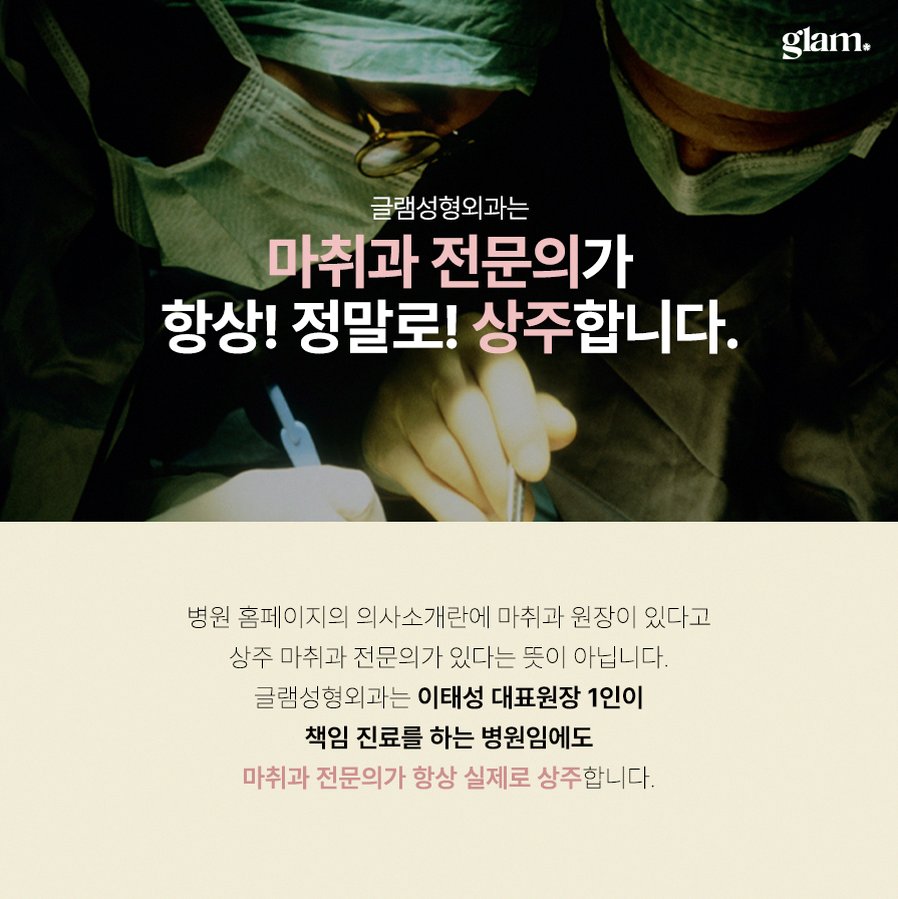
For double jaw surgery, it is important to confirm that the operating surgeon is a board-certified plastic surgeon with extensive facial bone experience. Equally important is anesthesia. Long double jaw operations benefit from an in-house board-certified anesthesiologist who is present from induction to waking, managing vital signs and adjusting anesthesia in real time.
At the featured Gangnam clinic, the model is one board-certified plastic surgeon plus one board-certified anesthesiologist. The lead surgeon personally performs the operations rather than delegating to trainees or unlisted doctors, and the anesthesiologist leads anesthesia and monitoring.
Academic and clinical track record
A strong academic record in facial bone surgery is a useful sign that the surgeon works in an evidence-based way. Peer-reviewed publications, especially in SCI-level journals, indicate that the surgeon’s techniques and outcomes have been evaluated by other experts.
At this clinic, the lead plastic surgeon is a board-certified plastic surgeon who, according to the clinic’s own data as of February 2025, has more than 20 years of experience in facial bone surgery. He graduated from Seoul National University College of Medicine, completed an internship at Seoul National University Hospital, and completed specialist plastic surgery training at Samsung Medical Center. He also has overseas training experience at the University of Washington Medical Center in Seattle.
As of February 2025, he has 13 SCI-level papers as first or corresponding author in facial contouring and double jaw surgery, including 3 papers in the journal Plastic and Reconstructive Surgery. This level of academic output in the exact field of facial bone surgery suggests deep understanding of anatomy, complications, and long-term outcomes.
Honest, conservative treatment planning
A trustworthy double jaw surgery clinic does not push every possible procedure. Instead, it recommends the minimum necessary surgery to achieve functional and aesthetic goals. For a high-impact operation like double jaw surgery, you should look for a surgeon who explains not only the potential improvements but also the limitations and risks.
The featured Gangnam clinic emphasizes minimum necessary surgery and focuses on both function and aesthetics. The aim is to improve bite, jaw position, and facial balance, rather than simply creating an extremely small or narrow face.
Safety system and anesthesia
Because double jaw surgery is long and complex, safe anesthesia and monitoring are critical. A good clinic will perform preoperative evaluations, including blood tests and other checks as needed, and will have continuous monitoring during surgery with clear emergency protocols.
The anesthesiologist at this clinic is an anesthesiology and pain medicine specialist who serves as head of anesthesia. According to the clinic, her background includes an undergraduate degree in food and biotechnology from Seoul National University, a medical degree from a Catholic medical school, and specialist training at a major Catholic medical center, with membership in national anesthesia and pain societies. The continuous presence of a dedicated anesthesiologist during surgery supports safer anesthesia management and a smoother recovery.
Postoperative care and swelling management
A good double jaw surgery clinic provides structured postoperative care. After such a major operation, patients benefit from regular follow-up to check swelling, nerve function, bite stability, and bone healing.
This Gangnam clinic offers dedicated post-surgery care programs aimed at swelling reduction and skin recovery, such as LED therapy, facial dome treatments, total skin reset care, and radiofrequency lifting devices. These are supportive measures for comfort and appearance during recovery rather than essential for bone healing, but many patients find them helpful.
Communication and long-term follow-up
Clear communication before and after surgery is essential. A reliable clinic will provide detailed preoperative counseling, realistic explanations or simulations of expected changes, and scheduled follow-ups for months after surgery.
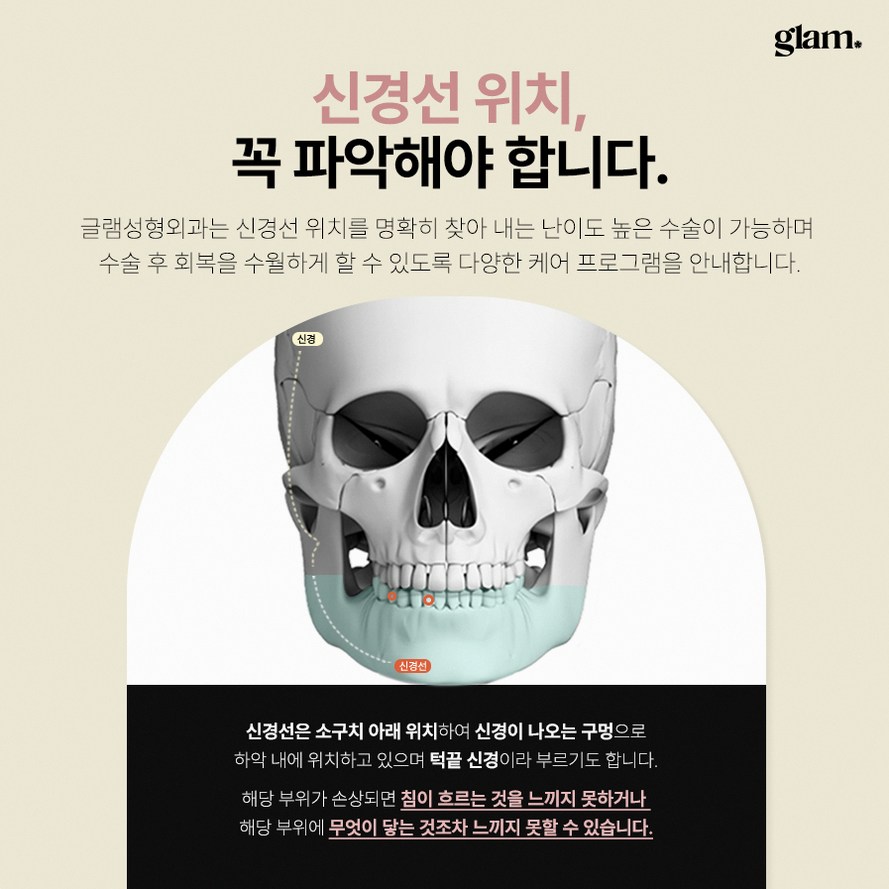
The featured clinic conducts detailed imaging and analysis before surgery and follows patients through the long healing period, especially important for international patients who may need remote follow-up after returning home.
Surgical philosophy and planning
The clinic’s philosophy aligns with what many patients searching for the best double jaw surgery clinic want: direct operation by the lead surgeon, minimum necessary surgery, and attention to both function and aesthetics.
Preoperative evaluation typically includes CT scans, cephalometric analysis, and sometimes dental models. These objective measurements are used to design how far and in which direction each jaw will move. The plan considers bite, facial proportions, airway, and soft tissue response.
The lead surgeon is responsible for both planning and performing the surgery. This continuity can help ensure that the surgical plan is accurately executed in the operating room.
Technical features and options
Modern double jaw surgery offers several technical options. The clinic introduces these features in a realistic way, without promising specific results for every patient.
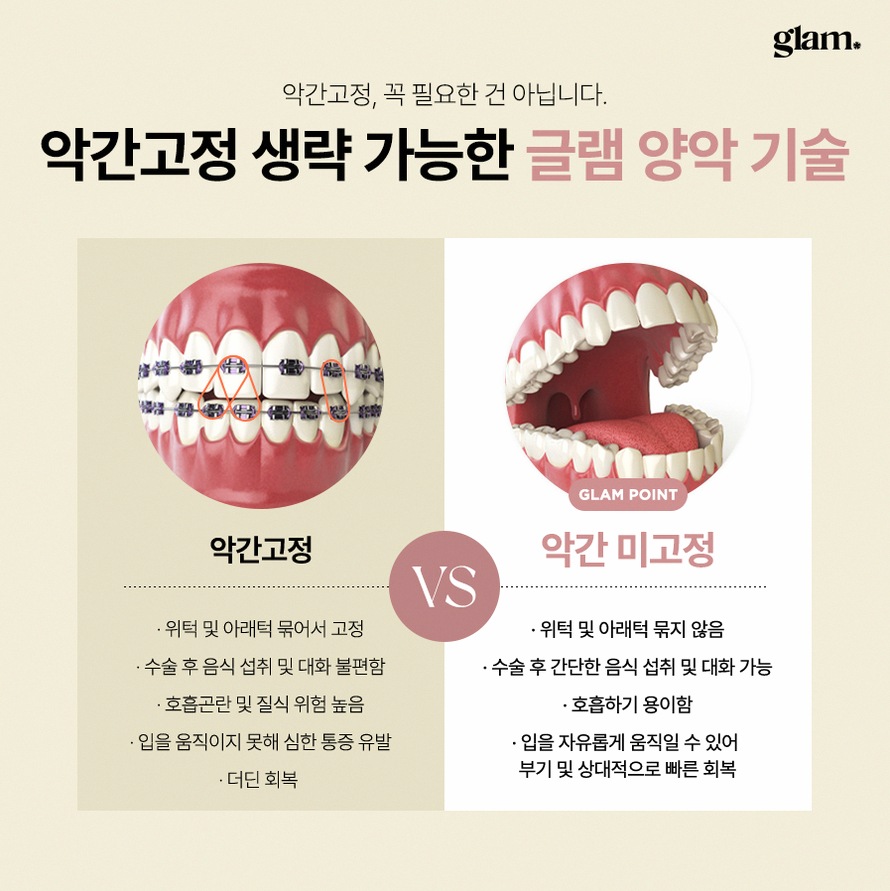
Double jaw surgery without long-term jaw wiring
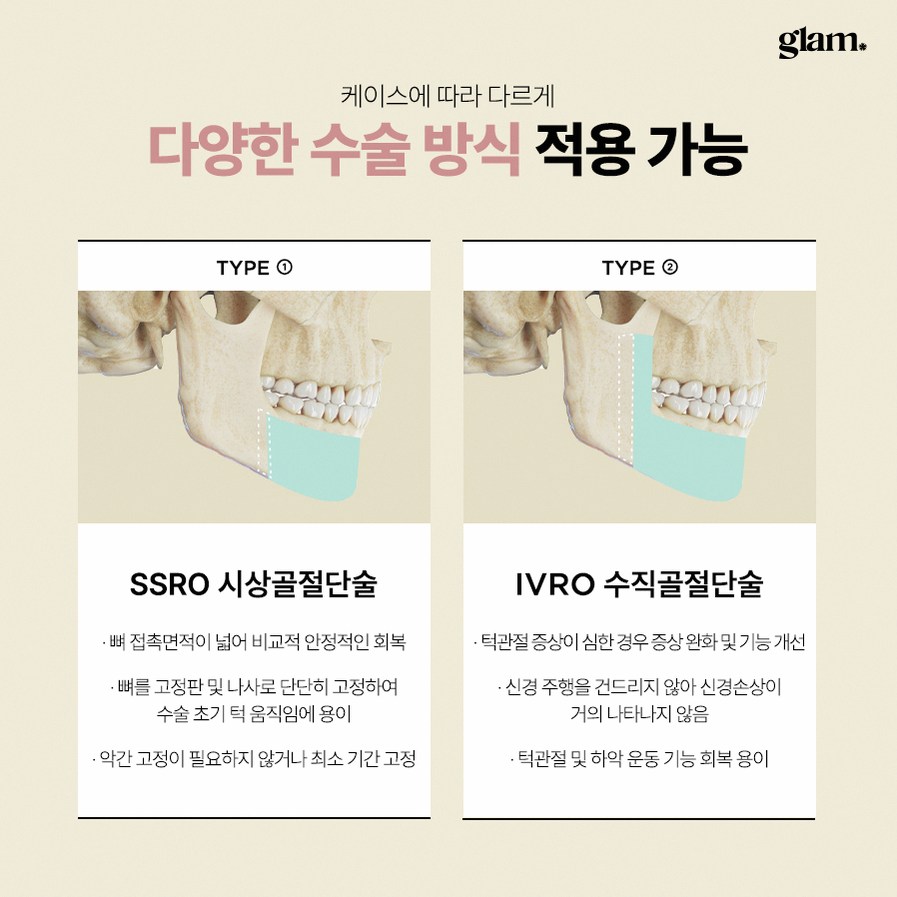
Traditionally, double jaw surgery often required intermaxillary fixation, where the jaws were wired together for several weeks. With current techniques and rigid fixation using plates and screws, some patients can avoid long-term wiring and instead use guiding elastics.
At this clinic, the possibility of avoiding long-term jaw wiring is considered case by case. Whether you qualify depends on your anatomy, bite pattern, bone quality, and the stability of the planned movements.
Possibility of limited or no pre-surgical orthodontic treatment
In some selected cases, double jaw surgery can be planned to reduce or skip preoperative orthodontic treatment. This may shorten the total treatment time. However, it is not suitable for everyone.

The decision is made after thorough evaluation, often in cooperation with dental specialists. The team assesses whether the bite can be brought into a stable position through jaw repositioning alone, or if tooth movement is also required before or after surgery.
Nasal widening prevention sutures
When the upper jaw is moved, the base of the nose can change, sometimes making the nose appear wider. Some surgeons use specific suturing techniques to help reduce this effect.
The Gangnam clinic uses nasal widening prevention sutures as one of its techniques when appropriate. It is important to understand that this is a supportive method, not a guarantee that the nose will not change at all.
Revision double jaw surgery
The clinic also consults on revision double jaw surgery. Revision cases are generally more complex because of scar tissue, previous bone cuts, and existing plates or screws. Nerve function and bone condition must be carefully evaluated.
For revision surgery, realistic expectations are essential. The surgeon will discuss potential improvements, but also the increased risks and limitations compared to primary surgery.
Postoperative care and recovery
Double jaw surgery requires patience with recovery. A typical course includes hospitalization immediately after surgery, followed by a gradual return to daily life.
In the first 1 to 2 weeks, swelling and bruising are usually most noticeable. Soft or liquid diet is common during this period. Over the next several weeks, swelling gradually decreases, and most patients can return to light work or study within a few weeks, depending on their condition and job type.
Major swelling generally improves within 1 to 3 months, but subtle changes and final contour can continue to refine over 6 to 12 months. Numbness around the lips or chin may take time to improve and can be partly persistent in some patients.
The featured clinic uses post-surgery care programs such as LED therapy, facial dome treatments, total skin reset care, and radiofrequency lifting devices to support swelling reduction and skin condition. These treatments are focused on comfort and appearance during recovery.
Regardless of clinic, adherence to dietary restrictions, oral hygiene, and activity guidelines is crucial. Patients are usually advised to avoid smoking, heavy exercise, and hard foods for a period determined by the surgeon.
Online consultation and pre-visit preparation for overseas patients
For international patients, the process usually begins with an online consultation. The Gangnam clinic supports multiple languages, including Japanese, English, and Thai, and communicates through its website and social media channels such as Instagram, YouTube, and KakaoTalk.
Before your online consultation, it is helpful to prepare the following.
Clear front, side, and three-quarter facial photos, ideally in neutral expression, with hair pulled back.
Any previous medical records related to jaw or facial surgery, including operation notes or imaging reports if available.
Information about your bite, such as previous orthodontic treatment, use of splints, or current symptoms like chewing difficulty or jaw pain.
A list of your main concerns and goals, both functional and aesthetic.

During the online consultation, the clinic can provide a preliminary opinion and discuss whether you might be a candidate for double jaw surgery or revision surgery. Final decisions, however, require in-person examination and imaging in Seoul.
Expected Korea visit timeline
For overseas patients, a typical Korea visit for double jaw surgery might follow this kind of schedule, though details vary by individual.
First visit and evaluation. Plan to arrive in Seoul at least a few days before the planned surgery date. During this time, you will have face-to-face consultation, physical examination, and detailed imaging such as CT and cephalometric analysis. The surgical plan is finalized and preoperative tests are completed.
Surgery and hospitalization. Double jaw surgery is performed under general anesthesia. After surgery, you will usually stay in the hospital for a short period for monitoring and initial recovery.
Early recovery in Korea. After discharge, you will attend follow-up visits at the clinic to check swelling, wound condition, and bite. Many overseas patients stay in Korea for several weeks after surgery to ensure safe early recovery and to manage any early issues on site.
Return home and remote follow-up. Once you return to your home country, you may continue follow-up via online consultations and share updated photos or imaging if needed. It is also helpful to have a local doctor or dentist who can assist with any urgent concerns.
Practical information and access
The clinic is located on the 4th floor of a building on Dosan-daero in Gangnam, approximately a 200-meter walk from Sinsa Station Exit 1 on the Seoul subway. This makes it convenient to reach from most parts of Seoul.
Consultation hours are Monday to Friday from 10:00 to 18:30, and Saturday from 10:00 to 16:00. The clinic is closed on Sundays and public holidays, and there is no separate lunch break. Appointments can be made by phone or through online channels. Exact phone numbers and social media handles are usually listed on the clinic’s official website or contact section.
Frequently asked questions
How do I know if I really need double jaw surgery
Not everyone with an irregular bite or facial concern needs double jaw surgery. Some people can achieve good results with less invasive options. You may be a candidate if your main problem is the position of the upper and lower jaws rather than only the alignment of the teeth, and if this causes functional issues such as chewing difficulty, speech problems, or lip closure problems, or leads to significant facial imbalance.
A proper decision requires clinical examination and imaging. During consultation, the surgeon will evaluate your facial proportions, bite, airway, and jaw movement, and may suggest double jaw surgery, other facial bone procedures, or non-surgical approaches depending on your situation.
What are the main risks and possible complications of double jaw surgery
Double jaw surgery, like any major operation, carries risks. Possible complications include bleeding, infection, delayed bone healing, nerve injury leading to numbness or altered sensation, bite relapse, residual asymmetry, and issues related to plates and screws. Some patients may also experience temporary difficulty with speech, chewing, or mouth opening during recovery.
An experienced team and careful planning can help reduce these risks, but they cannot be completely eliminated. During consultation, the surgeon should explain both common and rare complications and how they are managed.
How long does it take to return to work or school after double jaw surgery
Recovery time varies by individual and job type. Many patients need at least 2 to 3 weeks before returning to light desk work or online study. Jobs that require heavy physical activity, long speaking, or public-facing roles may require a longer break.
Swelling and bruising are most noticeable in the first 1 to 2 weeks and then gradually improve. Even after returning to work or school, you may still have some swelling, numbness, and dietary restrictions, so planning ahead with your employer or school is recommended.
Is it possible to have double jaw surgery without braces
In some selected cases, double jaw surgery can be planned to reduce or avoid pre-surgical orthodontic treatment, especially when the main issue is jaw position and the teeth are already relatively well aligned. However, this approach is not suitable for everyone.
The decision depends on detailed analysis of your bite and jaw position. In many cases, some form of orthodontic treatment before or after surgery is still recommended to achieve a stable and functional bite. This should be discussed in detail with the surgical team and, if needed, collaborating dental specialists.

What should I prepare before coming to Korea for double jaw surgery
Before traveling, gather your medical records, including any previous jaw or facial surgery documents, imaging reports, and a list of current medications and health conditions. Arrange an online consultation to receive a preliminary opinion and to discuss timing, expected stay, and costs.
It is also important to plan for enough time in Korea for evaluation, surgery, and early recovery, and to arrange accommodation near the clinic. Stopping smoking, if applicable, and improving general health before surgery can support safer anesthesia and better healing.
Soft call to action for online consultation
If you are considering double jaw surgery in Korea and want a clinic that focuses specifically on facial bone surgery with an experienced lead surgeon and an in-house anesthesiologist, the facial bone center on Dosan-daero near Sinsa Station in Gangnam may be an option to explore. Overseas patients can start with an online consultation in English, Japanese, or Thai, share photos and medical history, and receive guidance on whether a visit to Seoul for full evaluation is appropriate.
Use the clinic’s official website or social media channels to request an online consultation, prepare your questions in advance, and take time to compare information from different clinics before making any final decision.




- 공유 링크 만들기
- X
- 이메일
- 기타 앱


댓글
댓글 쓰기