A Practical Guide for International Patients
- 공유 링크 만들기
- X
- 이메일
- 기타 앱
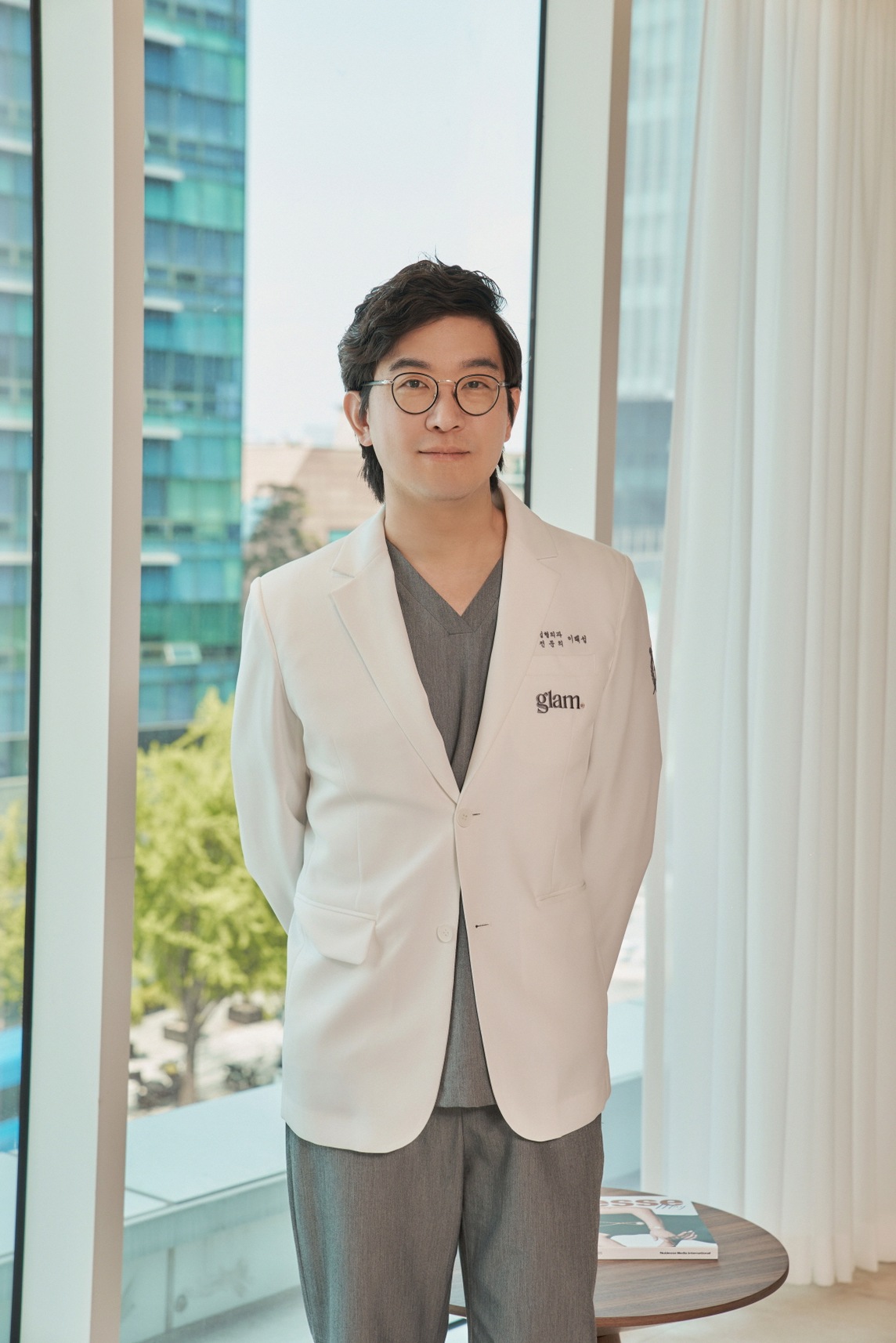
Behind-the-ear square jaw revision is a revision facial contouring procedure that addresses the mandibular angle through an incision hidden in the crease behind the ear.
Behind-the-ear square jaw revision is a type of facial contouring revision surgery for the mandibular angle, performed through an incision hidden in the crease behind the ear. It is designed for people who already had square jaw or mandibular angle reduction and are unhappy with the result, and who want a revision that avoids new visible scars along the jawline.
This guide explains what this surgery involves, who may be suitable, how it differs from conventional revision approaches, what can realistically be improved, and what to expect if you travel to Gangnam, Seoul, for treatment.
What is square jaw revision surgery?
Square jaw revision surgery, also called mandibular angle revision, is a second or sometimes third operation to correct problems left after previous square jaw surgery.
Typical reasons people seek revision include a jaw that still looks wide or masculine, an unnatural or sharp angle, a step deformity where the bone changes level suddenly, a bumpy or uneven lower border of the mandible, or visible scars from the first operation. Some patients also feel that their face looks older or hollow because too much bone was removed.
In revision surgery, the surgeon works with bone that has already been cut and healed. The soft tissue and muscles have adapted to the new shape, and scar tissue is present. This makes revision more complex than first-time surgery. The surgeon must consider how much bone is left, where the nerve canal runs, and how the soft tissue will drape over any new contour.
Typical indications for square jaw revision include:
Remaining wide or strong mandibular angle despite previous reduction.
Step deformity or an obvious ridge along the lower border where the previous cut ended.
Asymmetry between the left and right sides of the jaw.
Over-resection leading to a collapsed, hollow, or aged look, where the goal is smoothing and balancing rather than more aggressive reduction.
Functional issues such as discomfort when chewing due to sharp or irregular bone edges. Not all functional problems can be solved by cosmetic revision alone, but some can be improved when the bone is smoothed.
Every revision is limited by how much bone remains, the position of the inferior alveolar nerve, and the condition of the soft tissue. This is why careful planning and realistic goals are essential.
Behind-the-ear incision approach
A behind-the-ear incision places the cut in the natural crease behind the ear, sometimes extending slightly downward along the hairline. When it heals, the scar is usually less visible from the front and side, which is important for patients who are already self-conscious about their jawline.
Through this incision, the surgeon can reach the posterior mandibular angle and part of the lower border of the jaw. This access is useful for addressing irregularities, step deformities, and residual angle width in the back portion of the jaw.
Compared with conventional approaches:
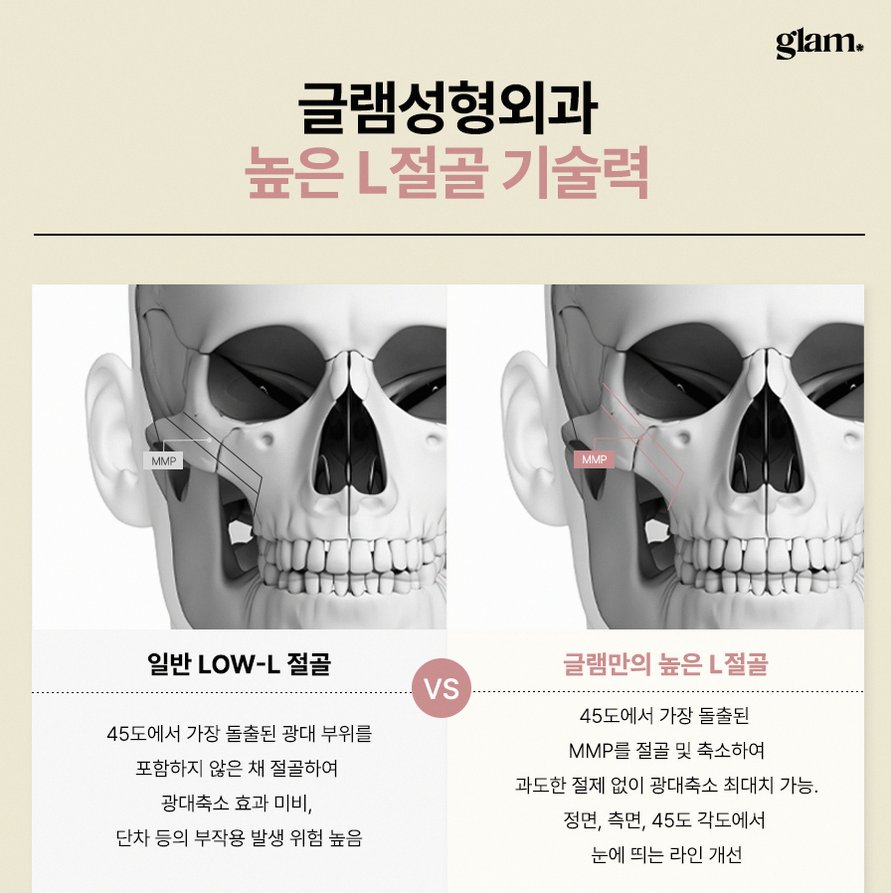
Intraoral (inside the mouth) incision: This avoids any external scar, but the surgical field is exposed to oral bacteria and saliva. In revision cases with complex irregularities, visibility and access to certain bone areas can be limited, especially far back near the angle.
External incision along the jawline: This offers very direct access to the bone but leaves a more visible scar along the lower face. For patients who already have visible scars or are very concerned about scarring, this can be a major drawback.
The behind-the-ear approach aims to balance access and scar concealment. Potential advantages in revision cases include:
Better concealment of new scars, especially helpful if there are already scars along the jawline or in the mouth.
More direct access to the posterior angle and lower border where step deformities or bony bumps often remain after the first surgery.
The possibility to combine bone work with soft tissue procedures around the ear and jawline, such as tightening or limited lifting, when appropriate.
However, the choice of incision is not only a cosmetic preference. It depends on where the deformity is located, which incisions were used in previous surgeries, how the nerves run, and what is safest for your specific anatomy. In some cases, a behind-the-ear incision alone is not enough, and a combined approach is needed.
Who may consider behind-the-ear square jaw revision
You may be a potential candidate for behind-the-ear square jaw revision if:
Your main concern is at the posterior mandibular angle region, such as a visible step, bump, or remaining width that is best reached from behind the ear.
You still have enough bone volume for safe reshaping, without risking the strength of the jaw.
You strongly wish to avoid new scars along the lower jawline and prefer scars hidden behind the ear.
You understand that revision can improve shape and balance but cannot always create a completely new jaw from limited remaining bone.
You may be less suitable for a behind-the-ear only approach if:
Your main problem is in the anterior mandibular body or chin region, which is difficult to reach sufficiently from behind the ear alone.
You have severe over-resection or very thin remaining bone, where further shaving or cutting could be unsafe.
You have uncontrolled systemic conditions, poor bone quality, or unrealistic expectations about what surgery can achieve.
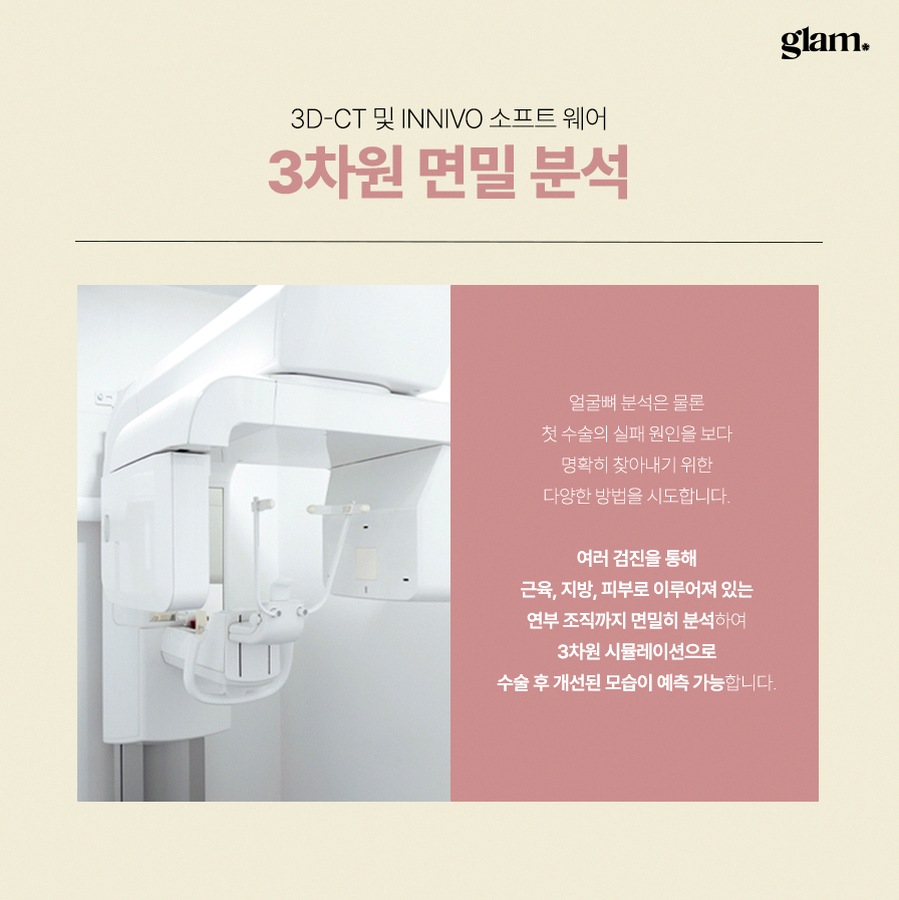
Candidacy can only be confirmed after a detailed in-person evaluation and imaging, usually including 3D CT. Online photos alone are not enough to decide the safest incision route.
Preoperative evaluation and planning
Revision facial contouring requires more information and planning than a first-time procedure. A typical preoperative workup includes several steps.
First, there is a detailed consultation about your previous surgeries. If possible, you are encouraged to provide operative reports, old X-rays or CT scans, and any preoperative photos. These documents help the surgeon understand what was done to your bone and where the original cuts were placed.
Second, a current 3D CT scan is taken. This allows precise analysis of your present bone shape, thickness, and the position of the inferior alveolar nerve canal. It also shows any step deformities, irregular surfaces, or asymmetries that may not be fully visible from the outside.
Third, the surgeon assesses your soft tissue condition: skin thickness, degree of sagging, muscle mass, and fat distribution along the jawline and neck. In some revision cases, bone correction alone is not enough, and additional soft tissue management may be recommended.
Fourth, your occlusion and jaw function are checked. If there are bite problems, they may be related to the upper jaw or overall jaw position. In such situations, orthognathic treatment or other skeletal procedures may be needed instead of, or in addition to, mandibular angle revision.
Throughout planning, a conservative approach is important. Protecting the inferior alveolar nerve, preserving the structural stability of the mandible, and avoiding over-resection are key priorities. In a single-focus facial bone clinic, the lead surgeon typically concentrates only on facial bone procedures such as double jaw and contouring, which can support this kind of detailed planning.
Surgical procedure overview
For international patients, it helps to understand the typical steps of behind-the-ear square jaw revision in simple terms; anesthesia is provided and managed by an anesthesiology and pain medicine specialist.
Having a dedicated anesthesiologist is particularly important for longer and more complex revision cases.
The surgeon makes an incision behind the ear, following natural creases and sometimes extending slightly downward along the hairline. Through careful dissection, the mandibular angle and lower border are exposed while protecting nearby nerves and soft tissue.
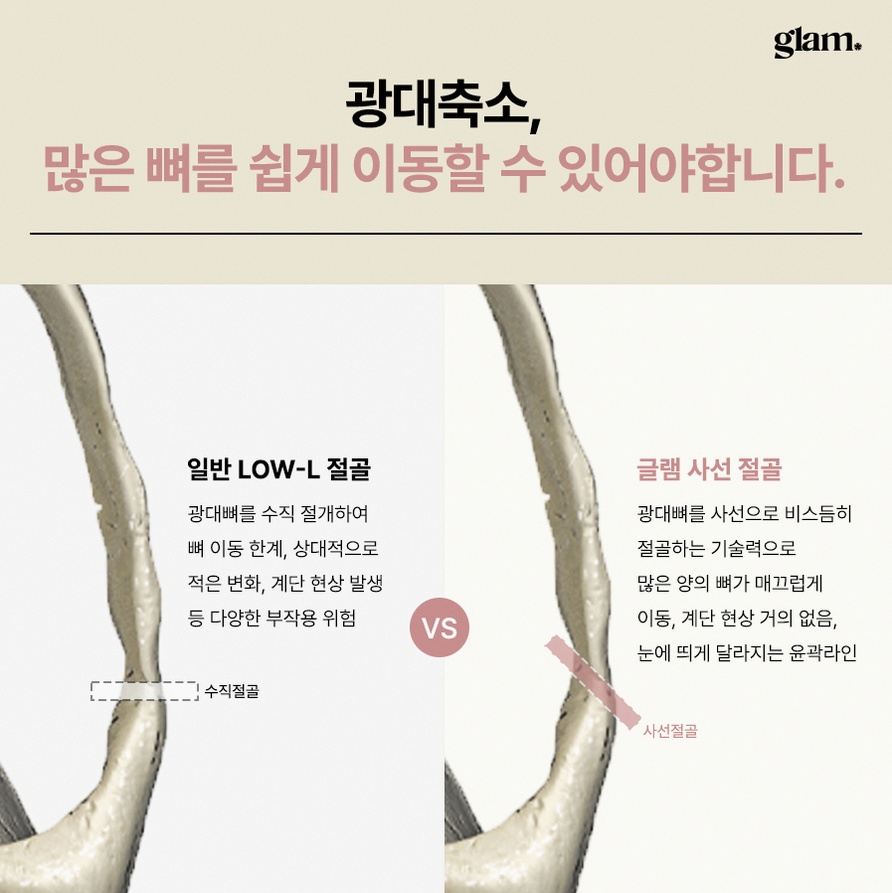
Once the bone is visible, the surgeon identifies previous cut lines and any irregularities or step deformities. Using appropriate instruments, the bone is reshaped: sharp steps are smoothed, bumps are reduced, and the remaining angle is refined within safe limits. In some cases, the lower border is also contoured to create a more continuous and natural jawline.
After the bone work is complete, bleeding is controlled. A small drain may be placed to prevent fluid collection, depending on the case. The incision is then closed in layers, taking care to align the skin precisely so that the scar can heal as discreetly as possible.
Not every revision can be done through a single behind-the-ear incision. In some situations, the surgeon may recommend combining this approach with an intraoral incision to reach more anterior areas of the mandible or to refine the transition between different segments of the jaw.
What can realistically be improved
Behind-the-ear square jaw revision can offer meaningful improvements for many patients, but it has clear limits.
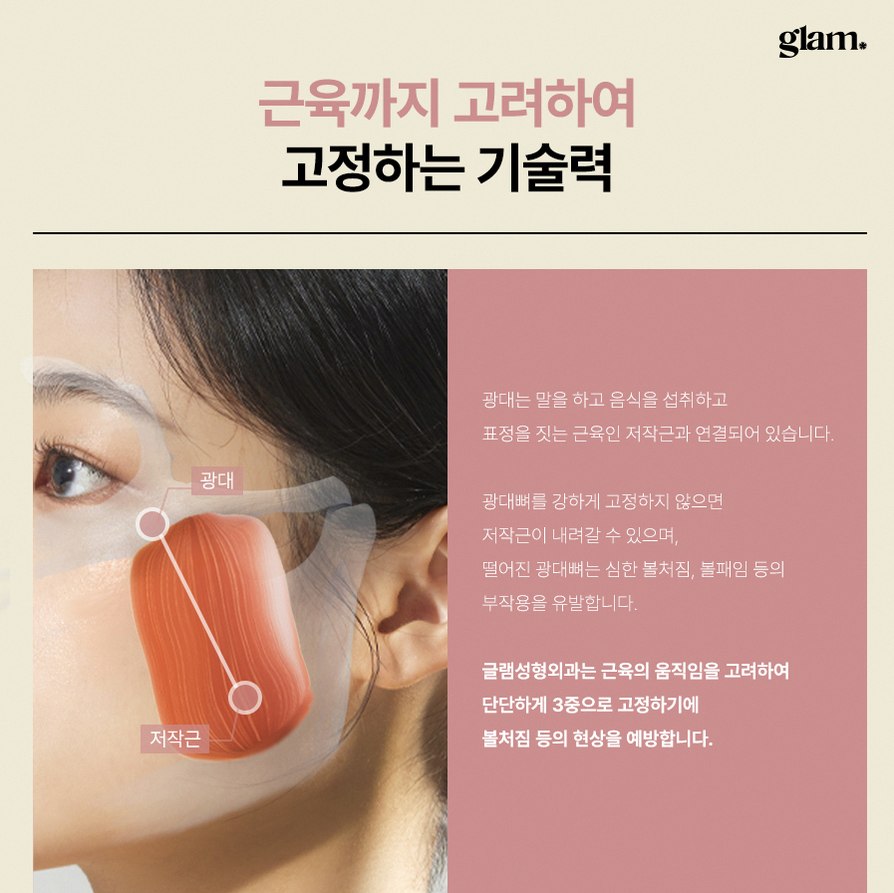
Possible realistic improvements include:
A smoother jawline when viewed from the front and at a 45-degree angle, with fewer visible steps or bumps.
Reduction of obvious step deformities and irregular bone edges along the posterior mandible.
Better left-right balance in many asymmetry cases, depending on how much bone is available on each side.
A more refined or softer mandibular angle, within the boundaries of safe bone removal.
However, there are limitations:
If too much bone was removed in the first surgery, there may not be enough remaining to create a dramatically different shape. In such cases, the goal is often smoothing and balancing rather than further reduction.
Some asymmetries come from the upper jaw, facial skeleton, or even the skull base. These cannot be fully corrected by mandibular angle revision alone.
Soft tissue sagging, jowls, or neck laxity may not resolve just by adjusting the bone. Additional soft tissue procedures, such as lifting or tightening, may be needed for more complete improvement.
Nerve-related symptoms such as numbness or tingling from previous surgery may not fully recover, even if the bone is reshaped. Revision focuses mainly on contour and structure, not nerve regeneration.
A responsible surgeon will explain clearly what is realistic in your specific case, including the possibility that partial improvement, rather than a perfect jawline, is the most achievable goal.
Risks, side effects, and safety
All facial bone operations carry risks, and revision surgery has higher complexity because of scar tissue and altered anatomy.
Common temporary side effects include swelling, bruising, and a feeling of tightness around the jaw and ear. Mild numbness around the incision or along the jawline is also common in the early period.
General surgical risks include infection, bleeding, and hematoma (a collection of blood under the skin). These are usually manageable with proper technique and postoperative care, but they still need to be monitored.
There is a risk of nerve injury. The inferior alveolar nerve provides sensation to the lower lip and chin, and branches of the facial nerve help move facial muscles. In revision cases, these structures may be closer to the previous cut lines or scar tissue. While surgeons aim to protect them, temporary or, rarely, permanent changes in sensation or movement can occur.
There is also a possibility that some asymmetry or contour irregularity will remain even after revision. Bone and soft tissue do not always respond perfectly symmetrically, especially after multiple surgeries.
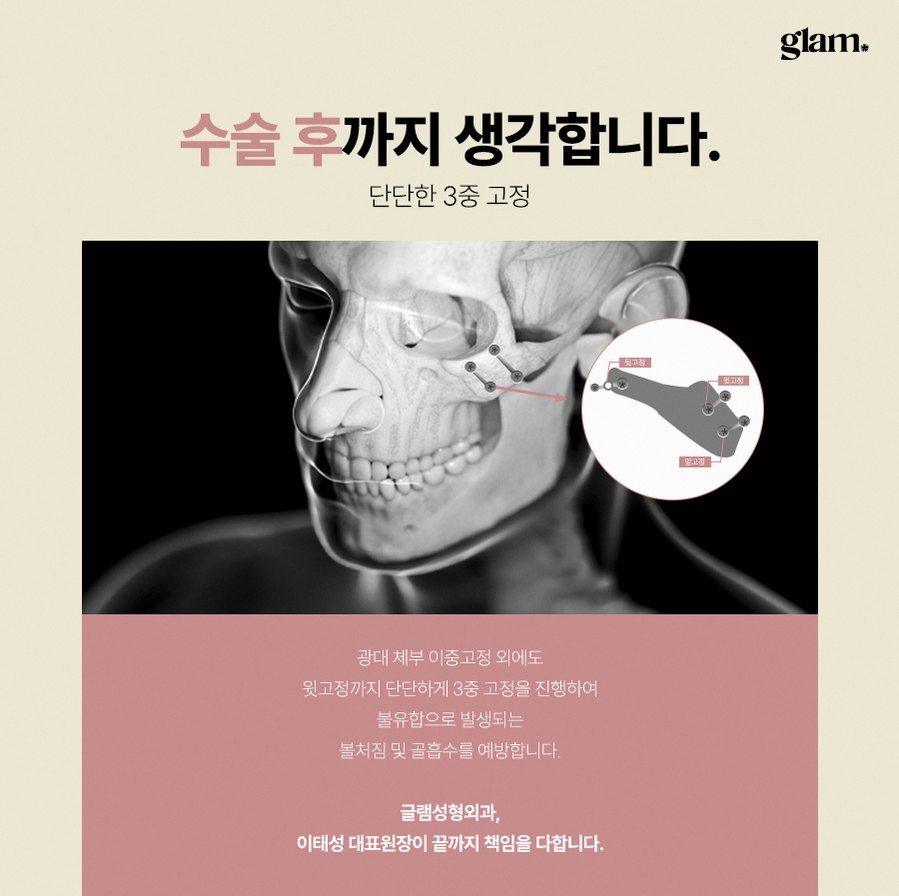
Scar issues behind the ear, such as hypertrophic scars or keloids, can occur in people who are prone to this type of healing. Your past scar history on other parts of your body can provide some clues.
safety.
Recovery process and aftercare
Recovery after behind-the-ear square jaw revision varies by individual and by the extent of surgery, but there are some general patterns.
Many patients stay in the clinic or hospital for the same day or one night after surgery, depending on the length and complexity of the operation. During this time, pain control, swelling management, and early monitoring are provided.
Swelling usually peaks in the first few days and then gradually decreases over 2 to 4 weeks. Bruising, if present, tends to fade within a similar timeframe. Subtle refinement of the jawline continues for several months as deep tissues settle.
Most people can return to light daily activities within about 1 week, though you may still look swollen. Many international patients plan to resume more normal social activities after 2 to 4 weeks, depending on how comfortable they feel with their appearance.
Typical aftercare includes:
Cold packs in the early phase to help with swelling, followed by gentle care as instructed.
Sleeping with the head elevated to reduce swelling.
Careful wound care for the behind-the-ear incision, keeping it clean and avoiding tension or friction from glasses, masks, or hair accessories.
Attending scheduled follow-up visits to check healing and remove any sutures or drains if used.
Some clinics offer post-operative care programs such as LED therapy, gentle massage, or skin treatments aimed at supporting recovery and reducing swelling. These are supportive measures rather than guaranteed treatments and are usually tailored to each patient.
The final contour is typically evaluated several months after surgery, once most swelling has resolved and the soft tissue has adapted to the new bone shape.
Preparing for an online consultation
If you are an overseas patient considering behind-the-ear square jaw revision in Gangnam, an online consultation is usually the first step.
To make this consultation as productive as possible, it helps to prepare:
Clear front, 45-degree, and side-view photos of your face and jawline, taken in good lighting without filters.
Photos showing your current scars, both along the jawline and inside the mouth if visible.
Any previous imaging (CT or X-rays) and operative reports, if you can obtain them from your first clinic.
A short written summary of your main concerns: for example, “step deformity on the left side,” “still wide angle,” or “visible scar along jawline.”
During the online consultation, you can ask about whether a behind-the-ear incision is suitable for your case, what degree of improvement is realistic, and whether combined approaches might be needed. You can also ask about the clinic’s system, including who manages anesthesia and how many revision cases the surgeon handles.
Expected Korea visit timeline for overseas patients
For international patients traveling to Gangnam, a typical timeline might look like this, though it can vary by clinic and individual case.
Before travel: Complete online consultation, share photos and previous records, and receive a preliminary plan and estimated schedule. Some clinics may request a pre-travel health check from your local doctor.
Day 1–2 in Seoul: In-person consultation, physical examination, 3D CT scan, and finalization of the surgical plan. You will review consent forms and discuss details such as incision type, expected recovery, and aftercare.
Surgery day: Admission, preoperative tests if needed, surgery under general anesthesia, and immediate postoperative monitoring. Depending on the clinic, you may stay overnight.
First week after surgery: Follow-up visits for dressing changes, drain removal if used, and early monitoring of swelling and healing. Many patients remain in Seoul for at least 7 to 10 days after surgery.
Second to third week: Additional follow-up if you stay longer, removal of any remaining sutures, and guidance on scar care and activity restrictions. Some patients fly home around 10 to 14 days post-op, depending on their condition and the surgeon’s advice.
After returning home: Online follow-up using photos and, if possible, local check-ups for general health. Final evaluation is usually done several months later via photos and, if needed, repeat imaging.
Choosing a clinic and surgeon in Gangnam
When selecting a clinic for behind-the-ear square jaw revision, consider several objective criteria.
The surgeon’s background is important. Ideally, they should be a board-certified plastic surgeon or maxillofacial surgeon with a clear focus on facial bone surgery. Some clinics in Gangnam operate as dedicated facial bone centers, restricting their practice to double jaw and facial contouring rather than offering every type of aesthetic procedure. This narrow focus can indicate deeper experience in contouring and revision.
Ask whether the surgeon can show pre- and post-operative imaging and explain the planned changes on your 3D CT. This helps you understand the logic behind the proposed surgery and where the bone will be adjusted.
Discuss what can and cannot be improved in your case. A trustworthy surgeon will be open about limitations and may advise against additional surgery if the risks outweigh the benefits.
Check the anesthesia system. Having a board-certified anesthesiologist dedicated to your case throughout general anesthesia can enhance safety, especially for longer revision procedures.
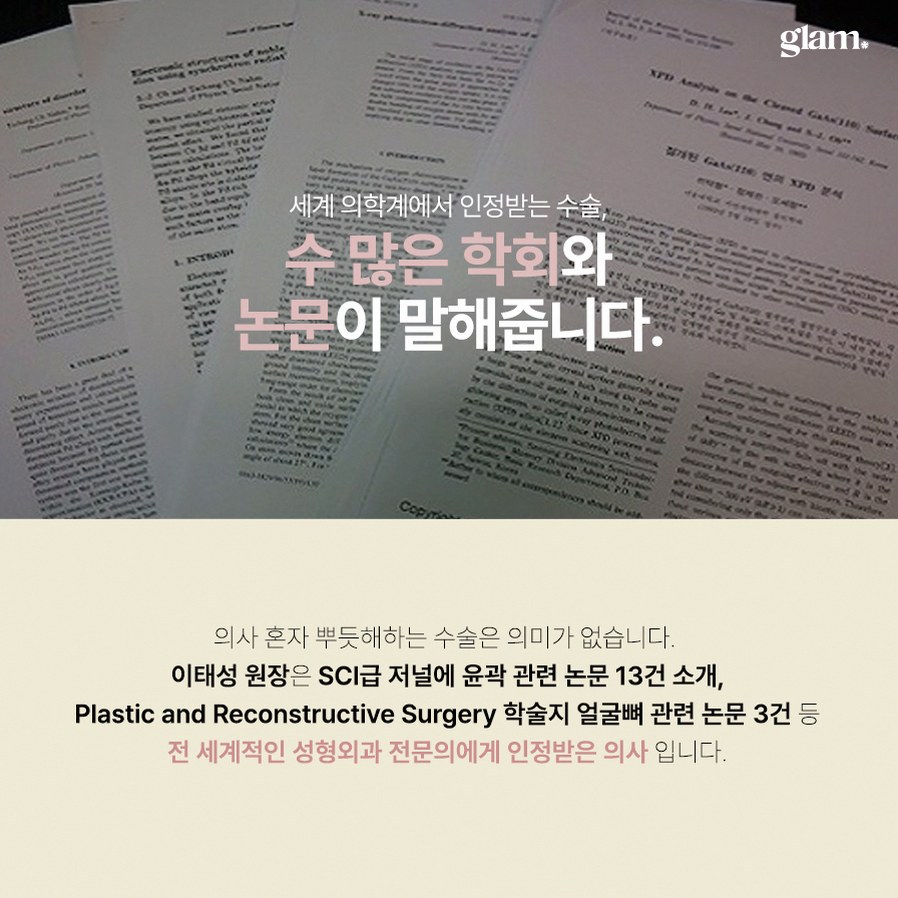
Academic activity, such as SCI-level publications on facial bone surgery and double jaw surgery, can be a sign that the surgeon is engaged with evidence-based practice. For example, This should be considered together with clinical outcomes and communication style.
FAQ
Is behind-the-ear square jaw revision less invasive than regular revision surgery?
Behind-the-ear square jaw revision is not necessarily less invasive in terms of bone work. The difference is mainly in the location of the skin incision and how the scar is concealed. The bone reshaping itself can be just as complex as with other approaches, especially in revision cases. The main advantage is that the scar is hidden behind the ear rather than along the jawline.
Will a behind-the-ear incision always be used for revision, or are there cases where an intraoral approach is better?
A behind-the-ear incision is one option, but it is not suitable for every case. If your main problem is in the anterior mandible or chin, an intraoral approach may offer better access. In some revisions, surgeons combine behind-the-ear and intraoral incisions to reach different parts of the jaw safely. The choice depends on your specific anatomy and deformity pattern.
How long should I wait after my first square jaw surgery before considering revision?
In most cases, it is recommended to wait at least 6 to 12 months after your initial square jaw surgery before undergoing revision. This allows swelling to resolve and bone and soft tissue to stabilize, so the surgeon can accurately assess the final result. In special situations, your surgeon may advise a different timeline based on your healing and symptoms.
Can revision surgery fix numbness or tightness from my previous operation?
Revision surgery is primarily aimed at improving bone contour and symmetry. While some patients notice changes in sensation over time, nerve-related symptoms such as numbness or tightness from the first surgery do not always improve with revision. In some cases, revision can even temporarily increase numbness due to new dissection. This risk should be discussed carefully during consultation.
Will people notice the scar behind my ear?
The behind-the-ear incision is placed in natural creases and, once healed, is usually less noticeable than a scar along the jawline. Most people will not see it during normal social interaction, especially if you have hair covering the area. However, scar visibility varies by individual healing tendency, skin type, and aftercare, so it cannot be completely predicted.

Is it possible to combine square jaw revision with other contouring revisions in one operation?
Yes, it is sometimes possible to combine mandibular angle revision with other facial contouring procedures, such as chin or cheekbone revision, in a single operation. Whether this is advisable depends on your overall health, the extent of surgery required, and the expected operation time. A detailed consultation and 3D CT analysis are needed to decide on a safe combination plan.
Call to action for online consultation
If you are considering behind-the-ear square jaw revision in Gangnam, Seoul, and feel uncertain about your current jawline, an online consultation can be a practical first step. By sharing your photos, previous records, and concerns, you can receive a personalized assessment of whether this approach is suitable for you, what level of improvement is realistic, and how a Korea visit could be scheduled around your life.
This article is for general information only and does not replace a one-to-one consultation with a qualified medical professional. Individual assessment and planning are essential before any decision about surgery.



- 공유 링크 만들기
- X
- 이메일
- 기타 앱


댓글
댓글 쓰기