V-line surgery in Seoul: what to know before jaw contouring at a facial bone clinic
- 공유 링크 만들기
- X
- 이메일
- 기타 앱
Direct summary for overseas patients
In Seoul, some clinics focus only on facial bone surgery, including V-line and double jaw surgery, and provide structured care for international patients.
This guide explains what V-line surgery is, who may consider it, how it is planned and performed, what recovery is like, potential risks, and how a visit to Korea might be organized. It also introduces the approach of a single-focus facial bone clinic in Gangnam, Seoul, and suggests how to prepare for an online consultation.
What is V-line surgery
V-line surgery is a facial bone contouring procedure that reshapes the lower jaw and chin. The goal is to create a slimmer, more tapered, and balanced lower face while maintaining jaw function.
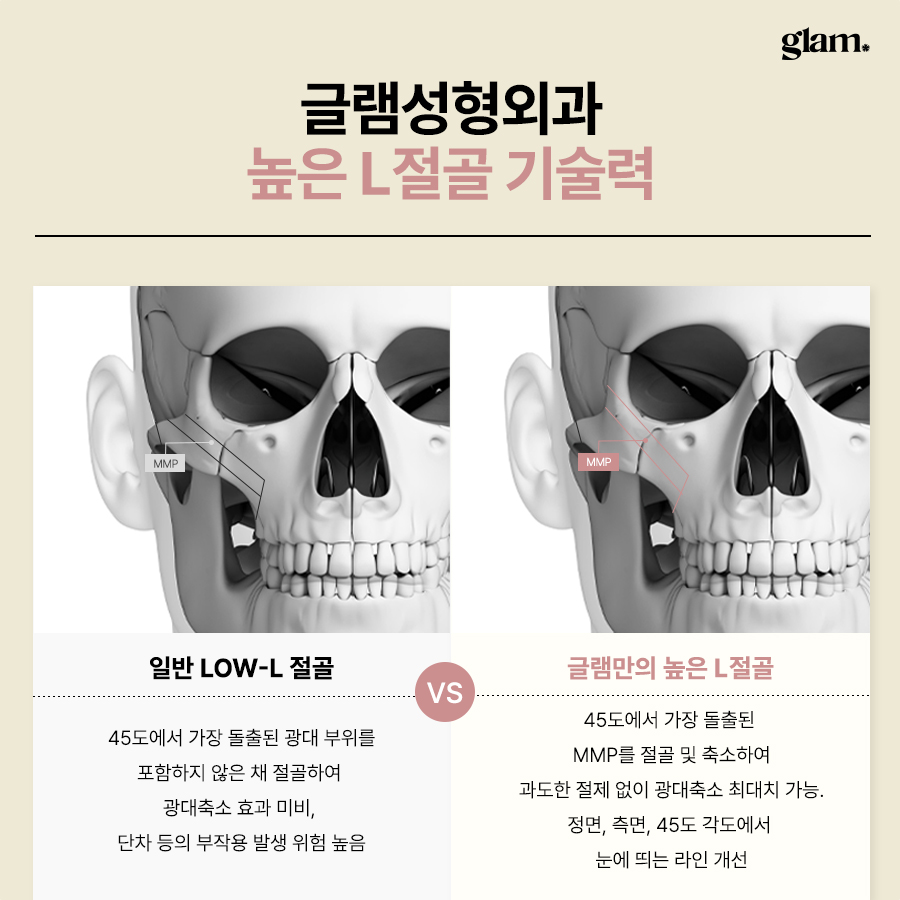
The operation usually involves three main areas. First, the mandibular angle, often called the square jaw area, can be reduced to soften a wide or heavy-looking jawline. Second, the lower border of the jaw can be refined to smooth the line from ear to chin. Third, the chin can be reshaped in width, length, and projection to match the rest of the face.
Because the bone structure is changed, the effect is often long-lasting, though natural aging and individual variation can affect outcomes. Surgeons must also take care to protect important structures such as the inferior alveolar nerve and preserve a stable bite and temporomandibular joint function.
Who may consider V-line jaw contouring
V-line surgery may be considered by adults who have completed facial growth and who are bothered by the shape of their lower face rather than only by soft tissue.
Typical candidates include people with a wide or square lower face who want a slimmer, more oval or V-shaped contour. Some have a jaw angle that is very prominent from the front or side, giving a heavy or more masculine impression than they prefer. Others have a long, blunt, or asymmetrical chin that disrupts facial balance.
There are also patients who have had previous jaw contouring elsewhere but are dissatisfied with the result and are considering revision. Revision contouring is more complex and carries higher risk, so it requires careful evaluation by a surgeon experienced in facial bone surgery and in managing altered anatomy.
V-line surgery is not suitable for everyone. If the main concern is skin laxity, fat, or muscle bulk, non-surgical or soft tissue procedures may be more appropriate. People with untreated bite problems or jaw joint disorders may need a different plan, such as double jaw surgery, before or together with contouring.
Goals and philosophy of treatment
A well-planned V-line procedure aims for a natural-looking lower face that fits the person’s overall proportions. The objective is not an extremely sharp or over-reduced chin, but a balanced contour that looks harmonious from both the front and the side.
Important goals include preserving bite function and jaw joint health, addressing left–right asymmetry where possible, and minimizing unnecessary bone removal. Safety limits, such as the position of nerves and the need for bone stability, define how much change is realistically possible.
Some clinics in Seoul, including the one introduced in this guide, commonly recommend performing only the minimum necessary surgery to meet the agreed aesthetic goals rather than combining multiple procedures by default. Treatment planning is typically based on the patient’s facial anatomy, functional needs, and tolerance for recovery; for example, surgeons may delay related soft-tissue procedures until after bony healing if that approach improves safety or outcomes.
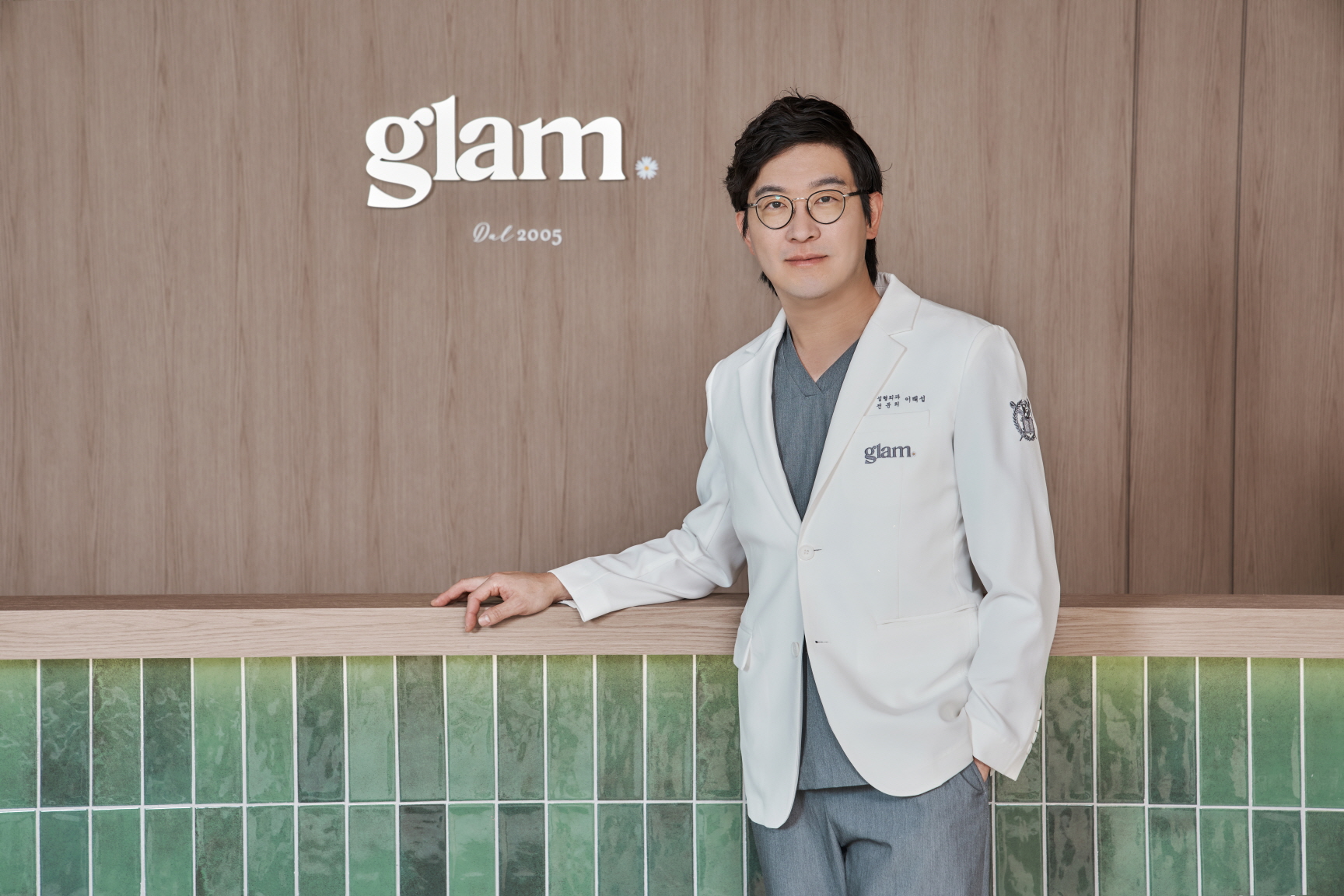
About the facial bone clinic in Gangnam
on, and revision contouring.
The lead surgeon is an experienced facial bone surgeon. Detailed professional credentials, training background, and affiliations are available on the clinic's website and professional profiles.
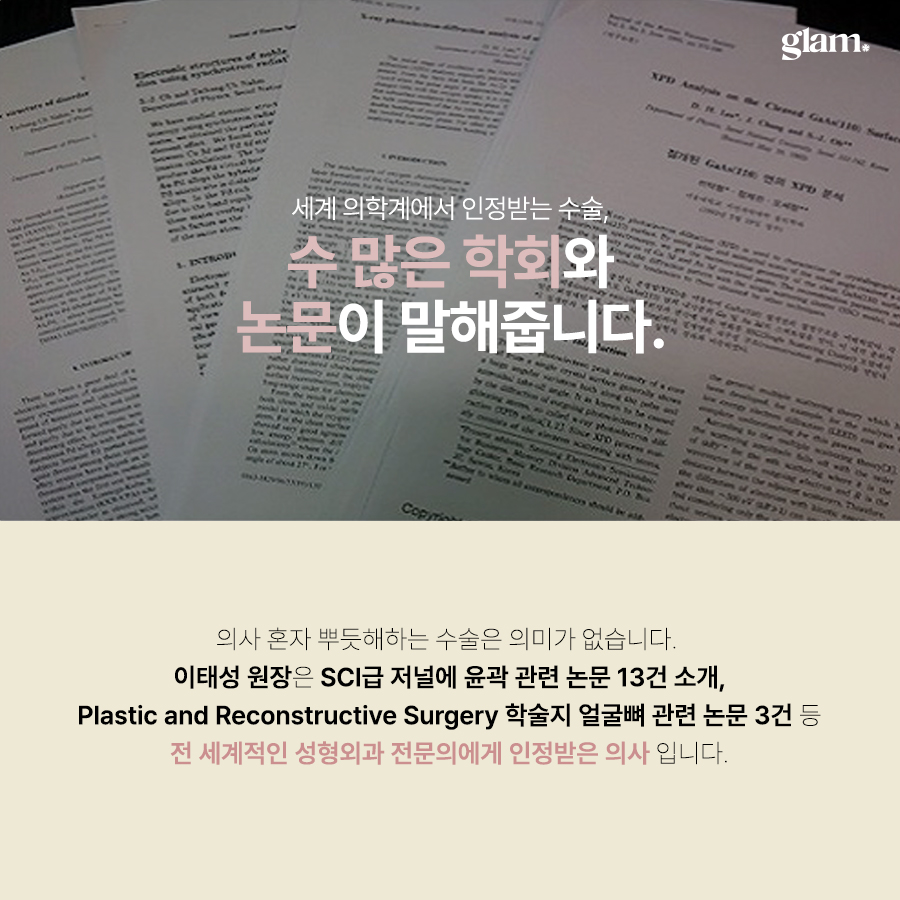
The surgeon has authored multiple peer-reviewed papers on contouring and double jaw surgery. Specific publication details and citations can be found on the clinic's website or in publicly available academic profiles.
The care system is based on one plastic surgeon and one anesthesiologist working together, with the lead surgeon operating directly rather than delegating key steps. The clinic’s approach is to advise only the procedures that are truly necessary for each patient.
How V-line surgery is planned
Proper planning is essential for safe and satisfying V-line surgery. Before suggesting any operation, the surgeon evaluates facial proportions, bone structure, bite, and jaw joint condition.
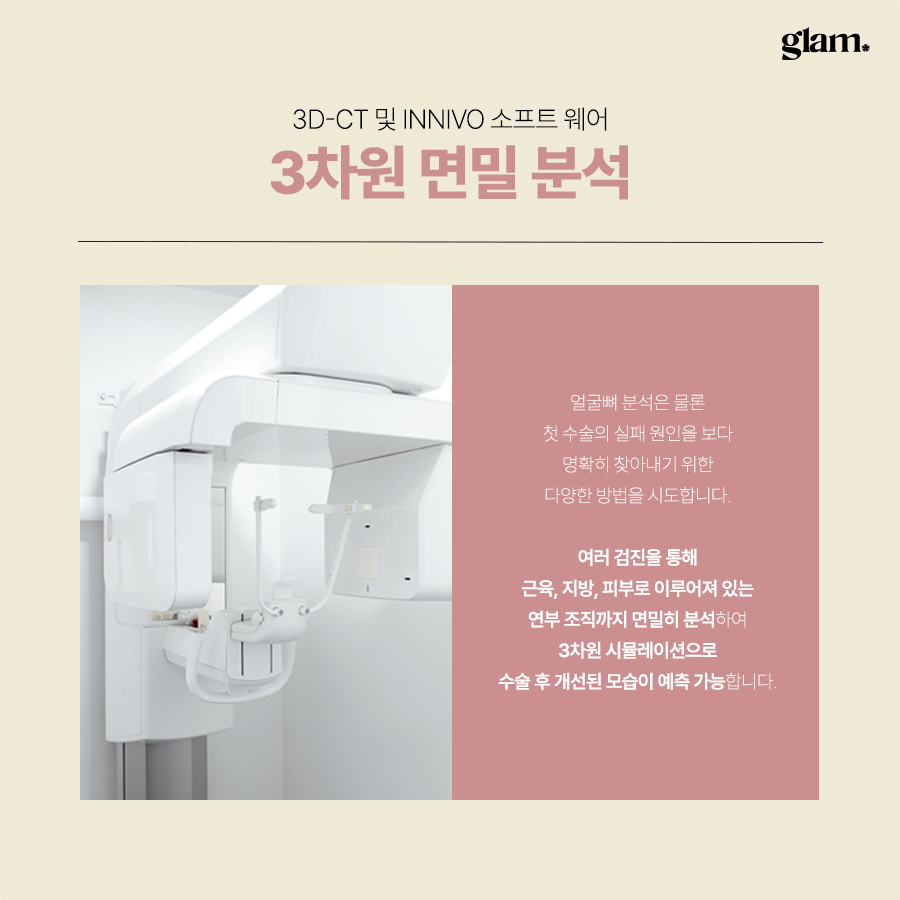
Imaging such as facial X-rays and three-dimensional scans is used to understand the thickness and shape of the jawbone, the position of the inferior alveolar nerve, and any asymmetry. Photographs from multiple angles help analyze how the jawline interacts with the cheekbones, nose, lips, and neck.
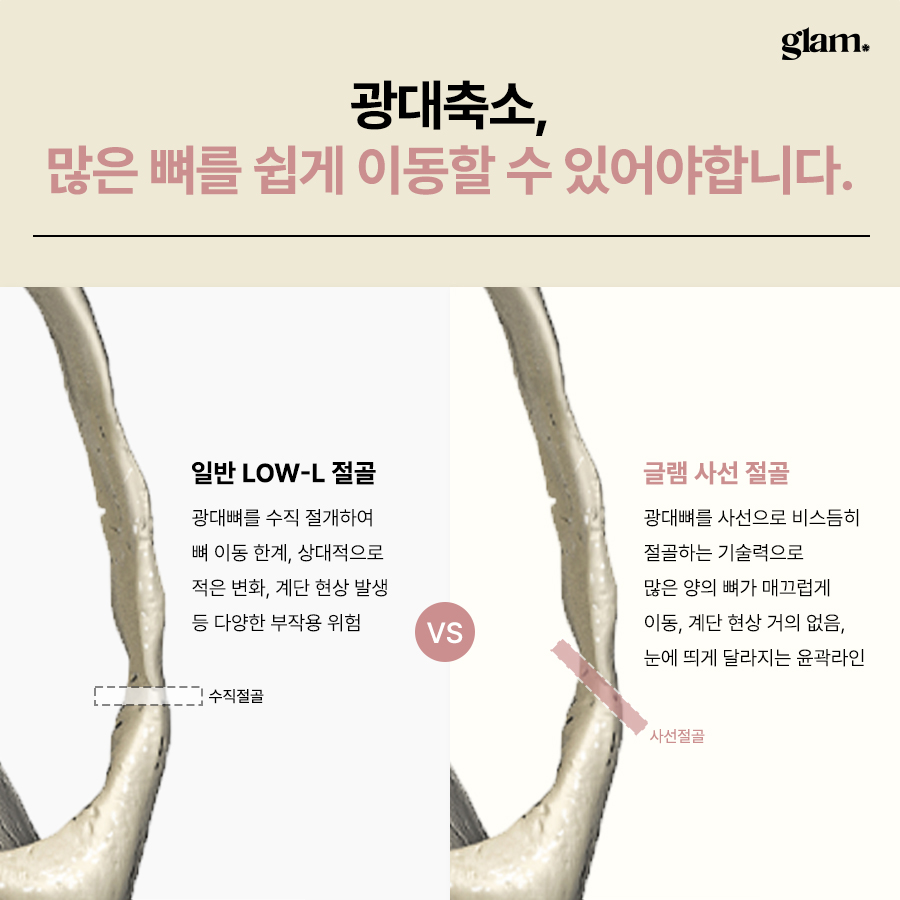
Based on this information, the surgeon determines how much to reduce the mandibular angle, how to refine the lower border of the jaw, and how to reshape the chin. The plan is customized rather than following a single template. For example, some patients need more change in chin length, while others need more change at the angle.
Bite, jaw joint function, and airway are considered to avoid functional problems. The surgeon discusses what can be changed safely and what must be preserved. This conversation is especially important for patients considering revision surgery.
Overview of the surgical procedure
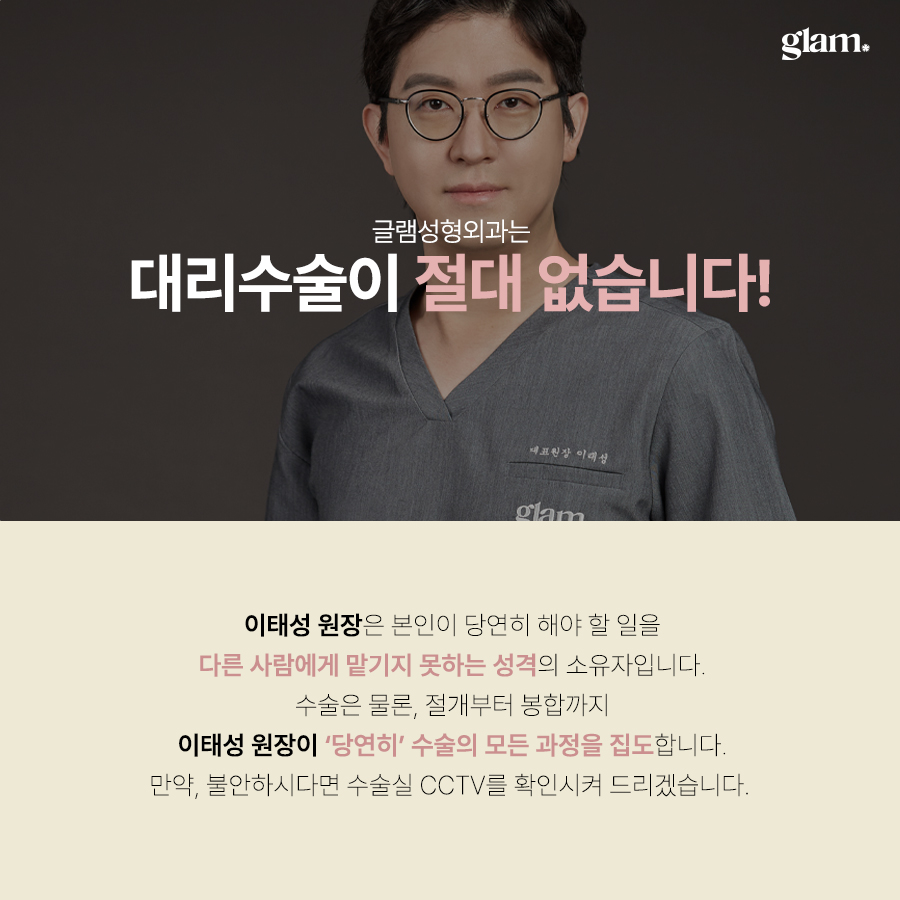
V-line surgery is performed under general anesthesia. At the clinic described here, a board-certified anesthesiologist manages anesthesia throughout the operation while the plastic surgeon focuses on the bone work.
Most incisions are made inside the mouth, along the lower gum line, so there are no visible scars on the face. In some cases, small external incisions may be used in hidden areas, depending on the technique and the patient’s anatomy.
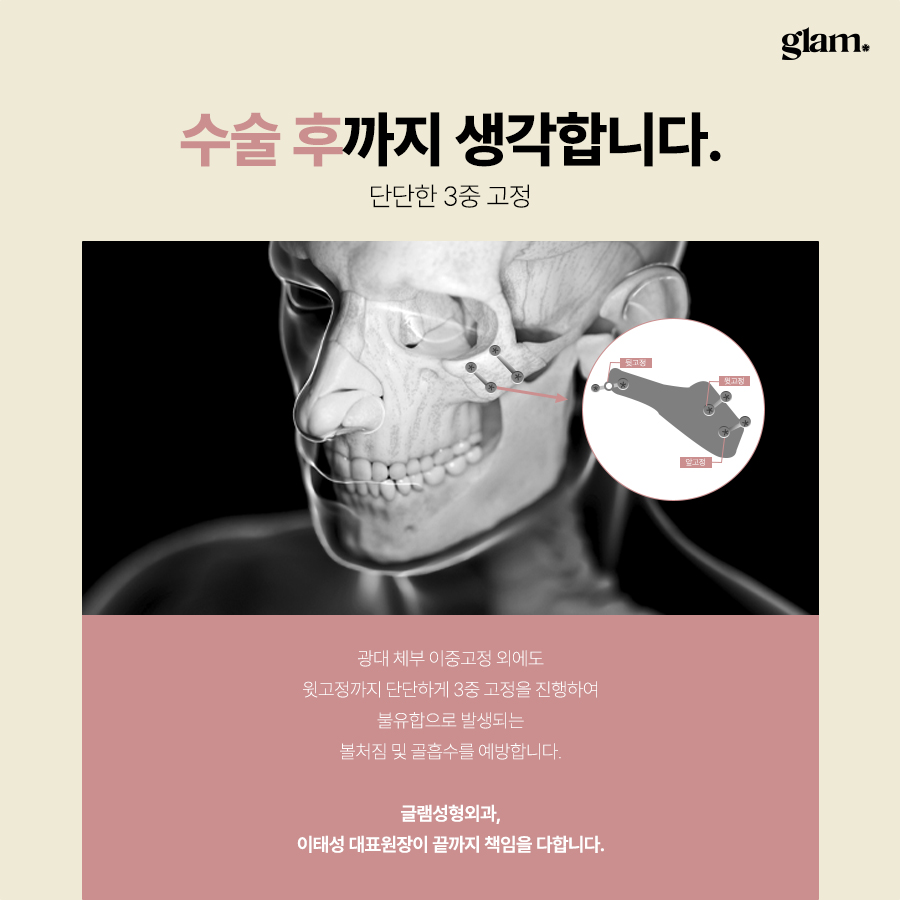
Through these incisions, the surgeon exposes the mandibular angle and lower border of the jaw. Bone is reshaped using instruments such as saws and burs, following the preoperative plan and staying aware of the nerve location. The chin may be shortened, narrowed, or slightly advanced or set back by cutting and repositioning the bone, then fixing it in place with small plates and screws if needed.
Throughout the procedure, the surgeon aims to maintain stable bone segments and preserve the bite. The amount of bone removed is limited to what is necessary to achieve the planned contour within safety margins.
After reshaping, the incisions are closed, and the patient is moved to recovery under monitoring by the anesthesiologist and nursing staff.
Benefits and limitations
Potential benefits of V-line surgery include a slimmer, more defined lower face and jawline, and a softer, more balanced facial impression. Many patients feel that the harmony between cheekbones, jawline, and chin improves, especially in front-view photos and three-quarter angles.
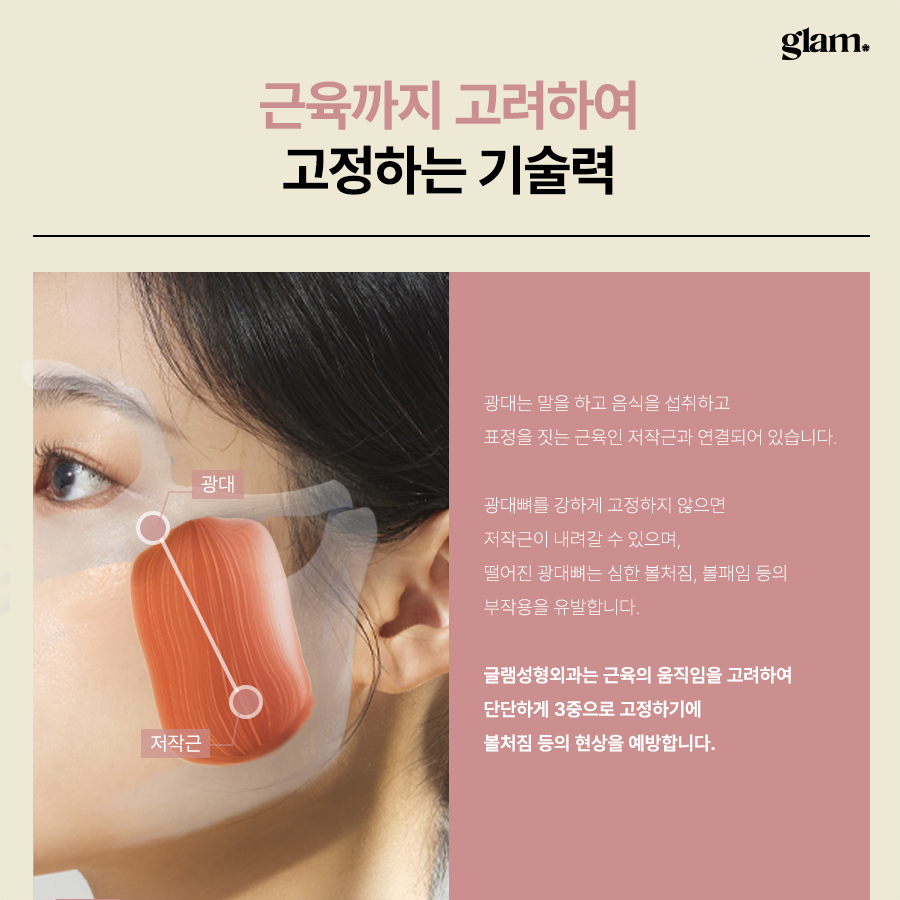
Because the underlying bone is changed, the effect is long lasting. However, natural aging of skin and soft tissue still continues over time.
There are important limitations. V-line surgery cannot fully correct issues caused mainly by soft tissue, such as significant skin laxity or thick fat layers, without additional procedures. The degree of slimming is limited by the need to protect nerves and maintain jaw stability. Results depend heavily on accurate diagnosis and planning, and revision surgery is typically more difficult and risky than primary surgery.
Risks and safety considerations
Like all bone operations, V-line surgery has risks. Common short-term effects include swelling, bruising, and temporary numbness around the lower lip and chin. Pain and tightness are expected during the early recovery period.
More serious risks include nerve injury that can lead to prolonged or permanent numbness, infection, bleeding, or delayed bone healing. There is also a possibility of asymmetry or dissatisfaction with the aesthetic outcome. In rare cases, functional issues such as bite changes or jaw joint discomfort can occur.
To manage these risks, the clinic emphasizes several safety measures. Surgery is performed by a board-certified plastic surgeon with long-term focus on facial bone surgery, and general anesthesia is managed by a board-certified anesthesiologist. The surgeon’s academic and clinical experience, including SCI-level research, informs the planning and technique rather than relying only on marketing trends.
Patients receive clear explanations of risks, alternatives, and realistic outcomes before deciding on surgery. After the operation, structured follow-up and swelling management programs are provided.
Recovery and aftercare in Seoul
Immediately after surgery, patients usually experience significant swelling and a feeling of tightness in the lower face. A soft or liquid diet is often recommended at first because of mouth discomfort and to protect the surgical area. Good oral hygiene is important to reduce the risk of infection from incisions inside the mouth.
In the first days, the clinic may provide treatments aimed at supporting recovery and swelling reduction.
Over the next several weeks, swelling and bruising gradually decrease. Many patients can return to light daily activities after a short rest period, but intense exercise, heavy lifting, and any trauma to the face should be avoided until the surgeon confirms it is safe.
The jawline and chin continue to refine for several months as deep swelling resolves and tissues settle. Final contour is usually evaluated after several months rather than in the first few weeks.
Self-care includes following dietary instructions, maintaining careful oral hygiene, taking prescribed medications, and attending all scheduled follow-ups. Patients should contact the clinic promptly if they notice unusual pain, fever, sudden asymmetry, or other concerning changes.
V-line surgery compared with other options
Non-surgical contouring methods such as fillers, botulinum toxin injections, and thread lifting act on soft tissue or muscle. They can help with mild contouring, volume adjustment, or lifting, but they cannot change the width or shape of the jawbone. If the main cause of a wide or square lower face is bone structure, V-line surgery is the option that addresses this directly.
Double jaw surgery, by contrast, primarily focuses on correcting jaw position and bite problems, such as underbite, overbite, or facial asymmetry related to jaw alignment. It often has aesthetic benefits, but its main goal is functional. Some patients only need V-line contouring for cosmetic reasons, while others with significant bite issues may require double jaw surgery, sometimes combined with additional contouring.
The clinic’s philosophy is to recommend only the procedures that are truly necessary for each patient’s goals and condition, rather than automatically combining multiple operations.
Preparing for an online consultation
For overseas patients, the first step is usually an online consultation. To make this effective, it helps to prepare certain information in advance.
You can start by taking clear photos of your face from the front, both sides, and three-quarter angles, with a neutral expression and good lighting. If you have had any previous facial bone surgery, provide operative reports, previous imaging, and information about where and when it was done.
Prepare a short description of what bothers you about your current jawline and chin, and what kind of change you hope to see. It is useful to focus on general shape and balance rather than trying to copy another person’s face.
Also list any medical conditions, medications, allergies, and history of anesthesia. If you have jaw joint pain, clicking, or bite discomfort, mention this clearly. This information helps the surgeon judge whether V-line surgery alone is appropriate or whether other procedures should be considered.
The clinic supports international patients with multilingual web pages in Japanese, English, and Thai, and offers contact through social channels such as Instagram, YouTube, and a messaging app channel. Initial replies are usually based on photos and your written description, and final decisions are made only after in-person examination and imaging.
Expected Korea visit timeline for V-line surgery
The exact schedule depends on your situation, but many overseas patients can plan their stay in several stages.
Before travel, you complete online consultation, share medical information, and receive a provisional plan and estimated timeline. Once you decide to proceed, you can reserve a surgery date and arrange accommodation near the clinic.
After arrival in Seoul, you typically visit the clinic for in-person consultation, physical examination, and imaging studies. The surgeon confirms or adjusts the plan and explains details again. Surgery may take place within a few days of this visit, depending on your schedule and the clinic’s availability.
Following surgery, you need time in Korea for early recovery, suture checks, and initial aftercare sessions such as LED or skin treatments. Many international patients stay at least two to three weeks after surgery, but this can vary based on your healing and travel distance. The clinic will advise a recommended minimum stay and follow-up schedule.
After you return home, further follow-up can be done through online consultations and photos, but it is important to have access to local medical care in case of urgent issues.
Questions to ask before deciding
When comparing clinics and planning your visit, it is helpful to have a checklist of points to discuss rather than focusing only on cost.
You may want to ask who will actually perform the surgery and whether that surgeon specializes in facial bone procedures. Ask how many V-line and revision contouring surgeries they perform, and how they handle complications or unexpected findings during surgery.
Clarify what imaging and planning methods are used, and how the clinic evaluates bite, jaw joint, and nerve position. Ask about the anesthesia team, whether a board-certified anesthesiologist will be present throughout, and what monitoring is used.
It is also useful to understand the aftercare program. Ask which treatments are included, how often you will visit the clinic after surgery, and what kind of support you can expect once you return to your home country.
Finally, discuss realistic expectations. Ask what degree of change is considered safe in your case, what cannot be changed, and what signs would indicate a problem during recovery.

Frequently asked questions
Is V-line surgery painful and how long does it take to recover
During the operation, you are under general anesthesia, so you do not feel pain. After surgery, it is normal to experience pain, tightness, and swelling, especially in the first few days. Pain is usually managed with prescribed medications.
Most people find that discomfort improves significantly within one to two weeks, although swelling takes longer to settle. Light daily activities often resume after a short rest period, but heavy exercise and impact to the face should be avoided for several weeks. The final contour is usually evaluated several months after surgery, once deep swelling has resolved.
Will V-line surgery change my bite or make it difficult to chew
V-line surgery is planned to preserve your existing bite. The surgeon reshapes the outer parts of the jawbone while keeping the teeth-bearing segments stable. However, temporary changes in chewing comfort are common during early recovery because of swelling and muscle stiffness.
In rare cases, if too much bone is removed or if there is pre-existing bite or jaw joint problems, functional issues can occur. This is why careful preoperative evaluation of bite and joint function is important, and why you should inform the surgeon about any jaw symptoms before surgery.
How is V-line surgery different from jawline slimming injections or botulinum toxin
Jawline slimming injections and botulinum toxin work on soft tissue or muscle. For example, botulinum toxin can reduce the bulk of the masseter muscle, which may slim the lower face if the muscle is very thick. However, these treatments do not change the bone itself.
If your wide or square jawline is mainly due to bone structure, non-surgical treatments will have limited effect. V-line surgery directly reshapes the bone, so it is chosen when structural change is needed. In some cases, both approaches can be combined, but this depends on individual anatomy.
How long should I stay in Seoul for V-line surgery and can I travel alone
The recommended stay varies, but many overseas patients are advised to remain in Seoul for at least two to three weeks after surgery for early recovery and follow-up. This allows time for suture checks, management of swelling, and monitoring for early complications.

Traveling alone is possible, but having a companion for at least the first few days after surgery is often more comfortable, especially for help with daily tasks and communication. If you plan to come alone, discuss this with the clinic in advance so they can advise on practical arrangements and support.
Soft call to action
If you are considering V-line surgery in Seoul, it is important to consult with a facial bone specialist who can evaluate your bone structure, bite, and overall facial balance together. Prepare your medical history, previous imaging if available, and clear questions about your goals, risks, and recovery.
Glam Plastic Surgery in Gangnam focuses only on facial bone procedures such as V-line and double jaw surgery and offers multilingual support and online channels for preliminary inquiries. An online consultation can help you understand whether V-line surgery is appropriate for you and what kind of result is realistically possible. Final decisions should always be made after an in-person examination and a detailed explanation of the benefits and risks tailored to your situation.






댓글
댓글 쓰기