V-line revision surgery in Seoul for jawline and chin contour correction
- 공유 링크 만들기
- X
- 이메일
- 기타 앱

Direct answer summary
It can address an unnatural or asymmetric jawline, a still-wide or bulky lower face, an over-resected and too-narrow jaw, step deformities, sagging soft tissue, and functional issues such as bite discomfort or prolonged numbness.
V-line revision surgery is planned using detailed imaging and a conservative approach to limit corrections to what is necessary. For international patients, clinics may offer online consultations, structured pre-visit planning, and multilingual assistance to help set realistic expectations before travel.
What is V-line revision surgery
V-line revision surgery is corrective facial contouring of the jawline and chin performed after a previous V-line or mandibular angle operation. Instead of starting with untouched bone, the surgeon works with bone that has already been cut, shaved, or repositioned.
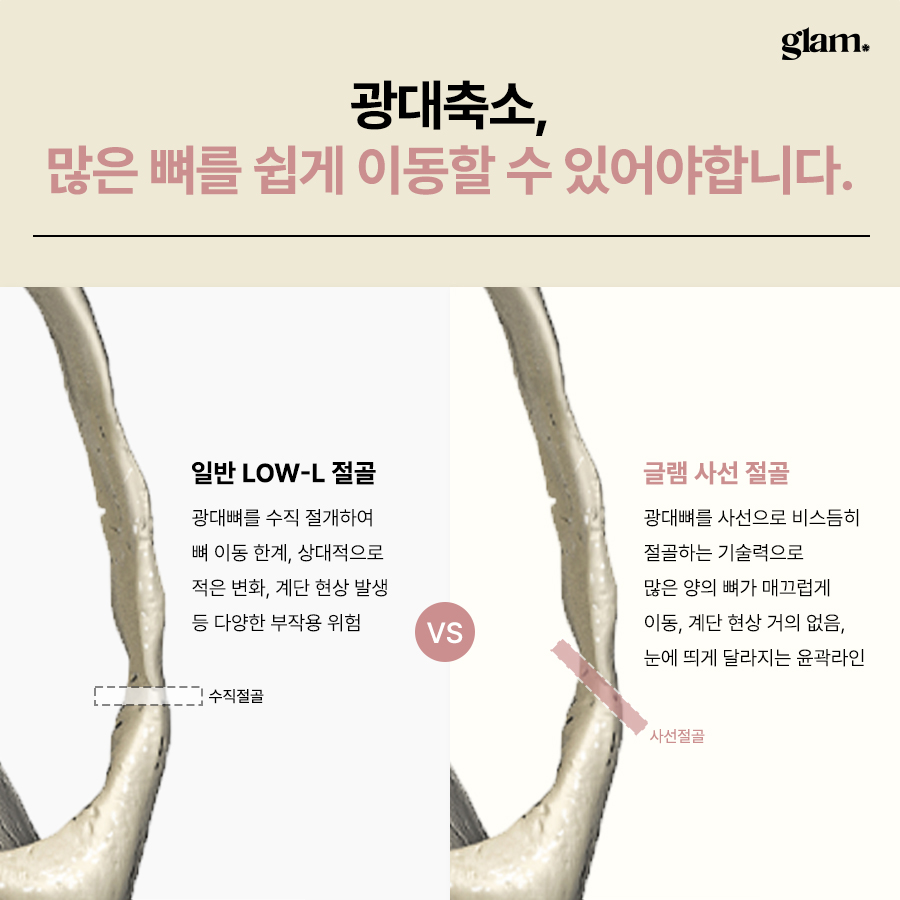
Common reasons for seeking V-line revision include a jaw that still looks square or wide, a lower face that feels bulky from the side, or the opposite problem of an over-resected jaw that appears too narrow or weak. Some patients notice asymmetry, with one side of the jawline looking different from the other, or feel and see step deformities where the bone is not smoothly connected.
Others are mainly concerned about function. They may feel bite changes, joint discomfort around the ears, or numbness that has not improved over time. In some cases, soft tissue has sagged after bone reduction, leading to jowls or hollow areas that make the face look older or tired.
Because the anatomy has already been changed once, V-line revision is more complex than primary surgery. Scar tissue, altered bone shape, and the position of important structures such as the inferior alveolar nerve must all be carefully considered.
Who may consider V-line revision surgery
You may consider V-line revision surgery if you have a clear structural or functional problem after your first V-line or mandibular angle procedure. Typical situations include a persistent square jaw despite surgery, a jawline that looks unnaturally sharp or pinched, or visible and palpable irregularities along the bone.
Patients who feel that their chin is too long, too short, too pointy, or shifted off the midline can also be candidates, especially if these issues appeared or worsened after the first surgery. Asymmetry between the left and right sides of the jaw or chin is another frequent reason for revision.
Functional concerns are equally important. If you experience ongoing bite discomfort, difficulty closing your teeth in a comfortable position, joint sounds or pain, or numbness that has not improved after a reasonable healing period, a detailed evaluation is recommended.
Suitable candidates generally have stable general health, realistic expectations, and an understanding that revision aims for improvement rather than a perfect, untouched anatomy. In some cases, non-surgical options such as soft tissue treatments may be more appropriate for very minor concerns.
When revision may need to wait or be avoided
Not everyone is ready for V-line revision surgery immediately. After the first operation, swelling and soft tissue changes can take months to settle. If you are still in the early postoperative period, what looks asymmetric or too wide may partially improve as healing progresses.
Surgeons often recommend waiting until bone healing is stable and swelling has largely resolved before planning revision. This waiting period may vary but is typically several months or longer, depending on the individual case and the extent of the first surgery.
Revision may also be postponed if you have untreated bite or occlusion issues that need to be addressed first by appropriate specialists. In addition, if your concerns are very subtle and can be managed with non-surgical options, a second bone surgery might not be the best choice.
How candidates are evaluated before V-line revision
A thorough preoperative assessment is essential for safe and meaningful revision. At a facial bone focused clinic in Sinsa, Gangnam, this process starts with detailed facial photographs from multiple angles and a careful physical examination.
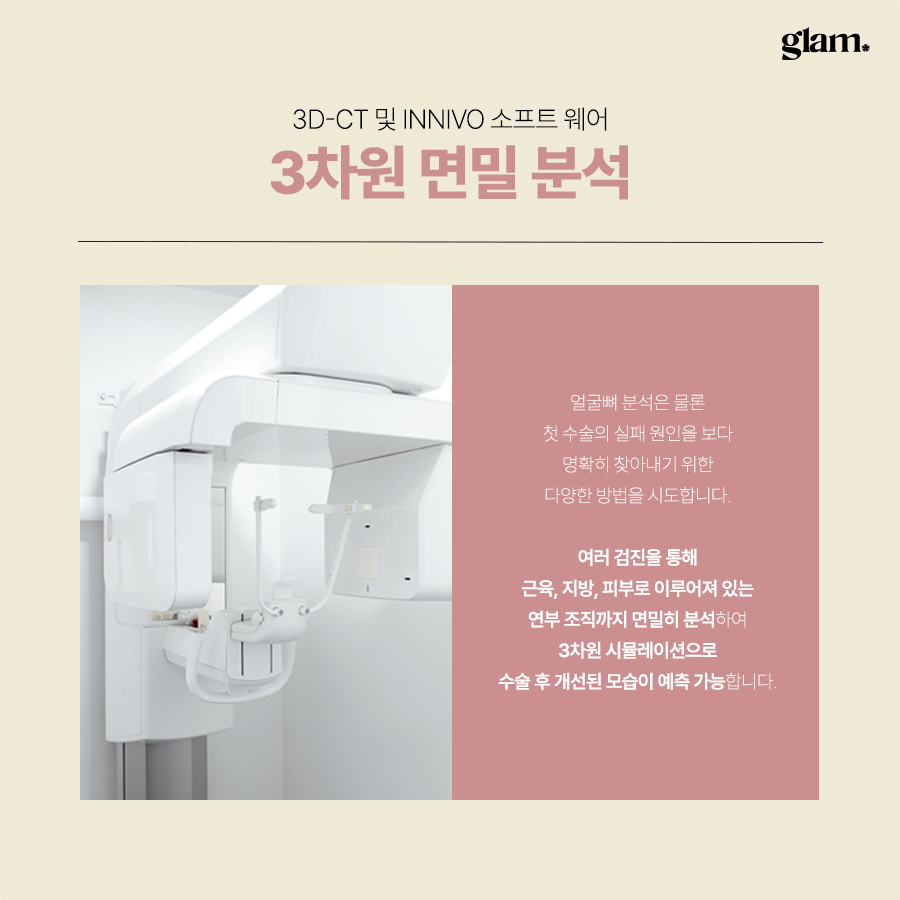
Three-dimensional CT or similar imaging is usually performed to understand the current bone structure. The surgeon evaluates how much bone remains, its shape, and the position of the inferior alveolar nerve. The relationship between the upper and lower jaws, including how your teeth meet, is also assessed.
If you have previous operative records, such as surgical notes or imaging from before your first V-line surgery, these can be very helpful. They allow the surgeon to see what was done previously and anticipate where scar tissue or altered anatomy may be present.
Soft tissue condition is another key factor. The surgeon looks at skin laxity, muscle thickness, and fat distribution, because these influence how the face will drape over the revised bone. In some cases, combined or staged soft tissue procedures are recommended to achieve a more harmonious result.
Types of V-line revision approaches
Corrective angle and jawline reshaping
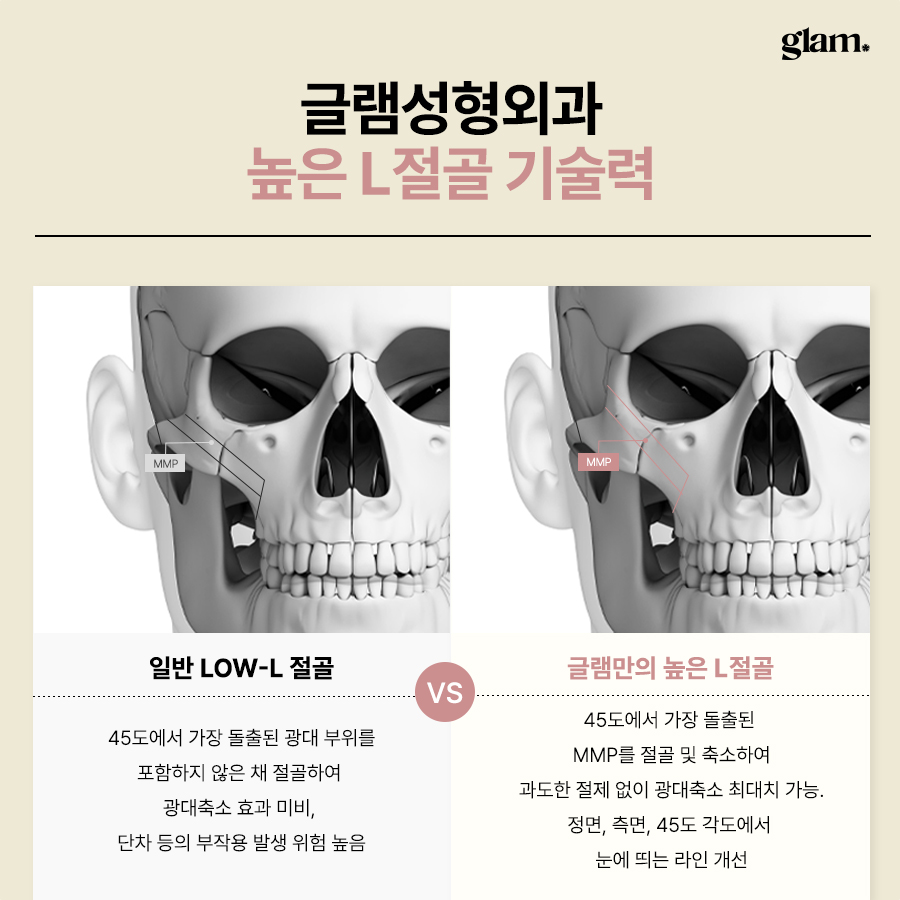
One common form of V-line revision focuses on the mandibular angle and jawline. The goal is to smooth irregular bone edges, correct step deformities, and adjust an angle that is either too wide or too sharply cut.
The surgeon may carefully shave or contour the bone to restore a smoother, more natural curve from the ear down to the chin. In cases where the previous surgery left a visible step between different segments of bone, these transitions can be blended.
Chin revision and genioplasty revision
Chin revision, sometimes using a technique called sliding genioplasty, addresses issues with chin length, width, and projection. If the chin is too long or protruding, controlled reduction may be considered. If it is too short or recessed, the chin segment can sometimes be advanced or repositioned.
When the chin has been over-resected, the surgeon may explore options such as moving the existing bone or, in selected cases, using bone grafts to restore support. Correcting midline deviation, where the chin is shifted to one side, is also part of this category.
Asymmetry correction
Asymmetry correction in V-line revision often involves different amounts of bone contouring on each side of the jaw. The surgeon may rotate or reposition the chin segment to better align the facial midline and improve balance.
If your bite or jaw function is affected, coordination with occlusal correction may be necessary. This step is planned carefully to avoid creating new functional problems while improving appearance.
Soft tissue management with V-line revision
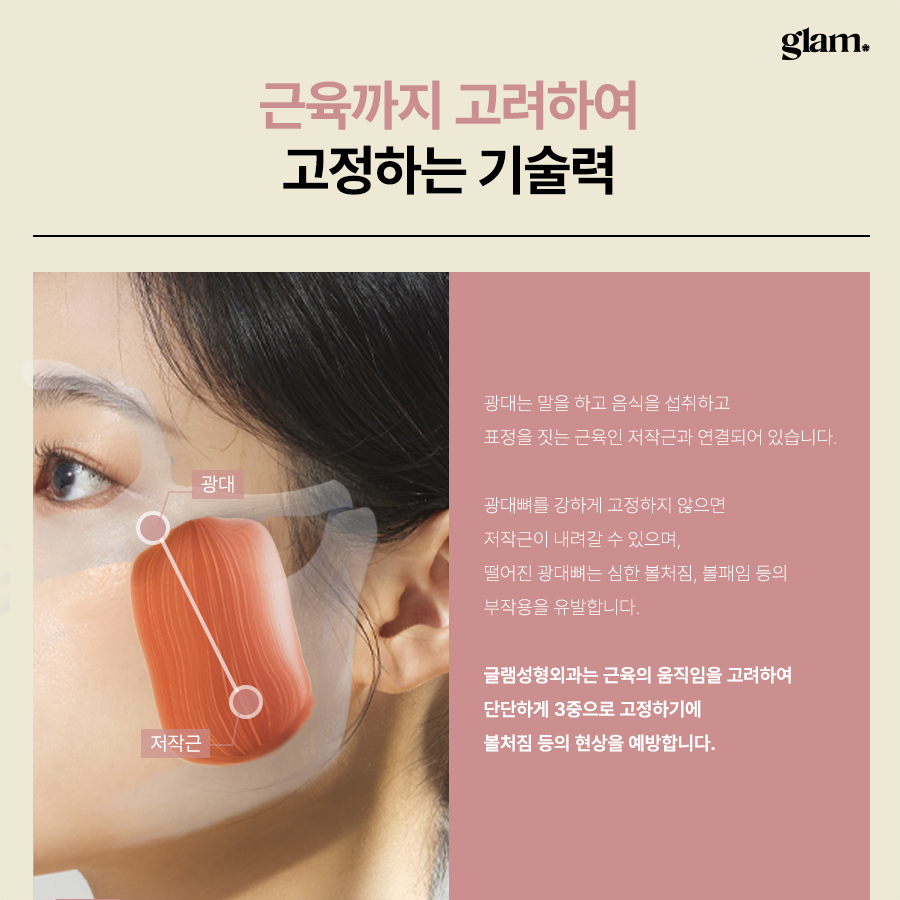
Bone changes alone may not fully solve issues created or revealed by the first surgery. Some patients develop sagging along the jawline, hollow cheeks, or other soft tissue changes after bone reduction.
In these situations, the surgeon may suggest soft tissue suspension, fat grafting, or skin tightening procedures. These can be performed at the same time as bone revision or in a staged plan, depending on your condition and safety considerations.
Some clinics provide adjunctive postoperative therapies and supportive care intended to reduce swelling and assist soft tissue recovery. These measures are supplemental and do not replace precise surgical planning or the surgeon's intraoperative technique. Availability of specific modalities and language support varies by clinic.
Safety considerations in revision V-line surgery
Revision V-line surgery has a higher risk profile than primary surgery. Scar tissue can make dissection more difficult, and the exact position of nerves and blood vessels may be less predictable than in an untouched face.
There is a greater chance of nerve injury, bleeding, and unpredictable soft tissue response. For this reason, it is important to choose a surgeon who focuses on facial bone surgery and is familiar with complex revision anatomy.
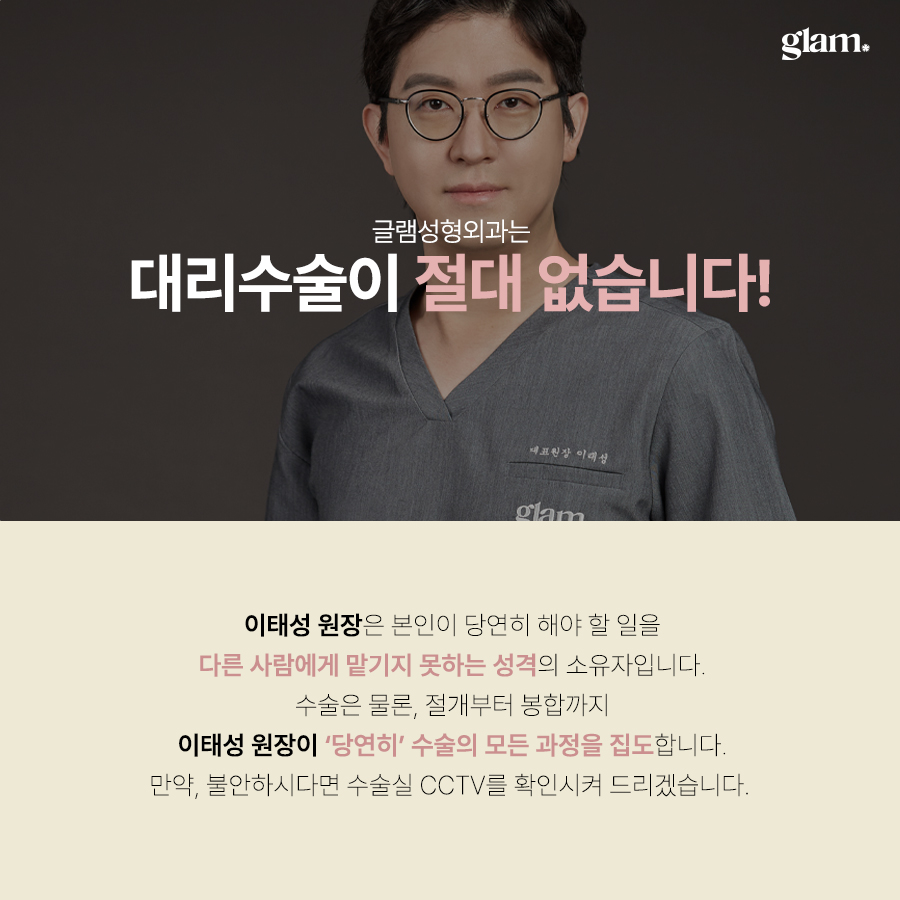
The clinical team typically includes surgeons experienced in facial bone procedures and an anesthesiology team that oversees anesthesia and perioperative monitoring. Anesthesiology involvement is particularly important for longer or more complex revision operations.
This narrow focus can be an advantage when dealing with challenging revision cases, because the team is accustomed to handling altered anatomy and scarred tissue.
Surgical planning philosophy for revision
For many patients who have already undergone one or more jaw surgeries, the idea of another operation can be stressful. A key principle at this clinic is to propose the minimum necessary revision to achieve meaningful improvement, rather than aggressive re-cutting of bone.
Protecting nerve function, preserving stability, and maintaining or improving jaw function are central goals. The surgeon explains that revision can improve contour and symmetry but cannot always recreate the appearance of a completely untouched jaw.
Realistic goal-setting is essential. During consultation, you are encouraged to share which aspects bother you most, so that the plan can focus on priorities that are structurally achievable. This helps align expectations with what is possible based on remaining bone and soft tissue.
How the operation is performed
Preoperative steps
Before surgery, you will have a detailed consultation that includes physical examination, photographs, and imaging such as 3D CT. Simulation tools may be used to show the direction of expected changes, though these are always explained as approximations rather than promises.
The surgeon reviews your medical history, previous operations, and any functional symptoms. Risks, limitations, and alternative options are discussed in clear language. You will also meet or be evaluated by the anesthesiologist to ensure that general anesthesia is appropriate for you.
Intraoperative process
V-line revision surgery is usually performed under general anesthesia. When possible, incisions are made inside the mouth to avoid visible scars. Because of scar tissue from the first operation, dissection is done slowly and carefully to protect nerves and blood vessels.
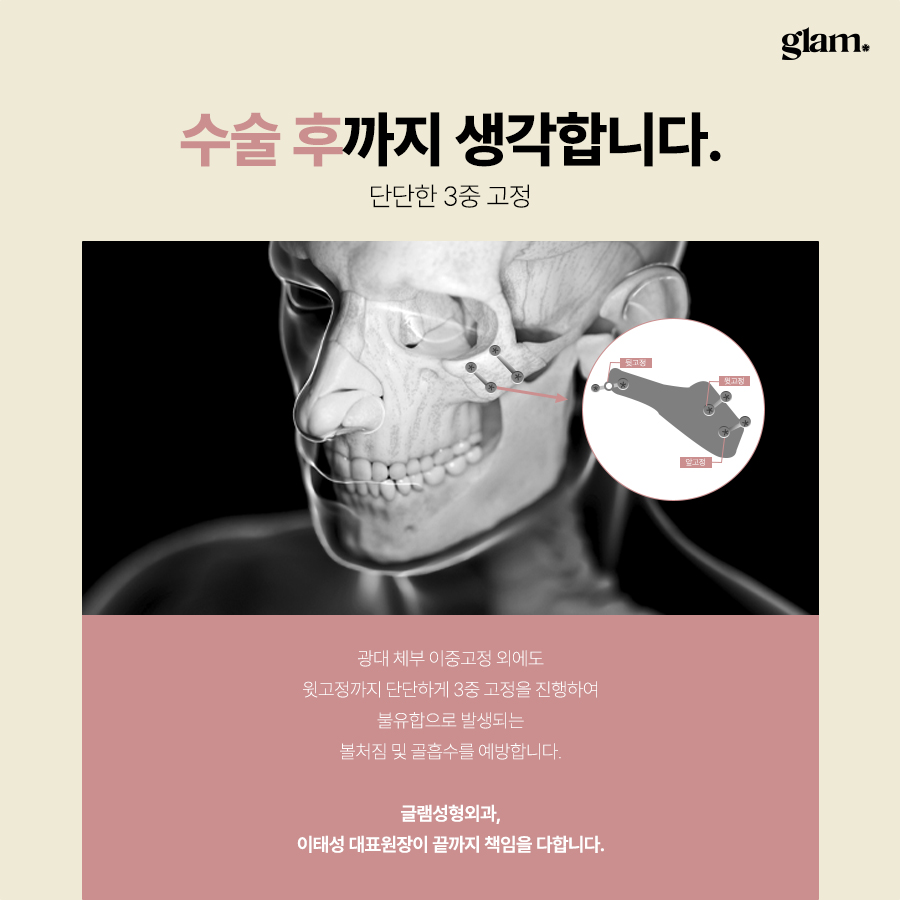
Bone reshaping or repositioning is guided by preoperative imaging and the intraoperative view. The surgeon pays close attention to the position of the inferior alveolar nerve and other critical structures. When bone segments are moved, they are fixed securely to maintain stability.
Postoperative care in the clinic
After surgery, you are monitored in the recovery area while waking from anesthesia. Pain and swelling control are started early, and the team checks for any signs of bleeding or other immediate complications.
You will receive instructions about diet, which often begins with soft or liquid foods, and about oral hygiene to keep intraoral incisions clean. Follow-up imaging may be performed to confirm bone position and healing.
Recovery timeline and aftercare
Recovery after V-line revision varies by individual and by the extent of surgery, but some general patterns are common. Swelling and bruising are usually most noticeable in the first one to two weeks, then gradually decrease over the following weeks.
Because this is a revision procedure, swelling can be more prolonged or unpredictable compared to primary surgery. It may take several months for the final contour to become clear as soft tissue adapts to the revised bone.
During this time, you will have scheduled follow-up visits. These services are designed to complement, not replace, proper surgical technique and medical follow-up.
Potential risks and how they are managed
As with any facial bone surgery, V-line revision carries risks. Possible complications include prolonged numbness, nerve injury, infection, hematoma, asymmetry, contour irregularities, bite changes, and, in some cases, the need for further revision.
Careful preoperative planning and detailed imaging help the surgeon anticipate challenges. During surgery, nerve preservation and gentle tissue handling are priorities. After surgery, close follow-up allows early detection and management of any issues.
The clinic emphasizes transparent communication about limitations and potential outcomes. Patients are encouraged to ask questions and to report any unexpected symptoms promptly so that they can be addressed.
Preparing for online consultation as an overseas patient
For international patients, the process usually begins with an online consultation. To make this efficient, it helps to prepare certain information in advance.
You can collect clear facial photographs from the front, 45-degree angles, and both profiles, ideally in good lighting without heavy makeup or filters. If you have 3D CT images, X-rays, or reports from your previous surgery, these are very valuable for the surgeon.
Before your online consultation, it is useful to write down your main concerns in order of priority. For example, you might list asymmetry first, then chin length, then numbness. This helps the surgeon understand what matters most to you.
You can also prepare a list of questions, such as what type of revision might be needed, how long you should stay in Korea, and what kind of recovery to expect.
Expected Korea visit timeline for V-line revision
The exact schedule depends on your case, but many international patients follow a similar pattern. You may arrive in Seoul a few days before surgery for in-person consultation, imaging, and final planning.
Surgery is then performed on a scheduled day, followed by a short period of close monitoring. You should plan to stay in Korea for a sufficient time after the operation to attend early follow-up visits and manage any immediate postoperative issues.
During this stay, you can receive post-surgery care such as LED therapy and facial care programs if desired. The clinic is located near Sinsa Station in Gangnam, within walking distance from exit 1 on a main road, which is convenient for daily visits.
Before you book flights and accommodation, the clinic team can help you estimate a reasonable length of stay based on the complexity of your planned revision.
Location and accessibility in Sinsa, Gangnam
The clinic is situated in Sinsa, a central area of Gangnam in Seoul, on a main road known as Dosan-daero. It is within walking distance from exit 1 of Sinsa Station, making it easy to reach by public transport.
This location is convenient not only for local residents but also for international patients staying in nearby hotels or serviced apartments. The surrounding area offers a wide range of dining, shopping, and accommodation options, which can make your recovery period more comfortable.
Frequently asked questions about V-line revision surgery
What problems can V-line revision surgery actually improve
V-line revision surgery can address structural issues such as persistent squareness or width of the lower face, over-resected and too-narrow jaws, asymmetry between the two sides, and irregular or stepped bone contours. It can also help with chin problems like being too long, too short, too pointy, or off the midline.
In some cases, functional issues such as bite discomfort or joint symptoms can be improved if they are related to the previous bone work. However, the degree of improvement varies, and a careful examination is needed to understand what is realistically achievable in your specific case.
How long should I wait after my first V-line surgery before considering revision
In general, you should wait until swelling has largely resolved and bone healing is stable before planning revision. This often means several months or longer after the first surgery, depending on the extent of the procedure and your individual healing.
During this period, some asymmetry or perceived width may improve on its own. An experienced facial bone surgeon can advise you, based on examination and imaging, whether it is too early to judge the final result or whether structural problems are likely to persist without revision.
Is V-line revision surgery more risky than the first operation
Yes, revision surgery usually carries higher risks than primary surgery. Scar tissue, altered anatomy, and changes in nerve position make the procedure more complex. There is a greater chance of nerve-related symptoms, bleeding, and unpredictable soft tissue response.
Choosing a surgeon who focuses on facial bone surgery and a clinic with a dedicated anesthesiologist can help manage these risks. Detailed imaging, conservative planning, and close postoperative follow-up are also important parts of risk reduction.
How long will I need to stay in Korea for V-line revision surgery
The recommended length of stay depends on the complexity of your revision and your overall health. Many overseas patients plan to arrive a few days before surgery for in-person evaluation and to remain in Korea for a period afterward to attend early follow-up visits.

During your online consultation, the clinic can provide a more tailored estimate based on your imaging and planned procedure. This allows you to arrange flights, accommodation, and time off work in a realistic way.
Soft call to action for online consultation
If you are dissatisfied or uncomfortable after a previous V-line or mandibular angle surgery and are considering revision in Seoul, you can begin by sharing your case through online consultation. By sending photos, imaging, and a description of your concerns, you can receive a professional opinion on whether V-line revision may be appropriate and what kind of approach might be considered.




- 공유 링크 만들기
- X
- 이메일
- 기타 앱


댓글
댓글 쓰기