Square Jaw Surgery Revision Options in Gangnam for Overseas Patients
- 공유 링크 만들기
- X
- 이메일
- 기타 앱

Direct answer summary
Square jaw surgery revision is a secondary contouring operation to correct unsatisfactory results after previous mandibular angle reduction. It can address issues such as uneven jawline, unnatural angles, step deformities, over- or under-resection of the bone, and some functional problems like bite discomfort or muscle-related contour irregularities. Because revision is more complex than first-time surgery, it is usually handled by a team focused specifically on facial bone procedures, using detailed imaging and a conservative, safety-first plan.
This guide explains what revision square jaw surgery involves, who may consider it, how to prepare from overseas, what a typical treatment trip to Seoul’s Gangnam area looks like, and what to expect during recovery and aftercare.
Overview of square jaw surgery revision
Square jaw surgery revision, sometimes called revision mandibular angle reduction or lower facial contour revision, is performed on patients who have already had jawline contouring. The goal is not simply to remove more bone, but to restore a smoother, more harmonious lower face line while protecting nerve function, jaw joint health, and bite stability.\n
In revision cases, the surgeon must work with altered anatomy. Previous bone cuts, areas of over-resection, irregular healing, and scar tissue in the soft tissues and muscles all influence what is safely possible. For this reason, revision is planned more cautiously than primary surgery and often requires more detailed imaging and analysis.
Common reasons people seek revision
Patients who come to Gangnam for revision square jaw surgery often describe one or more of the following problems after their first operation:
Jawline shape dissatisfaction
Some patients feel that the jawline looks too straight, too flat, or too sharply angled. Others feel that the transition from the chin to the mandibular angle is not smooth, giving a broken or segmented look instead of a natural continuous curve.
Asymmetry
One side of the jaw may appear longer, bulkier, or more angled than the other. This asymmetry can be due to uneven bone resection, differences in muscle thickness, or how the bone healed after the first surgery.
Step deformity and irregularities
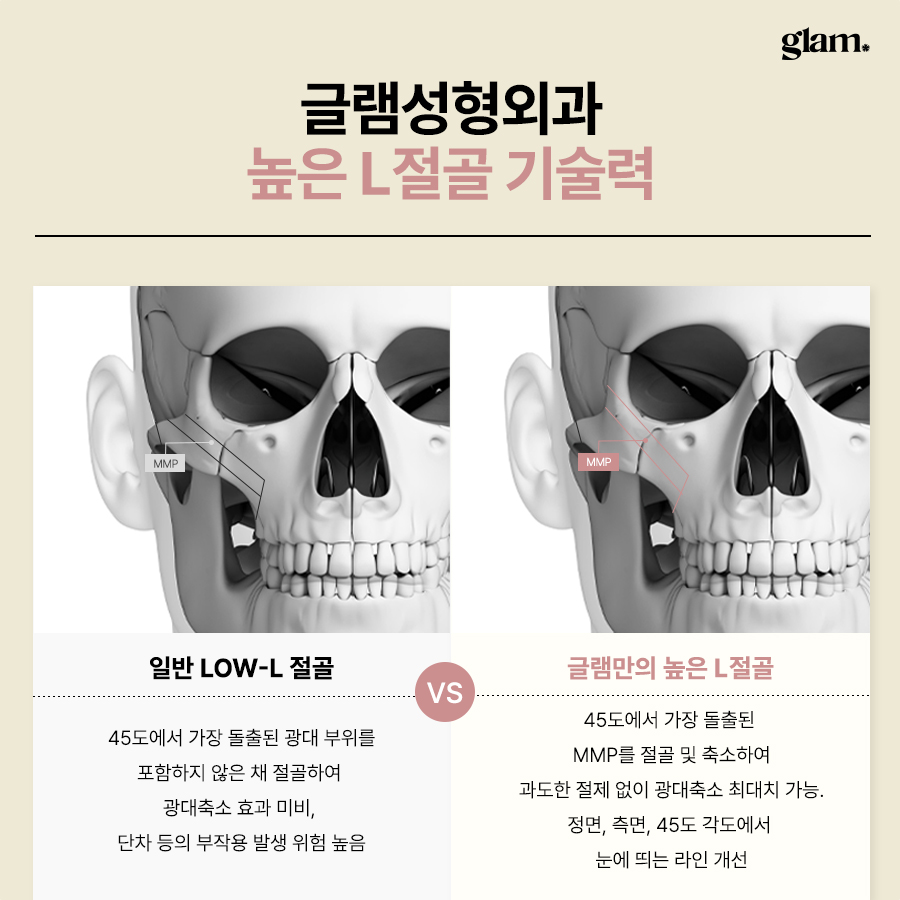
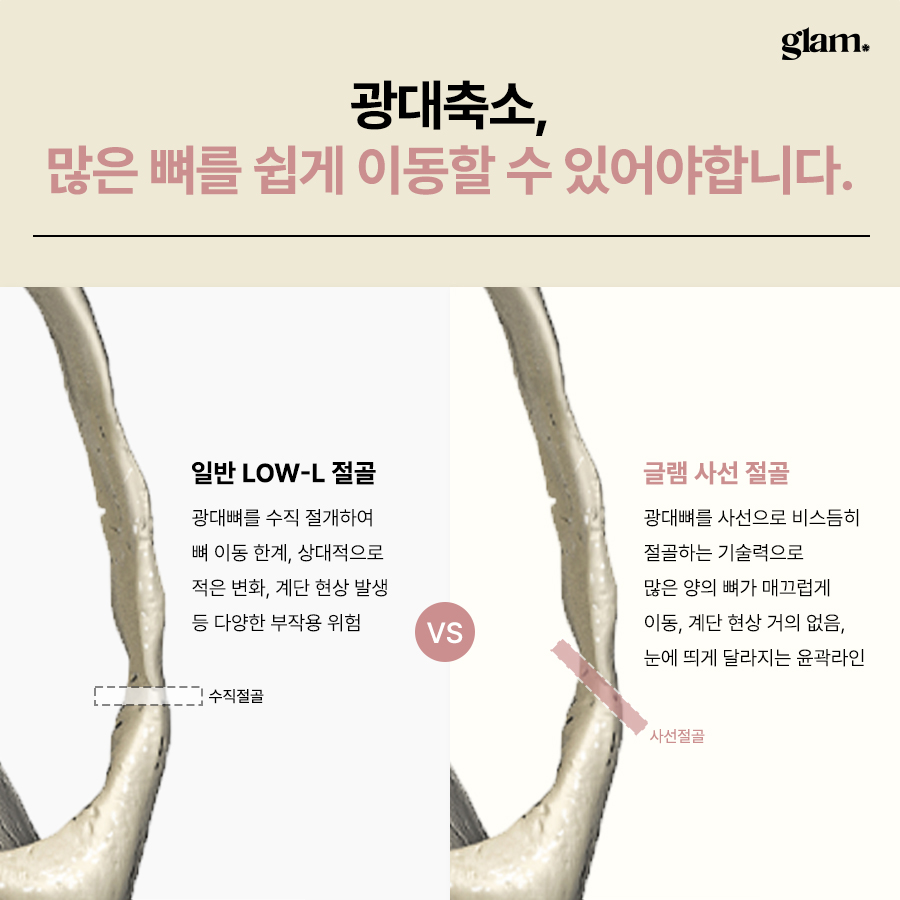
A step deformity is a noticeable “step” or bump where two bone segments meet, usually around the mandibular angle area. It can create a visible and sometimes palpable ridge along the jawline. Other irregularities include jagged bone edges or an uneven contour when viewed from the side or three-quarter angle.
Over-resection of the mandibular angle
If too much bone was removed, the lower face can look hollowed, excessively narrow, or unstable in profile. Over-resection can also make the lower face look older or less balanced with the cheekbones and chin. In some cases, this is difficult to fully reverse, and the revision plan focuses on softening transitions and improving overall harmony rather than “rebuilding” the original angle.
Under-resection of the mandibular angle
If the first surgery removed too little bone, the jaw may still look square or bulky from the front or side. In these cases, revision may involve additional bone contouring, but the surgeon must consider the remaining bone thickness, nerve location, and the risk of weakening the jaw.
Functional problems and discomfort
Some patients report bite discomfort, a feeling that the teeth do not meet properly, or new tension and fatigue in the jaw muscles. Others notice clicking or discomfort in the jaw joint area, or tightness when opening the mouth. While not all of these issues can be fully resolved by revision contouring alone, a careful evaluation can determine whether bone shape, muscle balance, or other factors are contributing.
Why revision square jaw surgery is more complex
Revision surgery must respect both aesthetics and function. The surgeon works in tissue that has already been dissected, with existing scar tissue and altered blood supply. The original bone cuts may not match standard patterns, and the exact amount of bone already removed can vary.
Because of this, revision planning usually includes:
Detailed 3D imaging and analysis
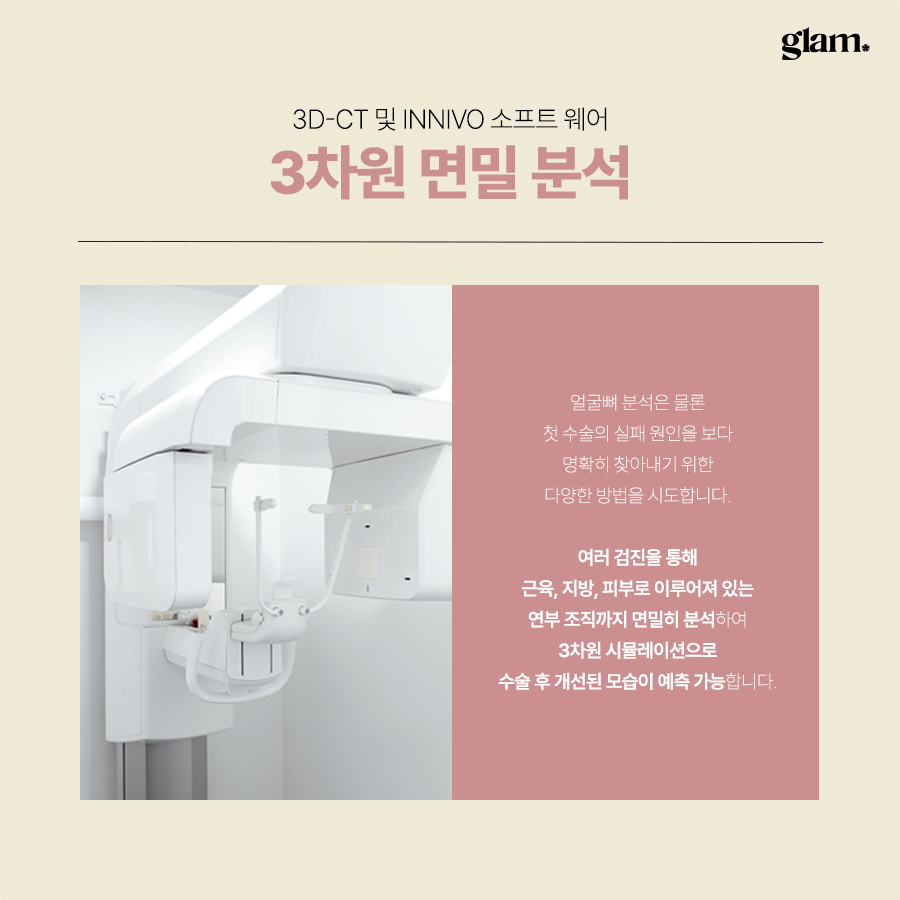
High-resolution CT scans and 3D reconstructions are commonly used to visualize the remaining bone, nerve canal position, and any irregular edges or step deformities. This imaging helps the surgeon understand what can safely be reshaped and where the limits are.
Assessment of bite and jaw joint
Even though square jaw surgery focuses on the mandibular angle and lower border, it can indirectly affect how the jaw muscles work and how the jaw joint is loaded. In revision cases, the team typically checks bite alignment, jaw opening range, and any joint symptoms before suggesting further bone work.
Scar tissue and soft tissue behavior
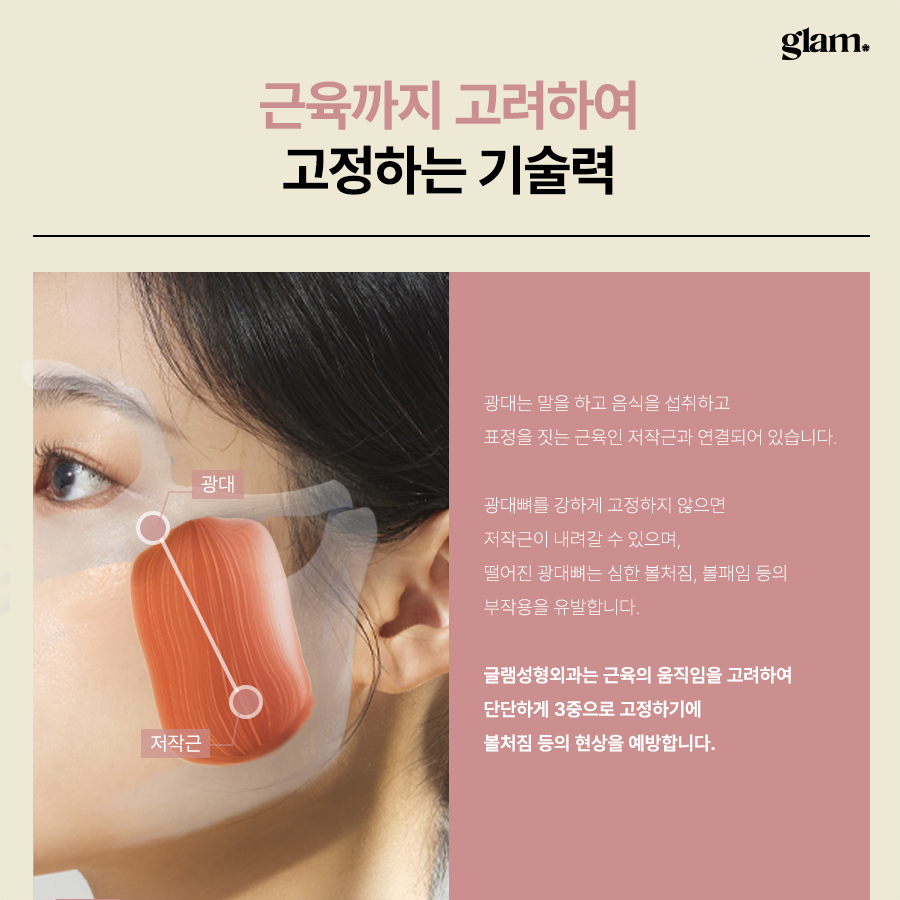
Scar tissue in the inner cheek and along the jaw muscle can change how the soft tissue drapes over the bone. In some patients, the bone may be relatively smooth, but the outer contour still looks uneven because of muscle or soft tissue bulk. Revision planning may therefore include strategies for muscle-related contour issues, not only bone reshaping.
Who may consider square jaw revision in Seoul
You may consider a consultation for revision square jaw surgery if:
You are at least 6–12 months after your first surgery
The jawline continues to change for months as swelling resolves and tissues settle. Most surgeons prefer to evaluate for revision only after this period, unless there is a serious functional problem. If you are still early in your healing, you may be advised to wait and monitor the shape.
You have clear, persistent concerns
These may include visible asymmetry, a clear step deformity, a jawline that feels too wide or still square, or a lower face that looks overly hollow or unstable. It is helpful to describe exactly what bothers you from the front, side, and three-quarter views.
You have realistic expectations
Revision can often improve contour and symmetry, but it cannot always restore the original bone volume or create a completely new jaw structure. Patients who understand the anatomical limits and prioritize safety tend to be more satisfied with their outcomes.
You are willing to undergo detailed evaluation
A thorough revision consultation may include imaging, bite assessment, and a discussion of different scenarios. For overseas patients, this often begins with online consultation and sharing previous records before any travel is planned.
Treatment overview: how revision is planned and performed
Initial online assessment
For international patients, the process usually starts with an online consultation. You may be asked to provide:
Previous medical records and operation notes, if available
CT or X-ray images from before and after your first surgery
Clear photos of your face from the front, both sides, and three-quarter angles
A written description of your concerns and any functional symptoms
Based on this information, the surgeon can give a preliminary opinion on whether revision seems feasible and what type of improvement might be realistic.
In-person evaluation in Gangnam
Once you arrive in Seoul, an in-person consultation near Sinsa Station or along Dosan-daero typically includes:
Physical examination of the jawline, bite, and jaw opening
Updated imaging, often including CT scans
Review of your goals and concerns, with a detailed explanation of what can and cannot be changed
Discussion of surgical plan, anesthesia, hospital stay, and recovery timeline
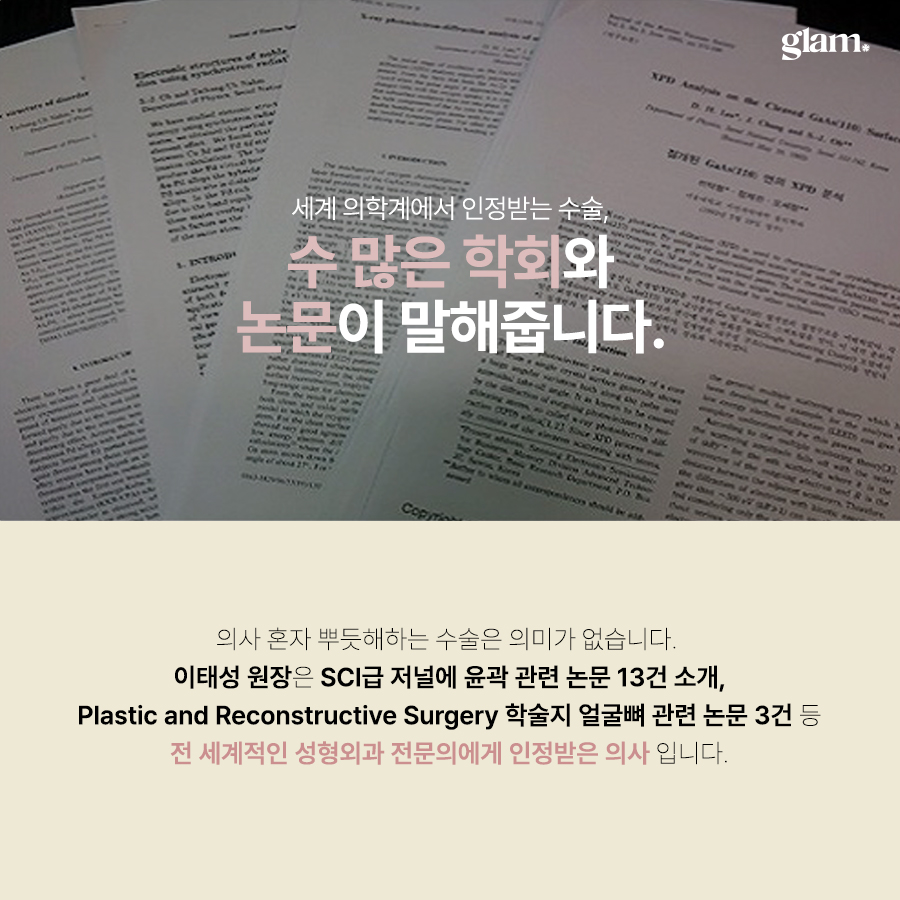
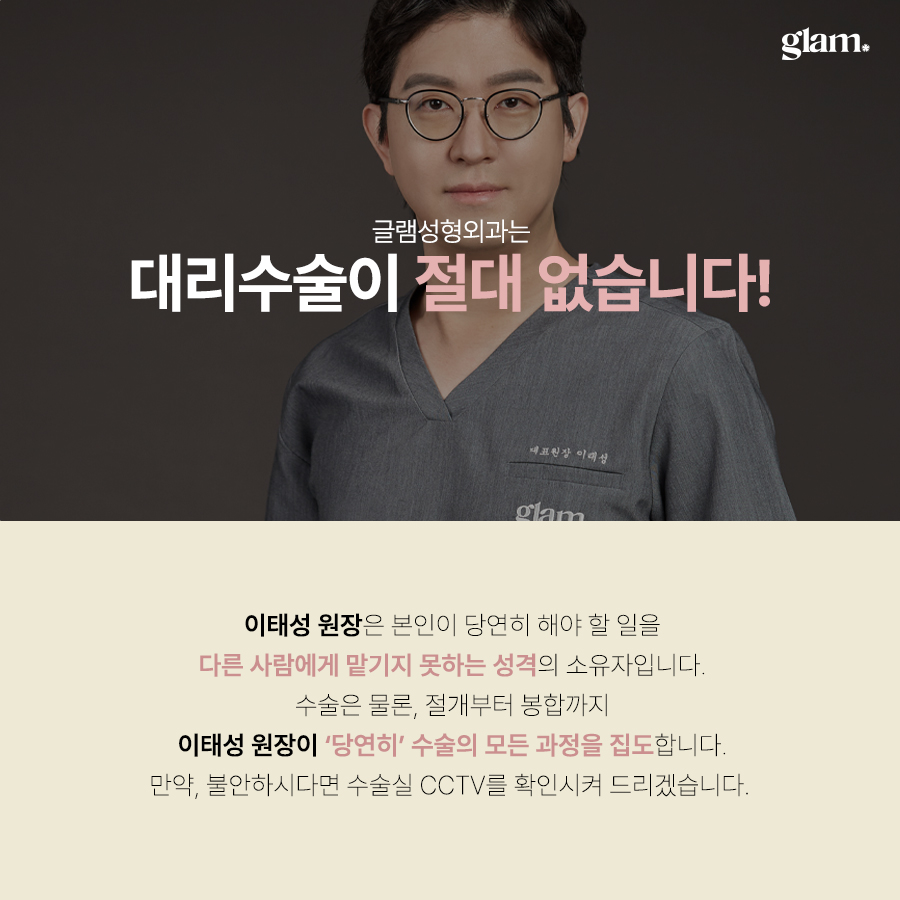
The clinic’s focus on facial bone surgery
Some clinics in Gangnam focus mainly on facial bone procedures such as double jaw surgery and facial contouring. For revision square jaw cases, this focused experience can be helpful because the team is familiar with various bone cut patterns, nerve protection strategies, and how to balance aesthetics with function.
Surgical approach
Revision square jaw surgery is usually performed through incisions inside the mouth, similar to primary surgery, to avoid external scars. During the operation, the surgeon may:
Smooth or recontour irregular bone edges
Adjust the angle and lower border of the mandible to create a more continuous line
Address step deformities by blending the junction between previously cut segments
Conservatively remove remaining bone in under-resection cases, while protecting the nerve
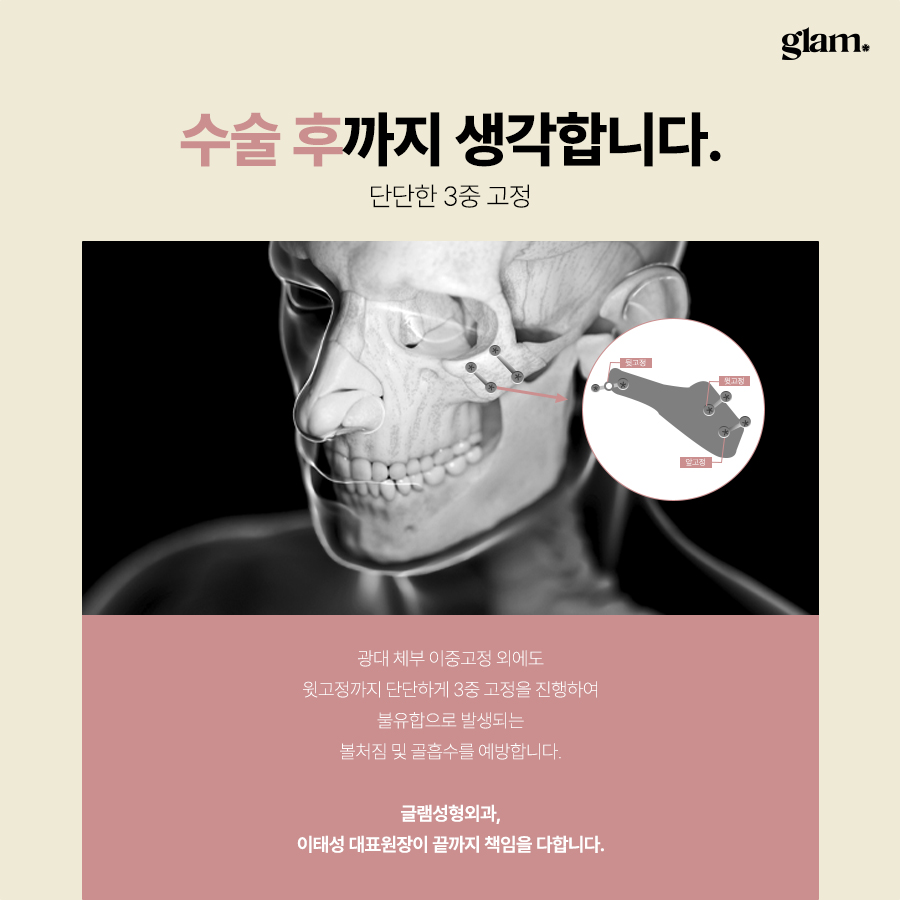
In some complex cases, additional techniques may be required, and the exact plan is highly individualized.
Anesthesia and hospital stay
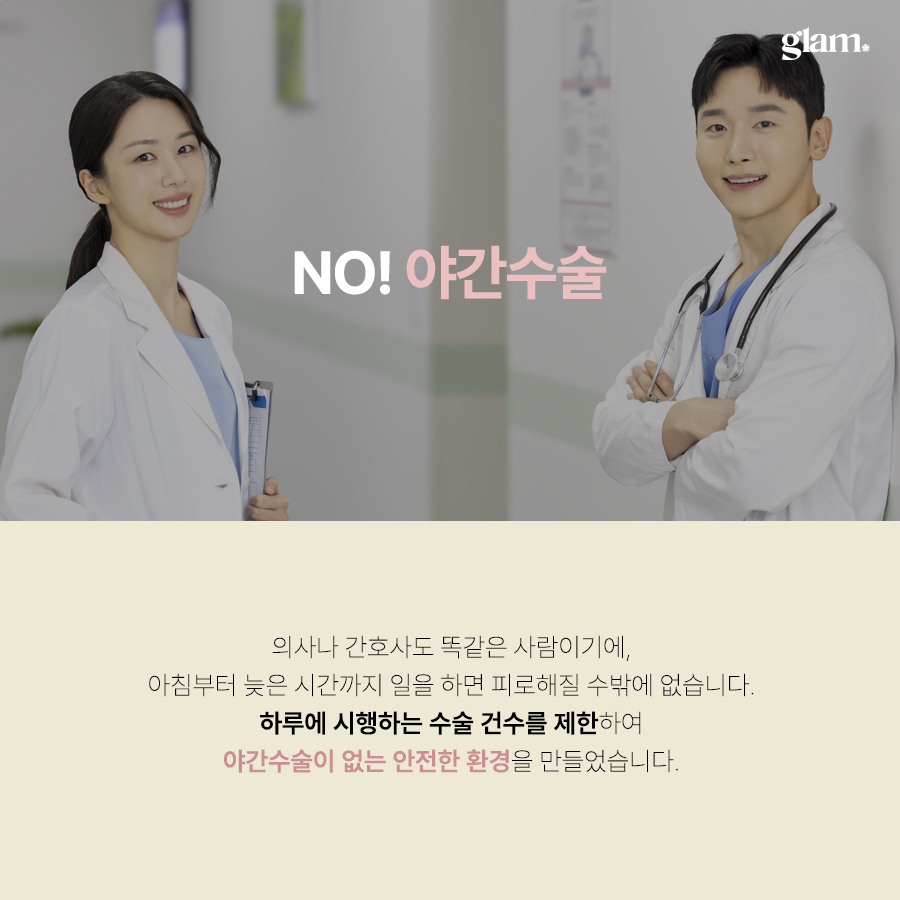
Revision surgery is commonly performed under general anesthesia. Some patients may stay in the hospital overnight for monitoring, especially if the surgery time is longer or if there is more extensive work. Others may be discharged the same day, depending on the clinic’s protocol and your condition.
Preparing for revision from overseas
Medical and imaging documents
Before traveling, try to collect as much information as possible from your previous surgery:
Operation notes or a summary of the procedure
Pre- and post-operative CT or X-ray images
Any reports about complications or special findings
These documents help the revision team understand what was done and what challenges may exist.
Health status and medications
Inform the clinic about any medical conditions, such as high blood pressure, diabetes, or bleeding disorders. List all medications and supplements you are taking. Some drugs, such as blood thinners, may need to be adjusted before surgery under guidance from your local doctor.
Questions to prepare before consultation
To make the most of your online or in-person consultation, it can be helpful to prepare a checklist of questions, for example:
What are the main anatomical problems you see on my imaging and photos?
What specific changes are you planning to make to the bone?
What kind of improvement is realistic in my case, and what cannot be changed?
How long should I stay in Korea for safe follow-up?
What are the main risks in revision compared to first-time surgery?
How will swelling and numbness typically progress after revision?
Expected visit timeline for a Korea trip
Every case is different, but many overseas patients follow a similar schedule when coming to Gangnam for revision square jaw surgery.
Pre-surgery period (days 1–3)
In-person consultation and physical examination
Imaging studies and pre-operative tests (blood tests, etc.)
Final surgical planning and consent discussion
Some patients may have surgery within 1–3 days after completing evaluations, depending on the clinic’s schedule and test results.
Surgery day
Admission to the clinic or hospital
General anesthesia and surgery
Recovery in the recovery room, followed by transfer to a ward or discharge when stable
Early post-operative days (days 1–7)
Swelling and mild discomfort are expected and usually managed with medication and cold compresses as instructed. You may be advised to:
Follow a soft or liquid diet to reduce strain on the jaw
Use prescribed mouth rinses to maintain hygiene
Avoid intense physical activity and keep the head slightly elevated when resting
First follow-up visits usually occur within the first week to check healing and address any concerns.
Later post-operative period (weeks 2–4)
Swelling gradually decreases, and bruising, if present, fades. Stitches inside the mouth may dissolve or be removed according to the clinic’s protocol. Many overseas patients plan to stay in Korea for at least 2–3 weeks after surgery so that early healing can be monitored in person.
Return home and long-term follow-up
Once you return home, you will continue to heal over several months. The clinic may request periodic photos or imaging to monitor progress. If you experience unusual pain, fever, or sudden changes in sensation or bite, you should seek local medical evaluation and inform the clinic.
Aftercare and recovery considerations
Swelling and appearance changes
Swelling is usually most noticeable in the first week and then gradually improves. Final contour can take several months to become clear, as deep tissues settle and residual swelling resolves. In revision cases, this process can sometimes be slower than after primary surgery.
Sensation changes
Temporary numbness or altered sensation along the lower lip or chin can occur, especially in revision surgery where the nerve area has already been operated on once. In many patients, this improves over time, but full recovery cannot be guaranteed and depends on the condition of the nerve.
Diet and jaw function
A soft diet is commonly recommended for a period after surgery to avoid excessive strain. Gentle jaw movement is usually encouraged within the clinic’s guidelines. If you notice persistent bite changes or difficulty opening the mouth, inform your surgeon promptly.
Scar and soft tissue care
Because incisions are typically inside the mouth, there are no visible external scars. Good oral hygiene, including careful brushing and prescribed rinses, is important to reduce infection risk. Some patients may be given instructions for gentle massage or other measures to help soft tissues settle smoothly.
Emotional adjustment and expectations
Revision surgery can be emotionally demanding, especially after a disappointing first experience. It is important to give yourself time to adapt to the new appearance and to discuss any concerns openly with your medical team. Regular follow-up and clear communication can help manage expectations and support your recovery.
Frequently asked questions
What problems can square jaw revision realistically improve?
Revision can often improve issues such as step deformities, visible asymmetry, and some cases of under- or over-resection by smoothing bone edges, adjusting angles, and refining the jawline contour. It may also help with certain muscle-related contour irregularities. However, it cannot always restore lost bone volume or fully correct complex functional problems. The achievable result depends on your current anatomy, previous surgery pattern, and nerve position.
How long should I wait after my first square jaw surgery before considering revision?
In many cases, waiting at least 6–12 months after the initial surgery is recommended. This allows swelling to resolve and tissues to stabilize so that the true final shape can be evaluated. Early revision is usually considered only when there is a serious functional issue or a clear structural problem that is unlikely to improve with time. Your surgeon will advise based on your specific situation.
Is revision square jaw surgery more risky than first-time surgery?
Revision surgery often carries higher complexity because of scar tissue, altered anatomy, and previous bone cuts. There may be a higher risk of prolonged swelling, sensation changes, or limited improvement compared to primary surgery. A careful, conservative plan and detailed imaging help manage these risks, but they cannot be eliminated completely. A thorough discussion of potential benefits and risks is essential before deciding.
How long do I need to stay in Korea for revision square jaw surgery?
Many overseas patients plan for a stay of about 2–3 weeks in Seoul. This typically covers pre-operative evaluation, surgery, and early post-operative follow-up visits. The exact duration depends on your healing, the complexity of the surgery, and the clinic’s protocol. Before you book flights, discuss your travel plan with the medical team so they can advise a safe schedule.

This article is provided by GLAM Plastic Surgery (Gangnam, Seoul). If you are considering revision square jaw (mandibular angle) surgery and would like a professional opinion, GLAM offers online consultations. To help the clinic review your case, please prepare previous surgical records, any available imaging (CT with 3D reconstruction if possible), and operative reports.
If you are considering revision square jaw surgery in the Gangnam area and would like a professional opinion before planning a trip, you can start with an online consultation. Preparing your previous records, imaging, and clear photos will help the team understand your situation and suggest whether revision may be appropriate, what kind of improvement might be realistic, and how long you should plan to stay in Korea for safe care.
This article is intended for general information only and does not replace a personalized consultation with a qualified medical professional. Individual conditions, risks, and treatment options vary, and all decisions about surgery should be made after direct discussion with your medical team.




- 공유 링크 만들기
- X
- 이메일
- 기타 앱


댓글
댓글 쓰기