Square jaw reduction surgery guide for a slimmer V-line in Sinsa, Gangnam
Direct answer summary
nced V-line profile.
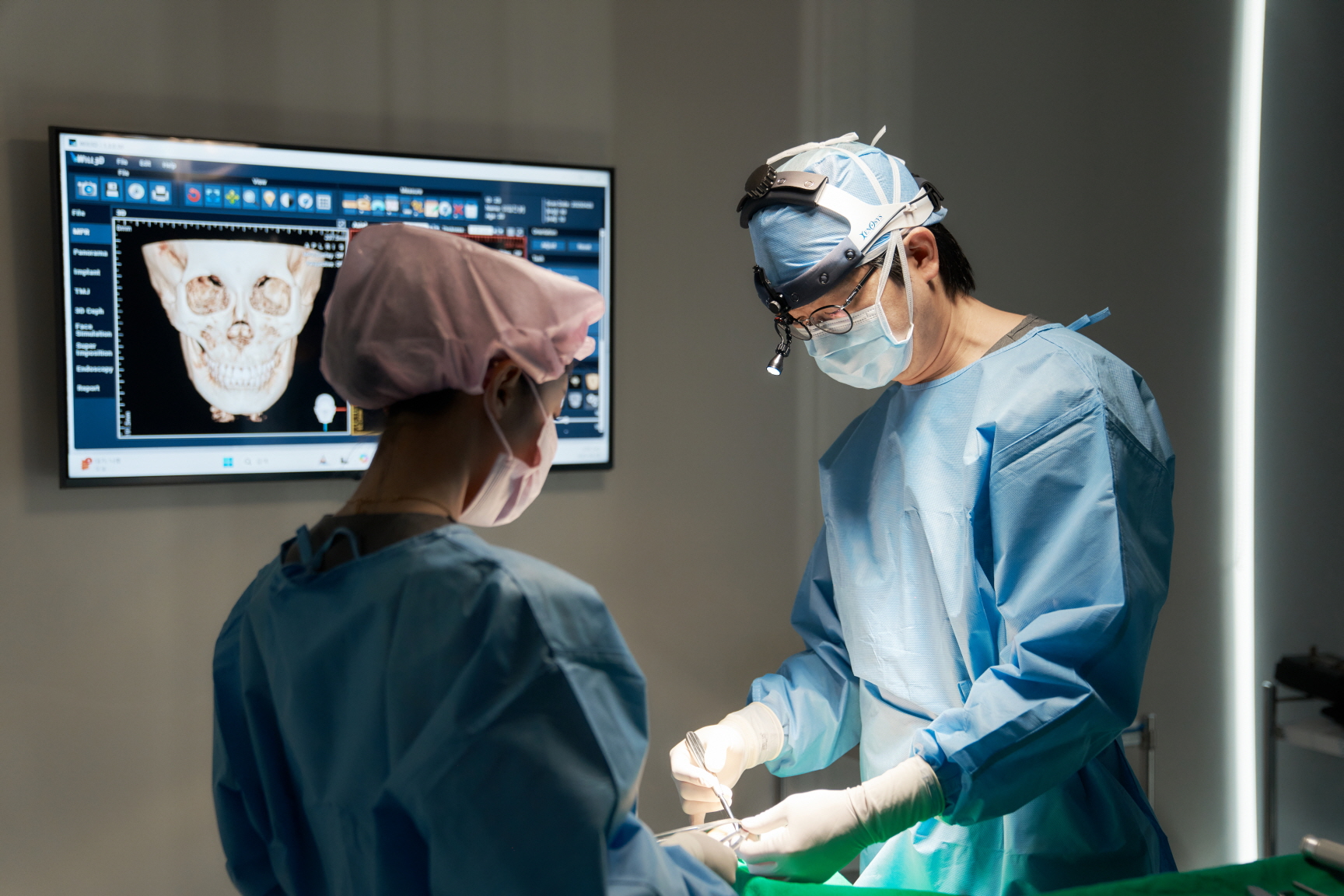
At a facial bone-focused plastic surgery clinic in Sinsa, Gangnam, square jaw reduction is planned using medical imaging and careful analysis of your bone shape, bite, and facial proportions. Surgery is usually done through incisions inside the mouth under general anesthesia, with a structured recovery and swelling care program afterwards. International patients can start with online consultation, then plan a short stay in Seoul for surgery and follow-up.
What is square jaw reduction
Square jaw reduction, also called mandibular angle contouring, is a surgery that reshapes the back and lower part of the jaw. The goal is to reduce a very square or bulky jaw angle and create a smoother, slimmer line from the ear toward the chin.
This procedure focuses on the jawbone itself. The surgeon removes or reshapes part of the mandibular angle and sometimes the outer layer of bone along the lower border. By adjusting the bone in three dimensions, the lower face can look less wide and more refined from the front, side, and diagonal views.
Many people think of square jaw treatment as injections or simple slimming procedures. Those methods work mainly on muscle or fat. Square jaw reduction surgery is different because it targets the bone, which is often the main reason the lower face looks wide or angular.
Typical aesthetic goals include a softer jaw angle, a smoother curve from the ear to the chin, and a more defined but natural-looking V-line. The aim is not to make everyone’s face look the same, but to create a balanced lower face that matches your overall features.
Bone surgery versus simple slimming treatments
For some people, the lower face looks wide mainly because of enlarged chewing muscles. In those cases, non-surgical treatments may help reduce muscle volume temporarily.
However, if the jawbone itself is thick, angled, or protruding, injections alone cannot change the underlying shape. In this situation, square jaw reduction surgery is the method that can actually reshape the bone.
This article discusses bone-based square jaw reduction as part of facial contouring surgery and refers to a clinic that reports focusing on jaw and facial bone procedures.
Who may consider square jaw reduction
People considering square jaw reduction often have one or more of these concerns:
- A very square or wide lower face when viewed from the front
- Strong or prominent jaw angles near the back of the jaw
- A lower face that looks heavy or masculine compared with the upper face
- Asymmetry between the left and right jawline
- A side profile where the jaw angle sticks out noticeably
Not everyone with a wide face needs the same surgery. Candidacy depends on several factors:
- Bone shape and thickness
- Jaw angle position and curvature
- Chewing muscle development
- Bite alignment and relationship between upper and lower jaws
- Overall facial proportions, including cheekbones and chin
A facial bone specialist will evaluate all of these before recommending surgery. In some cases, a patient may benefit more from chin contouring or cheekbone reduction, or from combining several procedures. In other cases, a conservative square jaw reduction alone is enough.
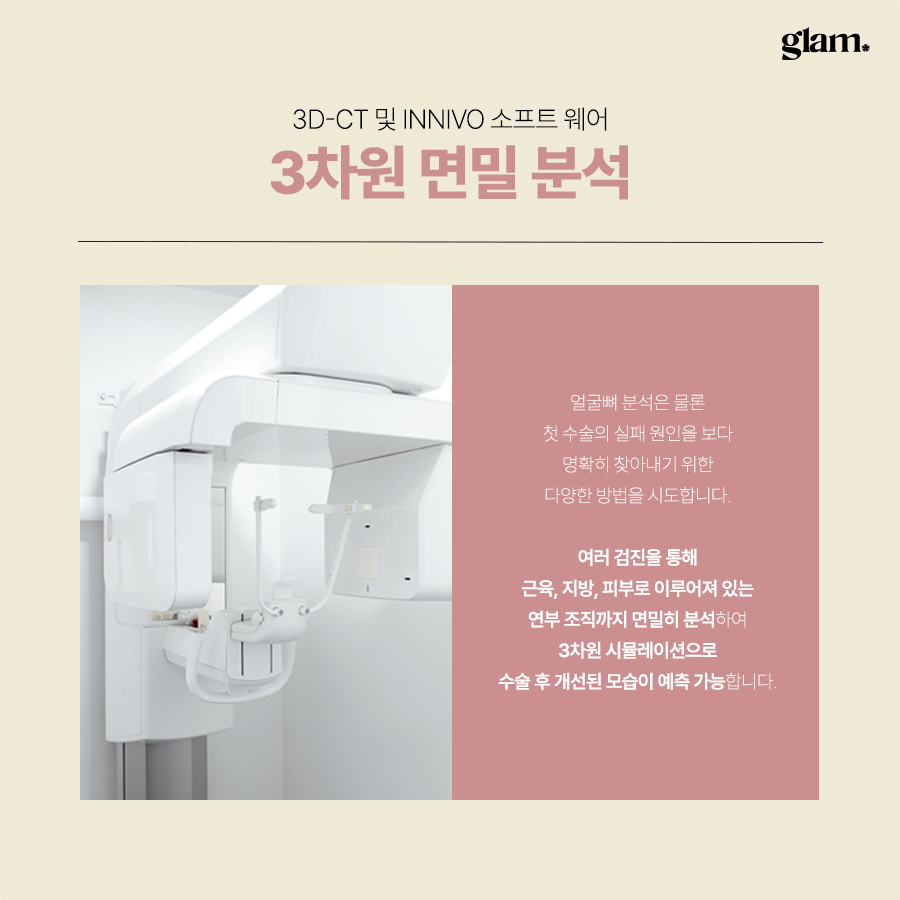
At a clinic focused on facial bone surgery, the surgeon will examine your face from multiple angles, check how your teeth meet, and review imaging such as X-rays or 3D CT scans. This helps determine whether square jaw reduction is appropriate and, if so, what extent of bone reshaping is needed.
Main techniques in square jaw reduction
There are several main approaches used in square jaw reduction. The exact method is chosen based on your bone structure and aesthetic goals.
Mandibular angle resection
This is the classic method of square jaw reduction. The surgeon removes part of the jaw angle at the back of the jaw. By cutting and smoothing this corner, the lower face can look less square from the front and side.
If done in a simple, flat way, this method may reduce the angle but sometimes leaves a sharp transition or an unnatural line. Modern approaches aim to avoid this by considering three-dimensional contour.
Cortical bone shaving
In many cases, the outer layer of the jawbone (cortical bone) along the lower border is thick and contributes to a bulky look. Cortical bone shaving removes this outer layer and smooths the bone surface.
This technique can refine the jawline and create a more gradual, natural curve. It is often combined with angle resection to improve both the back angle and the line toward the chin.
Extended contouring toward the chin
Some patients have a wide jaw not only at the angle but also along the entire lower border toward the chin. In these cases, the surgeon may perform extended contouring.
Extended contouring connects the angle reduction smoothly with the area closer to the chin. This helps avoid a step-like transition and creates a continuous, slim line from the back of the jaw to the front.
In certain cases, chin contouring or V-line surgery may be considered at the same time. A conservative clinic will recommend combined procedures only when they are truly necessary to achieve a harmonious result, rather than suggesting multiple surgeries without clear reason.
Three-dimensional planning versus simple cutting
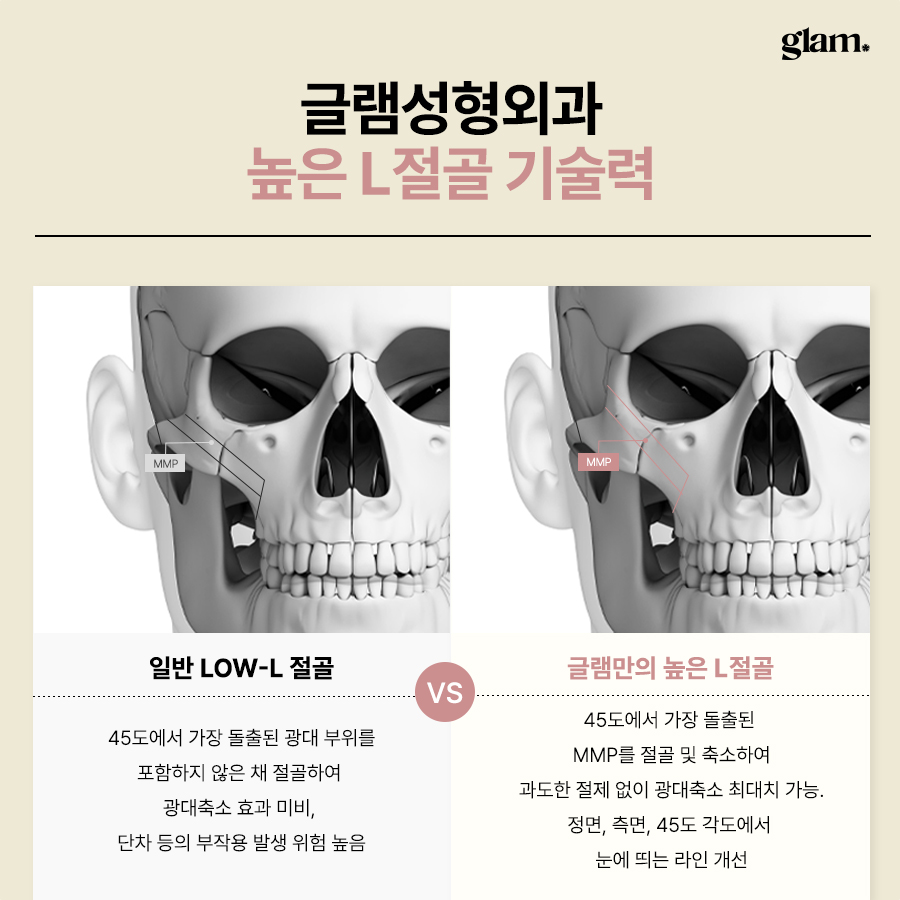
The difference between older and more advanced square jaw reduction is often in how three-dimensional the planning is.
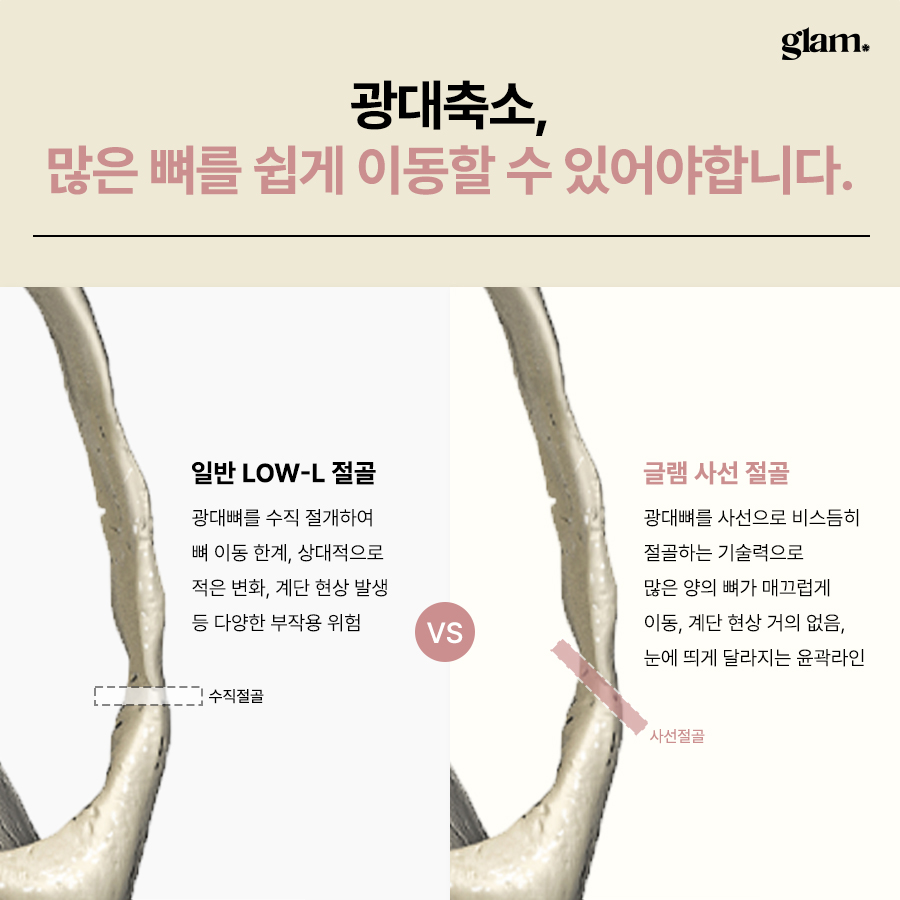
Simply cutting off the jaw angle can reduce width but may not look natural from all angles. Modern facial contouring considers:
- Front view: how narrow or wide the jaw appears
- Side view: how sharp or soft the angle looks
- Oblique view: how smoothly the line flows from ear to chin
A facial bone-focused clinic will usually plan the cut lines and shaving areas in detail using imaging and facial analysis, aiming for a balanced, natural-looking jawline rather than an overly aggressive change.
Diagnostic process and planning at a facial bone-focused clinic
At a clinic in Sinsa, Gangnam that is dedicated to double jaw surgery and facial contouring, square jaw reduction planning typically follows a structured process.
Medical history and consultation
The first step is to review your medical history, previous surgeries, medications, and any existing conditions. The surgeon will ask about your main concerns, what you want to change, and what you want to keep.
Facial photographs and analysis
Standardized facial photos are taken from the front, side, and oblique angles. These help the surgeon analyze facial proportions, asymmetry, and how the jawline interacts with the cheekbones, lips, and chin.
Imaging and bite assessment
Imaging such as X-rays or 3D CT scans is used to understand the thickness and shape of the jawbone, the position of the nerve canal, and the relationship between upper and lower jaws.
The surgeon also checks your bite and how your teeth come together. If there are major bite problems, double jaw surgery or other jaw procedures may need to be considered instead of, or in addition to, simple contouring.
Personalized surgical plan
Based on this information, the representative plastic surgeon designs a surgical plan. At this type of clinic, the same surgeon who consults with you also plans and performs the operation, rather than delegating key steps.
The plan usually includes:
- How much of the jaw angle to remove
- Where and how much cortical bone to shave
- Whether to extend contouring toward the chin
- Whether to combine with other facial contouring procedures
- Expected range of change and limitations
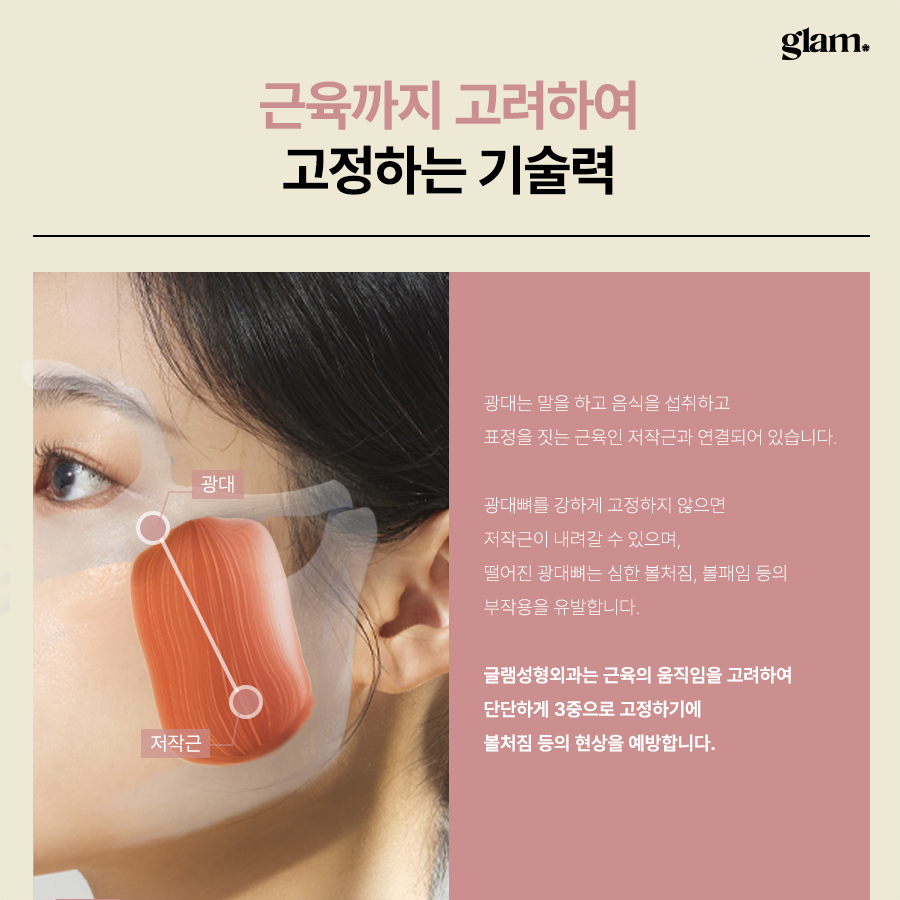
The goal is to recommend the minimum necessary surgery to achieve a balanced improvement, not to suggest unnecessary additional procedures.
Surgery procedure and anesthesia
Incisions and approach
Square jaw reduction is usually performed through incisions inside the mouth, along the lower gum line. This approach helps avoid visible scars on the skin.
Through these incisions, the surgeon carefully exposes the jawbone while protecting nearby nerves and soft tissue. The planned bone cuts and shaving are then carried out under direct vision.
Anesthesia and monitoring
The surgery is typically done under general anesthesia. The clinic reports that an anesthesiologist manages anesthesia and monitors vital signs; confirm the practitioner’s credentials and in-house staffing during your consultation.
The anesthesiologist’s role is to maintain stable breathing, heart rate, and blood pressure, and to respond quickly to any changes during surgery. This team-based approach supports safety during a procedure that involves bone cutting and can take several hours.
Surgery time
The duration of square jaw reduction varies depending on the complexity of the case and whether other procedures, such as cheekbone or chin contouring, are performed at the same time.
Your surgeon will explain the expected time range for your specific plan during consultation.
Recovery, swelling, and aftercare
Immediate postoperative period
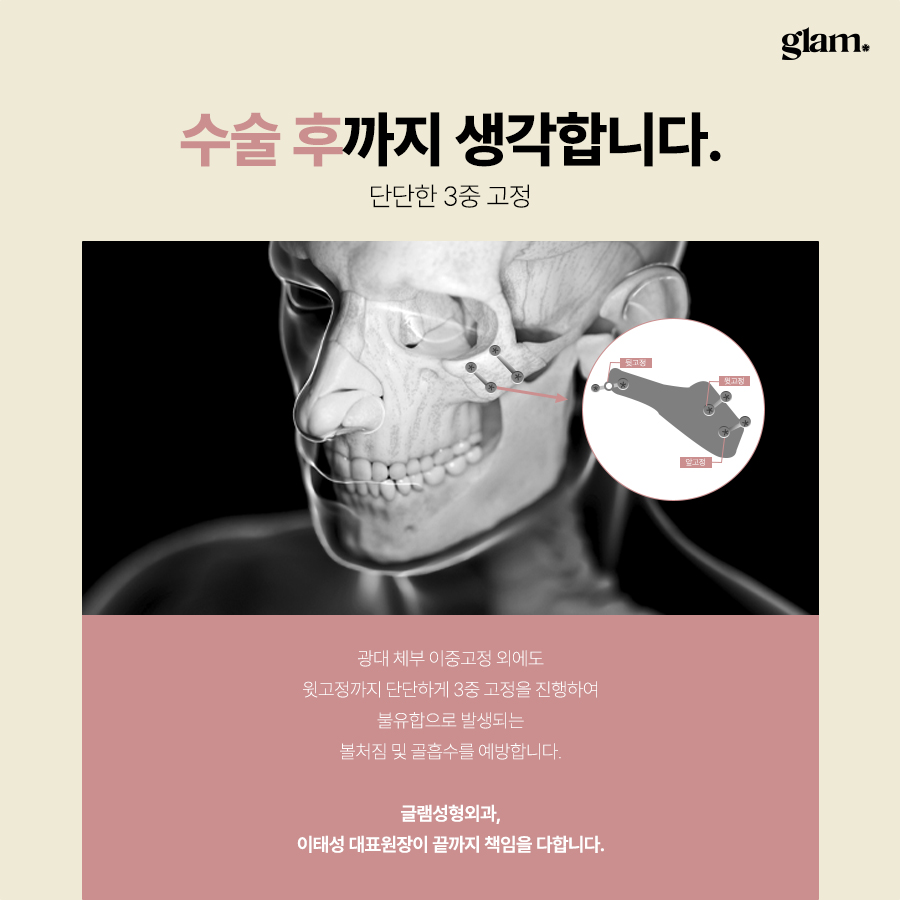
After surgery, you will wake up with some swelling, tightness, and a feeling of fullness in the lower face. A compression bandage or facial garment is usually applied to help control swelling and support the new jawline.
You may stay in the clinic for observation for a period after surgery, depending on your condition and the clinic’s protocol. Pain is usually manageable with prescribed medication, but discomfort and stiffness are expected in the first days.
Swelling timeline
Swelling is a normal part of bone surgery recovery. The general pattern is:
- First week: swelling is at its peak, especially around days 2 to 4
- to 4 weeks: major swelling gradually decreases; the face still looks puffy but starts to improve
- to 3 months: most visible swelling subsides; the jawline becomes more defined
- months and beyond: subtle changes continue as tissues settle and bone remodeling progresses
Individual recovery varies, and international patients should discuss their travel schedule with the surgeon to ensure enough time for initial follow-up before flying home.
Diet and oral care
Because the incisions are inside the mouth, oral hygiene is very important. You will be instructed on how to rinse gently and keep the area clean to reduce infection risk.
In the early period, you may need to follow a liquid or soft diet to avoid excessive chewing. As healing progresses, you can gradually return to a normal diet according to your surgeon’s guidance.
Structured post-op care programs
The clinic offers several post-op recovery support options, such as:
- LED therapy to support skin recovery and circulation
- Facial dome care to help manage swelling and comfort
- Total skin reset care for overall skin condition after surgery
- Radiofrequency lifting to support tissue tightening during recovery
These programs are designed to support healing and improve comfort. They do not replace the need for proper surgery, rest, and medical follow-up, but they can be helpful additions to a structured recovery plan.
Follow-up visits
Regular follow-up visits allow the surgeon to check your healing, remove any sutures if needed, and monitor nerve sensation and jaw function.
For international patients, the clinic can help plan follow-up schedules that fit within your stay in Korea, and may offer online follow-up options after you return home.
Risks, side effects, and realistic expectations
As with any bone surgery, square jaw reduction has potential risks and side effects. These can include:
- Bleeding and bruising
- Infection
- Temporary or, less commonly, prolonged numbness in the lower lip or chin due to nerve irritation
- Asymmetry or irregular jawline
- Over- or under-correction of the jaw angle
- Changes in bite if planning is inadequate
However, no surgery is free of risk, and not all outcomes can be predicted perfectly.
Realistic expectations are essential. The goal is a more balanced, harmonious face that suits your features, not an extreme transformation or an exact copy of someone else’s appearance. During consultation, your surgeon should explain what is realistically achievable in your case and what limitations exist.
How this type of clinic differentiates itself
The clinic in Sinsa, Gangnam describes itself as a single-focus center dedicated to facial bone surgery. It states that it concentrates on procedures such as double jaw surgery, revision double jaw surgery, and facial contouring (cheekbone reduction, V-line surgery, square jaw reduction, and revision contouring). Readers should verify the clinic’s current service offerings directly with the clinic.
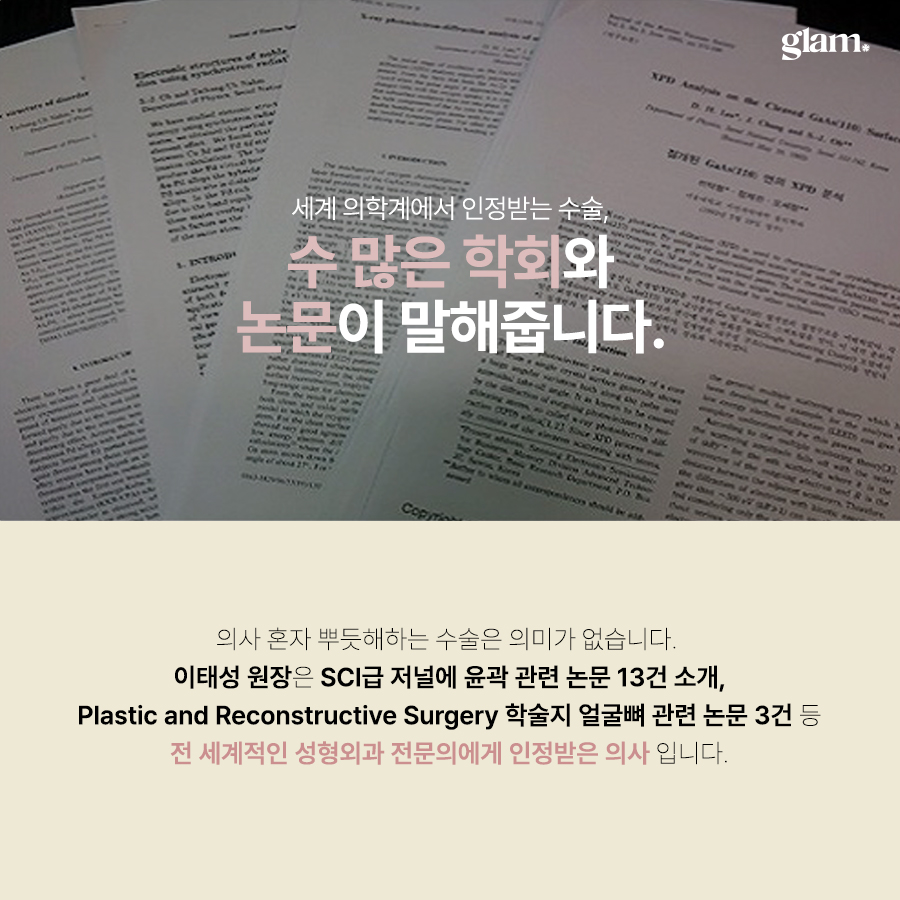
The clinic states that its representative surgeon has long-term experience in facial bone surgery and has been involved in academic publishing related to contouring and double jaw surgery. Verify specific credentials, publications, and dates through the surgeon’s official profile or CV if that information is important to you.
f over-treatment.
For patients who value specialization, this focused approach and structured recovery care may be important factors when choosing where to have square jaw reduction.
Online consultation and pre-visit preparation for overseas patients
If you are considering traveling to Seoul for square jaw reduction, online consultation is usually the first step.
Preparing for online consultation
To make your consultation more accurate and efficient, prepare the following:
- Clear facial photos from the front, both sides, and 45-degree angles
- Any previous medical or surgical history related to your face or jaw
- Information about your general health and medications
- Specific concerns and goals written down in advance
The clinic reports offering multilingual support for international patients, including channels for Japanese, English, and Thai, as well as social media and messaging platforms. Confirm which languages and channels are currently available before booking or travel.

Questions to ask before deciding
Before confirming surgery, it is helpful to ask:
- How many square jaw reduction and facial contouring cases the surgeon handles regularly
- Whether the operating surgeon will personally perform all key steps
- What imaging will be used for planning
- What risks and alternatives exist in your specific case
- How long you should stay in Korea for safe follow-up
- What aftercare and swelling management programs are available
Taking notes during consultation and comparing answers from several clinics can help you make a more informed decision.
Expected Korea visit timeline for square jaw reduction
While details vary by individual, a typical visit schedule might look like this:
Before arrival
Complete online consultation and share photos and medical information.
Receive a provisional surgical plan and estimate.
Confirm dates and arrange travel and accommodation.
Day 1 in Seoul
In-person consultation, physical examination, imaging (such as X-ray or 3D CT), and final surgical planning.
Preoperative tests as needed.
Day 2 or 3
Surgery day. You will spend several hours at the clinic for preparation, surgery, and initial recovery.
Depending on the clinic’s protocol and your condition, you may be discharged the same day or after a period of observation.
First week after surgery
Follow-up visits for wound checks, swelling assessment, and guidance on diet and oral care.
Use of compression garments and possible start of supportive care such as LED therapy or facial dome care.
Second week and beyond
Further follow-up to monitor healing and adjust aftercare.
Many international patients stay in Korea for about 10 to 14 days after surgery, but the exact period should be discussed with the surgeon based on your case and travel distance.
After you return home, online follow-up may continue, with you sending updated photos and reporting on sensation, bite, and overall recovery.

Choosing a clinic for square jaw reduction in Seoul
When comparing clinics, consider the following checklist:
Is the surgeon a board-certified plastic surgeon with specific experience in facial bone surgery?
Does the clinic focus on double jaw and facial contouring rather than a wide range of unrelated procedures?
Are imaging and bite assessment clearly explained as part of planning?
Is there a dedicated anesthesiology specialist involved in surgery?
Does the clinic discuss risks, limitations, and alternatives transparently?
For overseas patients, also check:
- Availability of multilingual support (for example, Japanese, English, Thai)
- Whether online consultation and follow-up are offered
- How many days of stay are recommended
- What kind of post-op care programs are included or available
Comparing these points, rather than focusing only on cost, can help you choose a clinic that matches your priorities for safety, communication, and specialization.
Frequently asked questions about square jaw reduction
Is square jaw reduction permanent
Square jaw reduction changes the bone structure, so the basic reshaping is considered long-lasting. Unlike muscle-slimming injections, bone that has been removed does not grow back in the same way.
However, the final appearance can still be influenced over time by aging, weight changes, and muscle activity. The goal is a stable, natural-looking contour, but exact long-term appearance can vary by individual.
How painful is recovery from square jaw reduction
Most patients experience discomfort, tightness, and swelling rather than sharp pain. Pain is usually manageable with prescribed medication, especially in the first week.
The feeling of stiffness and fullness can last longer than pain itself. As swelling decreases over several weeks, most people find the discomfort gradually improves.
Will my bite change after square jaw reduction
Square jaw reduction is designed to reshape the outer parts of the jawbone without intentionally changing how the upper and lower teeth meet.
At a facial bone-focused clinic, bite and occlusion are evaluated carefully before surgery. When planning is appropriate and the procedure is performed correctly, significant bite changes are not expected. However, minor temporary changes in how the teeth feel when closing can occur during the healing period, and any concerns should be discussed with your surgeon.
How soon can I fly home after surgery
The recommended timing for flying home depends on your health, the extent of surgery, and your travel distance. Many international patients stay in Seoul for about 10 to 14 days after square jaw reduction to allow for initial healing and follow-up visits.

Flying too soon after surgery can be uncomfortable due to swelling and may make it harder to receive care if any early issues arise. Your surgeon will advise you on a safe and practical schedule based on your specific situation.
Soft call to action for online consultation
If you are considering square jaw reduction and would like a medically grounded opinion from a facial bone-focused clinic in Sinsa, Gangnam, you can start with an online consultation. By sharing your photos, concerns, and medical history, you can receive a personalized assessment of whether square jaw reduction, or another contouring approach, is suitable for you.
The clinic is located in Sinsa, Gangnam; check the clinic’s official website or contact them directly for the exact address and current opening hours. For overseas patients, confirm multilingual support and the clinic’s recovery-care arrangements in advance.
Approach square jaw reduction as a significant but carefully planned step. Compare several clinics, ask detailed questions, and choose a team that emphasizes safety, realistic expectations, and conservative, evidence-based treatment planning.






댓글
댓글 쓰기