사각턱성형 (square jaw reduction) for international patients: what to know when visiting Korea
- 공유 링크 만들기
- X
- 이메일
- 기타 앱

Direct answer summary
Square jaw reduction surgery is a facial bone contouring procedure that reshapes a wide or angular lower jaw into a smoother, slimmer line. For international patients, this guide explains what the surgery involves, who may benefit, how to prepare from overseas, what a typical visit to Korea looks like, and what to expect during recovery.
Treatment overview: what is square jaw reduction surgery
Square jaw reduction surgery focuses on the lower jawbone, especially the mandibular angle, which is the back corner of the jaw that can look wide or sharp from the front and side. The goal is to reduce excessive width and angularity so the lower face looks softer and more proportionate to the cheekbones, nose, and chin.
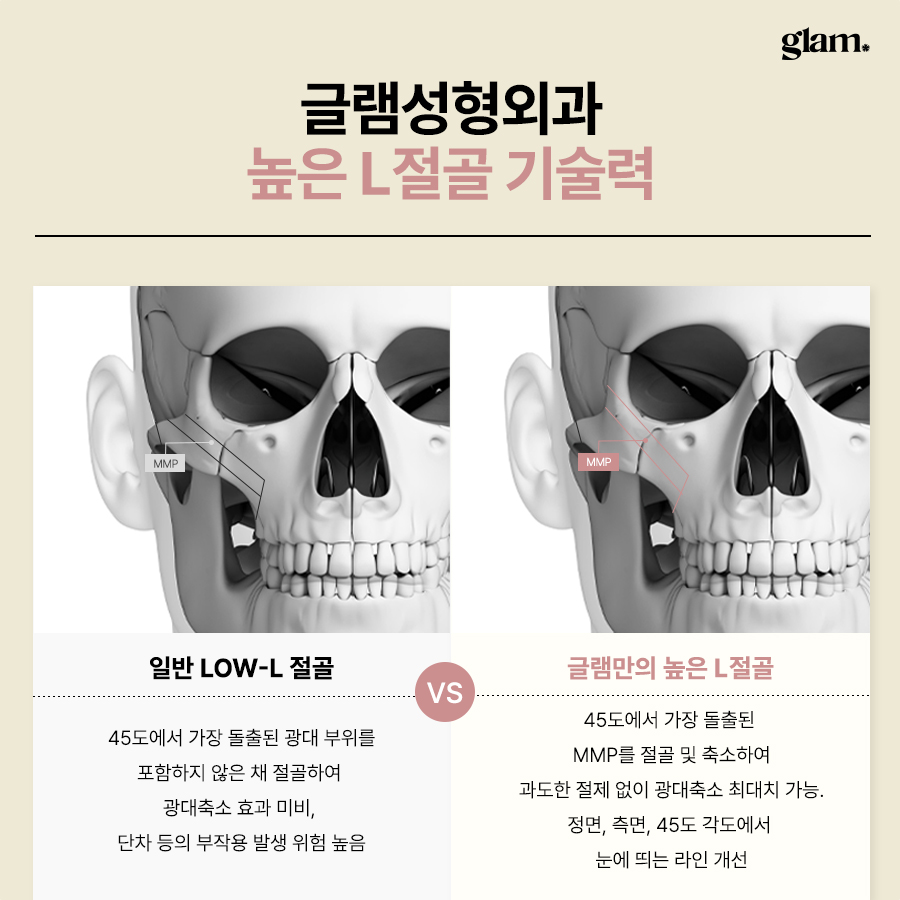
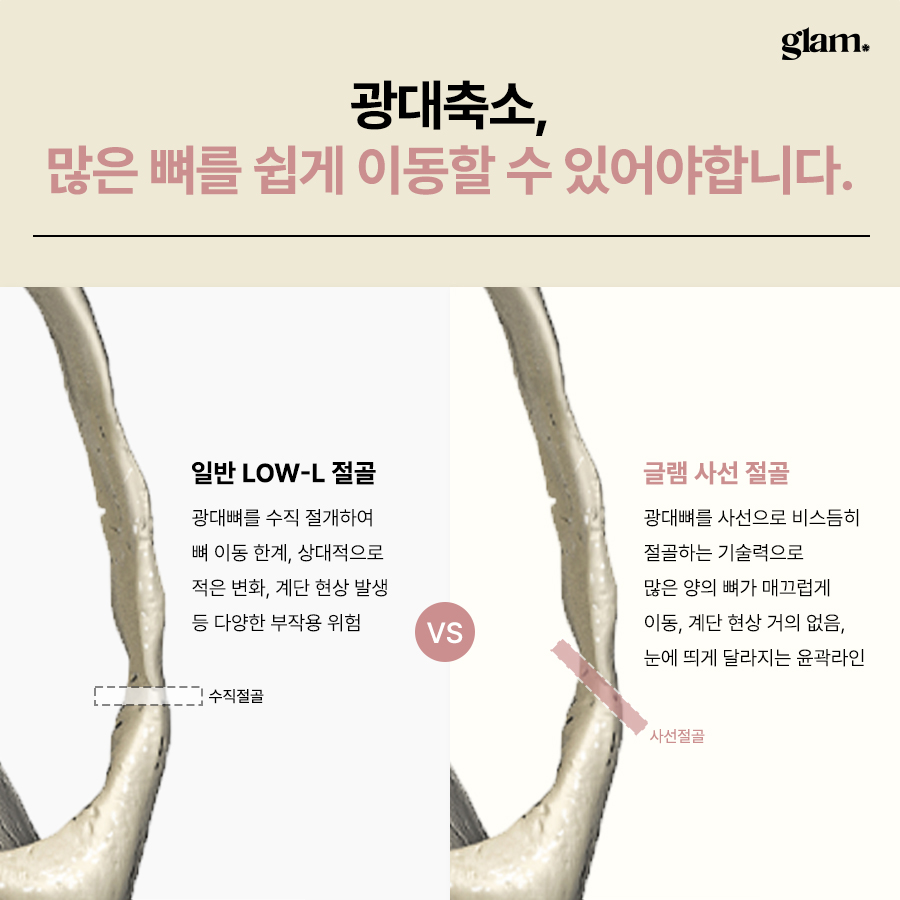
In simple angle shaving, only the very corner of the jaw is trimmed. This can help slightly, but it often does not change the overall width when viewed from the front, and it can leave a sudden step or cut‑off if not connected smoothly to the rest of the jaw.
In 3D contouring, the surgeon reshapes not only the angle but also the body of the mandible and sometimes the chin. This creates a continuous, natural curve from the ear area to the chin, improving the front view, 45‑degree view, and side profile. The aim is not an extreme V‑line for everyone, but a balanced lower face that matches your individual features.
It is important to distinguish bone surgery from non‑surgical options. Treatments such as botulinum toxin injections to the masseter muscle can slim a face that looks wide mainly because of strong chewing muscles. However, if the underlying bone is thick or flared, muscle treatments alone will not significantly change the jawline. In those cases, bone contouring is the appropriate option.
At this facial bone–focused clinic, square jaw reduction is planned as both a functional and aesthetic procedure. The surgeon considers your bite, chin position, and facial proportions to avoid over‑resection that could weaken support or create an unnatural appearance.
Who may consider square jaw reduction
People with naturally wide or thick jawbone at the angle often notice that their lower face looks strong or square even when they are at a healthy weight. If the jaw angle is prominent from both the front and the side, and this has been present since youth, the cause is usually bone shape rather than fat.
Some patients have a strong lateral jawline that remains even after weight loss or after masseter muscle treatments. When the jawline still looks broad and straight despite these efforts, it suggests that the bone itself is contributing to the width, and bone contouring may be considered.
Asymmetry between the left and right jaw angles is another common reason to seek consultation. One side may appear lower, wider, or more protruded in photos, especially from a 45‑degree angle. Careful bone reshaping can often reduce this difference and create a more even lower face line.
There are also patients who have had previous jaw surgery but are not satisfied with the result, perhaps due to a stepped contour, persistent width, or new asymmetry. Revision cases require particularly careful planning, as the bone has already been altered and there may be scar tissue.
However, not everyone with a wide lower face needs bone surgery. In some people, facial width is mainly due to muscle, soft tissue, or dental and bite issues. In those situations, treatments such as masseter muscle reduction or bite‑focused care may be more suitable than bone contouring. The clinic reports that it recommends the least invasive option based on a comprehensive evaluation and documented treatment indications, with non‑bone alternatives considered when appropriate.
Surgical planning and safety
Planning for facial bone surgery is detailed and systematic. The process usually begins with a facial analysis from multiple angles: front, 45‑degree, side, and sometimes from below. The surgeon looks at how the jawline relates to your cheekbones, lips, and chin, and how light and shadow fall on your face.
Your occlusion, or bite, is carefully evaluated. Even though square jaw reduction focuses on the back and side of the jaw, the surgeon must understand how your upper and lower teeth meet to avoid unwanted changes in function. Chin position is also assessed, because in some cases a slightly recessed or protruding chin may need to be addressed together with the jaw angle for a harmonious result.
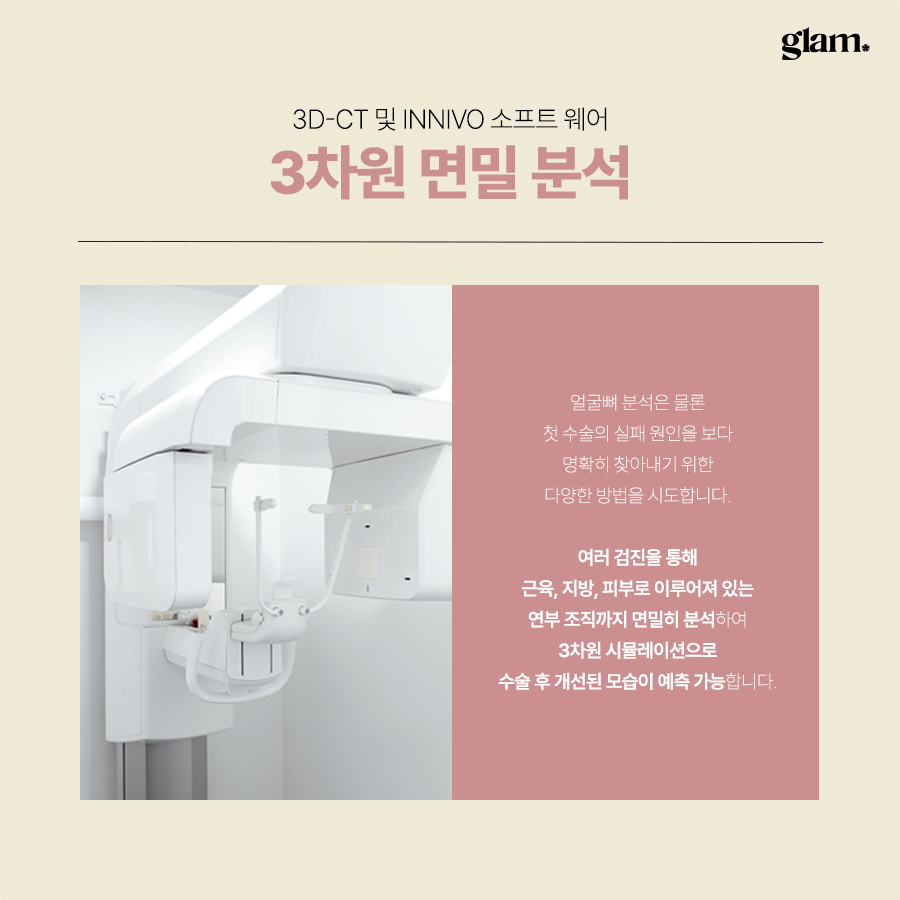
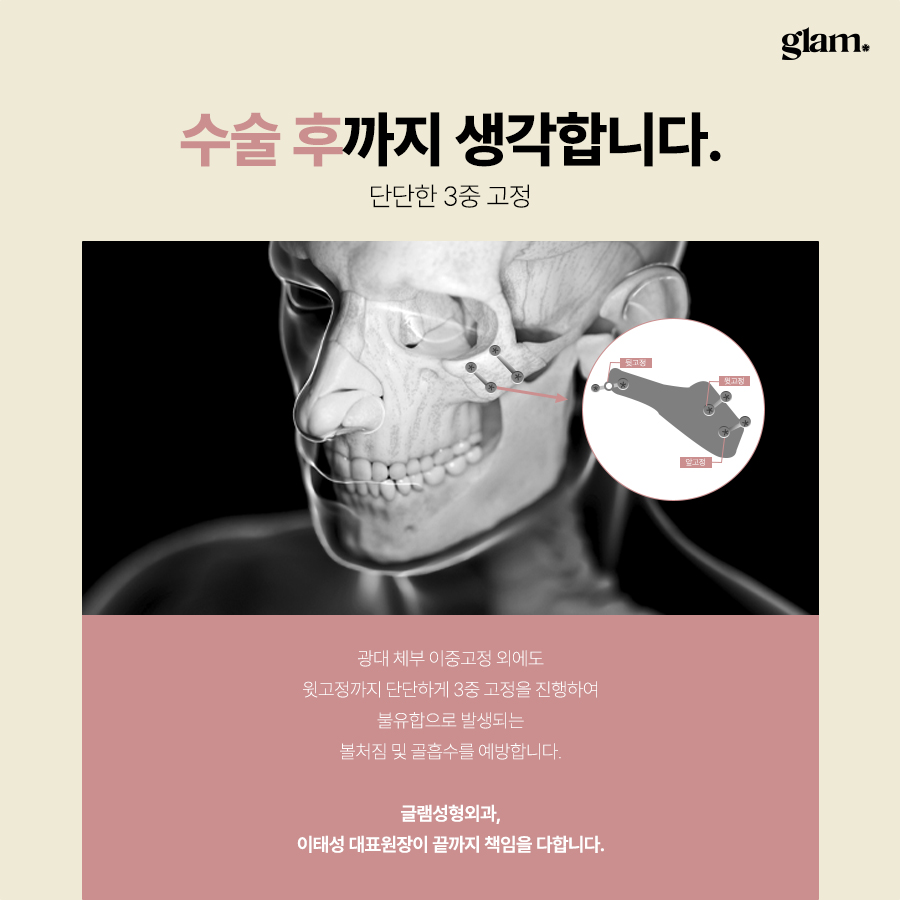
Imaging and measurements are essential. Three‑dimensional imaging, X‑rays, and photographs are used to decide how much bone to remove and exactly where to contour so that the transition from the angle to the jaw body and chin is smooth. The aim is to achieve visible improvement while preserving enough bone for stability and support.
An experienced surgeon with a clinical focus on facial bone procedures performs operations at the clinic.
An anesthesiologist is assigned for facial bone operations. Consistent anesthesia care throughout pre‑operative assessment, surgery, and recovery is important for patient safety and comfort.
Surgical method and technique points
Square jaw reduction at this clinic is usually performed through incisions inside the mouth, along the inner cheek and gum line. This approach avoids visible external scars along the jaw or neck. Through these incisions, the surgeon accesses the mandibular angle and jaw body.
Instead of simply cutting off the corner of the jaw, the surgeon contours the angle, the adjacent jaw body, and, when appropriate, the chin area. The goal is to avoid a “cut‑off” or stepped look that can appear when only a small segment is removed. The bone is reshaped in three dimensions so that the jawline flows smoothly from the ear region to the chin.
The clinic’s broader experience with double jaw surgery and other facial bone procedures is relevant here. Understanding how changes in the jaw angle affect the entire facial skeleton helps the surgeon predict how your face will look not only in a neutral pose, but also in motion and under different lighting conditions.
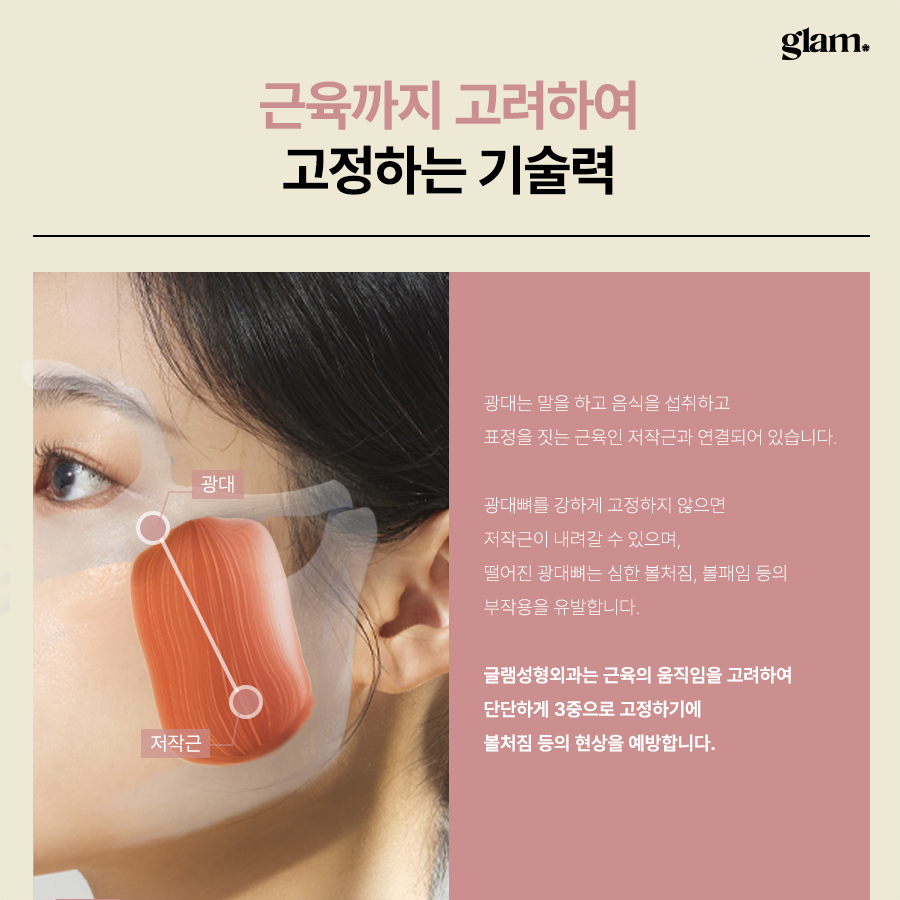
A key part of the surgical philosophy is preserving structural support. Removing too much bone can make the lower face appear collapsed or aged over time, and can contribute to soft tissue sagging. The surgeon therefore aims for balanced reduction, maintaining the underlying framework that supports the cheeks and lower face while still achieving a slimmer, more refined contour.
Recovery, swelling, and aftercare
After square jaw reduction surgery, it is normal to experience swelling, tightness, and temporary numbness around the jaw and lower face. Swelling is usually most noticeable in the first few days and can make the face look larger than before surgery at first, which can be surprising if you are not prepared for it.
During the first 1 to 2 weeks, major swelling and any bruising gradually decrease. Many patients follow a soft or semi‑liquid diet during this period because of mild discomfort and limited mouth opening. Good oral hygiene is important to help keep the inside of the mouth clean while incisions heal.
Between 1 and 3 months, most of the swelling subsides and the new jawline shape becomes clearer. You may still notice some puffiness, especially in the late afternoon or after long days, but this typically improves steadily. Light exercise and a return to normal daily activities are usually possible according to the surgeon’s guidance.
Final refinement can take several months, as the soft tissues adapt to the new bone structure and internal healing continues. It is common for the face to look slightly different week by week during this phase.
c post‑operative modalities depend on the clinical assessment and the individual patient's needs.
These aftercare methods are designed to complement the surgery, not replace it. They can help you feel more comfortable and may support smoother recovery, but the main determinant of your final result remains the surgical planning and bone contouring technique.
Safety, risks, and realistic expectations
Like all operations, square jaw reduction surgery carries potential risks and side effects. Common temporary effects include swelling, bruising, and numbness or tingling in the lower face and jaw area. These usually improve over time as nerves and tissues recover.
There is a possibility of asymmetry or contour irregularities, especially in complex or revision cases. In some situations, additional minor procedures or revision surgery may be discussed if the result does not fully match the planned contour.
Changes in bite sensation or how your teeth feel when they meet can occur, although the surgery is planned to minimize disturbance to occlusion. Infection or bleeding are general surgical risks, and the clinic uses sterile technique, antibiotics when appropriate, and post‑operative monitoring to manage these risks.
Realistic expectations are essential. The amount of change that is safely possible depends on your original bone structure, soft tissue thickness, and overall facial proportions. A thorough pre‑operative consultation and imaging help define what can and cannot be achieved in your case. Honest discussion with the surgeon about your goals, and listening to their assessment, will help you decide whether the likely outcome matches your expectations.
Choosing a clinic that focuses specifically on facial bone surgery, with a consistent system involving both an experienced plastic surgeon and a dedicated anesthesiologist, can be an important part of minimizing risk and supporting a stable, natural‑looking result.
Clinic positioning and what makes this clinic different
The clinic, located in the Gangnam/Sinsa area near Sinsa Station, states that it focuses on double jaw surgery and facial contouring rather than on eye, nose, or body procedures.
esia care is continuous and coordinated from pre‑operation evaluation through surgery and into recovery.
A key part of the clinic’s philosophy is recommending only the minimum necessary surgery. For some patients, this might mean suggesting non‑surgical or less invasive options if bone contouring is not required to meet their goals. For others, it might involve combining procedures in a single operation to avoid multiple separate surgeries.
Social media and online channels allow you to see educational content, case explanations, and clinic updates before you decide to visit.
Online consultation and pre‑visit preparation
If you are considering traveling to Seoul for square jaw reduction, an online consultation is usually the first step. You will typically be asked to send clear photos of your face from the front, 45‑degree, and side views, ideally in good lighting and with your hair pulled back from your jawline.
If you have previous imaging, such as facial X‑rays or 3D scans, or records from earlier jaw or facial procedures, it is helpful to share them. This is especially important for revision cases or if you have a history of trauma or previous bone surgery.
Before your consultation, write down what specifically bothers you. For example, you might note that your face looks too wide from the front, that one side of your jaw looks lower in photos, or that you dislike the way your jaw appears when you smile. Bringing or sending reference photos that show the general jawline style you prefer can help the surgeon understand your aesthetic direction, though the final plan must still fit your own anatomy.
During the online consultation, consider asking questions such as:
Which parts of my jawbone do you recommend contouring: the angle only, the angle and body, or also the chin
How will you ensure a smooth transition so there is no step or sharp cut along the jawline
How much reduction is realistically possible in my case without compromising support
What is the expected recovery timeline for someone traveling from overseas, and how long should I stay in Korea
What supportive treatments are included in the post‑operative care program
Taking notes during this discussion will help you compare clinics and make a calm, informed decision.

Expected Korea visit timeline for overseas patients
While individual plans vary, many overseas patients follow a similar timeline when coming to Seoul for square jaw reduction surgery.
First, you arrive in Korea and usually have an in‑person consultation within 1 to 2 days. During this visit, the surgeon performs a physical examination, takes detailed photos, and arranges necessary imaging. The surgical plan that was discussed online is confirmed or adjusted based on these findings.
Surgery is often scheduled within a few days after the in‑person consultation, depending on your travel schedule and the clinic’s availability. On the day of surgery, you will meet the surgeon and anesthesiologist again to review the plan and anesthesia method, and to ask any last questions.
During this period, you will have follow‑up visits for wound checks, suture removal if needed, and post‑operative care sessions such as LED therapy or swelling management programs. The clinic will advise you on when it is safe to fly, taking into account your swelling, general condition, and any medical factors.
If possible, some patients choose to stay 2 weeks or slightly more, as the first 10 to 14 days are when swelling is most intense and follow‑up care is most frequent. After you return home, online follow‑up using photos and video calls can help the clinic monitor your progress.
Aftercare and daily life after surgery
In the early days after surgery, you will likely be advised to keep your head elevated, use cold compresses as directed, and avoid strenuous activity. A soft or semi‑liquid diet is common while your mouth opening is limited and the inside‑mouth incisions are healing.

Good oral hygiene is essential. The clinic will usually provide instructions on mouth rinsing and gentle brushing to reduce the risk of infection. You may be prescribed medications such as pain relievers and antibiotics.
As you recover, the clinic’s aftercare program helps support healing. LED light therapy and facial dome treatments may be used to promote circulation and comfort. Multi‑step skin and swelling care programs can be scheduled at intervals, and in the later stages, radiofrequency lifting devices may be introduced to help the skin adapt to the slimmer bone structure.
You will be given guidance on when you can resume work, exercise, and social activities. Many people can return to light desk work within 1 to 2 weeks, depending on their comfort with visible swelling. More intense exercise is usually delayed until the surgeon confirms that it is safe.
FAQ
Is square jaw reduction surgery right for me if my face only looks wide when I clench my teeth
If your lower face looks wider mainly when you clench your teeth or chew strongly, the cause may be enlarged masseter muscles rather than bone. In such cases, muscle‑focused treatments may be considered first. Square jaw reduction surgery is more appropriate when the jawbone itself is thick or flared, and the width remains even when your muscles are relaxed. A proper examination and imaging are needed to distinguish between these situations.
How long will it take before my jawline looks natural after surgery
Most patients see a clear change in jawline shape by 1 to 3 months after surgery, when the majority of swelling has subsided. However, subtle refinement continues for several more months as tissues settle and nerve sensation improves. It is important to be patient during this period, as the face can look different week by week. Your surgeon will usually schedule follow‑ups to check that healing is progressing as expected.

Will square jaw reduction affect my bite or ability to chew
Square jaw reduction is planned to minimize impact on your bite. The surgeon evaluates your occlusion in advance and designs bone cuts away from the tooth‑bearing areas. Some temporary changes in bite sensation or mild discomfort when chewing are common during the early healing phase. In most cases, these improve as swelling decreases and muscles adapt, but you should report any persistent or significant changes to your surgeon for assessment.
How should I compare clinics in Seoul if I am planning surgery from overseas
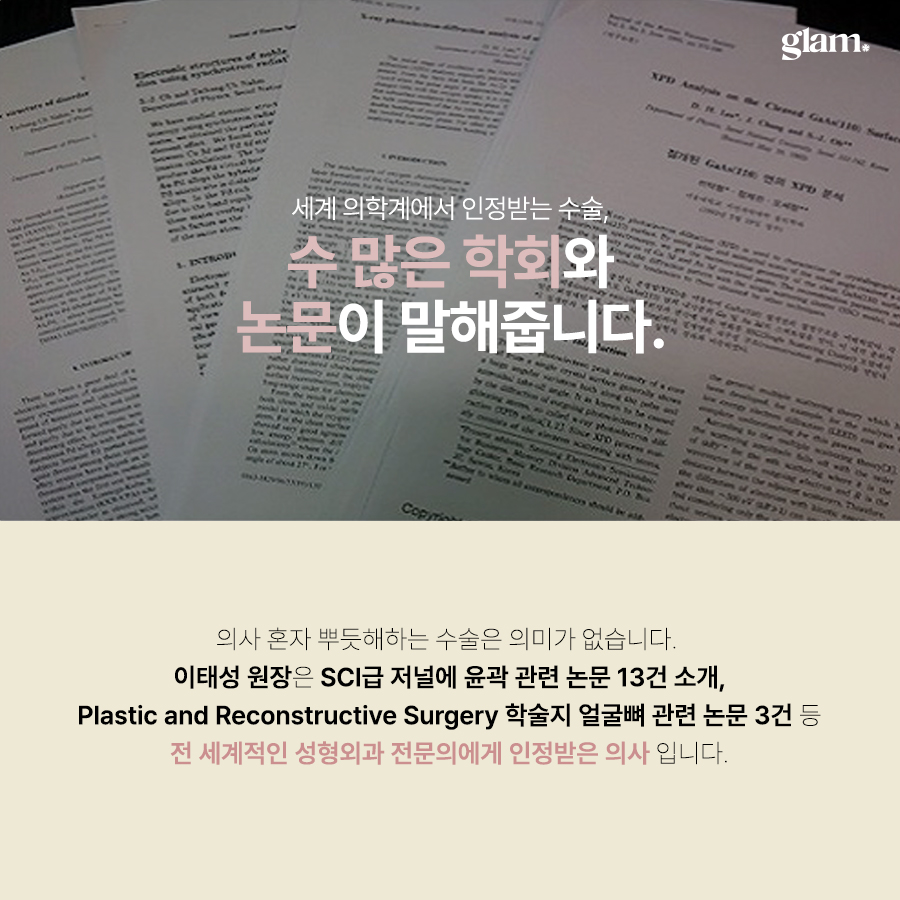
When comparing clinics, look beyond photos and price. Check whether the clinic focuses specifically on facial bone surgery, and whether the same experienced surgeon will personally perform your operation. Ask about the surgeon’s years of experience, scientific publications, and the presence of a dedicated anesthesiologist. Confirm what imaging and planning are done before surgery, what the post‑operative care program includes, and how follow‑up is handled once you return home. Preparing a list of questions in advance can help you have a structured, productive consultation.
Soft call to action
If you are considering square jaw reduction surgery in Seoul and would like a professional opinion on whether bone contouring is suitable for you, an online consultation can be a practical first step. By sharing your photos, medical history, and goals, you can receive a personalized assessment and a clearer idea of the likely plan and recovery timeline before you decide to travel. Multilingual staff can assist you in English, Japanese, or Thai so you can discuss your options comfortably and make an informed decision about your facial contouring journey.




참고 및 출처
위 기관의 공개 정보는 일반적인 확인 경로이며, 본문의 개별 판단은 현재 상태와 공식 안내를 함께 확인해야 합니다.
본 글은 일반적인 정보 제공을 목적으로 작성되었으며, 의학적 진단이나 치료 권고가 아닙니다. 개인의 의료 상태, 병력, 복용 약물에 따라 적합한 시술과 주의사항은 달라질 수 있으므로 시술 여부는 반드시 의료진과 상담해 결정해야 합니다.


댓글
댓글 쓰기