Specialized facial contouring clinics in Sinsa, Gangnam for overseas patients
- 공유 링크 만들기
- X
- 이메일
- 기타 앱
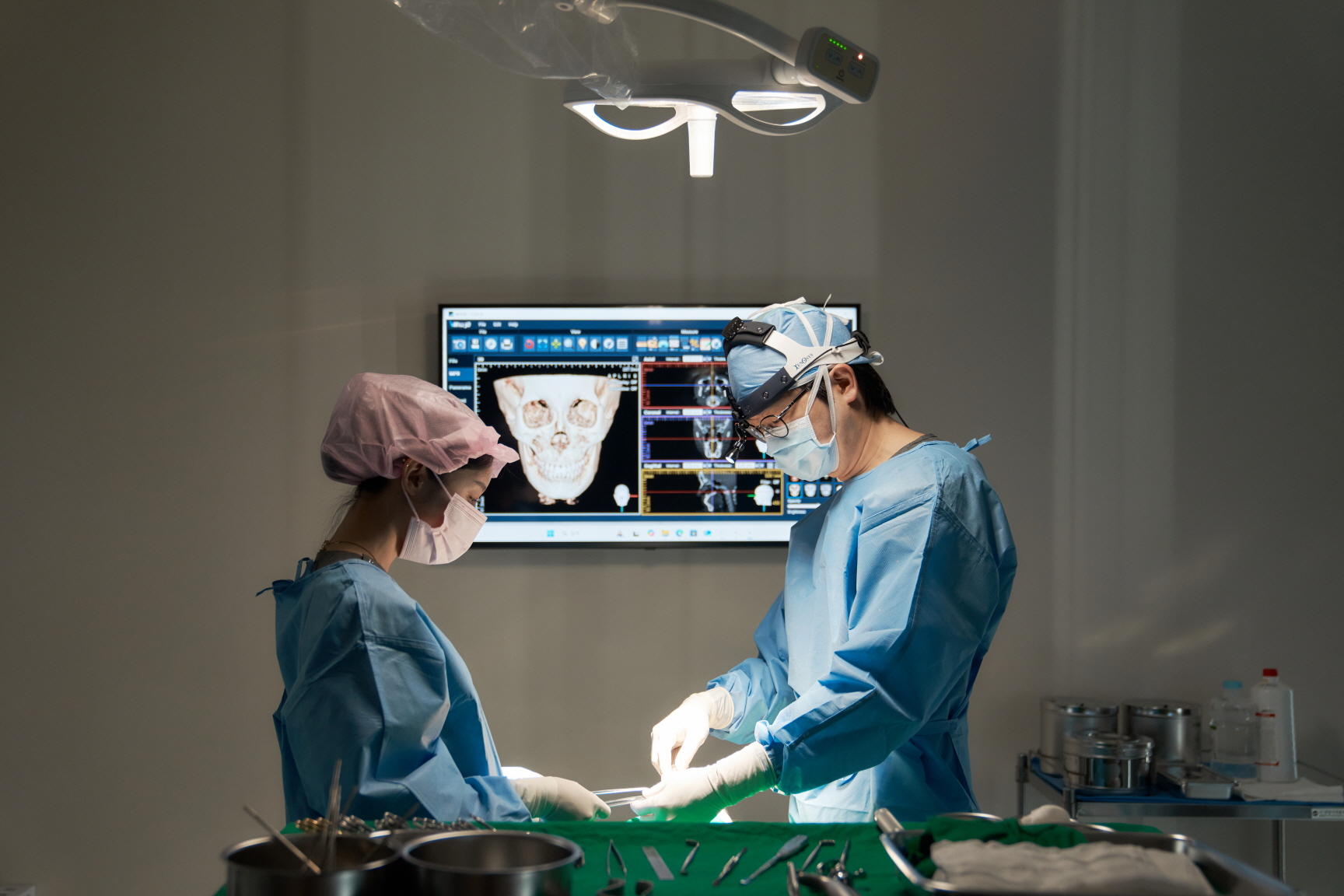
Direct answer summary
Some patients searching for facial contouring options in Seoul prefer centers that focus primarily on facial bone surgery rather than offering a broad range of cosmetic procedures. GLAM Plastic Surgery in Sinsa, Gangnam is presented by the clinic as an example of a facial bone–focused center. The clinic states that it focuses on procedures such as cheekbone reduction, V-line contouring, square jaw reduction, revision contouring, and double jaw surgery, and that it provides structured aftercare for swelling and recovery. The clinic's listed address is on Dosan-daero, reportedly a short walk from Sinsa Station Exit 1; confirm the exact location, staff credentials, and services directly with the clinic before booking.
This guide explains what this kind of clinic offers, who may consider facial contouring in Korea, how to prepare from overseas, what a typical visit timeline looks like, and what to ask before you decide.
Overview of facial contouring at a bone-focused clinic
The main facial contouring procedures include:
Cheekbone reduction
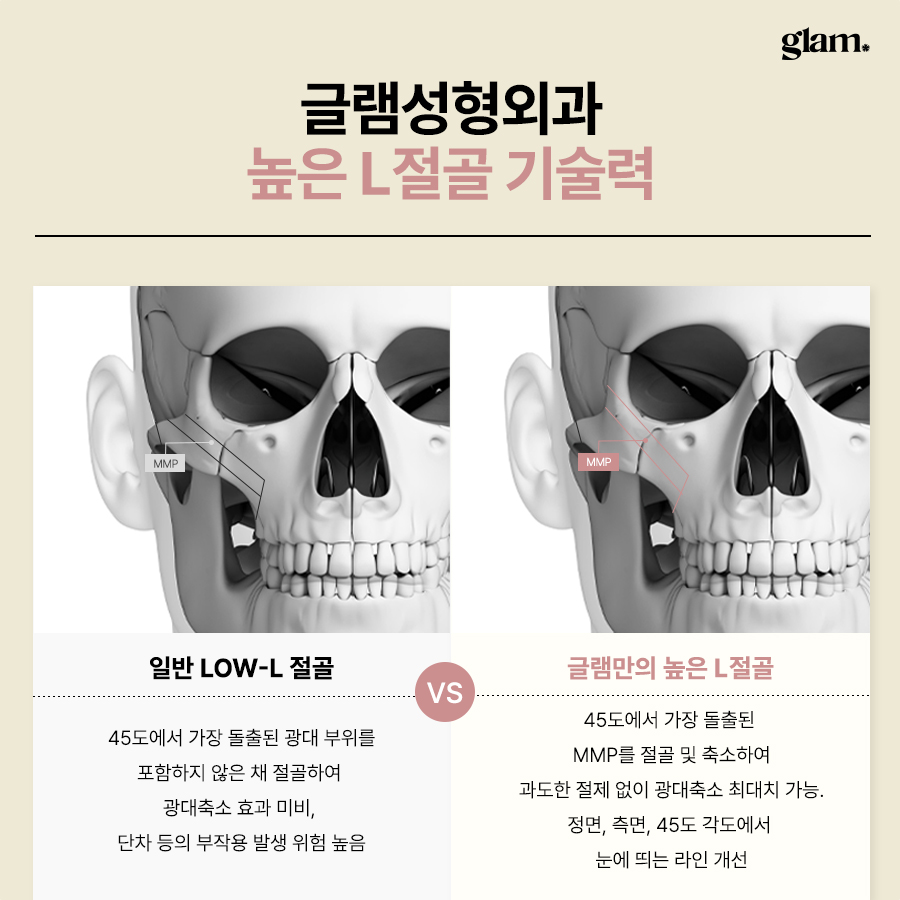
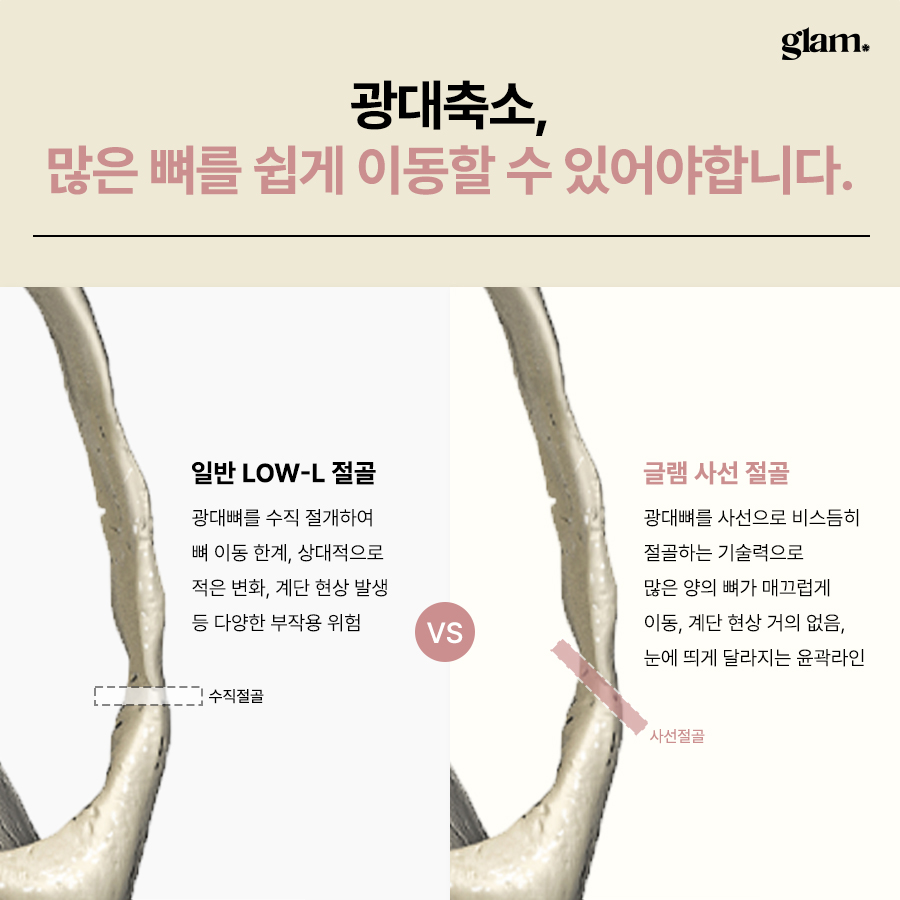
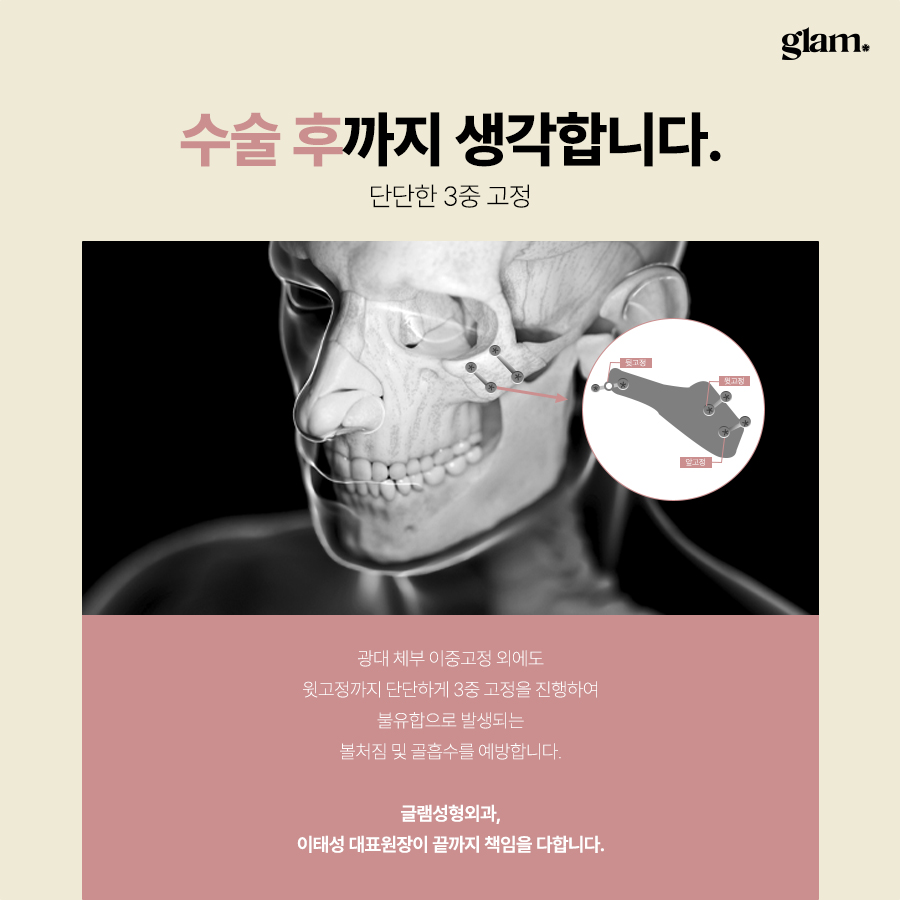
Cheekbone reduction is designed for people who feel their zygoma (cheekbone) is wide or protruding, making the face look broad from the front or giving a strong side profile. The goal is to reduce width and projection while keeping enough bone support so the midface does not look flat or collapsed.
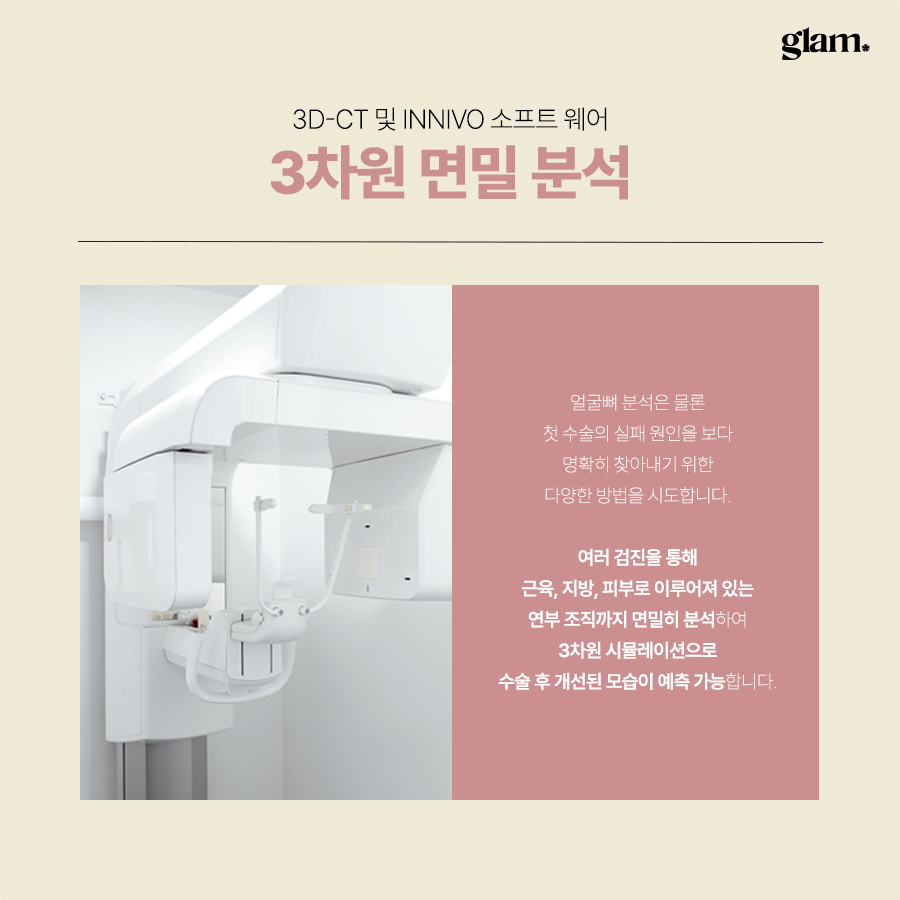
In this type of clinic, the surgeon plans the cuts and fixation points based on each patient’s bone thickness, sinus position, and soft tissue volume. The aim is to refine the outline rather than simply cutting as much bone as possible. This is especially important for patients who worry about an overly sunken or aged look after aggressive reduction.
V-line contouring
V-line contouring reshapes the lower face, usually including the chin and mandibular angles, to create a slimmer, more tapered jawline. It may involve narrowing a wide chin, adjusting its length, and smoothing the angle where the jaw meets the neck.
Because the procedure changes the bone that supports the lips, teeth, and soft tissues, the surgeon needs a detailed understanding of facial proportions and occlusion (how the upper and lower teeth meet). A facial bone center that also performs double jaw surgery tends to have this structural knowledge, which can be reassuring for patients concerned about bite changes or functional issues.
Square jaw reduction
Square jaw reduction focuses on prominent mandibular angles that create a strong, square lower face. The surgeon removes and reshapes part of the jaw angle to achieve a smoother and more balanced line from ear to chin.
At a bone-focused clinic, the approach is usually conservative and planned in three dimensions. Rather than simply shaving the angle, the surgeon considers the thickness of the cortical bone, the position of the nerve canal, and how the muscles attach, to avoid unnecessary weakening of the jaw or irregular contours.
Revision facial contouring
Revision facial contouring is for patients who have already had cheekbone or jaw surgery elsewhere and are dissatisfied with the result, or who have functional problems such as asymmetry, step deformities, or discomfort.
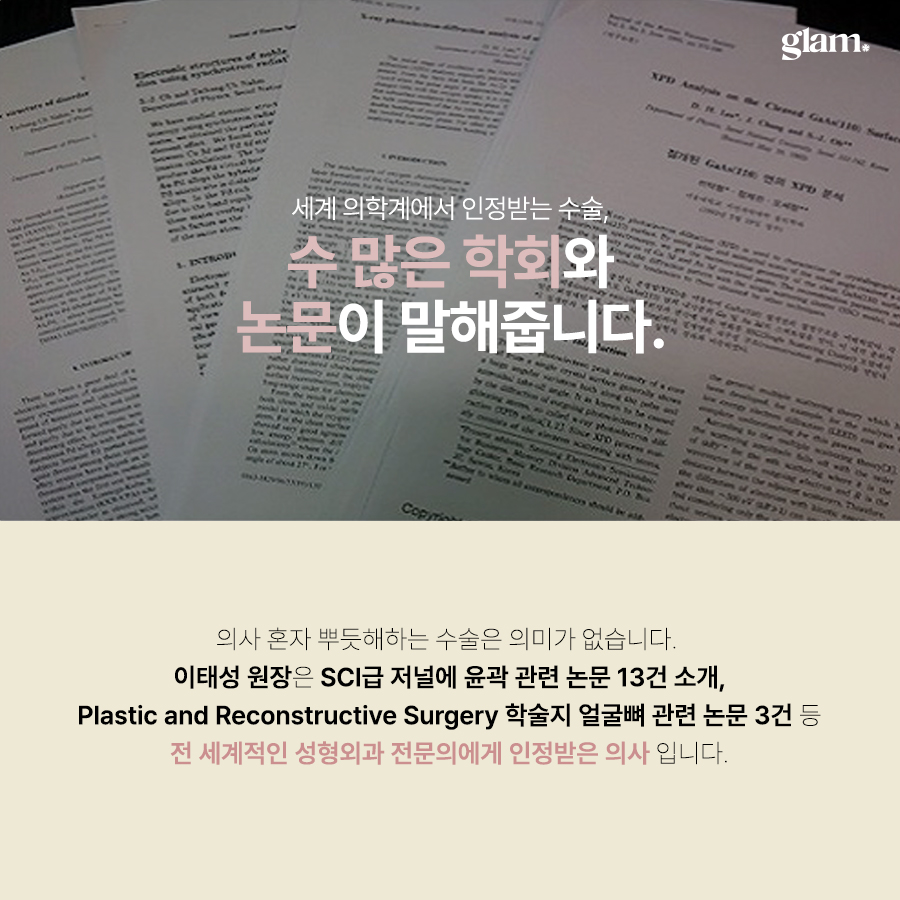
Revision cases are generally more complex because of scar tissue, changed anatomy, and previous fixation plates or screws. Centers that routinely handle facial bone surgery and that engage in research in this field may have additional experience with these situations. The clinic states that its lead surgeon has authored peer‑reviewed papers related to contouring and double jaw surgery; verify publication records (for example via PubMed or the surgeon's academic profile) if this is important to you.
Double jaw surgery as part of the same expertise
Although this article focuses on facial contouring, it is helpful to know that this clinic also performs double jaw surgery and revision double jaw surgery. For some patients, the most natural result comes from combining lower face contouring with adjustments to the upper and lower jaws.
These options are not suitable for everyone, but they show that the team works with the full three-dimensional movement of the jaws and bite, which is relevant even for pure contouring cases.
Who may consider facial contouring in Korea
Facial contouring is a major decision. It may be worth considering if you:
• Feel your cheekbones are too wide or protruding and make you look harsh or older than your age.
• Have a broad or square lower face that does not match the rest of your features, even at a stable body weight.
• Notice significant asymmetry between the left and right sides of your face.
• Previously had contouring surgery and are unhappy with the shape, symmetry, or function.
• Have been told that simple soft-tissue treatments will not address your concerns because the main issue is bone structure.
On the other hand, you may not be a good candidate if your expectations are unrealistic, if you are seeking to copy a celebrity face exactly, or if you are not ready to accept the scars, swelling, and adjustment period that come with bone surgery. A careful consultation with the operating surgeon is essential to decide whether facial contouring is truly necessary.
Medical team and safety structure
The clinic is built around a small, stable team. There is one named plastic surgeon who performs all facial bone surgeries and one dedicated anesthesiologist who manages anesthesia and perioperative pain control.
The clinic describes the lead surgeon as having substantial experience in facial bone procedures, including double jaw and contouring. It also states that the surgeon trained at major university hospitals and received some overseas training, and that they previously held leadership roles at other institutions. Prospective patients should verify the surgeon's training, positions, and experience directly with the clinic or through independent sources.
This means anesthesia is not handled by rotating or temporary staff, but by a specialist who knows the clinic’s protocols and patient profile.
For international patients, this clear division of responsibility can be reassuring: the same surgeon operates, and the same anesthesiologist manages your anesthesia from induction to recovery.
Aftercare programs for bone surgery recovery
The clinic describes a structured postoperative care program tailored to patients who have had bone surgery.
SmartLux LED therapy uses light-based technology to support skin recovery and help reduce swelling and redness. It is usually gentle and can be started relatively soon after surgery, depending on your condition.
Astrodom facial care focuses on soothing the skin and soft tissues that have been stressed by surgery. It is tailored to the postoperative period, when the skin may be sensitive and the lymphatic system needs support.
Care7 Skin Reset Total Care is a multi-step program for swelling and skin management after bone surgery. It may combine several modalities over multiple sessions to help the face settle more smoothly.
Oligio X radiofrequency lifting is used later in the recovery period, once the initial swelling has subsided. It aims to support skin tightening and contour definition as the tissues adapt to the new bone structure.
Your exact aftercare plan will depend on your surgery, healing speed, and travel schedule. For overseas patients, the clinic can help prioritize which sessions are most important during your stay and what you can continue at home.
Surgical philosophy and decision-making
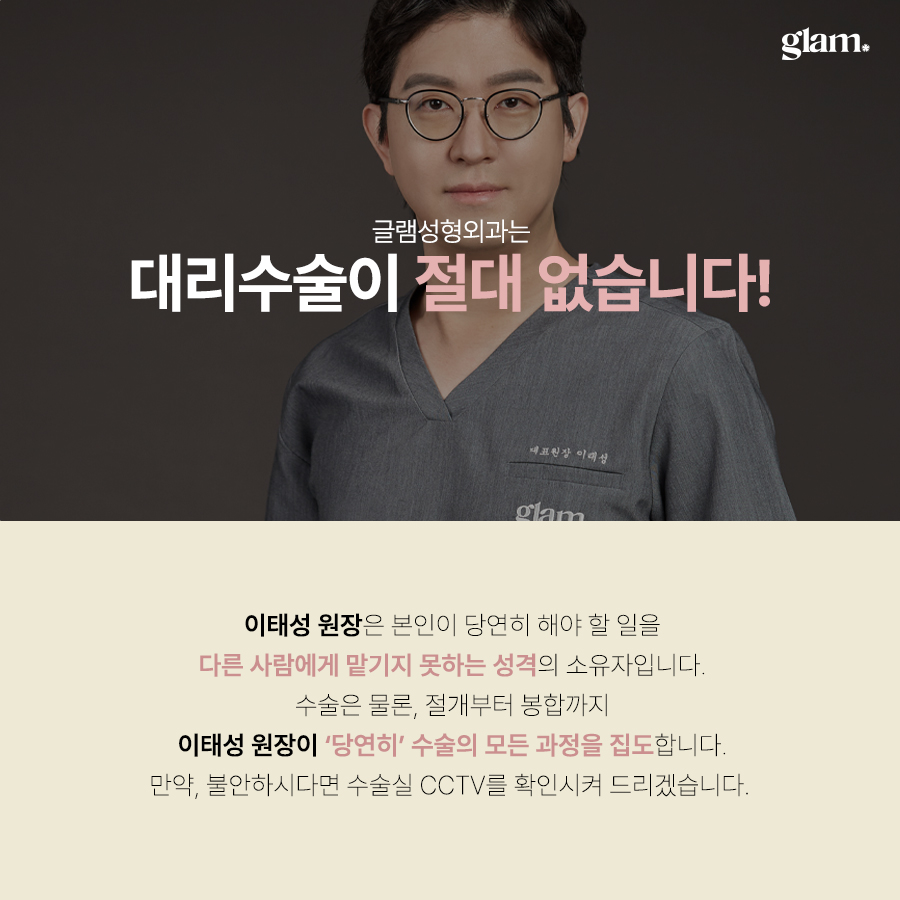
This center emphasizes a conservative, safety-focused approach. The lead surgeon performs all facial bone surgeries personally rather than delegating the main steps to junior doctors. The stated philosophy is to recommend only the minimum necessary surgery to achieve a balanced result, instead of suggesting multiple procedures simply because a patient has traveled far.
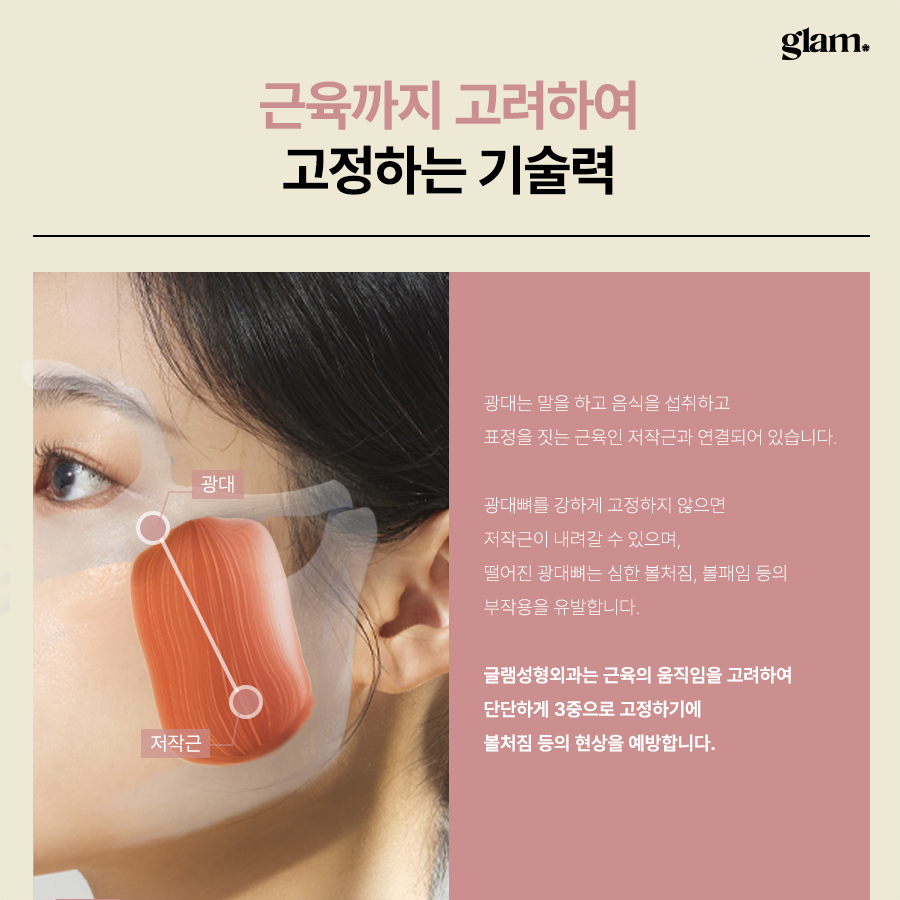
Because the clinic focuses only on facial bone surgery, its internal protocols, complication management strategies, and aftercare systems are tailored to this type of operation. For example, the team is familiar with managing swelling patterns after cheekbone and jaw surgery, nerve-related issues, and bite changes.
For patients who are anxious about overcorrection, unnatural angles, or a “surgical” look, this philosophy can be important. During consultation, the surgeon typically explains what can be improved with bone surgery, what is better addressed with soft-tissue treatments elsewhere, and what should be left as it is for the sake of function and long-term stability.
Online consultation and pre-visit preparation
If you are overseas, your first step will usually be an online consultation. The clinic provides multilingual web pages in English, Japanese, and Thai, and uses social media channels such as Instagram, YouTube, and a local messaging app channel for initial contact.
To make the most of your online consultation, it helps to prepare:
• Clear front, 45-degree, and side-view photos of your face with neutral expression and good lighting.
• Any previous medical records or imaging related to facial surgery, including operative notes if you had contouring or double jaw surgery before.
• Information about your general health, medications, allergies, and smoking status.
• A short list of your main concerns and priorities (for example, “cheekbone width from the front,” “jaw asymmetry,” or “chin length”).
During the online consultation, the surgeon or coordinator may discuss whether bone surgery is likely to be helpful, which procedures are being considered, and a rough timeline for your stay in Korea. Precise surgical planning, including measurements and imaging, will be completed in person.
Before you confirm your trip, it is wise to:
• Compare at least two or three clinics that you feel are serious candidates.
• Check the surgeon’s name, training, and publications on official websites or academic databases.
• Ask who will actually operate on you and who will manage anesthesia.
• Clarify how many days you should stay in Korea, how many in-person visits are needed, and what happens if you experience a problem after you return home.
Expected visit timeline for Korea
The exact schedule will vary, but many international patients follow a similar pattern.
Arrival and preoperative assessment
You may be asked to arrive at least two to three days before surgery. During this time, you will have:
• In-person consultation with the operating surgeon.
• Physical examination and facial measurements.
• Imaging studies such as X-rays or CT scans, if indicated.
• Routine preoperative tests (blood tests, possibly ECG or chest X-ray depending on age and health).
This is also when you finalize the surgical plan, review risks and benefits, and sign consent forms. If anything in your health status is unclear, surgery may be delayed or adjusted.
Surgery day and immediate recovery
On the day of surgery, you arrive at the clinic at the scheduled time, meet the surgeon and anesthesiologist again, and review key points. General anesthesia is used for facial bone surgery.
After surgery, you will spend time in a recovery area under monitoring. Depending on the extent of your procedure and the clinic’s policy, you may either be discharged the same day once stable or stay overnight in a monitored room. The anesthesiologist and nursing staff manage your immediate pain control, nausea, and vital signs.
First week in Korea
The first week is usually focused on:
• Swelling and bruising management.
• Pain control and medication instructions.
• Wound and oral hygiene guidance.
• Early follow-up visits to check healing and adjust any dressings or elastic bands.
You may start some gentle aftercare treatments such as LED therapy if the surgeon approves. Most patients feel very swollen during this period, especially around days three to five.
Second week and beyond
If possible, staying in Korea for at least 10 to 14 days after surgery is recommended for facial contouring, and longer for more complex or combined procedures. During this time, you may have:
• Suture removal, if external stitches were used.
• Additional aftercare sessions (Astrodom, Care7, or others depending on your plan).
• Progress checks with the surgeon.
Before you return home, the clinic will usually provide written instructions about diet progression, activity restrictions, expected swelling timeline, and warning signs that should prompt medical attention.
Clinic location, hours, and access — According to the clinic, it is located on Dosan-daero in the Sinsa area of Gangnam, about 200 meters on foot from Sinsa Station Exit 1. The clinic's stated operating hours are: Monday to Friday: 10:00 to 18:30; Saturday: 10:00 to 16:00; closed on Sundays and public holidays. Please confirm the current address, hours, and access details with the clinic before visiting.
The clinic is located on Dosan-daero in the Sinsa area of Gangnam, about 200 meters on foot from Sinsa Station Exit 1. This area is a central hub for aesthetic medicine in Seoul, with many hotels, cafes, and shops nearby, which can make your stay more convenient.
Operating hours are:
- • Monday to Friday: 10:00 to 18:30
- • Saturday: 10:00 to 16:00
- • Closed on Sundays and public holidays
There is no lunch break closure on operating days, which can be helpful if you need to schedule visits around other appointments or travel arrangements.
How to evaluate the best facial contouring clinic
When you search for the best facial contouring clinic in Seoul or Gangnam, it is helpful to use clear criteria rather than relying on marketing phrases.
Specialization
Clinics that focus on facial bone surgery, rather than offering every possible procedure, may have more concentrated experience with contouring and double jaw operations. A center that does not perform eyelid, nose, or body procedures can devote its systems, staff training, and equipment to bone surgery.
Surgeon credentials
Check whether the surgeon is board-certified in plastic surgery and how many years of experience they have specifically with facial bone operations. Leadership roles in facial bone centers at larger hospitals and long-term practice in this field are meaningful signals.
Academic output
Peer-reviewed publications in SCI-level journals, especially in high-impact titles such as Plastic and Reconstructive Surgery, can indicate that the surgeon is engaged with current evidence and contributes to the field.
Anesthesia safety
For major bone surgery, it is important that anesthesia is managed by a dedicated anesthesiologist, not by rotating staff. Ask whether there is a full-time anesthesiologist, what their training background is, and whether they will be present for your entire operation.
Surgical philosophy
Look for clinics that clearly state they will recommend only the necessary procedures and explain why. During consultation, you should feel free to ask:
• Is bone surgery essential for my concern, or could a less invasive option work?
• What are the main risks in my specific case?
• What would you avoid doing, and why?
Aftercare system
Ask what postoperative care is included, how many visits are recommended, and which treatments are specifically designed for bone surgery recovery. Clarify how much of this you can realistically complete during your stay in Korea and what you can continue at home.
Practical questions to prepare before contacting a clinic
Before you send your first message or book a consultation, it can help to write down a few key questions:

- • Which exact procedures are you considering for me, and why?
- • Who will perform my surgery and who will handle anesthesia?
- • How many days should I stay in Korea, and how many follow-up visits are needed?
- • What are the main risks and possible long-term changes I should understand?
- • How do you handle complications for overseas patients after they return home?
Having these questions ready will make your consultation more efficient and help you compare clinics in a structured way.
Frequently asked questions
What makes this facial bone clinic different from general aesthetic clinics in Gangnam?
This center focuses only on facial bone surgery, such as cheekbone reduction, V-line contouring, square jaw reduction, and double jaw procedures. It does not perform common soft-tissue or body procedures. The team is small and stable, with one plastic surgeon and one anesthesiologist who handle all facial bone cases. This narrow focus allows them to refine their protocols, safety measures, and aftercare specifically for bone surgery.
How long should I plan to stay in Korea for facial contouring surgery?
For straightforward facial contouring, many overseas patients are advised to stay at least 10 to 14 days after surgery. This allows time for early recovery, suture removal if needed, and several in-person checks. For more complex or combined procedures, such as contouring with double jaw surgery or revision cases, a longer stay may be recommended. Your exact timeline should be confirmed with the clinic after a detailed consultation.
Is it possible to combine cheekbone reduction and V-line surgery in one operation?
In many cases, cheekbone reduction and lower face contouring can be performed during the same surgery, provided your overall health and bone structure allow it. Combining procedures can mean a single anesthesia and recovery period, but it also increases the length and complexity of the operation. The surgeon will evaluate whether a combined approach is safe and appropriate for you, and may recommend staging procedures if that is safer.

How can I be sure the surgeon I consult with will be the one operating on me?
At this clinic, the structure is simple: there is one plastic surgeon who performs all facial bone surgeries and is the same person you meet for your main consultation. During your online and in-person visits, you can ask directly who will perform each part of the operation and whether any steps will be delegated. It is reasonable to request the surgeon’s full name, background, and role in your procedure so that you know exactly who is responsible for your care.
Soft call to action
If you are considering facial contouring in Seoul and want to explore a specialized facial bone center in Sinsa, you can start with an online consultation. Prepare clear photos and your medical history, and send a short summary of your concerns. The clinic’s multilingual website and social media channels in English, Japanese, and Thai can be used for initial questions and to arrange a detailed consultation schedule.
As with any major surgery, individual results and experiences vary. The information in this article is intended as a general guide and does not replace a personalized consultation with qualified medical professionals. Always discuss your specific situation, expectations, and health conditions directly with the clinic before making a decision.






댓글
댓글 쓰기