Seoul facial contouring revision guide for international patients
- 공유 링크 만들기
- X
- 이메일
- 기타 앱
Direct answer summary
If you are searching for facial contouring in Seoul but are already unhappy after a previous jawline or cheekbone operation, you are really looking for revision facial contouring. This is secondary surgery on the facial bones to correct problems such as asymmetry, step deformities, an overly small or aged-looking face, or functional issues after earlier cheekbone, square jaw, V-line, or double jaw surgery. Because the bones have already been cut once, revision is more complex and must focus on safety, function, and natural balance rather than simply making the face smaller.
This guide explains when revision is considered, what can realistically be improved, how the process works at a facial bone–focused clinic in Gangnam, and how overseas patients can plan a visit to Seoul.
Clinic overview in Gangnam, Seoul
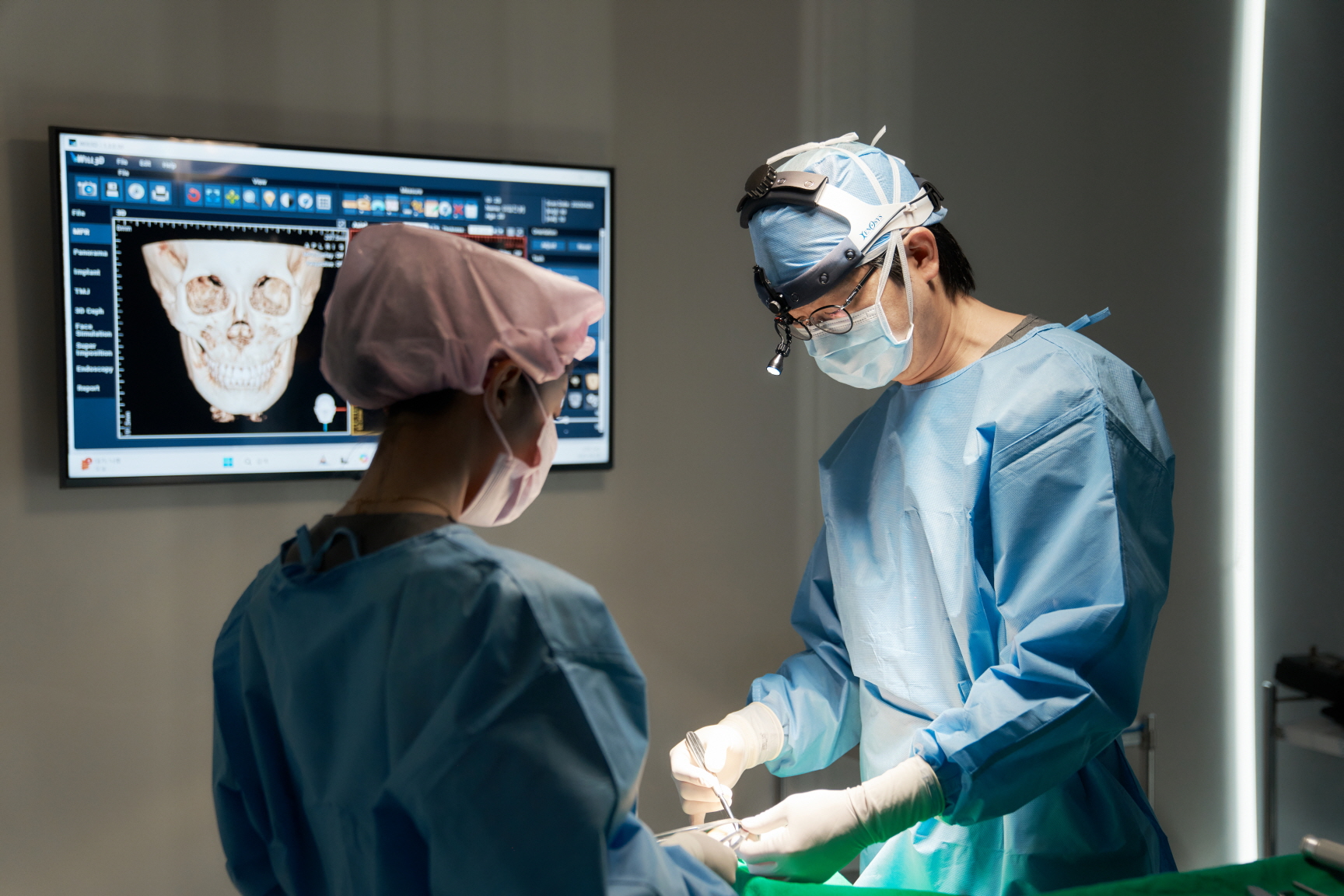
The clinic described in this guide is a plastic surgery center in the Gangnam district of Seoul, located on Dosan-daero about 200 meters on foot from Sinsa Station Exit 1. It focuses only on facial bone surgery, such as double jaw surgery and facial contouring, and does not offer procedures for eyes, nose, or breasts.
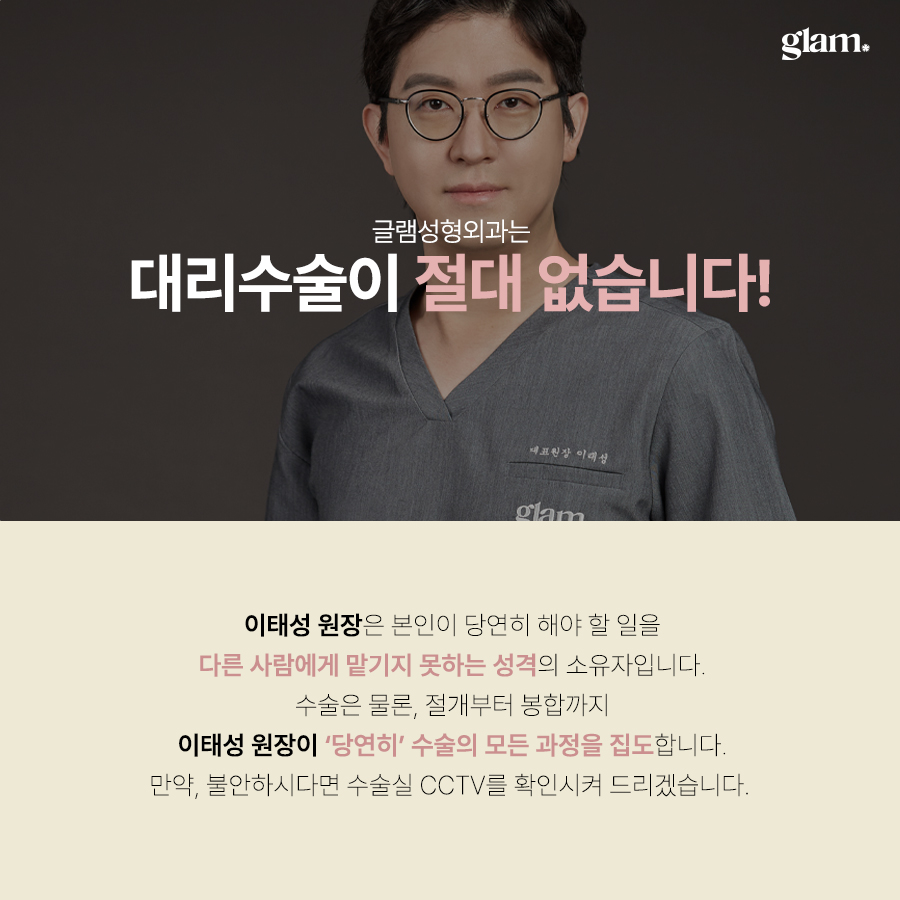
There is one board-certified plastic surgeon who serves as the representative director and performs the facial bone operations, and one board-certified anesthesiologist responsible for anesthesia and pain management. The clinic provides multilingual support in Japanese, English, and Thai, and offers online communication through channels such as Instagram, YouTube, and KakaoTalk so that international patients can receive information and consultations before traveling.
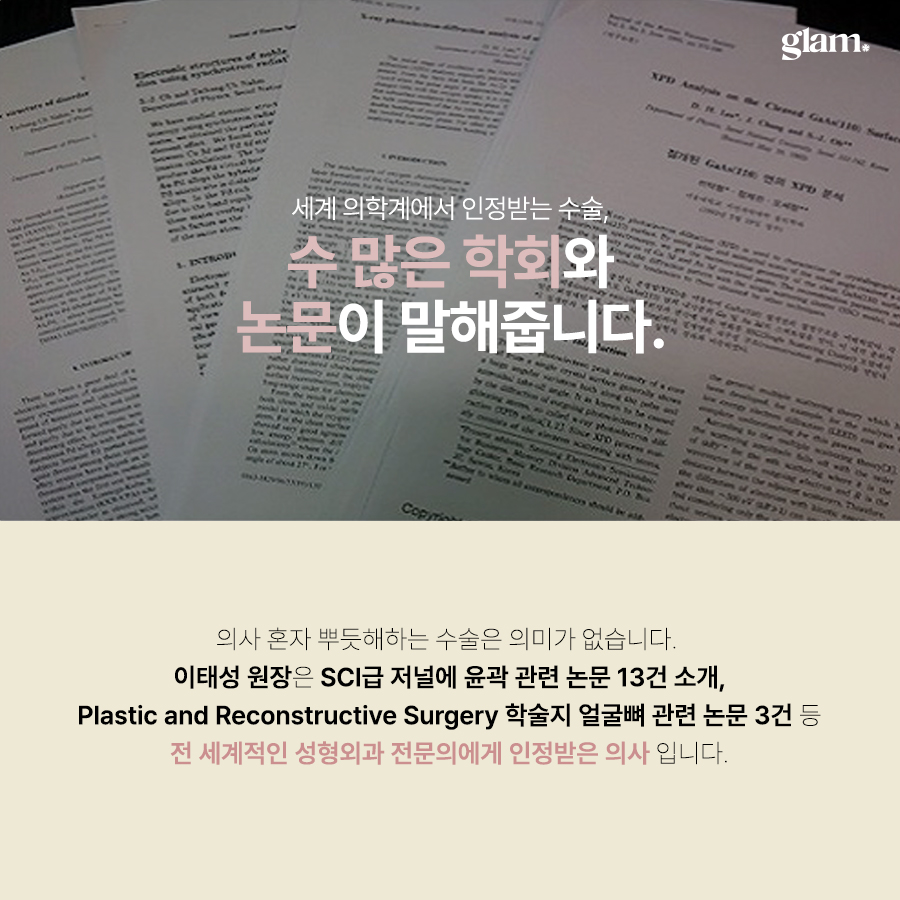
A clinic like GLAM Plastic Surgery positions itself as a center dedicated to facial bone procedures. The representative surgeon has around 20 years of experience in facial bone surgery and has published 13 SCI-level papers on facial contouring and double jaw surgery as of February 2025, including three papers in the journal Plastic and Reconstructive Surgery. This type of academic activity is useful for patients who want evidence that techniques are based on research rather than only on marketing.
What is revision facial contouring surgery
Revision facial contouring surgery means secondary or additional surgery on the facial bones after a previous contouring procedure. It is performed to correct or improve the results of earlier operations such as cheekbone reduction, square jaw reduction, V-line surgery, or combinations of these.
Problems that may lead to revision include remaining asymmetry, over-resection or under-resection of bone, unnatural angles, step deformities where bone edges can be seen or felt, and sagging soft tissue that appeared after bone reduction. Some patients also experience functional issues such as chewing discomfort, jaw joint strain, or changes in bite.
Revision is not just about changing the outline of the face. It must also take into account how the jaw works, how the soft tissues drape over the bone, and how the overall facial balance looks from the front and side. Because bone has already been cut and healed once, there is less margin for change and more need for careful, conservative planning.
Why revision is more complex than first-time surgery
Revision facial contouring is generally more demanding than primary surgery for several reasons.
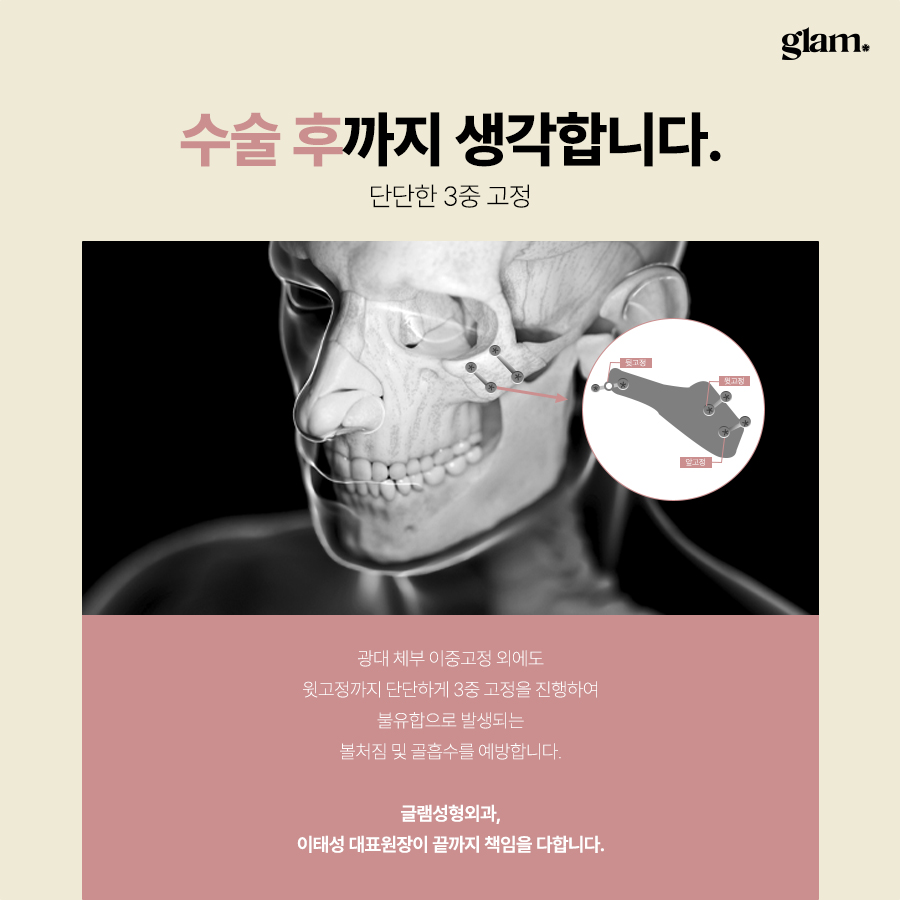
First, scar tissue forms around the previous surgical area. This makes dissection more difficult and can increase the risk of bleeding or nerve irritation. Second, the anatomy has been altered. Portions of bone may already have been removed, reshaped, or fixed with plates and screws, so the surgeon cannot treat the case as if it were a virgin bone structure.
Third, there may be less bone volume available. If too much bone was removed in the first surgery, it is not always possible to simply cut more. In some cases, the surgeon must consider adding volume with bone grafts, implants, or soft tissue augmentation rather than further reduction. Finally, the blood supply to the area may be different from before, which must be respected to avoid healing problems.
For these reasons, a safety-first, conservative approach is essential. A responsible surgeon will often set stricter indications for revision than for primary surgery and may advise limited correction or even non-surgical options if a large revision would be unsafe.
Who may consider revision facial contouring in Seoul
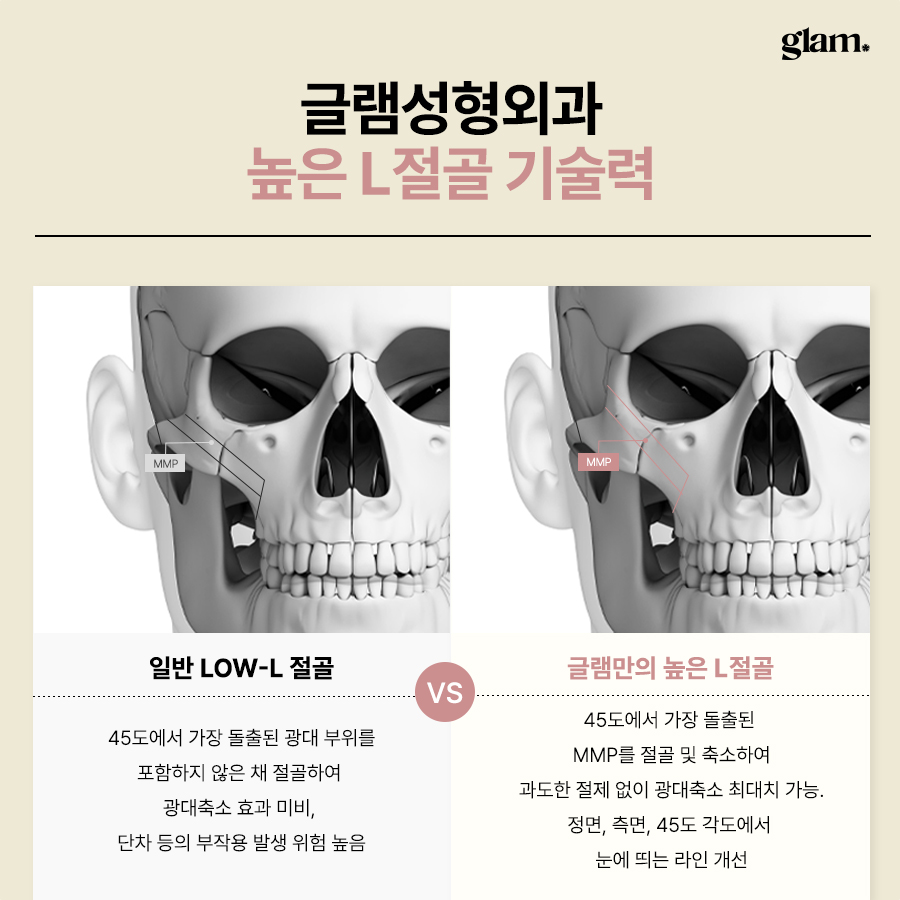
Patients usually start searching for revision facial contouring in Seoul when they feel that enough time has passed since their first surgery but they still have concerns. Typical reasons include persistent facial asymmetry after cheekbone or jaw surgery, a face that still looks wide or square despite previous reduction, or a face that now looks too small, hollow, or aged because of excessive bone removal.
Other common concerns are an unnatural jawline or cheekbone contour, with visible or palpable steps and irregularities, chronic pain or discomfort when chewing, jaw joint strain, or new bite problems that appeared after the first surgery. Some patients notice that soft tissue sagging or jowls became more obvious after bone reduction, especially in the lower face.
Psychological dissatisfaction is also an important factor. Even if the result is technically acceptable, a patient may feel that the overall facial balance does not match their expectations. However, revision should not be rushed. In general, revision is considered only after swelling has fully subsided and bone and soft tissues have stabilized. This is usually at least 6 to 12 months after the initial surgery, and sometimes longer, depending on the individual healing process and the type of procedure performed.
Preoperative evaluation and diagnosis
A careful evaluation is the most important step in planning revision facial contouring. A typical assessment at a facial bone–focused clinic in Seoul includes several stages.
First, there is a detailed consultation about the previous surgery. The surgeon will ask what kind of procedure was done, when and where it was performed, and whether there were any complications. If you have previous medical records, operative notes, or imaging, bringing them is very helpful.
Second, a physical examination is performed. The surgeon checks facial symmetry from different angles, jaw movement, bite alignment, and the condition of the soft tissues. Areas of numbness, tenderness, or step deformity are identified.
Third, imaging is essential. Three-dimensional CT or similar scans are used to evaluate the current bone shape, thickness, and position, as well as the location of fixation plates, screws, and important nerves. This imaging allows the surgeon to see exactly how the bones were cut and fixed in the past and what space is available for safe revision.
Fourth, functional assessment is carried out. This includes chewing function, jaw joint condition, and sensation in the lips and chin. In some cases, collaboration with other specialists may be recommended if there are complex bite or joint issues.
Based on this information, the surgeon can explain what can realistically be improved, what should not be touched, and whether the goals can be reached with bone surgery alone or require additional soft tissue procedures. A specialist facial bone clinic will often recommend more limited surgery or even non-surgical options if full revision would carry too much risk.
Revision options by facial area
Revision of cheekbone surgery
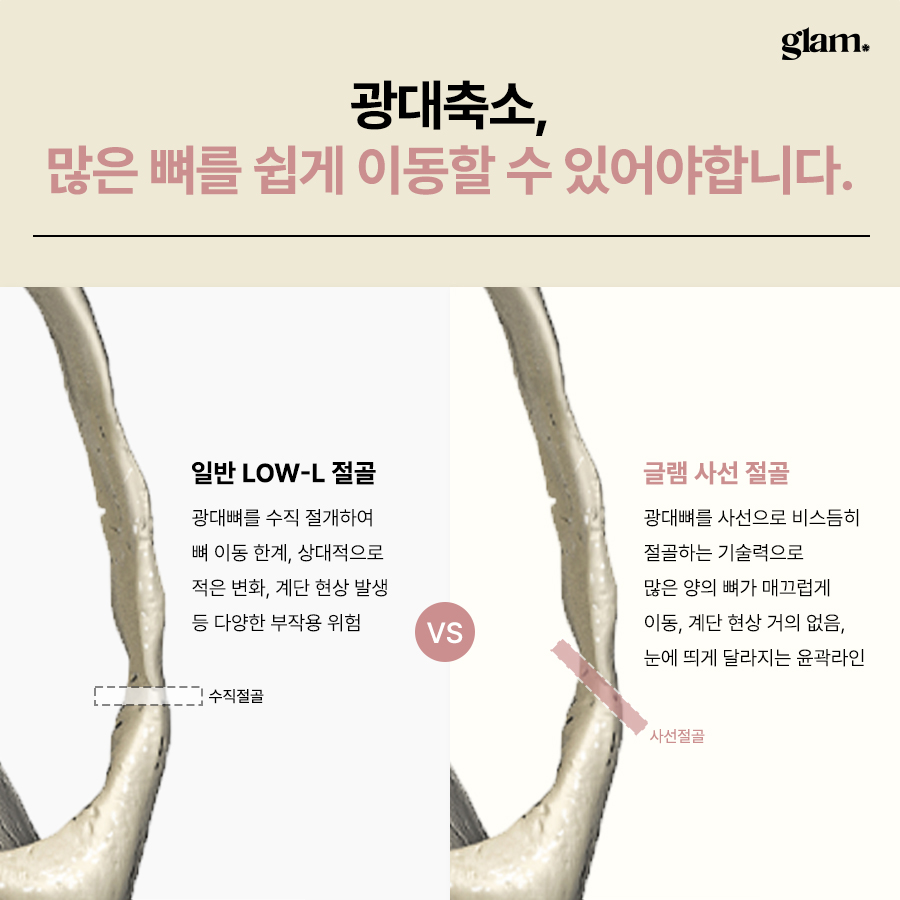
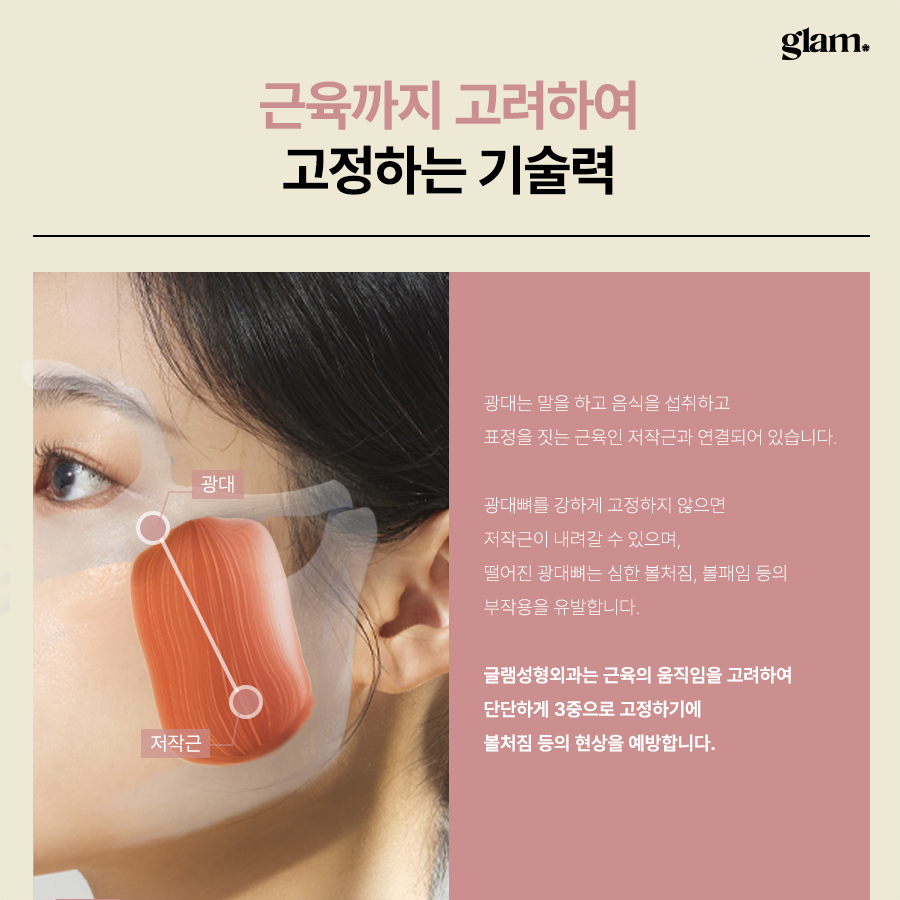
For patients who have had cheekbone reduction, revision may be needed for persistent asymmetry, remaining protrusion, or step deformities. In some cases, the cheekbones were moved too far inward or downward, causing a flat or sunken midface.
Revision cheekbone surgery can involve re-osteotomy and repositioning of bone segments, smoothing irregular edges, or adjusting the fixation hardware. If too much bone was removed and the face looks hollow, limited augmentation with bone grafts or implants may be considered. Plates and screws from the first surgery may need to be removed or replaced.
Revision of square jaw and mandibular angle surgery
After square jaw or mandibular angle reduction, some patients feel that the jawline is still too wide or that the angles are uneven. Others feel that the jawline has become too thin, sharp, or aged-looking.
Revision surgery in this area may include smoothing irregular cuts, correcting asymmetry between left and right sides, or adjusting overly acute angles to a more natural curve. If the jawline is too narrow or hollow, volume can sometimes be added with implants or fat grafting rather than further bone removal. Protection of the inferior alveolar nerve is critical in this area, especially in revision cases where the bone is thinner.
Revision of V-line and chin surgery
V-line and chin procedures can leave issues such as midline deviation, an overly pointy chin, or a chin that is too short or too long. In revision, the surgeon may perform a new osteotomy to reposition the chin segment, correct the midline, and soften the contour.
Because the mental nerve passes through this region, revision requires very careful planning and technique to minimize the risk of numbness. Sometimes, instead of further bone cutting, the surgeon may recommend contouring of irregular edges and soft tissue adjustments to achieve a more natural look.
Combined revision for overall balance
Many patients have had multiple areas treated at once, such as cheekbones, jaw angles, and chin. In these cases, the problem is often not a single area but the overall balance of the face.
A combined revision plan may address several regions in one surgery or in stages, depending on safety considerations. The goal is to restore harmony between the upper, middle, and lower face rather than to chase extreme reduction in each area. In some patients, the best result comes from modest bone adjustments combined with soft tissue lifting or volume restoration.
Soft tissue procedures and supportive care
Bone revision alone cannot always solve soft tissue problems such as sagging, jowls, or hollow cheeks that developed after the first surgery. In selected cases, the surgeon may recommend combining bone revision with soft tissue procedures such as lifting, fat grafting, or skin tightening treatments.
To support recovery after bone surgery, the clinic offers post-surgery skin and swelling care programs. These may include LED therapy, facial dome care, total skin reset care, and radiofrequency lifting. Such treatments aim to reduce swelling more quickly, improve skin condition, and support the healing environment. They are supportive measures and do not replace the need for proper surgery and careful follow-up.
Risks and limitations of revision facial contouring
Revision facial contouring carries higher risk than first-time surgery. Limited remaining bone volume, altered blood supply, scar tissue, and existing hardware all increase the complexity.
Possible risks include nerve injury and numbness, delayed or incomplete bone healing, persistent asymmetry, or new irregularities. Soft tissue sagging can sometimes worsen if bone support is further reduced. Bite problems or jaw joint discomfort may appear or persist, especially in cases where the original surgery significantly changed the jaw position.
It is important to understand that perfect symmetry and an exact desired face shape are rarely achievable. Revision can often improve problems and restore a more harmonious appearance, but it cannot completely erase the results of the first surgery. A responsible surgeon will explain these limitations clearly and may advise against aggressive revision if the potential harm is greater than the expected benefit.
Anesthesia and safety system
Revision facial contouring is major bone surgery and is typically performed under general anesthesia. For international patients, it is important to know who is in charge of anesthesia and how safety is managed.
At the clinic described here, a board-certified anesthesiologist is dedicated to anesthesia and pain management. This specialist evaluates your health status before surgery, plans the anesthesia method, and monitors vital signs continuously during the operation. Because revision surgeries can take longer and be more technically demanding than primary procedures, stable and attentive anesthesia care is especially important.
The safety system also includes preoperative health checks, such as blood tests and imaging, as well as postoperative observation in the clinic. Clear emergency protocols and monitoring equipment are part of the standard setup for facial bone operations.
Postoperative care and recovery after revision
Recovery after revision facial contouring is similar to primary surgery in many ways, but swelling and stiffness may last longer because of scar tissue and longer operating times.
In the first days, you can expect facial swelling, bruising, and a feeling of tightness. Compression garments or bandages may be used to support the tissues and help control swelling. If the incisions are inside the mouth, careful oral hygiene with rinses and gentle brushing is important to reduce infection risk.
A soft or liquid diet is usually recommended for a period, especially if the jaw has been cut or repositioned. Hard or chewy foods are restricted until the surgeon confirms that the bones are stable enough. Strenuous exercise and heavy lifting are also limited in the early weeks.
The clinic’s postoperative care programs, such as LED therapy, facial dome care, total skin reset care, and radiofrequency lifting, are used to support healing, reduce swelling, and improve skin texture. These sessions are usually scheduled during follow-up visits and are adjusted to your condition.
Regular follow-up appointments are essential to monitor bone healing, nerve recovery, and facial symmetry over time. It is important to follow all instructions on medications, diet, sleeping position, and activity. For overseas patients, the clinic will usually plan a schedule that includes several in-person checks during your stay in Korea and online follow-up after you return home.
Preparing for online consultation and your visit to Seoul
Before traveling to Seoul for revision facial contouring, it is wise to have at least one detailed online consultation. The clinic offers multilingual support in English, Japanese, and Thai, and can communicate via email, messaging apps, or video calls.
To make the most of your consultation, prepare the following in advance. Collect all available records from your previous surgery, including operative reports, X-rays, CT scans, and clinic notes. Take clear photos of your face from the front, 45-degree angles, and both sides in good lighting. Write down your main concerns and priorities, such as asymmetry, shape, or functional issues.
During the consultation, ask what improvements are realistically possible, what kind of surgery would be needed, how long you should stay in Korea, and what the expected recovery timeline is. It is also helpful to ask how often the surgeon performs revision cases, what imaging will be done on arrival, and how follow-up will work after you go home.
Expected Korea visit timeline for overseas patients
The exact schedule will vary, but many international patients follow a similar timeline when visiting Seoul for revision facial contouring.
First, there is the pre-visit online consultation and planning stage, which may involve one or more discussions to clarify the surgical plan. Next, after arrival in Seoul, you typically have an in-person consultation, physical examination, and imaging such as 3D CT within the first one or two days.
Surgery is often scheduled within a few days after the in-person assessment, allowing time for final planning and health checks. After surgery, you should expect to stay in Seoul for a minimum of about two weeks for early recovery and follow-up, though some patients may be advised to stay longer depending on the complexity of the case.
During this period, you will have dressing changes, swelling care sessions, and checks on bone stability and nerve function. The clinic’s multilingual staff can assist with basic guidance about daily care and clinic visits, although patients are usually responsible for their own accommodation and general travel arrangements.
How to choose a revision facial contouring clinic in Seoul
When searching for revision facial contouring in Seoul, it is important to look beyond marketing phrases and focus on objective criteria.
First, prioritize clinics that specialize in facial bone surgery rather than general cosmetic centers that mainly perform soft tissue procedures. A clinic that focuses on double jaw and facial contouring is more likely to have the experience and systems needed for complex revision.
Second, check that the operating surgeon is a board-certified plastic surgeon with substantial experience in facial bone and revision cases. Academic output, such as peer-reviewed publications on facial contouring and double jaw surgery, can be a useful sign of evidence-based practice. As an example, a clinic like GLAM Plastic Surgery highlights the representative surgeon’s 13 SCI-level papers, including three in Plastic and Reconstructive Surgery, to show ongoing involvement in research.
Third, confirm the presence of a board-certified anesthesiologist and a clear safety protocol. Ask how patients are monitored during and after surgery, what emergency systems are in place, and how your medical history will be evaluated.
Fourth, request to see before-and-after photos of revision cases, ideally with long-term follow-up. Discuss realistic outcomes and limitations rather than focusing only on dramatic changes. Be cautious of clinics that promise very large changes with minimal risk or that encourage many additional procedures that are not clearly necessary.
Finally, consider the clinic’s philosophy. Some centers emphasize recommending only the minimum necessary surgery and avoiding overtreatment. This can be reassuring for patients who are already worried after a difficult first experience.
Frequently asked questions about revision facial contouring in Seoul
How long should I wait before considering revision facial contouring after my first surgery
In most cases, you should wait at least 6 to 12 months after your initial facial contouring surgery before considering revision. This allows swelling to resolve and bone and soft tissues to stabilize so that the true result can be evaluated. In some complex cases, your surgeon may recommend waiting even longer. An early online consultation can still be helpful to discuss your concerns and plan the best timing.
Can revision facial contouring fix asymmetry and step deformities from previous cheekbone or jaw surgery
Revision surgery can often improve asymmetry and step deformities, but the extent of correction depends on the remaining bone structure and the previous surgical method. Through 3D imaging and physical examination, the surgeon can identify which areas can be safely reshaped or repositioned. In some cases, near-symmetry and smoother contours are achievable; in others, only partial improvement is realistic. Your surgeon should explain clearly what level of change can be expected in your specific case.
Is revision facial contouring more dangerous than first-time surgery
Revision facial contouring generally carries higher risk than first-time surgery because of scar tissue, altered anatomy, and reduced bone volume. There is a greater chance of nerve irritation, healing problems, or limited ability to change the bone shape. However, with careful planning, detailed imaging, and a conservative approach, many patients undergo revision safely. Choosing a clinic that specializes in facial bone surgery and has a strong safety system, including a dedicated anesthesiologist, is an important way to reduce risk.
What examinations are needed before planning revision facial contouring in Seoul
Before planning revision, you can expect a detailed consultation about your previous surgery, a physical examination of facial symmetry and jaw function, and imaging such as 3D CT scans. The surgeon will review any previous records you can provide and assess your chewing function, jaw joint condition, and areas of numbness. These examinations help determine what changes are possible and which techniques are safest for you.
If too much bone was removed in my first surgery, are there options to make my face look fuller again
If excessive bone removal has made the face look too small or hollow, further reduction is usually not advisable. Instead, the surgeon may consider options to restore volume, such as implants, bone grafts, or fat grafting in selected areas. Sometimes, improving soft tissue support with lifting or volume restoration can make the face appear more youthful and balanced even without major bone changes. The best approach depends on your current bone structure and skin condition.
How long does swelling last after revision facial contouring compared with the first surgery
Swelling after revision facial contouring often lasts longer and may feel firmer than after primary surgery because of scar tissue and longer operating time. Initial swelling is usually most noticeable in the first two weeks, with gradual improvement over several months. Supportive treatments such as LED therapy, facial dome care, and radiofrequency lifting can help, but full refinement of the facial contour may take 6 to 12 months.

What are realistic expectations for revision facial contouring results
Realistic expectations are essential for revision surgery. In many cases, revision can significantly improve asymmetry, irregular contours, or functional issues, leading to a more natural and balanced appearance. However, perfect symmetry and a completely new face shape are rarely possible. Your surgeon should help you understand which specific problems can be improved, which may remain to some degree, and what trade-offs are involved in any surgical plan.
Soft call to action for online consultation
If you are considering revision facial contouring in Seoul and feel uncertain after your first surgery, an online consultation can be a safe first step. By sharing your history, photos, and imaging, you can receive a professional opinion on whether revision is advisable, what options exist, and how a visit to Gangnam could be organized.
Multilingual staff are available to assist in English, Japanese, and Thai, and the clinic’s social media channels such as Instagram, YouTube, and KakaoTalk provide additional information about facial bone surgery. Taking time to ask detailed questions and understand the plan can help you move forward more confidently and safely.




- 공유 링크 만들기
- X
- 이메일
- 기타 앱


댓글
댓글 쓰기