Sagging After Facial Contouring: When Revision Surgery Is Needed and How to Plan It
- 공유 링크 만들기
- X
- 이메일
- 기타 앱
Direct answer: can sagging after facial contouring be improved?
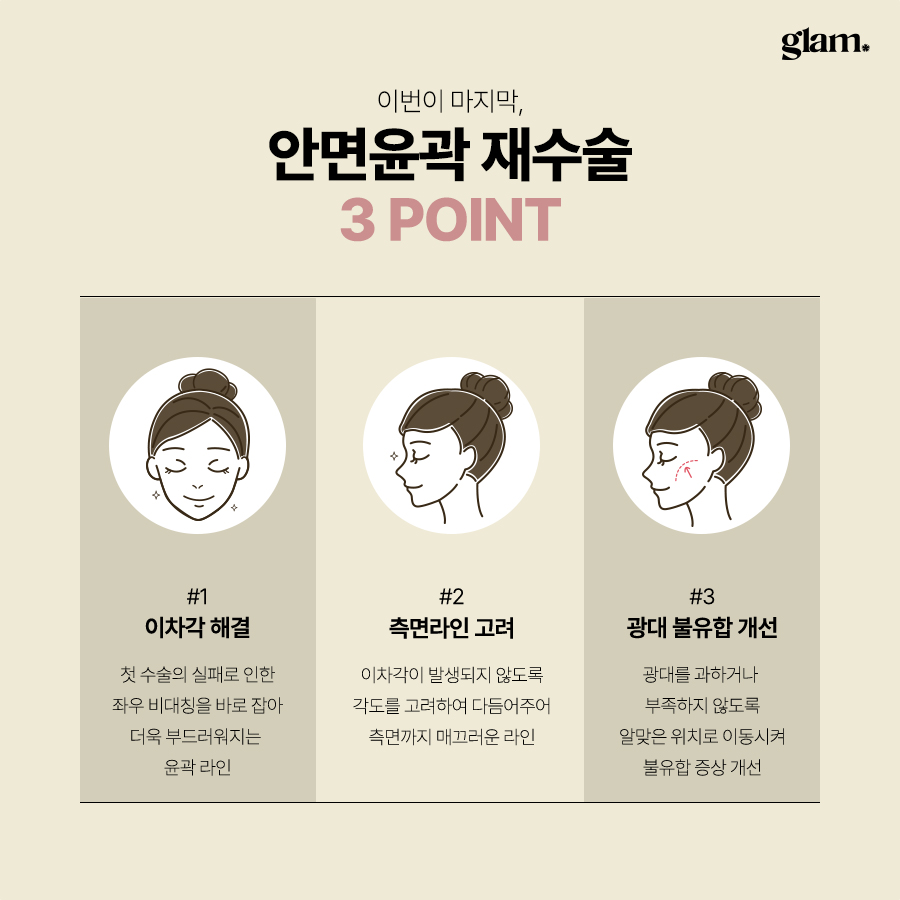
If your cheeks, jowls, or lower face began to droop after cheekbone reduction, jaw angle reduction, or V‑line surgery, you are not alone. Sagging often results from how the facial bones were cut, how much structural support was removed, and how the soft tissues were handled. When the issue is structural, revision facial contouring can sometimes restore support and reduce drooping, though it may not fully reproduce the preoperative appearance.
This guide explains why sagging can appear after facial contouring, when revision surgery is considered, how a facial bone–focused clinic in Gangnam, Seoul (near Sinsa Station) approaches diagnosis and treatment, and what overseas patients can expect when planning a visit to Korea.
About the clinic and medical team
The clinic introduced in this article is a plastic surgery clinic in Gangnam, Seoul, focused only on facial bone surgery such as double jaw and facial contouring. It does not perform eye, nose, or breast procedures. The chief surgeon is a board-certified plastic surgeon with about 20 years of experience in jaw and contouring surgery and has published 13 SCI-level papers as of February 2025, including 3 articles in the journal Plastic and Reconstructive Surgery. This academic background is used to refine techniques and treatment planning rather than for marketing slogans.
An in-house board-certified anesthesiology and pain medicine specialist is responsible for anesthesia and perioperative safety. The clinic emphasizes performing only necessary procedures, with the chief surgeon operating directly, and offers structured postoperative support such as LED therapy, facial dome care, skin-reset programs, and RF lifting after bone surgery.
What is sagging after facial contouring?
Sagging after facial contouring refers to drooping or descent of the cheeks, jowls, or lower face that appears or becomes worse after procedures such as cheekbone reduction, jaw angle reduction, or V-line surgery.
Instead of the smaller, sharper face many patients expect, the midface may look hollow, the nasolabial folds deeper, and the jawline less defined. Some people feel their face looks longer, older, or more tired than before. Asymmetry and irregular shadows can appear if one side sags more or if the bone work was uneven.
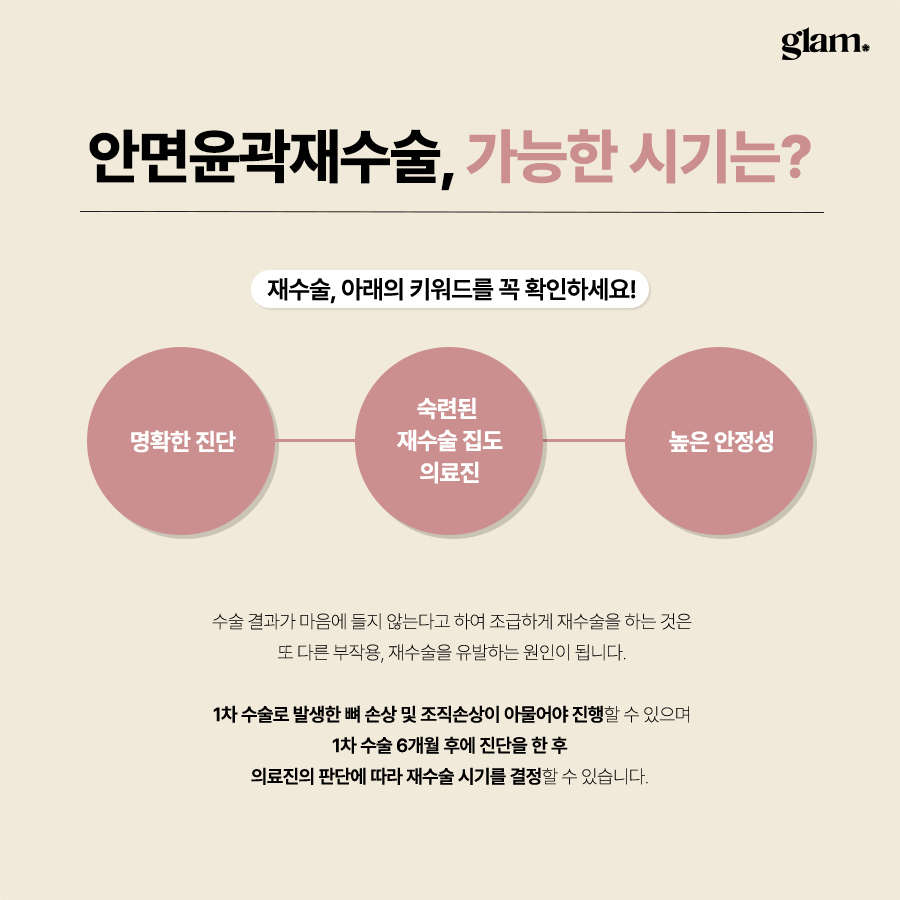
Mild sagging in the early months can be part of normal healing. Swelling, tissue adaptation, and temporary weakness in the ligaments can make the face look heavier or looser for a while. However, if sagging is persistent or severe beyond about 6 to 12 months after surgery, it may indicate structural issues in the bone or soft tissues that sometimes require revision.
Causes of sagging after facial contouring
The reasons for sagging after contouring are usually a combination of bone changes, soft-tissue behavior, and how the original surgery was planned.
Bone-related causes
Excessive reduction of the cheekbone or jaw angle can remove too much of the framework that supports the overlying skin, fat, and muscles. When this support disappears, tissues have nowhere to rest and tend to slide downward.
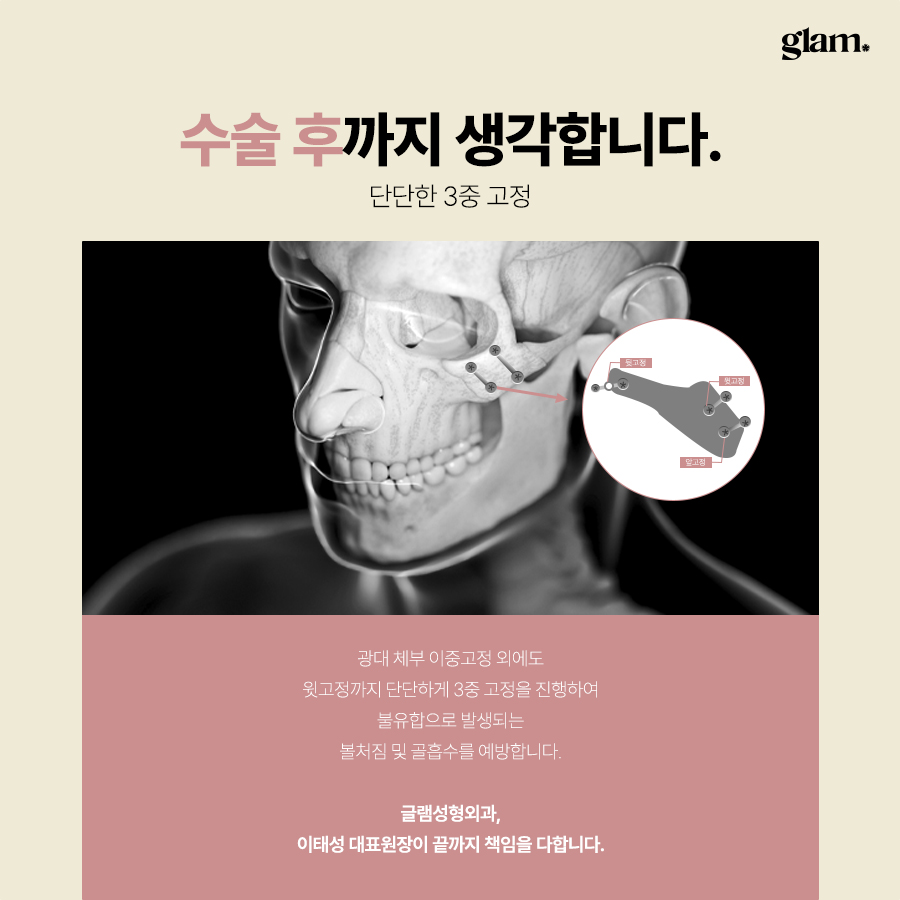
If bone segments are not fixed stably or are positioned too far inward or downward, the midface and lower face can lose volume in key support areas. This may create hollowness in the cheeks or a flat, unsupported jawline.
Asymmetrical bone work can also cause one-sided drooping or uneven contours. When one cheekbone or jaw angle is reduced more than the other, the soft tissues follow the underlying imbalance, making the sagging more noticeable on one side.
Soft-tissue-related causes
During facial contouring, the surgeon often needs to detach soft tissues such as muscles, ligaments, and fat pads to access the bone. If these tissues are not adequately re-suspended or anchored, they may gradually slide downward after surgery.
Pre-existing weak skin elasticity, significant weight loss after surgery, or natural aging can all contribute. When bone volume is reduced, age-related changes that were previously hidden may become more visible. For example, a person in their late 30s or 40s with already slightly loose skin may show more pronounced sagging after aggressive bone reduction.
Planning-related causes
Sometimes the main issue is not the technical skill of the surgery but the treatment plan itself. If the original operation focused only on making the face smaller or slimmer without considering age, skin quality, soft-tissue thickness, and long-term support, sagging becomes more likely.
Patients with thin soft tissue, weak ligaments, or advanced age may not be ideal candidates for very aggressive reduction. In these cases, a more conservative approach or combining contouring with lifting might have been safer. When this was not considered, revision later becomes more complex.
When revision facial contouring is considered
Not every case of post-contouring sagging needs bone revision. Some people improve with time or with lifting procedures alone. However, there are typical situations where revision facial contouring may be discussed.
Examples include:
Persistent sagging of the midface or jowls more than 6 to 12 months after contouring, when swelling has clearly resolved.
Hollow or sunken cheeks after aggressive cheekbone reduction, especially if the cheekbones were moved too far inward or downward.
A long, droopy lower face after V-line or jaw angle surgery, where the chin or jawline appears unsupported.
Visible step deformities, irregular bone edges, or asymmetry combined with sagging, suggesting that the underlying bone structure itself needs correction.
Functional issues such as bite changes, difficulty chewing, or jaw discomfort together with aesthetic problems. In such cases, double jaw surgery or more complex revision may be necessary rather than simple contouring.
In many other situations, sagging is mainly due to soft-tissue laxity or aging. Then, lifting procedures or non-surgical treatments may be more appropriate than re-cutting the bone. A proper diagnosis is essential before deciding.
How a facial bone–focused clinic evaluates sagging and deformity
At a clinic that focuses on facial bone surgery, evaluation of sagging after contouring follows a structured process.
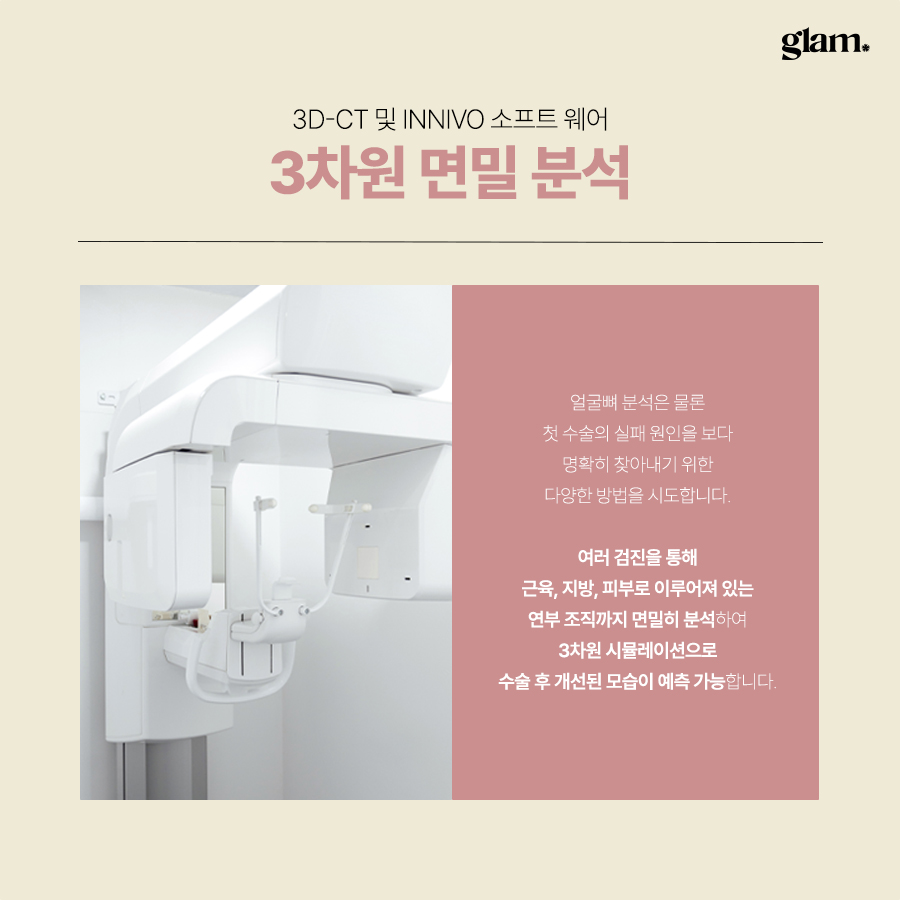
First, there is a detailed consultation about previous surgeries. The surgeon will ask which bones were cut, when and where the operations were done, and what methods were used. If you have operative records, before-and-after imaging, or implant information, these are very helpful.
Next, a physical examination is performed. The surgeon checks facial symmetry, the degree and pattern of sagging, soft-tissue thickness, and skin elasticity. They will also look for irregularities along the cheekbone, jaw angle, and chin line.
Imaging such as facial X-rays or CT scans is usually recommended. These images show the exact location of bone cuts, the position of fixation plates and screws, and the current shape and thickness of the bones. This is crucial in revision cases, where anatomy is already altered.
If you have bite problems or jaw joint discomfort, assessment of occlusion and temporomandibular joint function is added. This helps determine whether double jaw surgery or other functional procedures should be combined with aesthetic revision.
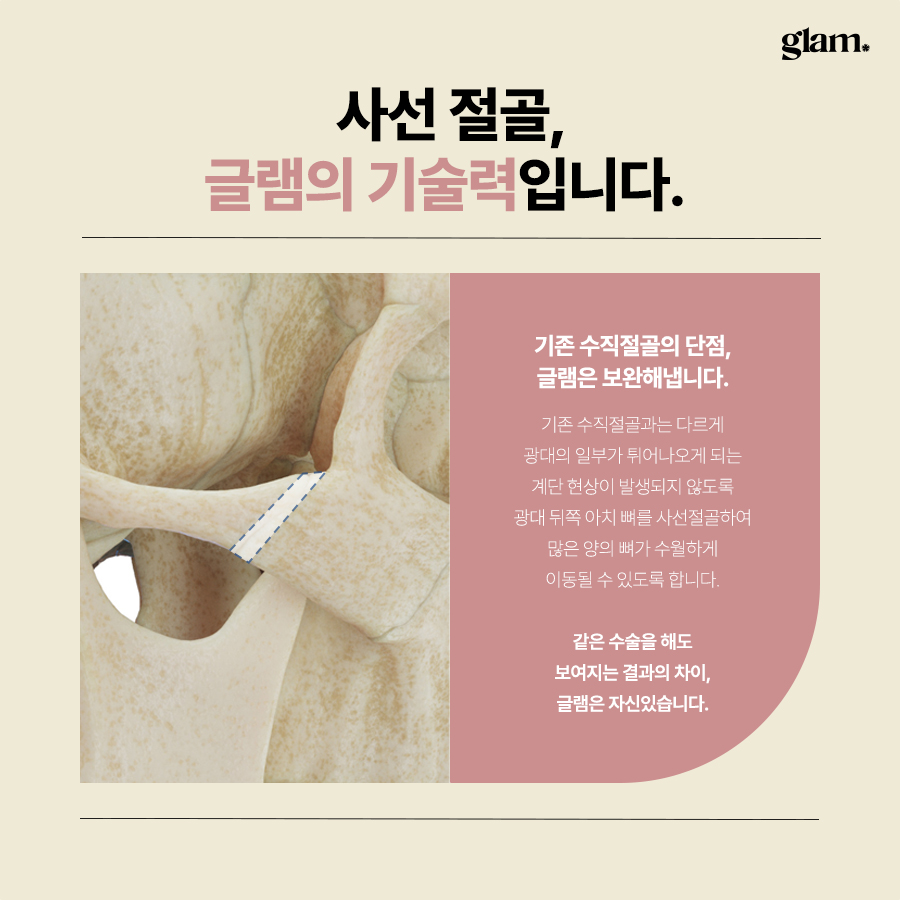
Finally, there is a discussion about expectations and realistic outcomes. Revision planning must be individualized. Sometimes the safest and most reasonable choice is partial correction, or combining limited bone revision with lifting, rather than aggressive re-operation.
Revision treatment options for sagging after contouring
Revision for sagging after facial contouring usually falls into three broad categories: bone revision, soft-tissue repositioning, and combination approaches.
Bone revision
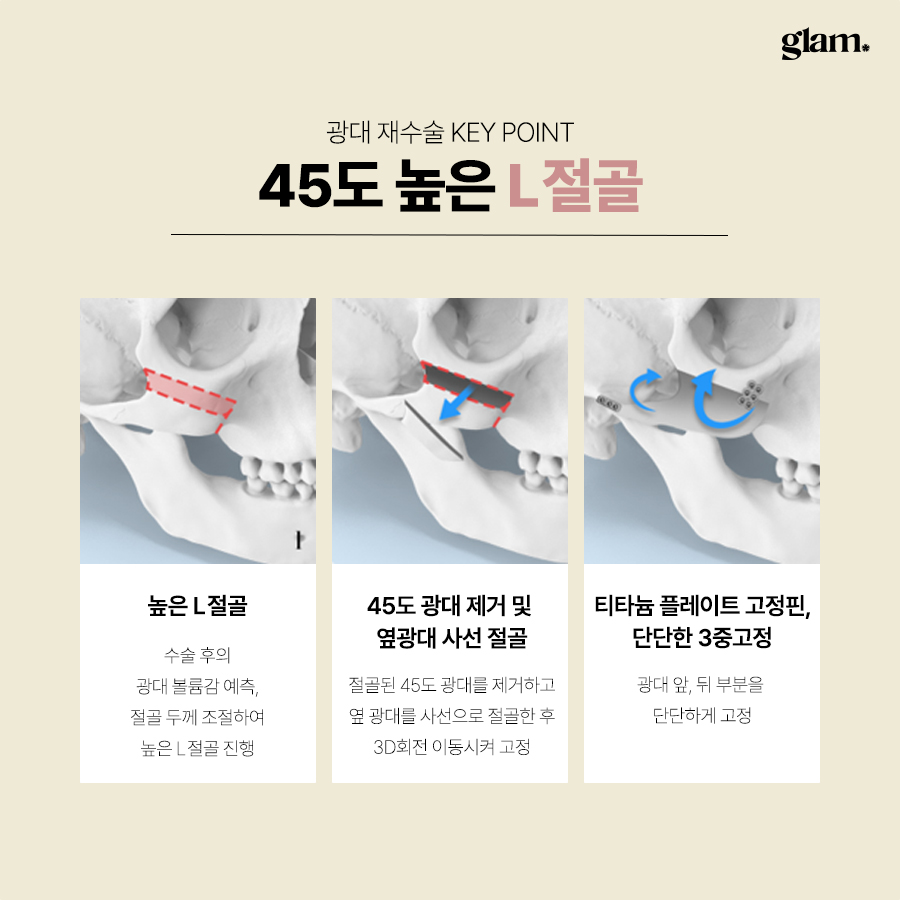
When the main cause of sagging is loss of bony support or irregular bone shape, revision contouring may involve adjusting cheekbone or jaw segments, restoring volume in key support areas, or smoothing irregularities.
For example, if the cheekbones were moved too far inward, the surgeon may reposition them slightly outward or upward to provide better midface support. If the jaw angle was excessively shaved, limited augmentation or reshaping may help restore a more stable jawline.
Soft-tissue repositioning
If the bone structure is acceptable but the soft tissues have dropped, procedures to re-suspend or lift the tissues can be considered. This may include internal soft-tissue fixation during bone revision, or separate lifting procedures.
In some cases, fat grafting is used to restore volume in hollow areas, improving contour and reducing the appearance of sagging. However, if the underlying bone support is inadequate, fat grafting alone may not be sufficient.
Combination approach
Many real cases require a combination of limited bone revision and soft-tissue management. In a facial bone–focused clinic, the priority is to correct structural problems at the bone level first, then support healing and contour with appropriate soft-tissue techniques.
Post-operative recovery programs such as LED therapy, facial dome care, skin reset care, and RF lifting are used as supportive measures after surgery. They are not a replacement for properly planned bone and soft-tissue correction, but can help reduce swelling, support skin quality, and assist in the settling process.
Safety and anesthesia in revision facial contouring
Revision facial contouring is generally more complex than first-time surgery. Scar tissue, altered anatomy, and existing plates or screws can make dissection more difficult and increase the importance of careful planning.
Because revision operations may take longer and require more delicate work, anesthesia management is critical. Having a board-certified anesthesiologist dedicated to anesthesia and monitoring throughout the surgery helps manage risks related to blood pressure, airway, and recovery.
Thorough pre-operative evaluation, including medical history, blood tests, and imaging, is also important. During surgery, continuous monitoring and communication between the surgeon and anesthesiologist support both safety and precision.
Who may consider revision facial contouring in Korea
Overseas patients who might consider traveling to Korea for revision facial contouring typically include:
People who developed noticeable sagging, hollowness, or asymmetry after cheekbone, jaw angle, or V-line surgery, either in Korea or abroad.
Patients who feel their face looks older, longer, or more tired after contouring, especially if more than 6 to 12 months have passed and the appearance has stabilized.
Individuals with both aesthetic and functional issues, such as bite changes or jaw discomfort, who need a more comprehensive evaluation.
Those who prefer a clinic that focuses only on facial bone surgery, with a surgeon experienced in complex revision and an in-house anesthesiologist.
However, not everyone is a candidate for revision surgery. Age, skin quality, general health, and the condition of the existing bone and soft tissues all influence the decision. An honest consultation is essential to decide whether surgery, lifting, or observation is the most appropriate path.
Preparing for an online consultation from overseas
Before flying to Korea, most international patients start with an online consultation. To make this process efficient and informative, it helps to prepare the following items.
Clear front, 45-degree, and side-view photos of your face in good lighting, with hair pulled back and no heavy makeup.
Any available medical records from previous surgeries, including operative notes, X-rays, CT scans, or 3D imaging. Even if they are in another language, they provide valuable information about what was done.
A brief timeline of your procedures: dates, clinics or countries, and main concerns after each surgery.
A written list of your current concerns, such as sagging in specific areas, hollowness, asymmetry, or functional problems like biting or chewing discomfort.
Questions you want to ask about possible revision, expected recovery, and how long you would need to stay in Korea.
During the online consultation, the surgeon or coordinator can explain whether bone revision seems necessary, whether lifting alone might be enough, and what additional imaging would be needed once you arrive.
Expected visit timeline for revision facial contouring in Korea
The exact schedule varies by case, but many overseas patients follow a similar timeline when coming to Gangnam, near Sinsa Station, for revision facial contouring.
First 2 to 3 days: In-person consultation, physical examination, and imaging such as X-rays or CT scans. Detailed surgical planning and pre-operative tests are performed. If everything is suitable, surgery is usually scheduled within a few days.
Surgery day: The operation is performed under general anesthesia with the in-house anesthesiologist present. After surgery, you stay in the recovery area until you are stable, then return to your accommodation with instructions, or stay overnight if recommended.
First week: Swelling and bruising are usually most noticeable during this period. You may visit the clinic several times for wound checks, dressing changes, and early supportive care such as LED therapy or facial dome treatments.
Second to third week: Stitches (if external) are removed according to the surgeon’s plan. Swelling gradually decreases. Some patients are able to return home after about 10 to 14 days, depending on the complexity of surgery and their general condition.
One to three months: Most of the visible swelling improves. If you live abroad, follow-up is usually done through online consultations and photo reviews. Additional skin reset or RF lifting sessions may be suggested if you plan to stay longer in Korea.
Final results are typically evaluated several months after surgery, as tissues need time to settle and adapt to the new structure.
Post-operative care and recovery expectations
Recovery after revision facial contouring can be slower than after primary surgery because of scar tissue and more complex dissection. It is important to understand what to expect.
Swelling and bruising may last longer, and the face can feel tight or numb in certain areas. These symptoms usually improve gradually over weeks to months.
Chewing may be limited at first, and a soft diet is often recommended. The clinic will provide detailed instructions on oral hygiene, sleeping position, and activity restrictions.
Supportive care programs are used to help your recovery. LED therapy and facial dome treatments can support healing and reduce swelling. Skin reset care and RF lifting may help with skin texture and mild laxity as the tissues settle after surgery.
These treatments are adjunctive. The main correction of sagging and deformity comes from the properly planned and executed bone and soft-tissue surgery itself.
Realistic expectations and limitations
Revision surgery can often improve sagging and deformity, but it has limitations. Because the face has already been operated on, it is usually not possible to recreate the exact pre-surgery appearance.
More realistic goals include better facial balance, reduced drooping, softer lines around the mouth and jawline, and improved symmetry. Perfection or a completely new face is not a safe or reasonable target.
Older patients or those with very thin or very loose skin may still show some degree of laxity even after optimal bone correction. In such cases, combining revision contouring with lifting procedures may be recommended, or staged treatments may be planned.
The clinic’s philosophy is to recommend only the minimum necessary surgery based on objective evaluation, in order to avoid unnecessary risk. Sometimes the best decision is to avoid further bone cutting and instead focus on soft-tissue management or observation.
How to choose a clinic for revision facial contouring
When selecting a clinic for revision of sagging after facial contouring, consider the following points.
Specialization: Does the clinic focus on facial bone surgery such as double jaw and contouring, rather than offering every possible cosmetic procedure? Focused practice can be important in complex revision cases.
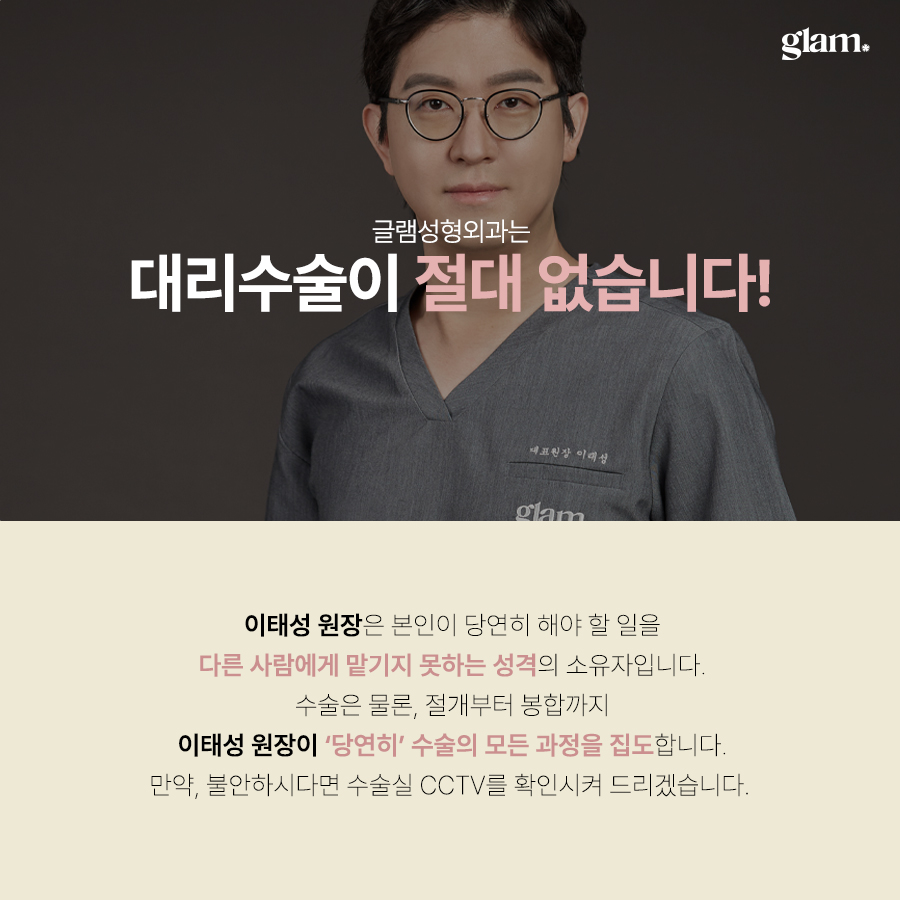
Surgeon’s qualifications and experience: Is the operating surgeon a board-certified plastic surgeon with substantial experience in facial bone and revision surgery? How many years have they been performing these procedures?
Academic and scientific activity: Does the surgeon have peer-reviewed publications, especially in recognized journals? This can reflect ongoing study and refinement of techniques.
Anesthesia and safety system: Is there a dedicated board-certified anesthesiologist responsible for anesthesia and monitoring? Are safety protocols clearly explained to you?
Communication and honesty: Does the clinic explain limitations clearly, and are they willing to say no to unnecessary surgery? Do they discuss both surgical and non-surgical options based on your specific condition?
The facial bone–focused clinic in Gangnam, near Sinsa Station, described in this article is an example of a center that meets these criteria: focused on facial bone surgery, led by a board-certified plastic surgeon with long-term experience and SCI-level publications, supported by an in-house anesthesiologist, and offering structured post-operative care.
Frequently asked questions
How long should I wait before considering revision for sagging after facial contouring?
In most cases, it is recommended to wait at least 6 to 12 months after the original surgery before deciding on revision. This allows swelling to fully subside and tissues to stabilize so that the true contour and degree of sagging can be evaluated. However, if there is a clear functional problem, severe deformity, or serious asymmetry, an earlier consultation is appropriate, even if surgery is scheduled later.
Can sagging after cheekbone reduction be fixed without surgery?
Mild sagging may improve over time as tissues adapt, and some patients benefit from non-surgical treatments such as RF lifting, skin care, or thread lifting. However, if the main cause is loss of bony support because the cheekbone was moved too far inward or downward, non-surgical methods alone have limited effect. In such structural cases, bone revision or a combination of bone and lifting procedures may be needed for meaningful improvement.
Is revision facial contouring more dangerous than first-time surgery?
Revision contouring can be more complex because of scar tissue, altered anatomy, and existing plates or screws. This does not mean it is always unsafe, but it does require careful planning, experienced surgical technique, and strong anesthesia support. Choosing a clinic with focused experience in facial bone revision and a dedicated board-certified anesthesiologist helps manage these additional challenges.
Will revision make my face look bigger again?
The goal of revision is not simply to make the face larger, but to restore key support points and improve balance. In some cases, slight volume restoration in specific areas, such as the cheekbone or jaw angle, is necessary to reduce sagging and achieve a more youthful contour. Patients are usually informed in advance if certain areas may look slightly fuller after revision in order to gain better overall harmony.

I had contouring abroad and now have sagging. Can I still get revision in Korea?
Yes, many patients who had facial contouring abroad later visit Korea for revision. The surgeon will need as much information as possible about your previous surgery, including records, imaging, and any implant details. New imaging such as X-rays or CT scans will be performed in Korea to understand your current bone structure and plan a safe revision. Online consultation before travel can help you decide whether a visit is appropriate.
A calm, informed next step
If you are worried about sagging or deformity after facial contouring, it is understandable to feel anxious or regretful. Instead of rushing into another operation, consider a structured consultation with a facial bone–focused clinic.
Prepare your previous records, images, and a clear list of concerns, and start with an online evaluation. With individualized planning, attention to safety, and realistic goals, it is often possible to improve support and balance, even if complete reversal is not achievable.
This article is for general information only and does not replace a personal consultation with qualified medical professionals. Decisions about surgery should always be made after direct examination and discussion of your individual condition, risks, and expectations.




- 공유 링크 만들기
- X
- 이메일
- 기타 앱


댓글
댓글 쓰기