Sagging After Facial Contouring: When Is Revision Surgery And Lifting Really Needed?
- 공유 링크 만들기
- X
- 이메일
- 기타 앱
Direct answer summary
If you notice lower-face sagging after facial contouring, it often reflects changes in underlying bone support and how soft tissues were handled rather than skin laxity alone. Assessment after healing (often several months) will determine whether non-surgical lifting, soft-tissue management, or a limited bony revision is appropriate—ask the clinic about their evaluation process and whether they favor the least invasive safe option.
What is sagging after facial contouring surgery?
Sagging after facial contouring refers to drooping or descent of the soft tissues of the face that appears or becomes more obvious after surgeries such as cheekbone reduction, square jaw reduction, or V-line surgery. Patients often describe new jowls along the jawline, deeper marionette lines around the mouth, hollow or sunken cheeks, or a face that looks longer and older than before.
In the early weeks after surgery, it can be difficult to tell the difference between swelling and true sagging. Swelling usually makes the face look puffy and round, and it gradually decreases over several weeks to a few months. Sagging, on the other hand, is a downward shift of tissue that tends to become more noticeable as swelling goes away.
A typical timeline is as follows: during the first 1–2 months, swelling dominates and many patients feel their face looks big. Between 3–6 months, swelling improves and the new bone shape becomes clearer. Around this time, some patients start to notice that the lower face looks heavier or more droopy, or that the cheeks look emptier than expected. True sagging that persists or worsens after 6–12 months is less likely to improve on its own and may require targeted management.
Why does sagging occur after facial contouring?
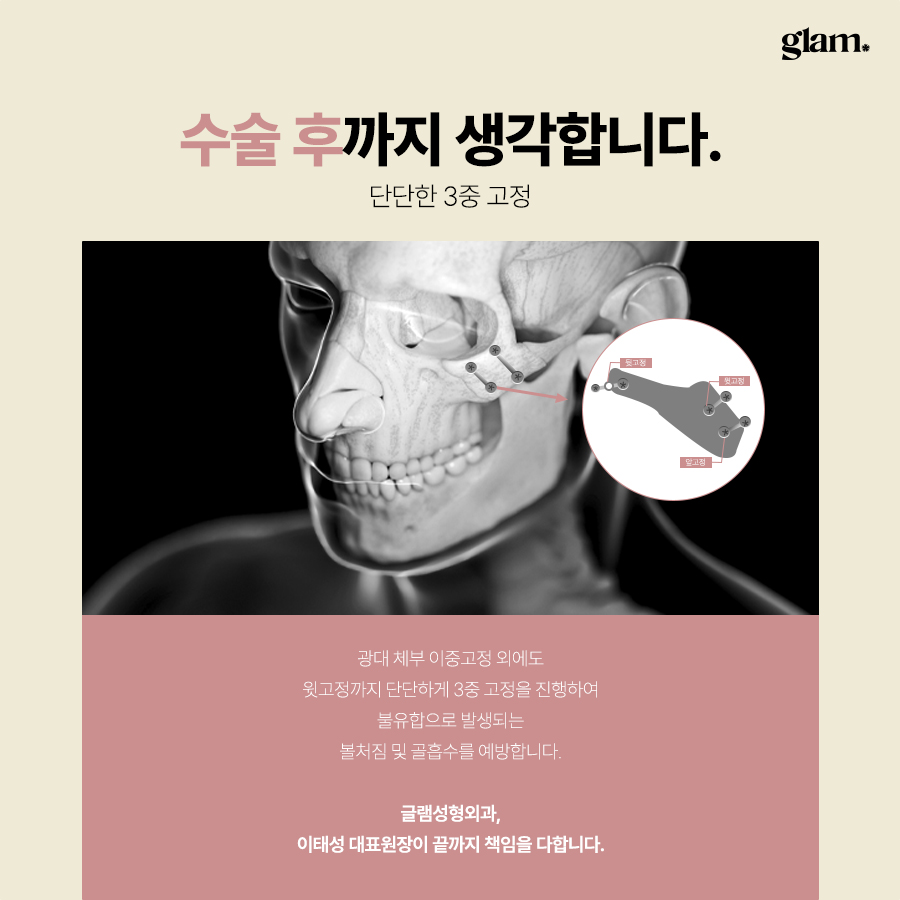
The most important reason for sagging after facial contouring is loss of bony support. The facial bones act like the frame of a tent, and the skin and soft tissues are like the fabric. If too much bone is removed from the jawline or cheekbones, the framework becomes smaller or weaker. The same amount of soft tissue now has less support, so it can slide downward and create jowls or hollowness.
During cheekbone and jaw surgery, the surgeon usually needs to detach and reposition soft tissues to reach the bones. In this process, some of the natural ligaments and support structures can be weakened. If they are not re-suspended properly, or if the bone underneath has been reduced a lot, the tissues may gradually descend after surgery.
Skin elasticity and age also play a role. Younger patients with firm, elastic skin can sometimes adapt better to the new bone shape. Patients in their 30s, 40s, or older, or those with thinner, weaker skin, may show sagging more clearly after volume reduction. Significant weight loss after surgery can also make sagging more visible.
Your original facial shape matters as well. People with a long face, a naturally heavy lower face, or thick soft tissue around the jaw are more prone to sagging when the bony support is reduced. In such cases, aggressive bone shaving without a plan for soft-tissue support can lead to an aged or tired look.
It is important to understand that not all sagging means your previous surgery was a failure. Some degree of soft-tissue change is a known risk of facial contouring, especially when large reductions are performed. In many cases, the risk was simply not fully explained, or the procedure was not tailored enough to your individual tissue characteristics.
When is revision facial contouring actually needed?
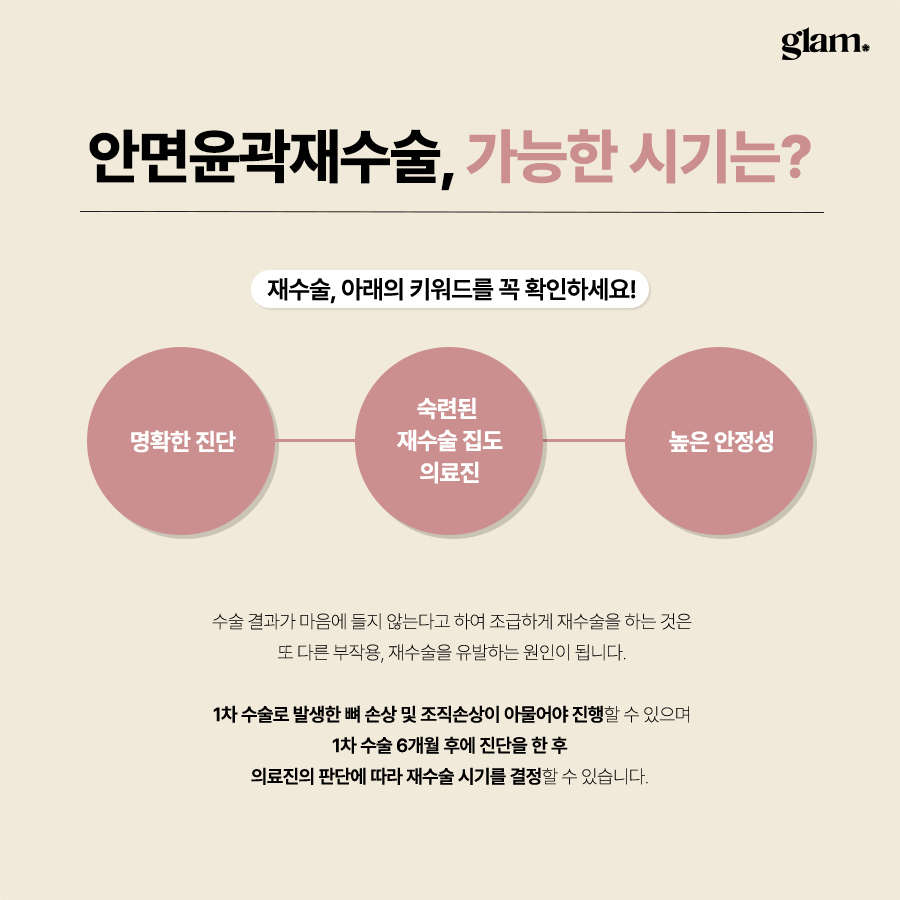
Revision facial contouring is not automatically required for every case of post-contouring sagging. It is usually considered when there are clear structural issues that cannot be corrected by lifting alone.
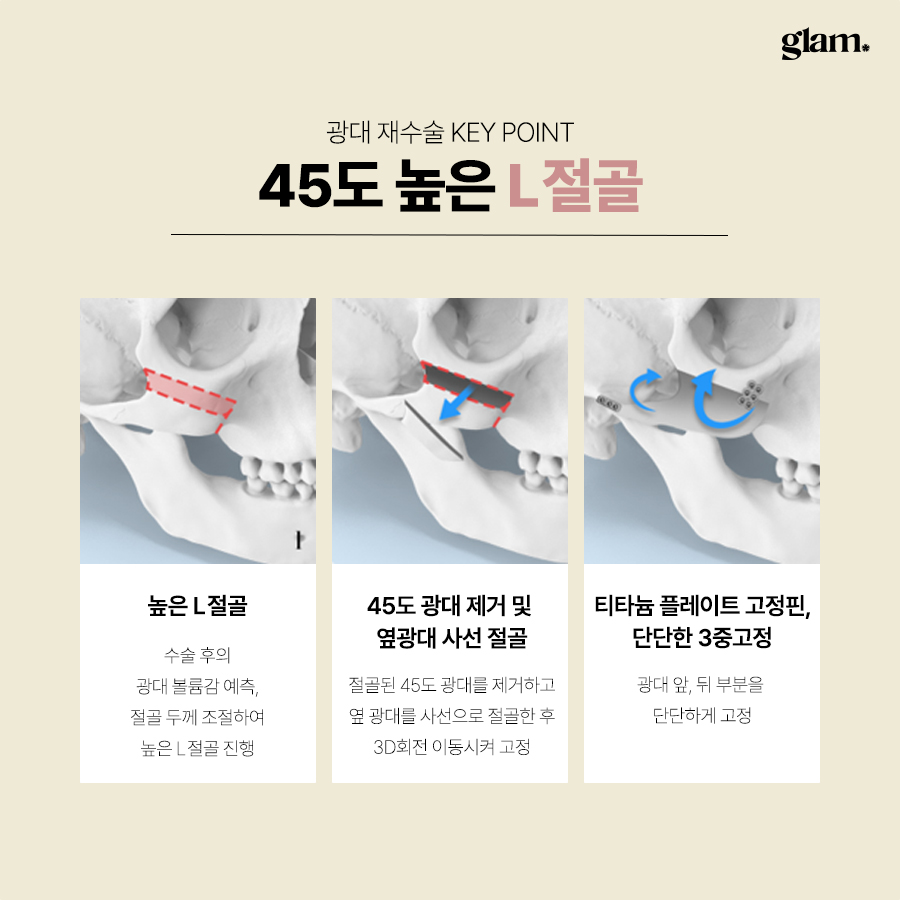
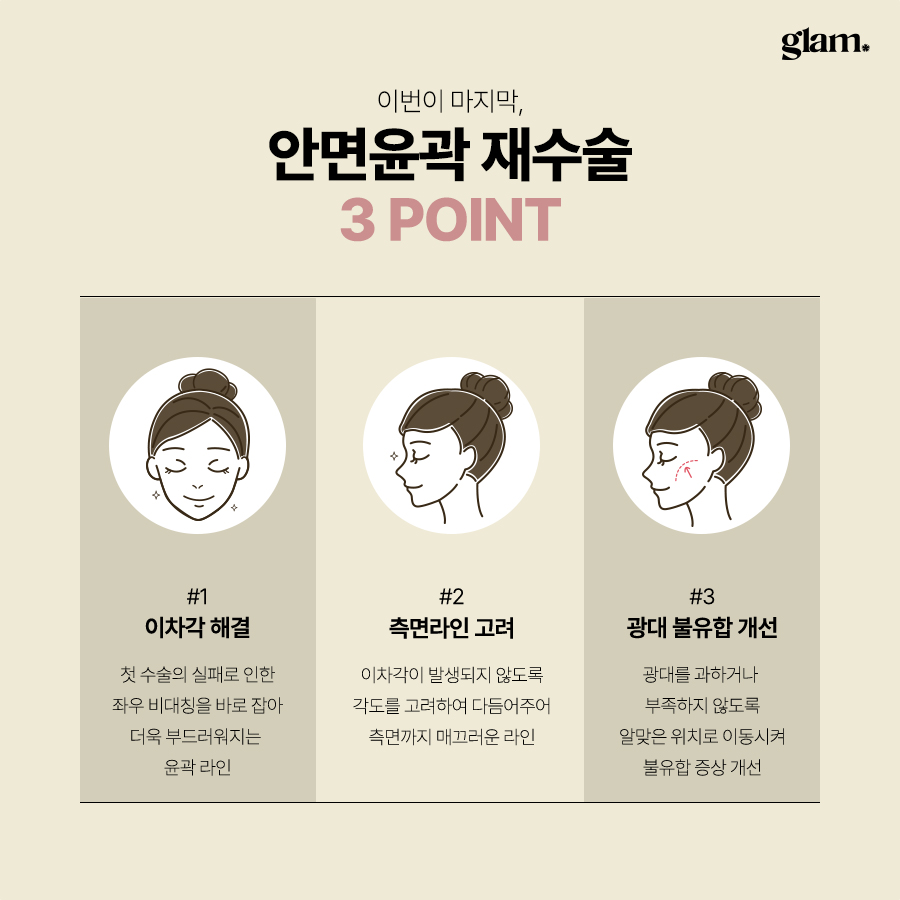
Typical indications for revision bone surgery include severe asymmetry of the jawline or cheekbones, over-resection that causes a very gaunt or hollow appearance, step deformities or irregularities that are visible or palpable, and functional problems such as bite changes or jaw joint discomfort. In these situations, restoring or adjusting the bone framework may be necessary.
Mild to moderate sagging without major bone deformity is often better addressed with lifting procedures, fat or volume restoration, or non-surgical tightening, rather than another bone operation. Repeated bone shaving in a face that is already small or thin can worsen the aged look and reduce long-term stability.
It is also important to wait long enough before deciding on revision. In general, 6–12 months are needed for swelling to settle and tissues to adapt to the new structure. Exceptions include clear complications such as unstable bone segments, major bite problems, or infection, where earlier intervention may be appropriate.
A conservative clinic philosophy is especially important in revision cases. A facial-bone-focused clinic in Gangnam emphasizes recommending only the minimum necessary procedure after thorough evaluation, to avoid unnecessary stress on tissues that have already undergone surgery.
How a facial-bone-focused clinic evaluates sagging after contouring
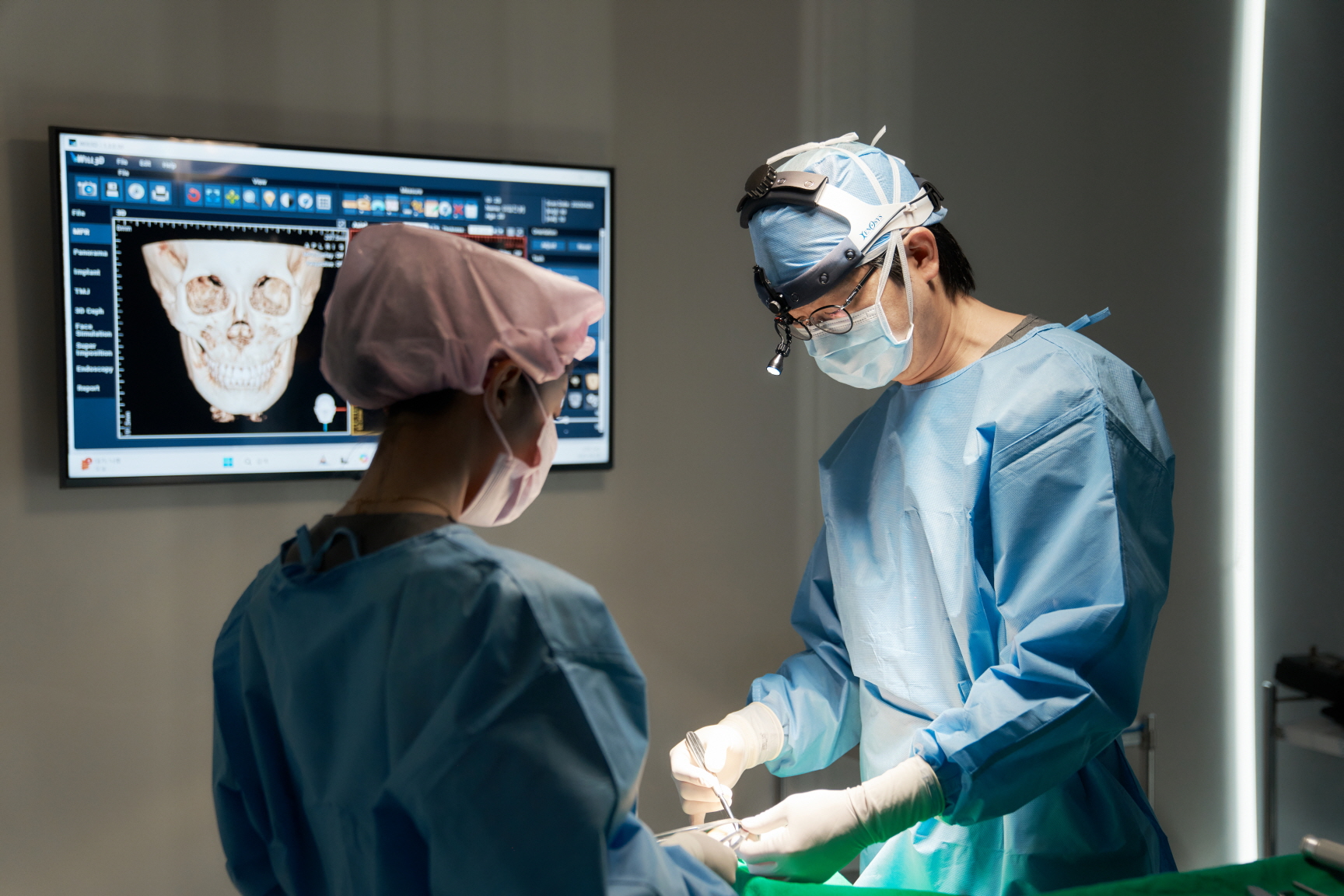
For overseas patients, an accurate diagnosis starts even before you arrive in Korea. The clinic will usually request your previous operation records and imaging if available, such as CT scans or panoramic X-rays. These help the surgeon understand how much bone was removed, where cuts were made, and how the tissues were handled.
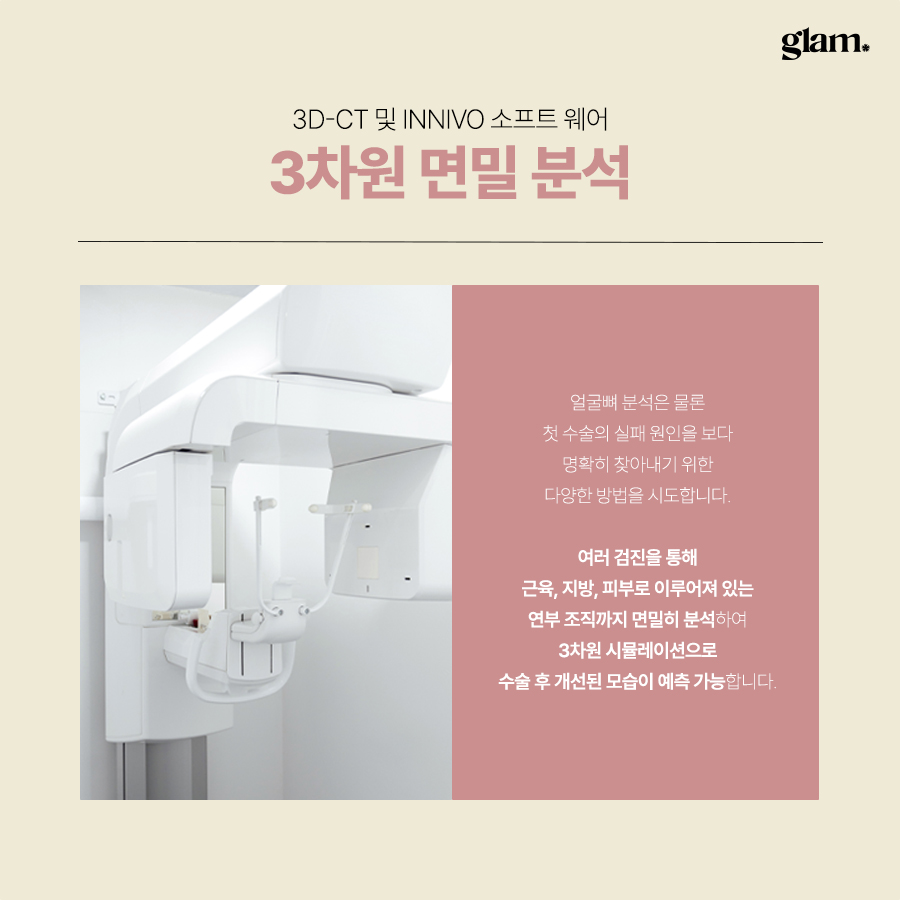
During in-person evaluation, detailed facial bone imaging is performed to assess the current shape and thickness of your jaw and cheekbones. The surgeon will also check your bite and jaw function, including how your teeth meet and whether there is any joint clicking or discomfort. Soft-tissue thickness and skin quality are examined to see how much of the problem is due to bone versus soft tissue.
Because the lineup is limited and does not include other procedures like eye or nose surgery, the entire system is built around facial bone surgery. This allows for more detailed protocols and experience specifically in revision and sagging cases.
Revision options for sagging after facial contouring
Revision treatment plans are highly individual. In many cases, the best result comes from combining limited bone work with soft-tissue management, rather than repeating large bone reductions.
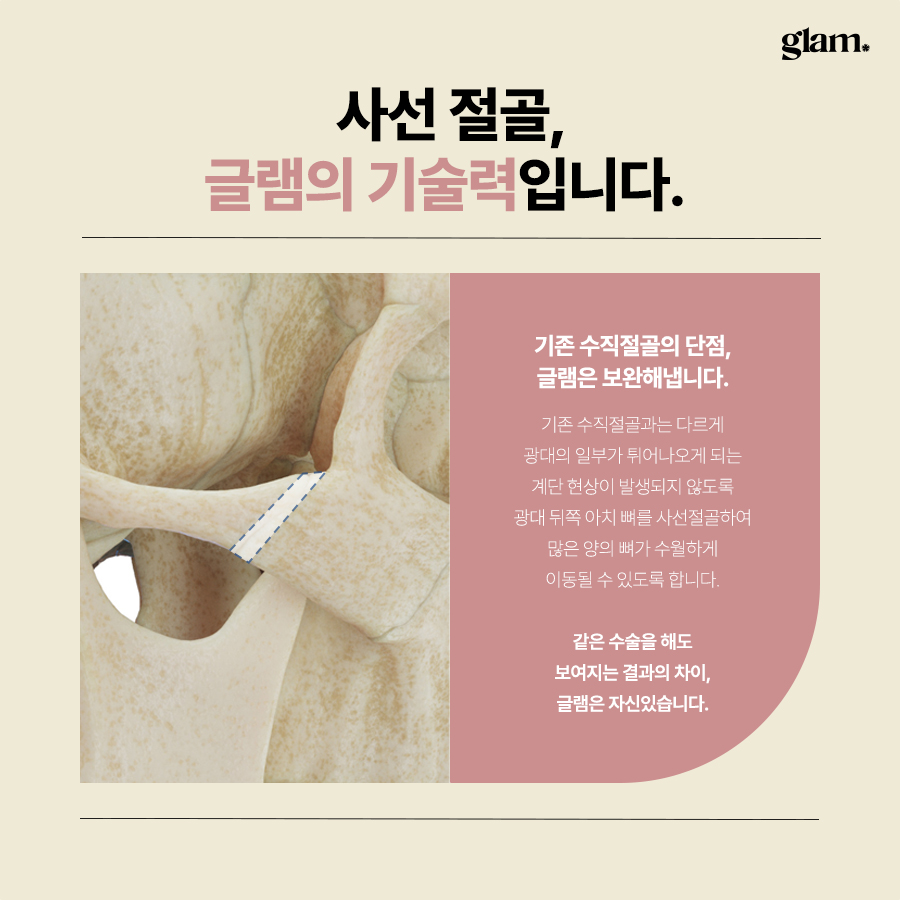
When the bone framework itself is the main problem, revision bone surgery may be recommended. This can include correcting over-resection by repositioning segments where possible, smoothing irregularities, or addressing asymmetry. The goal is not to make the face endlessly smaller, but to restore balanced support so that the soft tissues can sit in a more natural position.
If imaging shows that the bone shape is generally acceptable but the tissues have dropped, lifting procedures may be more appropriate. Midface or lower face lifting can re-suspend the soft tissues and ligaments to a more youthful position. In some cases, this is combined with volume restoration, such as fat grafting, to improve hollow areas.
A combined approach is often used in complex cases: limited bone revision to correct structural issues, plus lifting to address sagging. The key principle is to restore support without unnecessary additional bone removal. Overly aggressive revision can create new problems that are difficult to correct later.
For borderline or mild cases, non-surgical or minor procedures may be suggested. These can include high-frequency lifting devices, skin-tightening treatments, or small-volume restoration to soften hollows. At this clinic, They are not presented as a substitute for necessary revision surgery when structural problems exist.
Safety and anesthesia in revision facial contouring
Revision facial contouring is generally more complex than first-time surgery. Scar tissue from the previous operation can make dissection more difficult, and the anatomy may be altered. Tissues may be less elastic and more fragile. All of these factors increase the importance of careful planning and experienced surgical technique.
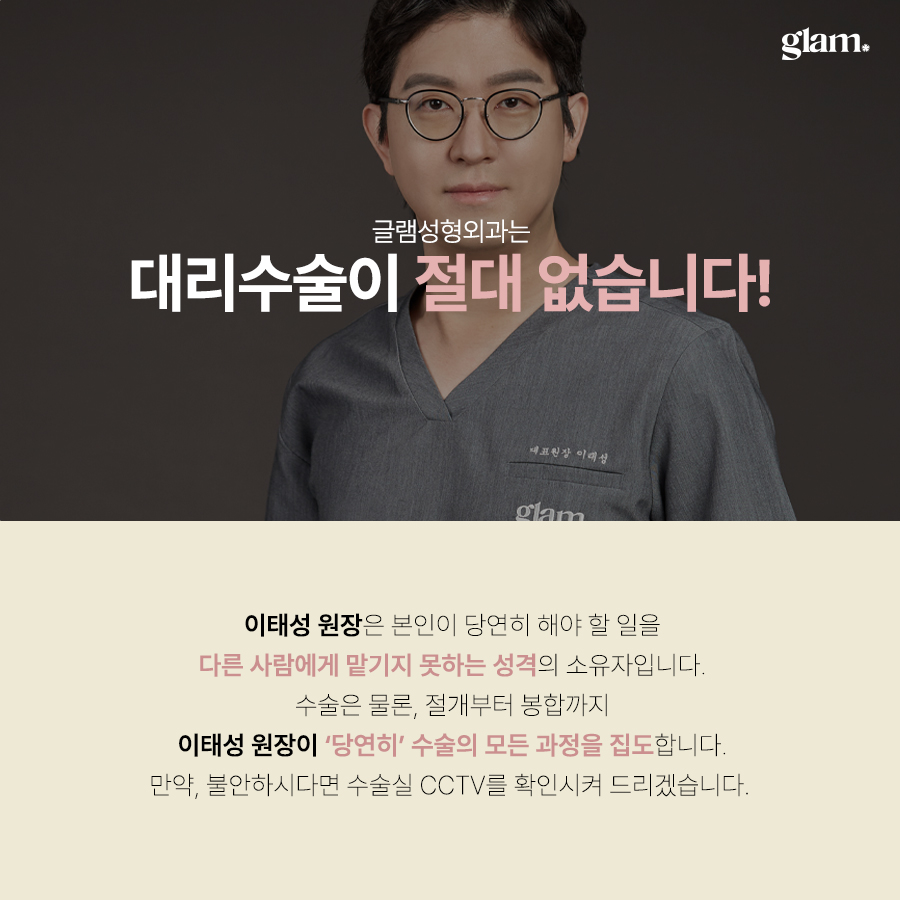
A dedicated anesthesiologist plays a central role in safety. During longer revision procedures, anesthesia needs to be adjusted precisely to maintain stable blood pressure, oxygen levels, and comfort, while allowing the surgeon to work effectively. Continuous monitoring reduces the risk of anesthesia-related complications.
Before any revision, a thorough preoperative evaluation is carried out. This includes review of your medical history, current medications, allergies, and any previous anesthesia experiences. Imaging is used to understand the current bone structure, and your goals are discussed in detail. The surgeon will usually explain what can realistically be improved and what limitations exist, to avoid overcorrection or unrealistic expectations.
The clinic emphasizes avoiding unnecessary additional procedures. In revision cases, more is not always better. Focusing on the true structural problems that need correction, and leaving other areas untouched, often leads to safer and more stable results.
Setting realistic expectations for sagging improvement
Even with well-planned revision, it is important to understand that your face has already undergone surgery and healing. The goal is improvement, not to erase every sign of the past procedure. Revision can often make the contour smoother, reduce sagging, and restore a more balanced, less aged appearance, but it may not recreate a completely never-operated face.
There are also trade-offs to consider. Lifting procedures may involve small scars, usually placed in hidden areas such as around the ear or hairline. In some cases, further bone reduction is not recommended because your bone is already thin, and stability or function must be prioritized over extreme slimming. The surgeon may suggest a slightly fuller but healthier and more stable contour rather than pushing for maximum narrowing.
Recovery after revision is also different from first-time surgery. Swelling and bruising can occur again, and the timeline may be slightly longer due to scar tissue and more complex work. Structured aftercare, including swelling management, gentle massage when appropriate, and skin care, supports healing. The clinic’s post-surgery care programs are designed for this phase, especially for overseas patients who have limited time in Korea.
During consultation, it is helpful to ask about long-term stability, the risk of further sagging, and how the proposed plan aims to minimize future problems. Understanding that some degree of natural aging will continue, even after revision, helps set a realistic outlook.
Who might not be a good candidate for revision contouring?
Not everyone with concerns after facial contouring is a good candidate for revision bone surgery. If your main issue is minor skin laxity or very subtle asymmetry, non-surgical methods or simple lifting may be more appropriate. In such cases, another bone operation could bring more risk than benefit.
Patients with unrealistic expectations, or those who seek repeated surgeries for very small differences, may also not be suitable. Revision surgery has limits, and chasing perfection with multiple operations can lead to more scarring and tissue damage.
In some patients, imaging shows that the bone structure is already thin and well-reduced. Further shaving would risk functional problems, such as weakened jaw strength or long-term instability. In these situations, the surgeon may advise against additional bone reduction and instead focus on soft-tissue management.
A responsible clinic will be honest about these boundaries and may decline unnecessary surgery, even if the patient requests it. This is an important sign that the clinic prioritizes safety and long-term health over short-term demands.
Who may consider revision facial contouring and lifting in Korea?
Overseas patients who may consider visiting Korea for revision facial contouring and lifting often share similar concerns. They have had cheekbone reduction, square jaw surgery, or V-line contouring in the past, either in their home country or abroad, and now feel their lower face looks droopy or older. Some feel that their face has become too long, narrow, or hollow, especially in the midface and cheeks.
Others notice new jowls, marionette lines, or a loss of the sharp jawline they expected. In some cases, there is also asymmetry or irregularity of the bone that becomes more obvious as swelling goes down. These patients are often searching specifically for a clinic that focuses on facial bone revision, not just general aesthetic procedures.
If you recognize yourself in these descriptions and you are willing to travel to Seoul, a consultation at a facial-bone-focused clinic near Sinsa Station on Dosan-daero may be appropriate. However, a careful online pre-evaluation is recommended before you commit to travel.
Online consultation and pre-visit preparation
For international patients, the first step is usually an online consultation. To make this as accurate as possible, you will be asked to provide clear photographs from the front, 45-degree angle, and both sides, taken in good lighting without filters. If you have them, previous CT scans or X-rays and operation records are extremely helpful.
Before your online consultation, it is useful to write down what bothers you most in order of priority: for example, jowls along the jawline, hollow cheeks, asymmetry, or an overall aged impression. Try to describe when you first noticed these changes and how long it has been since your original surgery.
During the online consultation, you can ask whether your case seems to require bone revision, lifting, or a combination, and why. It is also wise to ask about the surgeon’s experience with revision facial contouring, who will manage anesthesia, and what kind of aftercare is available for overseas patients.
Expected Korea visit timeline for revision and lifting
The exact schedule will vary depending on the complexity of your case, but many overseas patients plan around one to two weeks in Korea for revision facial contouring and lifting.
Typically, day 1 is for in-person consultation, detailed imaging, and final planning. You will review the surgical plan, risks, and expected recovery. Surgery is often scheduled for day 2 or 3, allowing some flexibility.
After surgery, the first few days are focused on rest, pain control, and swelling management. You may visit the clinic several times for dressing changes, oral care guidance if needed, and early aftercare treatments such as LED therapy or gentle swelling control.
By around day 7–10, stitches from lifting procedures may be removed, and the surgeon will check your healing and give instructions for care once you return home. While some swelling and bruising may still be visible, most patients can travel back at this stage with appropriate precautions.
If possible, planning a slightly longer stay allows more time for in-clinic aftercare, which can be beneficial for comfort and early recovery.
Aftercare and long-distance follow-up
After you return home, swelling will continue to decrease over several weeks to months. The clinic will usually ask you to send follow-up photos at specific intervals, such as 1 month, 3 months, and 6 months after surgery. This helps the surgeon monitor your progress and answer questions.
You will receive instructions on oral hygiene if intraoral incisions were used, how to sleep and position your head, when you can resume exercise, and what signs of possible complications to watch for. Skin care and sun protection are also important, especially if you had lifting with small external incisions.
If you have access to local practitioners, the clinic may provide a summary of your procedure to share with them, so they can assist with basic wound checks if needed. However, major decisions about further treatment should be discussed with the original surgical team whenever possible.
Consultation checklist for sagging after facial contouring
Before contacting a clinic in Korea, it can be helpful to prepare a checklist. Gather any previous operation records and imaging, and list your main concerns in detail. Note the date and place of your original surgery, and any complications you experienced at that time.
Prepare specific questions, such as: Do I need bone revision, lifting, or both? What are the main risks in my case? How long should I stay in Korea? Who will perform the surgery and who will manage anesthesia? What aftercare is included, and what will I need to arrange in my home country?
When comparing clinics, try not to focus only on cost. Consider the surgeon’s experience in facial bone revision, the presence of a dedicated anesthesiologist, the availability of structured aftercare, and the clinic’s willingness to say no to unnecessary procedures. These factors are especially important for complex revision cases.
FAQ
What is the main cause of sagging after facial contouring surgery?
The main cause is usually loss of bony support combined with changes in soft-tissue attachment. When cheekbones or the jawline are reduced significantly, the framework that holds the soft tissues becomes smaller. If natural ligaments are weakened during surgery and not adequately re-suspended, the tissues can slide downward over time, leading to jowls, marionette lines, or hollow cheeks.
How long should I wait before considering revision for sagging?
In most cases, it is advisable to wait at least 6–12 months after your original facial contouring surgery before deciding on revision, unless there is a clear complication such as infection, unstable bone, or severe bite problems. This waiting period allows swelling to resolve and tissues to adapt. Only then can your surgeon accurately judge how much of your concern is true sagging and what type of treatment is appropriate.

Do I always need another bone surgery if I have sagging?
No, not everyone with sagging after contouring needs another bone operation. If your bone structure is stable and reasonably balanced, and the main issue is soft-tissue descent, lifting procedures or non-surgical treatments may be more suitable. Revision bone surgery is usually reserved for cases with clear structural problems such as severe asymmetry, over-resection, or functional issues.
Is it safe to travel to Korea for revision facial contouring and lifting?
For many overseas patients, traveling to Korea for revision is a realistic option, provided that careful preoperative evaluation and planning are done. Safety depends on your general health, the complexity of your case, and the clinic’s systems, including experienced facial bone surgeons and a full-time anesthesiologist. You should plan enough time for in-person consultation, surgery, early recovery, and at least one postoperative check before flying home.
Call to action for online consultation
If you are experiencing sagging or an aged appearance after facial contouring and are considering revision in Seoul, an online consultation can help clarify your options before you travel. By sharing your photos, previous records, and main concerns, you can receive a preliminary assessment of whether bone revision, lifting, or a combined approach is likely to be recommended. This allows you to plan your visit to Gangnam, near Sinsa Station on Dosan-daero, with more confidence and realistic expectations.




- 공유 링크 만들기
- X
- 이메일
- 기타 앱


댓글
댓글 쓰기