Revision Zygoma Reduction Surgery Guide for Overseas Patients in Seoul
- 공유 링크 만들기
- X
- 이메일
- 기타 앱

What to know before revision zygoma reduction surgery
Revision zygoma reduction surgery is a secondary cheekbone operation performed after a previous zygoma reduction or other facial bone contouring. For many international patients, the idea of another bone surgery is worrying, especially if the first result was disappointing. This guide explains when revision may be considered, what can realistically be improved, and how a focused facial bone center in Gangnam, Seoul, generally approaches safety and planning.
The goal of revision zygoma surgery is usually not a dramatic transformation, but to improve facial balance and function as much as safely possible. Because revision is more complex than first-time surgery, it should be planned conservatively, with careful analysis of the existing bone cuts, plates, and soft tissue condition.
Direct answer summary
Revision zygoma reduction may be considered if you have clear structural problems after your first cheekbone surgery, such as persistent width, asymmetry, step deformities, or functional issues like discomfort when chewing. Treatment typically involves detailed imaging and a personalized, conservative surgical plan that prioritizes safety over aggressive cosmetic change. Many patients can see meaningful improvement, but not every concern can be fully corrected, and sometimes non-surgical options are safer. If you are considering revision, gather your operative records and recent imaging, and arrange a consultation with a facial-bone specialist to determine whether revision is appropriate.
What is revision zygoma reduction surgery
Revision zygoma reduction surgery is a second or even third operation on the cheekbone area after previous facial bone work. It may follow standard zygoma reduction, combined jaw and cheekbone surgery, or other facial contouring that changed the cheekbone structure.
Unlike primary zygoma reduction, the surgeon must work with already altered anatomy. There are existing osteotomy (bone cut) lines, fixation plates and screws, and scar tissue. Nerves and soft tissues may have shifted or been partially damaged, and the amount of remaining bone may be limited.
Because of these factors, revision zygoma surgery is technically more difficult and carries higher risk than first-time surgery. It is not automatically recommended for every dissatisfaction. In some cases, the bone structure is acceptable, and the main problem is soft tissue volume or sagging, which may be better addressed with non-surgical or soft-tissue procedures.
Typical reasons patients seek revision cheekbone surgery
Aesthetic reasons
Many patients seek revision because the visual result of the first surgery does not match their expectations.
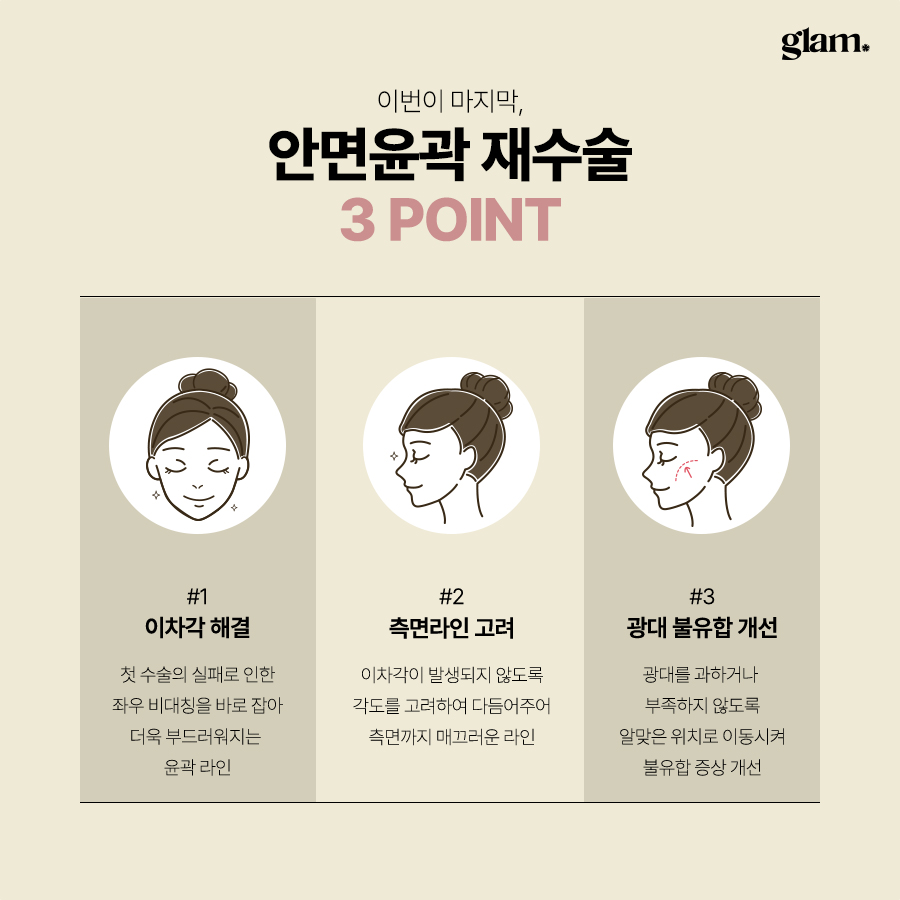
Common aesthetic concerns include cheekbones that still look wide from the front or 45-degree angle, even after reduction. Others feel their cheekbones were over-reduced, leading to hollow, sunken, or aged-looking midface contours.
Asymmetry is another frequent reason. One side may appear more prominent, higher, or flatter than the other. Some patients notice a step deformity or irregular line along the zygomatic arch, especially when light hits the side of the face.
There can also be an unnatural transition between the cheekbone and the midface, creating a flat or dish-like appearance rather than a smooth curve. These issues may be related to bone position, bone volume, or the way soft tissue drapes over the new structure.
Functional and sensory reasons
Not all revision requests are purely cosmetic. Some patients experience discomfort or pain when chewing, especially around the zygomatic arch area. There may be a sense of clicking, instability, or pressure when opening the mouth wide.
Others report numbness or altered sensation in the cheek, upper lip, or side of the nose. This can result from nerve stretching or partial injury during the first surgery. In some cases, plates or screws can irritate surrounding tissues or be felt as bumps under the skin.
Psychological reasons
Psychological distress after unsatisfying facial bone surgery is common. Patients may feel regret, loss of confidence, or anxiety about whether further surgery is even possible or safe.
A structured revision consultation can help clarify whether there is a correctable structural issue, what level of improvement is realistic, and whether the risks of a second operation are justified in your specific situation.
How revision zygoma surgery is evaluated
Preoperative evaluation for revision zygoma reduction surgery is more detailed than for first-time surgery. The aim is to understand exactly what was done before and what is structurally possible now.
Medical history
The surgeon will ask about the type of previous surgery, when and where it was performed, and whether it was combined with other facial bone procedures. Operative records, if available, are very helpful. Previous X-rays or CT scans can show original bone shape and the first osteotomy lines.
You will also be asked about your recovery course, any complications, and current symptoms such as pain, numbness, or chewing difficulty. Sharing this information honestly helps in planning a safer revision.
Physical examination
A careful facial examination looks at symmetry from the front, 45-degree, and side views. The surgeon checks soft tissue thickness, skin quality, and any visible step deformities or depressions.
Mouth opening, bite status, and jaw movement are evaluated to see if there are functional issues involving the jaw joints or muscles. External and intraoral scars are inspected, since scar tissue can affect access and healing.
Imaging and 3D analysis
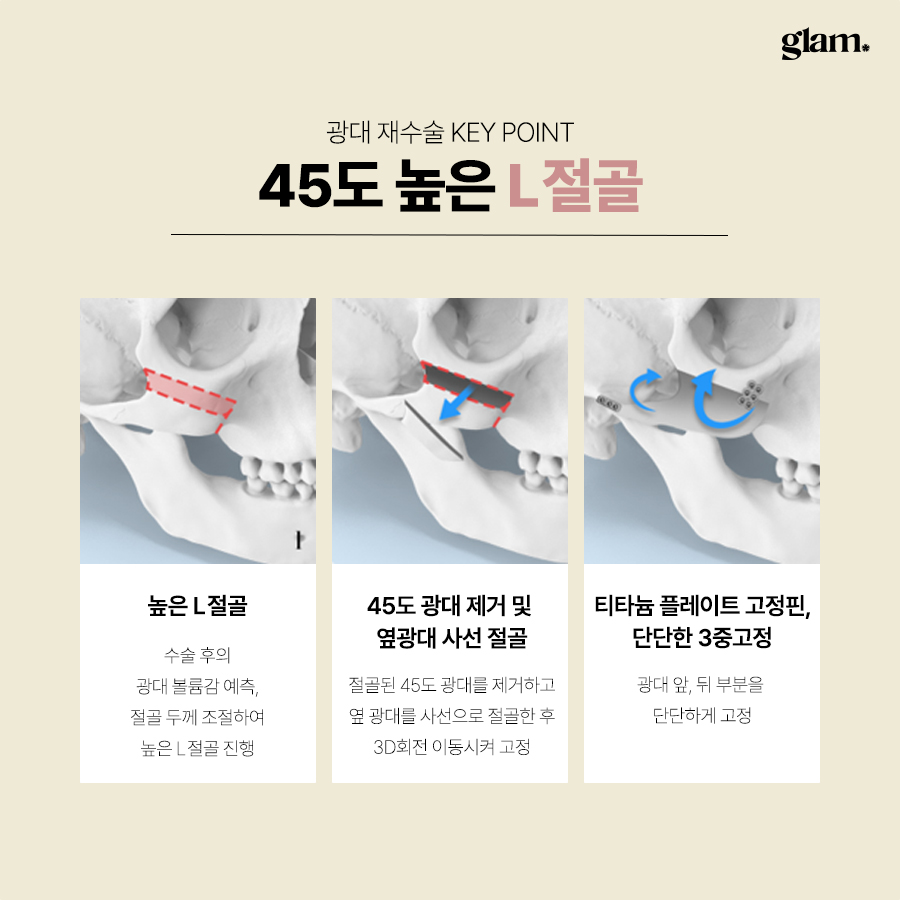
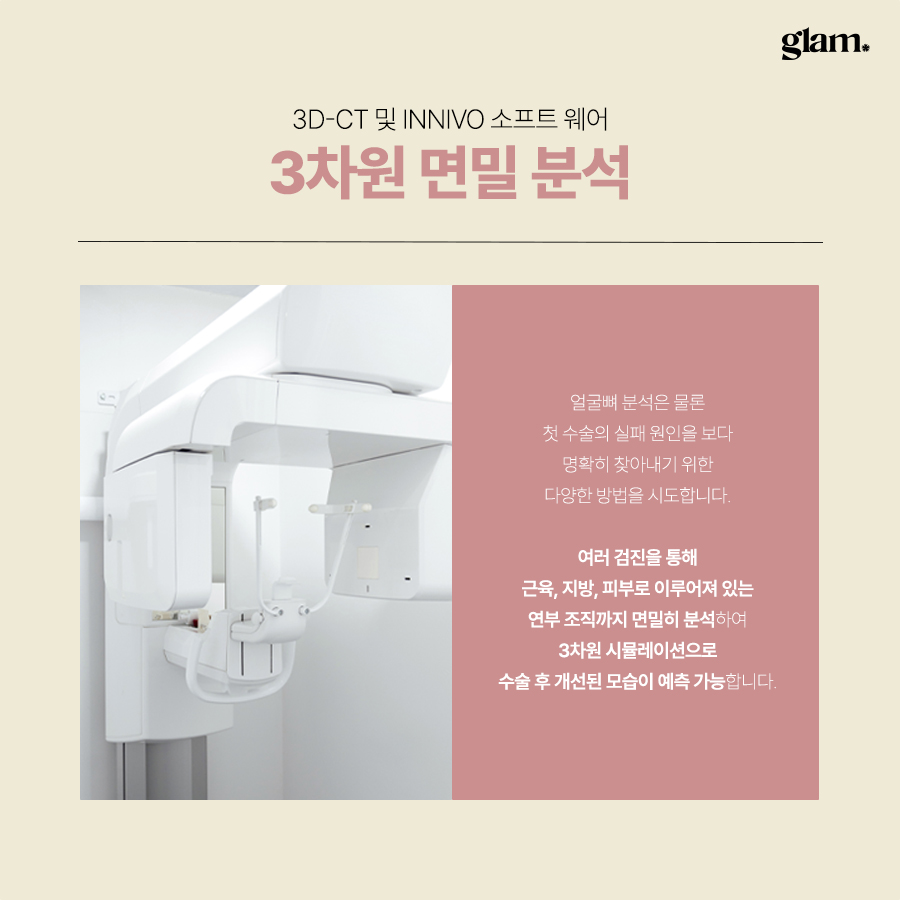
3D CT scans are commonly used and can be very helpful for planning revision zygoma surgery. They can show prior osteotomy lines, bone healing status, and the position of fixation plates and screws, as well as the shape and position of the zygomatic arch and its relationship with the maxilla and temporal bone. Your surgeon will advise whether this imaging is necessary in your individual case.
The scan helps identify the infraorbital nerve pathway and any areas where bone may be too thin or irregular for further reduction. Sinus status is also evaluated, since the maxillary sinus lies close to the cheekbone.
Functional assessment
Chewing function, joint sounds, and any temporomandibular joint symptoms are assessed. Sensory testing checks areas of numbness or altered feeling. These findings are matched with the imaging to understand whether symptoms are likely to improve, remain stable, or potentially worsen with further surgery.
In some cases, after full evaluation, the safest recommendation is to avoid additional bone surgery. If the potential benefit is small and the risk of nerve damage, non-union, or worsening asymmetry is high, conservative management or soft-tissue treatments may be advised instead.
Planning revision zygoma reduction surgery
Revision planning must be individualized. There is no single technique that suits every case.
Key factors in planning
The surgeon considers how much bone was removed or moved in the first operation, where the osteotomy lines are, and how well the bone has healed. The position and type of fixation plates are reviewed.
It is also important to identify whether the main problem is bone position and volume, or whether soft-tissue sagging and volume loss are playing a larger role. Sometimes, a combination of limited bone work and soft-tissue management offers the safest improvement.
Possible revision strategies
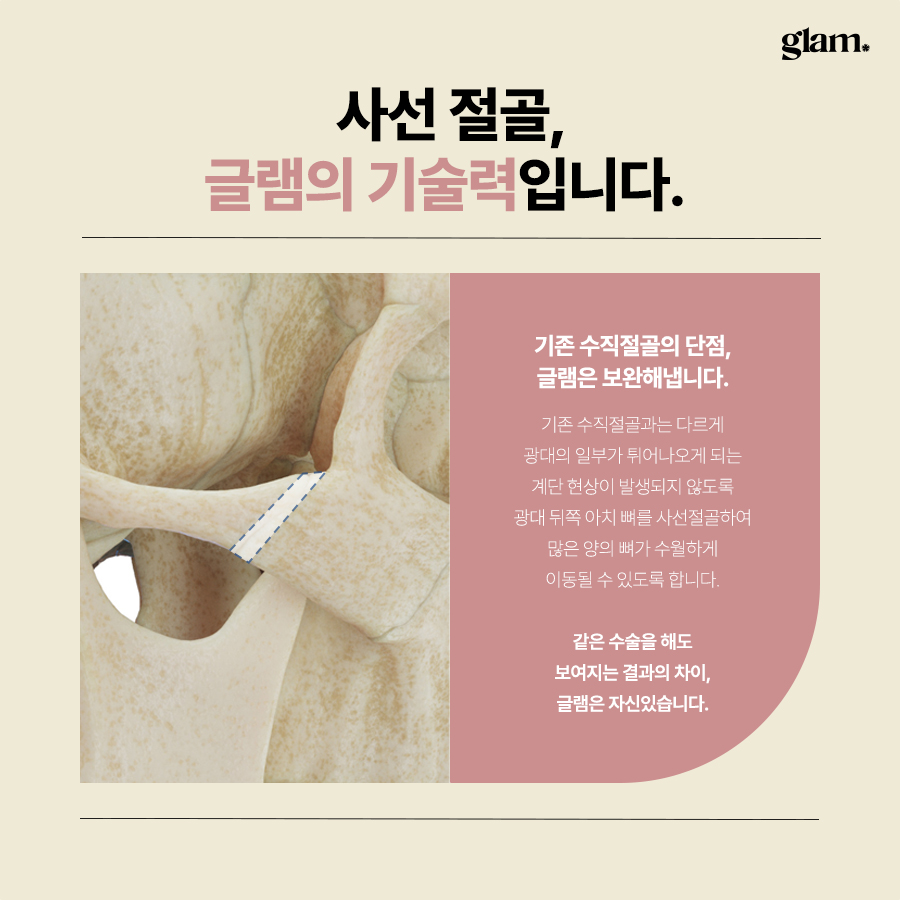
One option is re-osteotomy and repositioning of the zygoma complex. This may be considered when the cheekbone is still too wide or asymmetrical, and the bone volume allows safe new cuts.
In other patients, limited contouring or shaving of irregular bone edges is more appropriate. This can smooth step deformities or reduce small bumps without large structural changes.
For over-reduction with severe hollowing, bone grafts or implants may be considered to restore volume. These options are more complex and carry additional risks, so they are usually reserved for selected cases where benefits clearly outweigh risks.
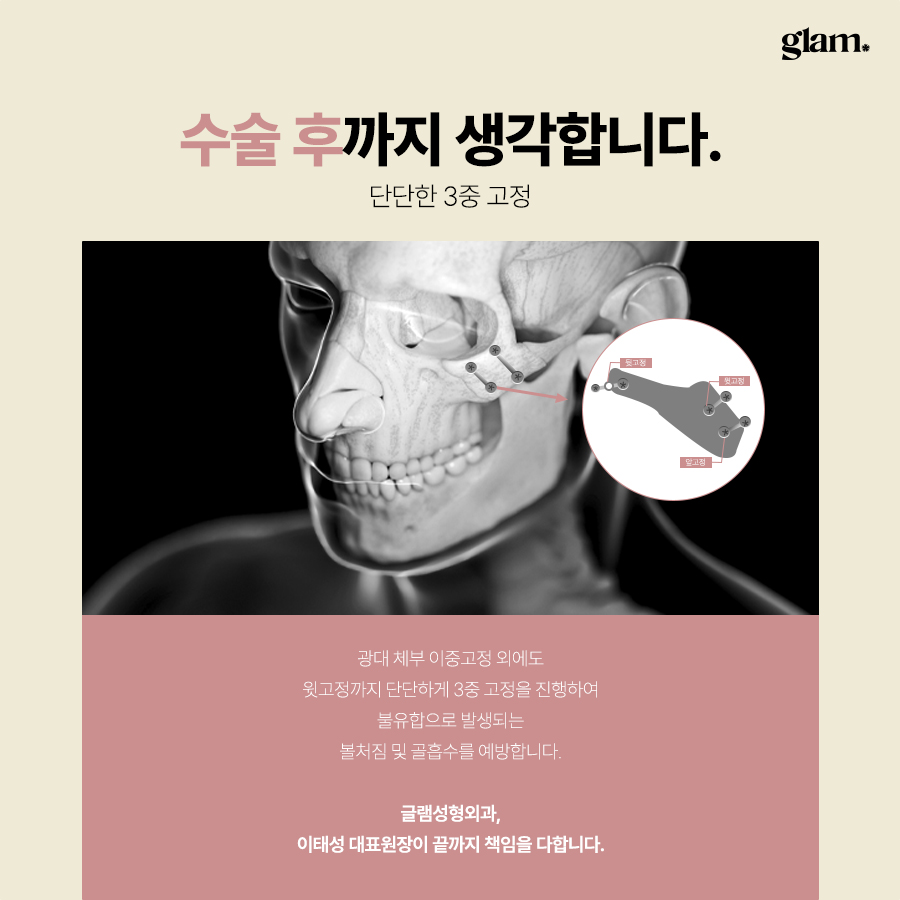
If fixation plates are causing contour problems or discomfort, they may be removed or replaced. Plate removal alone can sometimes improve both appearance and sensation.
Throughout planning, a conservative approach is essential. Structural safety, nerve protection, and chewing function are prioritized over aggressive cosmetic changes.
How revision differs from primary zygoma surgery
Revision zygoma reduction surgery differs from primary surgery in several important ways.
First, there is more scar tissue. This makes dissection and visualization more difficult and increases the risk of bleeding and soft-tissue damage.
Second, the anatomy has changed. The bone is already cut and fixed in a new position, and the nerve pathways may be closer to the surgical field. There is often less freedom to remove additional bone, especially if the first surgery involved significant reduction.
Third, the goals are different. In revision, the focus is often on repositioning, smoothing irregularities, or restoring support rather than large-volume reduction. Even small adjustments may require precise and time-consuming work.
Fourth, the operation time is often longer and technically more delicate. Revision usually requires advanced experience in facial bone surgery and comfort with managing unexpected findings, such as incomplete bone union or unusual plate placement.
Finally, recovery can be slower. Swelling and bruising may be more pronounced and last longer than after first-time surgery, because tissues are being dissected again through scarred planes.
Safety, risks, and realistic expectations
All bone surgery carries risk, and revision zygoma reduction surgery has additional considerations.
Potential risks include worsening or new asymmetry, persistent or increased numbness, incomplete correction of width or contour, infection, and problems related to plates and screws. There is also a risk of soft-tissue sagging or further midface hollowing if bone support is reduced too much.
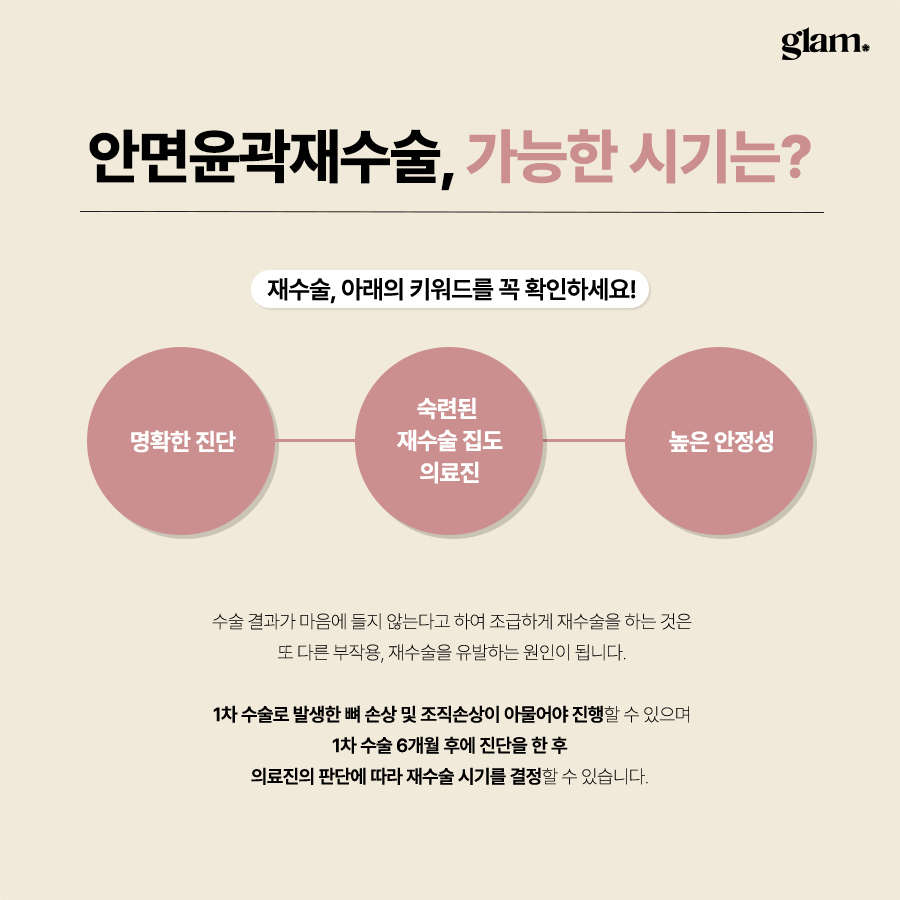
Because of these risks, timing is important. Many surgeons recommend waiting approximately 6 to 12 months after the first zygoma reduction to allow swelling to subside and bone to heal so the true result can be evaluated, but exact timing varies by patient—confirm the appropriate interval with your surgeon.
Expectations should be aligned with reality. Revision surgery aims for improvement, not perfection. Some asymmetry or minor irregularities may remain, and there are anatomical limits to how much change is possible without compromising safety.
Choosing a facial bone focused center in Seoul
For complex revision zygoma reduction surgery, many patients prefer a center that focuses specifically on facial bone surgery rather than a general aesthetic clinic.
In the Gangnam area near Sinsa Station, there are centers that limit their practice to facial bone procedures such as double jaw surgery and facial contouring, including revision cases. This single-focus lineup can support deeper expertise in bone anatomy, osteotomy techniques, and complication management.
Some centers are led by experienced facial bone surgeons who engage in academic work; ask the clinic to provide documentation of their surgeon's credentials and publications if this is important to you.
Direct operation by the representative surgeon, rather than delegation to multiple operators, can help maintain consistency in planning and execution. A philosophy of recommending only the minimum necessary surgery is particularly important in high-risk revision cases, where over-treatment can create new problems.
Many centers provide an anesthesiologist during these procedures; confirm the specific anesthetic staffing and the clinicians' qualifications with your chosen clinic to ensure appropriate monitoring and care.
Anesthesia, operation, and recovery overview
Anesthesia
Revision zygoma reduction surgery is usually performed under general anesthesia. A specialist anesthesiologist monitors vital signs continuously and adjusts anesthesia depth to maintain safety and comfort.
Operation outline
The specific approach depends on your previous surgery and current anatomy, but the general steps are similar.
Incisions are often made inside the mouth, sometimes combined with small external incisions if necessary. The surgeon carefully exposes the previous osteotomy sites and fixation plates through scarred tissue.
Plates and screws are identified and, if needed, removed or repositioned. The planned bone work is then carried out, which may include re-osteotomy and repositioning, limited contouring, or volume restoration.
After achieving the planned position, the bone segments are fixed securely, usually with new plates and screws. The incisions are closed, and drains may be placed depending on the case.
Recovery and aftercare
Swelling and bruising after revision are often more noticeable than after primary surgery. The most significant swelling usually appears in the first week and then gradually improves over several weeks. Residual swelling may take a few months to fully settle.
A soft diet is usually recommended for a period after surgery to reduce strain on the cheekbone and jaw area. Good oral hygiene is important, especially when intraoral incisions are used. You may be asked to use antiseptic mouthwash and to follow specific brushing instructions.
Regular follow-up visits allow the surgeon to monitor healing, remove stitches if needed, and check the stability of the bone segments. Some centers offer post-operative care programs such as LED therapy, facial swelling care, or gentle radiofrequency lifting. These are supportive measures to help reduce swelling and improve comfort, but they do not replace the importance of precise surgical planning and technique.
Who is and is not a good candidate for revision
Good candidates
You may be a good candidate for revision zygoma reduction surgery if imaging shows clear structural problems that match your visible asymmetry or contour issues. Examples include improperly positioned bone segments, step deformities, or persistent width despite previous reduction.
It is also important that enough time has passed since your first surgery for swelling to resolve and bone to heal. In many cases, waiting at least 6 to 12 months is recommended.
Good candidates understand that revision aims for improvement and that some limitations exist. They are prepared for a careful, conservative plan rather than a promise of a completely new face.
Not ideal candidates
Revision may not be suitable if your dissatisfaction is mainly due to unrealistic expectations rather than an objective structural problem. In such cases, further bone surgery may not provide the emotional relief you are seeking.
Patients with severe scarring, poor bone quality, or medical conditions that increase surgical risk may also be advised against revision. Likewise, if a large additional reduction is requested when bone has already been significantly removed, the risk of deformity or functional problems may be too high.
For some patients, non-surgical options such as volume restoration, skin tightening, or other soft-tissue treatments may provide a safer way to improve appearance without further bone cutting.
Preparing for an online consultation and visit to Korea
Before traveling to Seoul, an online consultation can help determine whether revision zygoma reduction surgery is likely to be appropriate for you.
For a productive online consultation, it is helpful to prepare recent photos from multiple angles, any previous CT or X-ray images, and your operative records if you have them. Writing down your main concerns and goals in simple, prioritized points can also clarify the discussion.
During the consultation, you can ask about the likely cause of your current problem, whether bone revision is truly necessary, and what level of improvement is realistically expected. You can also discuss timing, estimated recovery, and how long you should plan to stay in Korea.
Expected Korea visit timeline
For overseas patients, a common schedule for revision zygoma reduction surgery in Seoul might look like this, although it can vary by case.
You may arrive in Korea a few days before surgery for in-person consultation, physical examination, and 3D CT scanning. This allows final confirmation of the plan and discussion of any adjustments.
Surgery is usually done as a one-day procedure under general anesthesia, with a short observation period afterward. Some patients stay one night in the clinic depending on the center’s protocol and the complexity of the surgery.
Many patients who travel for surgery are advised to plan for an initial postoperative stay of around 10 to 14 days to allow for early follow-up visits, stitch removal if needed, and early healing checks, but exact recommendations vary by case—confirm the suggested timeline with your surgeon before travel. If there are concerns about swelling, bruising, or bite changes, additional follow-ups may be scheduled.
Aftercare once you return home
When you return to your home country, you will continue recovery on your own, so clear written instructions are important. These usually include guidance on diet progression, oral hygiene, physical activity, and signs of possible complications that should prompt medical attention.
You may be asked to send follow-up photos or imaging at certain intervals so the surgeon in Seoul can monitor your progress remotely. If you have a local doctor, sharing your operative summary with them can help coordinate care if any issues arise.
Non-surgical alternatives when bone revision is not ideal
If imaging shows that further bone cutting is unsafe or unlikely to help, non-surgical or soft-tissue approaches may be considered.
These can include volume restoration in hollow areas, skin tightening for sagging, or other treatments aimed at improving the way soft tissue lies over the existing bone. While these options cannot change bone structure, they may soften harsh lines or reduce the appearance of hollowness.
It is important to understand that such treatments are supportive. They are not a substitute for correctly positioned bone, but they may be a reasonable compromise when the risks of revision zygoma reduction surgery are too high.
Frequently asked questions about revision zygoma reduction surgery
How long should I wait after my first zygoma reduction before considering revision
In most cases, it is advisable to wait at least 6 to 12 months after your first cheekbone surgery before seriously considering revision. This allows swelling to fully resolve and bone to complete its main healing phase.
If you evaluate too early, you may misinterpret temporary swelling or tightness as a permanent problem. Waiting also gives nerves more time to recover, which is important for judging whether additional surgery is worth the risk.
Can revision zygoma surgery completely fix asymmetry or over-reduction
Revision zygoma reduction surgery can often improve asymmetry or contour problems, but complete correction is not always possible. The existing bone cuts, plate positions, and amount of remaining bone limit how much change can be safely made.
For over-reduction with severe hollowing, volume restoration using grafts or implants may help, but these methods also have their own risks. The realistic goal is usually a noticeable improvement in balance rather than a perfectly symmetrical or completely new facial structure.
Is revision more dangerous than the first surgery What specific risks should I know about
Revision zygoma surgery generally carries higher risk than primary surgery because of scar tissue, altered anatomy, and reduced bone volume. There is a greater chance of nerve injury, prolonged numbness, and difficulty achieving ideal symmetry.
Other risks include infection, delayed bone healing, problems with plates and screws, and possible worsening of soft-tissue sagging if too much support is removed. Discussing your individual risk profile with a facial bone focused surgeon is essential before deciding.
How do you check whether revision is actually possible in my case
The decision is based on a combination of your history, physical examination, and detailed imaging, usually including a 3D CT scan. The surgeon looks at the previous osteotomy lines, bone healing, plate positions, and the relationship between the cheekbone, maxilla, and surrounding structures.
Your symptoms and visual concerns are then matched with these findings. If there is a clear structural cause that can be safely addressed, revision may be recommended. If not, non-surgical options or simple observation may be safer.
Will I look more swollen or bruised than after my first surgery How long will it last
Many patients experience more swelling and sometimes more bruising after revision than after their first zygoma surgery. This is because tissues are being re-opened and dissected through scarred planes.

The most intense swelling usually occurs in the first week and gradually improves over the next few weeks. Residual swelling can persist for several months, and the final contour may not be fully visible until 6 months or more after surgery.
Are there non-surgical options if bone revision is too risky
Yes, if further bone surgery is considered too risky or unlikely to help, non-surgical or soft-tissue options may be discussed. These can include treatments aimed at restoring volume in hollow areas or tightening sagging tissues.
While these approaches cannot change the underlying bone, they may improve overall facial balance and soften harsh lines. Your surgeon can explain which, if any, of these options are suitable for your specific situation.
Soft call to action for online consultation
If you are an overseas patient considering revision zygoma reduction surgery in Seoul, an online consultation can be a safe first step. By sharing your photos, imaging, and previous records, you can receive a realistic assessment of whether revision is appropriate and what level of improvement is possible.
A focused facial bone center in the Gangnam area near Sinsa Station can guide you through evaluation, planning, and the expected treatment schedule in Korea, so you can make an informed decision before booking your trip.



- 공유 링크 만들기
- X
- 이메일
- 기타 앱


댓글
댓글 쓰기