Revision Front Cheekbone Surgery in Seoul: Guide for Previous Cheekbone Patients
- 공유 링크 만들기
- X
- 이메일
- 기타 앱
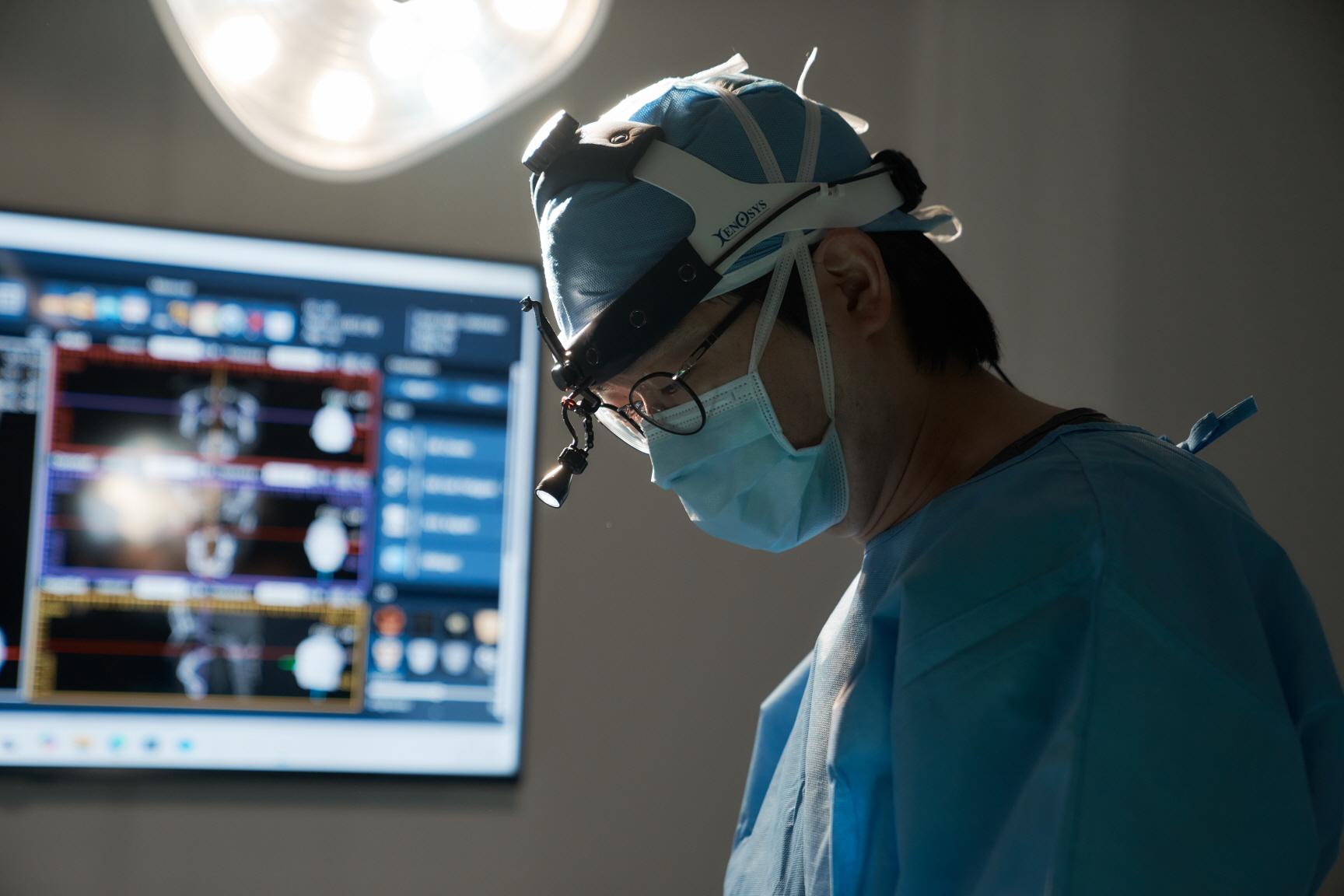
Direct answer summary
Revision front cheekbone surgery, also called revision anterior zygoma contouring, is a type of revision facial bone surgery for people who already had cheekbone reduction or facial contouring and are unhappy with how the front part of the cheekbone looks. It can address a flat or sunken midface after over‑reduction, persistent protrusion, asymmetry between left and right, step deformities or visible lines, and disharmony with the temples or under‑eye area. It is not a simple filler or thread procedure, but a carefully planned bone operation.
At a facial bone–focused clinic in Gangnam, Seoul, near Sinsa Station, revision cases are evaluated with detailed consultation and 3D imaging, and the representative board‑certified plastic surgeon with long experience in facial bone surgery personally plans and performs the operation. The aim is to correct only what is necessary, using conservative, safe methods rather than aggressive resection.
Overview of revision front cheekbone surgery
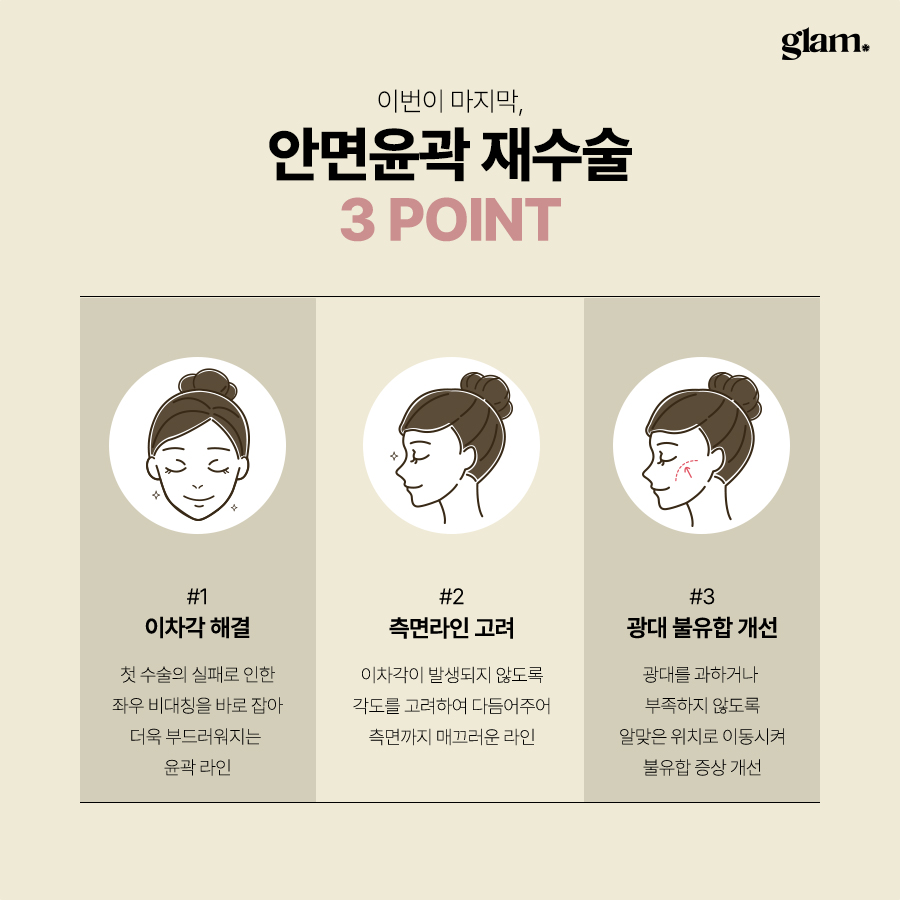
Revision front cheekbone surgery focuses on the anterior zygoma, the front part of the cheekbone that shapes the 45‑degree view and midface volume. Unlike primary cheekbone reduction, revision surgery must work with bone that has already been cut, fixed with plates, and healed in a new position. Scar tissue, altered anatomy, and previous bone loss all need to be considered.
Revision procedures may involve repositioning previous bone segments, adding limited further reduction, rebuilding over‑reduced areas with grafts or implants, and smoothing step deformities. Sometimes it is combined with revision of the jawline or chin to restore overall balance.
Because of the complexity and the permanent nature of bone changes, revision front cheekbone surgery is usually considered only after careful diagnosis and when non‑surgical options cannot reasonably solve the problem.
Who may consider revision front cheekbone surgery
You may be a candidate for revision anterior zygoma contouring if you have already undergone cheekbone reduction or facial contouring and now notice one or more of the following after swelling has settled:
A flat or sunken midface
The 45‑degree angle view looks flat or hollow.
The area under the eyes appears sunken or aged.
The cheeks seem to have lost youthful volume after over‑reduction.
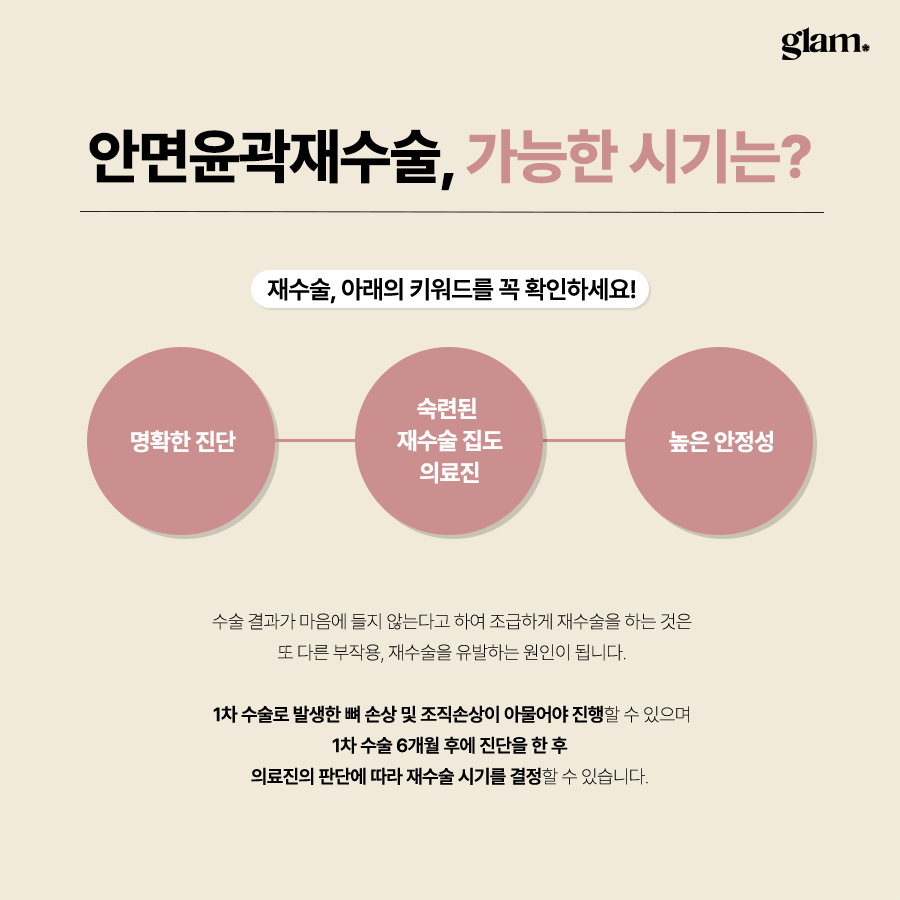
Persistent protrusion
The front cheekbones still look wide or prominent from the front or 45‑degree view.
You feel the original concern about cheekbone width was not adequately corrected.
Asymmetry
One side looks flatter and the other more projected.
The cheekbones look different in photos, especially in three‑quarter view.
Step deformity or irregular contour
You can see or feel a line, bump, or indentation where the bone was cut and fixed.
There is an unnatural shadow or break in the curve of the cheek.
Functional or sensory concerns
Discomfort or tightness when chewing.
Numbness, tingling, or altered sensation in the cheek or upper lip area.
Not everyone with these concerns will need or benefit from another bone operation. In some cases, subtle asymmetry or mild hollowness can be improved with non‑surgical camouflage, and sometimes the safest choice is no further surgery.
Understanding the front cheekbone and why first surgery can fail
Role of the anterior zygoma
The anterior zygoma is the front portion of the cheekbone, closer to the nose and under‑eye area. It plays a key role in:
Facial width from the front.
The soft, rounded contour seen at a 45‑degree angle.
Midface volume that supports the lower eyelid and under‑eye region.
When this area is well balanced, the face tends to look smooth and harmonious from all angles. When it is over‑reduced, under‑corrected, or misaligned, the face can look aged, flat, or uneven.
Typical issues after primary cheekbone or contouring surgery
Over‑reduction
Too much bone removed or moved inward can lead to:
A sunken or tired look.
Flat 45‑degree angle with loss of natural cheek highlight.
Hollowing under the eyes and along the midface.
Under‑correction
If the bone was not moved enough or only the side portion was addressed, you may still see:
Wide front cheekbones from the front view.
Persistent protrusion at the front zygoma despite some change at the side.
Asymmetry
Differences in bone cuts, healing, or fixation can cause:
One cheekbone to sit higher, lower, more inward, or more outward.
Visible asymmetry in photos or when smiling.
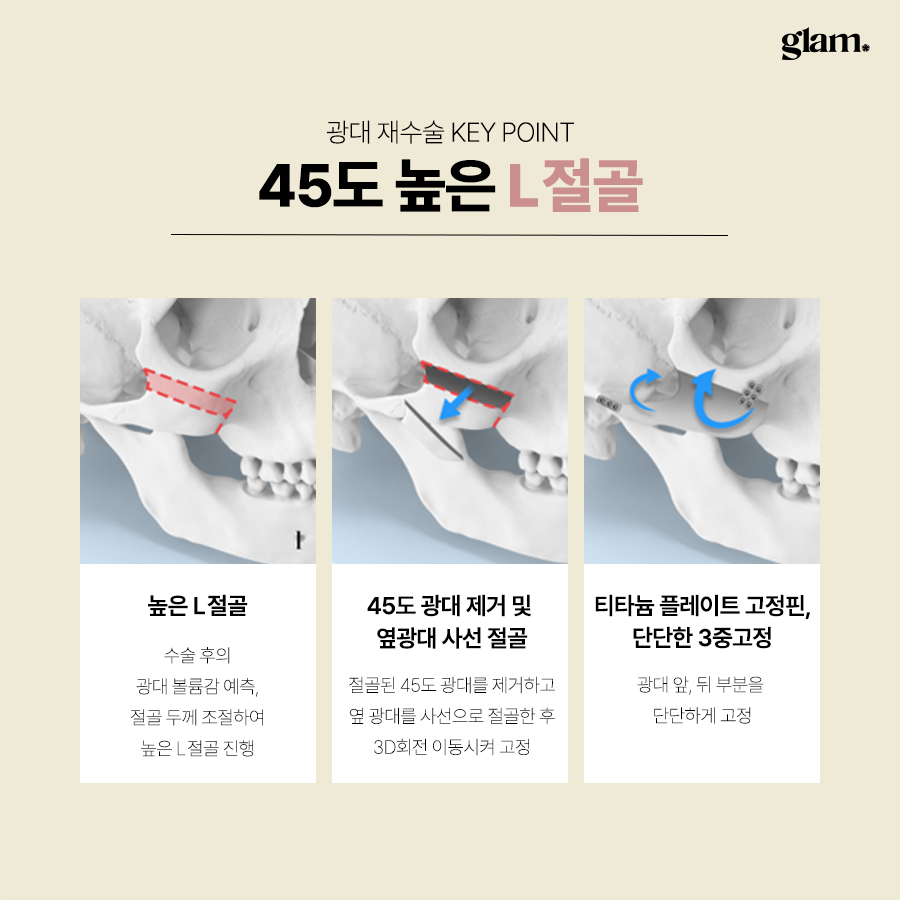
Step deformity and irregular contour
If the transition between the moved segment and remaining bone is not smooth, you may notice:
A palpable step or ridge.
A visible line or dent that catches light or shadow.
Functional issues
In some cases, patients experience:
Chewing discomfort or tightness.
Nerve‑related symptoms like numbness or tingling.
These symptoms need proper evaluation, as they may or may not require revision surgery.
Revision is not always about cutting again. A responsible facial bone surgeon will first determine whether further bone work is likely to improve both safety and aesthetics, or whether conservative measures are more appropriate.
When to consider revision front cheekbone surgery
Appropriate timing
The face needs time to heal and settle after the first operation. In most cases, it is recommended to wait at least 6 to 12 months before making a final judgment about the result. Swelling, soft tissue adaptation, and nerve recovery can change the appearance significantly during this period.
Indications for revision
Revision front cheekbone surgery may be considered when:
Clear dissatisfaction with shape or symmetry persists after full healing.
Imaging shows structural problems such as malpositioned segments, excessive step, or poor bone contact.
There is aesthetic disharmony between the front cheekbone, side cheekbone, jawline, and chin that cannot be addressed by minor, non‑surgical methods.
Contraindications and caution
Revision surgery may not be suitable, or may require extra caution, in the following situations:
Unrealistic expectations, such as wanting a completely different face shape that cannot be safely achieved with bone surgery.
Poor bone quality or significant medical conditions that increase surgical risk.
Psychological factors where surgery is unlikely to improve overall satisfaction.
A careful surgeon will discuss not only what can be changed, but also what cannot be safely altered, and may advise against further surgery if the risks outweigh the benefits.
Diagnostic process and planning at a facial bone–focused clinic
Initial consultation
At a facial bone–focused clinic in Gangnam near Sinsa Station, the revision process begins with a detailed consultation. The representative board‑certified plastic surgeon, who has around 20 years of experience in facial bone surgery and multiple SCI‑level publications, personally meets patients to:
Review what surgery was done, where, and when.
Check any available operative records or previous imaging.
Listen carefully to what bothers you most in daily life and in photos.
Clinical examination
A clinical examination usually includes:
Assessment of facial symmetry from front, 45‑degree, and side views.
Evaluation of soft tissue thickness and skin quality.
Inspection of intraoral or scalp scars from previous surgery.
Check of bite, jaw function, and any areas of tenderness.
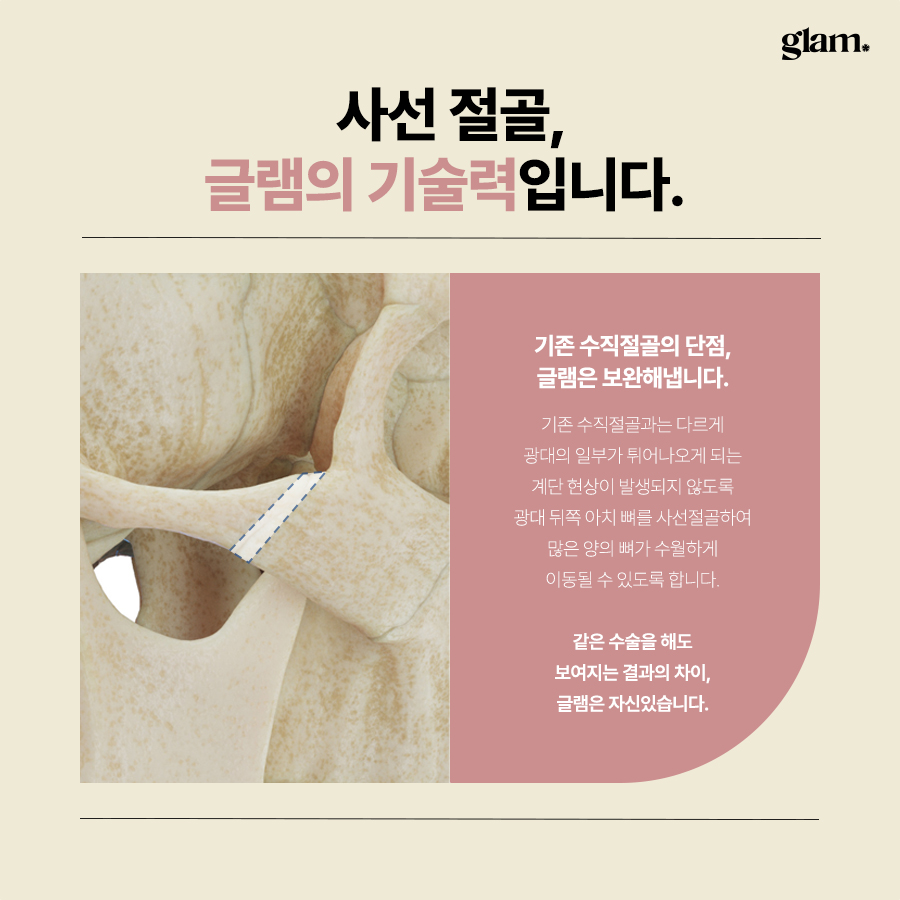
Imaging and analysis
For revision bone surgery, imaging is essential. The clinic typically uses:
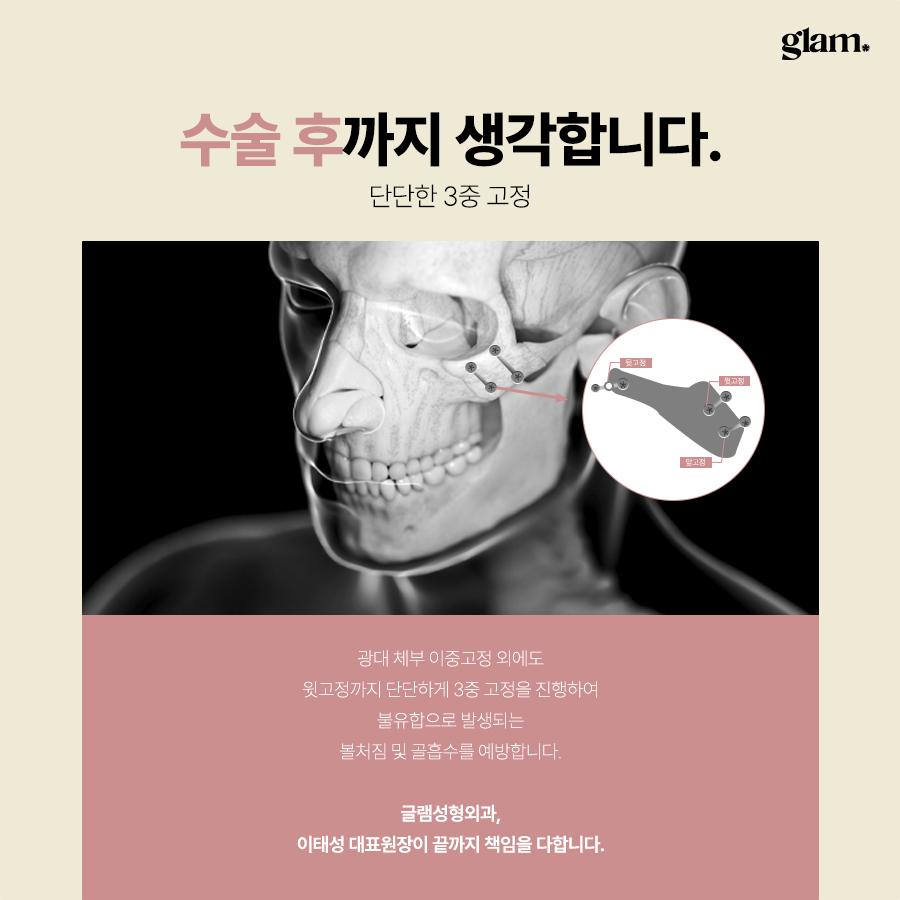
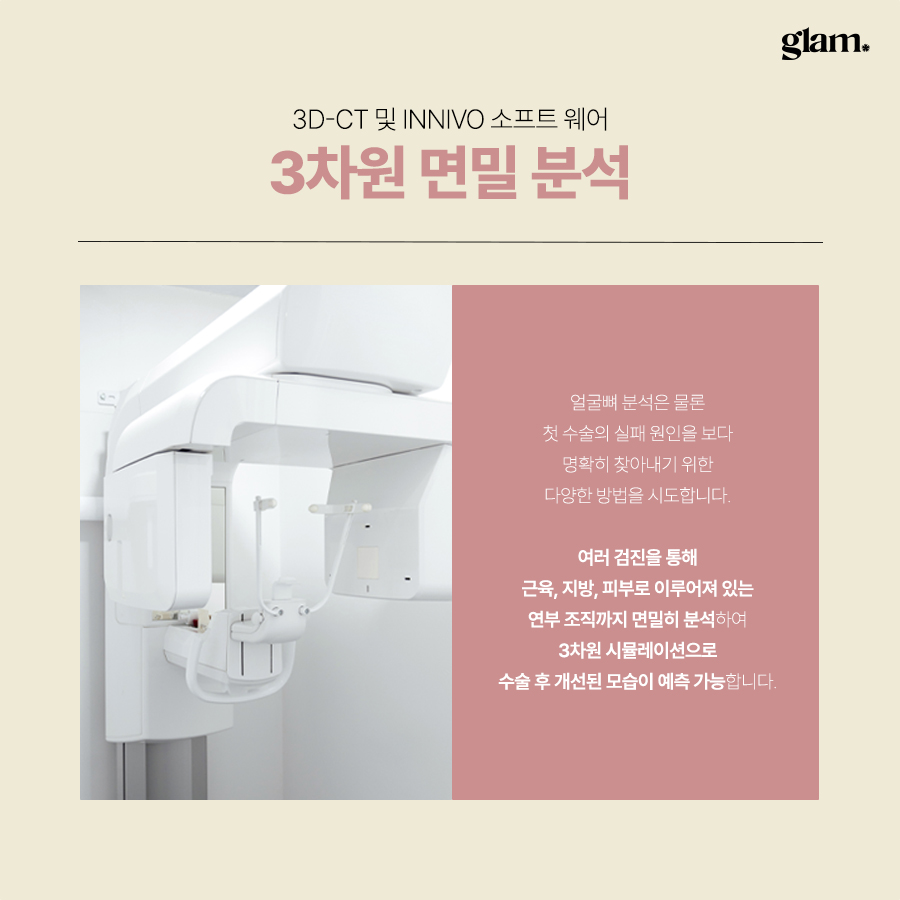
Facial X‑rays and 3D CT scans to see previous bone cuts, fixation plates, bone healing, and nerve pathways.
Aesthetic analysis of the face in multiple views to understand how the cheekbones interact with the forehead, nose, jawline, and chin.
Because the clinic focuses only on facial bone surgery, experience from double jaw and other contouring cases can be applied to revision planning. This helps in predicting how changes in the front cheekbone will affect the rest of the face.
Personalized planning
There is no standard formula for revision anterior zygoma contouring. Each plan is customized based on:
How much bone was removed or moved previously.
Where the fixation plates are located.
The current bone shape and soft tissue response.
Your goals and tolerance for downtime and risk.
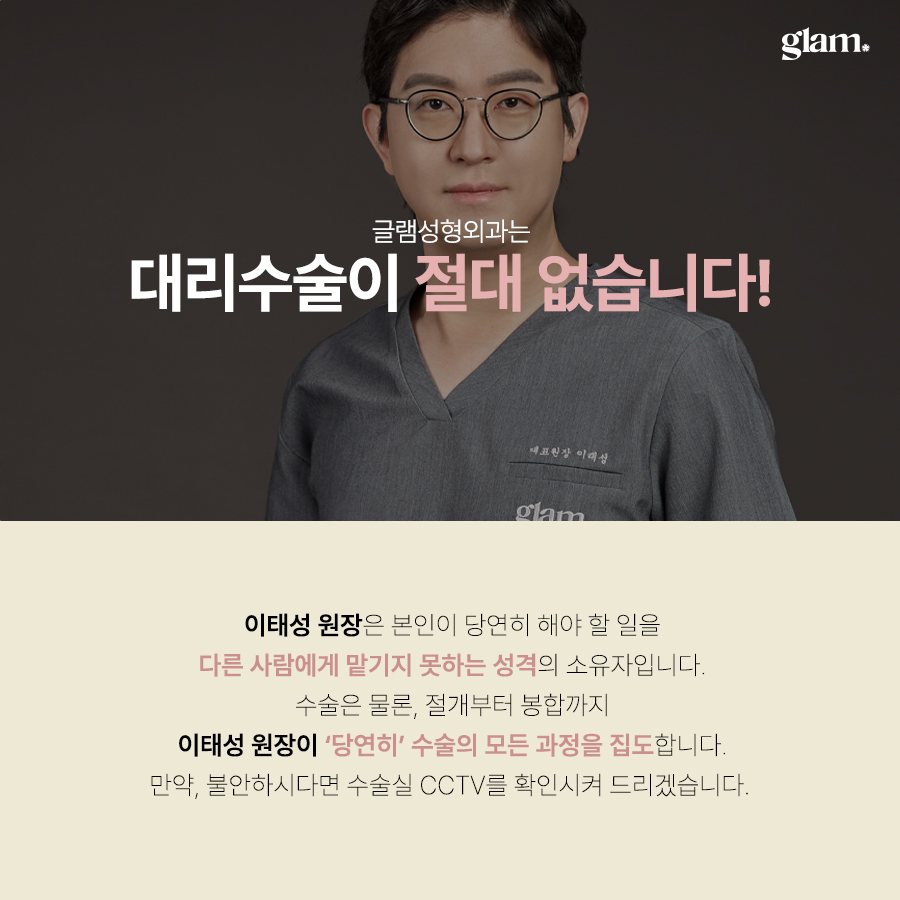
The representative surgeon, not a junior doctor, creates and explains the surgical plan, including realistic expectations and possible limitations.
Types of revision front cheekbone procedures
Repositioning of cheekbone segments
If previous bone segments have healed in an unfavorable position or rotation, revision may involve:
Re‑entering through previous incisions when possible.
Releasing or removing old fixation plates and screws.
Re‑cutting and repositioning the bone segment to a more harmonious location.
Refixating the bone with stable fixation.
This approach is often used when asymmetry or malposition is the main issue.
Additional reduction or contouring
For under‑corrected cases where the front cheekbone still appears wide, limited additional reduction may be considered. Important points include:
The amount of further reduction is restricted by bone stability and soft tissue support.
Over‑aggressive resection can lead to a sunken or aged appearance, so conservative planning is essential.
Augmentation or reconstruction for over‑reduction
When the midface looks flat or hollow due to excessive bone removal, revision may focus on rebuilding volume. Options can include:
Bone grafts from another area.
Biocompatible implants designed to restore contour.
The goal is not to create a bulky cheek, but to restore natural curvature and support for the under‑eye area.
Correction of step deformity and irregularities
If a visible step or irregular contour is the main concern, surgery may involve:
Smoothing transitions between bone segments.
Adjusting or changing fixation.
Balancing both sides to reduce visible lines or dents.
Combined revision with other contouring areas
Sometimes, the problem is not only the cheekbone but the overall facial balance. In such cases, revision front cheekbone surgery may be combined with:
Jawline revision.
Chin contouring revision.
The aim is to create a balanced lower and midface, rather than focusing only on one bone segment in isolation.
Safety, anesthesia, and intra‑operative management
Why revision is more complex
Revision facial bone surgery is generally more demanding than primary surgery because:
Scar tissue makes dissection more difficult.
Anatomy is altered, and landmarks may be less clear.
Existing plates, screws, and previous bone cuts must be navigated safely.
These factors increase the importance of careful planning and experienced surgical technique.
Role of the anesthesiologist
At this clinic, a board‑certified anesthesiologist is dedicated to anesthesia and monitoring. Their role includes:
Pre‑operative assessment of general health and anesthesia risk.
Planning safe anesthesia tailored to the length and complexity of the surgery.
Continuous monitoring of breathing, circulation, and depth of anesthesia during the operation.
This allows the surgeon to focus fully on the bone work while the anesthesiologist manages airway stability and bleeding control, which are especially important in revision bone surgery.
Recovery, swelling, and post‑operative care
Typical recovery timeline
Recovery after revision front cheekbone surgery can be slightly longer than after primary surgery, due to scar tissue and more complex work. A general outline is:
Immediate post‑operative period
Swelling, bruising, and tightness around the cheeks and under‑eye area are common.
You may stay in the clinic for monitoring for a short period, depending on the extent of surgery.
First 1–2 weeks
Major swelling and bruising gradually decrease.
A soft diet is often recommended to reduce strain on the facial bones.
Oral hygiene and wound care are important if intraoral incisions were used.
1–3 months
Most visible swelling subsides.
The cheek contour becomes clearer, though subtle changes continue.
6–12 months
Final results are usually evaluated in this period.
Soft tissues fully adapt to the new bone position.
General aftercare instructions
After revision front cheekbone surgery, patients are usually advised to:
Maintain good oral hygiene if incisions are inside the mouth, using prescribed mouthwash and gentle brushing.
Sleep with the head elevated to help reduce swelling.
Avoid hard chewing, extreme facial movements, and trauma to the face for a certain period.
Attend all scheduled follow‑up visits and imaging checks.
Supportive post‑operative care programs
To support recovery and swelling reduction after bone surgery, the clinic offers post‑operative care programs such as:
LED therapy to help with swelling and skin condition.
Facial care to maintain skin health during the healing phase.
RF lifting treatments to support skin tightening as swelling subsides.
These are supportive measures and do not replace the surgery itself, but they can make the recovery period more comfortable and help the skin adapt smoothly to the new bone contour.
Managing expectations and choosing a revision surgeon
Realistic goals
Revision front cheekbone surgery can often improve asymmetry, irregular contours, and disharmony, but there are limits:
It may not be possible to restore the exact original bone structure before any surgery.
Previous bone removal, scar tissue, and nerve safety all limit how far changes can be taken.
Some minor irregularities or asymmetries may remain, even after careful revision.
A responsible surgeon will explain these limitations clearly and help you decide whether the likely improvement justifies another operation.
What to check before choosing a revision clinic
When comparing clinics for revision anterior zygoma contouring, consider:
Specialization
Does the clinic focus on facial bone surgery rather than a wide mix of unrelated procedures?
Is revision facial contouring a regular part of their practice?
Surgeon’s background
Is the surgeon a board‑certified plastic surgeon with specific experience in facial bone and revision cases?
Do they have academic work, such as SCI‑level publications, that show ongoing engagement with facial bone surgery?
Imaging and evaluation system
Is 3D CT imaging available and routinely used for planning?
Is there a structured process for analyzing previous surgery and current anatomy?
Anesthesia and safety
Is there a dedicated board‑certified anesthesiologist for your surgery?
Are safety protocols and monitoring clearly explained?
Communication and philosophy
Does the surgeon explain both benefits and risks, including the possibility that no further surgery may be safest?
Is the philosophy focused on the minimum necessary surgery, rather than aggressive or unnecessary procedures?
A clinic that clearly answers these questions and does not push you toward surgery can help you feel more secure about your decision.
Online consultation and pre‑visit preparation for overseas patients
If you live outside Korea, an online consultation is usually the first step. To make this efficient and accurate, prepare the following:
Previous records and images
Operation records or notes from your first surgery, if available.
Any previous X‑rays or CT scans.
Clear photos of your face from the front, both sides, and 45‑degree angles, in good lighting without filters.
Personal concerns and goals
Write down what bothers you most: flatness, protrusion, asymmetry, step lines, or functional issues.
Think about what kind of change you hope for, but remain open to professional guidance on what is realistic.
Medical information
List of any medical conditions.
Medications or supplements you are taking.
History of allergies, especially to medications or anesthesia.
During the online consultation, the surgeon can give a preliminary opinion, explain whether revision seems feasible, and outline a likely treatment plan and visit schedule. Final decisions are usually made after in‑person examination and updated imaging in Seoul.
Expected Korea visit timeline for revision front cheekbone surgery
While exact schedules vary, many overseas patients follow a similar timeline:
Before travel
Complete online consultation and send all requested records.
Receive a tentative surgical plan and recommended length of stay.
Arrival in Seoul
Arrive at least a few days before surgery.
Undergo in‑person consultation, physical examination, and 3D CT imaging.
Finalize the surgical plan and sign consent forms after all questions are answered.
Surgery day
Arrive at the clinic after fasting as instructed.
Meet the surgeon and anesthesiologist again for final checks.
Undergo surgery and initial recovery in the clinic.
First week after surgery
Attend early follow‑up visits for wound checks and swelling assessment.
Begin gentle post‑operative care programs if recommended.
Follow dietary and activity restrictions.
Second week and beyond
Depending on healing and travel distance, some patients can fly home around 10–14 days after surgery, but this is individualized.
Online follow‑up can continue after you return home, with periodic photo updates.
Always discuss your specific travel plans with the clinic so that follow‑up and potential emergencies are properly considered.
Risks and precautions specific to revision front cheekbone surgery
All surgery carries risks, and revision facial bone surgery is no exception. Potential risks include:
Infection or bleeding.
Delayed bone healing or issues at the previous bone cut sites.
Nerve‑related symptoms such as numbness or tingling, which are often temporary but may persist in some cases.
Residual asymmetry or contour irregularity, especially in complex cases.
The possibility of needing minor touch‑up procedures in the future.
You can help reduce risks by:
Providing full and honest information about all previous surgeries and medical history.
Following pre‑operative and post‑operative instructions carefully.
Attending all scheduled follow‑up appointments.
Frequently asked questions about revision front cheekbone surgery
How long should I wait after my first cheekbone surgery before considering revision?
In most cases, it is advisable to wait at least 6 to 12 months after your first cheekbone or facial contouring surgery before seriously considering revision. This allows swelling to resolve, soft tissues to adapt, and nerves to recover as much as possible. Only after this period can the final contour be accurately judged. An earlier consultation is possible if you have severe functional problems, but actual revision surgery is usually delayed until healing is more complete.
Can over‑reduced, flat front cheekbones be rebuilt?
Yes, over‑reduced front cheekbones can often be improved through augmentation or reconstruction. This may involve bone grafts or specially designed implants to restore volume and curvature. The goal is to achieve a natural, balanced midface rather than a dramatic or exaggerated change. The exact method depends on how much bone was removed, the condition of the surrounding structures, and your overall facial proportions.
Is revision front cheekbone surgery more dangerous than the first operation?
Revision surgery is generally more complex than the first operation because of scar tissue, altered anatomy, and existing plates or screws. This can increase technical difficulty and sometimes the risk of complications. However, with careful planning, detailed imaging, and close cooperation between an experienced facial bone surgeon and a dedicated anesthesiologist, many patients undergo revision safely. A thorough discussion of your individual risk profile is an essential part of the consultation.

Will revision surgery make my face look smaller or just more balanced?
The main goal of revision front cheekbone surgery is usually to create a more balanced and natural contour, rather than simply making the face smaller. In some under‑corrected cases, limited additional reduction can modestly narrow the face. In over‑reduced cases, augmentation may slightly increase midface projection while improving harmony. The overall effect depends on whether bone is being reduced, repositioned, or rebuilt, and how the cheekbones relate to your jawline and chin.
How do you decide between additional reduction and augmentation in revision cases?
The choice between further reduction and augmentation is based on a combination of 3D CT analysis, clinical examination, and your current appearance. If the cheekbones remain wide and the midface is not hollow, conservative additional reduction or repositioning may be considered. If the midface already looks flat, sunken, or aged, further reduction is usually avoided, and augmentation or reconstruction is discussed instead. The surgeon will explain which direction is safer and more likely to improve your specific concerns.
What kind of imaging is used to plan revision front cheekbone surgery?
For revision anterior zygoma contouring, 3D CT imaging is particularly important. It shows previous bone cuts, the position of fixation plates and screws, bone healing, and the relationship to important structures such as nerves and sinuses. Standard facial X‑rays may also be used as a supplement. These images, combined with photographs and clinical examination, form the basis of a precise surgical plan.
How long does swelling last after revision compared to the first surgery?
Swelling after revision front cheekbone surgery is similar to or sometimes slightly longer than after primary surgery, because of the additional dissection through scar tissue. Major swelling usually decreases over the first 2 weeks, and most patients feel socially comfortable within 3 to 6 weeks, depending on individual healing and makeup use. Subtle swelling and tissue adaptation can continue for several months, and final results are often evaluated around 6 to 12 months.
Soft call to action
If you are living with dissatisfaction after previous cheekbone or facial contouring surgery, and you are considering revision front cheekbone surgery in Seoul, an online consultation can be a safe first step. By sharing your history, photos, and concerns, you can receive a professional opinion on whether revision anterior zygoma contouring may help, what approach would likely be used, and how long you should plan to stay in Korea. Taking time for careful evaluation and realistic planning is the most important part of moving toward a result you can feel more comfortable with.




- 공유 링크 만들기
- X
- 이메일
- 기타 앱


댓글
댓글 쓰기