Revision Facial Contouring Surgery Guide for Patients Considering Corrective Jaw and Cheekbone Surgery in Korea
Direct answer summary
Revision facial contouring surgery is a secondary operation on the facial bones intended to address unsatisfactory results after prior cheekbone, jaw angle, or V-line procedures. It is usually more complex than a primary operation because the anatomy may have changed after the first surgery—bone shape can be altered, hardware may remain in place, and scar tissue can make dissection slower and more delicate. The realistic goal is meaningful improvement in facial balance and function, rather than a guarantee of perfect restoration. Each revision case is planned individually after detailed imaging and consultation. Ask your surgeon about the clinic’s anesthesia arrangements, intraoperative monitoring, and the planned postoperative care pathway for swelling and recovery.
Overview of revision facial contouring surgery
Revision facial contouring surgery means operating again on the facial skeleton after an earlier contouring procedure. Typical previous surgeries include cheekbone reduction, square jaw reduction, and V-line surgery that reshapes the chin and jawline.
Many people consider revision because they feel their face looks unbalanced, one side is different from the other, or the facial line is not what they expected. Others may have functional concerns, such as discomfort when chewing, tightness, or a feeling that the bite or jaw movement has changed.
Compared with first-time surgery, revision is more demanding. The surgeon must work around previous bone cuts, existing plates and screws, and scar tissue in both bone and soft tissue. Nerve pathways may be closer to the surface, and the blood supply can be altered. For this reason, revision facial contouring should be approached carefully, with a clear focus on safety and realistic improvement rather than dramatic change.
Who may consider revision facial contouring
People usually start searching for revision options if they experience one or more of the following after their first facial bone surgery:
Asymmetry between left and right sides of the face.
Remaining wide cheekbones or jaw angles despite surgery.
Overly aggressive bone removal, leading to a hollow, gaunt, or aged appearance.
Step deformities or irregular bone surfaces that can sometimes be seen or felt.
Functional issues such as discomfort when chewing or jaw fatigue that seem related to bone position.
Not every concern can be fully corrected. If bone has been removed excessively, there may be limits to how much shape can be restored. If permanent nerve damage has occurred, sensation may not return completely. A responsible revision plan aims to improve facial harmony and comfort as much as safely possible, not to promise perfection.
When and how to time revision facial contouring
Timing is one of the most important questions for anyone thinking about revision. After the first surgery, both bone and soft tissue need time to heal and stabilize. Swelling must settle, scar tissue must mature, and the final contour has to become clear before a second operation is planned.
In many cases, surgeons recommend waiting until bone healing is solid and soft tissues have softened enough to allow safe dissection. The exact timing depends on the individual case, the type of previous procedure, and the current condition of nerves and soft tissue. During consultation, the surgeon will review your healing, check for any ongoing nerve recovery, and evaluate whether it is medically reasonable to operate again.
Rushing into revision too early can increase the risk of complications such as poor bone healing, prolonged swelling, or additional nerve injury. For this reason, it is helpful to bring all available information from your first surgery to the consultation, including previous imaging, operative notes, and any records of complications. These documents help the surgeon understand what was done before and plan a safer, more precise revision.
Why choose a clinic focused only on facial bone surgery
For revision cases, the experience and focus of the clinic matter as much as the individual surgeon.
Because the practice is limited to jaw and facial bone procedures, the surgical team repeatedly sees similar patterns of problems and learns how to solve them in different anatomical situations. This pattern recognition is especially important in revision, where no two faces and no two previous surgeries are exactly alike.
Such a clinic does not divide its resources among eye, nose, breast, or body procedures. Training, equipment, and staff routines are built around facial bone surgery alone. For international patients, this can be reassuring: the environment, protocols, and systems are all designed for the type of operation you are considering.
Surgeon background and academic information
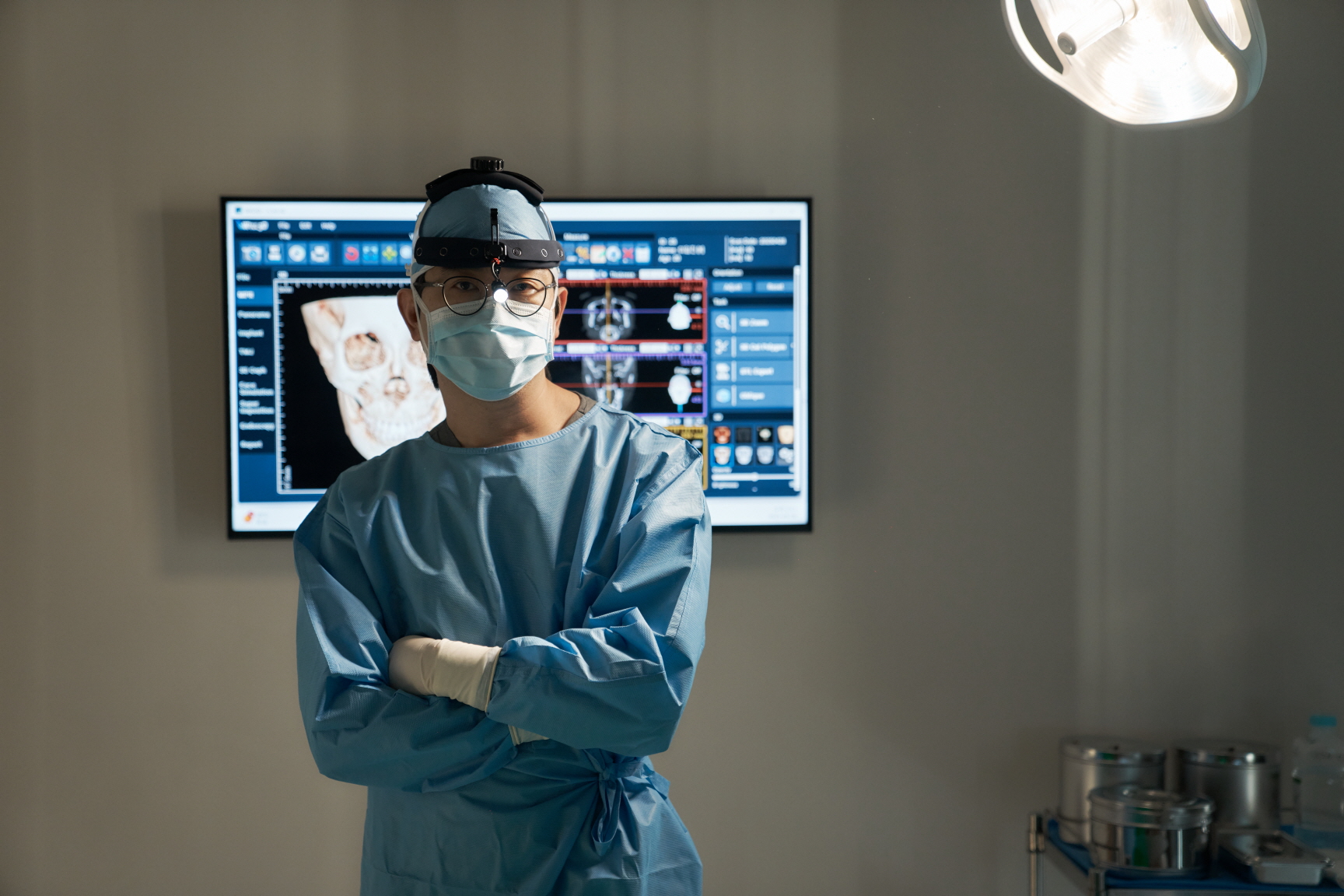
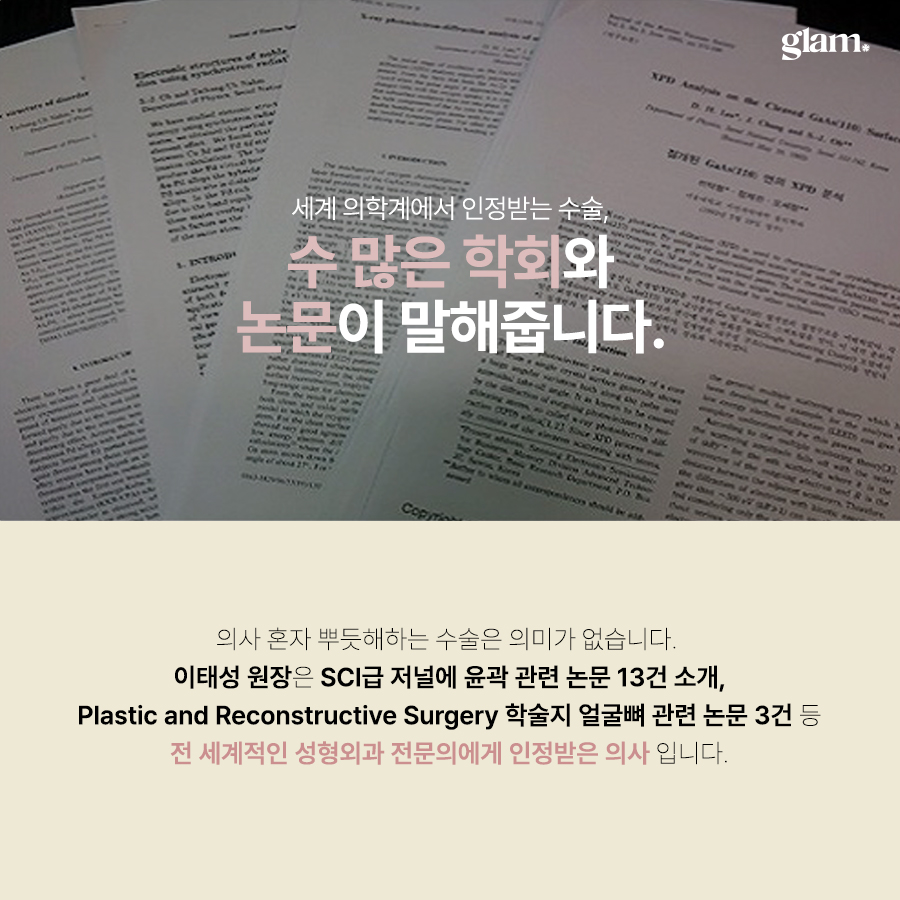
Before establishing the current clinic, the surgeon led a facial bone center at a well-known hospital, managing a wide range of jaw and contouring cases, including complex and secondary operations. This background means that revision facial contouring is not an occasional procedure but part of long-term clinical practice.
sources directly.
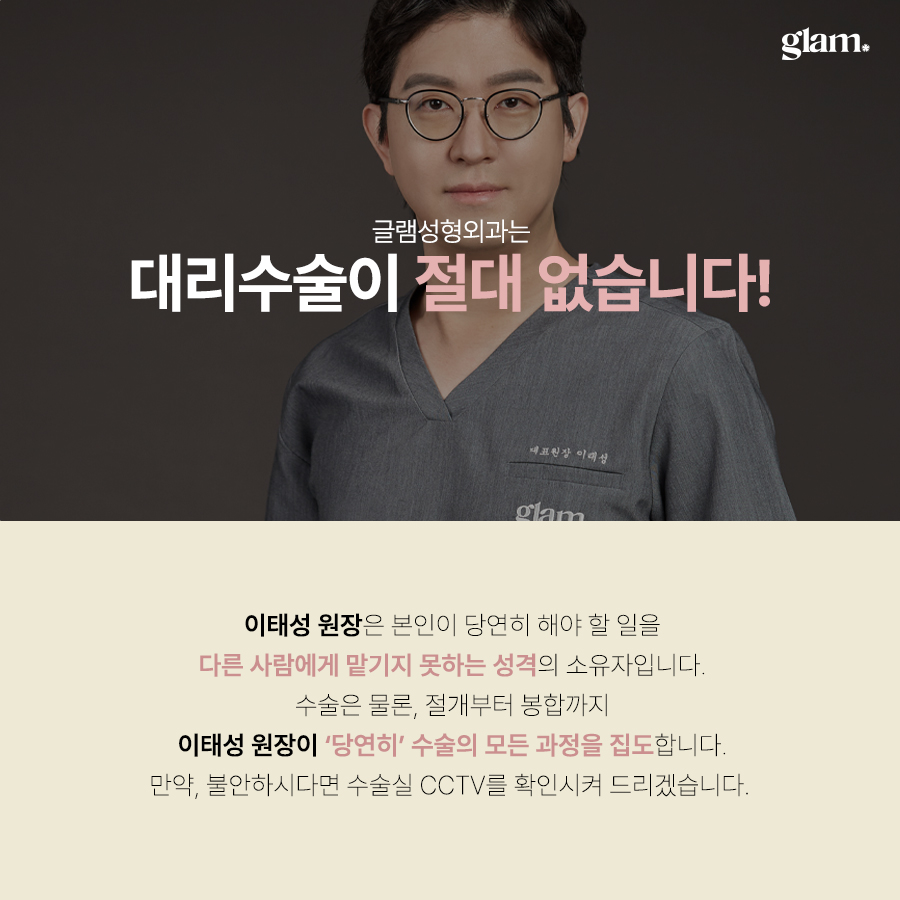
Another important point for many patients is that the lead surgeon personally performs the operations rather than delegating key steps. For revision surgery, where judgment and fine technical control are critical, this can be an important factor when choosing a clinic.
Safety system and anesthesia for revision surgery
Revision facial contouring is usually performed under general anesthesia, which means you will be fully asleep during the operation. Anesthesia care includes monitoring breathing, circulation, and other vital signs and is arranged according to the clinic’s protocols. Before you proceed, discuss with the clinic who will provide anesthesia, their qualifications, and the intraoperative monitoring procedures they use.
ameters.
Membership in professional societies related to anesthesia and pain medicine reflects ongoing engagement with current standards of care. For patients, this structured anesthesia system helps reduce risks associated with longer and more complex revision procedures.
Another advantage is the stability of the surgical and anesthesia team. Working together regularly on similar cases allows smoother communication, more predictable workflows, and better response to any unexpected events during surgery.
Preoperative evaluation and planning for revision cases
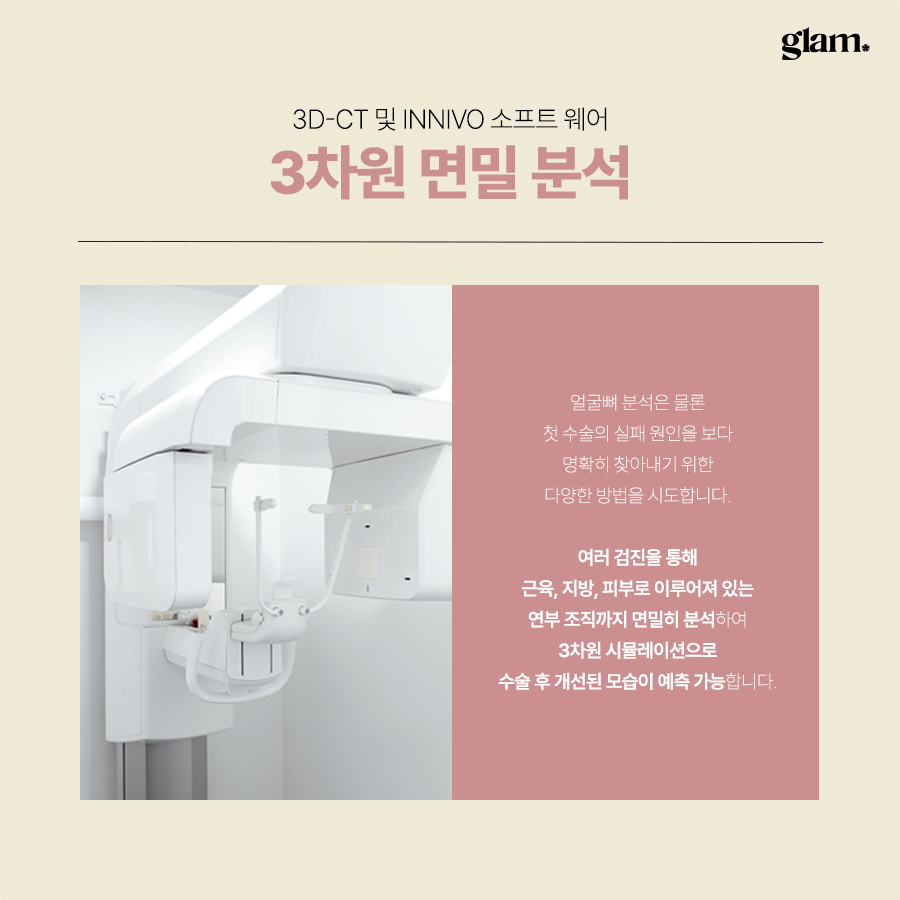
Before any revision is scheduled, a detailed preoperative evaluation is essential. This usually includes facial photography from multiple angles and imaging such as 3D scans or CT to visualize the bone structure. When necessary, the surgeon will also assess occlusion and jaw movement to understand how the upper and lower jaws relate during function.
The evaluation focuses on several key points:
Current bone shape and thickness.
Location and pattern of previous osteotomy lines.
Position of fixation plates and screws.
Course of important nerves.
Soft tissue thickness and degree of scarring.
Based on this information, the surgeon designs an individualized plan. The clinic’s philosophy is to propose only the minimum necessary surgery to achieve meaningful improvement. Unnecessary additional bone cutting is avoided, especially in faces that have already undergone significant change.
For some patients, limited contour correction in a specific area may be enough to restore balance. Others may need more extensive repositioning of bone segments or removal and re-fixation of plates. The goal is to match the scale of surgery to the actual problem, not to apply a standard package to every face.
What can be addressed with revision facial contouring
Revision facial contouring can address a range of aesthetic and functional issues. Common goals include:
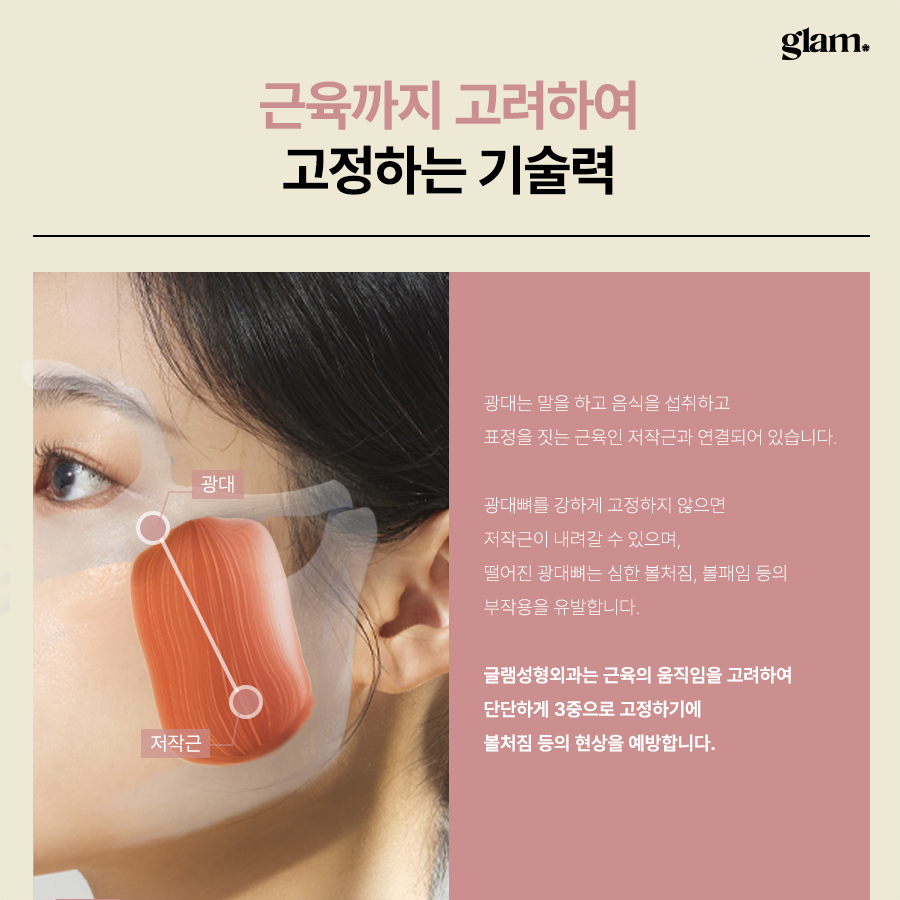
Improving facial asymmetry that appeared or worsened after previous surgery.
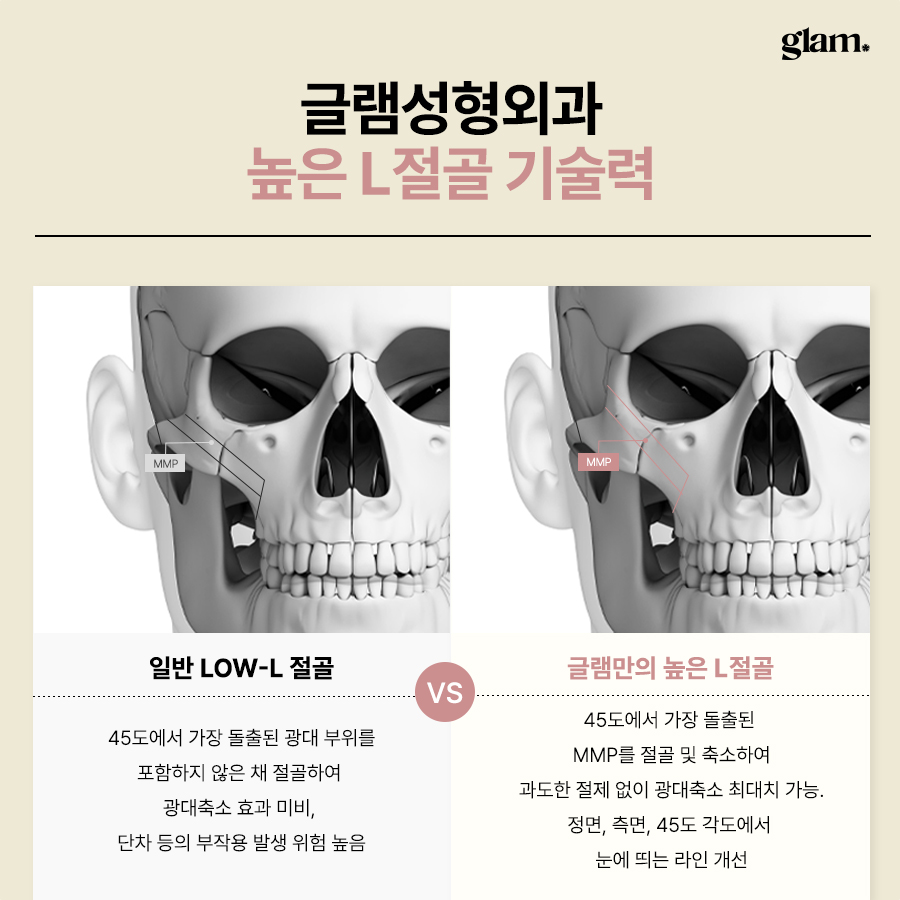
Reducing remaining width in the cheekbones or jaw angles when the first operation was too conservative.
Softening an overly sharp or hollow look when too much bone was removed.
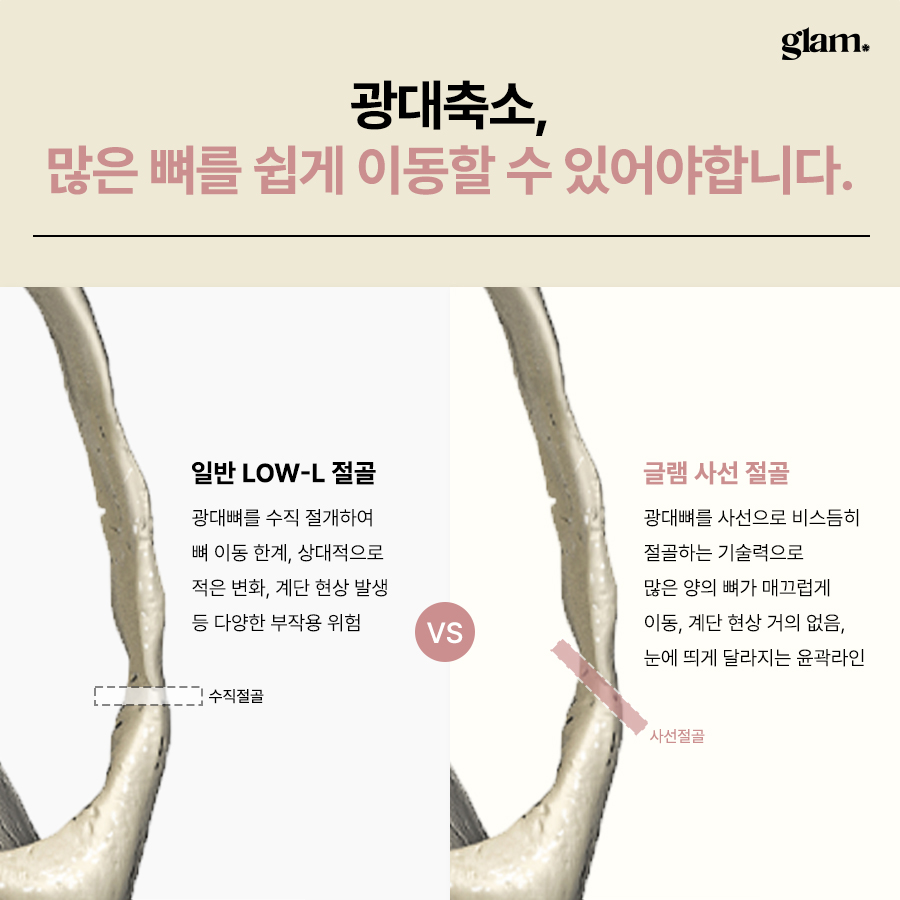
Smoothing step deformities and irregular bone edges that create visible or palpable ridges.
In some cases, the solution is not to remove more bone but to restore support or volume. For example, if the lower face looks collapsed or excessively narrow, the surgeon may aim to reposition segments or adjust angles rather than continue to shave bone.
Functional concerns can also be part of the revision plan. If chewing discomfort, jaw fatigue, or a sense of imbalance is related to bone position, contouring and repositioning may improve symptoms. However, this must be carefully evaluated, and sometimes collaboration with other specialists may be recommended.
It is important to understand the limits of revision. Nerve damage that has already occurred may not be fully reversible. Extremely over-resected bone may restrict how much shape can be rebuilt with contouring alone. During consultation, the surgeon will explain which aspects are realistically improvable and which are not.
Surgical approach and techniques in simple terms
Most revision facial contouring procedures are performed through incisions inside the mouth or along existing hidden lines, so that no new visible scars are created. The surgeon carefully re-enters areas that were previously operated on, taking time to release scar tissue and protect nerves and blood vessels.
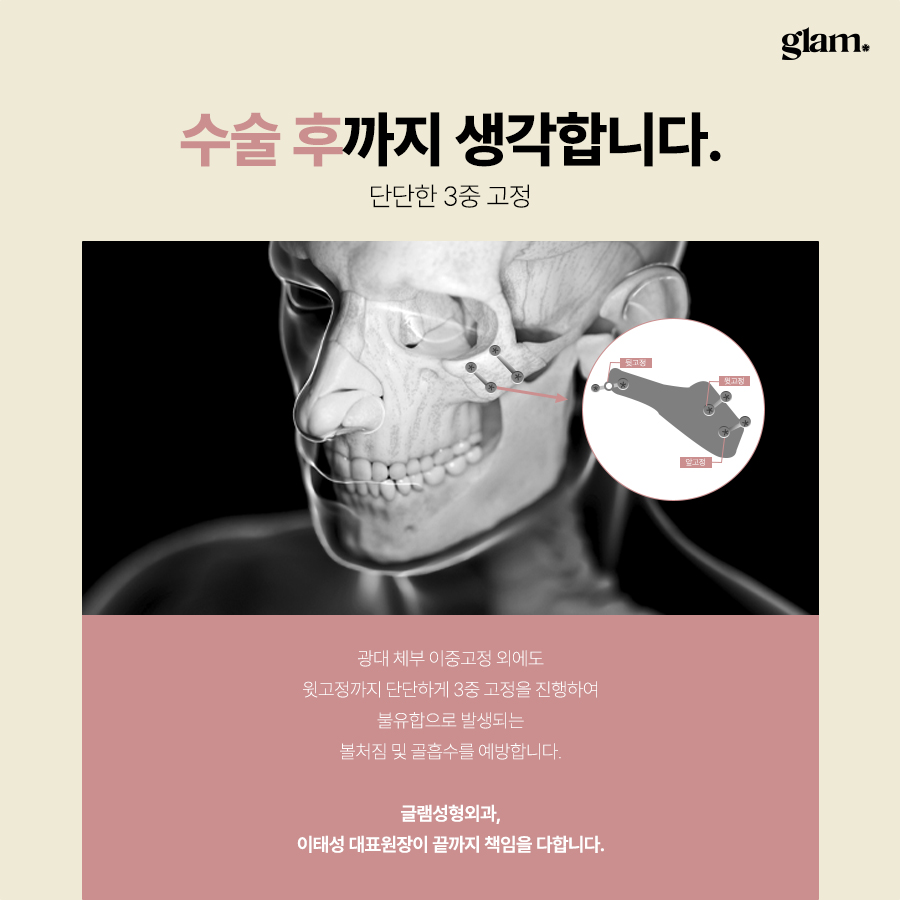
Existing plates and screws may be removed, adjusted, or replaced depending on whether they are contributing to the problem. Irregular bone surfaces can be smoothed, and asymmetry can be corrected by reshaping or repositioning the bone.
Because of scar tissue and altered anatomy, revision surgery usually takes longer than primary surgery and requires more delicate dissection. The surgeon must anticipate variations in the bone and soft tissue that are not present in a first-time case. This is where a facial bone–only practice and long-term experience with similar situations become especially valuable.
Postoperative care and recovery support
After revision facial contouring, structured postoperative care is important to support healing and manage swelling. The clinic provides a program tailored to facial bone surgery patients, with regular follow-up visits to monitor progress.
Some clinics offer non-invasive adjunctive therapies—examples include LED therapy, various skin-care devices, or radiofrequency treatments—which they may use to complement postoperative care. Evidence and benefit can vary by treatment and by patient; discuss the proposed therapies, the evidence supporting them, and whether they are appropriate for your recovery with your surgeon.
These supportive measures are not substitutes for proper surgical technique, but they can make the recovery period more comfortable and help you return to daily life more smoothly.
Typical recovery milestones include initial swelling and bruising in the first one to two weeks, gradual reduction of swelling over several weeks, and more refined facial lines emerging over several months. Final results, especially in revision cases, may take longer to fully stabilize because the tissues have been operated on more than once.
Honest consultation and realistic expectations
For many patients, the emotional side of revision is as important as the technical side. After an unsatisfactory first surgery, it is natural to feel anxious, disappointed, or cautious about trusting another clinic.
During consultation, the surgeon will clearly separate what is realistically improvable from what is limited by anatomy, previous bone removal, or nerve damage.
You are encouraged to share your concerns openly: what you dislike about your current appearance, how you feel when you chew or talk, and what you hope to change. At the same time, it is important to listen carefully to the explanation of what cannot be fully corrected. Revision facial contouring should prioritize safety, function, and long-term facial harmony over extreme changes.
Who may not be a good candidate for revision
Not everyone who is unhappy with a previous surgery will be advised to undergo revision. Patients with unstable medical conditions, uncontrolled systemic diseases, or serious psychological distress may be advised to stabilize their health first.
If nerve function is still actively recovering from the first surgery, the surgeon may recommend waiting longer before considering another operation. In some cases, there may not be enough bone or soft tissue to safely perform the desired correction, or the risks may outweigh the potential benefits.
Declining to operate when safety cannot be ensured is part of the clinic’s honesty-based approach. A responsible surgeon will sometimes say no to revision if it is not in the patient’s best interest.
Online consultation and pre-visit preparation
For overseas patients, an online or remote consultation is often the first step. The clinic offers multilingual support pages in English, Japanese, and Thai, and responds to inquiries through social media and messaging channels.
To make the most of your initial consultation, it is helpful to prepare the following in advance:
Clear facial photographs from the front, both sides, and 45-degree angles.
Any CT or 3D imaging you have from before or after your first surgery.
Operative notes or a summary from your previous surgeon, if available.
A short written description of your main concerns and what you hope to improve.
During the online consultation, you can discuss whether revision seems feasible in your case, what kind of improvement might be realistic, and what additional examinations would be needed once you arrive in Korea.
Expected Korea visit timeline for revision surgery
The exact schedule will vary, but many international patients follow a similar timeline when coming to Seoul for revision facial contouring.
First 1–2 days: In-person consultation, detailed examination, and imaging such as CT or 3D scans. The surgeon confirms the plan discussed online and may adjust details based on new findings.
Preoperative testing: Basic blood tests, medical clearance if needed, and anesthesia assessment by the anesthesiologist.
Surgery day: Admission to the clinic, general anesthesia, revision operation, and monitoring in the recovery area.
First week after surgery: Regular check-ups to monitor swelling, wound healing, and any early symptoms. Supportive therapies such as LED or dome care may begin.
Following 1–2 weeks: Continued follow-up visits, removal of any sutures if present, and evaluation of early healing progress. Many overseas patients stay in Korea for at least 2–3 weeks after surgery to ensure safe early recovery and to manage any immediate issues directly with the surgical team.
Your exact stay should be planned in consultation with the clinic, taking into account the complexity of your case and your general health.
Aftercare once you return home
When you return to your home country, you will continue to heal for several months. The clinic usually provides detailed postoperative instructions, including how to manage swelling, what foods to avoid in the early phase, and how to clean the mouth and incision areas.

You may be asked to send follow-up photos or imaging at specific intervals so the surgeon can monitor your progress remotely. If any concerns arise, such as unusual pain, swelling, or changes in sensation, you should contact the clinic promptly and, if needed, see a local medical provider.
Because revision healing can be slower than first-time surgery, patience is important. Swelling, tightness, and minor asymmetries often improve gradually over time. The clinic’s team can guide you on what is within the normal range and what might need closer attention.
Frequently asked questions
Is revision facial contouring always possible after a previous jaw or cheekbone surgery?
Not always. Whether revision is possible depends on how much bone was removed, where the previous cuts were made, the current position of plates and screws, and the condition of nerves and soft tissue. In some cases, there is enough remaining bone to reshape or reposition safely. In other cases, the risks may be too high compared with the potential benefit. A detailed consultation with imaging is necessary to make this judgment.
How long should I wait after my first surgery before considering revision?
In general, you should wait until bone and soft tissue have fully stabilized, which often takes several months or longer. The exact timing depends on your individual healing, the type of previous surgery, and whether nerve function is still changing. Operating too early can increase the risk of complications and make it harder to judge the final contour. During consultation, the surgeon will evaluate your current status and advise on appropriate timing.
Can revision facial contouring fix numbness or nerve damage from my first surgery?
If numbness is due to temporary nerve irritation, it may improve over time without additional surgery. However, if the nerve has been severely damaged, revision contouring cannot guarantee recovery of sensation. In some cases, revision might even increase the risk of further nerve disturbance. The surgeon will carefully assess your nerve status and explain whether revision is advisable from a neurological standpoint.

What results can I realistically expect from revision surgery?
Realistic expectations are essential. Revision facial contouring can often improve asymmetry, soften harsh lines, reduce remaining width, or restore better facial balance. However, it may not completely return your face to how it looked before the first surgery or create perfect symmetry. The goal is meaningful improvement in appearance and, when possible, function, while keeping safety as the top priority.
Soft call to action
If you are considering revision facial contouring surgery in Korea after an unsatisfactory cheekbone, jaw angle, or V-line operation, a structured, honest consultation is the safest next step. You can begin with an online inquiry, sharing photos and any previous imaging or records you have. For the clinic’s current location, directions, opening hours, and appointment availability, check the clinic’s official website or contact them directly to confirm up-to-date details.
By discussing your case in detail with a team focused solely on facial bone surgery, you can better understand what is realistically possible and whether revision is appropriate for you. This careful approach can help you move forward with more confidence and clarity about your options.






댓글
댓글 쓰기