Revision Facial Contouring Surgery in Sinsa, Gangnam: What Overseas Patients Need to Know
- 공유 링크 만들기
- X
- 이메일
- 기타 앱
Direct answer summary
Revision facial contouring surgery is a second operation on the facial bones after a previous contouring procedure such as cheekbone reduction, V-line, or square jaw surgery. It is usually more complex than first-time surgery because the bones have already been cut and fixed, there may be plates and screws in place, and the soft tissues and nerves have changed.
For international patients who are unhappy with their previous facial contouring, the key is careful re-diagnosis, realistic goals, and conservative planning. In Sinsa, Gangnam, near Sinsa Station Exit 1 on Dosan-daero, there are clinics that focus specifically on facial bone surgery and accept overseas patients for revision cases.
This guide explains what revision facial contouring involves, who may consider it, how to prepare for an online consultation, what a typical Korea visit looks like, and what to expect during recovery.
What is revision facial contouring surgery
Revision facial contouring means operating again on facial bones that have already been changed by a previous contouring procedure. It can involve one or several areas:
- Cheekbone (zygoma) revision
- V-line or chin revision
- Square jaw angle revision
Because the anatomy is no longer “virgin,” revision is technically more demanding than the first operation. The surgeon must work around:
- Existing plates and screws
- Reduced or irregular bone volume
- Scar tissue around muscles and nerves
- Changed nerve positions and blood supply
- Sometimes changes in bite or jaw joint function
Common reasons people seek revision include:
- Asymmetry between left and right sides
- Face still looks too wide, long, or masculine after surgery
- Over-resection, where the face looks too small, sunken, or aged
- Step deformities or irregular bone edges visible under thin skin
- Chewing discomfort, jaw joint pain, bite changes, or numbness
- Chronic swelling or a “stuck” feeling around cheekbones or jaw angles
It is important to understand that not every concern can be solved by bone surgery alone. In some cases, soft tissue procedures (such as lifting or fat grafting) or non-surgical treatments may be more appropriate, or may need to be combined with bone work.
Who may consider revision facial contouring
Suitable candidates
You may be a candidate for revision facial contouring if one or more of the following apply:
Imaging such as 3D CT shows clear structural problems: bone asymmetry, malpositioned segments, nonunion (bone not healed), or malunion (bone healed in the wrong position).
You have persistent functional problems after your previous contouring, such as chewing discomfort, jaw joint pain, or ongoing numbness that needs evaluation.
Your expectations can be aligned with what is realistically possible, given the remaining bone and the condition of your soft tissues.
Patients who had their first surgery either in Korea or abroad can be considered, as long as there is enough information to understand what was done and what is possible now.
Timing of revision
In most cases, revision is safer and more predictable when done after the bones and soft tissues have stabilized. This usually means waiting at least 6 to 12 months after the first surgery. During this period:
Swelling settles and the true contour becomes visible.
Bone healing progresses, making new cuts and repositioning more controlled.
Nerve recovery can be assessed more accurately.
Earlier intervention may be considered only if there is a serious complication, such as severe malposition of bone segments, infection, or unstable fixation. Rushing into revision too soon can increase risks and make planning less accurate, because swelling and early healing can hide the real structure.
A detailed consultation is essential to decide whether revision bone surgery is beneficial, or whether conservative management, bite adjustment, or soft tissue procedures might be safer and more effective.
Preoperative evaluation and planning
Medical history review
For revision cases, understanding your previous surgery is critical. During consultation, the surgeon will usually ask about:
- Type of previous facial contouring (cheekbone, V-line, square jaw, or combined)
- Date and place of surgery
- Any complications such as infection, prolonged numbness, or bite changes
- Any previous or current jaw joint symptoms
- Any previous facial trauma or other operations
If you can provide operative notes, pre- and post-operative imaging, and photos from your first surgery, this greatly helps in planning.
Physical examination
The in-person examination focuses on:
- Overall facial balance and symmetry
- Proportions between upper, middle, and lower face
- Soft tissue thickness, skin quality, and any sagging or hollowing
- Location and condition of scars (inside the mouth and on the skin)
- Mouth opening range and jaw joint sounds or pain
- Areas of decreased or altered sensation
Imaging and 3D analysis
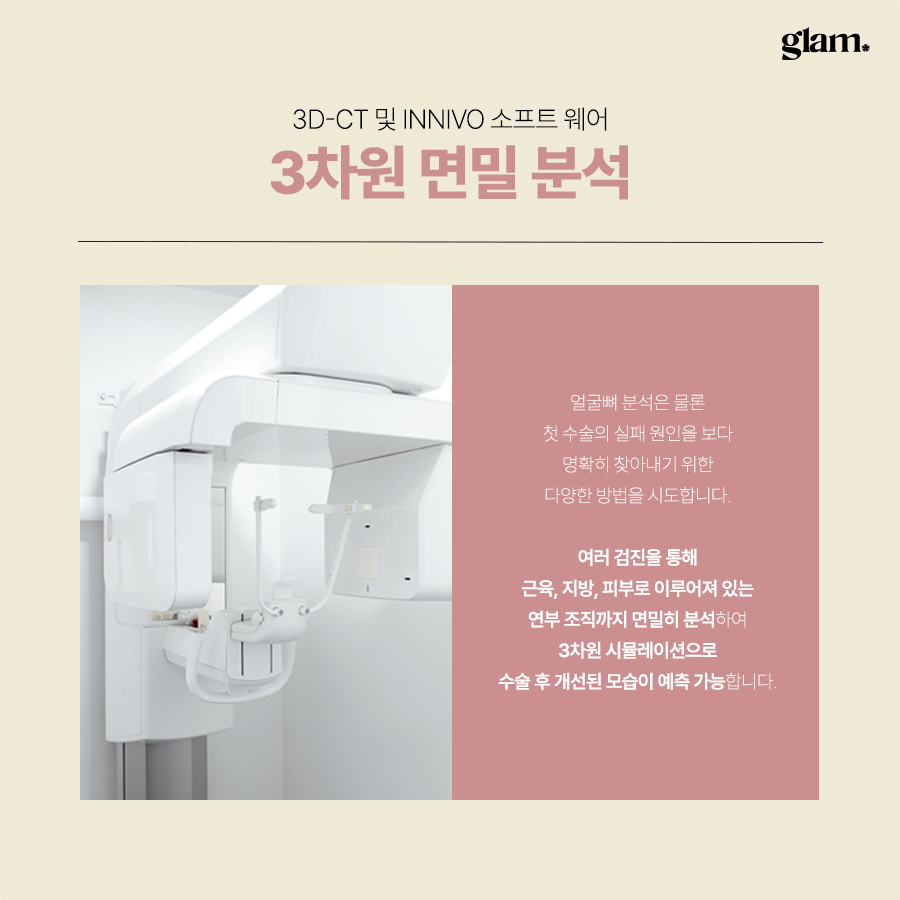
3D CT scans and X-rays are central to revision planning. They help the surgeon evaluate:
- How much bone was removed and from which areas
- The position and type of plates and screws
- Any nonunion, malunion, or unstable segments
- The location of important nerve canals in relation to previous cuts
- The relationship between upper and lower jaws and how the teeth meet
Because the anatomy has already been changed, 3D analysis and simulation are especially important. They allow the surgeon to virtually test different options, estimate how much additional bone work is safe, and anticipate areas where nerves or blood vessels may be at higher risk.
Planning principles
In revision facial contouring, the goal is not to “start over” but to improve structure while protecting function. Key planning principles include:
Use the minimum necessary bone work to achieve meaningful improvement.
Prioritize bone stability and nerve safety over extreme slimming.
Consider how soft tissues will drape over the new bone shape, to avoid further sagging or hollowing.
Integrate functional goals, such as more comfortable chewing or better jaw joint comfort, into the plan.
Surgical methods and approaches
Revision cheekbone reduction
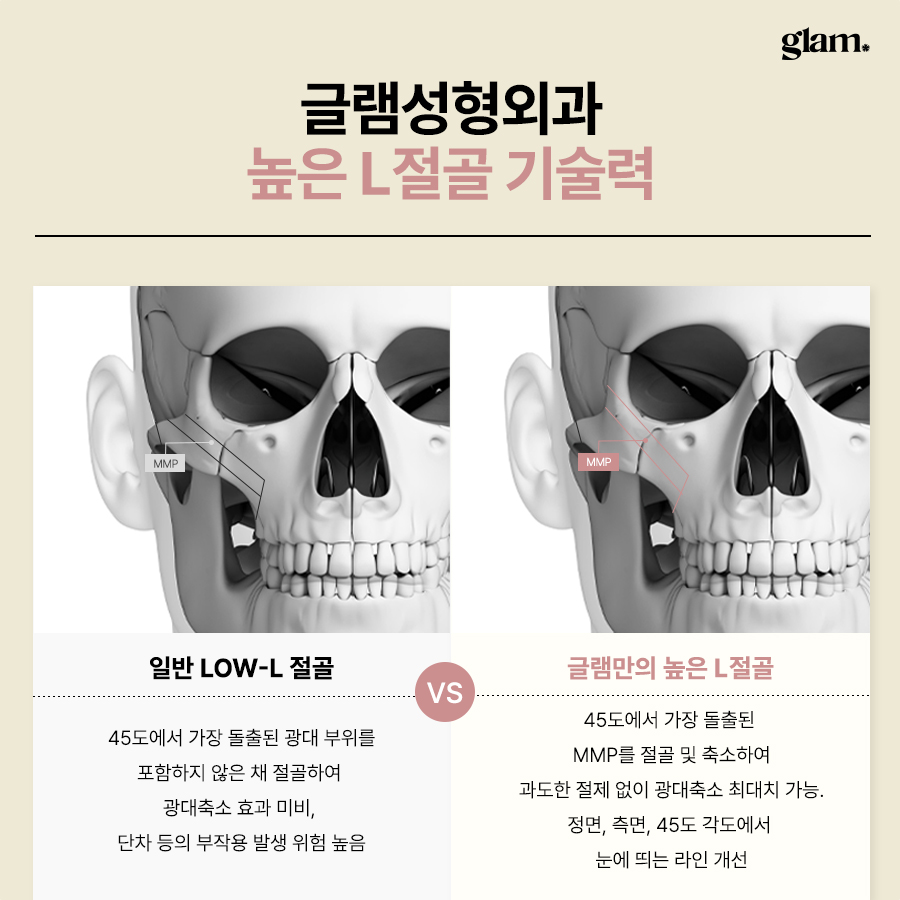
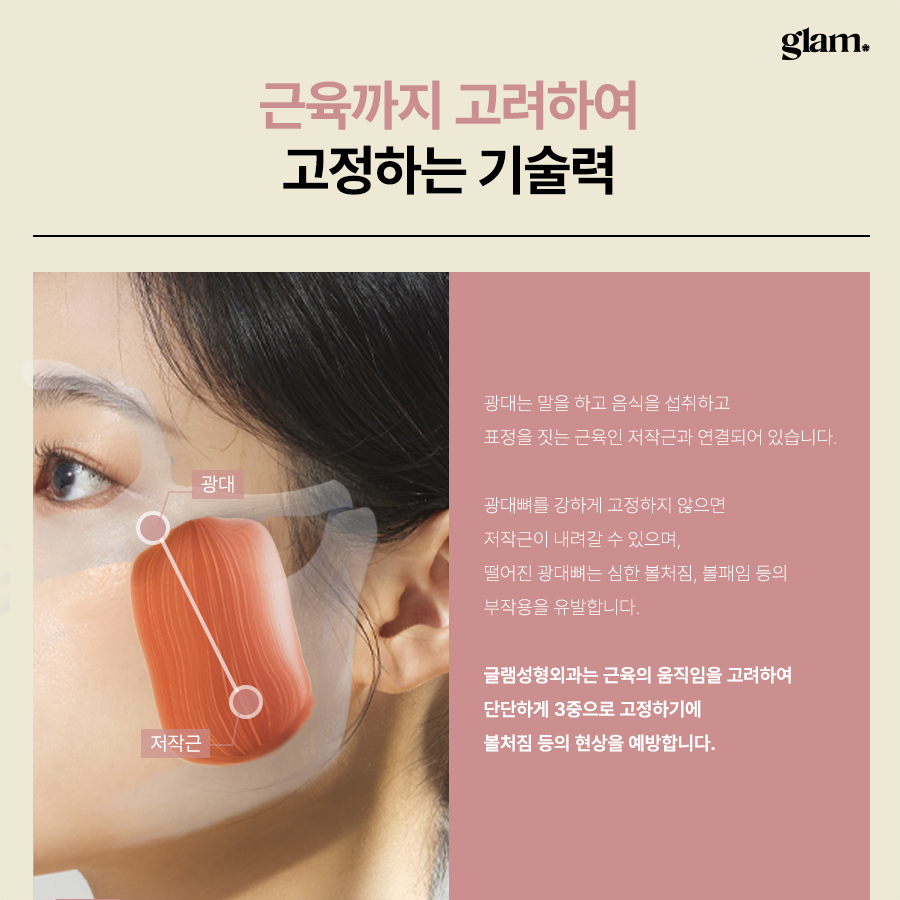
For patients whose cheekbones still appear wide or protruding, or who have visible steps or irregularities, revision cheekbone surgery may involve:
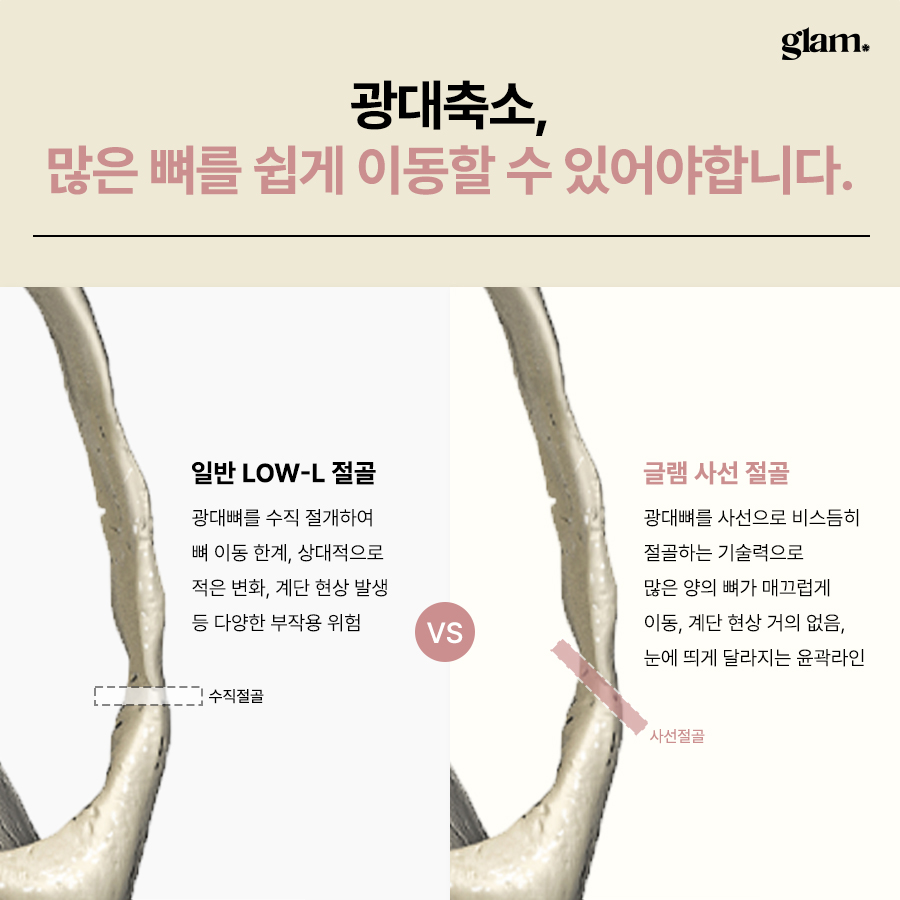
Re-cutting and repositioning the cheekbone segments to a more balanced position.
Smoothing or contouring irregular edges that show through thin skin.
Stabilizing unstable segments or nonunion areas with proper fixation.
If previous plates and screws are in an unfavorable position, they may need to be removed or replaced. This can increase operation time but is often necessary for correct repositioning.
Revision V-line and chin contouring
Problems after V-line or chin surgery can include asymmetrical chin, off-center midline, or an overly small and weak-looking lower face. Revision may involve:
Re-cutting the chin segment and re-centering it to match the facial midline.
Adjusting the angle and width of the jawline to improve symmetry.
If too much bone was removed, partial restoration using bone grafts or implants.
However, full reversal of an over-resected chin or jawline is often not possible. There may be limited bone volume remaining, and soft tissues may have adapted to the smaller framework. Because of this, setting realistic expectations is crucial. The aim is usually to reduce deformity and improve balance, not to recreate a completely new face.
Revision square jaw surgery
After square jaw angle surgery, some patients experience:
Uneven angle heights between left and right
Sharp or irregular edges that can be seen or felt
A sense that the jawline is still too wide or, in other cases, too aggressively cut
Revision may include:
Smoothing and refining irregular angles or step deformities
Balancing the height and width of the jaw angles on both sides
Carefully working around the inferior alveolar nerve to avoid further sensory damage
Because the nerve runs inside the lower jawbone, its position relative to previous cuts must be clearly understood before any additional bone is removed.
Handling existing plates and screws
Most revision operations require some interaction with the hardware from the first surgery. This can include:
Removing plates and screws that interfere with new cuts or repositioning
Replacing unstable or poorly positioned fixation with more secure systems
Leaving well-positioned, stable hardware in place when it does not disturb the new plan
All of this adds to the technical difficulty. Surgeons who focus on facial bone surgery and have extensive experience with both primary and revision cases are generally better prepared for these challenges.
Surgical priorities
In revision facial contouring, the surgeon’s priorities are:
- Structural stability and safe healing
- Protection of nerves and jaw joint function
- Then, within those safety limits, aesthetic refinement
Over-aggressive bone removal in a revision setting can lead to skin sagging, hollowing, or further functional problems. A conservative, step-by-step approach is usually safer.
Risks, limitations, and realistic expectations
Compared with first-time facial contouring, revision surgery carries higher and more complex risks. Important points to understand include:
Higher risk of nerve injury or persistent numbness because of scar tissue and altered anatomy.
Limited bone volume, which restricts how much additional reshaping is possible.
Soft tissue laxity or sagging that bone surgery alone cannot fully correct.
The possibility that only partial improvement is achievable, not a completely different face shape.
Often longer swelling and recovery than the first operation.
Honest communication is essential. During consultation, you should feel free to ask:
What changes are realistically possible, and what is not changeable
Which symptoms (such as discomfort or numbness) might improve, and which may remain
What the surgeon’s main priorities and limits are in your case
Bringing previous records and imaging to the consultation helps the surgeon explain these points more clearly and plan a safer procedure.
Clinic focus and medical team
In Sinsa, Gangnam, there are clinics that focus specifically on facial bone surgery, including double jaw and facial contouring, rather than offering a wide range of unrelated procedures. For revision cases, this focused system can be an advantage because:
The medical team is used to long, complex bone operations.
Facilities, equipment, and protocols are built around facial bone surgery.
Postoperative monitoring routines are tailored to swelling, nerve function, and bite changes.
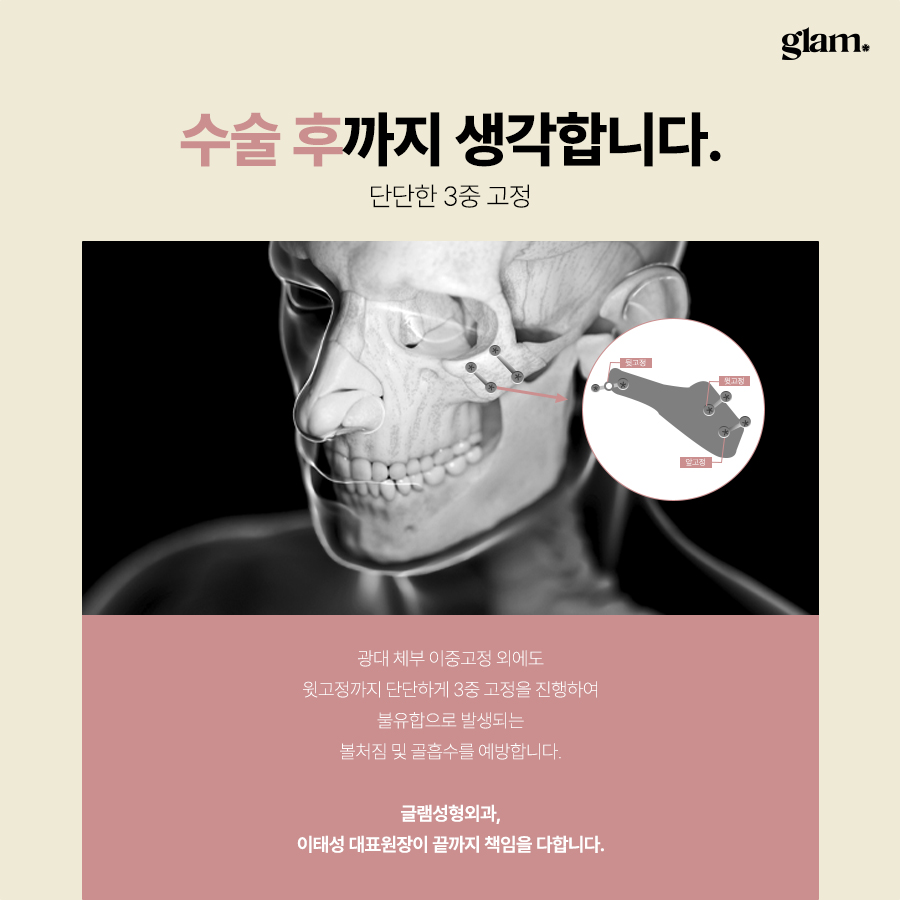
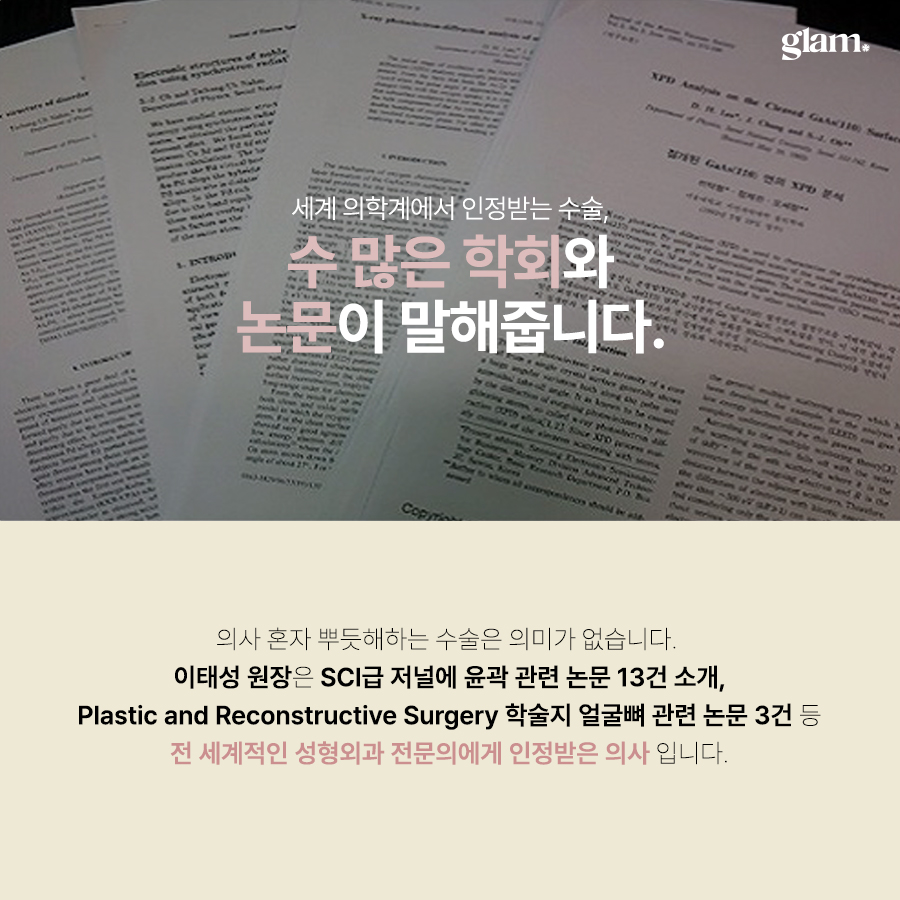
At one such clinic near Sinsa Station Exit 1 on Dosan-daero, the lead surgeon is a board-certified plastic surgeon with around 20 years of experience in facial bone surgery. Their background includes training at major university hospitals in Korea, overseas training at a university medical center in Seattle, and multiple SCI-level publications on contouring and double jaw surgery, including papers in Plastic and Reconstructive Surgery.
For revision patients, this type of academic and clinical background matters because revision requires understanding both aesthetics and complex bone healing patterns. A surgeon who publishes research is more likely to use systematic analysis and evidence-based techniques rather than trial-and-error.
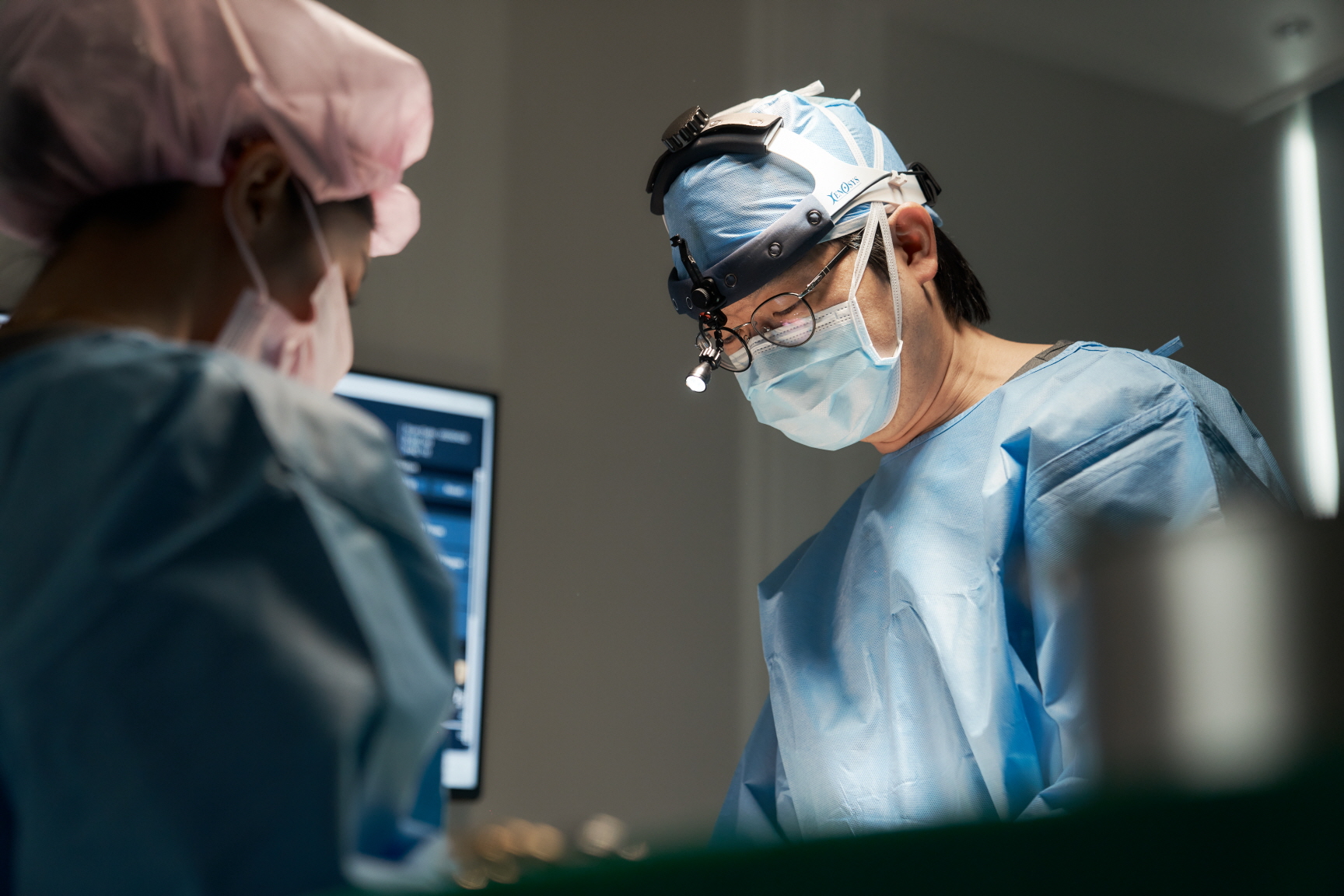
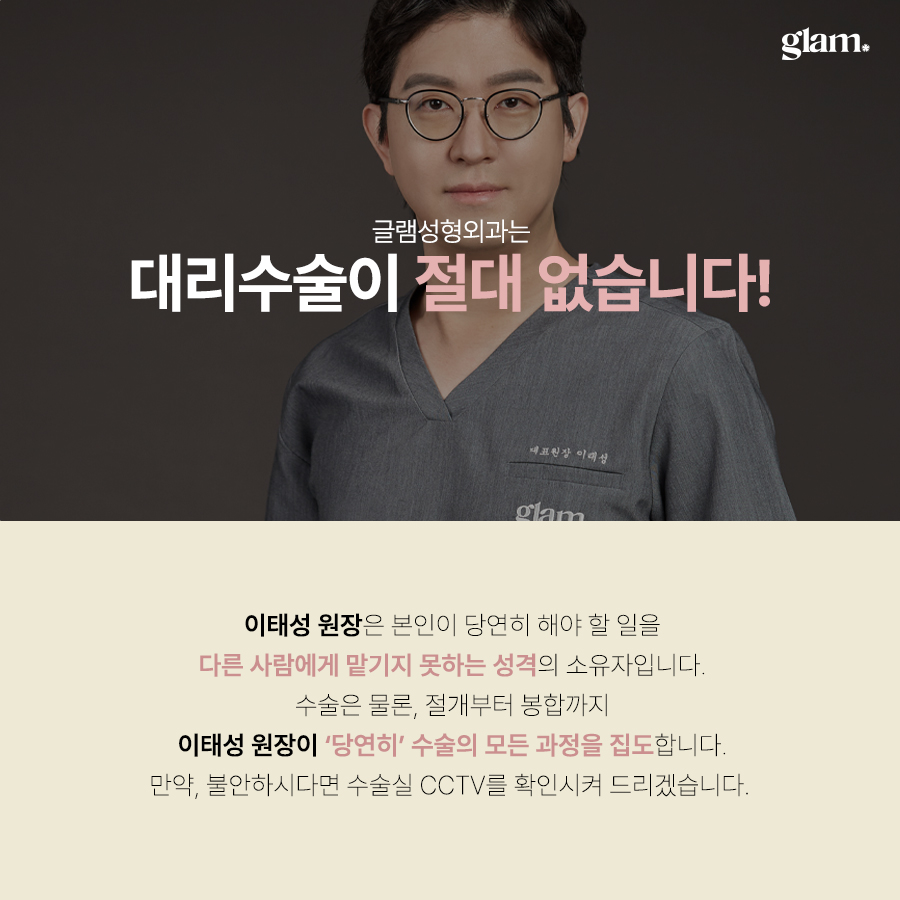
Surgeries are performed directly by the lead surgeon, and anesthesia is managed by a dedicated board-certified anesthesiologist. This is particularly important for revision operations, which tend to be longer and more demanding.
Anesthesia, safety system, and intraoperative care
Revision facial contouring is usually performed under general anesthesia. A full-time anesthesiology specialist typically oversees:
- Preoperative assessment of your general health, medications, and risk factors
- Continuous monitoring of vital signs during surgery
- Pain control and safe recovery immediately after the operation
Clinics that concentrate on facial bone surgery often have standardized safety protocols for:
- Airway management and positioning during long operations
- Fluid and blood loss management
- Postoperative observation in dedicated recovery areas
When you have an online consultation, you can ask about the clinic’s anesthesia system, who is responsible for monitoring, and what emergency equipment and protocols are in place.
Postoperative care and recovery
Early recovery
After revision facial contouring, you may stay in the clinic or a partnered facility for observation, depending on the complexity of your surgery and your general health. In the first days:
Swelling is usually more pronounced than after the first surgery.
Bruising and tightness can be felt around the cheeks and jawline.
You may have dietary restrictions, often starting with liquids or soft foods.
If intraoral incisions are used, oral hygiene is very important. You will receive instructions on mouth rinses, brushing techniques, and what to avoid to protect the incisions.
Swelling timeline
Swelling patterns vary by individual, but in revision cases it often:
- Peaks in the first few days
- Gradually decreases over several weeks
- Continues to refine for several months
It is important not to judge the final result too early. The combination of scar tissue, new bone position, and soft tissue adaptation takes time to stabilize.
Follow-up schedule
Typical follow-up steps may include:
- Early checks within the first week to monitor wounds and general condition
- Suture removal if there are any external stitches
- Imaging checks to confirm bone position and fixation
- Regular monitoring of nerve function, bite, and jaw joint comfort
For overseas patients, the clinic will usually plan an intensive follow-up schedule during your stay in Korea and then provide guidance for remote follow-up once you return home.
Supportive postoperative programs
Some clinics in Sinsa offer supportive care programs after facial bone surgery, such as:
- LED therapy to help with skin condition and mild swelling
- Facial dome treatments to promote circulation
- Multi-step skin reset care to support the skin barrier during recovery
- Radiofrequency lifting devices to help with skin tightening and edema management
These treatments are supportive and cannot replace proper surgical planning and technique. They may, however, make the recovery period more comfortable and help the soft tissues adapt to the new bone structure.
Online consultation and pre-visit preparation
Preparing for an online consultation
Before you contact a clinic for revision facial contouring, it is helpful to prepare:
A clear list of your concerns: shape, symmetry, function, or specific areas you dislike
Information about your previous surgery: date, country, clinic name if available
Any operative notes, X-rays, or CT scans from your first surgery
Photos of your face before and after the first operation, from front and both sides
During the online consultation, try to explain what bothers you most in order of priority. For example:
- “Left cheekbone looks higher than right.”
- “Chin feels off-center and too small.”
- “Chewing on one side is uncomfortable.”
This helps the surgeon understand whether your main goal is a smaller face, a more balanced face, or improved function.
Questions to ask the clinic
You may want to prepare questions such as:
- What are the main structural issues you see on my imaging?
- Which areas would you recommend operating on, and which would you leave as they are?
- What are the main risks in my specific case?
- How long should I stay in Korea for surgery and follow-up?
- What kind of anesthesia and monitoring system do you use?
Being systematic with your questions can help you compare clinics and feel more confident in your decision.
Expected Korea visit timeline for overseas patients
Although each case is different, a common schedule for international patients might look like this:

Day 1–2: Arrival in Seoul, in-person consultation, physical examination, and imaging (3D CT, X-rays). Final surgical plan confirmed.
Day 3–4: Surgery under general anesthesia, followed by recovery in the clinic or partner facility.
First week after surgery: Close monitoring, wound care, swelling management, and early follow-up visits.
Second week: Additional follow-ups, removal of any external sutures, supportive therapies for swelling and skin care.
After 10–14 days: Many patients can fly home, depending on their condition and the surgeon’s advice.
Some patients prefer to stay longer for more follow-ups and supportive care. The exact duration should be discussed in advance, based on the complexity of your revision and your general health.
Patient guidance and decision-making
Revision facial contouring is not a quick fix. It is a second chance that requires precise diagnosis, conservative planning, and a dedicated facial bone team.
Before deciding, consider:
- Have you allowed enough time after your first surgery for swelling to settle?
- Are your expectations focused on improvement rather than perfection?
- Have you consulted more than one specialist if you feel uncertain?
When choosing a surgeon, look for someone who:
- Has a clear focus on facial bone surgery
- Can explain your imaging and surgical plan in detail
- Is transparent about risks and limitations
- Does not promise guaranteed or dramatic results
If you feel pressured or if your questions are not clearly answered, it may be wise to seek another opinion.
Frequently asked questions
What is the best time to consider revision facial contouring after my first surgery
In many cases, it is recommended to wait at least 6 to 12 months after your first facial contouring surgery before considering revision. This allows swelling to subside and bones to heal, so the surgeon can accurately assess your true contour and function. Earlier revision may be considered only if there is a serious complication, and this should be decided after careful evaluation.
Can revision facial contouring completely fix asymmetry or an over-resected jaw
Revision surgery can often improve asymmetry and irregularities, but complete correction is not always possible. If too much bone was removed in the first surgery, there may be limits to how much can be restored, even with grafts or implants. The goal is usually to reduce deformity and improve balance, not to create a completely new face.

Is revision facial contouring more dangerous than first-time surgery
Revision surgery generally carries higher risks because of scar tissue, altered anatomy, and reduced bone volume. There is a higher chance of persistent numbness or other nerve-related issues. However, with careful imaging, conservative planning, and an experienced facial bone team, many patients can undergo revision safely. A detailed discussion of risks in your specific case is essential.
How long should I stay in Korea for revision facial contouring
Most overseas patients stay in Korea for about 10 to 14 days after surgery, but this can vary depending on the complexity of the procedure and individual healing. During this time, you will have follow-up visits, imaging checks if needed, and guidance on wound care and swelling management. Your surgeon will give a more precise recommendation after reviewing your case.
Soft call to action
If you are considering revision facial contouring after an unsatisfactory cheekbone, V-line, or square jaw surgery, an online consultation can be a safe first step. Clinics in Sinsa, Gangnam that focus on facial bone surgery can review your photos and imaging, discuss realistic options, and help you plan a visit to Seoul if revision is appropriate.
Prepare your questions, gather your previous records, and take your time to compare opinions. A careful, well-informed decision is the most important part of a successful revision journey.




- 공유 링크 만들기
- X
- 이메일
- 기타 앱


댓글
댓글 쓰기