Revision Facial Contouring Surgery in Seoul: Key Points for a Safe Second Operation
- 공유 링크 만들기
- X
- 이메일
- 기타 앱

Direct answer summary
If you are unhappy after a previous jawline or cheekbone contouring surgery, revision facial contouring may help, but it requires careful evaluation and realistic expectations. Revision surgery is usually more complex than the first operation because the bone shape has already been changed, there is scar tissue, and plates or screws may be present. Some clinics in the Sinsa (Gangnam) area describe a conservative, necessity‑based approach to revision rather than immediate re‑operation; when consulting, ask how the clinic determines the scope of revision and request documented outcomes. A thorough consultation, detailed imaging, and a clear plan for both function and appearance are essential before deciding on a second surgery.
What is revision facial contouring surgery?
Revision facial contouring means operating again on facial bones that have already been reshaped in a previous procedure. It usually involves areas such as the cheekbones, jaw angle, square jaw, chin, or V-line.
Common reasons people seek revision include visible asymmetry between left and right sides, bone shaved too much or too little, step-like irregularities where bone edges meet, a face that looks too wide, too narrow, or too long, and a sagging or aged look after aggressive bone reduction. Some patients also experience functional problems, such as discomfort when chewing, jaw joint strain, or changes in bite.
Because the bone and soft tissue have already been disturbed, revision facial contouring is not simply repeating the first surgery. The surgeon must work around scar tissue, altered anatomy, and any existing plates or screws. For this reason, revision should be considered a specialized type of facial bone surgery that requires careful planning and a conservative mindset.
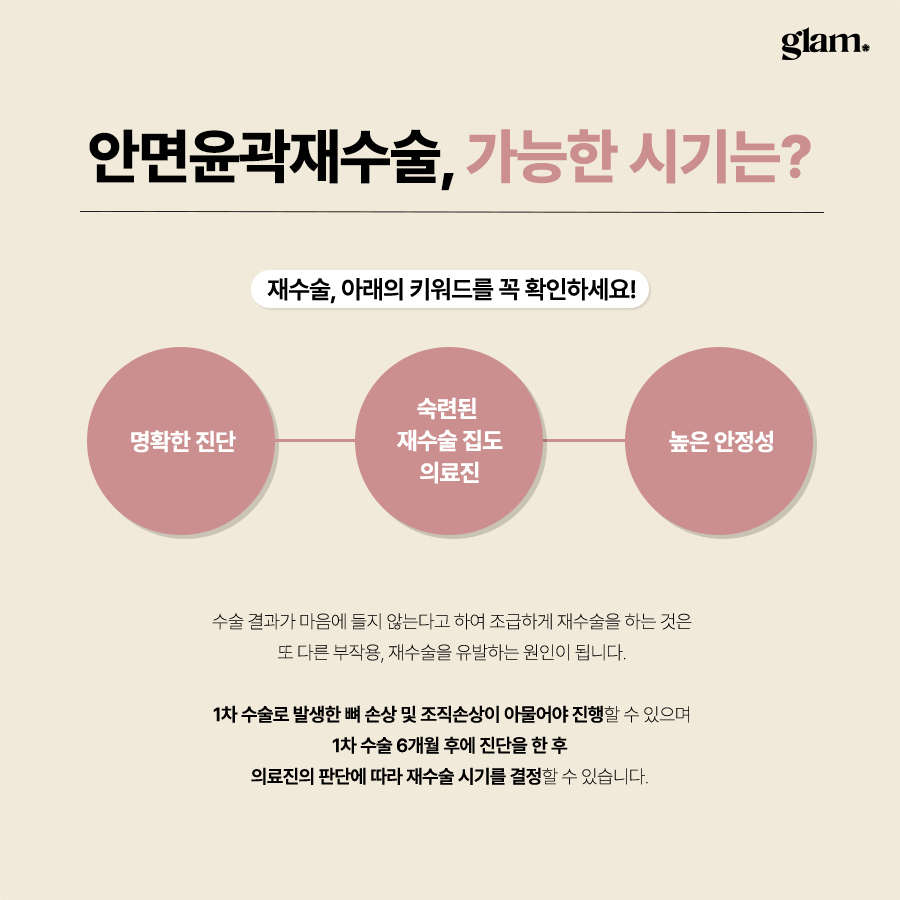
Who may consider revision facial contouring
Not everyone who feels dissatisfied after facial contouring is a good candidate for revision bone surgery. In general, revision is considered when there are clear structural problems that can be seen on imaging, such as irregular bone surfaces, misaligned segments, or significant asymmetry. It may also be considered when there are functional issues like chewing discomfort, jaw joint strain, or persistent bite problems related to the previous contouring.
In addition, some patients have major aesthetic disharmony that can be improved by adjusting the bone. Examples include a jawline that is uneven or sharply indented, cheekbones that are too flat or still too wide, or a chin that is excessively long or short compared to the rest of the face.
However, more bone cutting is not always the answer. Sometimes the main problem is in the soft tissues: sagging skin, volume loss, or muscle imbalance. In these cases, non-bony procedures or non-surgical treatments may be more appropriate. In other situations, the bite or jaw position may be the main issue, and this might call for jaw repositioning surgery rather than simple contouring.
A careful surgeon will help you separate what can be improved by bone surgery from what may be better addressed with other methods. Realistic expectations are crucial. Revision can often improve balance and reduce obvious deformities, but it cannot create a completely new face or erase all traces of the first operation.
Why revision contouring is more complex than first-time surgery
Revision facial contouring is generally more demanding than primary surgery for several reasons. First, the anatomy has already been changed. The original bone landmarks may be missing or altered, and the thickness of the remaining bone can vary from area to area. This makes it more challenging to plan safe cuts and maintain structural stability.
Second, there is usually scar tissue in the soft tissues surrounding the bone. Scar tissue makes dissection slower and more delicate, because important structures such as nerves and blood vessels may be more difficult to identify. The risk of nerve irritation or prolonged swelling can be higher than in a first-time operation.
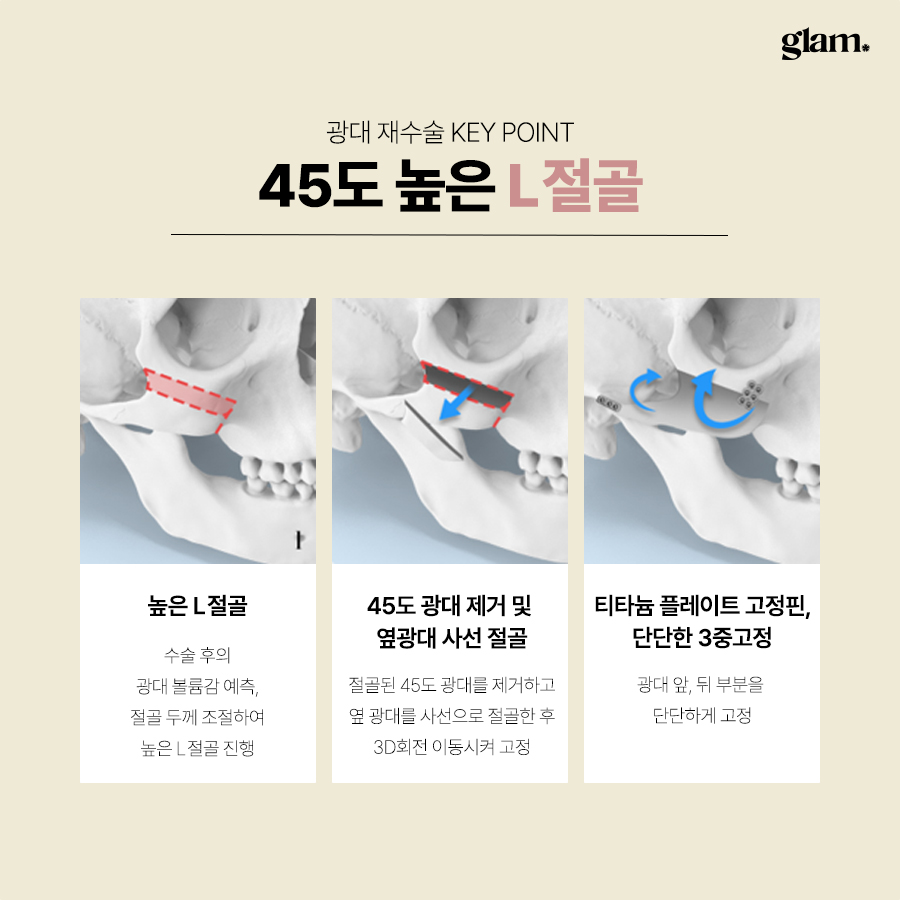
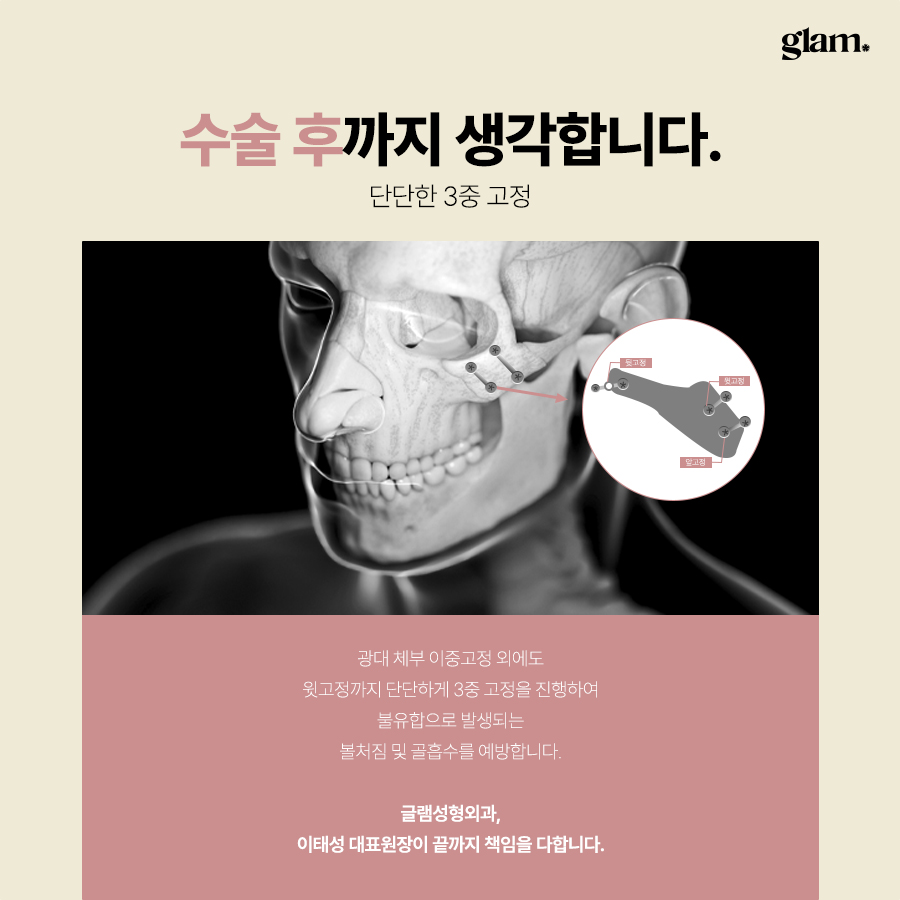
Third, there may be plates, screws, or other fixation materials from the previous surgery. These can interfere with new cuts, and sometimes must be removed or replaced. Removing old hardware also carries its own risks and must be done carefully to avoid damaging the bone.
Because of these factors, revision contouring requires more detailed preoperative imaging and more time in the operating room. It also demands a surgeon who is very familiar with different facial bone techniques and comfortable making intraoperative decisions when the actual anatomy looks different from the original plan.
A facial bone focused clinic in Gangnam
Some clinics in the Sinsa area of Gangnam may advertise a focus on facial bone surgery, including procedures such as double jaw surgery and facial contouring, as well as revision cases. When considering a clinic, verify its stated specialization, credentials, and the actual scope of services during your consultation.
Surgeon experience and academic activity can be useful indicators when evaluating expertise. Some surgeons have many years of clinical experience and peer‑reviewed publications; ask to review a surgeon’s CV, training background, board certifications, and any peer‑reviewed publications or documented outcomes to verify credentials and approach.
This kind of narrow, bone-focused lineup is intentional. By limiting services to jaw and facial contouring, the team can build depth of experience in exactly the type of complex revision surgeries that many overseas patients are seeking.
Safety system and surgical team
For revision facial contouring, anesthesia and monitoring are especially important because operations can be longer and more complex. Ask the clinic to explain their anesthesia arrangements and monitoring protocols, and whether an experienced anesthesiologist will be present throughout the procedure. Confirm staff qualifications and emergency procedures before scheduling surgery.
In this model, a board-certified anesthesiologist is responsible for anesthesia from start to finish, continuously monitoring vital signs and adjusting medications as needed. This allows the surgeon to focus fully on the bone work while the anesthesiologist manages airway, blood pressure, and pain control.
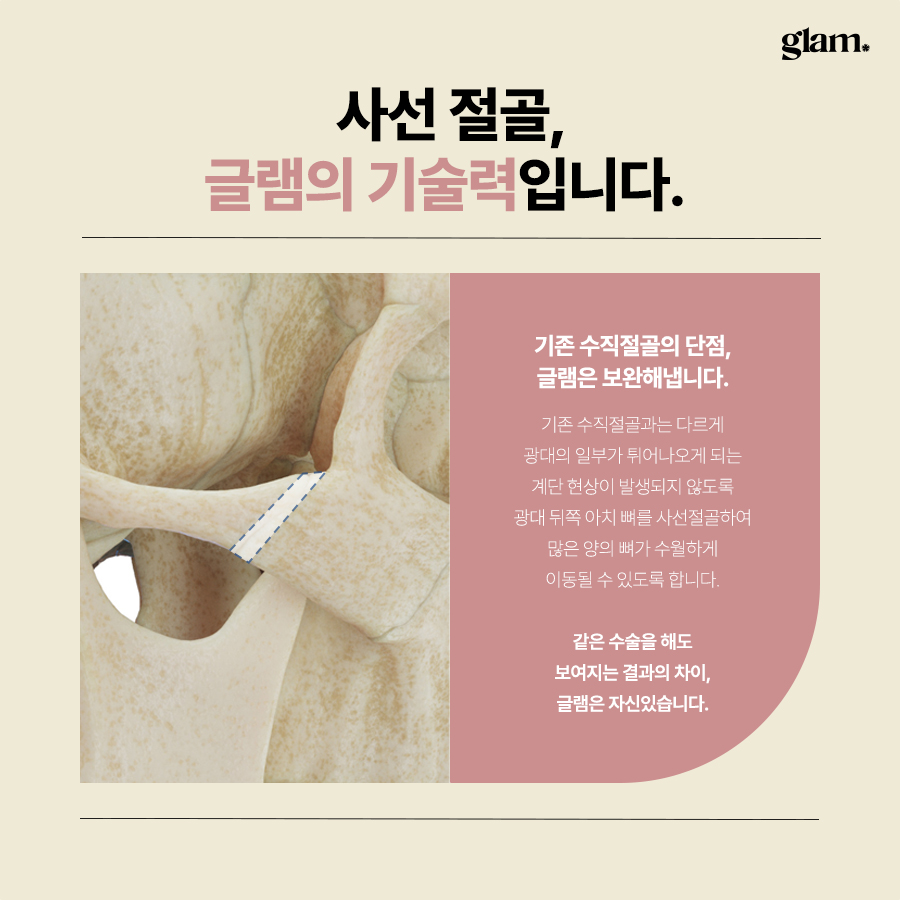
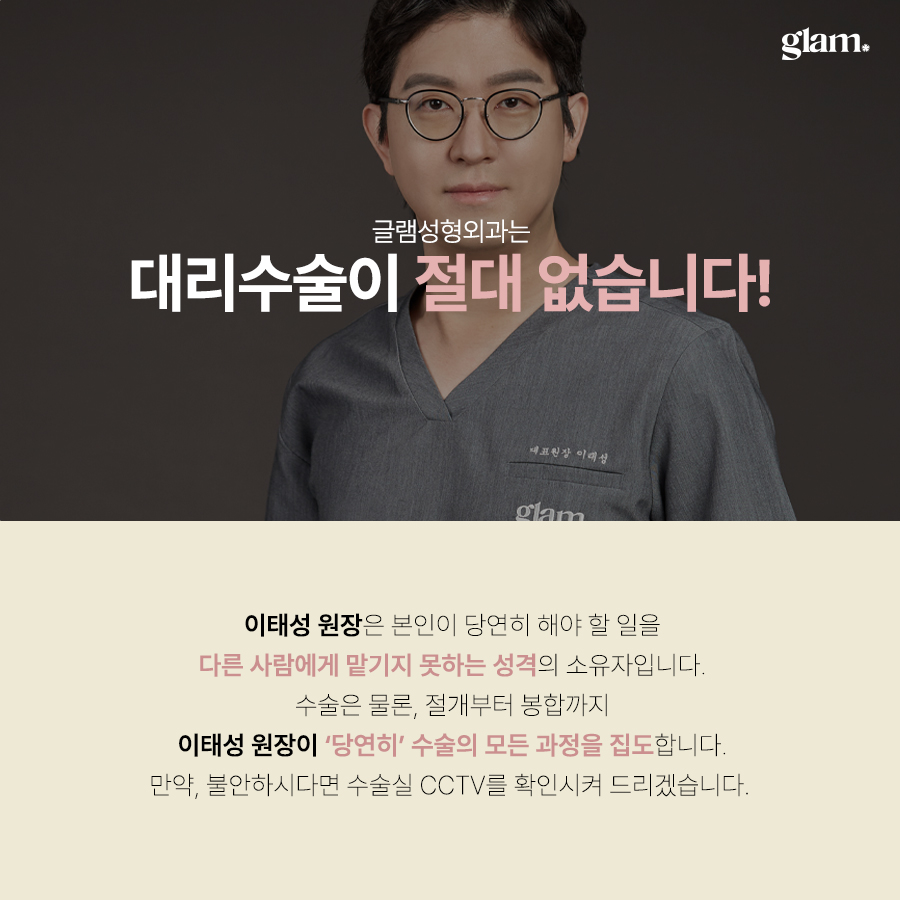
Another key point is that the lead surgeon operates directly rather than delegating to junior doctors. For revision cases, consistent technique and real-time decision-making by the most experienced surgeon can be critical. Patients who travel from overseas often value knowing exactly who will be performing their operation and who will be present throughout the process.
Diagnostic and planning process
Before any revision facial contouring is scheduled, a detailed diagnostic and planning process is essential. This usually begins with a comprehensive consultation, ideally including a review of your previous operative records and X-rays if you can obtain them from your first clinic.
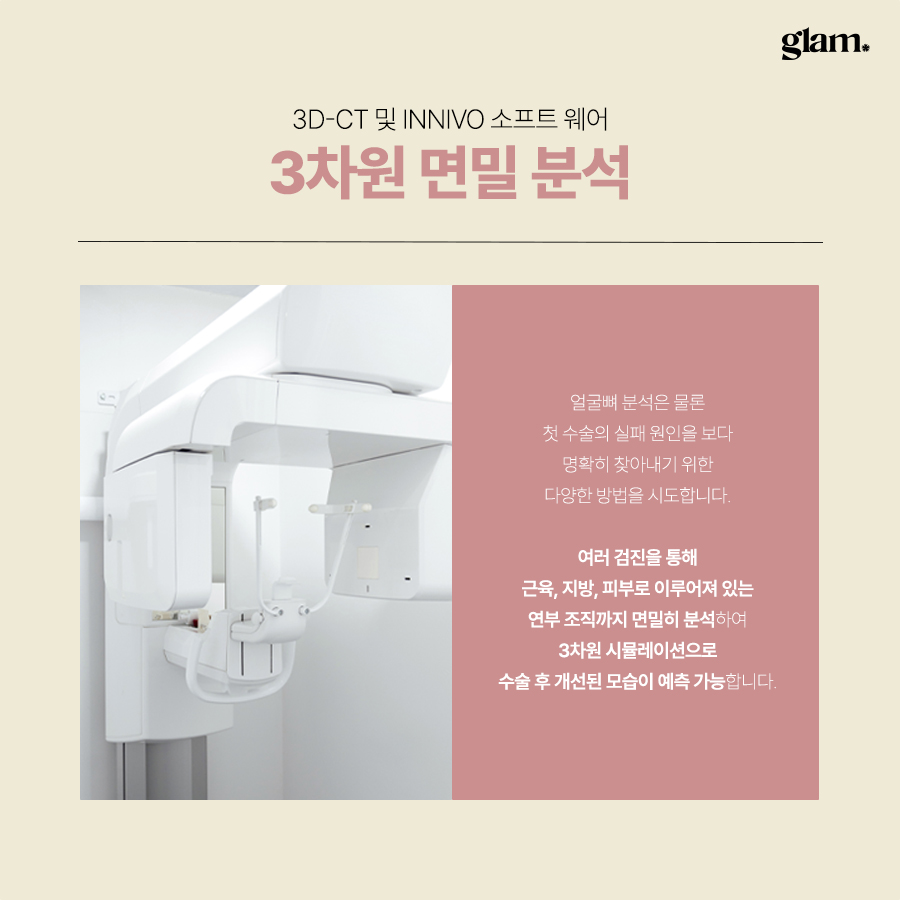
New imaging is then performed. This may include facial bone X-rays or CT scans to show the current bone shape, thickness, and position of important structures such as nerves. The imaging also reveals any plates, screws, or other hardware from the previous surgery.
The surgeon will assess several elements: the symmetry of your facial bones, the relationship between your upper and lower jaws, your bite, and the condition of the soft tissues. They will also listen carefully to your main concerns, such as areas that look uneven, too wide, or too flat.
Based on this information, a revision plan is created. This plan may involve limited bone shaving to smooth irregularities, repositioning certain segments, removing or replacing fixation hardware, or combining bone work with soft tissue procedures. The philosophy is usually to recommend only the minimum necessary surgery to solve the main problem, rather than suggesting multiple aggressive procedures simply to do more.
How revision contouring is performed
On the day of surgery, most revision facial contouring procedures are done under general anesthesia, managed by the anesthesiology specialist. The incisions are typically made inside the mouth, similar to primary contouring, to avoid visible external scars.
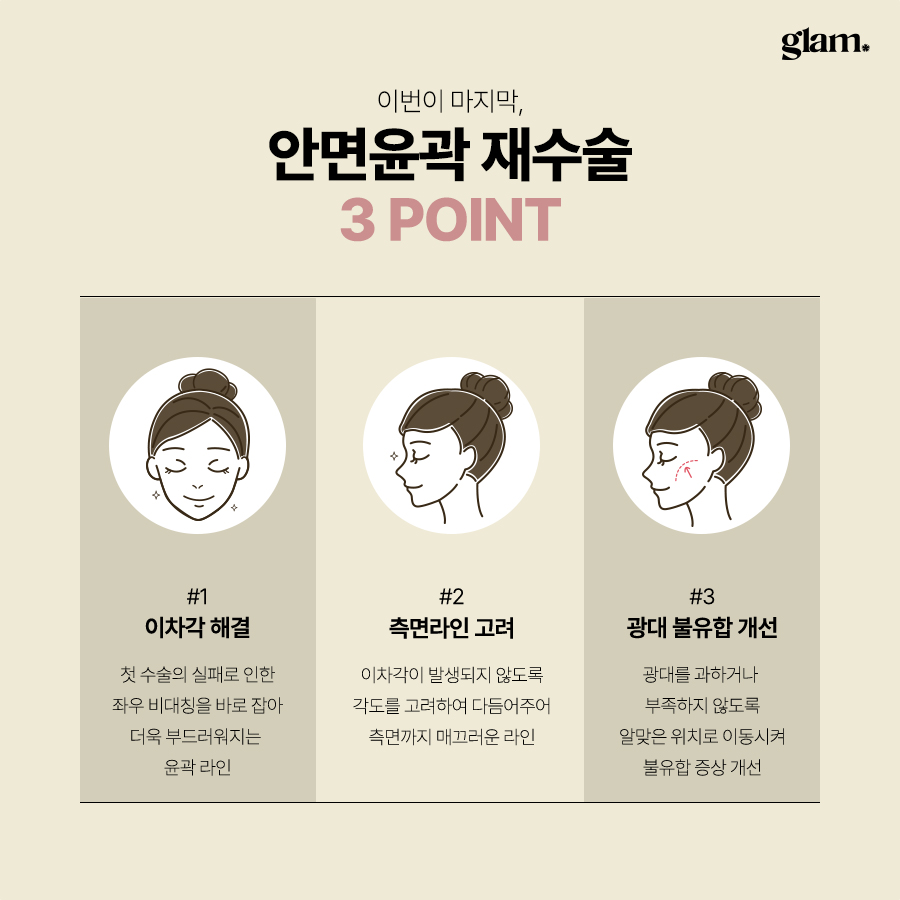
Because of scar tissue from the previous operation, the surgeon must dissect slowly and carefully to reach the bone. They work to identify and protect nerves, especially the inferior alveolar nerve that runs through the lower jaw. Once the bone is exposed, they assess its thickness and shape directly, comparing it with the preoperative plan.
Common target areas include the zygoma (cheekbone), where revision may involve adjusting the arch or body of the bone to correct flatness or persistent width; the mandibular angle (square jaw), where irregular edges or over-resection can be smoothed or balanced; and the chin, where length, width, or projection can be adjusted.
If there is under-resection, the surgeon may reduce more bone within safe limits. If there is over-resection, options are more limited but may include contouring adjacent areas to create smoother transitions or, in selected cases, using grafts or implants. Old plates and screws may be removed if they are causing problems or interfering with the new plan, and new fixation may be placed as needed.
For patients who have had double jaw surgery before and now present with contour complaints, the clinic can also evaluate whether jaw position or bite issues are contributing to the problem. In some cases, revision double jaw surgery may be considered, but the main focus remains on safely improving the facial outline.
Recovery and postoperative care
Recovery after revision facial contouring is often slower and less predictable than after a first-time operation. This is because the tissues have already been disturbed once, and their elasticity and blood supply may be reduced.
In the first week, swelling is usually at its peak. Bruising may also appear around the jawline or cheeks. Most patients can move around and perform light self-care within a few days, but should avoid heavy lifting, strenuous exercise, and smoking, as these can delay healing.
Some clinics offer structured postoperative care programs that may include LED therapy, facial dome treatments, total skin‑reset care, or radiofrequency procedures. The evidence for these adjunctive treatments varies; they are intended to support comfort and recovery but do not replace precise surgical technique. Ask your surgeon about the expected benefits, possible risks, and the evidence supporting any postoperative therapies, and set realistic expectations for recovery.
Swelling usually decreases significantly over 4 to 6 weeks, allowing you to return to most daily activities and social interactions. However, fine contour details continue to refine over several months. It is common to say that the final contour stabilizes around 6 to 12 months after revision, depending on the extent of surgery and individual healing.
Regular follow-up visits are important. They allow the surgeon to monitor healing, manage any minor issues early, and adjust the aftercare plan if needed.
Online consultation and pre-visit preparation
For overseas patients, an online consultation is often the first step. Before contacting the clinic, it is helpful to prepare the following:
Clear photos of your face from the front, 45-degree angle, and side views, taken in good lighting without filters. If possible, include relaxed and smiling expressions. Any previous imaging or operative reports from your first surgery. Even partial information can help the surgeon understand what was done. A short written summary of your main concerns, such as asymmetry, width, length, or specific areas that feel or look irregular. Information about your general health, medications, and any history of bleeding problems or allergies.
During the online consultation, you can expect an initial assessment of whether revision bone surgery seems appropriate, what additional imaging would be needed in Seoul, and a rough idea of the expected recovery period. It is also a good time to ask questions about the surgeon’s experience with revision cases, the anesthesia system, and how follow-up is handled for international patients.
When planning your trip, keep in mind that you may need to stay in Korea for a certain period after surgery. Many patients plan at least two to three weeks in Seoul for imaging, surgery, and early recovery, though the exact timeline depends on the complexity of the case.
Expected Korea visit timeline for revision contouring
While each case is different, a typical schedule for an overseas patient might look like this:
Arrival and preoperative workup: In the first few days, you will have in-person consultation, physical examination, and detailed imaging such as CT scans. The surgeon will confirm or adjust the plan based on these findings. Surgery day: General anesthesia, surgery, and recovery in the clinic or a partner facility. You will usually stay for monitoring for several hours or overnight, depending on the extent of surgery and the clinic’s protocol. First week after surgery: Focus on rest, basic wound care, and swelling control. You will have one or more follow-up visits for check-ups and supportive treatments such as LED therapy or facial dome care. Second week: Gradual reduction in swelling, possible removal of any sutures if present, and further follow-up. Many patients feel comfortable going outside with a mask and returning to light activities during this period. Third week and beyond: If your condition is stable, you may be cleared to fly home, with instructions for ongoing care and online follow-up appointments.
This is only a general guide. Some patients may need a longer stay if their revision is complex or combined with other procedures.
Patient selection and counseling
Deciding on revision facial contouring is not only a medical question but also an emotional one. A thorough counseling process helps ensure that you are ready and that surgery is truly in your best interest.
During consultation, the surgeon will try to understand the root cause of your dissatisfaction. Is it mainly a technical issue from the first surgery, or are there elements of body image or expectation that also need to be addressed? This is not about blaming the patient or the previous surgeon, but about making sure that a second operation is likely to bring meaningful improvement.
Sometimes, the safest and most reasonable recommendation is not to perform major revision bone surgery. Instead, the clinic may suggest limited adjustments, soft tissue procedures, or non-surgical options. A conservative, evidence-based clinic will not push you toward re-operation if the potential benefit does not clearly outweigh the risk.
Before your consultation, it can be helpful to write down your questions. Examples include: What are the main structural problems you see on my imaging? Which of my concerns can realistically be improved by bone surgery, and which cannot? What are the main risks in my specific case? How long should I wait after my first surgery before doing revision? How will follow-up work once I return to my home country?
Asking these questions can help you compare clinics and feel more confident in your decision.
Location and access in Sinsa, Gangnam
The clinic is located on Dosan-daero in Gangnam, within walking distance of Sinsa Station Exit 1. This area is convenient for both local and international patients, with many accommodation options, cafes, and services nearby.
The clinic usually operates on weekdays and Saturdays without a separate lunch break, making it easier to schedule consultations around travel plans. It is closed on Sundays and public holidays. For overseas patients, multilingual channels in English, Japanese, and Thai, along with social media accounts, can provide additional information and help with initial contact.
Frequently asked questions about revision facial contouring
Is revision facial contouring always possible if I do not like my first result?
No. Revision is not always possible or advisable. It depends on how much bone remains, the condition of your nerves and soft tissues, and the specific problems you want to correct. In some cases, the safest option is to avoid further bone cutting and consider non-bony treatments instead. A detailed consultation and imaging are necessary to determine whether revision is appropriate.
How long should I wait after my first facial contouring before revision?
In general, surgeons prefer to wait until the tissues and bones have fully healed and the swelling has settled. This often means at least 6 to 12 months after the first surgery, depending on the extent of the original procedure and your healing speed. Operating too early can make it difficult to judge the true final result and may increase the risk of complications.
Will revision surgery leave visible scars on my face?
Most revision facial contouring procedures are performed through incisions inside the mouth, similar to primary contouring, so there are usually no new visible external scars. However, each case is different, and in rare situations an external approach may be necessary for safety or access reasons. Your surgeon will explain the planned incision sites during consultation.

Is recovery more painful after revision than after the first surgery?
Pain levels vary widely between individuals, but many patients describe revision as similar or slightly more uncomfortable than their first operation, mainly due to increased swelling and stiffness from scar tissue. Modern anesthesia and pain control methods aim to keep discomfort manageable. Following instructions about cold compresses, head elevation, and medications can help reduce symptoms during the early recovery period.
Soft call to action
If you are considering revision facial contouring in Korea after an unsatisfactory jawline or cheekbone surgery, an online consultation can be a safe first step. By sharing your photos, previous records, and concerns, you can receive a professional opinion on whether revision bone surgery is appropriate, what improvements may be realistic, and how long you would need to stay in Seoul.
A careful, conservative approach focused on safety and function first can help you make a more informed decision about a second operation.




- 공유 링크 만들기
- X
- 이메일
- 기타 앱


댓글
댓글 쓰기