Quick facial contouring in Seoul for a slimmer, defined face

Direct answer summary
It refines the cheekbones, jaw angles, and V-line, and is planned to shorten operation time and recovery as much as possible within standard safety steps. At a clinic that focuses on facial bone contouring, the procedure is performed by a board-certified plastic surgeon with a dedicated facial bone practice and an anesthesiologist in charge of anesthesia and monitoring.
What is quick facial contouring
Quick facial contouring is a bone-centered facial reshaping procedure. It is not a simple injection or eye treatment, but a surgery that changes the underlying facial skeleton.
The goal is to improve the overall facial outline by focusing on key areas that create width and angularity. These usually include the cheekbones, the jaw angle and lower jaw, and the chin area that defines the V-line.
The surgeon analyzes which bone areas actually disturb balance and harmony, and then designs a plan that addresses only those points. By avoiding unnecessary additional procedures, the surgery time can often be shorter. This may also help reduce swelling and make it easier to return to daily life.
Who might consider quick facial contouring
Quick facial contouring may be considered by people who feel that their face looks wide, angular, or bulky from certain angles. Common concerns include prominent cheekbones that stand out from the side, a strong or square jaw that makes the lower face look heavy, or a chin that does not form a smooth V-line.
It can be suitable for those who want structural change but are worried about very long recovery times or being advised to undergo more procedures than they feel comfortable with. If you prefer a focused approach that aims for the minimum necessary bone work rather than aggressive, one-size-fits-all cutting, this concept may match your expectations.
Overseas patients who are planning a limited stay in Korea and want to organize their treatment and recovery in a clear, step-by-step schedule also tend to be interested in this type of streamlined facial contouring.
Why choosing a facial bone specialist clinic matters
The clinic described here focuses on facial bone surgery, such as double jaw surgery and facial contouring. It does not offer a broad cosmetic menu for many different body areas; instead, its system is built around facial bone procedures.
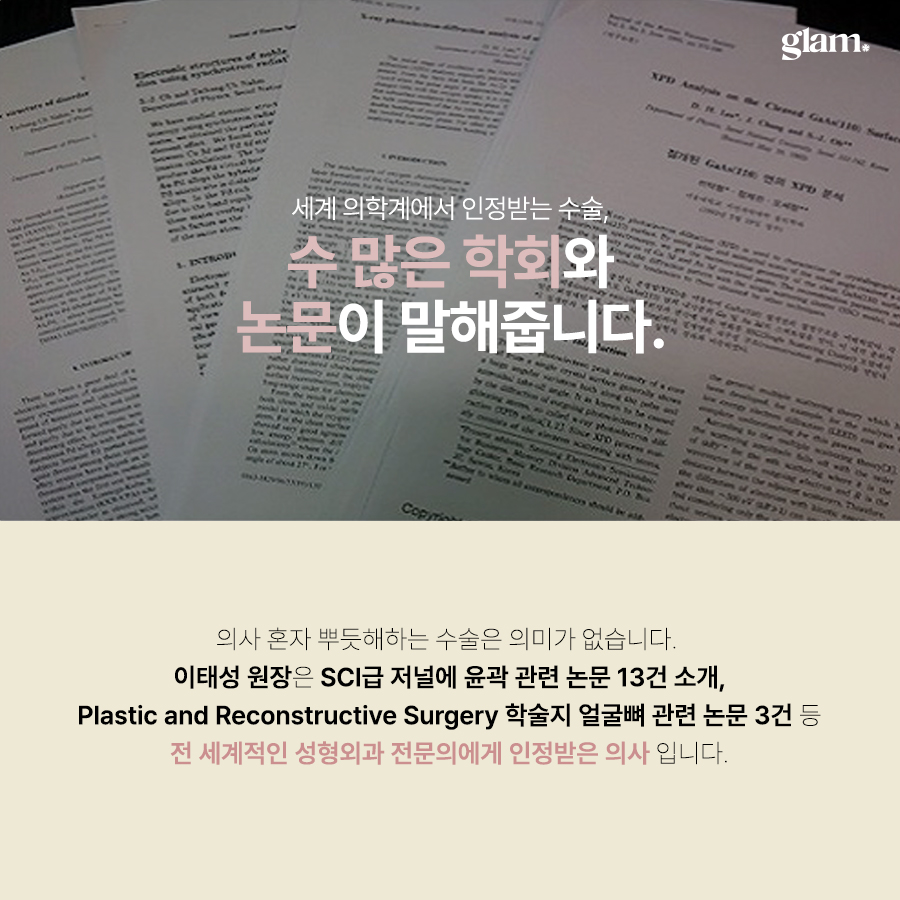
The lead surgeon is a board-certified plastic surgeon with extensive experience in facial bone surgery. This background supports an academic and evidence-based approach to planning and performing surgery.
Surgeries are performed directly by the lead surgeon rather than being delegated, and anesthesia is managed by a dedicated board-certified anesthesiologist. For international patients, this combination of specialization, continuity of care, and academic background can provide reassurance when making decisions from abroad.
What “quick” really means in quick facial contouring
Quick refers to streamlined planning. Before surgery, the surgeon analyzes your facial proportions and bone structure to identify the minimum necessary bone changes. The plan is not to do everything possible, but to do what is structurally needed for balance and harmony.
Quick also refers to avoiding unnecessary combined procedures. Instead of automatically adding multiple operations, the focus stays on the core bone work that will have the most impact on your facial outline.
Finally, quick describes a systematized surgical process. Because the clinic focuses only on facial bone surgery, the team is used to repeating similar steps and works with a consistent protocol. This helps keep the surgery process concise while following the same safety checks each time.
Quick does not mean rushed or careless surgery. Bone surgery still requires precise planning, careful execution, and proper monitoring. Safety, stability, and structural balance come first, even when the process is designed to be efficient.
How quick facial contouring is planned
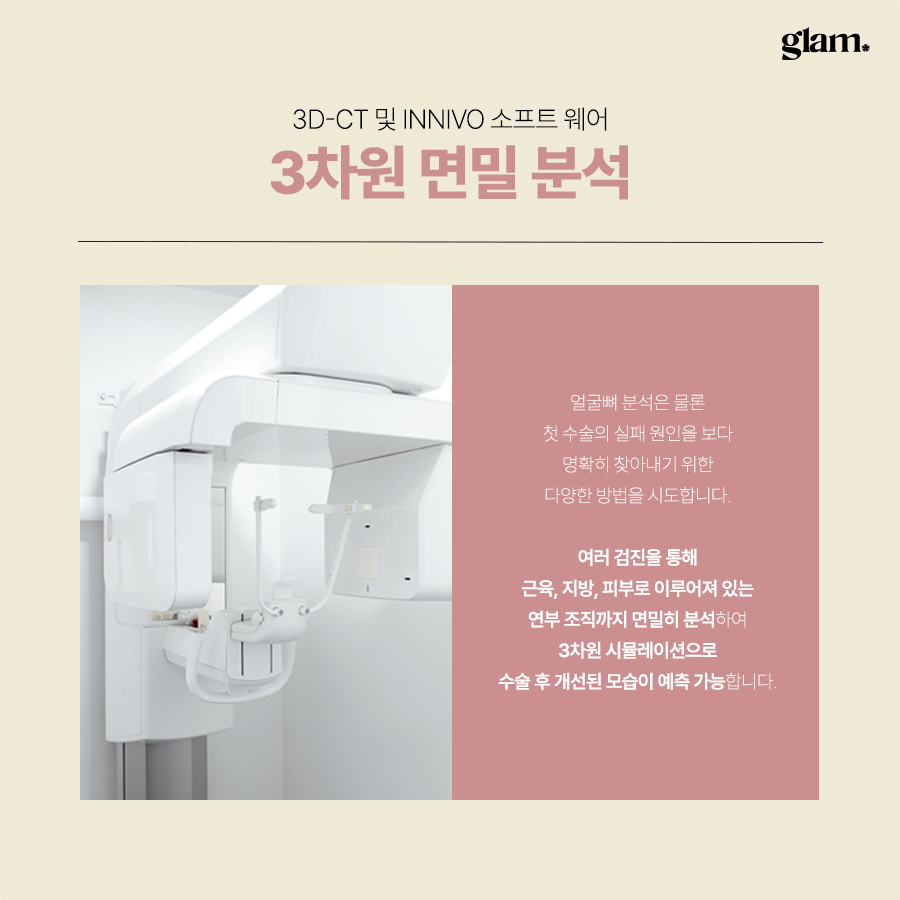
Planning starts with detailed analysis of your face from the front, side, and three-quarter views. The surgeon looks at how the cheekbones, jaw angles, and chin relate to each other and to the rest of your features.
The aim is not to simply make everything smaller. Over-reduction can lead to an unbalanced or aged look. Instead, the plan focuses on achieving proportion. For example, slightly reducing a wide cheekbone while also softening a strong jaw angle can create a smoother line from the cheek to the chin without making the face look flat.
Because every face is different, the exact combination of procedures is customized. Some patients may need only cheekbone work, others only jawline contouring, and some a combination of cheekbone, jaw angle, and V-line shaping. The quick concept is applied by choosing only what is necessary for each individual.
Cheekbone contouring in quick facial contouring
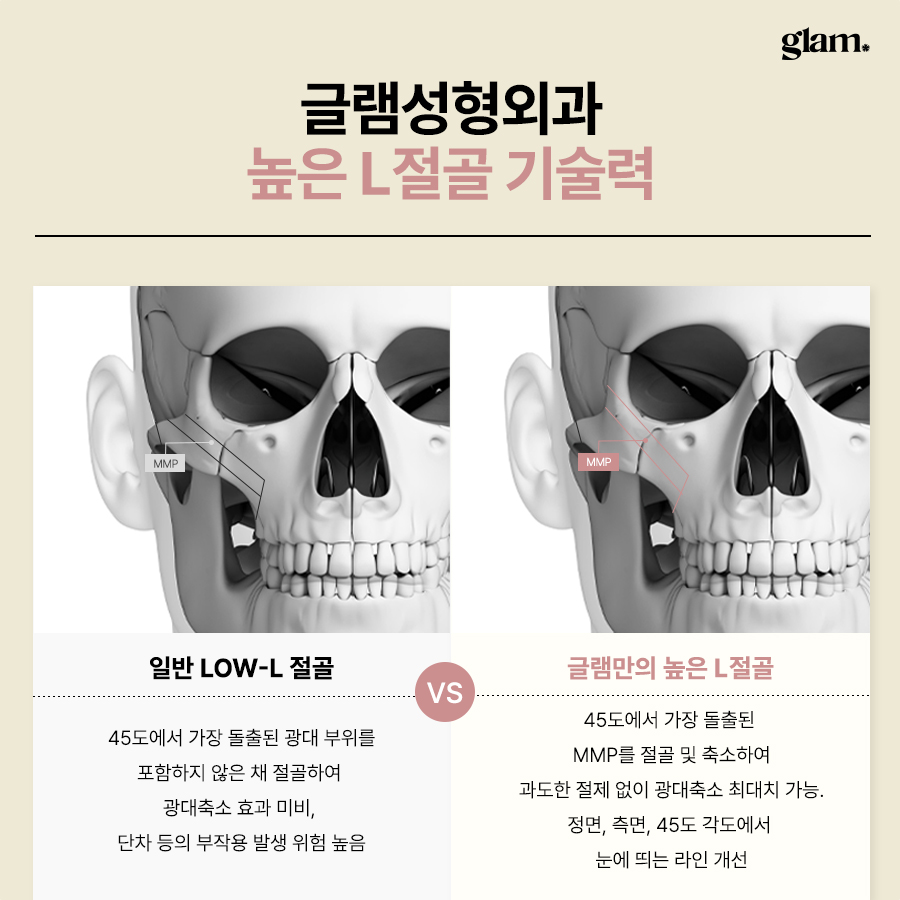
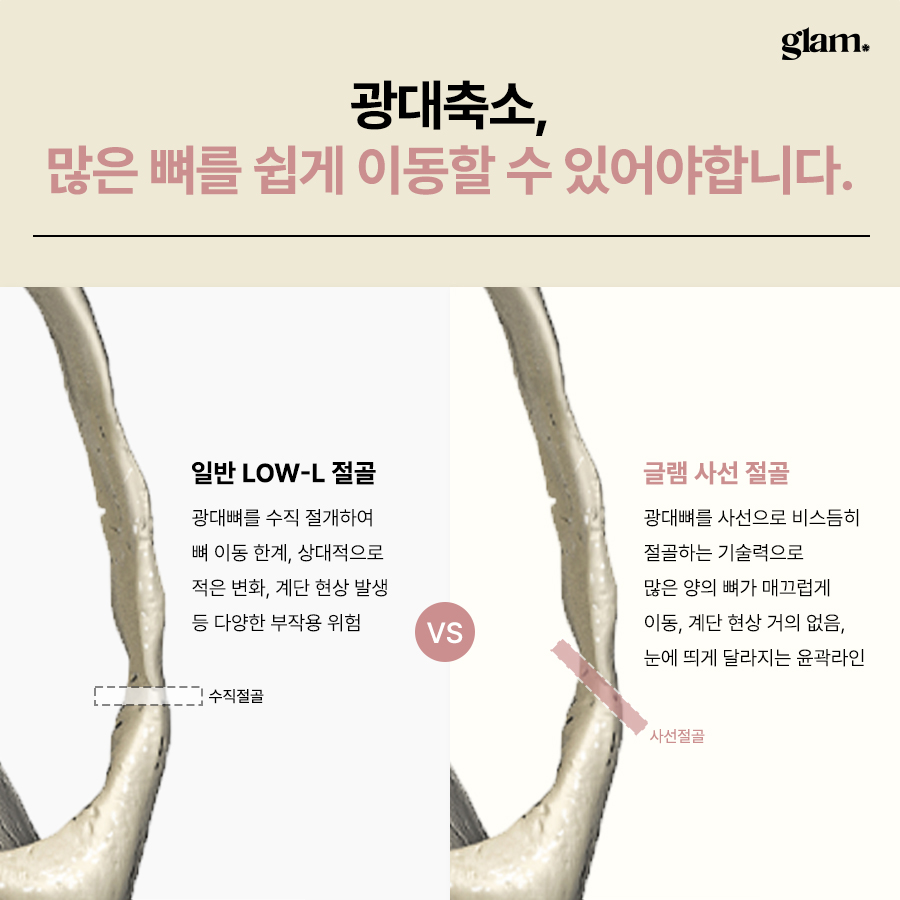
For many people, prominent cheekbones create a wide or sharp impression, especially in side and three-quarter views. In quick facial contouring, cheekbone work is planned to soften this impression while keeping natural definition.
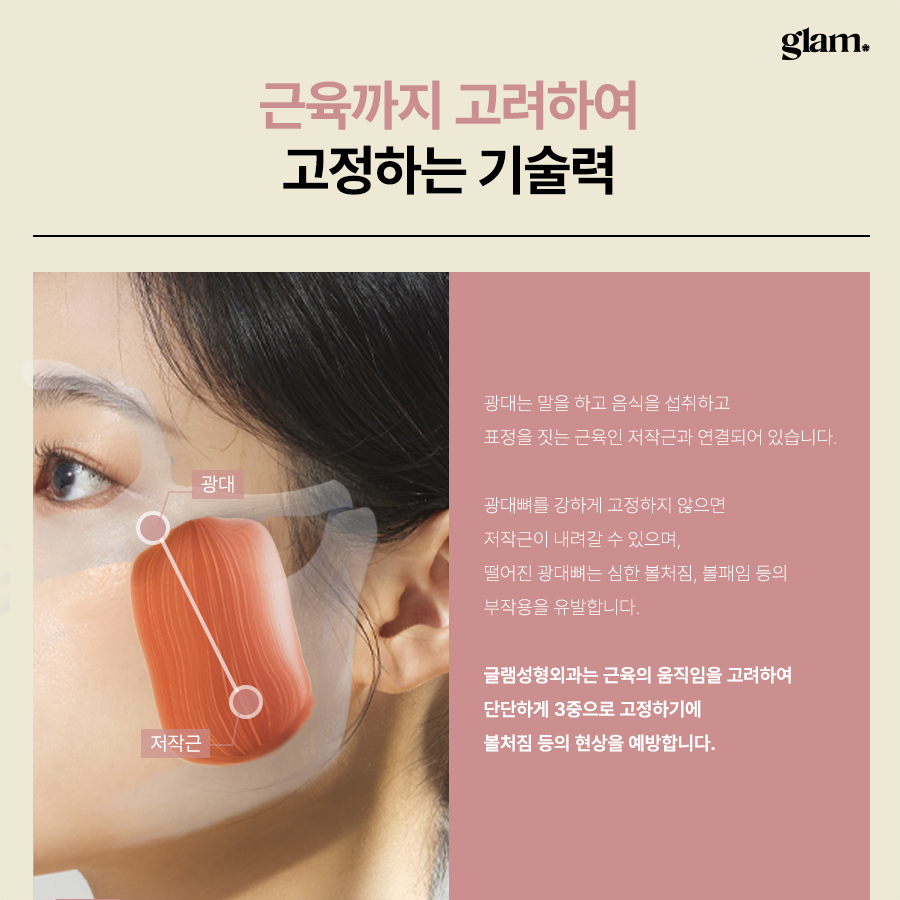
The surgeon may reduce or reposition parts of the cheekbone to bring the outer contour slightly inward and create a smoother transition from the cheeks to the temples and jawline. The goal is not to erase the cheekbones, but to reduce the feeling of width or harshness.
Because the procedure is part of a streamlined plan, only the areas that truly disturb balance are addressed. This helps avoid unnecessary bone removal and supports a more efficient surgery.
Jaw angle and lower jaw contouring
A strong or square jaw can make the lower face look heavy or masculine, even when the rest of the face is slim. Jaw angle and lower jaw contouring in quick facial contouring focuses on reshaping this area to create softer lines.
The surgeon may adjust the angle of the jaw and contour the lower border to reduce bulk and angularity. The aim is to create a smoother, more continuous curve from the ear area down to the chin, which can make the face appear slimmer from both the front and side.
Again, the emphasis is on the minimum necessary change. Instead of aggressive cutting along the entire jaw, the surgeon identifies the segments that most strongly influence width and heaviness and focuses on those.
V-line shaping and chin refinement
The chin plays a major role in the overall impression of the face. In quick facial contouring, V-line shaping is used to refine the lower face so that it tapers more naturally.
Depending on your starting shape, the surgeon may narrow or slightly shorten the chin or adjust its projection to better match your nose, lips, and forehead. The goal is a balanced V-line that looks harmonious from the front and natural from the side.
Because the procedure is part of a streamlined plan, the chin is not automatically made as small as possible. Instead, the surgeon aims for a shape that fits your facial proportions and supports a stable, natural result.
Safety systems and medical team
Safety is a central part of quick facial contouring, especially for international patients who are far from home.
The lead surgeon is a board-certified plastic surgeon with long-term experience in facial bone surgery. This long-term focus helps in anticipating variations in bone structure and planning safe, stable changes.
A dedicated board-certified anesthesiologist manages anesthesia throughout the operation. Continuous monitoring of vital signs and careful adjustment of anesthesia are important for both safety and comfort.
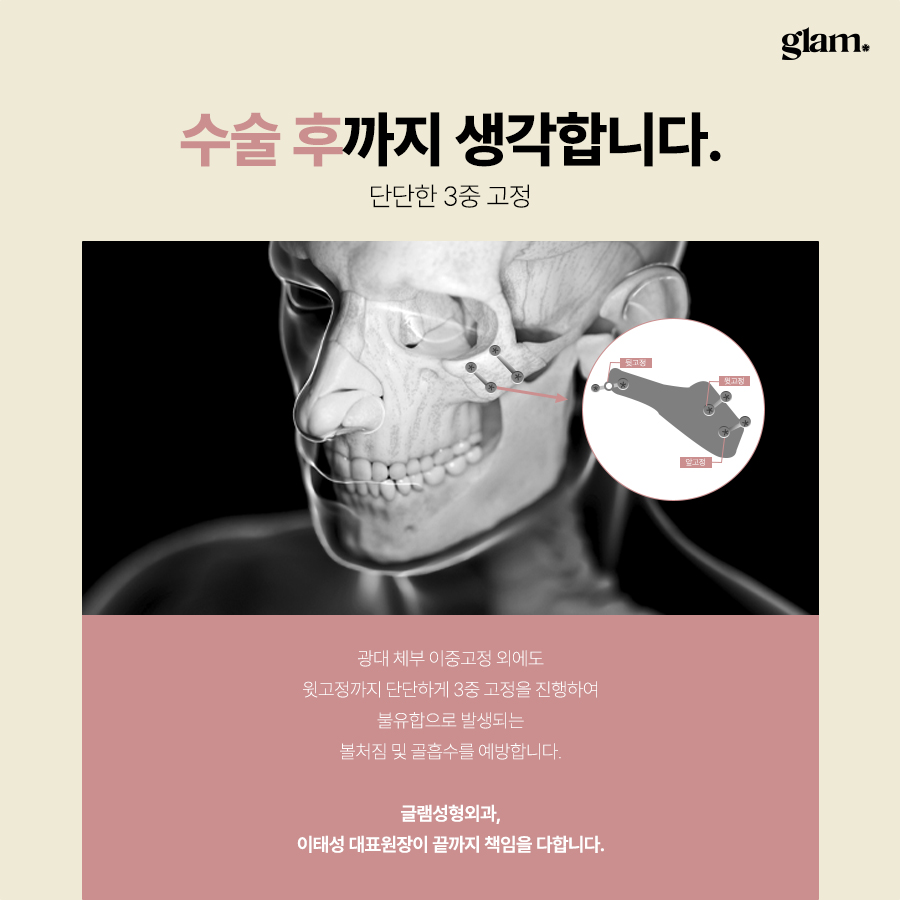
The clinic uses consistent criteria for surgery planning and protocols so that decisions are based on medical data and safety standards, not just on trends.
Expected recovery and postoperative care
In the early days after surgery, you can expect noticeable swelling, which usually peaks and then gradually decreases. The clinic supports this phase with structured postoperative care programs. These may include LED therapy to support skin recovery, facial care to help maintain skin condition, and radiofrequency lifting aimed at assisting with swelling reduction and tissue tone during healing.
As time passes, swelling continues to improve. Many patients feel more comfortable appearing in public with basic makeup after a few weeks, although subtle internal healing continues for several months. Because everyone heals differently, the exact timeline can vary, and it is important to follow the surgeon’s instructions closely.
Who quick facial contouring may not be suitable for
Quick facial contouring is not for everyone. If your concerns are mainly about skin texture, fine wrinkles, or volume loss rather than bone structure, non-surgical treatments or other procedures may be more appropriate.
People who expect zero swelling, instant results, or no downtime may also find that bone surgery does not match their expectations. Even with an efficient process, the body still needs time to heal.
During consultation, the surgeon will review your medical history, facial structure, and goals to determine whether this approach is suitable and safe for you. In some cases, a more conservative plan or a different type of treatment may be recommended.
Preparing for an online consultation from overseas
If you live outside Korea, an online consultation is usually the first step. Preparing well can help you receive clearer guidance.
Before your consultation, it is helpful to prepare front, side, and three-quarter photos of your face in good lighting, without heavy makeup or filters. If you have had previous facial surgery, gather any available records or images.
Make a list of your main concerns in simple terms, such as wide cheekbones, square jaw, or lack of V-line. Also write down what you hope to achieve and what you are most worried about, for example long downtime, over-treatment, or visible scars.
During the online consultation, you can ask about which areas the surgeon thinks are structurally important to change, what type of anesthesia is used, how long you should stay in Korea, and what kind of postoperative care is provided. Taking notes can help you compare information if you speak with more than one clinic.
Planning your visit to Korea
Many international patients plan their trip around a clear timeline. While individual schedules differ, the following is a general example of how a visit for quick facial contouring might look.

Before arrival, you will usually complete an online consultation and receive a tentative plan and recommended length of stay. Once you confirm your surgery date, you can book flights and accommodation near Gangnam, ideally within easy reach of Sinsa Station.
On the first or second day after arrival, you will have an in-person consultation, examinations, and final planning. The surgeon will confirm the plan, explain details again, and answer your questions. Preoperative tests may also be done at this time.
Surgery is typically scheduled soon after the final consultation, depending on your arrival date and the clinic’s schedule. After surgery, you will have follow-up visits for dressing changes, checks, and postoperative care sessions such as LED therapy or radiofrequency treatments.
Many overseas patients stay in Korea for at least one to two weeks after surgery to allow for initial recovery and follow-up visits. Your exact recommended stay will depend on the complexity of your surgery and your general health.
Aftercare once you return home
When you return to your home country, ongoing care continues through self-management and remote follow-up.
You will usually receive written postoperative instructions covering medication, sleeping position, activity level, oral hygiene if relevant, and what signs to watch for. It is important to follow these instructions closely and to contact the clinic if you notice anything unusual.
The clinic may request periodic photos to monitor your progress and answer questions by message or video call. If you have a local doctor, it can be helpful to inform them about your surgery so that you have support nearby if needed.

Remember that final bone contour and soft tissue adaptation take time. Even after you feel mostly recovered, subtle changes can continue for several months as swelling resolves and tissues settle.
Questions to ask before you decide
Before deciding on quick facial contouring, it can be useful to prepare a checklist of questions. This helps you compare clinics and understand whether this approach fits your needs.
You may want to ask how the surgeon decides which bone areas to treat and which to leave untouched, and how they define the minimum necessary surgery for your case. It is also helpful to ask how many facial bone surgeries the surgeon performs regularly and whether the lead surgeon will operate on you directly.
Other practical questions include how long the surgery is expected to take, what type of anesthesia will be used, how long you should stay in Korea, and what postoperative care is included. You can also ask about the typical course of swelling and when most patients feel comfortable returning to daily activities.
Frequently asked questions
What makes quick facial contouring different from general facial contouring
Quick facial contouring is a full bone surgery, but it is planned to be as efficient and minimal as possible. Instead of combining many procedures by default, the surgeon focuses on the key bone areas that actually disturb facial balance, such as prominent cheekbones, a strong jaw angle, or an unrefined V-line.
Is quick facial contouring suitable if I have a very wide face
It can be considered if your facial width is mainly due to bone structure, such as wide cheekbones or a broad jaw. The surgeon will analyze your facial proportions to see which areas contribute most to the width and whether bone contouring can provide meaningful improvement. In some cases, a combination of cheekbone and jawline work is recommended, while in others a more limited approach or different treatment may be more appropriate.

How long do I need to stay in Korea for this surgery
The recommended stay varies depending on the complexity of your surgery and your general health. Many overseas patients plan for at least one to two weeks in Korea to allow for preoperative consultation, surgery, and early follow-up visits. During your online consultation, the clinic can provide a more personalized estimate based on your situation and the planned procedures.
Will there still be swelling and downtime if the surgery is called quick
Yes. Quick refers to streamlined planning and efficient surgical systems, not to the absence of healing time. Because this is bone surgery, swelling, bruising, and a period of downtime are still expected. The clinic supports recovery with postoperative care such as LED therapy, facial care, and radiofrequency lifting to help with swelling and skin condition. Even with these treatments, healing still takes time.
Soft call to action
If you are considering facial contouring but prefer a focused, bone-centered approach with an efficient treatment journey, an online consultation can help you understand whether quick facial contouring in Gangnam is suitable for you. By sharing your photos, concerns, and goals in advance, you can receive a personalized assessment and a clearer idea of the expected plan, timeline, and recovery before you decide to travel to Korea.






댓글
댓글 쓰기