Practical Guide to Revision Facial Bone Surgery (얼굴뼈수술) for Overseas Patients
- 공유 링크 만들기
- X
- 이메일
- 기타 앱

Direct answer summary
Revision facial contouring surgery is secondary facial bone surgery performed to correct or improve the results of previous jaw or contouring procedures. It can address asymmetry, an overly slim or hollowed look, irregular jawlines or cheekbones, and functional problems such as bite issues or joint discomfort. Because the bones have already been cut and healed, revision is more complex than first-time surgery and should be handled at a center that focuses specifically on facial bone procedures, with careful imaging, conservative planning, and a strong safety system.
This guide explains what revision facial bone surgery involves, who may consider it, how to prepare from overseas, what a typical visit to Seoul looks like, and what to expect during recovery.
Overview of revision facial contouring surgery
Revision facial contouring surgery, sometimes called revision facial bone surgery, is performed after a previous operation on the facial skeleton. It can follow procedures such as cheekbone reduction, jaw angle reduction, V-line surgery, or double jaw surgery.
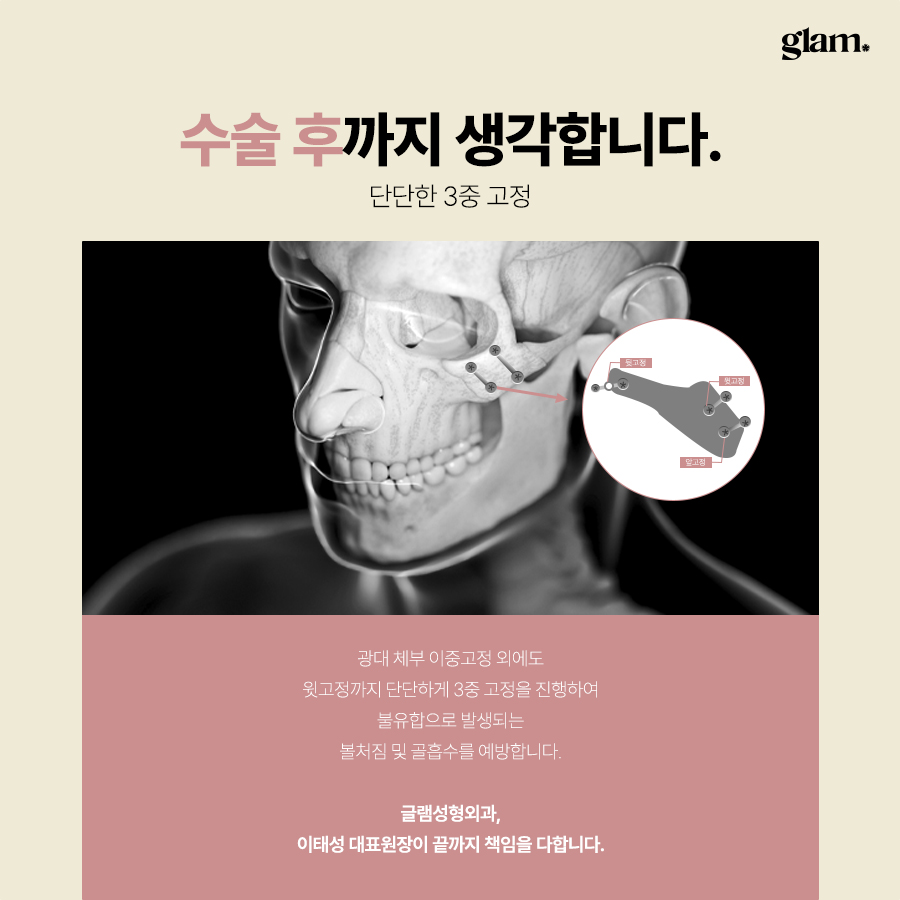
Unlike first-time surgery, revision starts from a face where the bones have already been cut, moved, and fixed with plates or screws. The bone has healed in a new position, and the soft tissues of the face have adapted to this changed structure. This makes revision planning more demanding and highly individualized.
The main goals of revision facial contouring include restoring facial balance, correcting asymmetry, softening an overly sharp or skeletonized look, improving an unnatural facial shape, and resolving functional issues like bite misalignment or temporomandibular joint discomfort. In some cases, the aim is to smooth step-offs or bumps along the jawline or cheekbone that can be seen or felt.
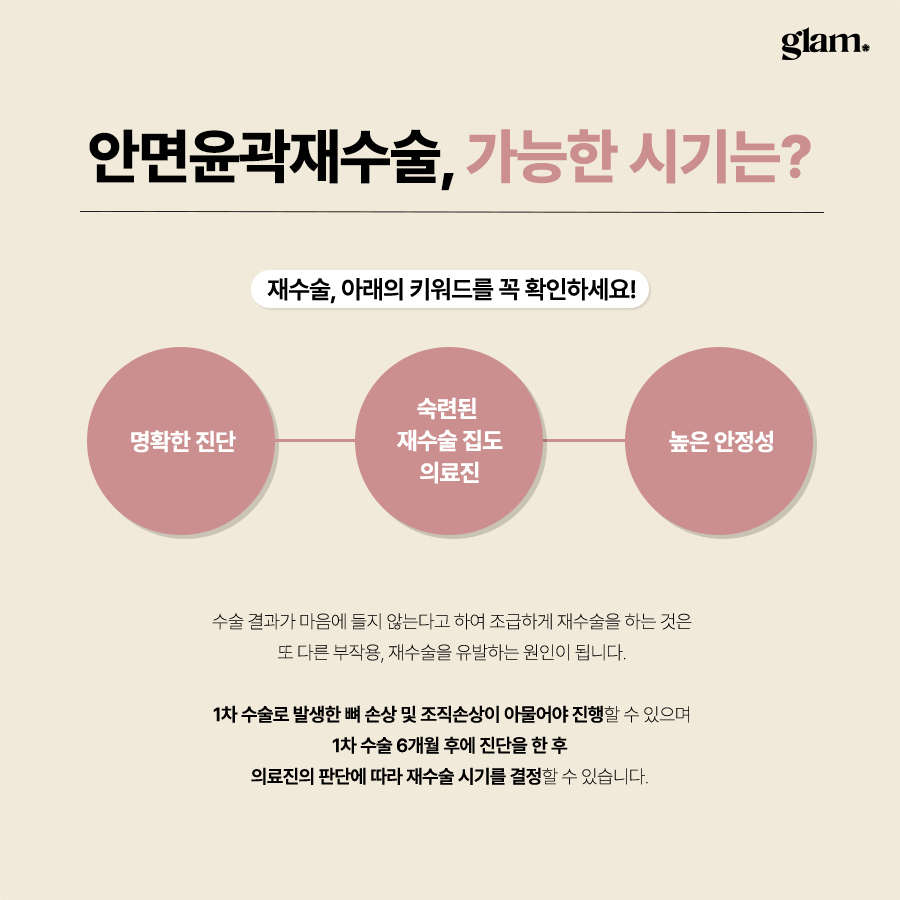
Because of these complexities, revision is not simply a matter of cutting more bone. It may involve re-cutting and repositioning bone segments, adding bone grafts or implants in areas that were over-resected, and combining bone work with soft tissue procedures to better support the skin and muscles.
Common reasons to seek revision after facial bone surgery
Patients consider revision facial bone surgery for a variety of reasons. Some are mainly aesthetic, while others involve function or comfort.
Aesthetic dissatisfaction is one of the most common motives. The face may look too wide, too narrow, too long, or simply different from what the patient expected. Some feel that their face appears older, more tired, or less natural than before.
Asymmetry is another frequent concern. One side of the jaw or cheekbone may appear lower, more protruded, or more hollow than the other. Under certain lighting, this can create uneven shadows that are difficult to hide with makeup.
Over-resection and under-resection are both issues. Over-resection means too much bone was removed, leaving the jawline or cheekbone too narrow or flat, sometimes giving a skeletonized or aged appearance. Under-resection means the change is minimal, and the patient feels that the surgery did not meaningfully improve their original concerns.
Contour irregularities can appear as visible or palpable steps, bumps, or depressions along the jawline or cheekbone. Even if the overall shape is acceptable, these local irregularities can be bothersome in photos or when touching the face.
Some patients experience functional issues after facial bone surgery. These may include bite misalignment after double jaw or contouring procedures, difficulty chewing certain foods, joint discomfort around the temporomandibular joint, or changes in speech. In such cases, revision planning must carefully consider both appearance and function.
Soft tissue problems can also arise. If bone reduction is not well matched to the overlying soft tissues, the cheeks may sag or look hollow, and unnatural shadows may appear. In some patients, the face looks deflated rather than simply slimmer.
Finally, there is often a psychological burden. Patients may feel regret, anxiety, or loss of confidence after an unsatisfactory result. At the same time, they may be afraid of undergoing another operation. A careful, honest consultation is essential to help them understand what can realistically be improved and what limitations remain.
Why revision facial bone surgery needs a different approach
Revision facial contouring is fundamentally different from first-time surgery. The surgeon must work with altered anatomy: bone that has been cut and healed, scar tissue, and existing fixation plates or screws.
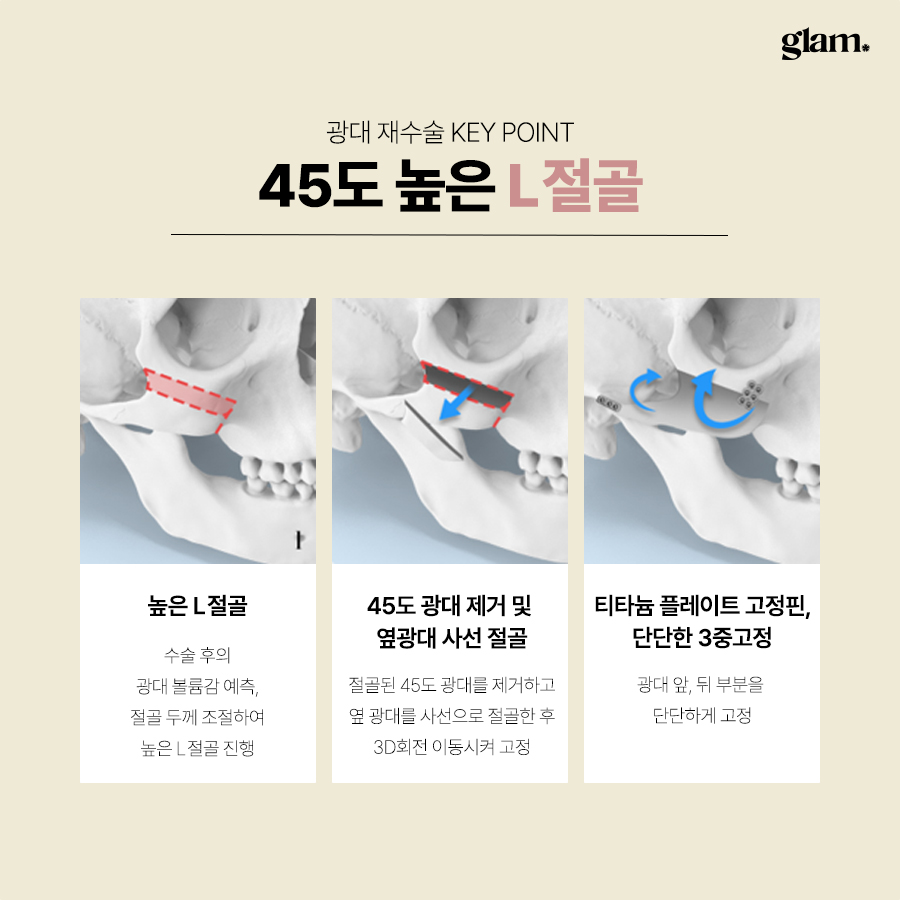
Scar tissue changes the way soft tissues move and heal. It can make dissection more difficult and increase the risk of swelling and stiffness after surgery. Previous osteotomy lines and hardware must be identified precisely to avoid weakening the bone or injuring important structures.
For this reason, detailed imaging is often an important part of the preoperative evaluation. like the inferior alveolar nerve, but exact imaging needs vary by case. These findings help inform an individualized surgical plan.
In revision cases, the balance between aesthetics and function is especially important. While improving appearance is a key goal, protecting the bite, joint health, and nerve function is equally essential. Overly aggressive bone removal in a revision setting can lead to instability, numbness, or an overly operated look.
Sometimes, revision means adding rather than subtracting. If too much bone was removed previously, the surgeon may use bone grafts or other materials to restore volume and support soft tissues. In other cases, the focus may be on repositioning existing bone segments, smoothing irregularities, or combining subtle bone adjustments with soft tissue lifting.
Who may consider revision facial contouring
Not everyone who feels dissatisfied after facial bone surgery is ready for revision right away. Timing and patient selection are important.
—but the optimal timing varies with the type of surgery, healing progress, and individual factors. Allowing swelling to subside and soft tissues to settle is important for accurately judging the final contour; the best timing should be determined in consultation with your treating surgeon.
Revision is more appropriate for patients with clear, documented problems. These can include persistent asymmetry, visible contour deformities, functional issues such as bite problems or joint discomfort, or significant mismatch between bone structure and soft tissue.
Expectations also need to be realistic. Revision can often improve facial balance and reduce obvious problems, but it may not completely erase all traces of previous surgery. Some limitations are inherent to the existing bone and soft tissue condition.
Candidates for revision should be willing to undergo detailed evaluation, including imaging and, when double jaw surgery is involved, bite analysis. This process helps define what is structurally possible and what might be better addressed with non-surgical options.
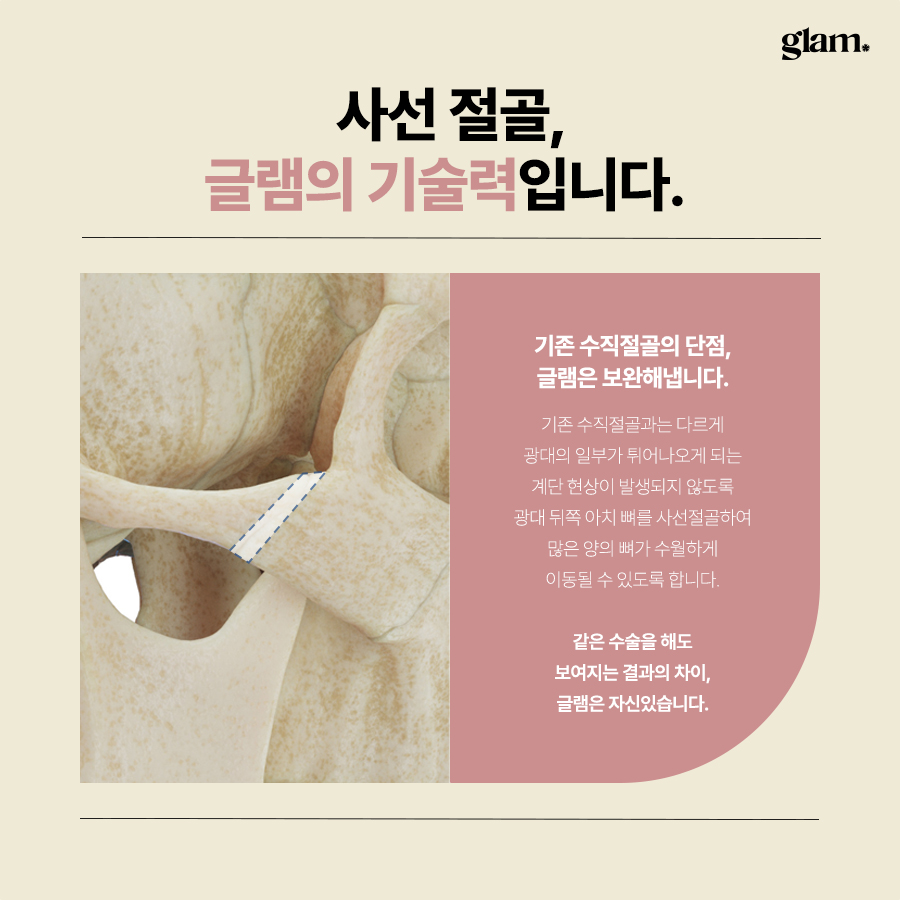
In some cases, non-surgical treatments such as fillers, fat grafting, or lifting procedures may offer partial improvement, especially for mild hollowness or sagging. However, when the underlying bone structure is the main cause of the problem, structural correction through revision surgery is often required for a more stable solution.
Key evaluation steps before revision facial bone surgery
A thorough preoperative assessment is essential for safe and effective revision facial contouring, especially for patients traveling from overseas.
The process usually begins with a detailed medical history review. The surgeon will want to know what type of surgery you had, when it was performed, what techniques were used, and whether there were any complications or unusual healing patterns. Current symptoms, such as numbness, pain, or bite discomfort, should be described clearly.
Physical examination focuses on facial symmetry, jaw movement, occlusion, nerve sensation, and the condition of the soft tissues. The surgeon will assess how the face looks at rest and during movement, and how the skin and muscles drape over the underlying bone.
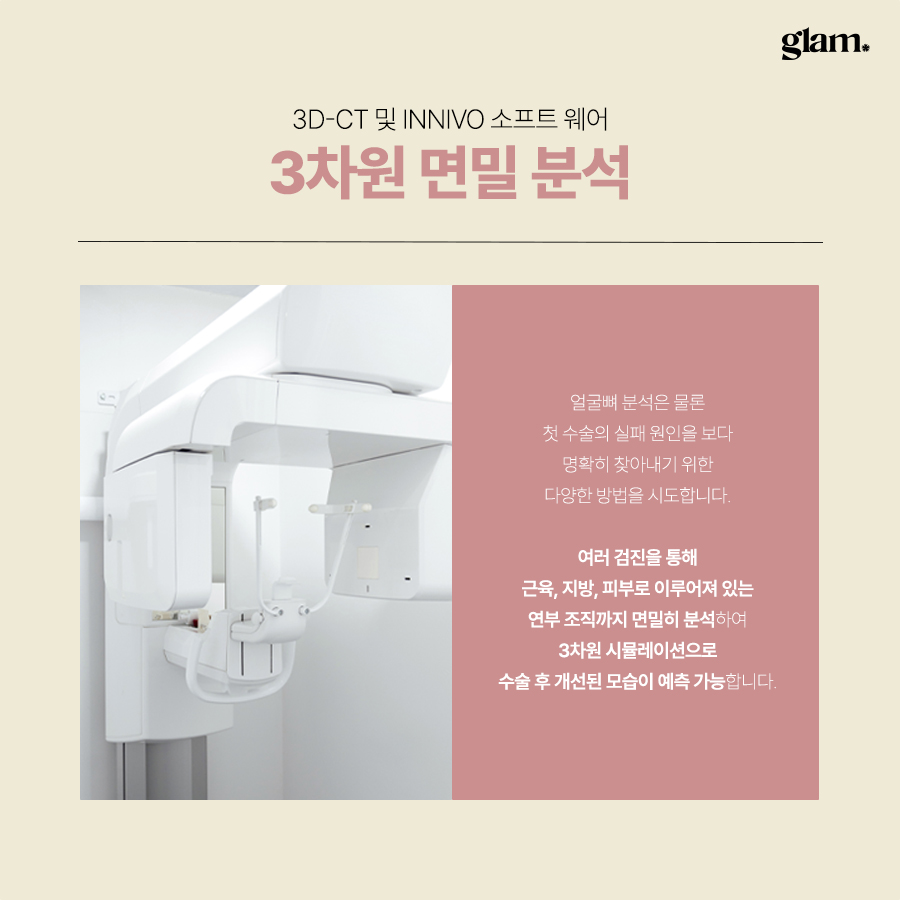
Imaging is a key part of revision planning. Three-dimensional CT scans allow precise analysis of bone cuts, fixation hardware, and nerve pathways. Cephalometric analysis can be used to evaluate jaw position and occlusion, especially if double jaw surgery is being considered or has already been done.
Photographic analysis is also important. Standardized photos from the front, oblique, and profile views help the surgeon plan how bone changes will affect overall facial harmony. These photos are also useful for explaining the surgical plan to the patient.
Clear discussion of goals is a crucial step. Patients should explain what bothers them most and what they hope to change. The surgeon can then explain which of these goals are realistic, which may be partially achievable, and which may not be advisable.
Risk assessment is part of every responsible consultation. Potential risks such as nerve injury, persistent asymmetry, limited improvement, or the need for staged procedures should be explained in advance. This helps patients make informed decisions and reduces unrealistic expectations.
Typical revision procedures for facial contouring
Revision facial bone surgery can involve different regions of the face, depending on the patient’s concerns and previous operations.
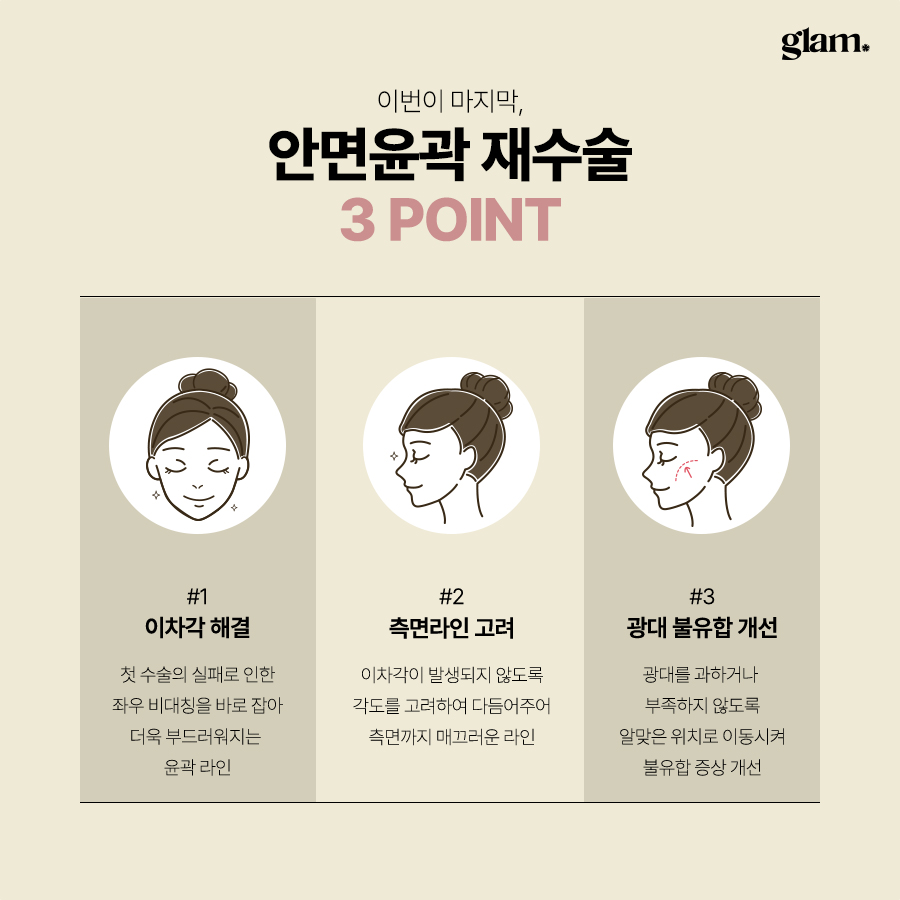
Revision jaw angle and V-line surgery may focus on correcting uneven cuts, smoothing step deformities, and adjusting an overly sharp or narrow chin. In some cases, where the face appears too skeletonized, the goal may be to restore some width or projection for a healthier, more balanced look.
Revision cheekbone surgery can address cheekbones that remain too prominent, have become too flat, or show asymmetry. The surgeon may reposition, reshape, or partially rebuild the cheekbone area. Step-offs between the cheekbone and surrounding bone can be smoothed to create a more continuous contour.
Revision after double jaw surgery is often more complex, as it involves both appearance and bite. If jaw position is unstable or facial balance is off, re-osteotomy and new fixation may be considered. Detailed bite analysis and imaging are essential in these cases.
When over-resection has occurred, bone grafts or implants may be used to add volume and support. These can help restore contour and provide better support for the overlying soft tissues, reducing hollowness or sagging.
Soft tissue procedures are often combined with bone revision. Lifting sagging tissues, addressing hollow areas, and improving the skin envelope can help the face match the new bone structure. The exact combination depends on age, skin quality, and the degree of previous bone reduction.
Hardware management is another aspect of revision. Plates and screws may be removed or repositioned if they cause discomfort, infection, or aesthetic concerns. In many cases, hardware can be left in place if it is stable and not causing problems.
Safety considerations and choosing a revision surgeon
Because revision facial bone surgery is technically demanding, choosing the right surgeon and clinic is particularly important, especially for international patients.
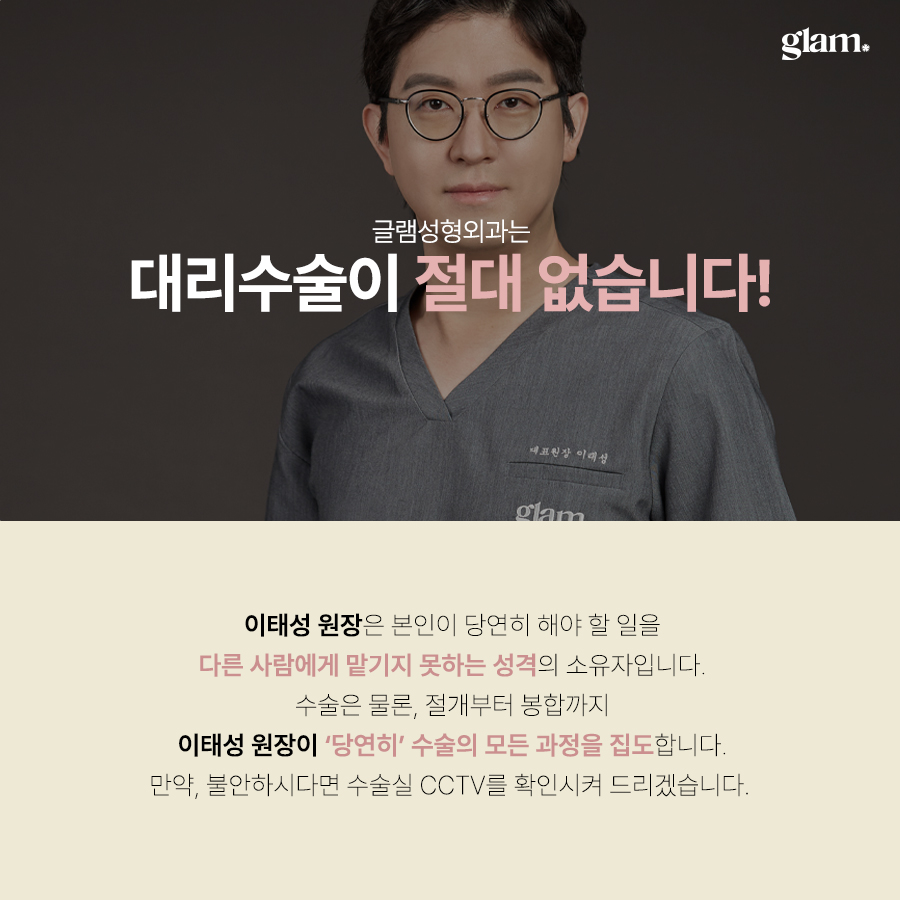
One key factor is specialization. A clinic that focuses specifically on facial bone surgery, such as double jaw and facial contouring, may offer a more concentrated level of experience than a center that performs a wide range of unrelated procedures.
ndicate that the surgeon’s methods have been evaluated by other experts.
Anesthesia safety is also critical. For longer or more complex revision procedures, many centers use an experienced anesthesia team and continuous intraoperative monitoring. Patients should ask their clinic about anesthesia arrangements and monitoring protocols so they understand the safety measures that will be in place.
During consultation, it is helpful to ask about the surgeon’s philosophy. In revision cases, a conservative, minimum-necessary approach is often safer than an aggressive plan that attempts to change everything at once. Patients should feel that the surgeon is willing to say no to unnecessary or risky procedures.
Detailed imaging and, when relevant, bite analysis should be part of the preoperative workup, not skipped for convenience. If these steps are not recommended, it is reasonable to ask why.
Complications should be discussed honestly. These may include nerve damage, persistent asymmetry, limited improvement, or the possibility of requiring minor secondary adjustments. Transparent communication builds trust and helps patients prepare mentally and practically.
Preparing from overseas and online consultation
For international patients, preparation often begins with an online consultation. This stage is important for deciding whether a trip to Seoul for revision facial bone surgery is appropriate.
Before your online consultation, it is helpful to gather as much information as possible about your previous surgery. This may include operative records, pre- and post-operative X-rays or CT scans, and any written reports from your original surgeon. If you do not have these documents, you can usually request them from the hospital or clinic where your surgery was performed.
Clear photos are also essential. Clinics typically request front, 45-degree, and side profile photos with neutral facial expression, taken in good lighting. Some may also ask for photos showing your bite.
During the online consultation, you can explain your main concerns, such as asymmetry, hollowness, or bite problems, and describe any discomfort or numbness. The surgeon or coordinator may suggest preliminary options and explain whether revision surgery seems structurally possible.
This is also the time to ask practical questions: expected length of stay in Korea, approximate recovery timeline, recommended tests on arrival, and how follow-up will be managed once you return home. If you speak English, Japanese, or Thai, multilingual staff can help make communication smoother.
Many patients find it useful to prepare a checklist of questions before the consultation, such as what type of imaging will be done, whether double jaw surgery might be necessary again, and what non-surgical alternatives exist. Writing these down helps ensure that important points are not forgotten during the discussion.
Expected visit timeline for revision facial bone surgery in Korea
The exact schedule can vary, but many overseas patients follow a similar timeline when visiting Seoul for revision facial contouring.
On arrival, there is usually an in-person consultation and diagnostic workup. This often includes 3D CT scanning, photographs, and, if needed, bite analysis. The surgeon reviews the images with you, confirms the plan discussed online, and may adjust details based on the new information.
Surgery is typically scheduled within a few days after imaging, allowing time for any additional tests and for you to review consent forms and instructions. For complex revision, the operation itself can take several hours, and you will recover in a monitored setting immediately afterward.
The first week after surgery is usually the most intense in terms of swelling and discomfort. Many patients stay near the clinic during this period for regular check-ups, wound care, and early postoperative treatments aimed at reducing swelling.
In the second and third weeks, swelling gradually decreases, and patients often feel more comfortable going outside for light activities. Stitches inside the mouth, if present, dissolve over time, while external sutures, if any, may be removed according to the surgeon’s schedule.
For most revision facial bone surgeries, an overseas stay of about two to three weeks is commonly recommended, though this can vary based on the complexity of the case and individual healing. Before returning home, a final in-person check-up is usually performed, and follow-up plans are discussed.
Recovery and postoperative care after revision facial contouring
Recovery after revision facial bone surgery can be somewhat longer or more noticeable than after primary surgery, due to scar tissue and repeated dissection.
Swelling and bruising are usually most pronounced in the first week and then gradually improve over several weeks. Some residual swelling can persist for a few months, especially in the lower face. Patients are generally advised to avoid heavy exercise, impact, or pressure on the operated area during the early recovery phase.
Postoperative care programs can support recovery. ry, so discuss potential benefits, risks, and alternatives with your surgeon.
Diet guidelines are important, particularly if the jaw has been operated on. A soft or semi-soft diet is often recommended initially to protect the bone and fixation. Gradual return to normal foods is guided by the surgeon based on healing progress.
Regular follow-up visits help monitor bone healing, nerve recovery, and facial symmetry. Imaging may be repeated at certain intervals if needed. For international patients, photo or video consultations can be used to supplement in-person visits after returning home.
Psychological recovery is also part of the process. It can take time for swelling to settle and for you to adjust to your new appearance. Understanding that final results develop gradually over several months can reduce anxiety. Open communication with the surgical team about your concerns is encouraged.
FAQ about revision facial contouring and facial bone surgery
How long should I wait after my first facial bone surgery before considering revision?
In many cases, surgeons recommend waiting at least 6 to 12 months after the initial facial bone surgery before deciding on revision. This allows swelling to resolve and soft tissues to adapt to the new bone structure, so the final contour can be accurately evaluated. In special situations with severe functional problems, earlier intervention may be considered, but this is decided on a case-by-case basis after careful assessment.
Can revision surgery completely fix asymmetry or an unnatural look?
Revision facial bone surgery can often improve asymmetry and reduce an unnatural appearance, but complete perfection is not always realistic. The existing bone and soft tissue condition, previous osteotomy lines, and scar tissue all limit how much change is safely possible. During consultation, the surgeon should explain which aspects can be significantly improved and which may only be partially corrected, so that expectations are aligned with what is structurally achievable.
Is revision more dangerous than the first surgery?
Revision surgery is generally more complex than first-time facial bone surgery because of altered anatomy, scar tissue, and existing hardware. This can increase certain risks, such as nerve irritation or prolonged swelling. However, with detailed imaging, careful planning, and a conservative approach, many patients undergo revision safely. Choosing a center that focuses on facial bone surgery, with a dedicated anesthesiologist and structured monitoring, adds important safety layers.
What tests and scans will I need before revision facial contouring?
Most patients will need a 3D CT scan of the facial bones to evaluate previous cuts, hardware, and nerve pathways. Cephalometric analysis may be done if jaw position and bite are involved, especially in double jaw cases. Standardized photographs from multiple angles are also taken for planning and discussion. In some situations, additional dental or joint evaluations may be recommended to fully understand functional issues.
Can I avoid double jaw surgery and correct my concerns with contouring revision alone?
Whether double jaw surgery is necessary depends on the underlying problem. If your concerns are mainly about the outer contour of the jaw or cheekbone, revision contouring alone may be sufficient. However, if your bite is misaligned or the upper and lower jaws are positioned incorrectly, double jaw surgery may be required to address the root cause. A thorough examination and imaging are needed to determine the most appropriate approach.
What if my main issue is sagging or hollow cheeks after bone reduction?
Sagging or hollow cheeks after bone reduction can be due to both structural and soft tissue factors. If too much bone was removed, adding volume with bone grafts or other materials may be considered. In other cases, lifting procedures or fat grafting can help support and refill the soft tissues. Sometimes a combination of subtle bone revision and soft tissue treatment provides the most balanced result. The best plan depends on your individual anatomy and goals.

How do I know if I really need revision surgery or if non-surgical options are enough?
Non-surgical options such as fillers, fat grafting, or lifting can be helpful for mild hollowness or sagging and for patients who are not ready for another operation. However, if the main problem is the position or shape of the bone itself, non-surgical treatments may only offer temporary or partial improvement. A consultation with a facial bone specialist, supported by imaging, can clarify whether your concerns are mainly structural or soft tissue related, and which approach is more appropriate.
What should I prepare before visiting a revision specialist in Seoul?
Before visiting a revision specialist, try to obtain your previous operative records, any X-rays or CT scans, and written reports from your original surgery. Prepare recent photos and, if possible, bring or send images taken before your first operation as well. Write down your main concerns, the timeline of your symptoms, and any questions you want to ask. This preparation helps the surgeon understand your case more clearly and makes the consultation more productive.
Soft call to action
If you are considering revision facial bone surgery after a previous jaw or contouring procedure and are unsure what is realistically possible, an online consultation can be a practical first step. By sharing your history, photos, and scans in advance, you can receive a personalized assessment and a clearer idea of whether a visit to Sinsa, Gangnam in Seoul for specialized facial bone evaluation and treatment would be appropriate for your situation.




참고 및 출처
위 기관의 공개 정보는 일반적인 확인 경로이며, 본문의 개별 판단은 현재 상태와 공식 안내를 함께 확인해야 합니다.
본 글은 일반적인 정보 제공을 목적으로 작성되었으며, 의학적 진단이나 치료 권고가 아닙니다. 개인의 의료 상태, 병력, 복용 약물에 따라 적합한 시술과 주의사항은 달라질 수 있으므로 시술 여부는 반드시 의료진과 상담해 결정해야 합니다.


댓글
댓글 쓰기