Pain and recovery timeline after double jaw (orthognathic) surgery
- 공유 링크 만들기
- X
- 이메일
- 기타 앱
Direct answer: how painful is double jaw surgery?
You do not feel pain during the operation because it is done under general anesthesia. The most difficult period is usually the first two to three days after surgery, when swelling, pressure, and a dull aching sensation are strongest. After about one week, the pain generally decreases a lot, and by two to four weeks most people can do daily activities with only mild soreness or tightness. Pain experience is individual, but with a structured plan, most patients describe it as tough but tolerable rather than unbearable.
What is double jaw surgery?
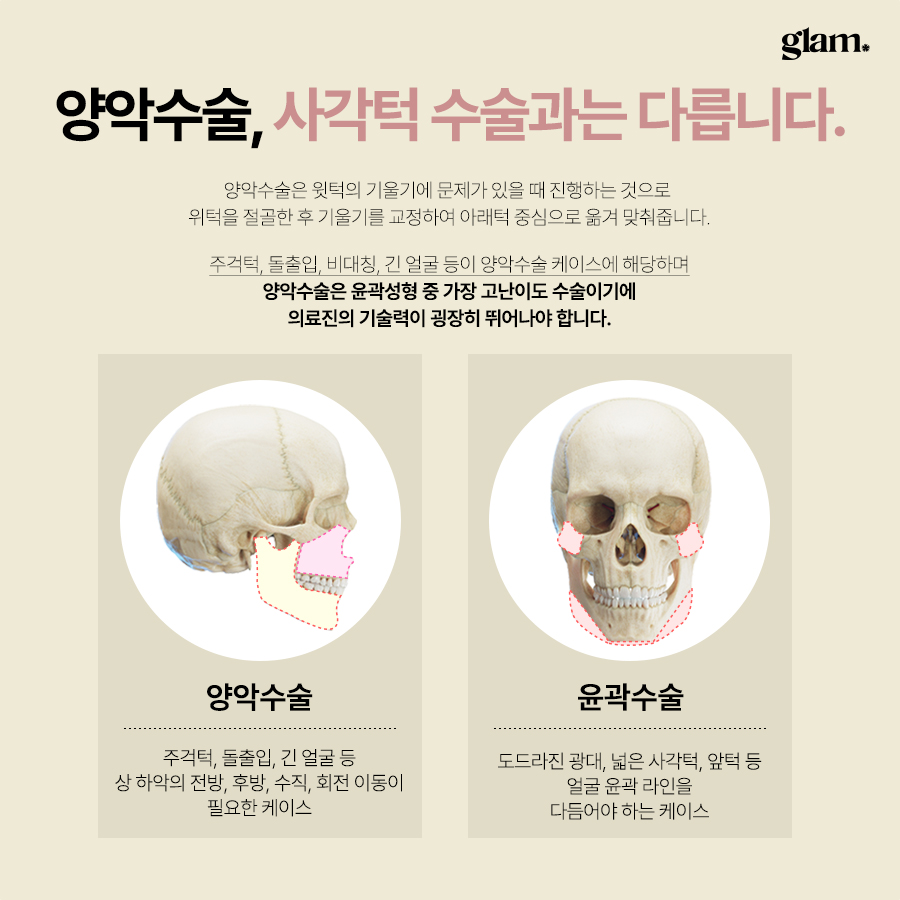
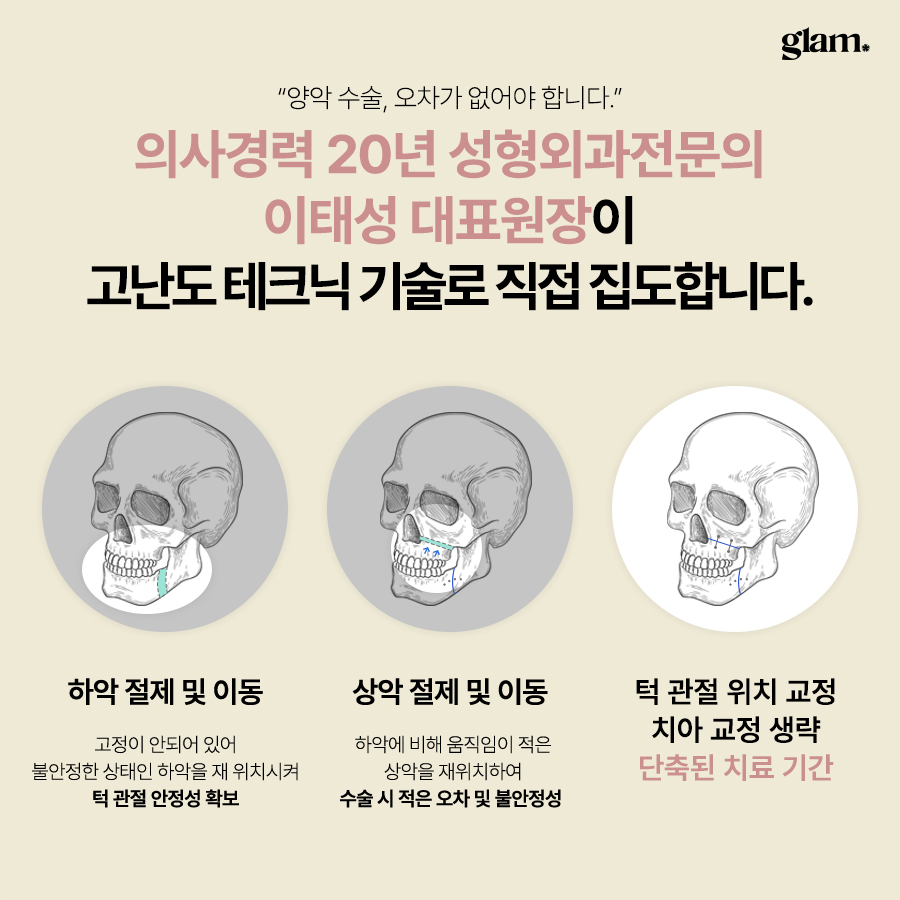
Double jaw surgery, also called orthognathic surgery, is an operation that repositions both the upper and lower jaw bones. The goal is to improve how your teeth meet, support better chewing, balance the facial profile, and sometimes help with breathing or jaw joint strain.
Because this is surgery on the facial bones rather than just the skin or soft tissues, some postoperative pain, swelling, and stiffness are to be expected. The procedure is performed under general anesthesia, and an anesthesiology and pain medicine specialist monitors you throughout. You will be completely unconscious during the operation and do not feel pain at that time; pain and discomfort typically appear after you wake up in the recovery room.
How painful is double jaw surgery in real life?
During surgery
You are under general anesthesia, so you do not feel any pain or remember the procedure. In many modern centers, additional local nerve blocks are used during surgery to help reduce pain in the first hours after you wake up.
Immediately after waking up
When you first wake up, you may feel heavy pressure, tightness, and a dull ache around the jaw and cheeks. The face can feel very swollen and stiff. Strong, sharp pain should be controlled with intravenous pain medication. Many patients say the feeling of fullness and swelling is more noticeable than the pain itself.
First 2 to 3 days
This is usually the peak period for discomfort. Swelling increases and reaches its maximum, and you may feel throbbing or pulsing in the jaw area, especially when moving your head or trying to speak. With prescribed painkillers taken on schedule, most patients can rest and sleep, though it may be interrupted. The experience is often described as strong pressure and tightness rather than stabbing pain.
After 1 week
By the end of the first week, pain usually decreases significantly. Swelling is still very visible, and stiffness, fatigue, and a heavy feeling in the face remain. Many patients can switch from stronger painkillers to milder oral medications at this stage.
After 2 to 4 weeks
Most daily activities are possible. You may feel mild pain or tightness when chewing soft foods, talking for a long time, or opening the mouth wider. Residual soreness is usually manageable with occasional mild painkillers, or sometimes no medication at all.
Remember that pain is personal. Your individual pain threshold, the exact surgical plan, and how carefully you follow postoperative instructions all influence how you feel.
What does the pain actually feel like?
Pain
You may feel a dull, aching pain around the jaw, cheeks, and sometimes under the eyes. This can become stronger when you move your mouth, turn your head quickly, or lie flat. Sudden, sharp pain should be discussed with the medical team so they can adjust medication.
Swelling and pressure
A tight, heavy, or stretched feeling in the face is extremely common. Many patients say this pressure and the difficulty moving the face are more distressing than the pain itself. Swelling usually peaks around day two or three and then slowly decreases.
Throat discomfort
Because a breathing tube is used during general anesthesia, it is common to have a sore throat or some difficulty swallowing for a few days. This usually improves on its own and can be eased with cool drinks and prescribed medications.
Numbness and tingling
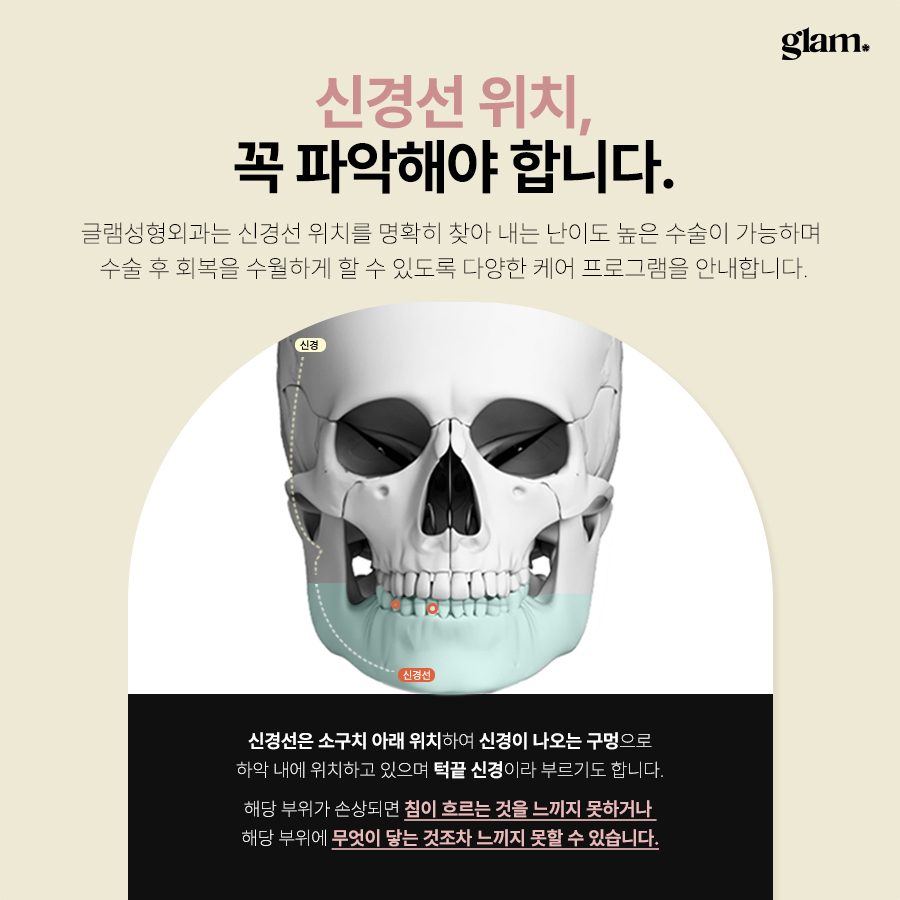
Numbness or tingling, especially in the lower lip and chin, is common after double jaw surgery. This is related to temporary irritation of sensory nerves. It is not usually painful, but the strange sensation can be uncomfortable or worrying. In many cases, this gradually improves over weeks to months.
Muscle stiffness
The jaw muscles may feel tight, and it can be difficult to open the mouth wide or move the jaw freely. This stiffness is part of the normal healing process. Later in recovery, your surgeon may recommend gentle jaw exercises to restore movement.
Warning signs
Severe, one-sided, or suddenly worsening pain later in recovery can be a sign of a problem such as infection or injury. If you notice this, you should contact your surgeon or clinic immediately.
Pain timeline and recovery stages
Day 0 (surgery day): Expect moderate to significant discomfort as anesthesia wears off. Immediate swelling, bruising, numbness, and limited mouth opening are common. Intravenous or prescribed pain medication will be used to control early pain.
Days 1–7: Pain often peaks in the first 48–72 hours and then begins to ease. Swelling and bruising usually increase during the first few days before gradually improving. You will be advised to follow a soft-food diet, keep the head elevated, and use cold compresses as directed.
Weeks 2–4: Pain should become milder and more intermittent. Many patients reduce prescription analgesics and rely on over‑the‑counter options as healing progresses. Swelling continues to decline and jaw movement is gradually restored according to your surgeon’s guidance.
Weeks 4–6: Residual stiffness, occasional soreness, and some numbness may persist but should steadily improve. Functional recovery (chewing, speaking, mouth opening) continues with follow‑up care and any recommended rehabilitation exercises.
After 2–3 months: Most acute postoperative pain has resolved and bone healing is well under way, though minor numbness or stiffness can remain longer for some patients. Regular follow‑up visits help monitor healing and manage any persistent symptoms.
Day 0 (surgery day)
You are drowsy after anesthesia. Pain is controlled with intravenous medications, and you are closely monitored. The main sensations are tightness, growing swelling, and dryness in the mouth or throat. You may feel groggy and tired more than painful at this stage.
Days 1 to 3
Swelling and discomfort are at their peak. Pain is usually manageable with scheduled painkillers, but you may feel pressure, throbbing, and facial heaviness. Breathing through the nose can feel stuffy, and speaking is limited. Sleeping with your head elevated is important to reduce swelling and improve comfort.
Days 4 to 7
Pain gradually decreases. Swelling is still obvious, but you start to feel more stable. Many patients transition from stronger pain medications to milder oral tablets or syrups. You may begin to move around more and adjust to your new bite.
Weeks 2 to 3
Most patients report only mild pain or soreness, mainly when moving the jaw, chewing soft foods, or talking for a long time. Swelling begins to go down noticeably, and bruising, if present, fades. Fatigue can still be present, so rest is important.
Weeks 4 to 6
Pain is usually minimal. Stiffness and some residual swelling remain, especially in the morning or after long periods of talking. Depending on your surgeon’s instructions, you may start light jaw function exercises to regain movement and strength.
After 2 to 3 months
Most daily discomfort is gone. You may still notice subtle tightness, mild sensitivity with hard foods, or areas of numbness or tingling. These often continue to improve over time. Full internal bone healing takes several months.
This pattern is a general guide. Your recovery can be faster or slower depending on the surgical technique, fixation method, and your individual healing response.
Factors that influence pain level
Surgical extent
Larger jaw movements, surgery on both upper and lower jaws, and combining double jaw surgery with additional facial bone contouring can increase swelling and discomfort. A more limited, focused procedure may feel easier in recovery.
Fixation method
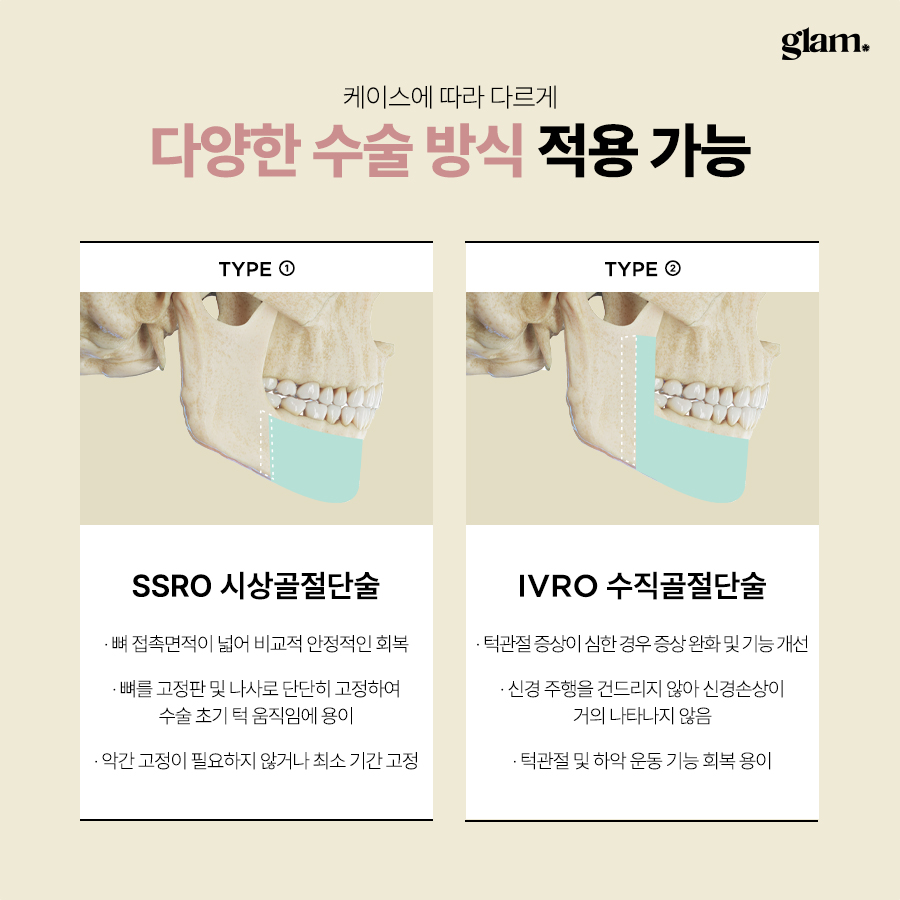
Some methods use tight elastic bands or wiring to keep the jaws together, while others aim to avoid rigid intermaxillary fixation in selected cases. Being able to open the mouth slightly and move the jaw a little can reduce anxiety and may feel more comfortable for some patients. The choice depends on your bite, bone stability, and surgeon’s judgment.
Operation time and tissue handling
More precise, efficient surgery with careful handling of soft tissues can help reduce postoperative pain and swelling. Gentle technique aims to limit unnecessary trauma to muscles and surrounding structures.
Anesthesia and pain control protocol
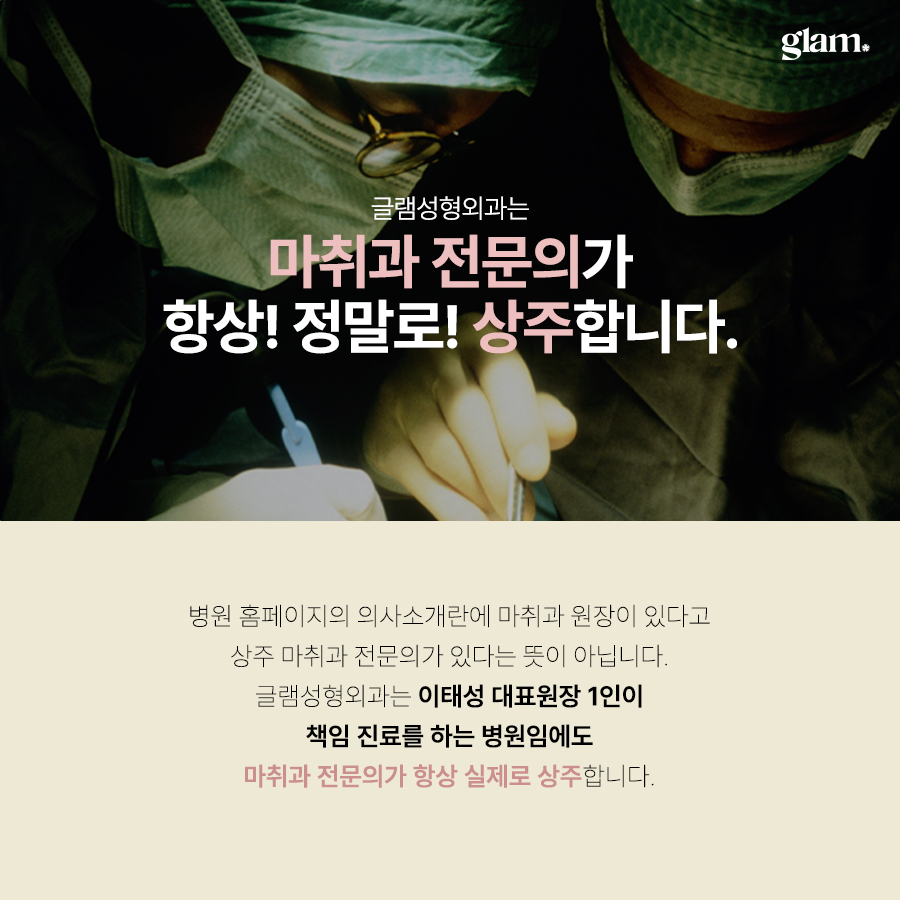
Having a dedicated anesthesiologist to plan and manage anesthesia, nerve blocks, and early pain control can make the first hours and days more comfortable. A clear protocol that continues from the operating room to the recovery room and ward helps keep pain at a steady, manageable level.
Patient-related factors
Your natural pain tolerance, anxiety level, smoking status, general health, and how strictly you follow postoperative instructions all affect how you feel. Using cold packs correctly, keeping your head elevated, following the recommended diet, and maintaining oral hygiene can all support smoother recovery.
Pain management methods around double jaw surgery
During surgery
You are under general anesthesia, monitored by an anesthesiology specialist. In some cases, local nerve blocks are added during surgery so that when you wake up, the initial pain is already reduced.
Immediately after surgery
In the recovery room and early ward stay, pain is controlled with intravenous pain medications and anti-inflammatory drugs. Medicines to reduce swelling and nausea are often included, so you can rest more comfortably and start oral medications sooner.
Early recovery at the clinic
Instead of waiting until pain becomes severe, many centers use scheduled oral painkillers at regular intervals. This keeps pain at a lower, more stable level. If you feel that your pain is stronger than you expected, you should tell the nurse or doctor so they can adjust the dose or type of medication.
Non-drug methods
Cold compresses during the first 48 to 72 hours help reduce swelling and numb the area slightly. Sleeping with the upper body elevated on extra pillows or an adjustable bed can decrease facial pressure and improve breathing. A comfortable neck pillow and a quiet, low-stress environment also support better rest and recovery.
Postoperative care programs
Some face-bone-focused clinics in Gangnam offer structured recovery care after double jaw surgery. This can include LED therapy, facial dome treatments, total skin reset care, and radiofrequency-based lifting to support circulation, reduce swelling, and improve comfort. These methods are designed to complement, not replace, medical painkillers. They mainly help with swelling, stiffness, and overall recovery feeling.
A focused facial bone clinic in Gangnam: approach to pain and recovery
In Gangnam, Seoul, there are clinics that focus exclusively on facial bone surgery such as double jaw surgery and facial contouring, without performing general cosmetic procedures on other body areas. In such a setting, the medical team often includes one board-certified plastic surgeon who concentrates on facial bone operations and one board-certified anesthesiologist dedicated to anesthesia and pain management.
At this type of clinic, the lead surgeon may have around two decades of experience in facial bone surgery and an academic background that includes multiple SCI-level publications on contouring and double jaw surgery. Several of these papers may be in major international plastic surgery journals as first or corresponding author, based on data as of February 2025.
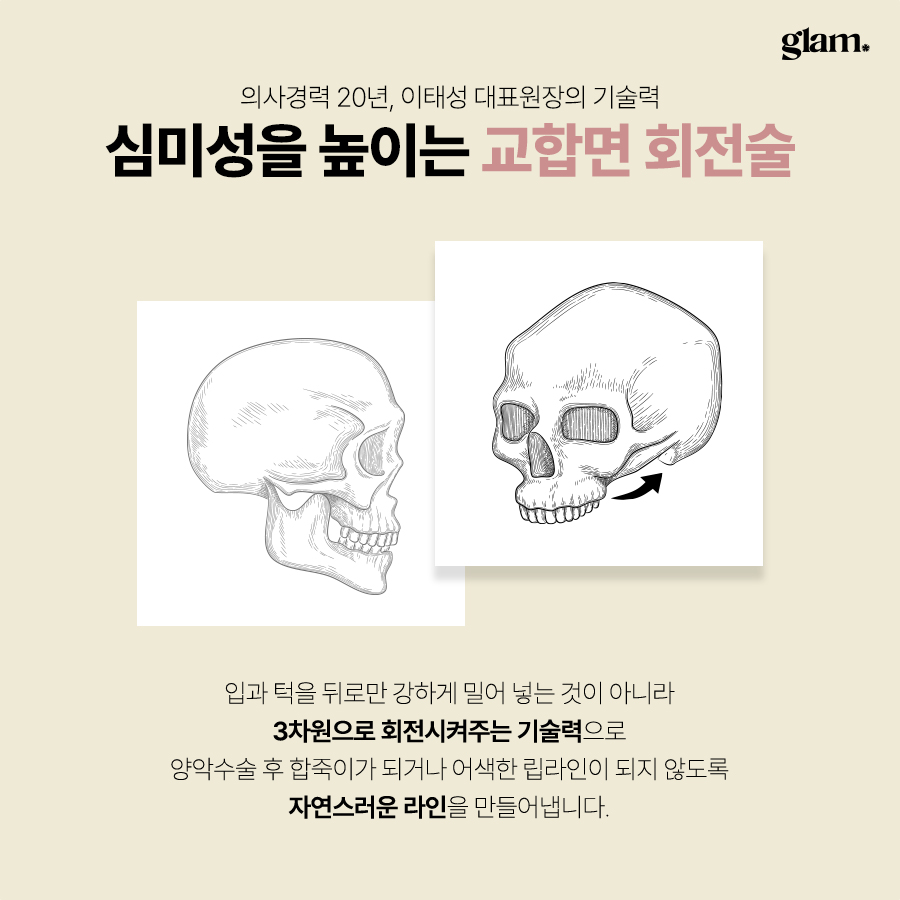
Operations are typically performed directly by the lead surgeon, with an emphasis on proposing only the minimum necessary surgery rather than combining many extra procedures. For double jaw surgery, techniques may be selected that can avoid rigid intermaxillary fixation in some cases, and in selected situations it may be possible to omit pre- or post-surgical orthodontic treatment when clinically appropriate. Suture methods can be planned to reduce unwanted nasal widening.
Recovery support often includes structured postoperative programs such as LED therapy, facial dome care, total skin reset care, and radiofrequency lifting. For international patients, this combination of a focused facial bone practice, dedicated anesthesiologist, and organized recovery care can contribute to more predictable pain control and a smoother overall experience.
Who may consider double jaw surgery in Korea
Double jaw surgery may be considered if you have a significant jaw or bite problem that affects chewing, facial balance, or sometimes breathing and jaw joint comfort. Common reasons include a very protruding or recessed jaw, open bite, facial asymmetry related to the jaws, or long-term functional issues.
For overseas patients, Korea, and especially Gangnam in Seoul, is a popular destination for facial bone surgery because of the concentration of experienced surgeons and specialized clinics. However, this is a major procedure and should be considered carefully after detailed consultation, imaging, and discussion of risks, benefits, and alternatives.
Preparing for online consultation and your visit
Online consultation
Before traveling, most international patients start with an online consultation. You can usually send facial photos, X-rays or 3D scans if you have them, and a brief summary of your concerns and medical history. The surgeon can then give a preliminary opinion on whether double jaw surgery is appropriate and what kind of plan might be considered.
Questions to ask about pain and recovery
Before you decide, it is helpful to prepare a checklist of questions, such as:
What is your pain control plan during and after surgery?
Will a board-certified anesthesiologist be present throughout the operation?
Do you usually use rigid intermaxillary fixation, or can you avoid wiring or tight banding in my case?
How many days should I plan to stay in Korea after surgery for safe follow-up?
What postoperative care programs are included, and how do they help with swelling and comfort?
Medical history and safety
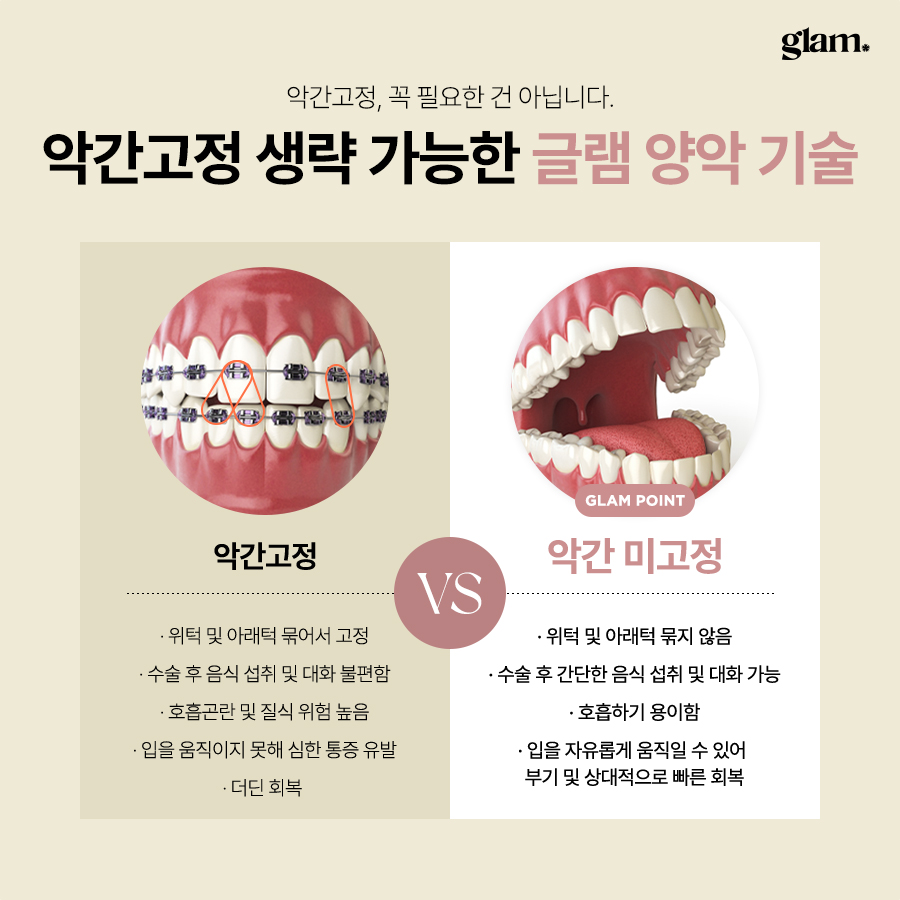
Share all medications, supplements, allergies, and past anesthesia experiences. If you have any chronic conditions such as high blood pressure, heart disease, or bleeding disorders, these must be discussed in advance so that anesthesia and pain management can be tailored safely.
Mental preparation
Understanding that discomfort is highest during the first few days but usually improves steadily can reduce anxiety and the feeling of panic when you wake up swollen and stiff. Setting realistic expectations helps you stay calm and focused on each step of recovery instead of worrying about the entire process at once.
Expected Korea visit timeline for double jaw surgery
Pre-visit planning
Before arriving, you will typically complete online consultation, share images, and receive a tentative plan and estimated stay duration. Many international patients are advised to stay in Korea for several weeks after surgery for safe follow-up.
On-site consultation and tests
Once you arrive in Seoul, you will have an in-person consultation, detailed examination, and imaging such as 3D CT scans or X-rays. The surgical plan is confirmed, and you will meet with the anesthesiologist to review medical history and anesthesia strategy.
Surgery day and early hospital stay
On the day of surgery, you are admitted, prepared, and then taken to the operating room. After surgery, you stay in a recovery area and may spend one or more nights under observation, depending on the clinic’s protocol and your condition. Pain is controlled with intravenous and then oral medications.
First week in Korea
You usually have several follow-up visits for wound checks, cleaning, and early postoperative care such as LED or facial dome treatments. Swelling is at its peak, and your main focus is rest, pain control, and adapting to drinking and eating soft or liquid foods.
Weeks 2 to 3 in Korea
Swelling gradually decreases, and you may have additional care sessions such as radiofrequency lifting or skin reset programs. The surgeon checks bite stability, healing of the bone segments, and your general condition. If everything is stable, you may be cleared to fly home toward the end of this period, depending on the original plan.
After you return home
You will usually continue follow-up through online consultations, sharing photos and, if needed, local imaging. It is important to have access to a local doctor in case of urgent issues, and to follow the original clinic’s instructions on diet, exercise, and jaw movement.

Home care after double jaw surgery
Position and rest
Sleep with your head elevated for at least the first couple of weeks to reduce swelling and pressure. Avoid bending over or heavy lifting, which can increase facial throbbing.
Diet
Follow the recommended diet, usually starting with liquids and then moving to soft foods. Trying to chew hard or sticky foods too early can cause pain and may affect healing. A balanced, nutrient-rich soft diet supports recovery.
Oral hygiene
Careful mouth rinsing and any prescribed cleaning methods help prevent infection, which can cause increased pain and delayed healing. Follow the clinic’s instructions about when and how to brush and rinse.
Lifestyle
Avoid smoking and alcohol before and after surgery, as they can impair healing and increase the risk of complications that may worsen pain. Gentle walking is usually encouraged once you feel stable, as it supports circulation and recovery.
When pain is not normal
Contact your clinic or seek urgent care if you notice:
- A sudden, severe increase in pain after a period of improvement
- One-sided, sharp pain with visible facial asymmetry or deformity
- High fever, chills, foul smell, or pus-like discharge from incision areas
- Difficulty breathing, chest pain, or severe difficulty swallowing
- Persistent, unbearable pain that does not respond to prescribed medication
Some numbness and mild discomfort can last for months, but escalating or unusual pain should never be ignored.
Frequently asked questions about double jaw surgery pain
Is double jaw surgery very painful compared to other procedures?
Double jaw surgery is a major bone operation, so it usually involves more swelling and a longer recovery than many soft tissue cosmetic procedures. However, with modern general anesthesia and structured pain control, most patients describe the pain as strong but manageable, especially in the first few days. The feeling of tightness and swelling is often more prominent than sharp pain.
How long does the pain usually last after double jaw surgery?
The most intense discomfort is typically in the first two to three days. By the end of the first week, pain usually decreases significantly. From two to four weeks, most patients experience only mild soreness or tightness with jaw movement. Some sensitivity or stiffness can continue for several weeks or months, but it is generally much milder.
Can double jaw surgery be done without wiring the jaws together, and does that reduce pain?
In some cases, modern fixation techniques allow surgeons to avoid rigid wiring or very tight banding of the jaws. Being able to move the jaw slightly and open the mouth a little can reduce anxiety and may feel more comfortable. Whether this is possible depends on your specific jaw condition and the surgeon’s assessment of stability and safety.
What kind of painkillers are typically used, and are they safe?
Pain control usually starts with intravenous medications immediately after surgery, then transitions to oral painkillers such as non-steroidal anti-inflammatory drugs and, when needed, stronger medications for a short period. Your medical history, allergies, and other medications are reviewed to choose safe options. When used as prescribed and monitored by the medical team, these medications are generally considered safe for most patients.
Does swelling cause more discomfort than actual pain?
For many patients, yes. The heavy, tight, and stretched feeling from swelling, combined with difficulty moving the jaw and breathing through the nose, can feel more bothersome than the pain itself. This is why non-drug measures such as cold compresses, head elevation, and postoperative care programs that help reduce swelling are so important.
How much does a dedicated anesthesiologist help with pain control?
A dedicated anesthesiologist can significantly influence your comfort by tailoring anesthesia, using nerve blocks when appropriate, and planning a smooth transition from operating room to recovery room pain control. They also monitor your vital signs and adjust medications in real time, which supports both safety and comfort.
What can I do at home to reduce pain and swelling more quickly?
Follow your surgeon’s instructions closely: use cold compresses in the early days, sleep with your head elevated, keep to the recommended diet, and maintain good oral hygiene. Avoid smoking and alcohol, and get enough rest. Gentle walking and staying hydrated also support circulation and healing.
Will nerve-related numbness after double jaw surgery be painful, and how long can it last?

Numbness itself is usually not painful, but it can feel strange or uncomfortable. Tingling or a “pins and needles” sensation may appear as nerves start to recover. In many cases, these symptoms gradually improve over weeks to months, but the exact duration varies by individual and surgical extent. Your surgeon can explain the expected pattern in your specific case.
Does combining facial contouring with double jaw surgery make the pain worse?
Combining additional facial bone contouring with double jaw surgery can increase the total surgical area and may lead to more swelling and a longer recovery period. Pain control strategies are adjusted accordingly, but you should expect that combining procedures can feel more intense than a single, smaller operation. Discuss the pros and cons of combined surgery versus staged procedures with your surgeon.
Soft call to action for overseas patients
If you are considering double jaw surgery in Korea and are worried about pain and recovery, an online consultation with a face-bone-focused clinic in Gangnam can help you understand what to expect in your specific situation. By sharing your photos, medical history, and concerns, you can receive a personalized explanation of the surgical plan, pain control strategy, and recommended stay in Seoul. This allows you to make a calm, informed decision about whether and when to proceed.




- 공유 링크 만들기
- X
- 이메일
- 기타 앱


댓글
댓글 쓰기