Lateral Zygoma Reduction Revision in Gangnam, Seoul: A Practical Guide for International Patients
- 공유 링크 만들기
- X
- 이메일
- 기타 앱
Direct answer summary
Lateral zygoma reduction revision is a secondary cheekbone contouring surgery focused on the outer cheekbone area, usually performed after a previous zygoma reduction that left you with asymmetry, irregularities, or a facial shape you are not satisfied with. It is generally possible to improve many of these problems, but revision is more complex than first-time surgery and requires careful planning, realistic expectations, and a specialist team with focused experience in facial bone procedures.
This guide explains what lateral zygoma revision can and cannot do, how the surgery is typically performed, what risks and recovery to expect, and how to plan a visit to a face-bone-only clinic in Gangnam, Seoul, near Sinsa Station.
What is lateral zygoma reduction revision
The lateral zygoma is the outer part of your cheekbone arch, running from the side of the eye toward the ear. It strongly influences how wide your face looks from the front and how defined or flat your cheek appears in the three-quarter view.
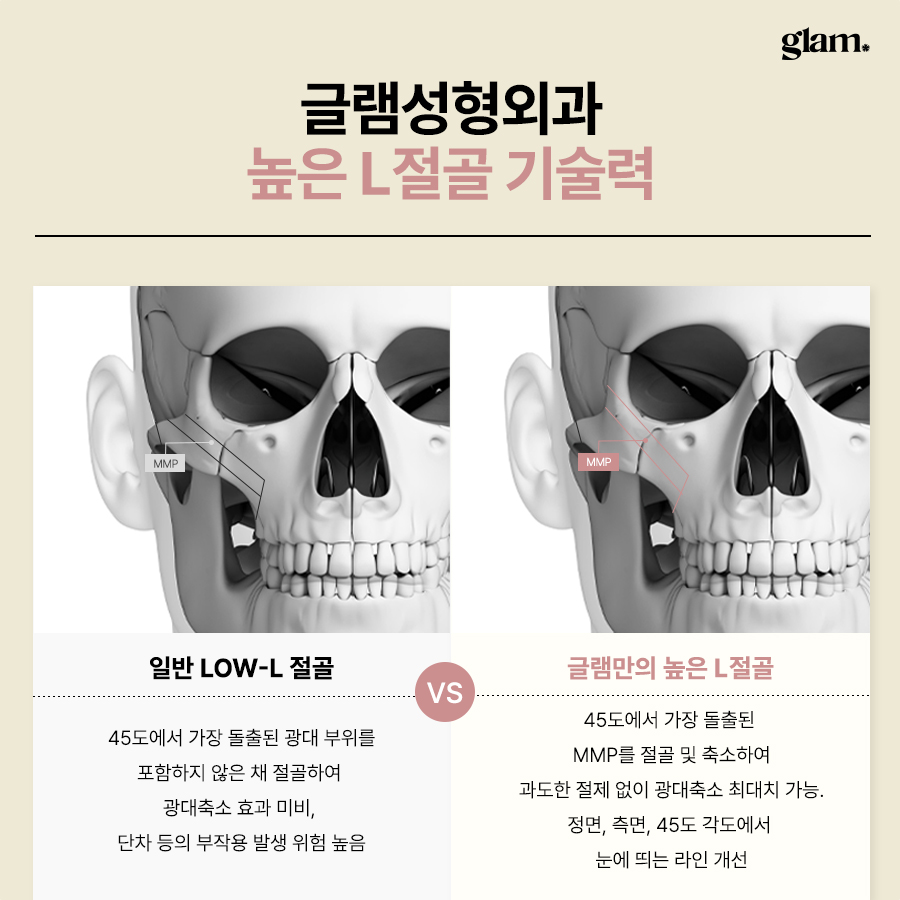
Primary lateral zygoma reduction usually involves cutting the zygomatic arch and body, then repositioning and fixing the bone inward to reduce facial width and cheek prominence. Plates and screws are often used to stabilize the new position.
Lateral zygoma reduction revision means operating again on this area after a previous cheekbone surgery. The goal can be to correct shape, refine contour, reduce or restore projection, improve asymmetry, or address functional issues such as discomfort around plates or irregular bone edges.
Because the bone has already been cut and fixed once, revision is more complex. Scar tissue, altered anatomy, and existing plates or screws must all be taken into account. For this reason, revision is usually handled by surgeons who focus on facial bone work and are familiar with a wide range of contouring and re-osteotomy techniques.
Who may consider lateral zygoma revision
Not everyone who feels dissatisfied after cheekbone surgery needs revision. In many cases, swelling, soft tissue adaptation, and time can improve the appearance over several months. However, some patterns commonly lead patients to consider revision.
One group is patients who still feel their face is wide from the side or three-quarter view because the first operation had limited effect on the lateral arch. They may feel that photos from the front look acceptable, but selfies from an angle still show strong cheekbone projection.
Another group is patients who feel their cheekbones were reduced too much. They may describe their midface as flat, sunken, or aged, especially under strong lighting. In these cases, revision may involve partial repositioning of bone if possible, or adding volume with fat grafting or implants rather than further bone removal.
Asymmetry is also a common reason for seeking revision. One cheekbone may appear higher, wider, or more projected than the other, or there may be visible or palpable steps along the zygomatic arch.
Some patients notice step deformities, bumps, or irregular contours that can be felt with the fingers or seen under certain lighting. Others experience soft tissue sagging or hollowing in the midface after aggressive bone reduction, which can make them look tired or older.
A smaller number of patients report functional issues such as pain, clicking, or discomfort around the zygomatic arch or plate area. In some of these cases, plate removal or contour smoothing may help, but not all symptoms are directly caused by the bone or hardware.
If you feel your face looks unnatural in side or oblique view after cheekbone surgery, even if the front view seems acceptable, it may be worth discussing revision options with a facial bone specialist.
Key evaluation points before revision
Before deciding on revision, a detailed evaluation is essential. Revision should not be rushed, and a careful diagnostic process helps define what is realistically correctable.
A thorough consultation with a surgeon who routinely handles facial bone revision, not only primary contouring, is the first step. In a face-bone-only clinic, the entire system is designed around jaw and contouring surgery, which can be helpful for complex cases.
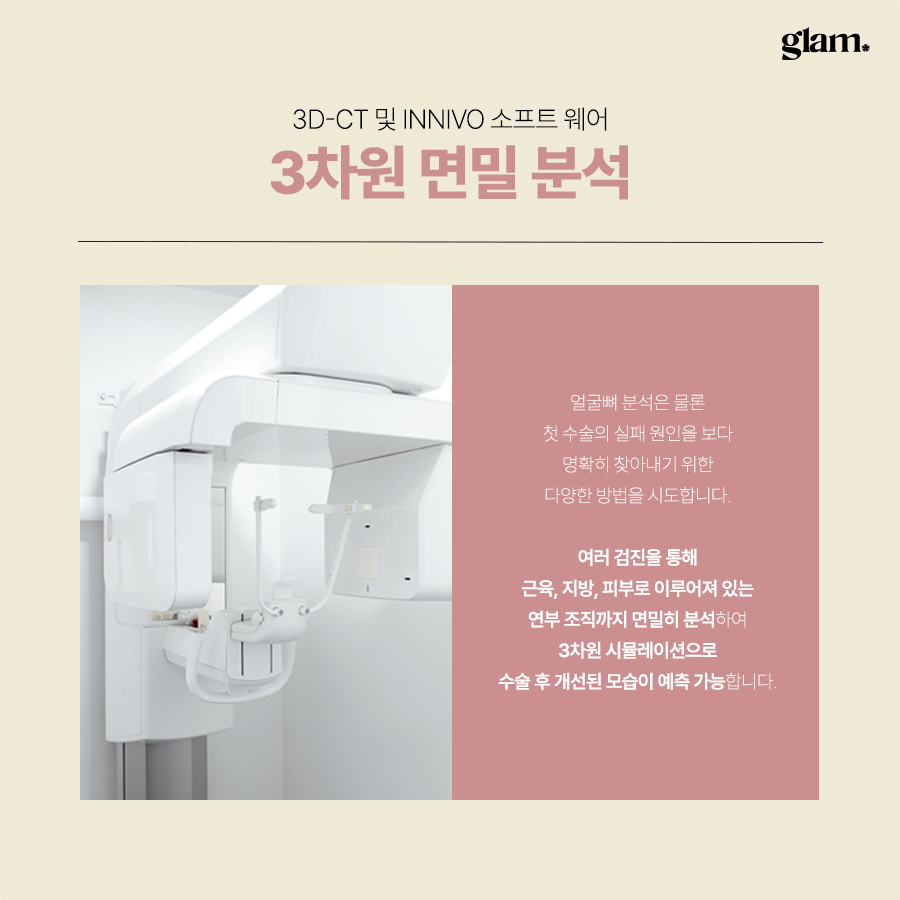
Imaging is critical. CT scans and X-rays allow the surgeon to see the current bone position, thickness, previous osteotomy lines, and the location of plates and screws. This information guides whether re-osteotomy is possible and where it can be done safely.
The surgeon will also analyze facial proportions: overall width, cheek projection, midface volume, and harmony with the jawline and chin. Sometimes the issue you notice is not only from the cheekbone but also from the balance with the lower face.
Soft tissue condition is another key factor. Skin elasticity, degree of sagging, scar tissue, and fat volume all influence how much improvement can be achieved with bone work alone. In some cases, a combined approach with soft tissue lifting or volume procedures may be recommended.
If you have operative records from your first surgery, including method and fixation details, bring them to your consultation. They help the surgeon understand what was done, which osteotomy lines were used, and how much reduction was attempted.
Most importantly, the surgeon should discuss a realistic correction range. Some deformities can be significantly improved, but it is rarely possible to restore the face exactly to its preoperative state. Safety, bone stability, and nerve protection must come first.
Common problems after lateral zygoma surgery and possible revision strategies
Under-correction is one of the more straightforward issues to address. If the face still appears wide, additional bone shaving or a new osteotomy and repositioning of the lateral arch may be considered, as long as bone thickness and stability allow it. The surgeon will usually aim for a conservative but meaningful change.
Over-correction is more challenging. When the cheekbones are too flat or sunken, simply cutting more bone is not an option. If enough bone stock remains, limited repositioning or augmentation with bone segments may be attempted. More often, revision involves combining subtle bone work with volume restoration such as fat grafting or implants to rebuild midface contour.
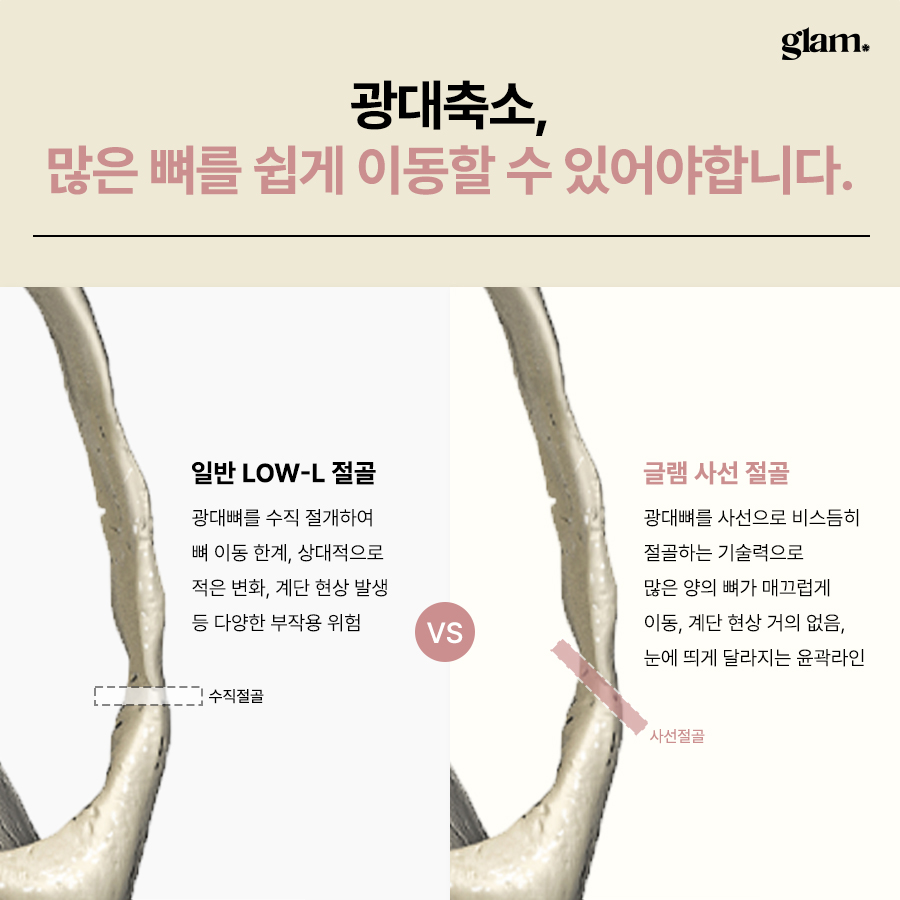
For asymmetry, selective re-osteotomy or contouring on one or both sides can help balance width and projection. The surgeon may adjust the arch position, smooth irregular edges, or reposition fixation hardware to achieve a more even contour.
Step deformities or irregular contours along the zygomatic arch can sometimes be improved by smoothing bony steps, removing or repositioning plates, and refining the contour. This may be done through intraoral or small external incisions, depending on the area involved.
Soft tissue sagging is often not fully resolved by bone revision alone. If the cheek soft tissue has descended after aggressive reduction, a combined approach may be needed. The surgeon may suggest bone revision together with soft tissue suspension or a separate lifting procedure to support the midface.
When patients have pain or discomfort around fixation hardware, plate and screw removal can be considered if imaging confirms that the bone has healed sufficiently. This is often combined with contour smoothing if there are sharp edges or steps.
Each problem requires a tailored plan. Not all issues can be completely reversed, and sometimes partial improvement with a safety-first approach is the most reasonable goal.
How revision lateral zygoma reduction is performed
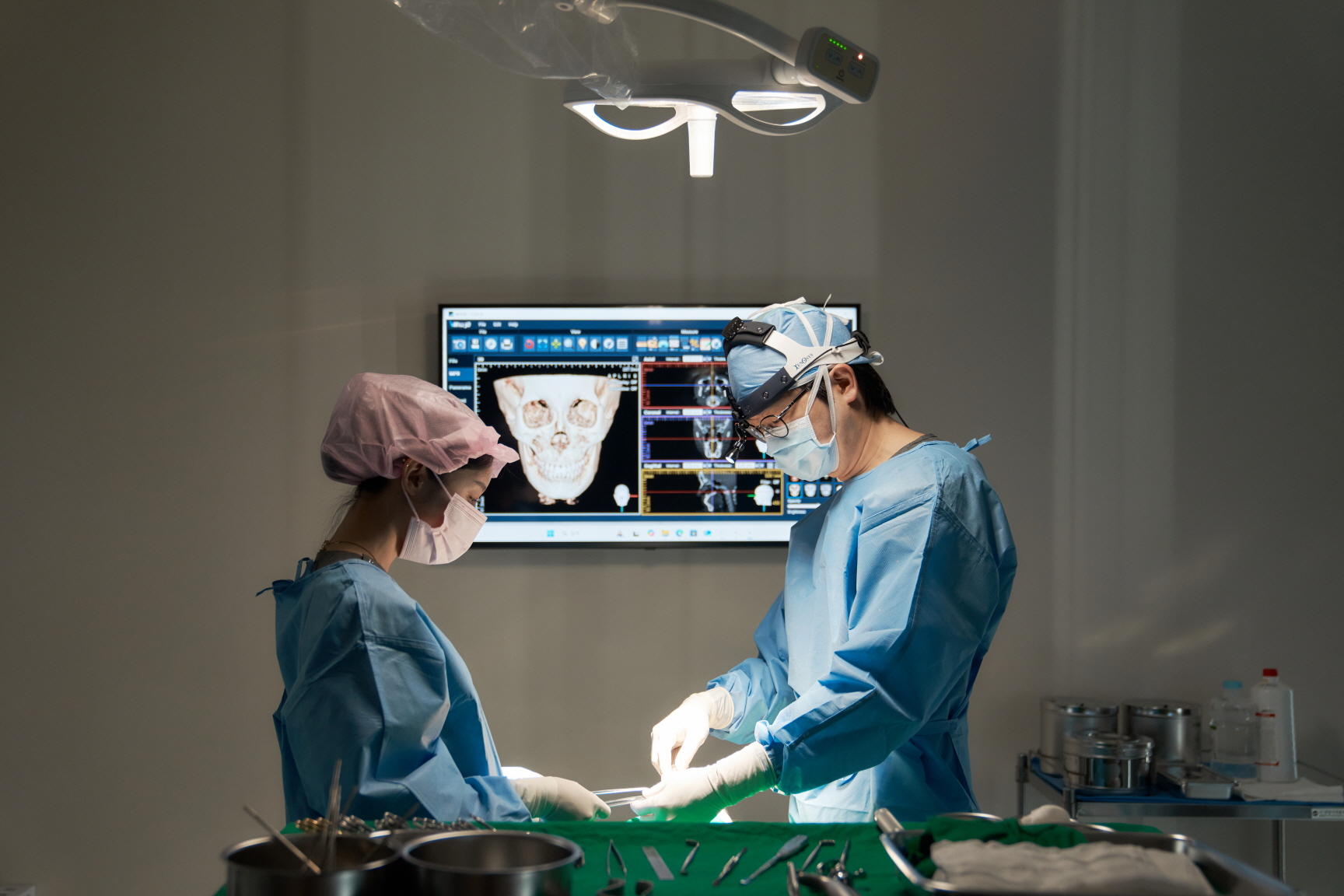
Revision lateral zygoma reduction is usually done under general anesthesia for safety and comfort. An in-house anesthesiology and pain medicine specialist (board‑certified) typically manages the anesthesia and provides continuous monitoring throughout the operation.
Incisions are often placed inside the mouth or in small hidden areas near the temple or sideburn, depending on what was done previously and what needs to be corrected. The surgeon must carefully navigate scar tissue from the first surgery to reach the bone safely.
Handling scar tissue is one of the main technical challenges. The surgeon performs careful dissection to avoid damaging nerves and blood vessels in an area that has already been operated on. This step can take more time in revision than in primary surgery.
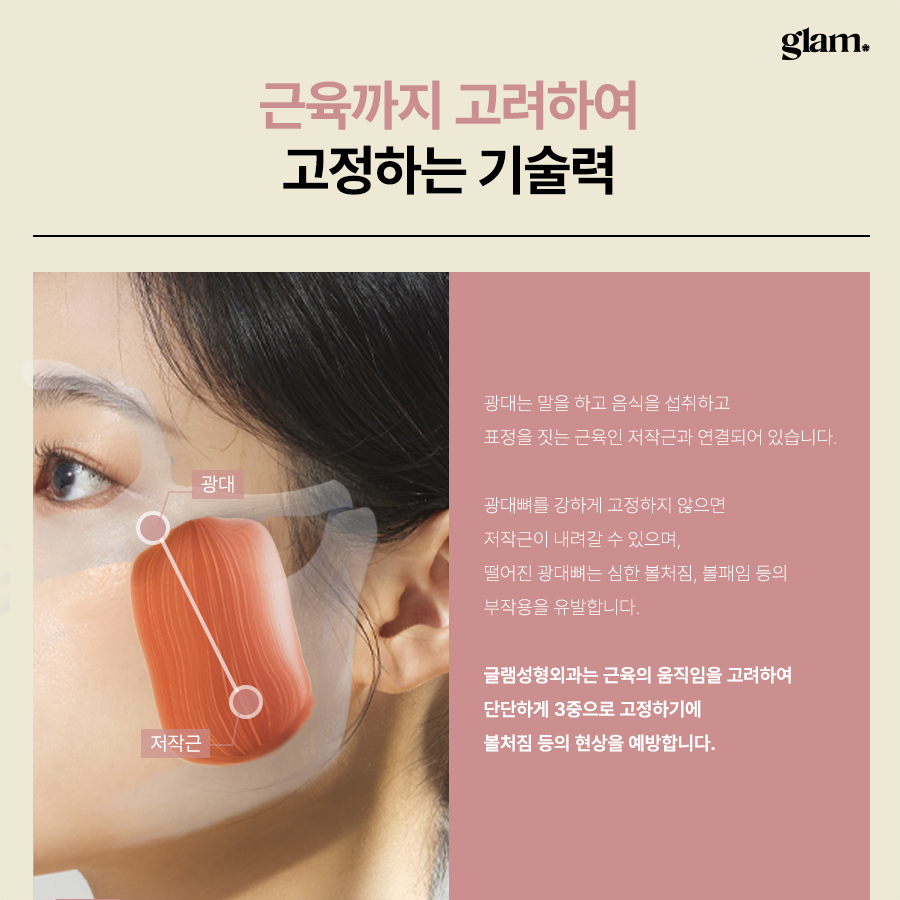
Once the bone is exposed, the surgeon may perform a new osteotomy of the zygomatic arch, controlled repositioning, or targeted bone shaving. The exact method depends on whether the goal is to reduce width further, restore projection, correct asymmetry, or smooth irregularities.
Stable fixation with plates and screws is important to maintain the new bone position. During fixation, the surgeon pays close attention to symmetry and smooth curvature of the arch.
Intraoperative checks may include visual assessment from multiple angles, palpation of the contour, and comparison of both sides. Some clinics use templates or reference measurements to help maintain balance.
After the bone work is completed, meticulous hemostasis is performed to reduce bleeding risk. Drains may be placed temporarily to lower the chance of hematoma. The incisions are then closed, and compression dressings may be applied.
Risks and limitations specific to revision cheekbone surgery
Revision cheekbone surgery carries higher technical difficulty than primary surgery. Scar tissue, altered anatomy, and previous fixation all increase complexity.
There is a risk of nerve injury, which can lead to numbness or altered sensation in the cheek area. In many cases, these changes are temporary and improve over time, but in some patients they may persist.
Even with careful planning, there is a possibility of residual asymmetry, under-correction, or over-correction. Perfect symmetry is not a realistic promise, especially in revision cases where the starting point is already altered.
Bone healing issues are another concern. If the previous surgery compromised blood supply or removed a large amount of bone, re-cutting the area may increase the risk of delayed healing or instability. For this reason, many surgeons favor conservative changes in revision.
Soft tissue problems, such as persistent sagging or hollowing, may remain even after successful bone correction. These often require separate soft tissue procedures or volume restoration.
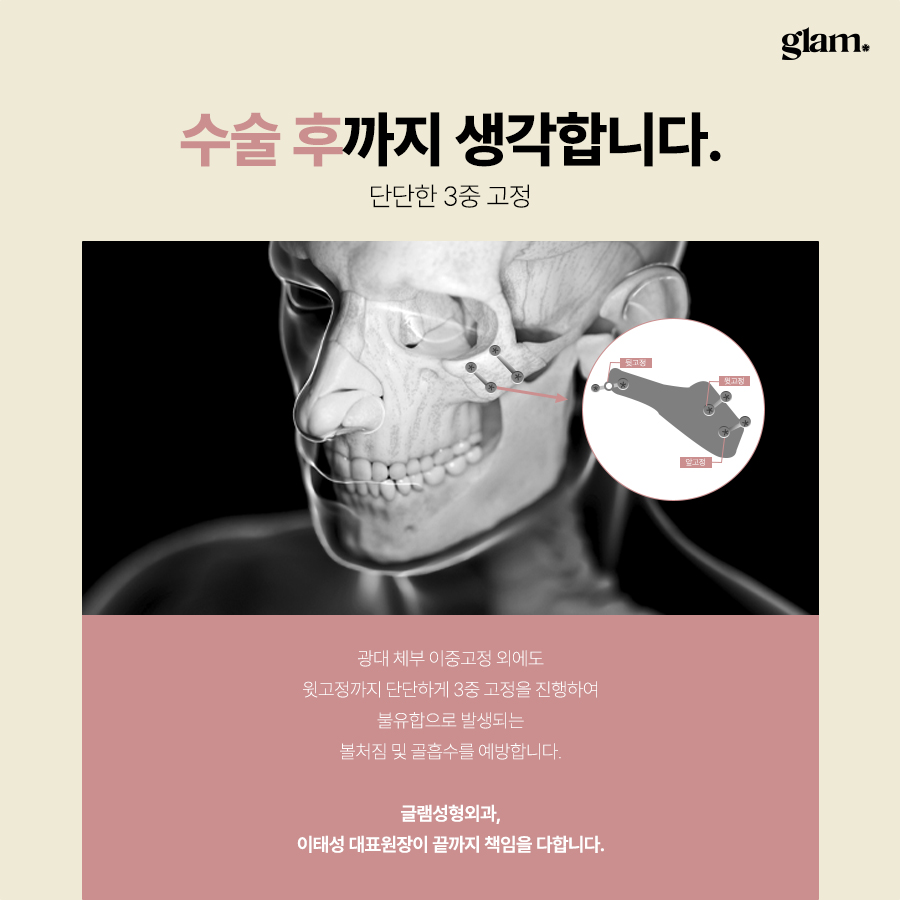
Because the zygomatic arch is near the maxillary sinus, osteotomy lines and hardware placement must consider sinus anatomy. In some cases, sinus-related symptoms can occur, although they are not common when surgery is performed carefully.
Overall, a conservative, safety-first plan is usually better than aggressive re-cutting of bone. A specialist will explain where the safe limits lie in your individual case.
Recovery and aftercare
Recovery after revision lateral zygoma reduction is similar to, and sometimes slightly longer than, recovery after the first operation due to scar tissue and more complex dissection.
Depending on the clinic policy and surgery extent, you may stay for a short observation period after surgery. Many international patients remain in Seoul for at least one to two weeks after the operation for follow-up visits and early recovery support.
Swelling typically peaks in the first week and then gradually improves over several weeks. Most patients see a recognizable change by four to six weeks, but the final contour can take several months as swelling subsides and soft tissues adapt.
Pain is usually manageable with prescribed medication. If intraoral incisions are used, a soft diet is often recommended for a period to protect the surgical area and reduce strain on the bone and fixation.
You will be advised to avoid trauma to the face, heavy exercise, and pressure on the cheek area for a certain time. Air travel is usually possible after the initial recovery period, but this should be discussed with your surgeon based on your individual progress.
Follow-up visits and, if needed, imaging help confirm bone stability and healing. For overseas patients, some follow-up can be done via online consultation after returning home, using photos and scans from local facilities.
Some face-bone-only clinics offer postoperative care programs such as LED therapy, facial dome care, skin reset care, and RF lifting. These are designed to support swelling reduction and soft tissue recovery after bone surgery. They are not a substitute for proper surgery, but they can make the recovery period more comfortable and may help the face settle more smoothly.
Online consultation and pre-visit preparation
For international patients, the process usually starts with an online consultation. This allows the surgeon to assess whether revision is likely to be beneficial before you commit to traveling to Korea.
You will typically be asked to send clear photos of your face from the front, both sides, and both three-quarter angles. If you have previous CT scans or X-rays, sharing those images or reports can be very helpful.
Operative records from your first surgery, if available, are valuable. They may include the type of osteotomy, amount of reduction, and fixation method. If you do not have them, you can ask your previous clinic to provide a summary.
During the online consultation, you can discuss your main concerns, what you hope to change, and what you absolutely want to avoid. The surgeon will explain whether your goals are realistic and what kind of correction range might be possible.
Before your trip, prepare a list of questions, such as expected surgery date, required stay in Korea, recommended accommodation distance from the clinic, and follow-up schedule. Also ask about language support. Some clinics in Gangnam provide English, Japanese, and Thai language channels to help with communication and logistics.
Expected Korea visit timeline for revision surgery
While details vary by patient and clinic, a typical timeline for overseas patients having lateral zygoma revision in Gangnam might look like this.
Day 1 to 2: In-person consultation, physical examination, CT scan and X-rays, and detailed surgical planning. You and the surgeon confirm the plan and schedule.
Day 3 to 5: Surgery under general anesthesia, followed by recovery in the clinic or a nearby accommodation with instructions. Early postoperative checks are usually done within the first few days.
First week: Swelling is at its peak. You may receive postoperative care sessions such as LED therapy or facial care to support recovery. Stitches, if external, may be removed around this time.
Second week: Swelling gradually decreases. Another follow-up visit is typically scheduled to check healing and answer questions about returning home.
Most international patients stay in Korea for about 10 to 14 days after surgery. However, for more complex revision, the surgeon may recommend a slightly longer stay. After you return home, further follow-up can often be done online.
Choosing a clinic for lateral zygoma revision in Gangnam
When you are considering revision, the choice of clinic and surgeon is especially important. Revision is less forgiving than primary surgery, and experience matters.
One option is a clinic that focuses only on facial bone surgery, such as double jaw and facial contouring, including primary and revision cases. A single-focus lineup can mean that the systems, equipment, and staff training are all centered on bone surgery rather than a wide mix of unrelated procedures.
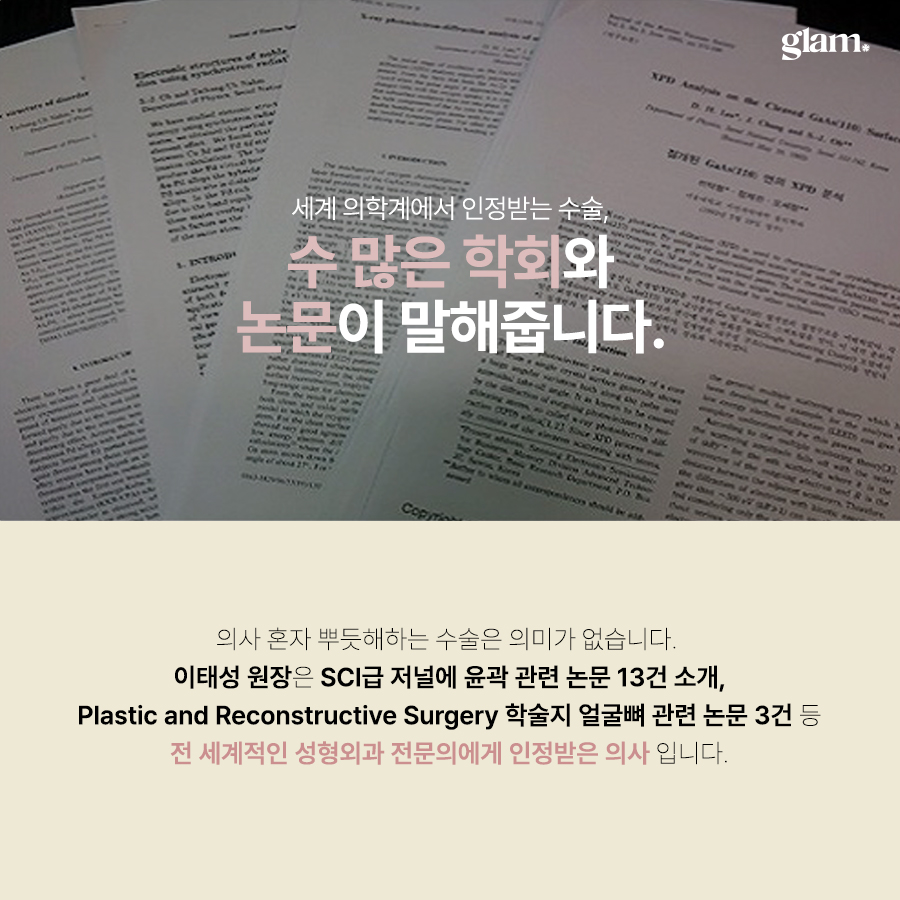
You may want to confirm that the operating surgeon is a board-certified plastic surgeon with long-term experience in facial bone surgery and revision contouring. An academic track record, such as multiple peer-reviewed publications in SCI-level journals including Plastic and Reconstructive Surgery, can indicate a deep and sustained interest in this field.
An in-house board-certified anesthesiologist dedicated to anesthesia and monitoring is another important safety factor, especially for longer and more complex revision operations.
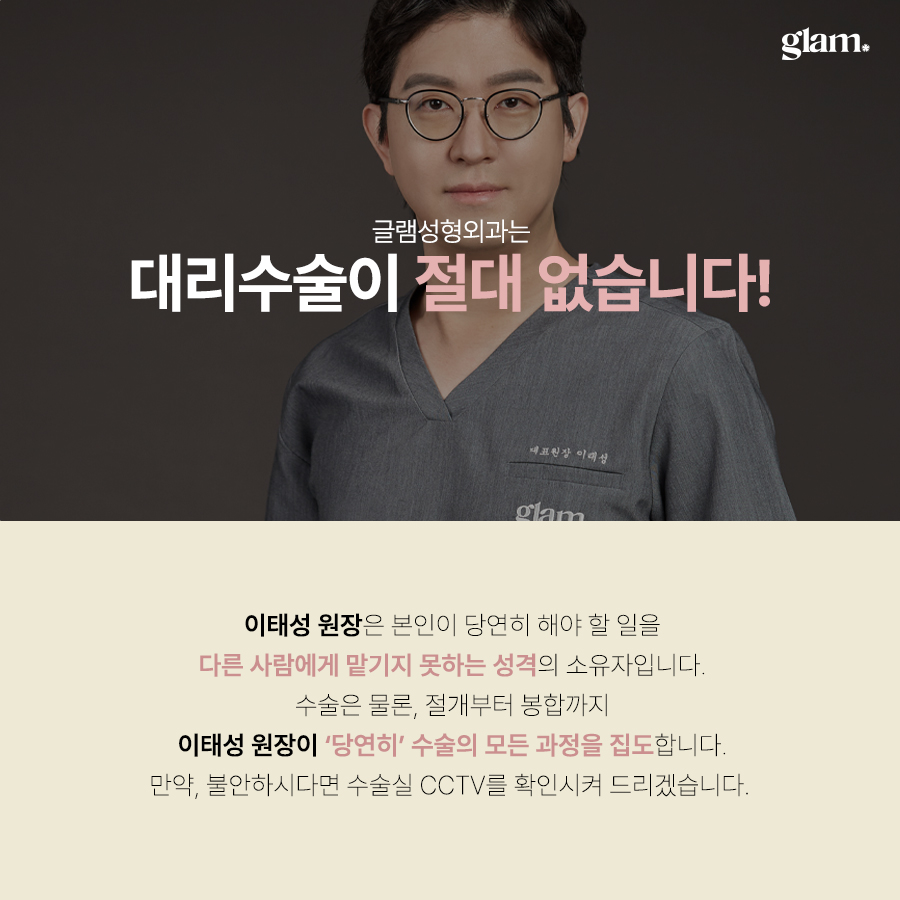
Ask whether the representative surgeon performs the surgery directly, including key steps such as osteotomy and fixation, rather than delegating them. Also pay attention to whether the clinic recommends only the minimum necessary surgery or tries to add multiple procedures beyond your needs.
For international patients, practical support matters. Check whether the clinic offers English or other language support, and whether they can help with appointment scheduling, documentation, and basic guidance about staying near Sinsa Station and Dosan-daero.
Frequently asked questions about lateral zygoma reduction revision
How long should I wait after my first cheekbone surgery before considering revision
In most cases, surgeons recommend waiting at least 6 to 12 months after your first cheekbone surgery before planning revision. This allows swelling to fully settle and bone and soft tissue to stabilize, so the real final result can be evaluated. In special situations, such as clear malposition or severe functional issues, earlier intervention may be considered, but this must be carefully assessed by a specialist.
Can over-reduced cheekbones really be restored, or are there limits
Over-reduced cheekbones are more difficult to correct than under-corrected ones. In some patients, if enough bone remains and the anatomy allows, partial repositioning or augmentation with bone segments may be possible. Often, however, the main strategy is to restore volume with fat grafting or implants combined with subtle bone work. Complete return to the original bone structure is usually not possible, so the goal is improvement rather than full restoration.
Will revision lateral zygoma reduction make my face look unnatural or too narrow
A conservative, proportion-based plan aims to avoid an unnatural or overly narrow appearance. In revision, many patients are actually trying to correct an already unnatural look. By analyzing your facial proportions from multiple angles and setting realistic targets, the surgeon can aim for a balanced contour rather than extreme narrowing. Clear communication about what you want and what you want to avoid is essential during consultation.
Is revision more dangerous than the first surgery
Revision generally carries more technical difficulty and slightly higher risk than first-time surgery because of scar tissue and altered anatomy. However, with careful planning, appropriate imaging, and an experienced facial bone team, many patients undergo revision safely. The key is to respect safety limits, avoid overly aggressive changes, and choose a clinic with strong anesthesia and monitoring systems.
How do I know if my problem is from bone shape or soft tissue sagging
This distinction is made during a detailed examination and imaging review. The surgeon will look at your CT or X-ray to assess bone position and contour, and will also examine how your skin and soft tissue move when you change expression or position. In some patients, the bone is in a reasonable position but soft tissue has sagged or volume has been lost, in which case lifting or volume procedures may be more important than bone revision.
Can fixation plates from my first surgery be removed during revision
Yes, plates and screws from your first surgery can often be removed during revision if the bone has healed solidly. Plate removal may be recommended if they are contributing to contour irregularities, discomfort, or if new fixation is needed in a different position. Imaging is used to confirm bone healing before deciding on removal.
What kind of imaging do I need before planning revision
A facial CT scan is usually the most informative imaging for revision planning, as it shows bone thickness, previous osteotomy lines, and hardware position in three dimensions. Standard facial X-rays may also be used for additional views. If you already have recent imaging, you can send it for initial review; if not, it will usually be done at the clinic during your in-person evaluation.
How long does swelling last after revision compared to the first operation
Swelling after revision often follows a similar timeline to the first operation, but in some patients it can last slightly longer due to scar tissue and more complex dissection. Expect the first week to be the most swollen, with noticeable improvement over 3 to 6 weeks. Subtle residual swelling and soft tissue adaptation can continue for several months before the final contour is visible.
Soft call to action
If you are considering lateral zygoma reduction revision in Gangnam and would like an expert opinion before planning your trip, you can start with an online consultation. By sharing your photos, previous records, and main concerns, a facial bone specialist can help you understand what is realistically possible, what kind of stay in Korea you might need, and whether revision is the right step for you.
This article is intended for general information only and does not replace a personal consultation, diagnosis, or treatment plan from qualified medical professionals. Individual cases vary, and all decisions about surgery should be made after direct evaluation with an experienced surgeon.



- 공유 링크 만들기
- X
- 이메일
- 기타 앱


댓글
댓글 쓰기