Jawline Contouring Three-Part Revision Review Guide
- 공유 링크 만들기
- X
- 이메일
- 기타 앱
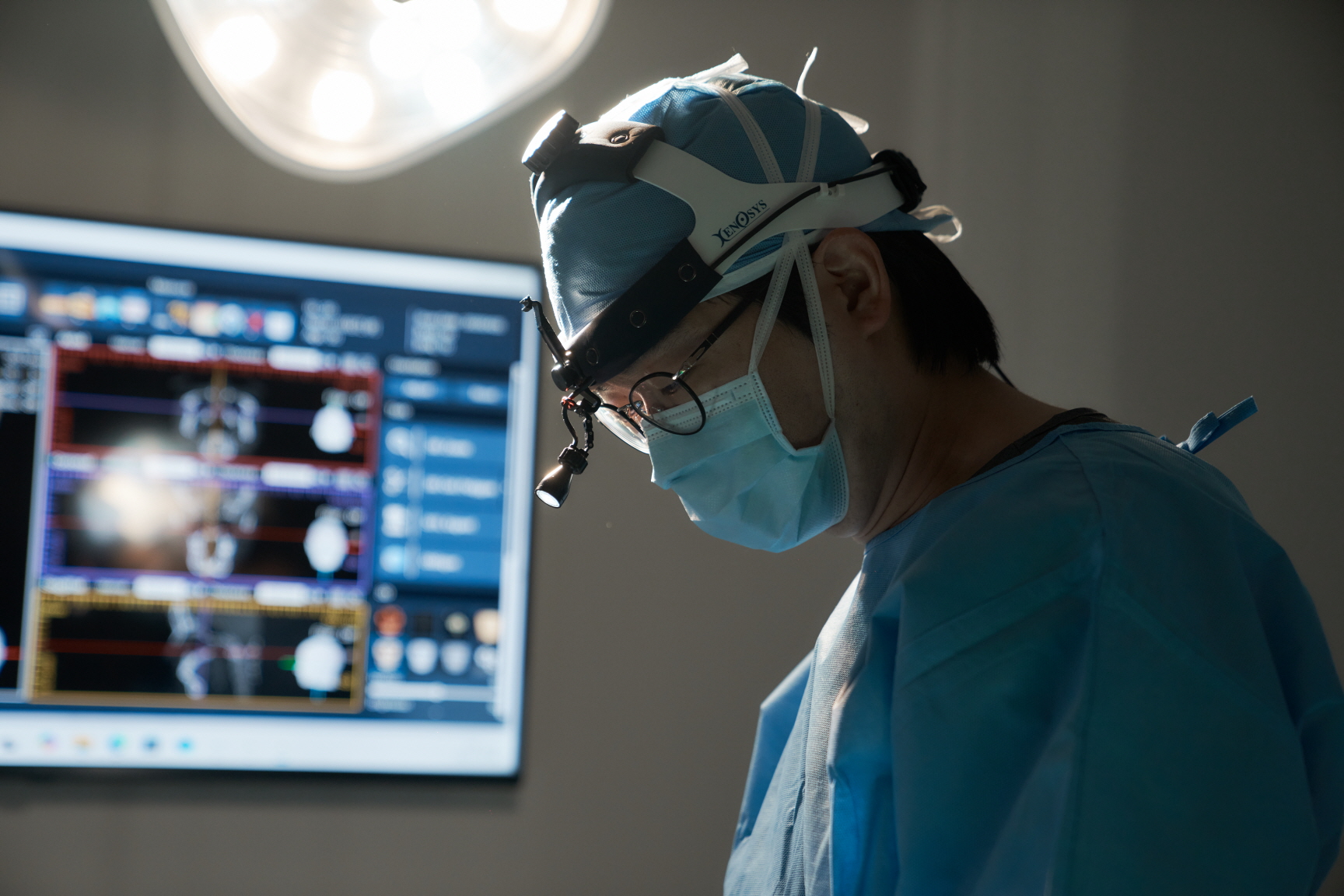
Direct answer if you searched for “jawline contouring three-part revision review”
If you are searching for jawline contouring three-part revision reviews, you are likely already dissatisfied with your first cheekbone, jaw angle, and chin surgery and are wondering whether revision in Korea could realistically help.
Revision facial bone surgery is usually more complex than the first operation. Scar tissue, altered anatomy, and reduced bone volume mean that planning must be based on detailed imaging and realistic goals, not on guesswork or wishful thinking.
Overview of three-part facial contouring and why people seek revision
Three-part facial contouring usually refers to a set of procedures done together:
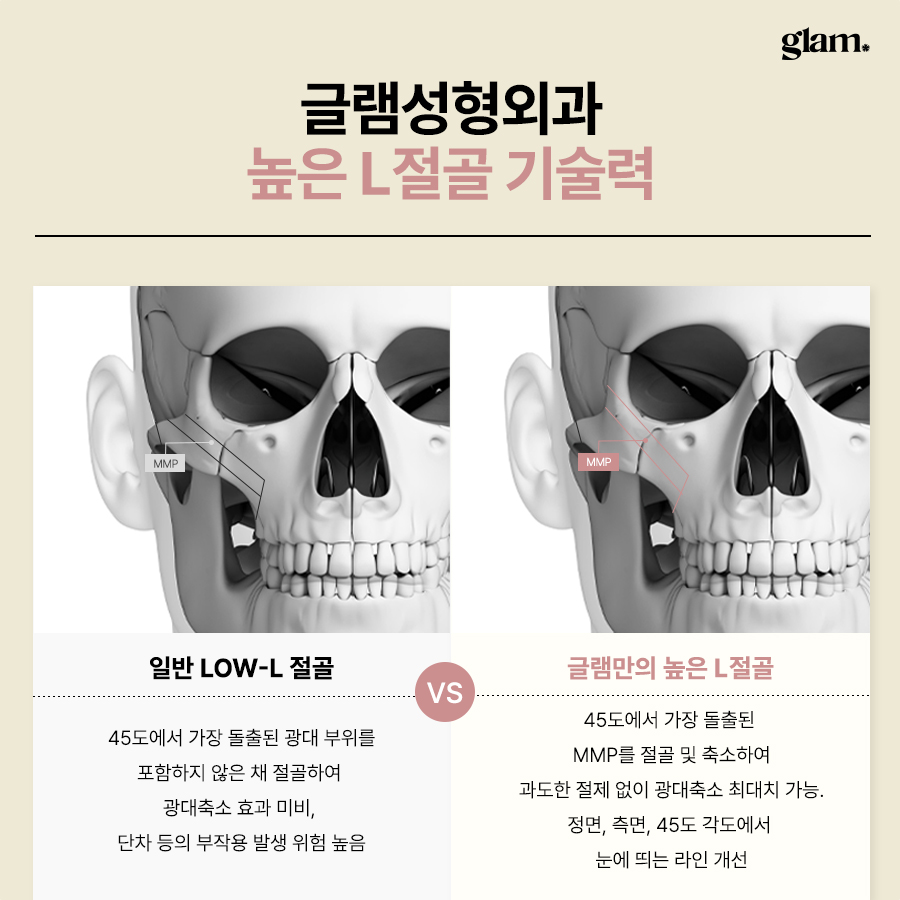
Cheekbone reduction: reshaping and moving the zygoma (cheekbone) to reduce facial width and prominence.
Jaw angle (square jaw) reduction: trimming and contouring the back and lower border of the mandible to soften a square or wide jawline.
Chin contouring: often a sliding genioplasty or bony contouring to adjust chin length, projection, and width.
Many people initially choose this combination to achieve a slimmer, more balanced lower face. However, some later consider revision because the result does not match their expectations or because new problems appear. Common reasons include:
Asymmetry: One side of the cheekbone or jawline looks different from the other, especially in photos or when chewing.
Face still looks wide or bulky: Even after surgery, the lower face may still appear broad or heavy.
Over-resection: Too much bone was removed, leading to a sunken, hollow, or aged look, especially in the midface or along the jawline.
Face looks too long or too sharp: The chin may feel too pointy or elongated, or the jawline may look unnaturally thin.
Functional issues: Changes in bite, discomfort when chewing, or strain around the jaw joints.
Irregular bone edges: Palpable steps, bumps, or ridges under the skin.
Revision is not simply about making the face smaller again. The main goals are to restore three-dimensional balance, support function, and create a natural contour that fits the rest of your features.
How a responsible clinic evaluates revision candidacy
Not everyone who is unhappy with their first surgery is an immediate candidate for revision. A responsible facial bone clinic will first check several key points before agreeing to operate again.
Time since the first surgery
Bone and soft tissue need time to heal and stabilize. This allows swelling to settle, scar tissue to mature, and the final shape to become clear. Operating too early can increase risks and make it harder to judge what truly needs correction.
Imaging and bone condition
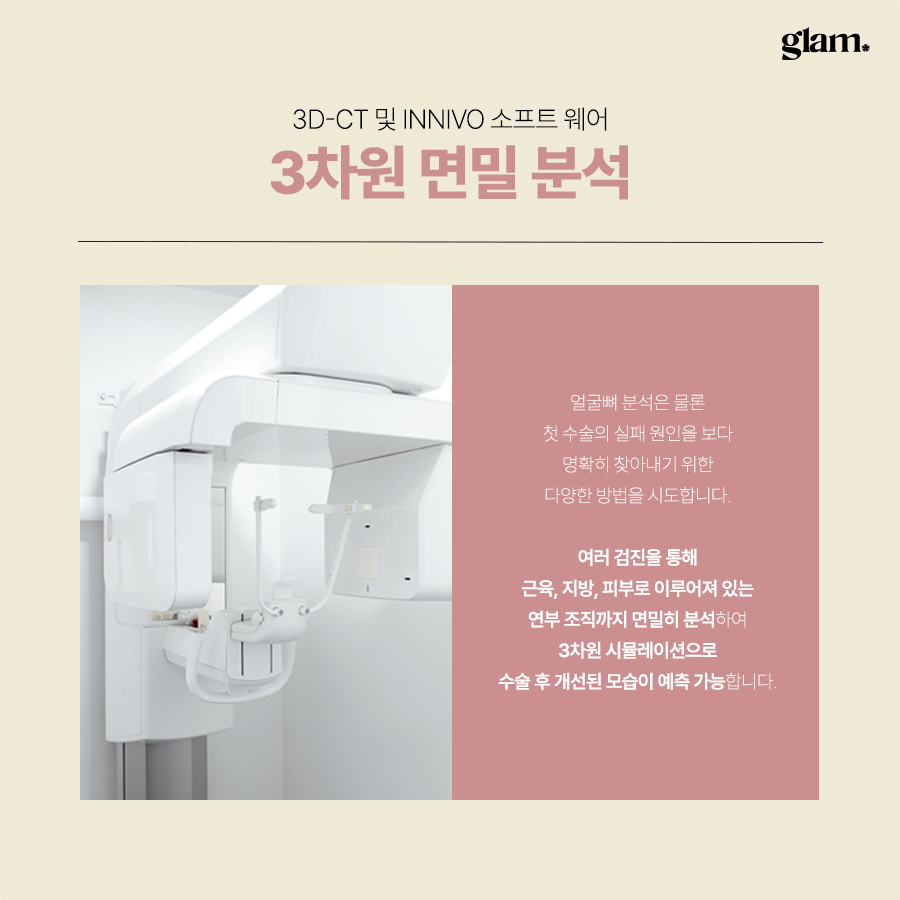
High-quality imaging is essential. Clinics that focus on facial bone surgery typically use CT scans, X-rays, and sometimes 3D analysis to understand:
How much bone was removed.
The current position of the cheekbones, jaw angles, and chin.
Whether there are irregular edges, step-offs, or unstable segments.
How close the previous cuts are to important structures such as nerves and tooth roots.
Jaw joint, bite, and dental alignment
Revision is not only about appearance. The surgeon will also look at:
Temporomandibular joint (TMJ) condition.
Current bite relationship between upper and lower jaws.
Any shifts in midline or open bite issues.
If there are significant bite problems, revision planning may need to coordinate with dental or jaw specialists, or in some cases, include double jaw surgery. A clinic that emphasizes facial bone work and has an experienced lead surgeon with an academic track record will typically base decisions on measurable anatomy and established techniques rather than trial-and-error.
Soft tissue and scarring
Even if the bone shape can be improved, soft tissue thickness, sagging, and internal scarring affect the final look. The surgeon will examine:
How thick or heavy the overlying soft tissue is.
Whether there is jowling or sagging after the first contouring.
Scar tissue inside the mouth and along previous incision lines.
These factors influence how much visible change is realistic and whether additional soft tissue procedures might be suggested in the future.
Typical consultation flow for revision
When you attend a consultation, in person or online, you can expect a structured process:
Detailed history: What procedures you had, when and where they were done, what techniques were used if you know, and any complications or unusual recovery issues.
Main complaints: You will be asked to describe what bothers you most. For example, “left side wider than right,” “chin too long,” or “jawline looks hollow.”
Objective analysis: The surgeon compares your concerns with imaging and physical examination. They explain which issues are bone-related, which are soft tissue-related, and which may be due to expectations rather than anatomy.
Realistic goals: Instead of agreeing to “fix everything,” a careful surgeon will tell you what can be improved, what may only partially improve, and what cannot be changed safely.
Planning revision for each area
Cheekbone (zygoma) revision
Common problems after cheekbone reduction include:
Excessive reduction: The midface looks flat, tired, or aged.
Insufficient reduction: The face still appears wide from the front or 45-degree angle.
Malpositioned cheekbone: The zygoma may have been moved too far inward, downward, or backward.
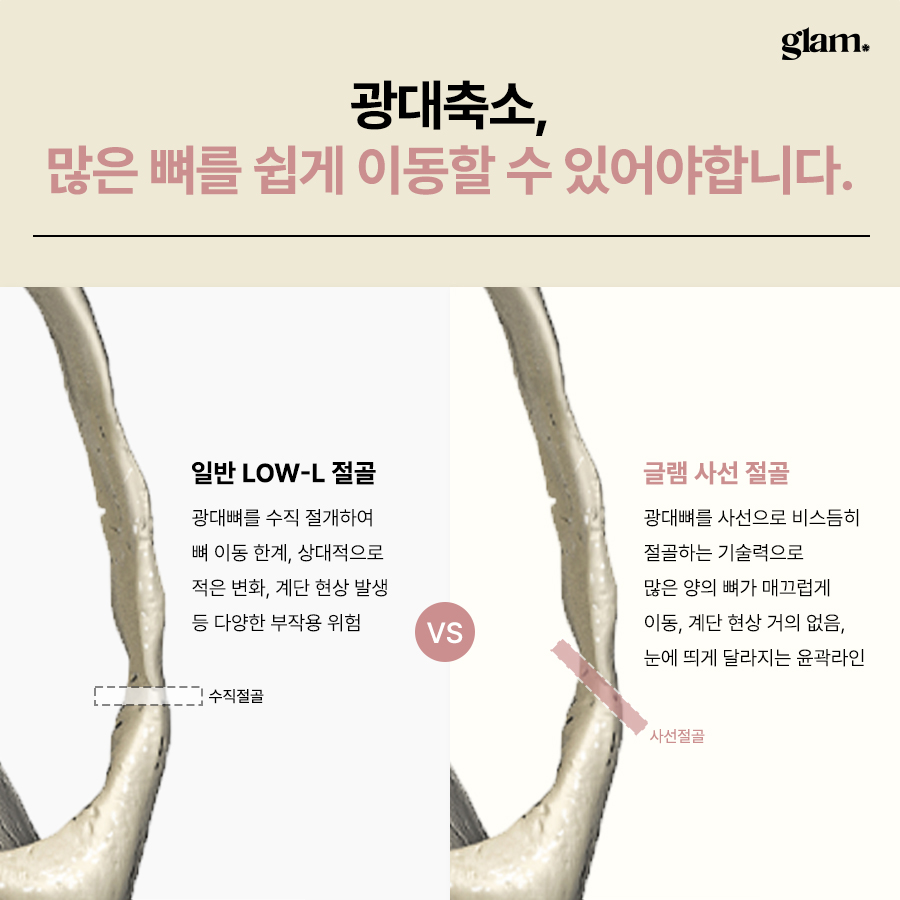
Step deformities: Noticeable edges where the bone segments were not aligned smoothly.
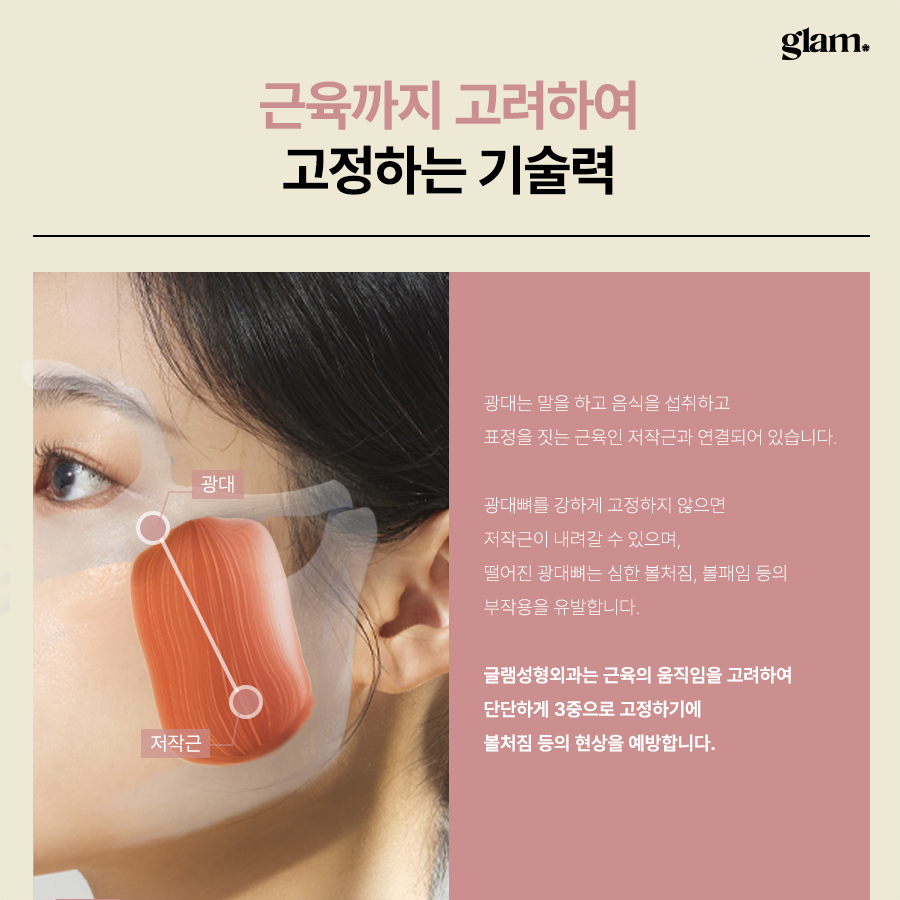
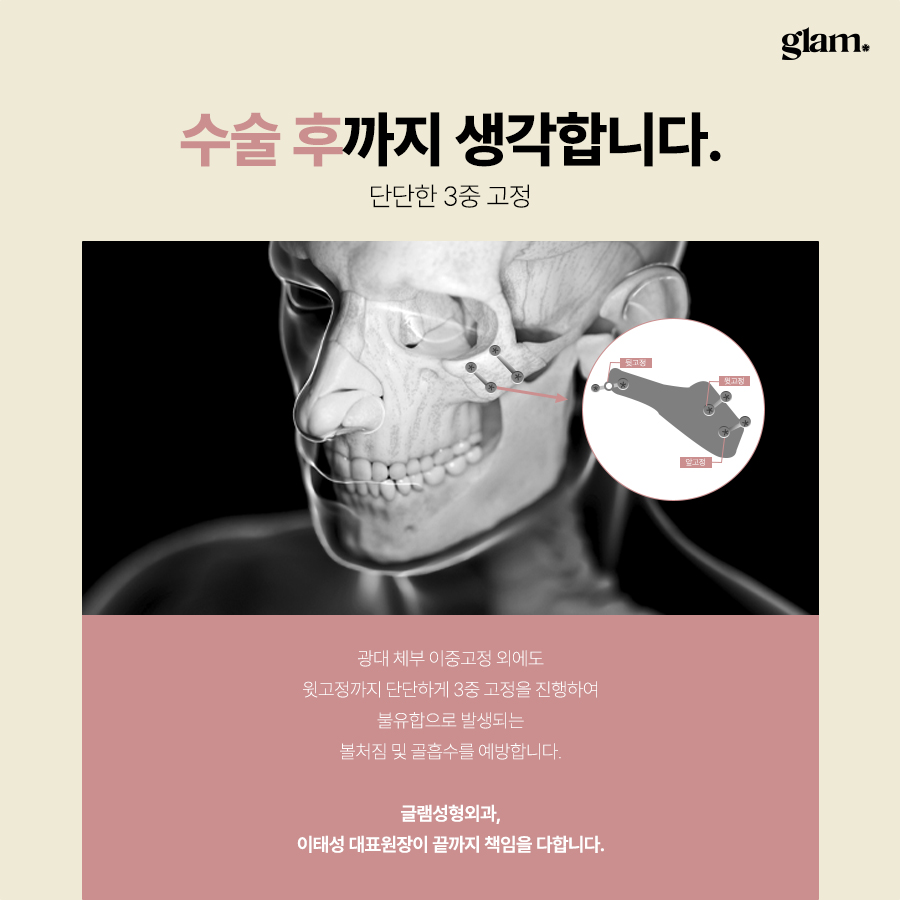
Revision options may include repositioning the cheekbone, limited augmentation using bone or other materials, and smoothing irregular edges. The surgeon must work carefully around previous fixation points and scar tissue to avoid weakening the bone or affecting the infraorbital nerve.
Jaw angle (square jaw) revision
After square jaw reduction, patients sometimes report:
Too much angle removed: The lower face looks overly thin, sharp, or hollow, especially in the back jaw area.
Not enough reduction: The jaw still appears square or bulky from the front or side.
Asymmetry: One angle is higher, lower, or more curved than the other.
Bony ridges: Palpable or visible steps along the lower border.
Revision can involve contouring the remaining bone to smooth ridges and correct asymmetry. If too much bone was removed, the surgeon may discuss options such as limited augmentation with implants or other volume-restoring methods, always balancing aesthetics with structural safety.
Chin (genioplasty) revision
Typical concerns after chin contouring or sliding genioplasty include:
Chin too long or too protruded.
Chin too short or retruded, making the lower face look weak.
Deviated chin: The chin point shifted to one side.
Unnatural pointiness or a “V-line” that does not match the rest of the face.
Revision may include adjusting the position of the chin segment, re-fixation, reshaping the bony contour, or limited augmentation. Throughout this process, the surgeon must protect the mental nerve and maintain jaw stability and bite.
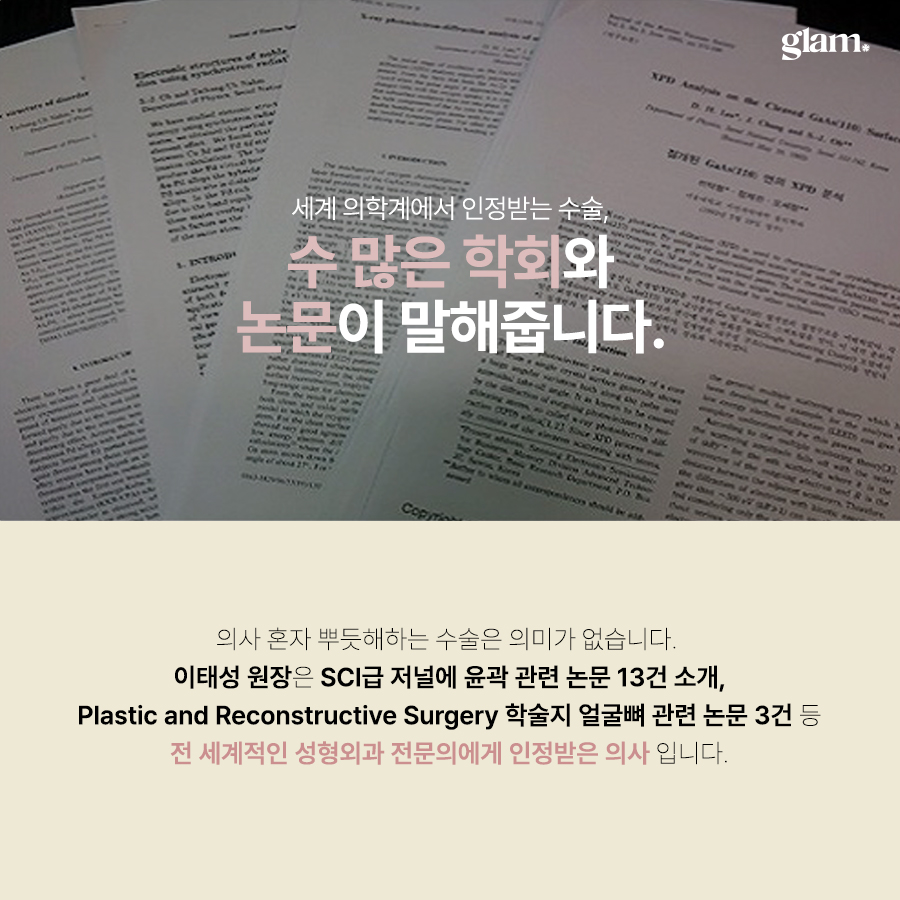
In all three areas, safety is the priority. A surgeon who regularly publishes on facial bone surgery is likely to follow established safety margins, secure fixation methods, and nerve preservation techniques rather than pushing for extreme reshaping.
What patients often describe in their revision journey
Before revision surgery
Many people seeking three-part contouring revision carry a heavy emotional burden. Common feelings include regret about the first surgery, fear of another disappointing outcome, and anxiety about being judged for “doing it again.”
A helpful consultation does not simply tell you what you want to hear. Instead, the surgeon should:
Acknowledge your concerns without criticism.
Explain clearly which problems are structural and which are related to expectations.
Set boundaries on what is safe and realistic.
This kind of honest discussion often helps patients feel more in control, even before any decision is made.
Immediately after revision
Right after revision surgery, many patients report:
Swelling and bruising: These can be similar to or slightly more than the first surgery, depending on how much bone work was required.
Numbness or tightness: Around the cheeks, jawline, and chin, usually improving gradually over weeks to months.
Mouth opening limitation: Temporary difficulty opening the mouth wide, which tends to ease with time and gentle exercises as advised.
An anesthesiologist typically manages anesthesia and monitoring throughout the operation. For patients who have already had major surgery, knowing that an anesthesia professional is involved can be reassuring.
Hospital stay is usually short, but the exact duration depends on the complexity of the revision and your general health.
One to three months after revision
During the first three months, the most noticeable changes are:
Gradual reduction of swelling: The face slowly deflates, and the new contour becomes clearer.
Improved symmetry: Obvious left-right differences or visible step deformities often improve earlier than fine details.
Adapting to chewing: Some patients feel temporary discomfort or a “different” sensation when chewing as muscles and joints adjust to the new structure.
Some clinics offer adjunctive aesthetic or supportive treatments — for example, LED therapy, skin-care reset programs, or radiofrequency procedures — that aim to reduce swelling or improve skin appearance during recovery. These options are usually optional, have variable supporting evidence, and do not shorten the time required for bone healing. Discuss any such treatments and their expected benefits with your surgeon.
Six to twelve months after revision
By six to twelve months, bone healing and soft tissue adaptation are much more advanced. Patients who are satisfied with their revision often mention:
A softer, more balanced facial outline in photos and mirrors.
Less self-consciousness about side profiles or certain angles.
Relief that functional issues such as bite discomfort or joint strain have improved or at least stabilized.
It is important to remember that subtle changes can continue beyond six months, especially in soft tissue. Many surgeons recommend evaluating the final result at around one year after revision.
Risks, limitations, and red flags
Revision three-part facial contouring carries higher risk than primary surgery because of:
Scar tissue: Makes dissection more challenging and can affect healing.
Altered anatomy: Previous bone cuts and fixation change the usual landmarks.
Reduced bone stock: There may be less bone available to reshape or move.
Potential complications include prolonged numbness, nerve injury, infection, persistent asymmetry, or limited improvement if too much bone was removed in the first surgery. No responsible clinic can guarantee a perfect result.
Be cautious of the following red flags:
Clinics that promise dramatic changes without detailed imaging or analysis.
Surgeons who do not discuss risks, limits, or alternative options.
Pressure to decide quickly or pay before you fully understand the plan.
A surgeon who focuses on facial bone procedures and is willing to say “no” to unsafe or unnecessary revision is often a safer choice than someone who agrees to every request.
How to prepare for a consultation about three-part contouring revision
For overseas patients, preparation is especially important because your time in Korea may be limited.
Gather previous records
If possible, collect:
Operative notes from your first surgery.
Any previous CT scans, X-rays, or 3D images.
Clinic letters describing what was done.
Even if you do not have everything, any information helps the new surgeon understand your starting point.
Prepare photos and specific concerns
Take clear photos in good lighting: front, 45-degree angles, and both side profiles. Mark or note what bothers you in each view, such as “left cheekbone higher,” “chin too long,” or “jawline hollow here.” The more specific you are, the easier it is for the surgeon to address your priorities.
Questions to ask during consultation
You may want to ask:
What imaging and analysis will you use to plan my revision?
How much change is realistically possible in each area (cheekbone, jaw angle, chin)?
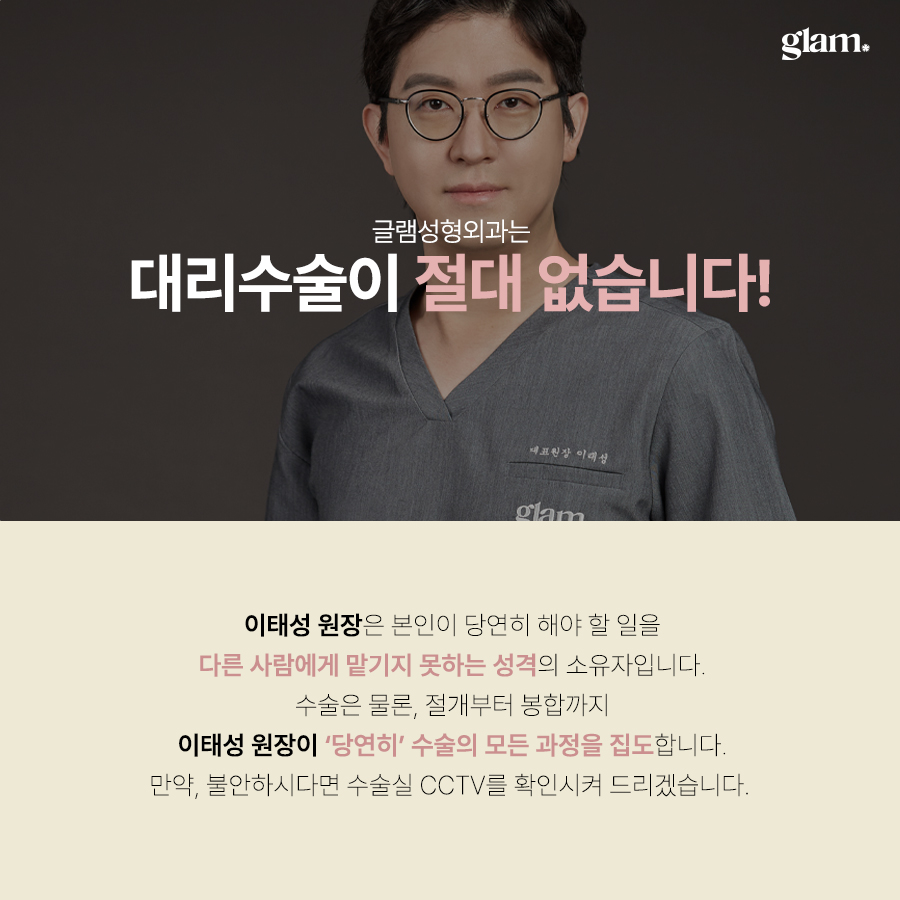
Who will actually perform the surgery, and what is their experience with revision facial bone surgery?
How will anesthesia be managed, and who will monitor me during surgery?
What is the expected recovery timeline, including hospital stay, follow-up visits, and when I can fly home?
What postoperative care options are available to help with swelling and comfort?
Location and support for international patients
If you are considering clinics in the Gangnam area (for example, near Sinsa Station), many patients find the neighborhood convenient for transport, accommodation, and daily needs. Multilingual support varies by clinic; check directly with the clinic about which languages are available for consultation, surgery planning, and follow-up.
Expected Korea visit timeline for overseas revision patients
Every case is different, but a typical schedule for an international patient might look like this:
Before arrival: Online consultation with photos and, if possible, previous imaging. Preliminary discussion of candidacy and likely options.

Day 1–2 in Seoul: In-person consultation, physical examination, new CT scan and X-rays, final surgical plan, and preoperative tests.
Surgery day: Admission, surgery under general anesthesia, and early postoperative monitoring.
First few days after surgery: Short hospital stay if needed, then stay at nearby accommodation. Clinic visits for dressing changes, oral check, and basic care instructions.
One to two weeks after surgery: Removal of stitches if required, confirmation that early healing is stable, and clearance for air travel in most uncomplicated cases.
After returning home: Online follow-ups using photos and, if necessary, local imaging. Long-term evaluation at six to twelve months can also be done online.
Aftercare and support
After revision three-part contouring, you will receive instructions on:
Oral hygiene and diet (usually soft food for a period).
Sleeping position and activity restrictions.
Signs of possible complications that require urgent contact.
Additional care such as LED therapy, facial dome care, skin reset programs, and radiofrequency lifting may be scheduled to support swelling reduction and skin quality, especially in the first few months. These services do not shorten the fundamental bone healing time but can make the recovery period more comfortable and help the skin adapt to the new contour.
FAQ about three-part jawline contouring revision
Is three-part facial contouring revision always possible if I am unhappy with my first surgery?
No. Revision is not always possible or advisable. The surgeon must check how much bone remains, the position of important nerves, the condition of your joints and bite, and how much time has passed since the first surgery. In some cases, only limited improvement is safe. A careful clinic will explain these limits clearly rather than promising a complete correction.
How long should I wait after my first cheekbone, jaw, and chin surgery before considering revision?
Many surgeons recommend waiting at least six to twelve months after the initial three-part contouring. This allows swelling to resolve and bone and soft tissue to stabilize, so both you and the surgeon can see the true final result. Operating too early can increase risks and make it harder to judge what really needs to be changed.

Will revision three-part contouring be more painful or have more swelling than the first surgery?
Pain levels vary from person to person, but many patients describe revision discomfort as similar to their first surgery. Swelling can sometimes be slightly more pronounced or last longer because of scar tissue and repeated dissection. Supportive care such as LED therapy and other postoperative programs can help with comfort, but time is still the main factor in swelling reduction.
Can revision fix both appearance and functional problems like bite discomfort?
In some cases, yes, but it depends on the cause of the functional issue. If the problem is related to bone position or previous cuts, revision may improve both appearance and function. However, if the main cause is elsewhere, such as long-standing joint disease, the improvement may be limited. A thorough evaluation of your bite, joints, and imaging is essential before discussing any potential functional change.
Soft call to action for online consultation
If you are considering three-part jawline contouring revision in Seoul and want more than just online reviews, the most practical next step is a structured consultation. Preparing your previous records, imaging, and clear photos will help the surgeon give you an honest assessment of what is and is not possible.
You can share your concerns, receive a preliminary opinion based on your photos and history, and then decide calmly whether an in-person visit to Korea for detailed imaging and planning is right for you.
Revision three-part facial contouring is complex, but with a careful, evidence-based approach and realistic expectations, many patients do achieve a more balanced appearance and improved comfort over time.




- 공유 링크 만들기
- X
- 이메일
- 기타 앱


댓글
댓글 쓰기