양악수술병원 in Gangnam (Sinsa): Facial bone center specializing in double jaw surgery for overseas patients
- 공유 링크 만들기
- X
- 이메일
- 기타 앱
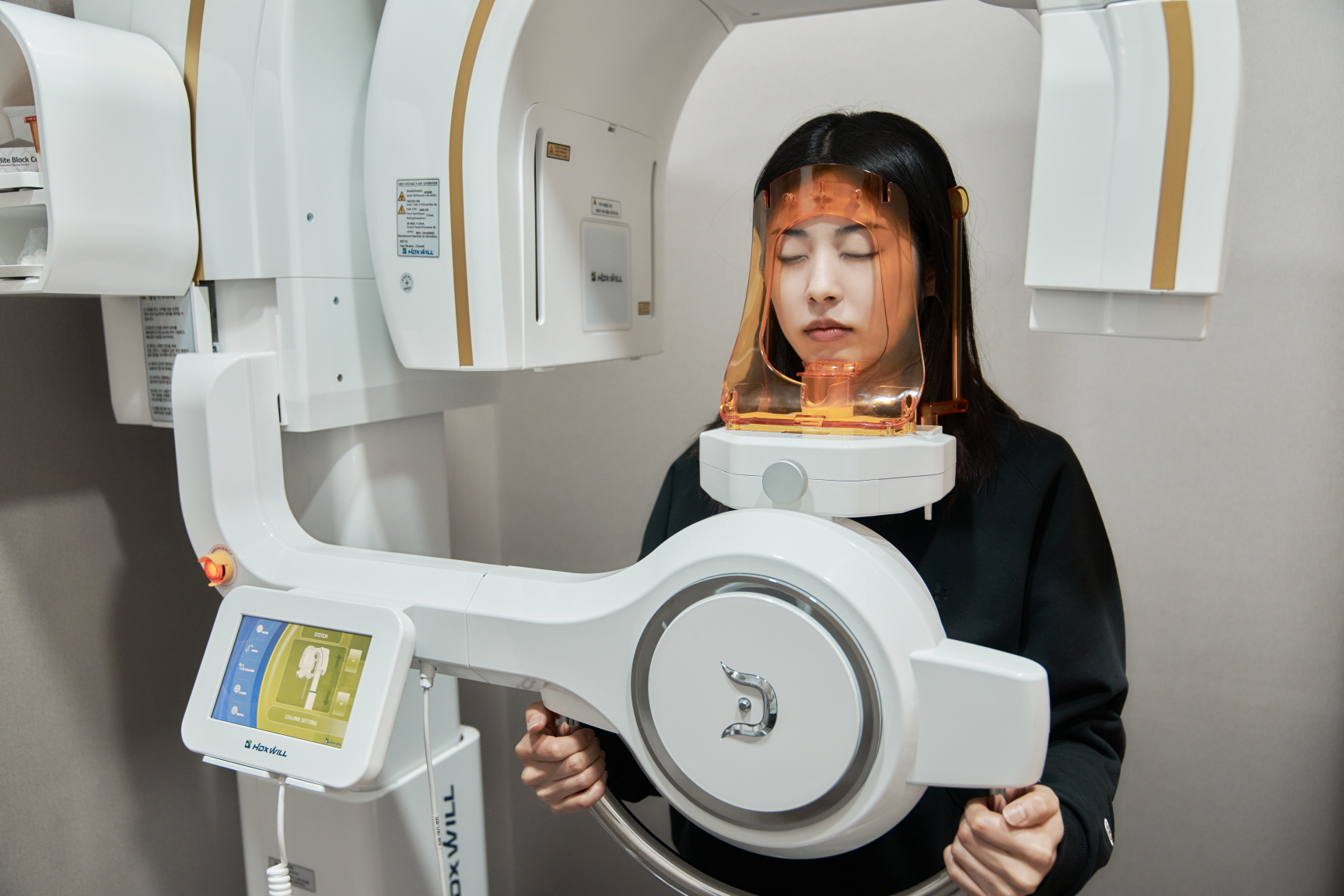
Double jaw surgery hospital: clear answer for overseas patients
If you are searching for a double jaw surgery hospital in Seoul, you are probably comparing safety, surgeon experience, and how comfortable your recovery will be. In the Sinsa Station area of Gangnam, there is a facial bone center that focuses only on double jaw and facial contouring surgery, with a system designed for long, complex bone operations rather than general cosmetic procedures.
This guide explains what this kind of specialized hospital offers, who may consider double jaw surgery, how to prepare from overseas, what a typical Korea visit looks like, and how aftercare is organized.
What to look for in a double jaw surgery hospital
When you compare hospitals for double jaw surgery, three points are especially important: specialization, safety systems, and objective evidence of the surgeon’s skill.
Specialization means the medical team performs facial bone surgery every day, not as one item in a long cosmetic menu. This narrow focus supports consistent planning, operating, and follow‑up care for bone surgery patients.
Safety systems matter because double jaw surgery is a long procedure under general anesthesia. Ask the clinic how they organize anesthesia care — for example, whether a dedicated anesthesiologist monitors the case, what pre‑operative checks are performed, and what intraoperative monitoring is used — so you can compare how different clinics manage perioperative risk.
Objective evidence of skill can include a surgeon’s training and publications. The center reports that its lead surgeon completed training at major medical centers in Korea and has authored peer‑reviewed papers on facial contouring and double jaw surgery. Publications and training are not a guarantee of results; request verifiable details (institutional profiles, PubMed listings, or copies of publications) if you want to confirm specific credentials.
A clinic dedicated only to facial bone surgery
This hospital in the Sinsa Station area is organized as a facial bone surgery center rather than a general plastic surgery clinic. The core services are:
Primary double jaw surgery for jaw misalignment, facial asymmetry, and functional problems such as chewing difficulty or jaw joint strain.
Revision double jaw surgery for patients who are dissatisfied with previous results or who developed complications after earlier operations.
Facial contouring procedures such as cheekbone reduction, V‑line contouring, square jaw reduction, and revision contouring.
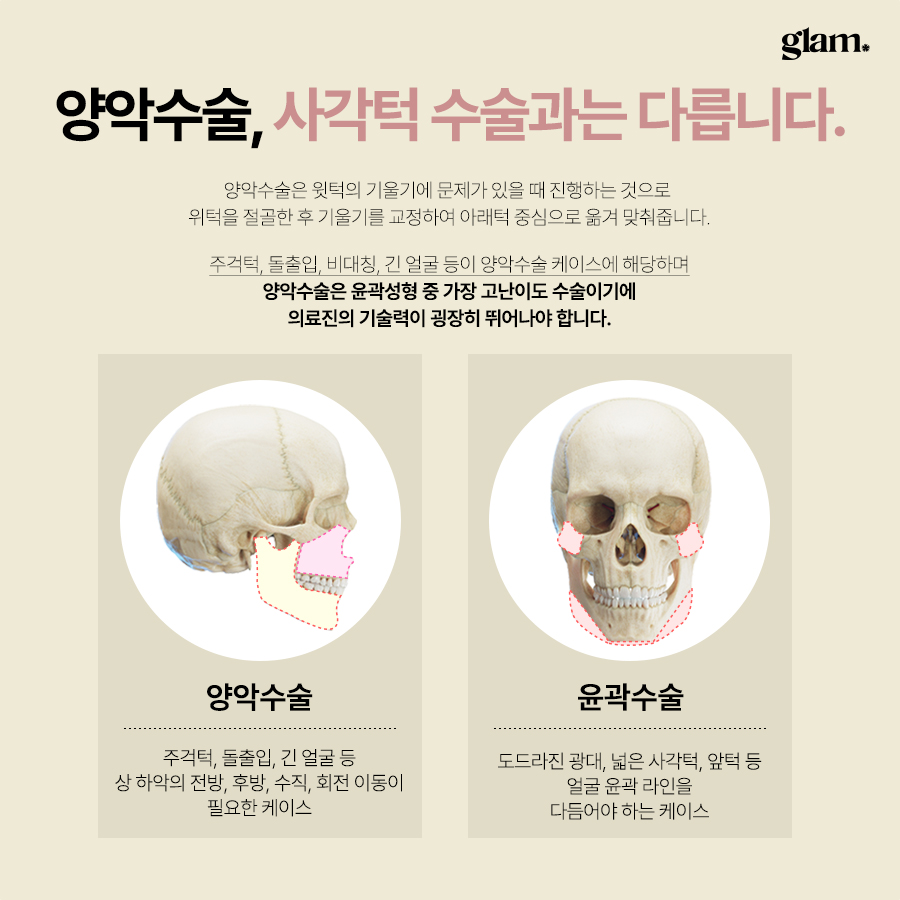
By limiting the menu to bone procedures, the team can concentrate on detailed three‑dimensional analysis of the jaw and facial skeleton. Surgical planning focuses on how the upper and lower jaws, cheekbones, and chin interact, rather than simply changing surface appearance.
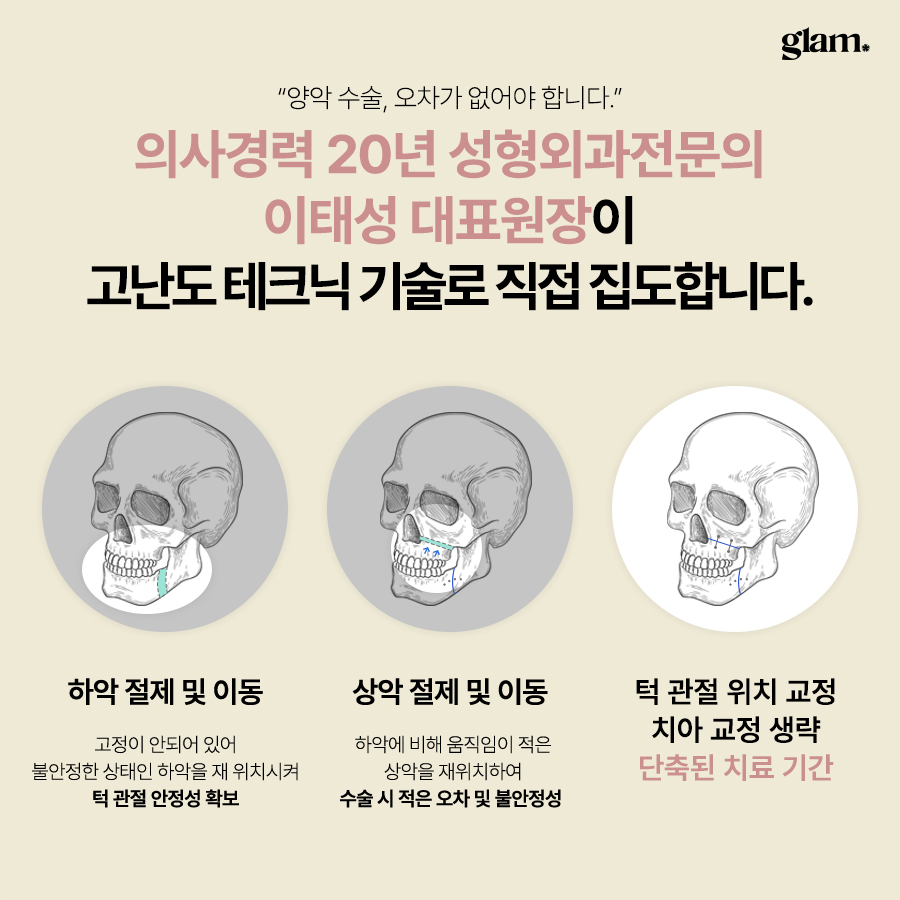
He personally performs the facial bone operations instead of delegating them to junior doctors. The clinic’s philosophy is to recommend only the minimum necessary surgery based on each patient’s condition, which is reassuring if you are worried about being pushed into multiple procedures.
Double jaw surgery overview
Double jaw surgery, also called orthognathic surgery, repositions both the upper and lower jaws. It is usually considered when there is a structural jaw problem that cannot be solved with bite correction alone.
Common reasons patients consider double jaw surgery include:
- Significant underbite or overbite caused by jaw position
- Facial asymmetry where one side of the jaw is longer or lower than the other
- Difficulty chewing or biting due to jaw alignment
- Jaw‑related speech issues or chronic jaw joint strain linked to skeletal position
- A long face or protruding mouth related to jaw bone structure
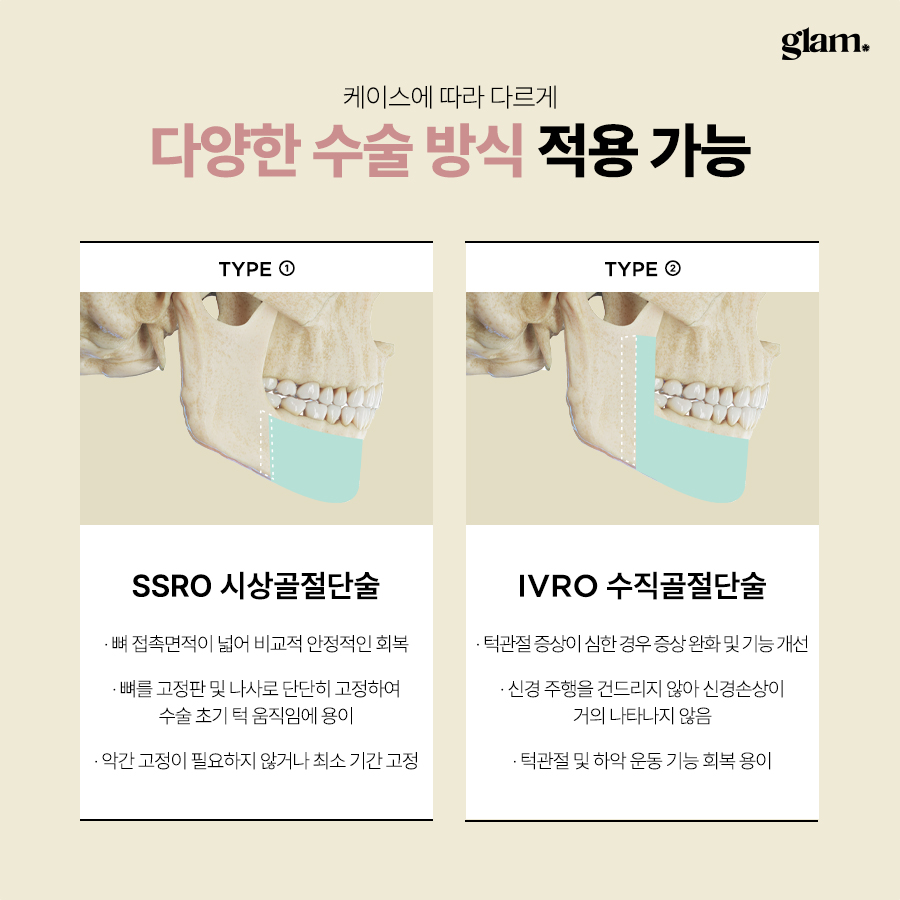
Double jaw surgery is planned using imaging and detailed facial measurements with the goal of improving both function and facial balance. Some surgeons may discuss techniques that permit earlier jaw movement rather than rigid intermaxillary wiring, depending on bone stability and fixation methods; these options and their effects on early recovery vary by patient. Discuss possible techniques, risks, and expected recovery during your consultation.
Who may consider double jaw surgery here
International patients who typically contact this center include:
Adults who have been told they have jaw misalignment and are considering surgery after previous bite correction.
People with noticeable facial asymmetry who want both functional and aesthetic improvement.
Patients who already had double jaw surgery elsewhere but remain unhappy with the result or developed problems such as persistent asymmetry, bite issues, or discomfort.
Individuals who want to combine double jaw surgery with facial contouring, such as cheekbone or jawline reduction, in a coordinated plan.
The hospital evaluates each case individually. In selected situations, the surgeon may decide that pre‑surgical bite correction can be shortened or omitted, if jaw movement alone can address the main problem. This is always decided after careful imaging and examination, and it is not recommended for every patient.
Revision double jaw surgery
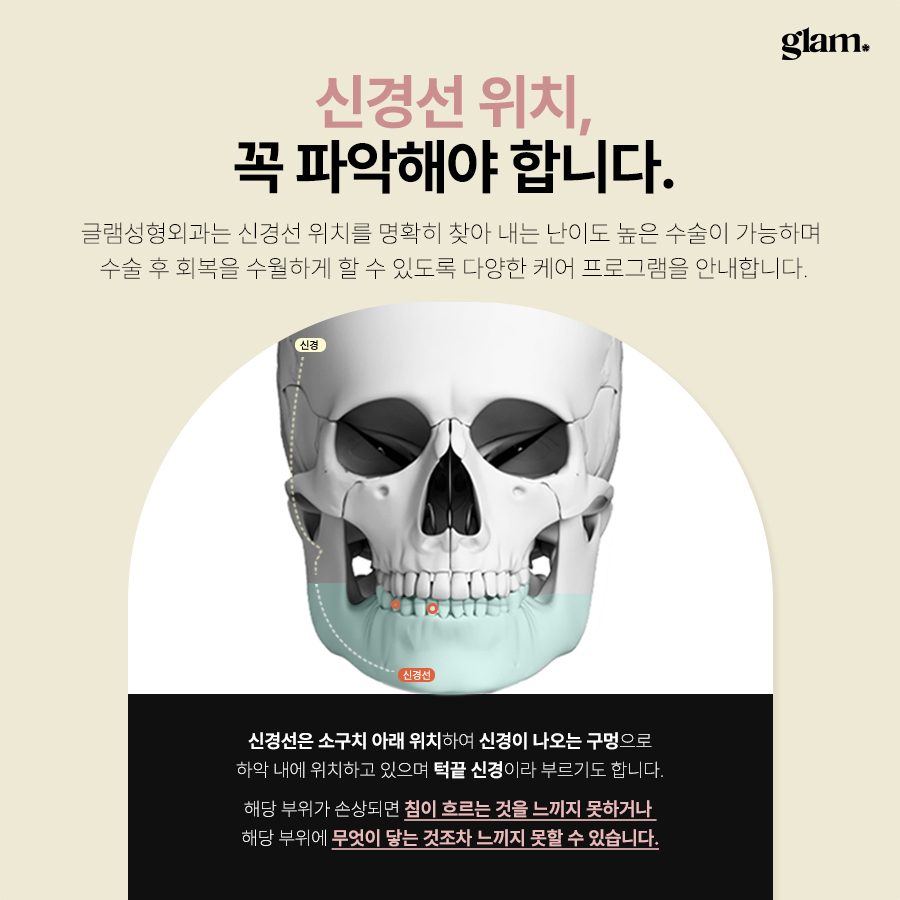
Revision double jaw surgery is more complex than a first‑time operation because the bone has already been cut and fixed once. Scar tissue, existing plates and screws, and changed anatomy must all be considered.
At this center, revision cases are approached conservatively. The surgeon reviews previous records and imaging where available, checks current bone position and bite, and then designs a plan that aims to correct the main issues with as little additional bone movement as necessary. Because the lead surgeon has published multiple research papers on facial contouring and double jaw surgery, he is familiar with various techniques and potential complications described in the scientific literature.
Patients considering revision surgery should be prepared for detailed consultations and realistic discussions about what can and cannot be improved.
Facial contouring lineup and how it complements double jaw surgery
Many patients who undergo double jaw surgery also consider facial contouring to refine the overall face shape. This hospital offers:
Cheekbone reduction to soften wide or prominent cheekbones.
V‑line contouring to refine the chin and jawline for a slimmer lower face.
Square jaw reduction to reduce a broad or angular jaw angle.
Revision contouring for patients who had cheekbone or jawline surgery elsewhere and are not satisfied with the result.
Combining double jaw surgery with contouring requires careful planning. For example, moving the upper jaw can change midface projection, so cheekbone reduction must be designed to match the new bone position. Similarly, lower jaw movement affects how much square jaw reduction or chin contouring is appropriate.
By handling both procedures within one facial bone center, the team can coordinate the operations so that the final facial balance looks natural rather than over‑reduced.
Approach to comfort and nose shape preservation
Some patients worry that double jaw surgery will flatten or widen their nose. At this hospital, suturing techniques are used with the aim of minimizing unwanted nasal widening or flattening after upper jaw movement. While individual results vary, this attention to the nasal base during closure is part of the standard technique.
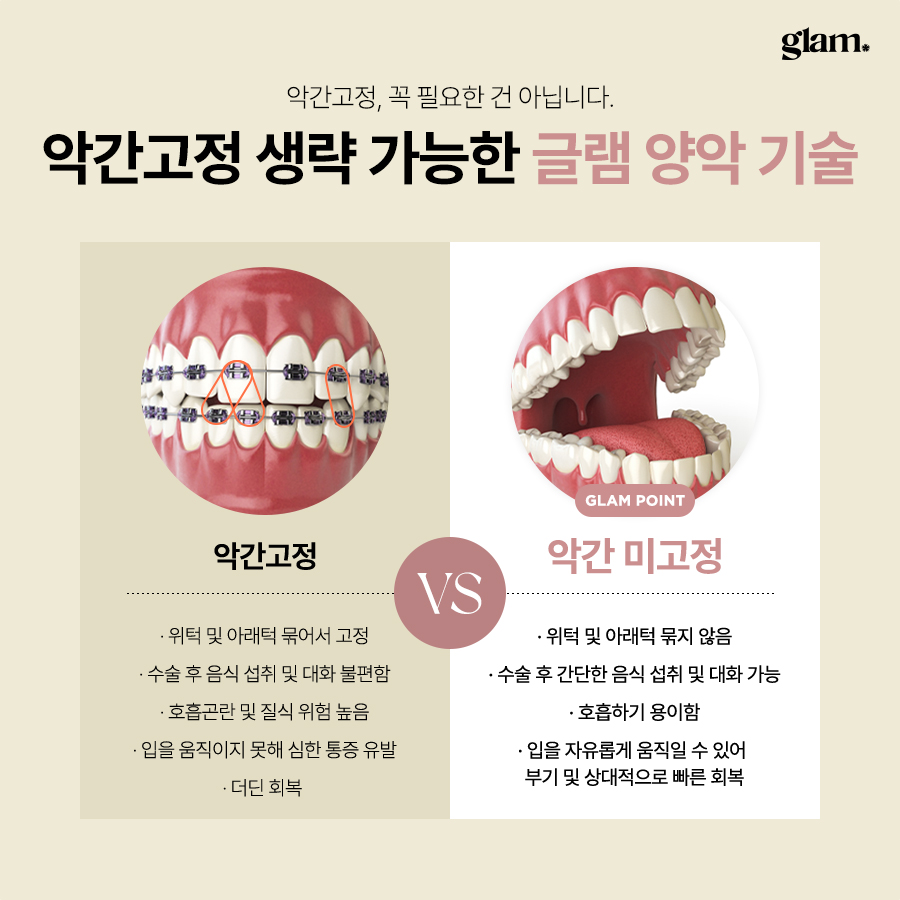
The clinic also considers comfort in the early recovery period. In selected cases, double jaw surgery may be performed without wiring the jaws shut, using internal fixation to maintain stability. This can allow earlier mouth opening and easier oral hygiene. However, this decision depends on the specific bone cuts and fixation points, and is always made with safety as the first priority.
Medical team and research credentials
The facial bone center is led by a board‑certified plastic surgeon who serves as representative director. His background includes:
Graduation from Seoul National University College of Medicine
Internship and residency at Seoul National University Hospital
Specialist training at Samsung Medical Center
Experience as head of the facial bone center at a major plastic surgery hospital in Seoul
Training at University of Washington Medical Center in Seattle
Lifetime membership in the Korean Society of Plastic and Reconstructive Surgeons and regular membership in the Korean Society for Aesthetic Plastic Surgery
These publications are a measurable record of ongoing research activity in the same area as his clinical work.
Anesthesia and safety system for long bone surgeries
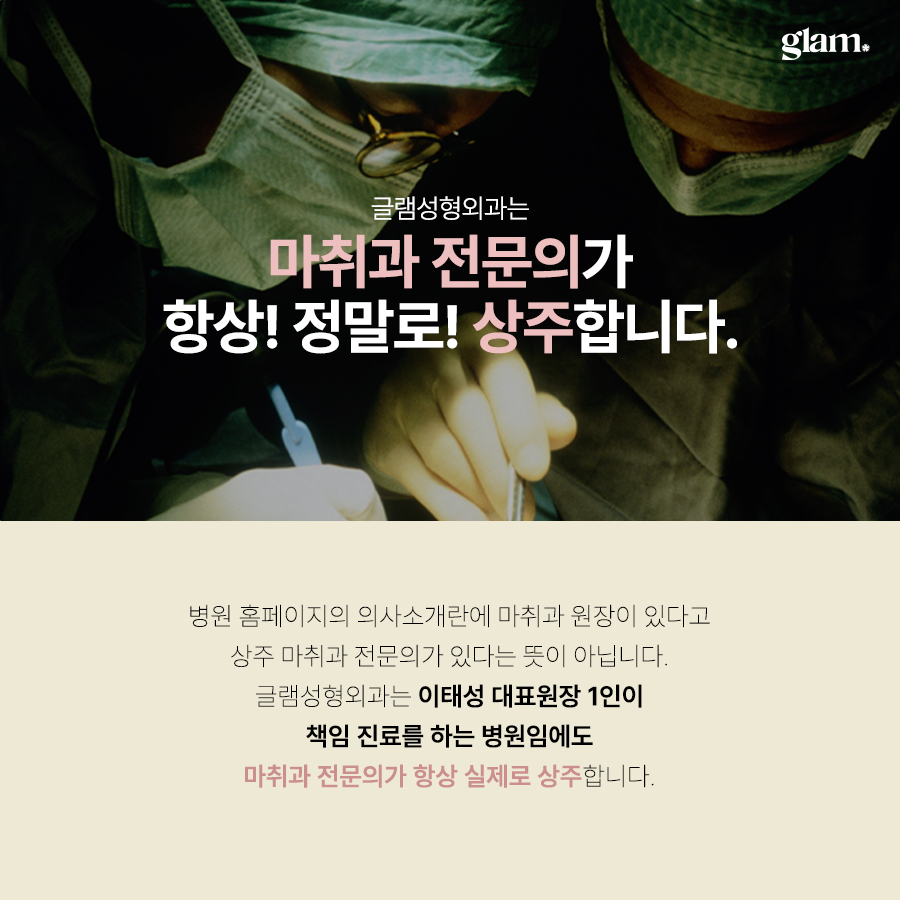
For long procedures such as double jaw surgery and combined contouring, anesthesia safety is critical. This hospital uses a one plastic surgery specialist plus one anesthesiology specialist model.

The clinic describes the anesthesiologist involved in care as board‑certified. If a clinician’s specific education, certifications, or professional memberships are important to you, ask the clinic to provide verification such as a hospital profile page or professional registry listing.
Completed an undergraduate degree in Food and Biotechnology at Seoul National University
Graduated from Catholic University medical school
Trained and qualified as a board‑certified anesthesiologist at Catholic Central Medical Center
Is a member of the Korean Society of Anesthesiologists and the Korean Pain Society
Having a full‑time anesthesiologist means that during surgery, one specialist focuses entirely on your vital signs, airway, and anesthesia depth, while the facial bone surgeon concentrates on the operation itself. Pre‑operative evaluation, intra‑operative monitoring, and immediate post‑operative care are all handled by a doctor whose sole field is anesthesia.
Post‑operative care and swelling reduction programs
Recovery after double jaw or facial contouring surgery involves swelling, bruising, and gradual improvement over weeks to months. This hospital offers structured post‑operative care programs to support healing.
Available treatments include:
SmartLux LED therapy to support skin recovery and reduce inflammation.
Astrodom facial care, which focuses on gentle management of swelling and skin condition.
Care7 Skin Reset total care, a program designed to help the skin barrier recover after surgery.
High‑frequency lifting (Olijio X) used at appropriate stages to support tissue tightening as swelling subsides.
These treatments are not mandatory but can be combined into a personalized recovery plan. The medical team adjusts the schedule based on your surgery type, healing speed, and travel plans if you are an overseas patient.
Online consultation and pre‑visit preparation
If you live outside Korea, the first step is usually an online consultation. The clinic supports Korean, English, Japanese, and Thai, with dedicated channels for international patients through social media and messaging apps.
To make your consultation more productive, prepare the following:
Front, 45‑degree, and side facial photos with a neutral expression
Photos showing your bite from the front and both sides if possible
Any previous imaging or reports from earlier jaw or facial surgery
A short description of your main concerns, including whether they are functional, aesthetic, or both
Your medical history, including any chronic diseases, medications, and allergies
During the online consultation, staff will explain possible treatment directions, approximate recovery timelines, and how long you should plan to stay in Korea. They can also discuss whether pre‑visit imaging in your home country would be useful, although final planning imaging is usually done in Seoul.
Expected Korea visit timeline
The exact schedule depends on your case, but many international double jaw patients follow a structure similar to this:
Day 1–2: In‑person consultation, physical examination, imaging (such as X‑rays or 3D scans), and detailed surgical planning. You will discuss risks, benefits, and alternatives with the surgeon.
Day 3–5: Pre‑operative tests and final checks. Surgery is usually scheduled within a few days of planning for overseas patients, but this can vary.
Surgery day: Admission, operation under general anesthesia, and immediate post‑operative monitoring.
First week after surgery: Hospital stay or frequent clinic visits, depending on your condition and the surgical plan. Swelling is most intense during this period. The team will guide you on diet, oral care, and activity.
Second and third weeks: Follow‑up visits, suture removal where applicable, and early post‑operative care such as LED therapy or gentle facial care, if included in your plan.
After 3–4 weeks: Many patients are able to return to their home country, provided there are no complications and the surgeon confirms it is safe. Some may choose to stay longer for additional follow‑up and recovery treatments.
Your exact stay should be decided in consultation with the medical team, based on your surgery type, healing speed, and travel distance.
Aftercare once you return home
Once you leave Korea, you will continue healing over several months. The clinic usually provides:

Written post‑operative instructions covering diet, activity level, oral hygiene, and signs that require medical attention.
Guidance on when to resume work, exercise, and long flights, adjusted to your individual progress.
Online follow‑up options so you can send photos and ask questions as you recover.
Because each person heals differently, it is important to follow your surgeon’s specific instructions rather than general timelines found online. If you notice unusual pain, swelling, or other symptoms after returning home, you should contact the clinic promptly and also seek local medical evaluation if needed.
Checklist before you decide
Before you choose a double jaw surgery hospital in Korea, it can help to prepare a simple checklist. Points to confirm include:
Does the clinic focus on facial bone surgery, or is it a general cosmetic center?
Who will actually perform the surgery, and what is their training and experience in double jaw and contouring procedures?
Is there a full‑time anesthesiology specialist present during surgery?
How many days of stay in Korea are recommended for your specific plan?
What structured post‑operative care is available for swelling and recovery?
What is the plan for communication and follow‑up once you return to your home country?
You may want to write down questions such as:
Can my surgery be done without wiring my jaws shut, and if so, what are the pros and cons in my case?
Is it possible to adjust or shorten pre‑surgical bite correction for my situation, or is it essential?
How will you minimize changes to my nose shape when moving the upper jaw?
What are the main risks in my specific case, and how are they managed?
Bringing this list to your online or in‑person consultation can help you compare hospitals based on clear, practical criteria rather than only photos or marketing phrases.
Frequently asked questions
Is double jaw surgery only for appearance, or does it also help function?
Double jaw surgery is often chosen for both reasons. Many patients have jaw misalignment that affects chewing, bite stability, or jaw joint comfort, and at the same time they are concerned about facial asymmetry or profile. The goal at this hospital is to improve function and facial balance together, but the exact balance between functional and aesthetic goals is discussed individually.
How long do I need to stay in Korea for double jaw surgery?
Most overseas patients are advised to stay at least 3 to 4 weeks after surgery, so that early healing and key follow‑up visits can be completed before flying home. Some patients, especially those with combined contouring or revision surgery, may benefit from a longer stay. Your recommended schedule will be set after your consultation and pre‑operative evaluation.
Can double jaw surgery be done without wiring the jaws shut?
In some cases, yes. When bone stability and fixation allow, the surgeon may choose techniques that do not require intermaxillary fixation with wires. This can make eating and oral care easier in the early period. However, this approach is not suitable for every patient, and the decision is made based on your specific anatomy and surgical plan, with safety as the priority.
What kind of anesthesia is used, and who manages it?
Double jaw and facial contouring surgeries at this hospital are performed under general anesthesia. A board‑certified anesthesiologist dedicated to the clinic manages anesthesia before, during, and immediately after surgery. This specialist monitors your vital signs continuously and adjusts anesthesia levels throughout the procedure, while the facial bone surgeon focuses on the operation itself.
Location, hours, and how to start an online consultation
For the clinic’s current location, opening hours, available languages, and online consultation channels, check the clinic’s official website or contact the clinic directly. Operational details can change, so confirm them with the clinic before planning a visit or scheduling an online consultation.
The hospital is located on Dosan‑daero in Gangnam, about 200 meters on foot from Sinsa Station Exit 1. This makes it easy to reach from major hotel areas in southern Seoul.
Clinic hours are:
- Weekdays: 10:00–18:30
- Saturdays: 10:00–16:00
- Closed on Sundays and public holidays
- There is no separate lunch break, so consultations can usually be scheduled continuously within opening hours.

For overseas patients, the clinic offers support in Korean, English, Japanese, and Thai, with dedicated online channels such as Instagram, YouTube, and messaging apps. You can start by sending photos and a brief description of your concerns, then arrange a video or message‑based consultation to discuss possible treatment directions, travel timing, and approximate recovery plans.
If you are considering double jaw surgery or facial contouring in Seoul and want a hospital that focuses only on facial bone procedures, an online consultation can help you understand whether this center’s approach fits your needs and expectations. As with any medical decision, final choices should be made after direct consultation with qualified medical staff, taking into account your individual health status and goals.




참고 및 출처
위 기관의 공개 정보는 일반적인 확인 경로이며, 본문의 개별 판단은 현재 상태와 공식 안내를 함께 확인해야 합니다.
본 글은 일반적인 정보 제공을 목적으로 작성되었으며, 의학적 진단이나 치료 권고가 아닙니다. 개인의 의료 상태, 병력, 복용 약물에 따라 적합한 시술과 주의사항은 달라질 수 있으므로 시술 여부는 반드시 의료진과 상담해 결정해야 합니다.


댓글
댓글 쓰기