How to Choose a Facial Contouring Hospital (Anmyeon Yungwak Byeongwon) for Revision Facial Contouring Surgery
- 공유 링크 만들기
- X
- 이메일
- 기타 앱
Direct answer summary
If you are searching for a facial contouring hospital after already having jawline or cheekbone surgery, you are not alone. Many people look for a more specialized center when they feel unhappy, uncomfortable, or worried after their first operation.
Introduction: why people search for a facial contouring hospital again
Some patients type “facial contouring hospital” into a search engine not because they are planning their first surgery, but because they are already living with the results of a previous operation. They may feel that their face looks asymmetrical, too small, or unnatural. Others may have numbness, bite discomfort, or sagging that they did not expect.
Revision facial contouring surgery means performing a second operation on facial bones that have already been cut, moved, or shaved. This includes revision jawline surgery and revision cheekbone surgery after procedures such as cheekbone reduction, jaw angle reduction, or V-line contouring. Because the anatomy has already been changed once, revision requires a higher level of experience and a hospital that specializes in facial bone surgery rather than general cosmetic procedures.
What is revision facial contouring surgery
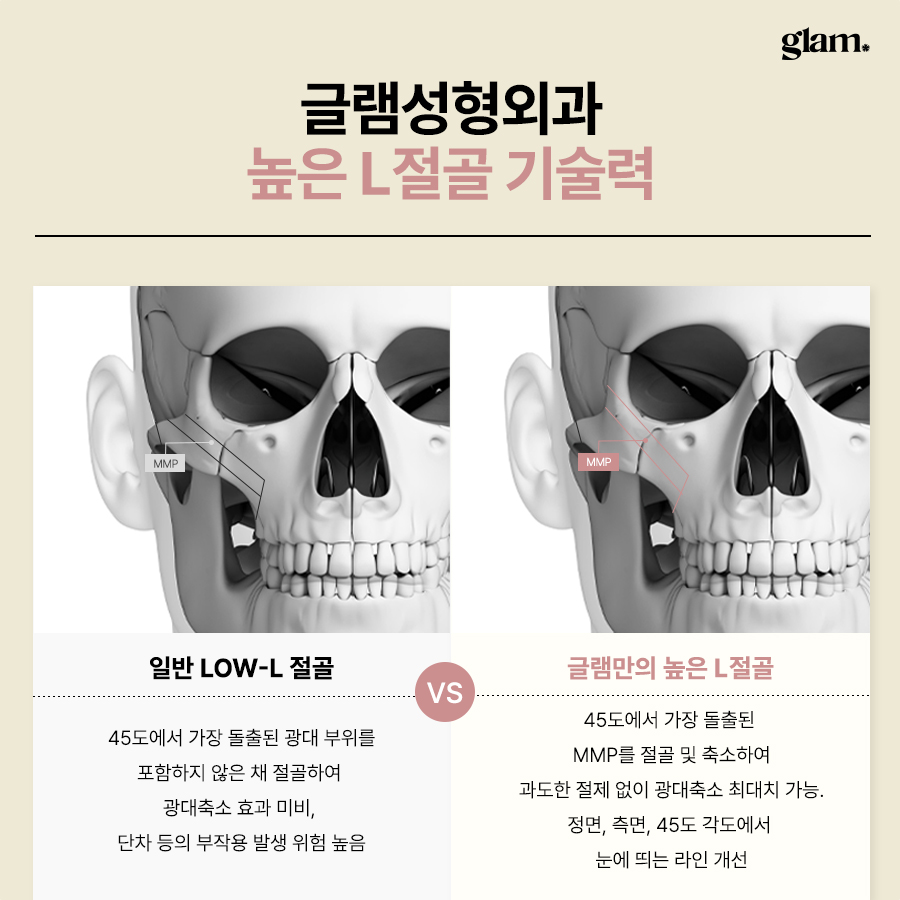
Primary facial contouring usually focuses on reshaping the bony structure of the face to create a slimmer or more balanced appearance. Common procedures include cheekbone reduction, jaw angle reduction, and V-line surgery, which refines the chin and lower jawline.
Revision facial contouring is performed when the outcome of these primary procedures is unsatisfactory or causes problems. It can address several types of issues.
Asymmetry or uneven contours
Some patients notice that one side of the face looks different from the other, or that the jawline is not smooth. This can be due to uneven bone removal, healing differences, or pre-existing asymmetry that was not fully considered. Revision may involve additional bone reshaping, contour smoothing, or, in some cases, bone augmentation.
Over-resection and hollow or aged appearance
If too much bone was removed, the face can appear overly small, hollow, or prematurely aged. The midface may look sunken, or the lower face may lack support. In such cases, revision may require rebuilding or augmenting certain areas using bone grafts or other methods, but options are limited by how much bone remains.
Under-resection and minimal change
Sometimes, patients feel that almost nothing has changed after surgery. Under-resection means that the bone was not reduced enough to create the desired contour. If there is still sufficient bone volume and the nerves are safely positioned, revision can further refine the jawline or cheekbones. However, the surgeon must carefully evaluate why the first surgery was conservative and whether more reduction is truly safe.
Step deformities and irregular bone surfaces
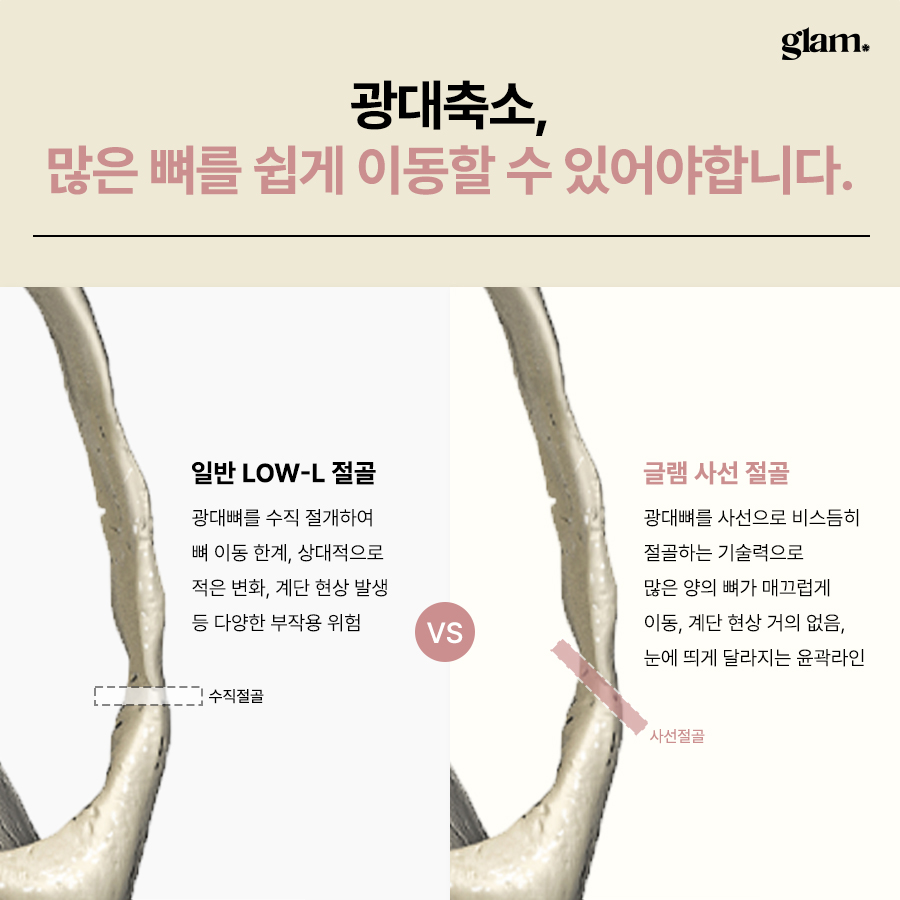
After bone cutting and shaving, there can be step-like transitions or rough surfaces that create visible or palpable irregularities. Revision surgery can smooth these steps or adjust the contour to create a more continuous line, but this must be done with attention to bone strength and nerve pathways.
Sagging soft tissue after bone reduction
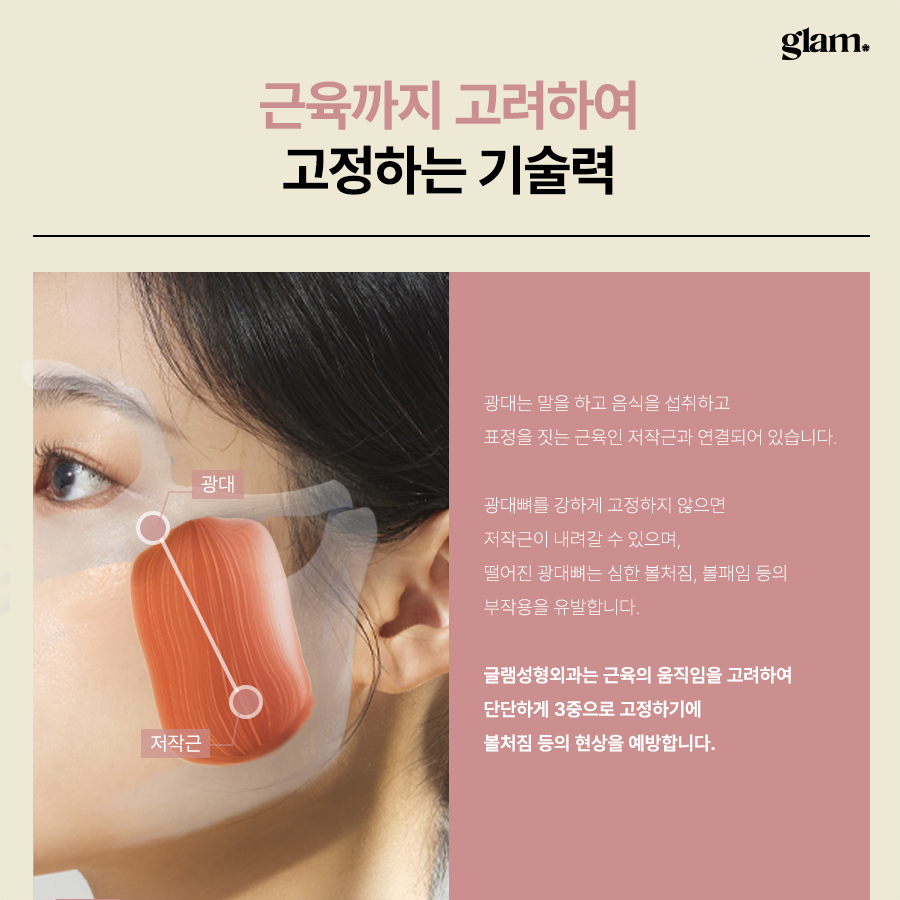
When bone volume is reduced, the overlying skin and soft tissue may not shrink to match the new structure. This can cause jowls, sagging cheeks, or a tired look. Revision may combine additional bone work with soft tissue management or lifting techniques to better support the facial envelope.
Functional issues
Some patients develop or notice functional problems after facial contouring, such as bite discomfort, changes in how the teeth meet, jaw joint (TMJ) symptoms, or persistent numbness or weakness. In these situations, revision planning must consider both aesthetics and function. Sometimes, double jaw surgery and revision contouring need to be coordinated to restore a stable bite and facial balance.
Because revision is limited by the remaining bone, existing nerve condition, and scarred soft tissue, careful planning and honest discussion of what is and is not possible are essential.
When to consider a revision facial contouring hospital
Not every concern after surgery means that revision is necessary. Swelling, stiffness, and temporary numbness are common in the early months. However, there are situations when it makes sense to consult a specialized facial contouring hospital.
Persistent dissatisfaction after healing
If 6 to 12 months have passed since your first surgery and you still feel that your facial line is far from what you expected, it may be time to seek a second opinion. By this point, most swelling has resolved, and the bone has largely healed into its new shape.
Visible asymmetry
If you consistently see asymmetry in photos or the mirror, especially under neutral lighting and with a relaxed expression, a detailed evaluation can help determine whether the cause is bone, soft tissue, or both.
Chronic pain, numbness, or functional problems
Ongoing pain, prolonged numbness, or new functional issues such as difficulty chewing, jaw clicking, or locking should not be ignored. A hospital with experience in revision facial contouring and double jaw surgery can evaluate the relationship between bone cuts, nerve pathways, and joint function.
Psychological distress and unnatural appearance
Feeling that your face looks “operated” or unnatural can affect confidence and daily life. Revision may not restore your original face, but in some cases it can soften harsh lines, correct irregularities, or rebalance proportions in a way that feels more like you.
Urgent complications
In rare cases, urgent issues such as infection, unstable bone segments, or severe bite problems require earlier intervention. In these situations, it is important to contact a facial contouring hospital promptly rather than waiting for full swelling resolution.
Why revision facial contouring is more complex than first-time surgery
Revision facial contouring is technically more demanding than primary surgery for several reasons.
Existing plates, screws, and osteotomy lines
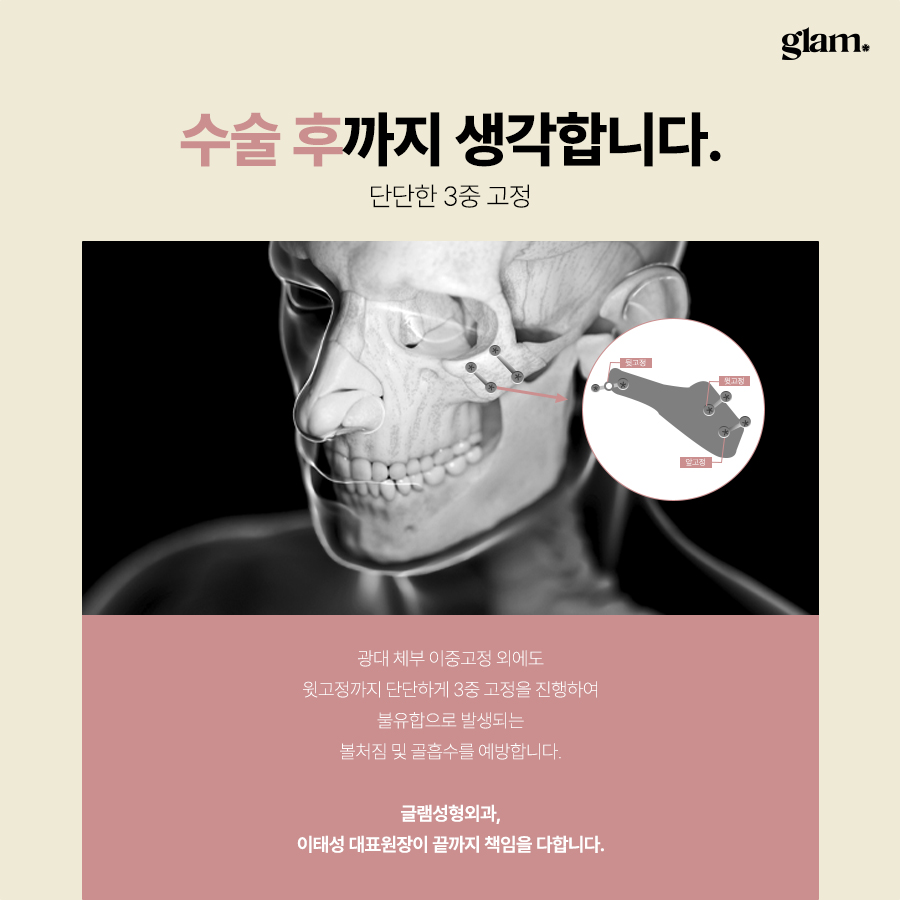
The bones have already been cut and fixed with plates or screws. These materials may need to be removed or repositioned, and the previous cut lines limit where new cuts can be safely made. The surgeon must understand the three-dimensional shape of the healed bone and hardware.
Scar tissue and altered anatomy
Inside the face, there is scar tissue from the first surgery. This makes dissection more difficult and increases the risk of bleeding or nerve injury. Normal anatomical landmarks may be distorted, so the surgeon must rely on experience and detailed imaging.
Reduced bone volume and nerve proximity
After bone has been removed once, there is less remaining structure to work with. The distance between the bone surface and important nerves may be reduced. Any additional reduction must be carefully calculated to avoid weakening the jaw or damaging nerves.
Balancing aesthetics and function
Revision surgery must protect or restore function while improving appearance. This includes maintaining stable occlusion (how the teeth meet), preserving or improving joint health, and minimizing the risk of further numbness or weakness. These goals can sometimes limit how much change is realistically possible.
Because of these challenges, revision is best handled by a surgeon with extensive experience specifically in facial bone surgery, supported by a hospital system that is used to complex contouring and double jaw cases.
How to choose a hospital for revision facial contouring
When you are considering revision, choosing the right facial contouring hospital is one of the most important decisions. The following points can help you compare options.
Single-focus on facial bone surgery
Hospitals that concentrate on facial bone surgery, such as double jaw and facial contouring, tend to accumulate a large number of complex cases, including revisions. This narrow focus can mean more experience with the specific problems you are facing. For example,
Surgeon’s training and academic background
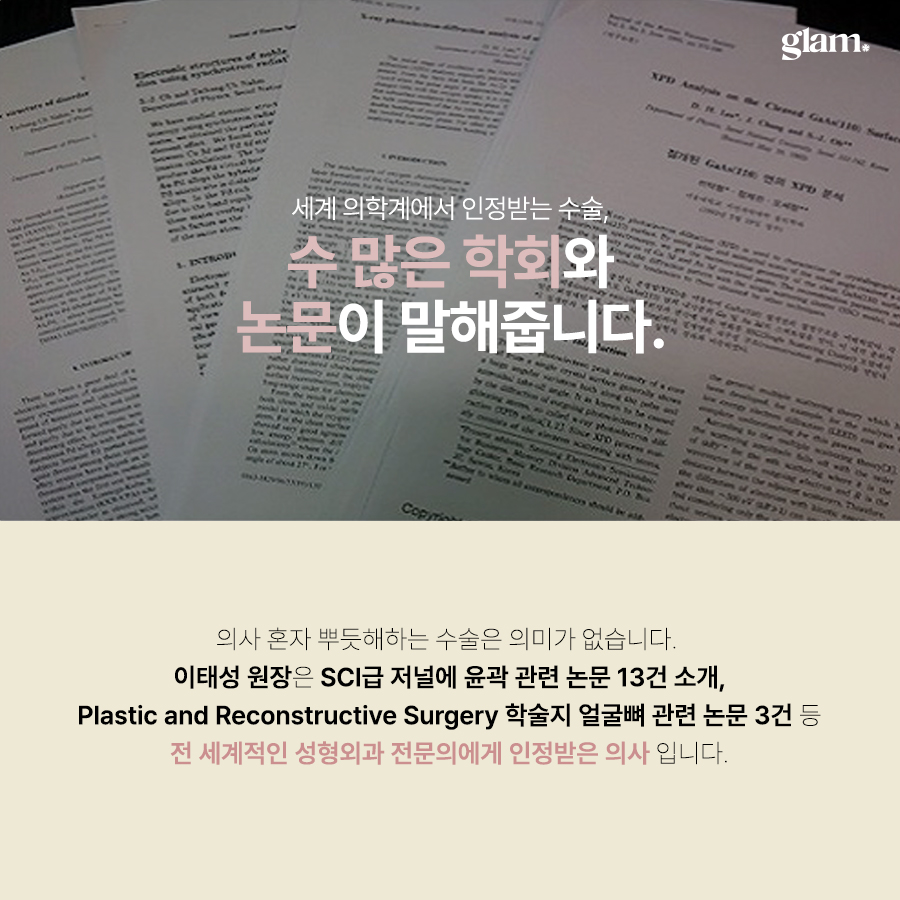
Look for a board-certified plastic surgeon who has formal training in major centers and a track record in facial bone surgery. Academic output, such as SCI-level papers and publications in journals like Plastic and Reconstructive Surgery, is one objective sign that the surgeon is engaged in ongoing study and contributes to the field.
At GLAM Plastic Surgery in Sinsa, the representative surgeon has 20 years of experience in facial bone surgery and has authored 13 SCI-level papers on contouring and double jaw surgery, including 3 in Plastic and Reconstructive Surgery, as of February 2025. This kind of background can give patients more confidence that their case will be approached with evidence-based methods.
Direct operation by the named surgeon
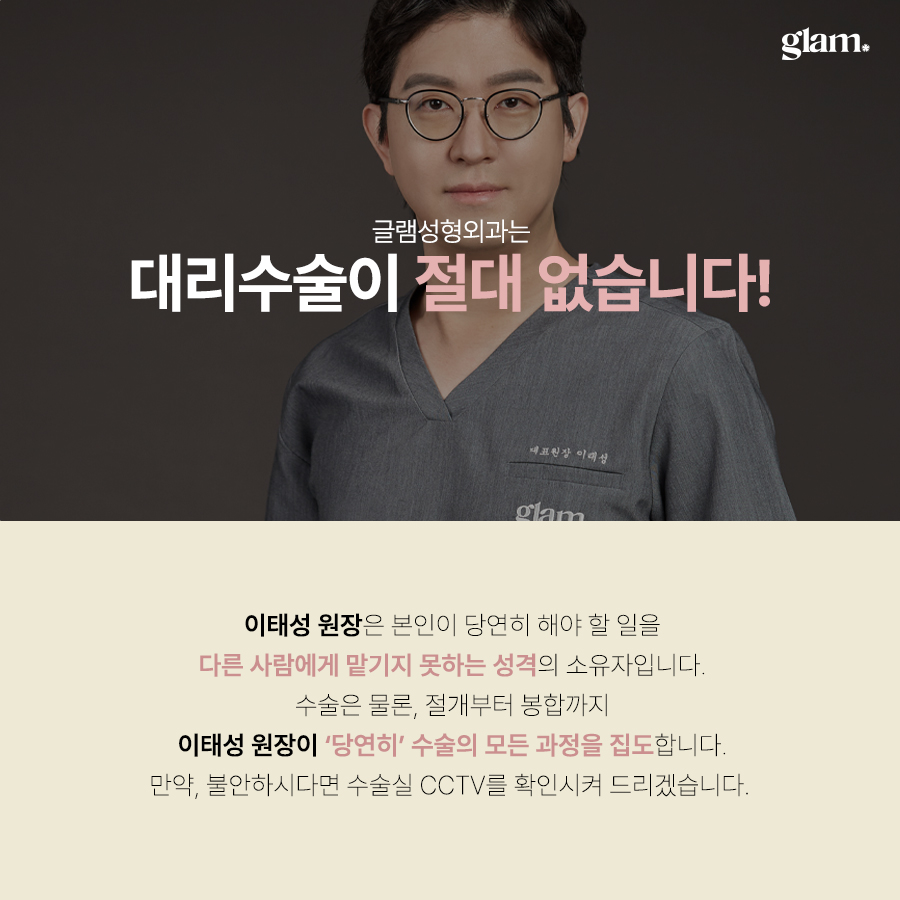
In revision cases, it is especially important that the surgeon who evaluates you is the one who will actually perform the operation. This continuity allows for more accurate planning and communication. A philosophy of recommending only the minimum necessary surgery is also valuable in revision, where bone and soft tissue reserves are limited. Overly aggressive changes may increase risk without improving satisfaction.
Dedicated anesthesiologist and safety system
Safety during long facial bone operations depends heavily on anesthesia management. A hospital where an anesthesiology and pain medicine specialist is in charge of anesthesia and monitoring throughout surgery can respond more quickly to changes in blood pressure, breathing, or unexpected events. This contributes to safer surgery and more stable recovery, especially in complex revisions.
Imaging, diagnosis, and planning
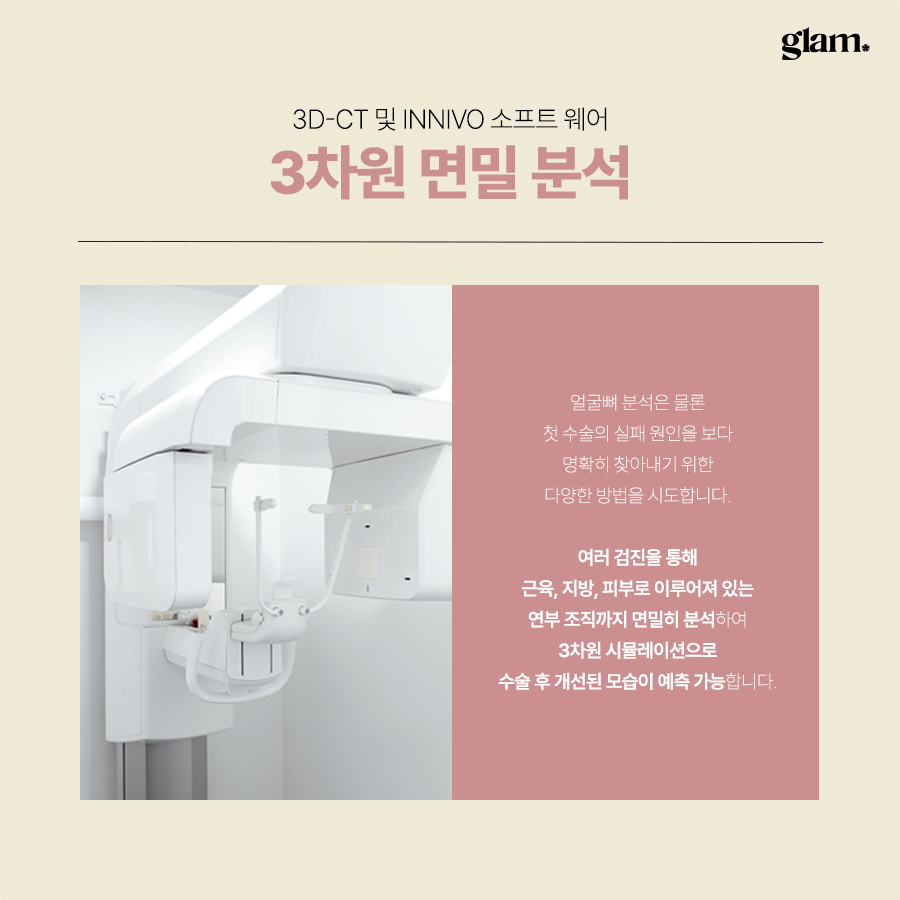
For revision facial contouring, detailed imaging is essential. This usually includes CT scans and cephalometric analysis to understand bone shape, previous osteotomy lines, hardware position, nerve pathways, and the relationship between upper and lower jaws. A thorough preoperative evaluation should also include photos, physical examination, and bite and joint assessment. In some cases, collaboration with oral and maxillofacial surgeons or orthodontic specialists may be helpful.
Postoperative care and swelling management
Structured post-op care does not replace surgical skill, but it can support healing and comfort. Some Gangnam facial contouring hospitals offer programs such as LED therapy, facial dome care, total skin reset care, and radiofrequency lifting to help manage swelling and support tissue recovery. These therapies are usually started after the initial healing phase and are tailored to each patient’s condition.
Typical process of revision facial contouring at a specialized hospital
Although details vary by hospital and patient, the overall journey for revision facial contouring at a specialized center usually follows several steps.
Initial consultation
You will be asked about your previous surgery: when and where it was done, what type of contouring you had, and whether plates or screws were used. Bringing any available medical records, operative notes, or imaging from your first surgery is very helpful.
The surgeon will listen to your current concerns, both aesthetic and functional. You will be encouraged to describe what bothers you most, what you hope to change, and what you fear. Clear communication at this stage helps align expectations.
Examination and imaging
A physical examination and standardized photographs are taken. CT scans and other imaging are performed to analyze bone shape, nerve position, and hardware. The surgeon will evaluate your bite and jaw joint function, and if necessary may involve other specialists.
Treatment planning
Based on the findings, the surgeon will explain what can realistically be improved and what limitations exist. In some cases, staged procedures may be recommended, or a combination of double jaw surgery and contouring may be considered. Risks, possible side effects, and the chance that minor irregularities may remain are discussed openly.
Anesthesia and surgery
On the day of surgery, the anesthesiologist manages general anesthesia and monitors your status throughout the operation. The surgeon may remove or adjust existing plates and screws, reshape bone, or add volume where needed. Soft tissue management may be included to address sagging or imbalance. The goal is to improve contour while protecting nerves, joints, and overall function.
Postoperative management
After surgery, you may stay in the hospital for observation depending on the complexity of the case. Pain control, swelling management, and wound care instructions are provided. Follow-up visits are scheduled to monitor healing and adjust care as needed.
Supportive therapies such as LED treatment, radiofrequency lifting, or specialized skin care may be introduced as your condition allows, to support circulation, reduce swelling, and help tissues recover.
Safety considerations and risk communication
All facial bone surgery carries risks, and revision adds additional complexity. Potential risks include nerve injury or persistent numbness, infection, bleeding, delayed bone healing, residual asymmetry or contour irregularities, worsening or new bite problems, and the need for further minor corrections.
A responsible facial contouring hospital will explain these risks clearly before surgery, avoid promising perfection, and prioritize your safety and function over extreme aesthetic changes. When bone or soft tissue reserves are limited, the surgeon may advise a more conservative plan to avoid complications.
Special notes on combined double jaw and revision contouring
Some patients seeking revision facial contouring also have functional problems such as an unstable bite or jaw joint discomfort. In these cases, double jaw surgery combined with revision contouring may be considered. Planning both procedures together allows the surgeon to coordinate occlusion, facial proportions, and soft tissue support.
A hospital experienced in both double jaw and contouring can decide whether to perform them in a single stage or in sequence, depending on your condition. GLAM Plastic Surgery, for example, offers both double jaw and facial contouring within a unified facial bone lineup, which can be helpful for complex revision cases.
International patient considerations
For overseas patients, choosing a facial contouring hospital in Seoul or Gangnam involves additional steps.
Language and communication
Check whether the hospital provides information in your language or offers interpreter support. Some clinics maintain multilingual websites and social channels in English, Japanese, Thai, and other languages. Clear communication is essential for discussing complex revision plans and understanding risks.
Online consultation and pre-visit preparation
Many hospitals offer online or video consultations before you travel. During this stage, you may be asked to send photos, previous medical records, and any imaging you have. The surgeon can give a preliminary opinion and discuss general options, but the final plan is usually confirmed after in-person examination and new imaging in Korea.
Before your visit, prepare a list of specific questions, such as what kind of revision is being considered, expected recovery time, how long you should stay in Korea, and what follow-up will be needed after you return home.
Expected Korea visit timeline
For revision facial contouring, international patients typically stay in Korea for several weeks.
First week
In the first few days, you will have in-person consultation, imaging, and preoperative tests. Once the plan is confirmed and you are medically cleared, surgery is scheduled. After surgery, you may stay overnight or longer depending on the case.
Second to third week
Swelling is usually most noticeable in the first week, then gradually decreases. You will attend follow-up visits for wound checks, suture removal if needed, and basic care. Some supportive therapies for swelling and tissue recovery may begin during this period.
After three to four weeks
Many patients can travel home around three to four weeks after surgery, depending on the extent of the procedure and their general condition. Before departure, the hospital should provide instructions for ongoing care, signs of possible problems, and how to contact the team if questions arise.

Aftercare and long-term follow-up
After you return home, full healing continues for several months. Bone remodeling, soft tissue adaptation, and nerve recovery all take time. It is important to follow dietary recommendations, avoid trauma to the face, and keep regular contact with the hospital through online follow-up when needed.
If you experience unusual pain, swelling, fever, or sudden changes in sensation or bite, you should seek medical attention promptly and inform your surgical team.
FAQ
What is the difference between primary and revision facial contouring surgery
Primary facial contouring is the first operation to reshape cheekbones or the jawline, usually on untouched bone and soft tissue. Revision facial contouring is performed on an area that has already undergone surgery, with existing osteotomy lines, hardware, and scar tissue. Because of these changes, revision is more complex, carries different risks, and requires more detailed imaging and planning.
How long should I wait before considering revision facial contouring
In most cases, it is recommended to wait at least 6 to 12 months after the first surgery before deciding on revision. This allows swelling to subside and tissues to stabilize, so the final contour can be evaluated more accurately. However, if there are urgent issues such as infection, severe bite problems, or unstable bone segments, earlier evaluation at a facial contouring hospital is necessary.
Can revision jawline or cheekbone surgery completely fix my concerns
Revision can improve many problems, but it cannot always create a perfect or completely natural appearance. The amount of remaining bone, nerve condition, and soft tissue quality all limit what can be done safely. A responsible surgeon will explain which aspects can likely be improved and which may remain, and will avoid over-promising results.
How do I prepare for an online consultation with a Gangnam facial contouring hospital
Before an online consultation, gather as much information as possible about your previous surgery, including the date, type of procedure, and any records or imaging. Prepare clear front and side photos in good lighting, and write down your main concerns and goals. During the consultation, ask about the surgeon’s experience with revision facial contouring, the need for new imaging in Korea, expected length of stay, and how follow-up will be handled after you return home.
Conclusion and gentle call to action
Revision facial contouring is a highly specialized field that demands focused experience in facial bone surgery, careful diagnosis, and a strong safety system. A dedicated facial contouring hospital in areas like Sinsa, Gangnam, with a representative surgeon who operates directly, , and structured post-op care, can provide a more reliable environment for complex revision cases.

If you are considering revision jawline surgery or revision cheekbone surgery, start by gathering your previous records and clarifying your main concerns. Then seek consultation at a specialized facial contouring hospital, either online or in person, to discuss realistic options.
GLAM Plastic Surgery in Sinsa, Gangnam, is one example of a clinic focused only on facial bone surgery, offering both double jaw and facial contouring procedures with supportive post-op programs. Overseas patients can usually begin with an online consultation through official channels, and then finalize their plan after in-person evaluation and imaging in Seoul.
Whatever hospital you choose, take time to ask questions, compare systems, and make a decision that prioritizes your safety, function, and long-term well-being.




- 공유 링크 만들기
- X
- 이메일
- 기타 앱


댓글
댓글 쓰기