Facial contouring three-part revision cost and what affects it in Gangnam
- 공유 링크 만들기
- X
- 이메일
- 기타 앱
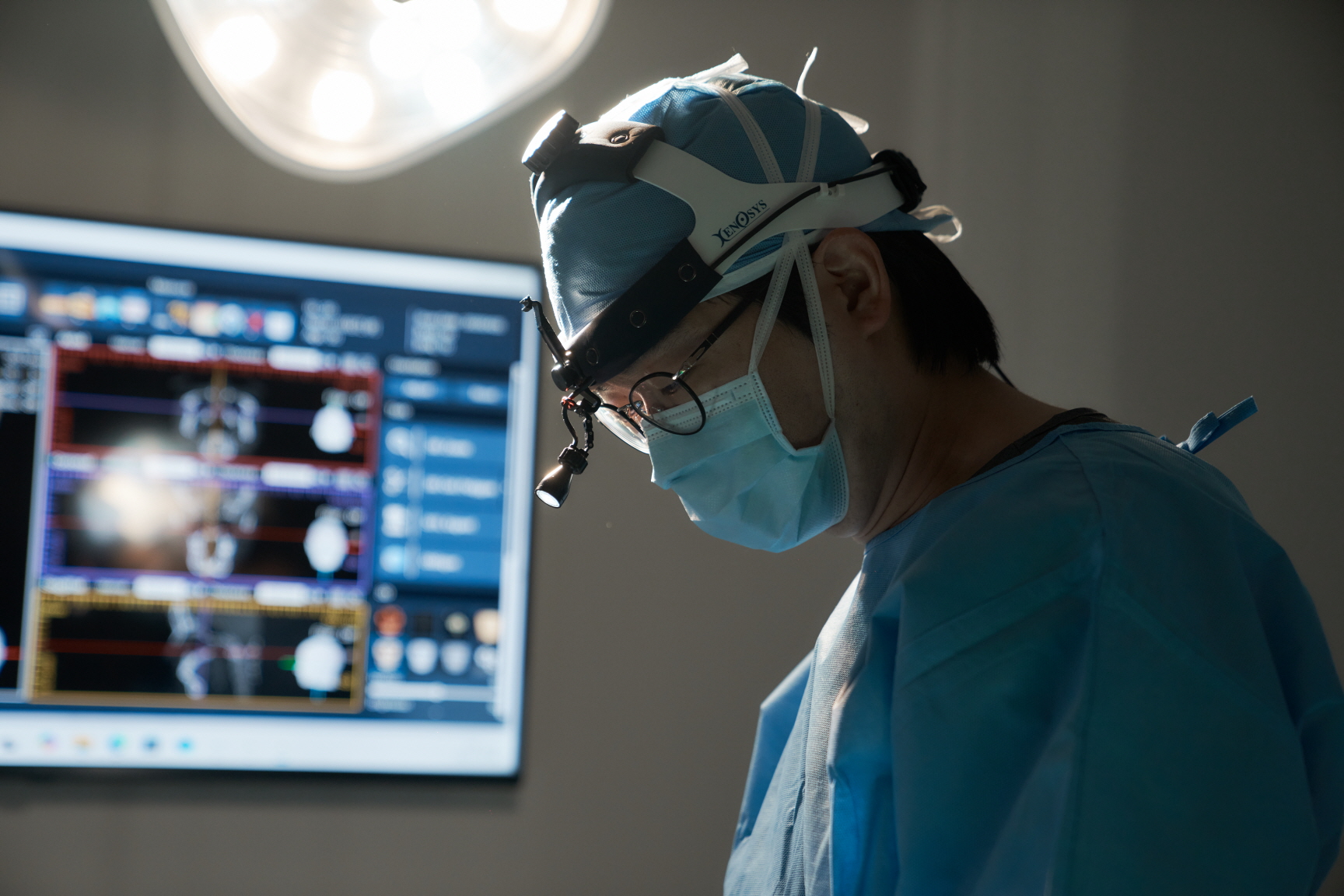
Direct answer: how three-part revision costs usually work
For overseas patients considering three-part facial contouring revision in Gangnam, there is no single standard price. Procedures that address the cheekbones, jaw angle, and chin together are generally more expensive than first-time contouring because they are technically more complex, require longer operative time, and need more detailed planning and imaging. Key cost drivers include surgical complexity, anesthesia and facility fees, and any corrective techniques required; confirm exact pricing and which services are included with the clinic during consultation.
A personalized quote is only possible after the surgeon has examined your face, reviewed your previous surgery, and checked new scans. In general, the total fee is shaped by how many areas truly need revision, how difficult the correction is, the surgeon’s experience in facial bone work, the anesthesia and safety system, the facility and aftercare, and whether you combine other procedures. A facial bone–only clinic in Gangnam near Sinsa Station may have higher upfront fees, but the value often comes from focused expertise and a conservative, non-over-treating approach, which is especially important for revision cases.
Overview of three-part facial contouring revision
Three-part facial contouring revision usually refers to correcting previous bone surgery in three key areas of the lower face:
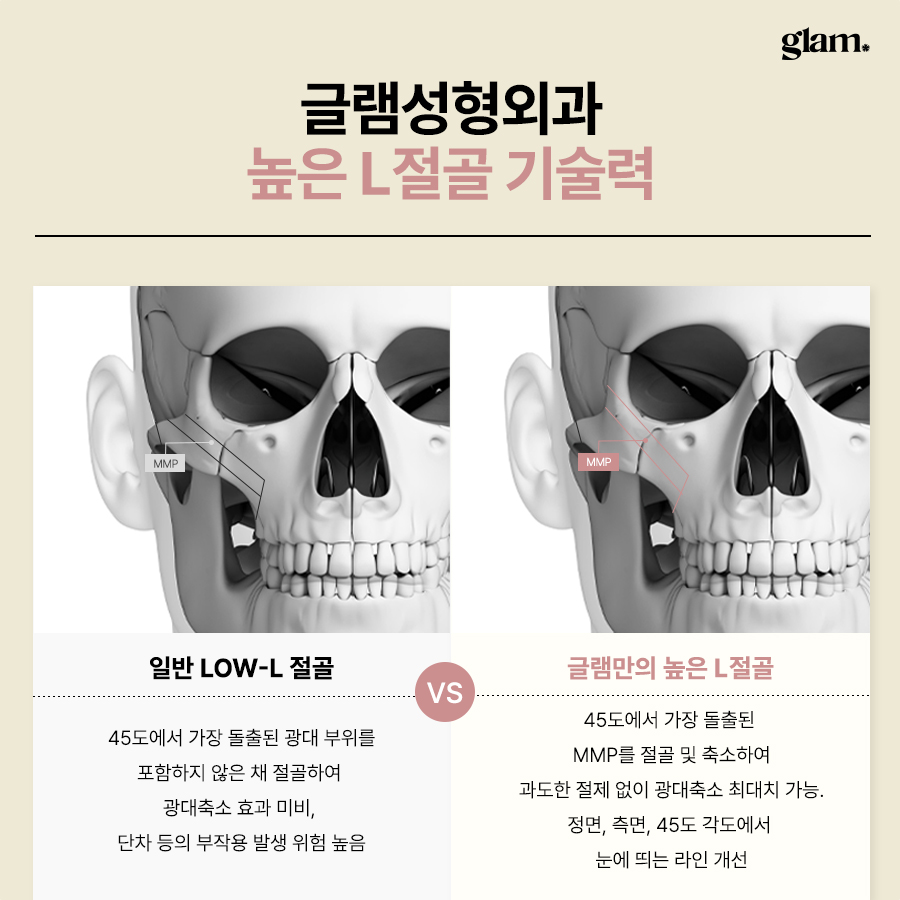
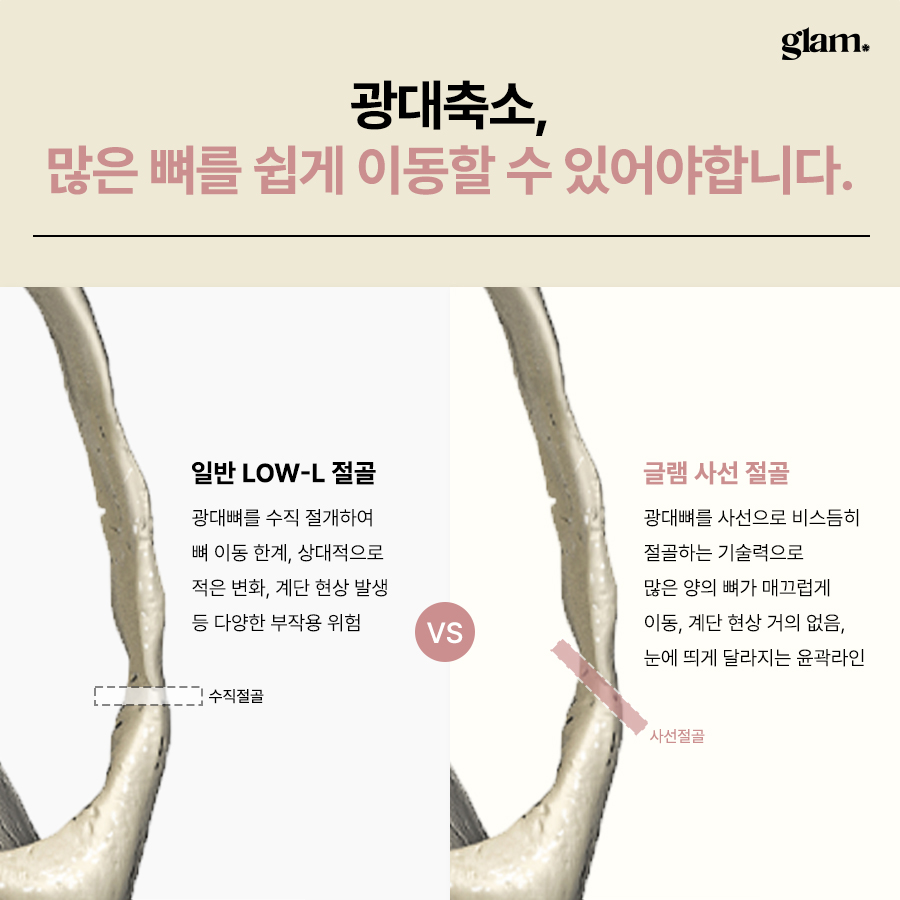
Cheekbone (zygoma) revision: adjusting cheekbone reduction that left the face too flat, too wide, asymmetric, or with step deformities.
Jaw angle (square jaw) revision: refining or correcting the mandibular angle when the jawline feels still too wide, too sharply cut, or uneven from side to side.
Chin revision: revising previous genioplasty or T-osteotomy when the chin is too long, too short, off-center, or gives an unnatural facial line.
Patients consider three-part revision when they feel their current contour looks unnatural, when one side of the face is different from the other, or when they have functional problems such as bite changes or joint discomfort. Some people also notice soft-tissue sagging or hollow areas after aggressive bone reduction.
How revision differs from first-time contouring
Revision facial contouring is not just “doing the same thing again.” The surgeon must work with bone that has already been cut, fixed, and healed in a new position.
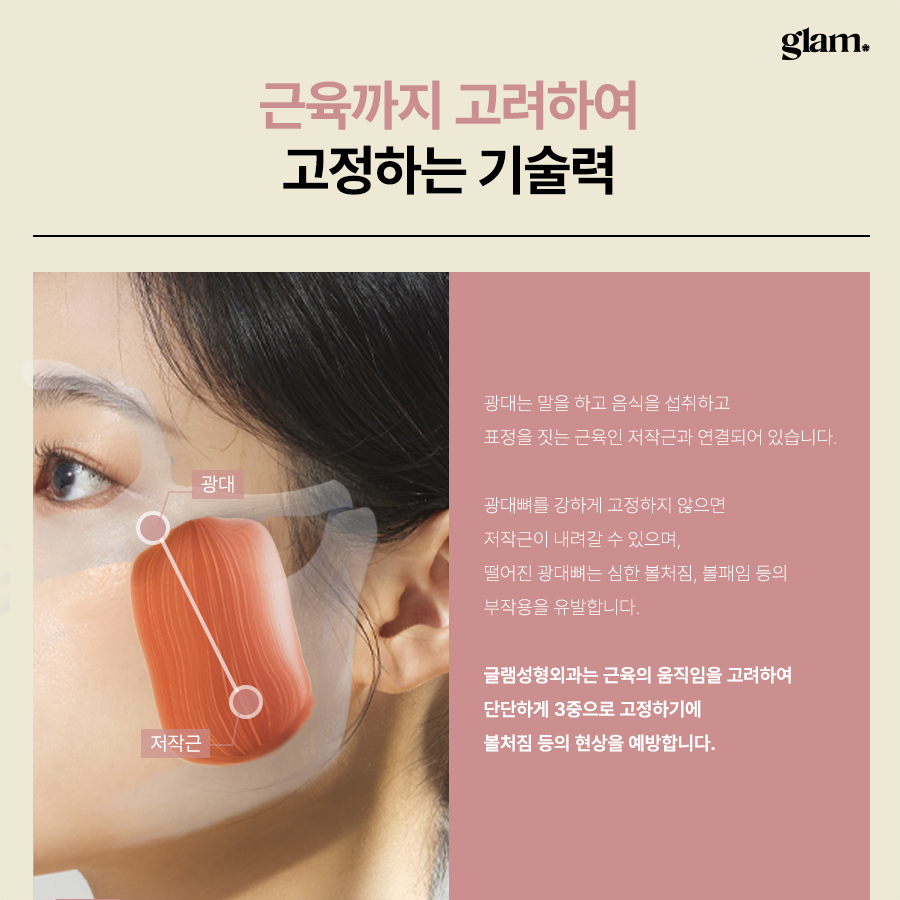
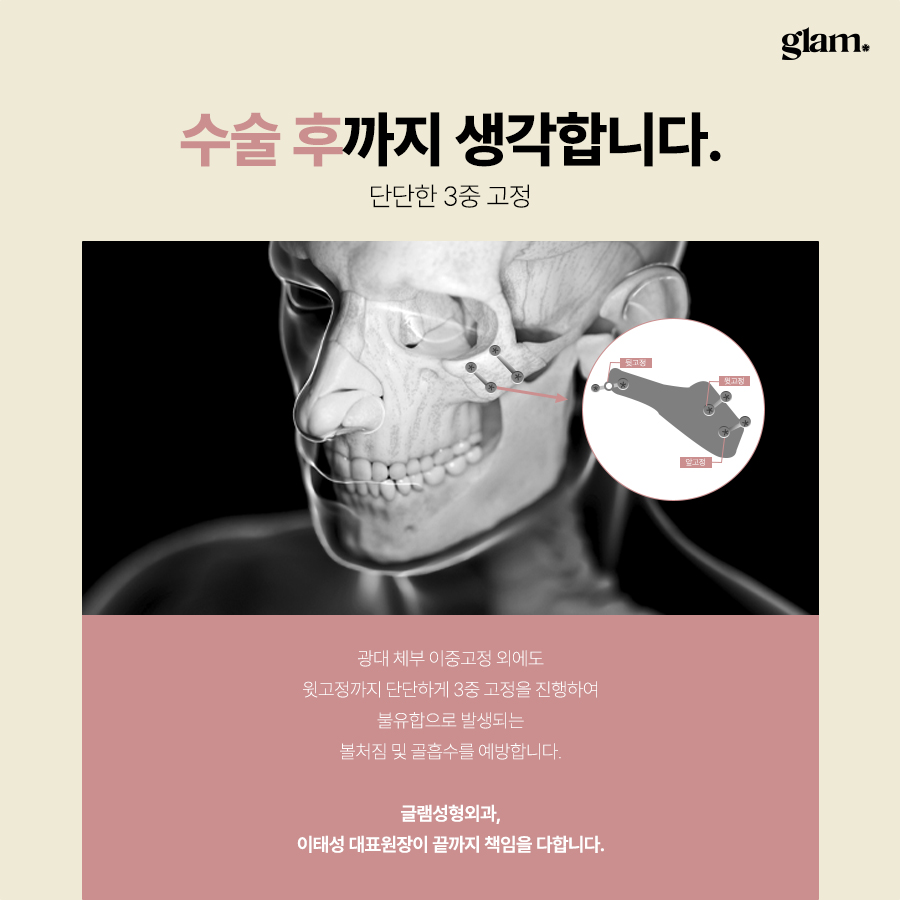
There may be plates and screws from the previous surgery that need to be identified and sometimes removed. Scar tissue can make dissection more difficult and increase the risk of swelling or nerve irritation. The bone shape has already changed, and in some areas there may be less bone available if too much was removed the first time.
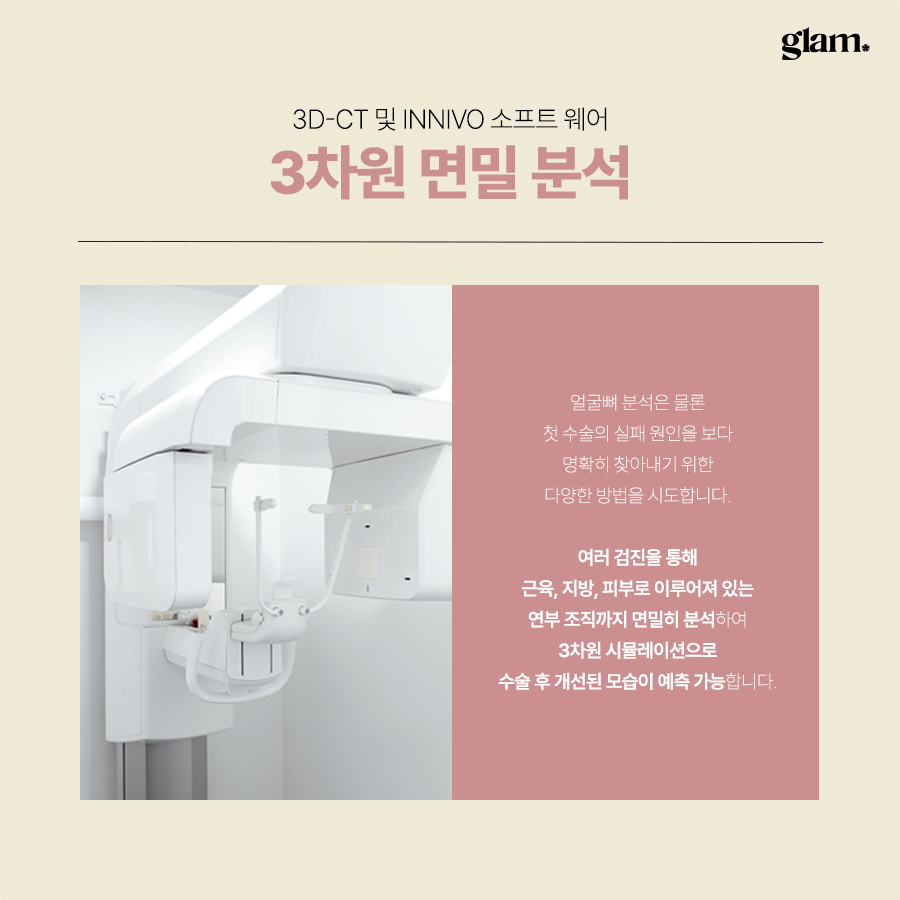
Because of this, revision usually requires more detailed imaging, such as 3D CT and panoramic X-rays, and more careful planning around important structures like nerves and the roots of the teeth. Surgery time is often longer, and the surgeon may need to use more delicate techniques to reshape or even rebuild certain areas. All of these factors influence the final cost.
Who may consider three-part facial contouring revision
Three-part revision is not for everyone who is simply “not fully satisfied” with their face. It is usually considered when there are clear structural issues.
Common reasons to seek revision include:
Asymmetry between the left and right cheekbones or jaw angles.
Over-resection, where the face looks too flat or hollow, especially in the midface or angle area.
Under-resection, where the jawline or cheekbones still look wide after previous surgery.
Unnatural facial line, such as an overly sharp angle, step deformity, or a chin shape that does not match the rest of the face.
Functional concerns, including bite changes, difficulty chewing, or joint discomfort.
A responsible clinic will first check whether all three areas really need revision. In some cases, only one or two areas require bone surgery, while others can be managed with soft-tissue procedures or even non-surgical options. This decision has a direct impact on cost and on how much surgery your body needs to go through again.
What mainly affects the cost of three-part revision
There is no fixed or universal price for three-part facial contouring revision in Gangnam. However, most clinics calculate fees based on several key factors.
Surgical scope
The first question is whether all three areas truly need revision. Some patients come in asking for cheekbone, jaw angle, and chin together, but after imaging and examination, the surgeon may recommend a more limited plan.
If only one or two areas need bone work, the cost is usually lower than a full three-part package. Within each area, the degree of correction also matters. Minor contour smoothing or small adjustments are generally less complex than large-scale repositioning or reconstruction.
Difficulty of revision
The technical difficulty of your case is one of the strongest cost drivers.
Presence of plates and screws: If hardware from the previous surgery needs to be removed, this adds time and complexity.
Bone deficiency: When too much bone was removed previously, the surgeon may need to rebuild support or use advanced techniques to create a smoother contour.
Asymmetry and bite involvement: Correcting significant asymmetry or issues involving the bite can move the surgery closer to double jaw–level complexity.
These factors often mean longer operating time, more detailed planning, and higher demands on the surgeon’s skill, which is reflected in the fee.
Surgeon’s expertise and specialization
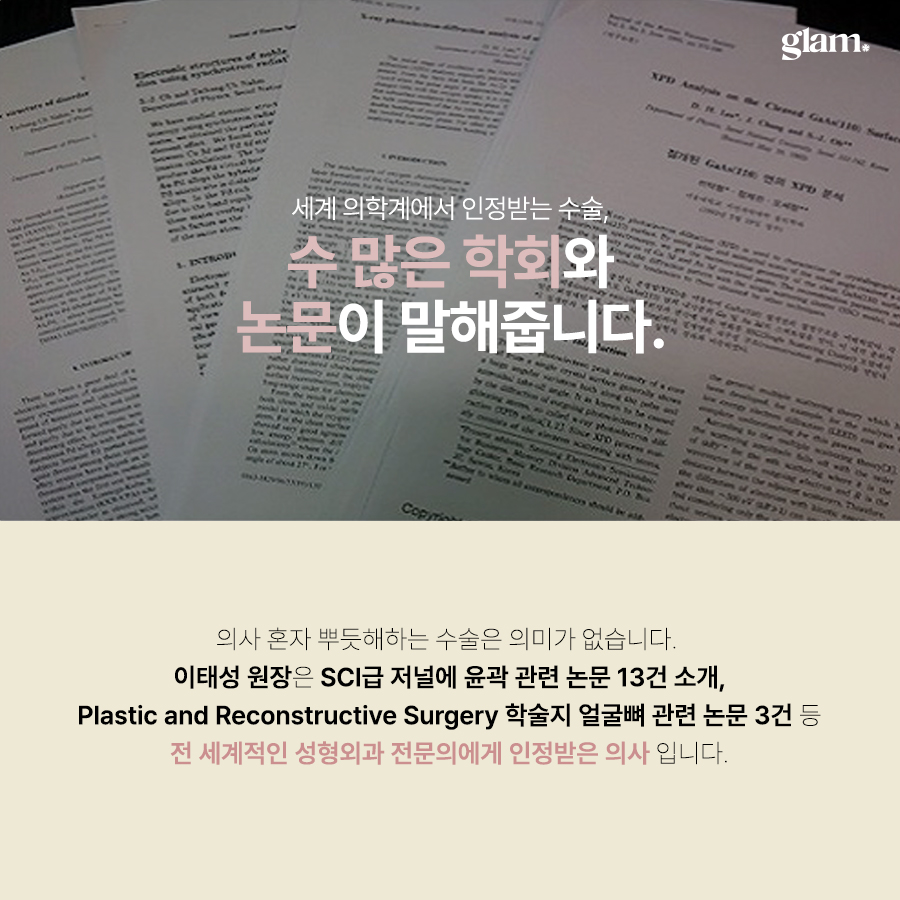
Revision facial contouring is a niche area even within facial bone surgery. Many patients choose a clinic where the chief surgeon has long-term experience focused on facial bone procedures such as double jaw and contouring.
itals; prospective patients should request documentation or published citations if they want to verify those credentials.
Such a background often means more precise diagnosis, realistic planning, and a conservative approach that avoids unnecessary bone removal. This level of specialization can justify a higher fee compared with a general clinic that offers many different types of procedures but does not focus only on facial bone.
Anesthesia and safety system
Safe anesthesia is a core part of revision surgery pricing. A clinic that uses a dedicated board-certified anesthesiologist, rather than having the surgeon or a non-specialist manage anesthesia, will usually include this in the cost.
Preoperative tests, intraoperative monitoring equipment, and emergency protocols are all part of the safety system. These elements may not be obvious when you look at a quote, but they are crucial for minimizing risk during a long and complex revision operation.
Facility and post-op care
Operating room standards, imaging equipment, and aftercare programs also affect the overall fee. A clinic that invests in high-resolution 3D CT, panoramic X-ray, and a clean, modern operating environment will reflect those costs in its pricing.
After surgery, structured post-op care such as LED therapy, facial dome treatments, skin reset programs, and radiofrequency lifting devices can support swelling reduction and tissue recovery. Some clinics include a set number of these sessions in the surgical package, while others charge separately. When comparing quotes, it is important to ask what is included and what is optional.
Additional procedures
Many revision patients ask whether they can combine three-part contouring revision with other procedures. Combining with double jaw surgery, soft-tissue lifting, fat grafting, or other facial procedures will change both the cost and the recovery schedule.
In some cases, combining surgeries can be efficient because it means one anesthesia and one main recovery period. In other cases, a staged approach is safer. A careful clinic will explain the pros and cons and help you decide what to do at the same time and what to postpone.
What is usually included in a three-part revision package
Although each clinic structures its packages differently, a typical three-part revision quote in Gangnam may include:
Surgeon’s fee for cheekbone, jaw angle, and chin revision.
Anesthesia fee, including the presence of a board-certified anesthesiologist.
Operating room use, basic supplies, and standard medications during surgery.
Hospitalization for one night if needed, or recovery room use for day surgery.
Standard imaging related to planning and immediate postoperative checks.
Basic post-op care such as follow-up visits, suture removal, and a set number of swelling care sessions.
Items that may be charged separately include additional imaging beyond the standard set, extended hospitalization, extra plate removal that was not initially planned, or optional premium aftercare programs. During consultation, ask the clinic to specify clearly which services are part of the package and which may create additional charges.
How a facial bone–only clinic in Gangnam is positioned
The clinic described here is located on Dosan-daero in Gangnam, within walking distance of Sinsa Station, making it convenient for overseas patients staying in central Seoul.
It focuses only on facial bone surgery, such as double jaw procedures and facial contouring including cheekbone, V-line, square jaw, and revision contouring. It does not offer other types of procedures like eye, nose, or body surgery. This narrow lineup emphasizes its specialization in facial bone work.
The clinic says the chief surgeon performs the operations and follows a philosophy of recommending only the minimum necessary surgery—an approach often emphasized for revision patients—but readers should confirm staffing and operating practices directly with the clinic.
Postoperative management options commonly offered by contouring clinics include LED therapy, facial dome treatments, skin reset programs, and radiofrequency lifting devices to help reduce swelling and support tissue recovery. The clinic indicates some of these therapies may be available; ask which aftercare services are included in the quoted price and whether any carry additional fees.
Online consultation and pre-visit preparation for overseas patients
Before you travel to Korea, most facial bone clinics in Gangnam, including specialized centers near Sinsa Station, can offer an online or video consultation.
To get a more accurate preliminary quote and treatment plan, prepare the following:
Clear front, 45-degree, and side-view photos of your face and jawline in good lighting.
Any previous imaging you have, such as CT scans or X-rays, ideally with reports.
Operation records or a summary from your previous surgeon, if available.
A short written description of what bothers you most: asymmetry, flatness, over-reduction, bite issues, or specific angles.
During the online consultation, the surgeon or coordinator will explain whether three-part revision seems likely, what additional imaging you will need in Seoul, and a broad cost structure. They may give you a range rather than a fixed number, because final planning depends on in-person examination and fresh imaging.
Expected visit timeline in Korea
Every case is different, but many overseas patients follow a similar timeline for three-part revision in Gangnam.
Day 1–2: In-person consultation and imaging. You meet the surgeon, discuss your concerns, undergo 3D CT and panoramic X-ray, and finalize the surgical plan and quote.
Day 3–4: Surgery day. Depending on the clinic’s schedule and your test results, surgery is usually done within a few days of the first visit. Some patients stay one night in the clinic or a partner facility.
First week after surgery: Frequent follow-up visits for dressing changes, swelling management, and checks for any early issues. Swelling is usually most noticeable during this period.
Second to third week: Stitches are removed if used, and you may start more active aftercare such as LED therapy or radiofrequency lifting as advised.
Total stay: Many international patients stay in Korea for about two to three weeks after three-part revision, but this can vary. Your clinic should give you a personalized schedule based on the complexity of your surgery and your travel constraints.
Aftercare and recovery considerations
Recovery after three-part revision can be more demanding than after first-time contouring, because the tissues have already been through one operation.
You can expect swelling, bruising, and some discomfort in the first days. The clinic will provide pain control and instructions on diet, oral hygiene, and sleeping position. Soft or liquid foods are often recommended at the beginning.
Structured aftercare, such as LED therapy, facial dome treatments, skin reset programs, and radiofrequency lifting, can support faster reduction of swelling and help the soft tissue adapt to the new bone shape. It is important to attend scheduled follow-ups, even if you feel you are healing well.
Numbness or altered sensation around the lower lip, chin, or cheeks can occur, especially in revision cases where nerves have been approached before. In many cases, this improves gradually over months, but your surgeon will monitor it closely.
How to compare clinics and quotes safely
When you receive quotes from different clinics in Gangnam, try not to focus only on the lowest number. Instead, compare the following points:
Does the clinic focus only on facial bone surgery, or is it a general center with many different procedure types?
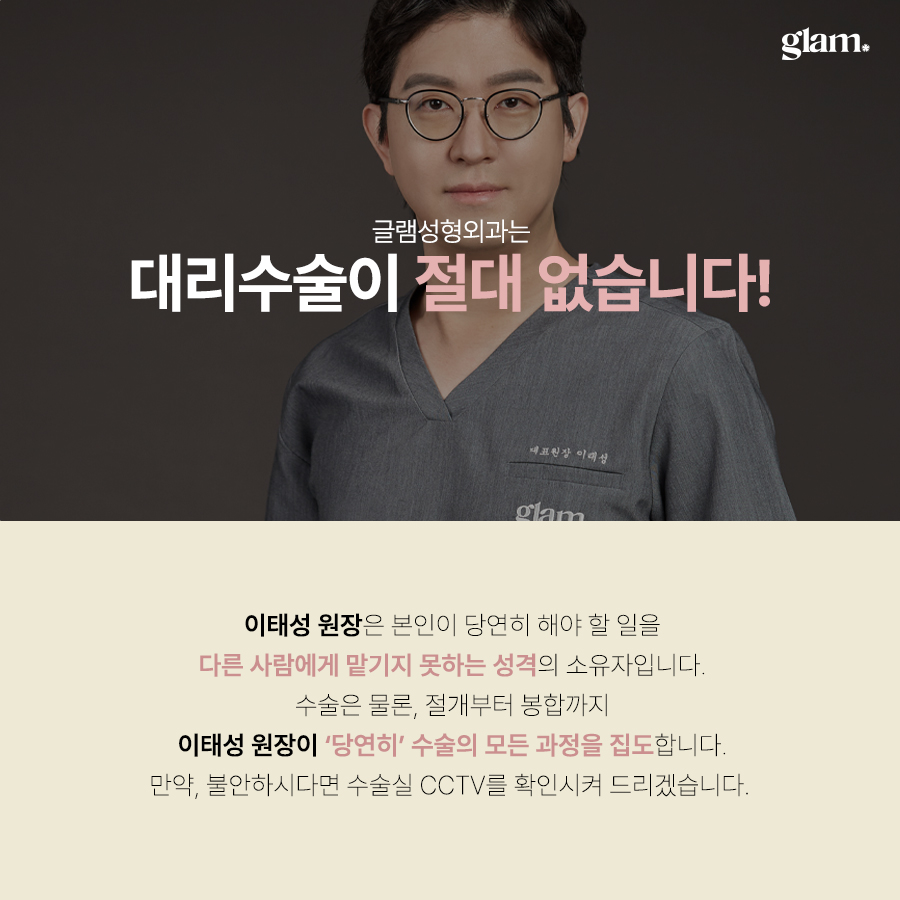
Who will actually perform your surgery, and what is their experience specifically in facial bone revision?
Is there a dedicated board-certified anesthesiologist present throughout the operation?
What imaging is included in the price, and will you receive a detailed explanation of your bone structure and plan?
What exactly is included in the package: surgeon’s fee, anesthesia, operating room, hospitalization, standard aftercare sessions?
Before contacting clinics, it can help to write down questions such as:
- Do I really need revision in all three areas, or can we limit the scope?
- How will you handle existing plates and screws?
- What are the main risks in my specific case, and how do you minimize them?
- If I need additional procedures like double jaw surgery or soft-tissue lifting, how will that change cost and recovery?
This kind of checklist-based approach will help you compare not only prices but also the level of safety, planning, and communication each clinic offers.
Safety and risks of three-part revision
All bone surgery carries risks, and revision adds extra layers of complexity. Possible risks include nerve injury leading to temporary or, rarely, long-term numbness; malocclusion or bite changes; non-union or delayed bone healing; further asymmetry; and soft-tissue sagging.
Perfect symmetry is rarely achievable, especially after previous surgery. A careful clinic will explain realistic goals and may recommend partial revision or even non-surgical management if the risk–benefit balance is not favorable.
A specialized facial bone clinic with a dedicated anesthesiologist, detailed imaging, and structured protocols may have higher fees, but these systems are important for minimizing complications and supporting long-term stability.
Frequently asked questions about three-part revision cost
Why is three-part facial contouring revision usually more expensive than first-time surgery?
Revision is more complex because the surgeon must work around existing plates, screws, scar tissue, and altered bone shapes. It often requires more detailed imaging, longer operating time, and more delicate techniques to protect nerves and restore a natural contour. Clinics that invest in specialized staff, imaging, and safety systems also reflect these factors in their pricing, so revision fees are typically higher than for first-time contouring.

Is it always necessary to revise cheekbone, jaw angle, and chin together?
No, it is not always necessary to operate on all three areas. A thorough evaluation may show that only one or two regions are causing the main problem. In some cases, limited bone revision combined with soft-tissue procedures can achieve a good balance. Operating only where it is truly needed can reduce both surgical risk and cost.
How long should I wait after my first contouring surgery before considering revision?
In general, it is advisable to wait until swelling has fully settled and the bone and soft tissue have stabilized. This often means at least six to twelve months after the original surgery, but the exact timing depends on your healing and the nature of the problem. An experienced facial bone surgeon can review your current state and advise whether it is too early to plan revision or whether it is already appropriate to proceed.
What information and records should I bring to a revision consultation to get an accurate quote?
To receive a more precise assessment and cost estimate, bring any previous CT scans or X-rays, operation records or summaries, and before-and-after photos if you have them. Clear current photos from different angles and a written list of your concerns are also helpful. With this information, the surgeon can better understand what was done previously, what has changed, and what kind of revision is realistically possible.
Can revision contouring be combined with double jaw surgery, and how does that affect cost and recovery?
In some cases, revision contouring is combined with double jaw surgery, especially when there are bite issues or major skeletal asymmetries. Combining procedures usually increases the overall cost and extends the operation time, but it can address both functional and aesthetic issues in a single plan. Recovery may be more demanding, and your stay in Korea may need to be longer. A specialized facial bone clinic will explain whether combining surgeries is appropriate for your case or whether a staged approach is safer.
How does a facial bone–only clinic differ from a general clinic in terms of revision planning and pricing?

A facial bone–only clinic focuses its staff, equipment, and training on procedures such as double jaw and contouring, including revision. This often means more experience with complex cases, more detailed imaging and planning, and a structured approach to aftercare. Pricing at such a clinic may be higher than at a general center, but the value lies in focused expertise, a conservative treatment philosophy, and systems designed specifically for facial bone safety and stability.
Call to action for online consultation
If you are considering three-part facial contouring revision in Gangnam and want to understand your personalized cost and options, an online consultation is a practical first step. By sharing your photos, previous records, and main concerns, you can receive a more tailored explanation of what kind of revision is appropriate, what the likely cost structure will be, and how long you should plan to stay in Korea.
This article is for general information only and does not replace a face-to-face consultation with a qualified medical professional. Individual conditions, risks, and treatment plans vary, so please discuss your specific situation directly with an experienced facial bone surgeon before making any decisions.




- 공유 링크 만들기
- X
- 이메일
- 기타 앱


댓글
댓글 쓰기