Facial contouring surgery side effects and revision options in Seoul
- 공유 링크 만들기
- X
- 이메일
- 기타 앱
Direct answer summary
If you are searching for facial contouring surgery side effects, you are usually either planning jawline or cheekbone surgery and feeling worried, or you have already had bone contouring and are now facing discomfort, asymmetry, or regret. Not every side effect means your surgery has failed, but some long‑term problems do need proper evaluation and sometimes revision facial contouring surgery.
This guide explains typical side effects after facial contouring, when revision may be considered, how revision is assessed and planned, what recovery is like, and how to choose a clinic in Seoul, especially around Gangnam and Sinsa Station, that focuses on facial bone surgery.
Treatment overview
Facial contouring surgery usually refers to procedures that reshape the jawline, chin, or cheekbones by cutting and repositioning bone. Common examples include jaw reduction, square jaw angle shaving, chin reshaping, and cheekbone reduction.
Revision facial contouring surgery is a second operation performed after an earlier bone contouring procedure. The aim is to improve issues such as persistent asymmetry, an unnatural face shape, functional problems, or visible irregularities. Because bone has already been cut and healed once, revision is usually more complex and must be planned carefully.
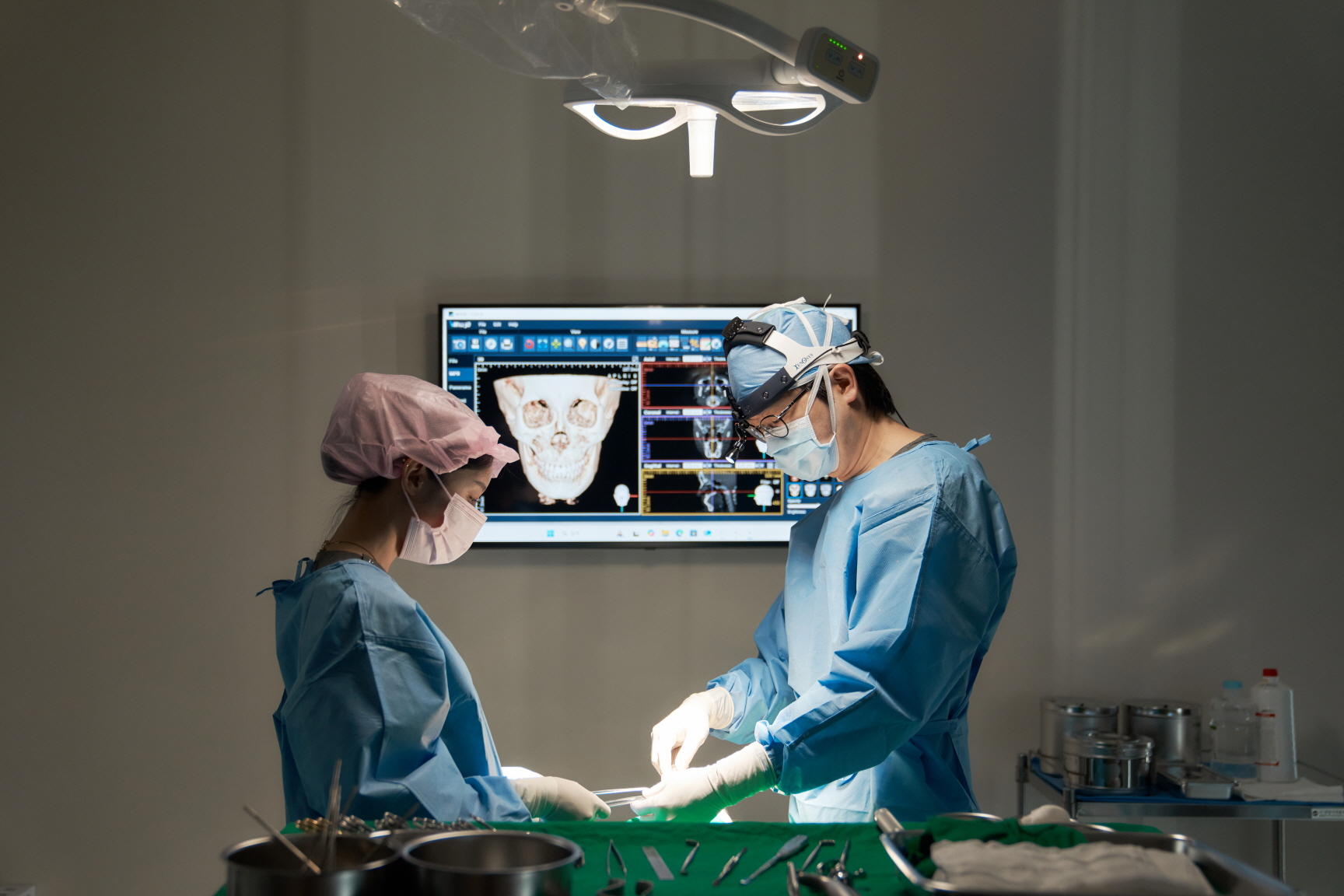
In Gangnam, Seoul, there are clinics that focus only on facial bone surgery such as double jaw and facial contouring, rather than offering a wide range of cosmetic procedures. One such clinic near Sinsa Station is led by a board‑certified plastic surgeon with about 20 years of experience in facial bone surgery and several SCI‑level publications, including articles in the journal Plastic and Reconstructive Surgery, based on data up to early 2025. At this type of clinic, the lead surgeon operates directly, works together with a board‑certified anesthesiologist dedicated to the clinic, and uses structured postoperative care programs to support recovery.
Why people search for facial contouring side effects
Many international patients search about facial contouring surgery side effects for three main reasons.
First, they are still in the planning stage and have read online reviews or watched videos that mention numbness, sagging, or regret. They want to understand what is normal and how to reduce risk.
Second, they have already had jawline or cheekbone contouring and are now worried about swelling that does not seem to go away, uneven sides, or strange sensations.
Third, they feel clear dissatisfaction or discomfort, such as a face that looks too small, hollow, or aged, and they are wondering if revision is possible.
This article focuses mainly on revision facial contouring surgery: how to judge side effects, when revision may help, and how to choose a clinic that truly specializes in facial bone surgery.
Typical side effects and complications after facial contouring
Short‑term, expected reactions
Right after facial contouring, some reactions are expected and usually temporary. These include swelling and bruising around the jaw, cheeks, and neck. Swelling can be quite strong in the first week and then slowly decrease over several weeks to months.
Temporary numbness or tingling is also common, especially around the lower lip, chin, or cheeks. This usually improves gradually as the nerves recover from stretching or irritation during surgery.
Many patients feel tightness, stiffness, or mild to moderate pain, especially when opening the mouth or chewing. Soft food is usually recommended for a period. Temporary difficulty chewing and speaking clearly is also expected while swelling and discomfort are present.
These short‑term side effects are usually managed with pain control, cold and warm compresses as advised, and careful follow‑up. They do not automatically mean that something has gone wrong.
Concerning or long‑term issues
Some problems, however, can be more serious or long‑lasting and may require evaluation by a facial bone specialist.
Persistent or severe asymmetry of the jawline or cheekbones is one example. After swelling has mostly settled, you may see that one side of the jaw is longer, more angled, or more prominent than the other, or that the cheekbones are not balanced.
Over‑resection or under‑resection of bone is another issue. Over‑resection means that too much bone was removed, leaving the face looking too small, sunken, or weak. Under‑resection means that the change is too subtle and the original concerns are still visible.
Sagging or drooping of soft tissue can occur after bone reduction. When the bony support is reduced, the overlying skin and fat may sag, leading to jowls, hollow cheeks, or an aged appearance. This can be especially noticeable in the lower face.
Chronic numbness or altered sensation that does not improve over time is also a concern. While some nerve changes can slowly recover, long‑term or severe numbness may indicate more serious nerve injury.
Functional problems such as difficulty chewing, changes in the bite, or jaw joint discomfort may appear or worsen after surgery. These can affect daily life and may require combined evaluation by a facial bone surgeon and dental or bite specialists.
Irregular bone surfaces, step‑offs, or palpable edges can sometimes be felt under the skin. These may not be visible from the outside but can be bothersome to touch or may affect the contour.
It is important to remember that not every side effect means the surgery has failed. Some issues improve naturally over several months as swelling decreases and tissues adapt. Others, especially structural or functional problems, may require revision.
When to consider revision facial contouring
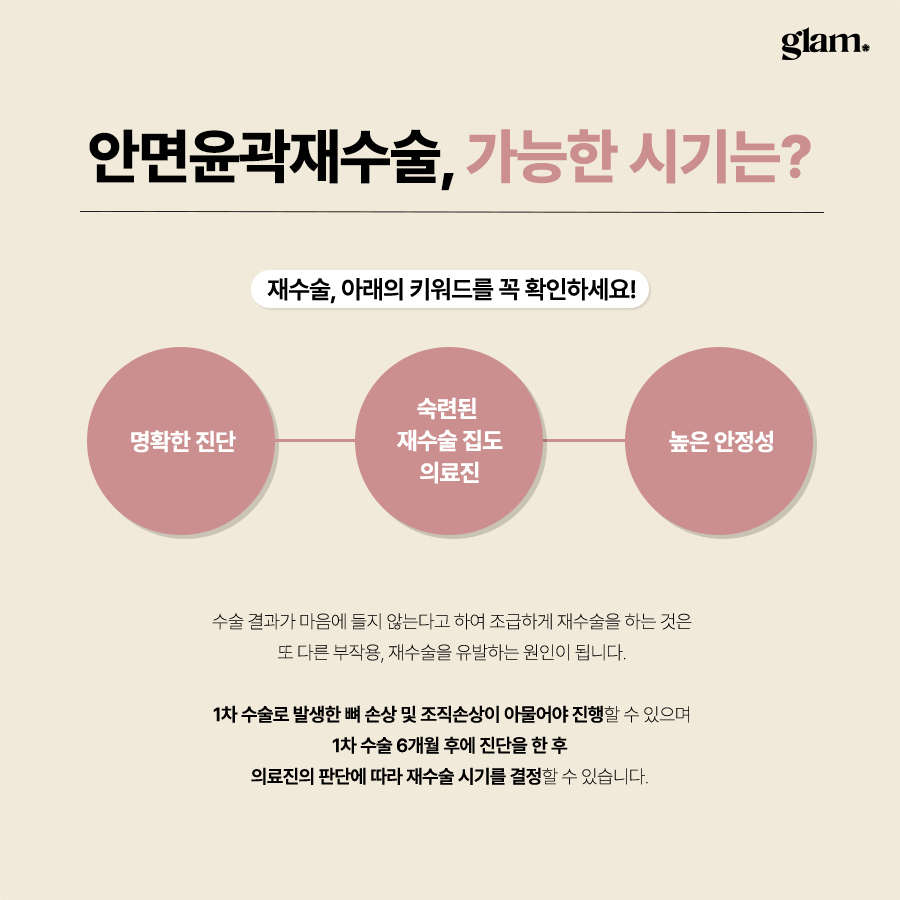
Timing is critical. Bone and soft tissue need time to heal and stabilize after the first surgery. In many cases, revision is considered only after about 6 to 12 months, but the exact timing should be decided individually with a specialist.
Revision consultation may be reasonable in the following situations.
Visible asymmetry remains after swelling has mostly gone down. If one side of the jaw or cheekbone still looks clearly different from the other side several months after surgery, a specialist evaluation may be helpful.
Severe dissatisfaction with face shape due to over‑ or under‑correction is another reason. If you feel your face looks too small, hollow, or still too wide, and this feeling persists over time, revision options can be discussed.
Functional issues such as chewing difficulty, speech changes, or jaw joint pain that appeared or worsened after surgery should not be ignored. These may require detailed assessment.
If imaging such as X‑ray or CT scan shows unstable bone segments, problematic fixation, or unusual bone healing, revision may be necessary for safety and function.
Rushing into revision too early can be risky. Swelling, scar tissue, and soft tissue adaptation may still be changing the appearance for months. Operating before the tissues have settled can make it harder to judge what truly needs correction and may increase the chance of further problems.
Evaluation process before revision
A careful workup before revision facial contouring is essential. This usually includes several steps.
First, there is a detailed consultation about your first surgery. The surgeon will want to know what was done, where, and when, and which techniques were used. Information about any plates or screws, and about your original facial structure, is very important.
Second, a physical examination is performed. The surgeon checks facial symmetry from different angles, the condition of the soft tissues, the quality of the skin, and how the jaw moves. They may gently palpate along the jawline and cheekbones to feel for irregularities.
Third, imaging is almost always needed. Facial bone X‑rays and CT scans help the surgeon see the exact bone cuts, remaining bone thickness, nerve pathways, and the status of fixation plates and screws. This is especially important in revision cases, where anatomy has already been altered.
Fourth, assessment of nerve function and bite alignment is carried out. The surgeon may test sensation in different areas and observe how your upper and lower teeth meet. If needed, collaboration with bite specialists may be recommended.
Finally, there should be a clear discussion of your expectations compared to what is anatomically and safely possible. Some patients hope to return completely to their original face, while others want a very dramatic new shape. In revision surgery, the realistic goal is usually improvement rather than perfection.
Principles and methods of revision facial contouring
Revision facial contouring is usually more complex than first‑time surgery. Scar tissue, altered anatomy, and previous bone removal all make the operation more demanding.
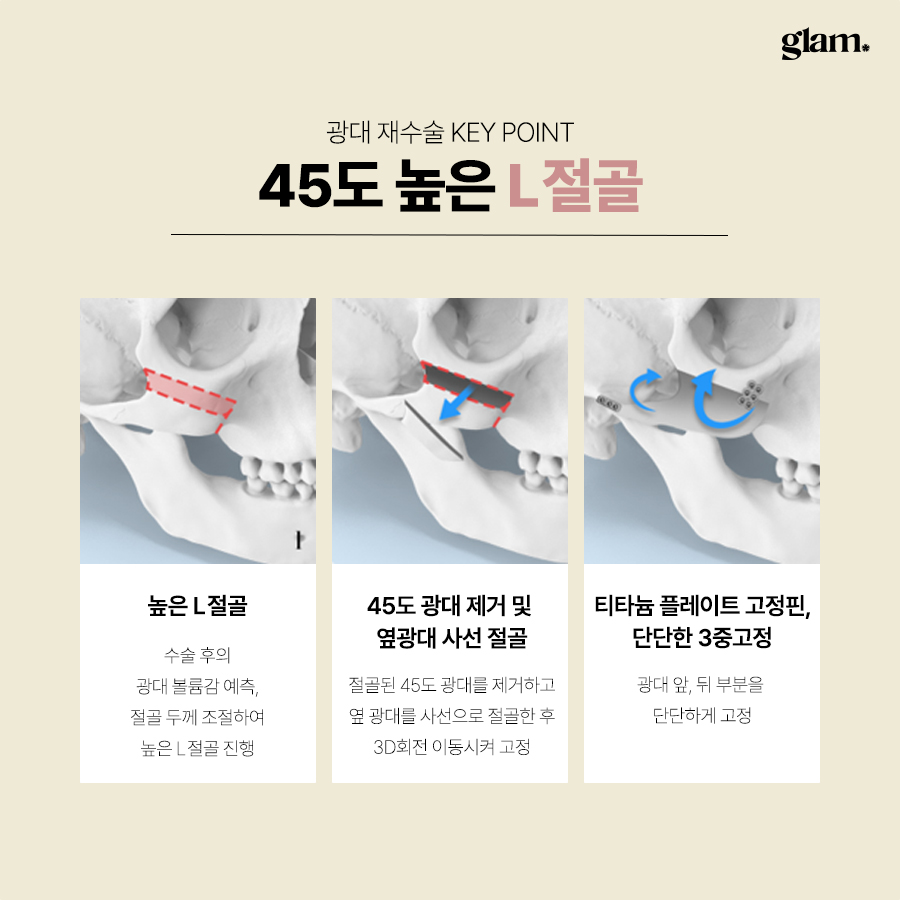
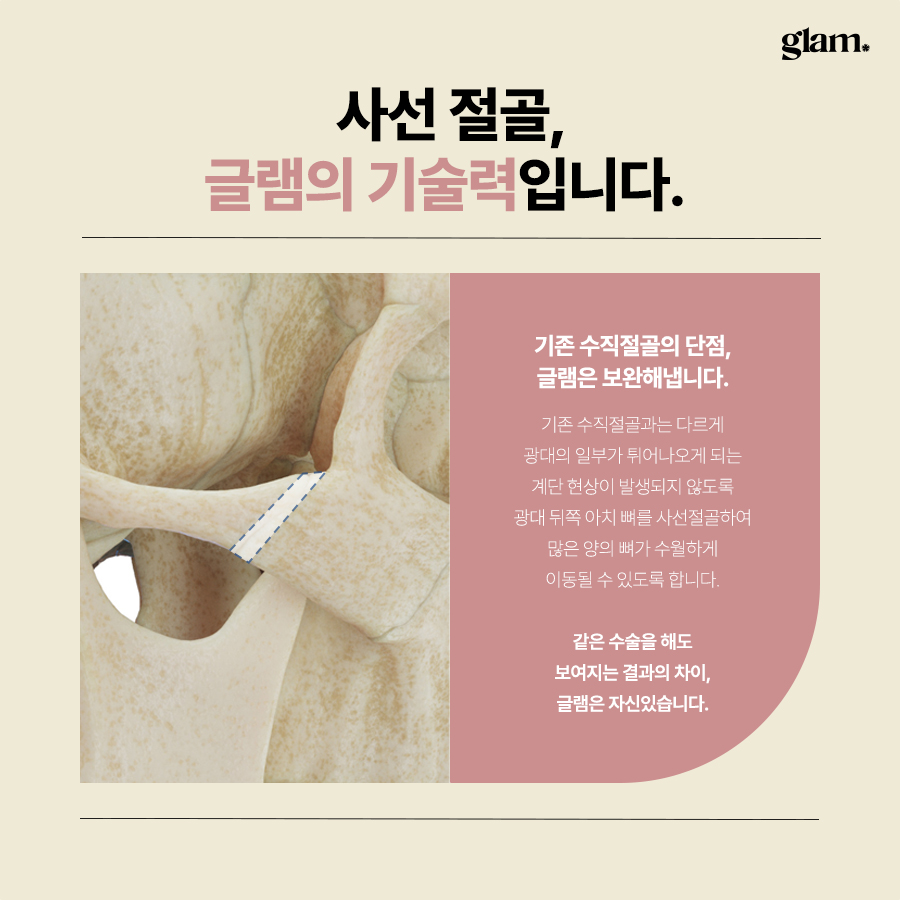
One common strategy is correcting asymmetry by recontouring one or both sides. This may involve additional bone shaving or repositioning to balance the jawline or cheekbones.
Another method is adjusting the angle or length of the jaw or chin. For example, the back angle of the jaw can sometimes be reshaped, or the chin can be moved slightly forward, backward, or sideways to improve harmony.
When over‑resection has occurred and the face looks too small or sunken, some patients may benefit from adding volume back. This can be done in selected cases with bone grafts or implants. However, this is not always possible and carries its own risks, so it must be planned very carefully.
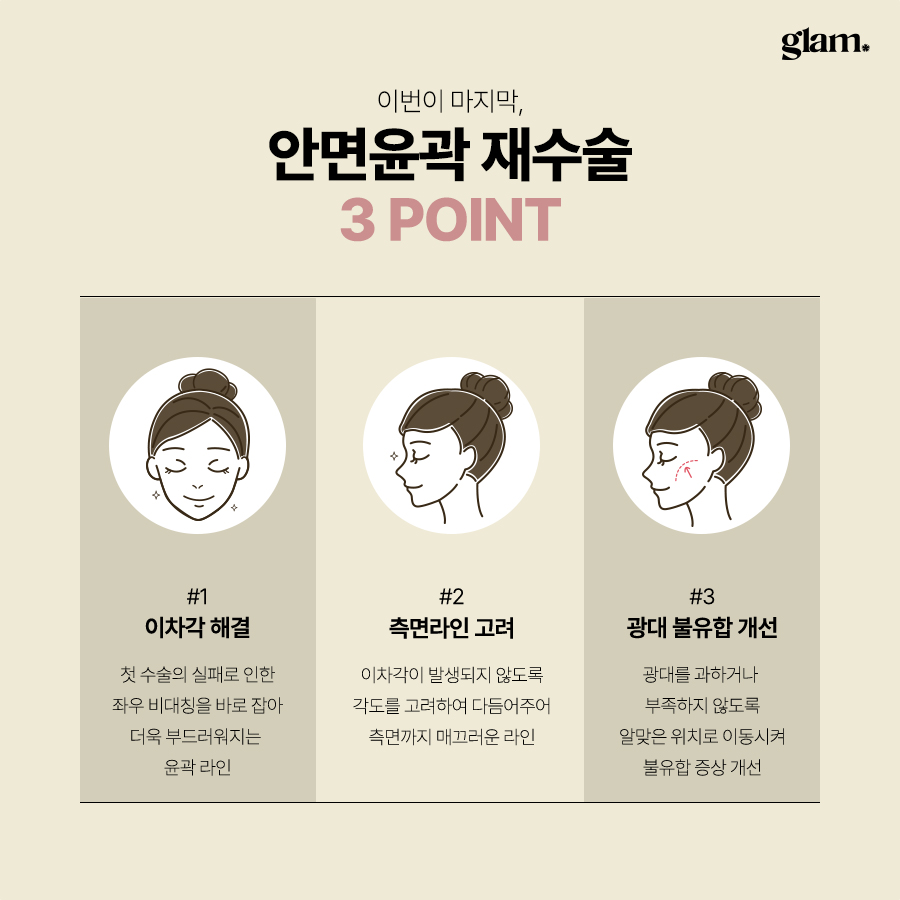
Smoothing irregular bone edges and step‑offs is another important part of revision. This can reduce visible or palpable unevenness along the jaw or cheekbones.
If sagging soft tissue is the main problem, bone revision alone may not be enough. In such cases, combining bone revision with soft tissue procedures such as lifting or fat grafting may be considered. The exact plan depends on how much of the problem is from bone shape versus skin and fat.
Throughout all of this, realistic goals are essential. Some nerve damage or structural changes may be irreversible. The aim is usually to improve balance, function, and overall appearance, not to erase every trace of the first surgery.
Risk management and safety in revision surgery
Revision facial contouring carries higher risk than first‑time surgery, so safety must be the top priority.
Choosing a surgeon who focuses on facial bone surgery, rather than performing a wide range of unrelated procedures, can be an important factor. A surgeon who regularly performs double jaw and facial contouring may be more familiar with complex bone anatomy and revision patterns.
Thorough preoperative planning using imaging and, when helpful, simulations is another key element. Understanding exactly where the nerves run, how thick the remaining bone is, and where plates and screws are located helps reduce risk.
An in‑house board‑certified anesthesiologist who manages anesthesia and monitoring throughout surgery adds another layer of safety. Continuous, experienced monitoring is especially important in longer, more complex revision operations.
Clear explanation of potential complications is also part of safe care. This includes discussing the possibility that some symptoms, such as numbness or minor asymmetry, may not fully recover even after revision.
One facial bone clinic in Gangnam near Sinsa Station, for example, focuses only on double jaw and facial contouring surgery. The lead surgeon, a board‑certified plastic surgeon with long‑term experience and academic work in this field up to early 2025, operates directly and works with a dedicated anesthesiologist. This type of system may contribute to safer and more predictable revision planning, but it does not guarantee specific outcomes.
Postoperative care after revision
Recovery after revision facial contouring can be different from the first surgery. Because tissues have been operated on before, swelling may be more pronounced or may last longer.
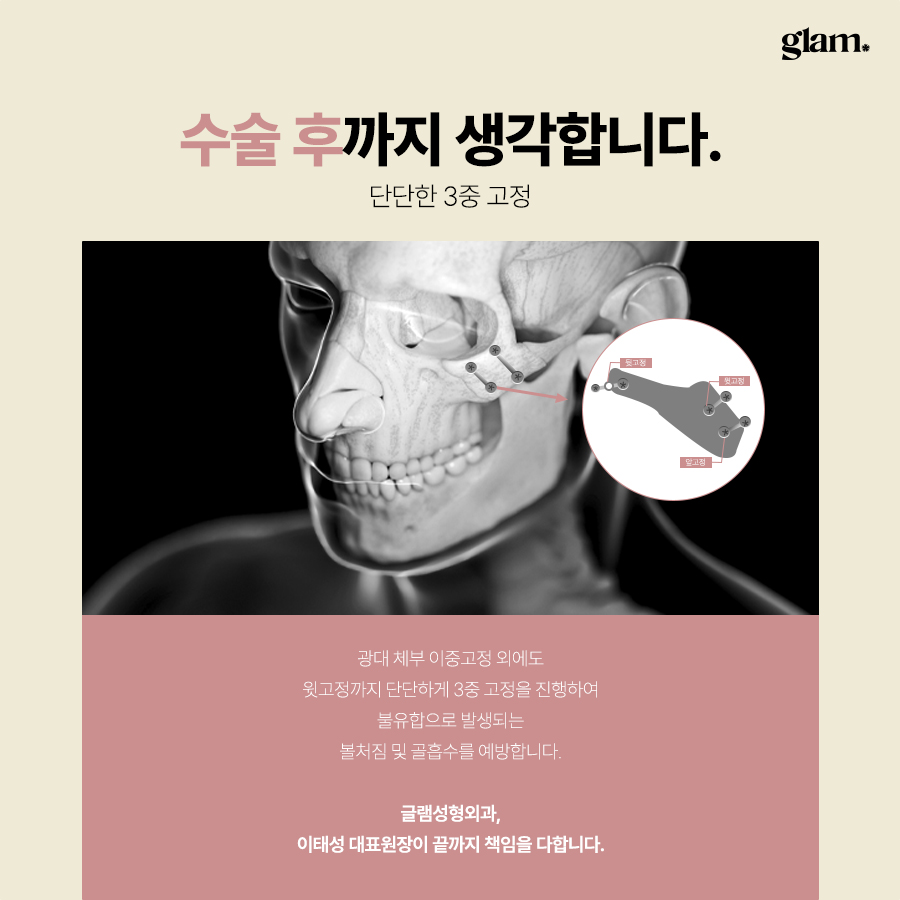
You can usually expect a period of significant swelling and bruising in the first one to two weeks, followed by gradual improvement over several weeks to months. Regular follow‑up visits and, when needed, imaging are important to confirm that the bone is healing properly and that there are no unexpected issues.
Dietary restrictions are often similar to the first surgery. Soft or semi‑soft food may be recommended for a period to protect the bone and fixation. Good oral hygiene is essential to reduce the risk of infection, especially if incisions were made inside the mouth.
Some specialized facial bone clinics in Seoul offer supportive care options such as LED therapy, facial dome treatments, skin reset programs, and radiofrequency lifting. These are used to help reduce swelling, support skin quality, and encourage gentle tightening. It is important to understand that such treatments support recovery but do not replace proper surgical technique or careful planning.
Who may consider revision facial contouring in Korea
Overseas patients may consider traveling to Korea for revision facial contouring in several situations.
You had facial contouring in another country and now have long‑term asymmetry, functional problems, or strong dissatisfaction with your face shape.
You already had surgery in Korea but feel that communication was not clear, or you want a second opinion from a clinic that focuses only on facial bone work.
You are looking for a surgeon who personally performs the operation, recommends only the minimum necessary procedure, and is experienced with complex revision cases.
Before deciding to travel, it is important to have an honest online consultation, share your previous records and images, and understand what is and is not realistic in your case.
Online consultation and pre‑visit preparation
For international patients, online consultation is usually the first step. To make this as accurate and efficient as possible, prepare the following.
Provide clear front, 45‑degree, and side photos of your face in good lighting, without filters. If possible, include relaxed and smiling expressions.
Gather all medical records from your previous facial contouring surgery. This includes operation notes, pre‑ and postoperative X‑rays or CT scans, and any information about plates, screws, or implants used.
Write down your main concerns in order of priority. For example, you might list asymmetry first, then numbness, then sagging. This helps the surgeon understand what matters most to you.
Prepare questions about the proposed revision plan, anesthesia method, estimated recovery time, and follow‑up schedule. It can be helpful to keep a note on your phone to avoid forgetting important points.
During online consultation, a specialized facial bone clinic should explain whether revision seems technically possible, what imaging is needed on arrival, and roughly how long you would need to stay in Korea.
Expected Korea visit timeline for revision facial contouring
Every case is different, but a typical visit schedule for overseas patients may look like this.
During the first few days, you have in‑person consultation, physical examination, and imaging such as X‑rays and CT scans. The surgeon confirms the plan and explains details again.
Surgery is usually scheduled within a few days after the final consultation, depending on your health check results and the clinic’s schedule.
The first week after surgery is usually the most intense in terms of swelling and discomfort. Many patients stay in Seoul for at least 10 to 14 days after surgery for regular checks, suture removal if needed, and early postoperative care.
Some patients choose to stay three to four weeks in total, especially for more complex revision cases, to allow more time for follow‑up and supportive treatments before flying home.
Your clinic should provide clear instructions about when it is safe to fly, how to manage swelling during travel, and how to arrange online follow‑up once you are back in your home country.
How to choose a clinic for revision facial contouring
Choosing the right clinic is one of the most important decisions you will make.
Check that the surgeon is a board‑certified plastic surgeon or equivalent in their country, with a clear track record in facial bone surgery. Ask specifically how many facial contouring and double jaw cases they perform and how often they handle revisions.

Look for clinics that specialize in facial bone procedures rather than offering every type of cosmetic treatment. A clinic in Gangnam that focuses only on double jaw and facial contouring, for example, may have systems and staff more tailored to these surgeries.
Ask who will actually perform the surgery. In some places, the doctor you meet in consultation may not be the one who operates. If you prefer the lead surgeon to operate directly, confirm this clearly.
Confirm who manages anesthesia. Having a board‑certified anesthesiologist dedicated to the clinic and present throughout surgery can be an important safety factor.
Check that detailed imaging and individualized planning are part of the process. If a clinic suggests revision without reviewing CT scans or without explaining the bone structure, it may be wise to seek another opinion.
Be cautious of clinics that promise dramatic changes in a very short time with no mention of risks or limitations. Revision surgery always involves trade‑offs, and a responsible clinic will explain both benefits and possible downsides.
It is often helpful to seek second or even third opinions before deciding. Different surgeons may offer different approaches, and comparing their explanations can help you feel more confident in your choice.
Frequently asked questions
How long should I wait before considering revision facial contouring after my first surgery
In many cases, surgeons recommend waiting about 6 to 12 months before deciding on revision. This allows swelling to settle and soft tissues to adapt to the new bone structure. However, if you have serious functional problems or clear complications, an earlier evaluation is appropriate, even if the actual revision surgery is scheduled later. The exact timing should be decided with a facial bone specialist who can review your imaging and clinical condition.
Can asymmetry after facial contouring improve on its own without revision
Mild asymmetry often improves as swelling decreases and muscles relax over several months. Early after surgery, one side may look more swollen or tight, creating the impression of asymmetry. If, after enough time has passed, the difference remains clear and stable, it is less likely to change on its own. A specialist can help you judge whether what you see is still part of normal healing or a structural issue that might need revision.
Are nerve‑related side effects after facial contouring reversible
Some nerve‑related side effects, such as mild numbness or tingling, can gradually improve over months as the nerve recovers from stretching or temporary irritation. In other cases, especially if the nerve was severely injured, changes may be long‑term. It is important to monitor your symptoms over time and have them assessed by a surgeon familiar with facial nerve anatomy. Even with revision, full recovery of sensation is not always possible, so realistic expectations are important.
Is revision facial contouring more dangerous than the first surgery
Revision facial contouring is generally considered more complex and higher risk than first‑time surgery. Scar tissue, altered anatomy, and reduced bone thickness can all make the operation more challenging. However, with careful planning, detailed imaging, and an experienced facial bone surgeon working with a dedicated anesthesiologist, risks can be managed. A thorough discussion of potential complications and benefits should be part of your preoperative consultation.

What tests are needed before planning revision facial contouring
Most patients need detailed facial bone imaging, usually including X‑rays and CT scans. These show the current bone shape, previous cuts, fixation plates, screws, and nerve pathways. A physical examination of facial symmetry, soft tissues, and jaw movement is also essential. In some cases, additional tests related to bite or jaw joint function may be recommended. Your previous operation notes and images are very helpful, so try to obtain them before your consultation.
Can sagging or an aged look after bone reduction be improved without another bone surgery
In some patients, sagging or an aged appearance after bone reduction is mainly due to soft tissue changes rather than bone shape. In such cases, improvement may be possible with soft tissue procedures such as lifting, fat grafting, or skin tightening treatments. Non‑surgical options like radiofrequency lifting can support mild tightening, but their effect is limited compared to surgery. A facial bone specialist can help determine whether your main issue is bone structure, soft tissue, or both, and suggest an appropriate plan.
Soft call to action
If you are worried about facial contouring surgery side effects or are considering revision, you do not need to make decisions alone. An online consultation with a facial bone‑focused clinic in Gangnam, near Sinsa Station, can help you understand your current condition, what is realistically possible, and what kind of visit schedule you might need in Korea.
Prepare your photos, previous records, and questions, and reach out for a professional review. Careful evaluation and a conservative, safety‑first approach are the foundation for any thoughtful revision plan, especially when you are traveling from overseas.




- 공유 링크 만들기
- X
- 이메일
- 기타 앱


댓글
댓글 쓰기