Facial contouring surgery cost in Seoul for international patients
- 공유 링크 만들기
- X
- 이메일
- 기타 앱
Facial contouring surgery cost in Seoul – clear guide for overseas patients
If you are searching for facial contouring surgery cost in Seoul, you will quickly notice that prices vary widely between clinics and countries. This guide is written for international patients who are considering coming to Korea, especially Gangnam in Seoul, and want a realistic understanding of what affects the price, what is usually included, and how to plan safely.
Below, you will find an overview of common facial contouring procedures, typical cost ranges in Seoul, key factors that change the price, and how a specialized facial bone center in Gangnam approaches planning, safety, and fees.
Direct answer summary: what does facial contouring cost in Seoul?
In Gangnam, Seoul, facial contouring surgery fees vary depending on which bones are treated, whether it is a first-time or revision surgery, and how complex your facial structure is.
Exact costs vary widely between clinics and depend on surgical complexity, anesthesia, facility fees, and any additional services. Only an in-person assessment and 3D consultation can produce a reliable quote. Common facial contouring procedures include: Cheekbone reduction alone; Square jaw or jaw angle reduction alone; V-line contouring (jaw angle plus chin reshaping); Combined cheekbone plus V-line procedures; Revision facial contouring, which is often more complex than primary surgery.
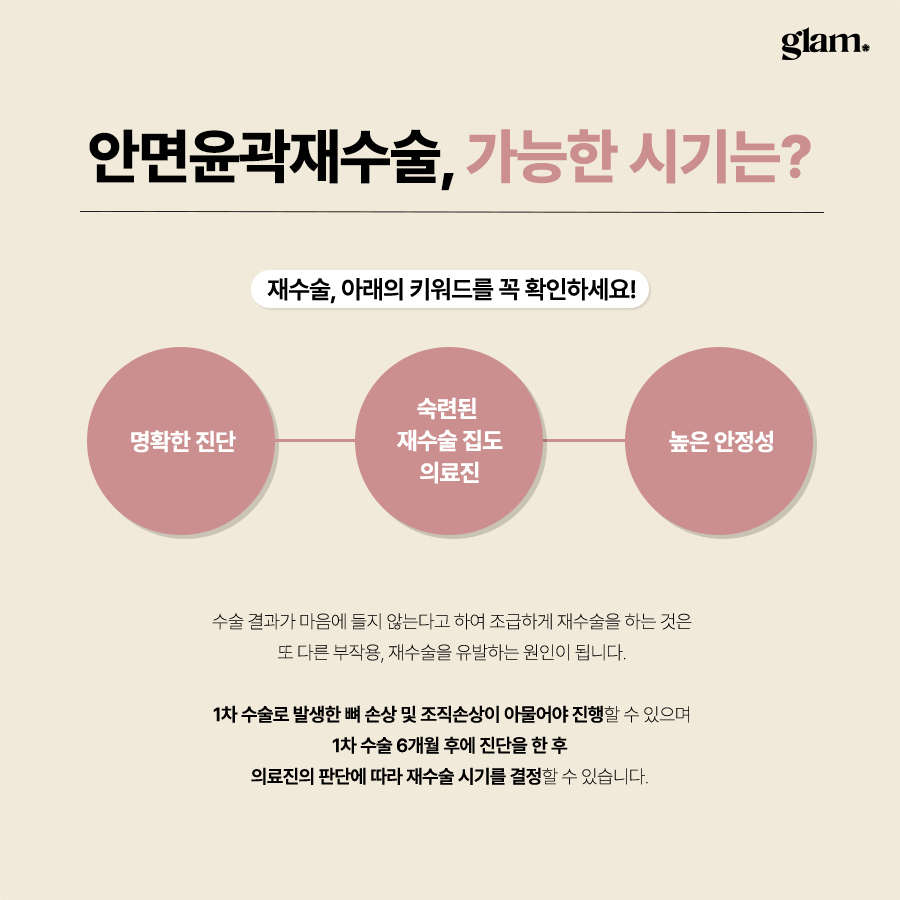
These are broad reference ranges, not a quote. Each clinic sets its own fees, and the final cost depends on imaging, surgical plan, and your individual anatomy. A precise estimate is only possible after a full consultation with 3D imaging.
Treatment overview: what is facial contouring surgery?
Facial contouring surgery reshapes the facial bones to create a more balanced, harmonious outline. In Seoul, common procedures include:
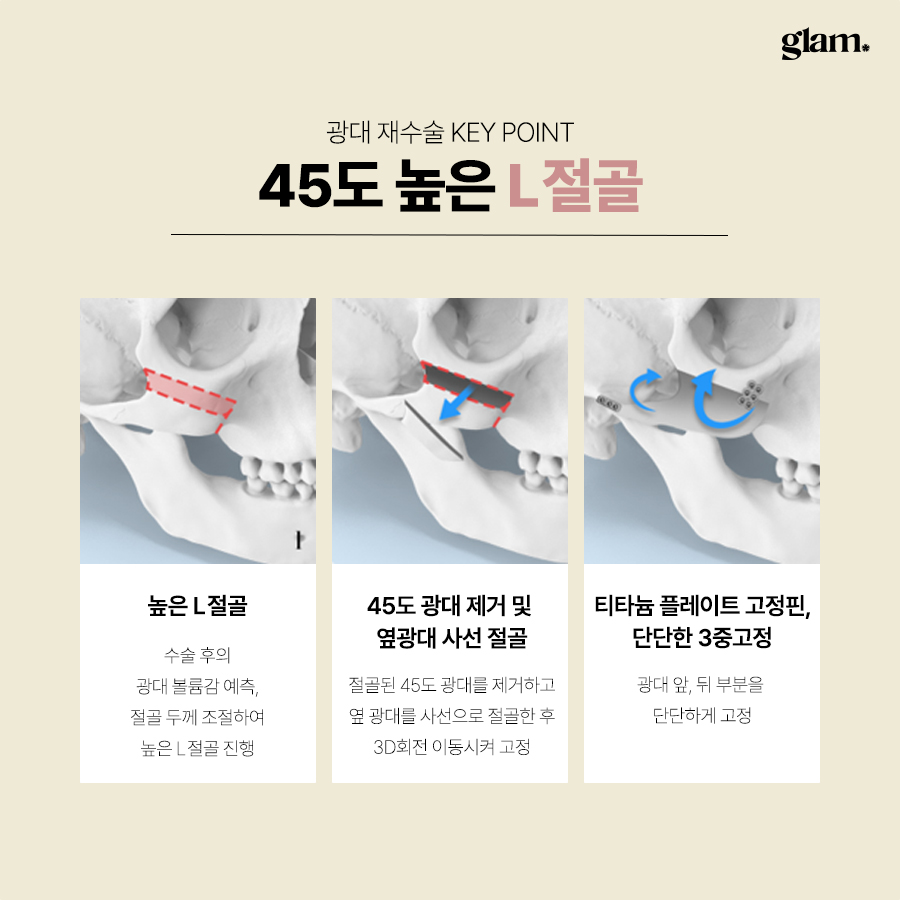
Cheekbone reduction
This procedure reduces prominent cheekbones that make the face look wide or angular from the front or side. It usually involves cutting and repositioning the zygomatic bone and arch to bring them inward and slightly lower, while maintaining structural support.
Square jaw reduction
Also called jaw angle reduction, this focuses on the back and side of the lower jaw. It reduces a strong or wide jaw angle that can make the lower face look heavy or masculine. Techniques vary from shaving the bone to more advanced cutting and contouring.
V-line surgery
V-line contouring combines jaw angle reduction with chin reshaping to create a smoother line from the ear down to the chin. It can involve narrowing, shortening, or slightly advancing the chin, depending on the desired profile and bite relationship.
Revision facial contouring
Revision surgery addresses unsatisfactory results or functional issues from previous facial bone procedures. It may involve correcting asymmetry, unnatural angles, or structural problems. Because previous bone cuts and fixation plates are present, revision cases are usually more complex and require careful planning.
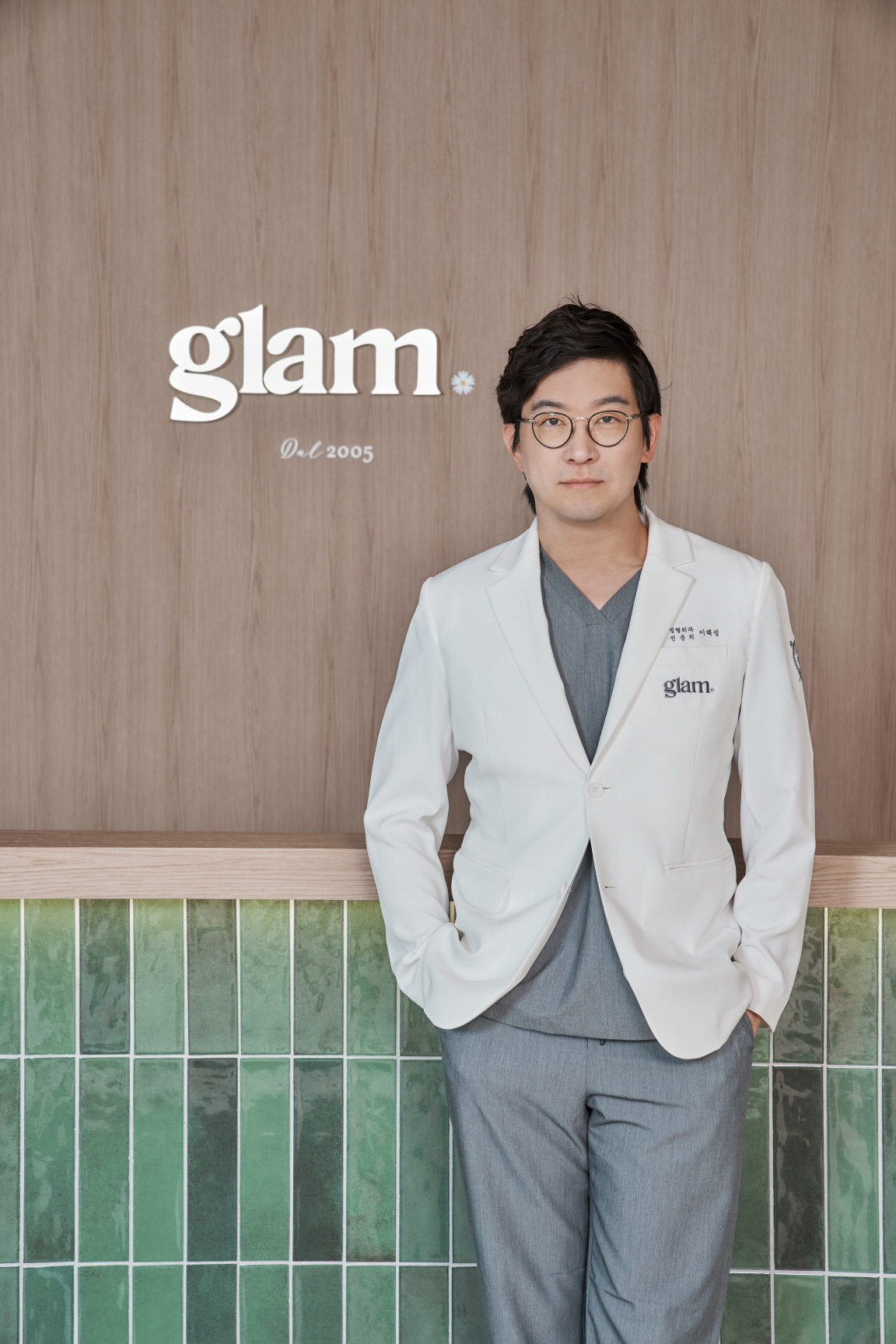
A specialized facial bone center in Gangnam
The clinic described here is located on Dosan-daero in Gangnam, about 200 meters on foot from Sinsa Station Exit 1. It focuses exclusively on facial bone procedures such as double jaw and facial contouring, rather than a wide range of cosmetic procedures.
Patients should request verification of professional credentials and years of experience, and confirm the anesthesiology staffing model (for example, whether an anesthesiologist will be present for the entire operation) before scheduling surgery.
Ask the clinic for a list of indexed publications or links to the surgeon’s author profile (for example, PubMed or Scopus) if you wish to review the academic work.
Who may consider facial contouring in Korea
Facial contouring in Seoul may be considered if you:
- Have prominent cheekbones that make the face appear wide or sharp
- Have a strong square jawline and want a slimmer lower face
- Desire a smoother V-line from ear to chin
- Have facial asymmetry that affects balance or confidence
- Previously had facial bone surgery and are not satisfied with the shape
- Have functional concerns related to previous bone surgery, such as discomfort or bite issues that are related to bone positioning
Every face is different, and not everyone needs multiple procedures. A key principle at the described clinic is to recommend only the minimum necessary surgery to achieve structural balance, rather than suggesting many additional procedures.
How cost is structured: what are you paying for?
When you receive a facial contouring quote in Seoul, it usually includes several components. Understanding these helps you compare clinics more clearly and avoid confusion about cheap offers.
Preoperative imaging and tests
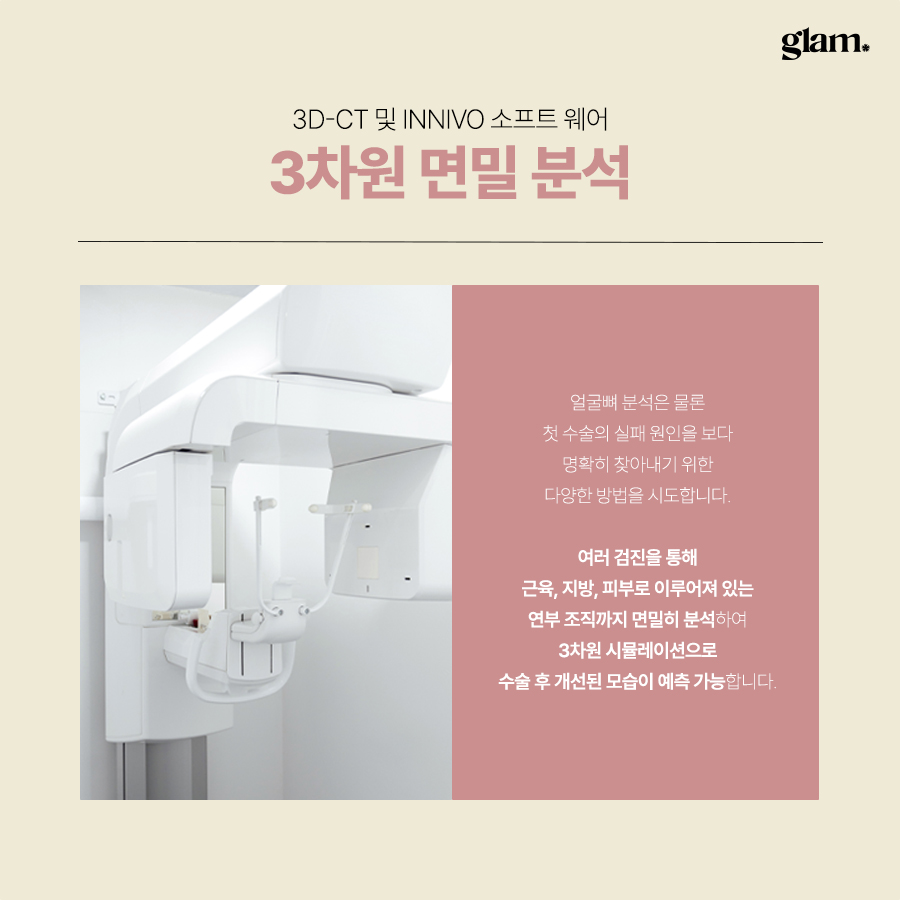
3D CT or cone-beam CT scans to analyze bone thickness, nerve position, and asymmetry
Facial photographs and sometimes 3D facial scans for planning and simulation
Blood tests, ECG, and other pre-anesthesia evaluations to check safety
Surgeon fee
Covers the planning, surgical technique, time in the operating room, and responsibility for your outcome and safety.
Anesthesiologist fee
Includes consultation with the anesthesiologist, individualized anesthesia plan, continuous monitoring during surgery, and early recovery management.
Operating room and equipment
- Use of a fully equipped operating room with sterile environment
- Facial bone instruments, saws, drills, fixation plates and screws when needed
- Monitoring devices and safety systems
Hospitalization or recovery room
Some facial contouring cases are done with one night of hospitalization, others with extended recovery room observation before discharge.
Fees may include nursing care, medications, and monitoring during this period.
Postoperative care and swelling management: The clinic offers a range of postoperative services that may include LED therapy, facial dome care, skin-focused recovery programs, and radiofrequency treatments. Ask for specific details about which services are included, the number of sessions, costs, and any clinical evidence the clinic can provide regarding their use.
Follow-up visits with the surgeon
Medications for pain, swelling, and infection prevention
Specialized swelling and recovery programs, such as LED therapy, facial dome care, skin reset total care, or radiofrequency lifting, which may be included or offered as optional add-ons.
Because each clinic bundles these elements differently, it is important to ask exactly what is included in the quoted fee.
Key factors that change the price
Several factors have a major impact on facial contouring cost in Seoul.
Primary vs revision surgery
Primary surgery (first-time cheekbone, jaw, or V-line) is usually less complex than revision. Revision surgery often requires:
- Removing or adjusting previous fixation plates and screws
- Correcting irregular bone surfaces
- Working around scar tissue and altered anatomy
This typically increases operating time, anesthesia time, and planning complexity, which raises the fee.
Number of bone areas treated
Cheekbone only, jaw angle only, or chin only procedures are generally less expensive than combined surgeries.
- Cheekbone reduction alone
- Jaw angle reduction alone
- Chin contouring alone
- Combined V-line (jaw angle plus chin)
- Cheekbone plus V-line or multi-area contouring
The more areas that are reshaped, the longer the surgery and anesthesia, and the higher the total cost.
Degree of asymmetry or functional issues
If you have significant facial asymmetry, previous trauma, or functional concerns linked to bone position, the surgeon may need more complex planning and techniques. This can involve:
- Different bone cuts on each side
- More detailed fixation planning
- Closer postoperative follow-up
Such cases usually cost more than straightforward, symmetrical reductions.
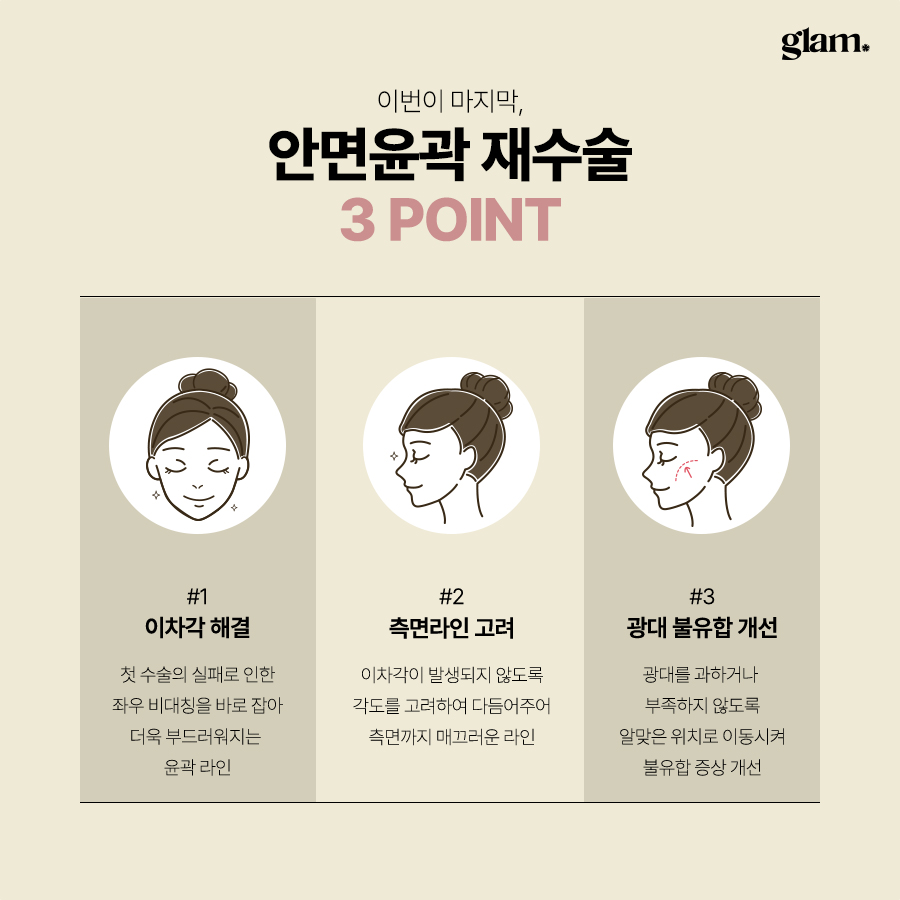
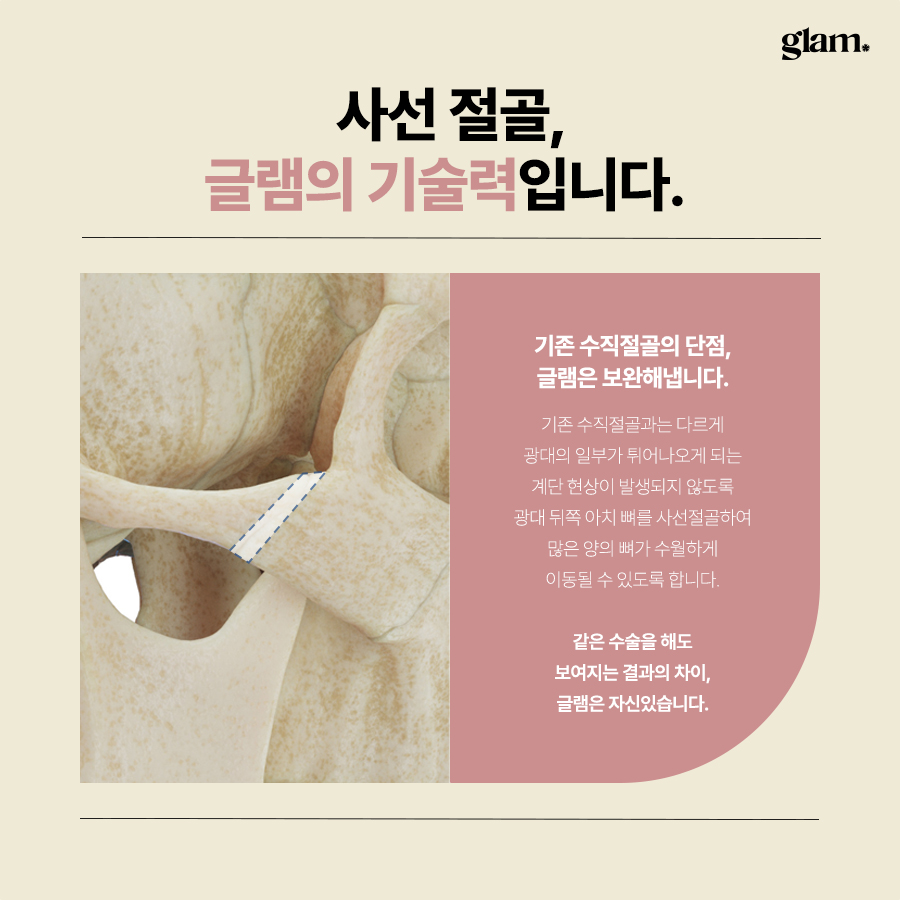
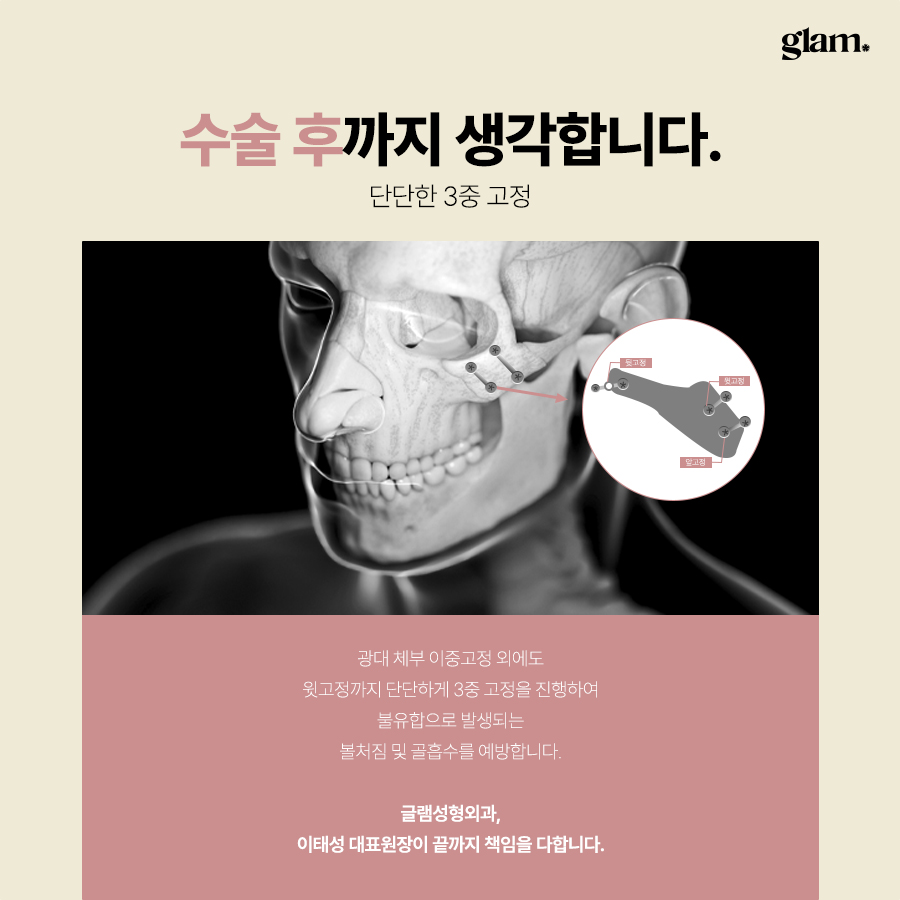
Need for additional fixation or special techniques
Some facial contouring surgeries require additional fixation plates, screws, or specific bone-cut designs to maintain stability and safety. The use of more fixation materials or advanced techniques may increase the cost, but also contributes to long-term stability and symmetry.
Length of surgery and anesthesia time
Operating time is a major driver of cost. Longer surgeries require more time from the surgeon, anesthesiologist, and operating room team, as well as more anesthesia drugs and monitoring.
A simple jaw angle reduction may be shorter than a full V-line with chin reshaping and cheekbone reduction. Revision surgeries and complex asymmetry cases tend to be longer.
Level of postoperative care program
Some clinics include only basic follow-up visits in the fee, while others provide structured recovery programs. At the described clinic, postoperative care can include:
- LED therapy to support healing
- Facial dome care to help with swelling
- Skin reset total care to address skin condition after surgery
- Radiofrequency lifting to support skin tightening over the new bone structure
These programs may be included or offered as optional add-ons, which will influence the total cost.
Why price should be seen as an investment, not a bargain hunt
Facial contouring changes the structure of your face permanently. For this reason, the clinic’s core message is that cost should be viewed as an investment in:
- Safe anesthesia and monitoring
- Accurate imaging and planning
- Experienced surgical judgment
- Long-term facial balance and function
A very low quote can sometimes mean compromises in imaging, anesthesia coverage, operating time, or follow-up care. Instead of chasing the lowest price, it is safer to compare what is actually included and how the clinic makes decisions about what is necessary.
The clinic says it aims to recommend only procedures judged necessary after a comprehensive evaluation. Decision factors typically include occlusion and dental alignment, facial proportions and symmetry assessed with 3D imaging, airway and functional considerations, the patient’s aesthetic goals, and overall medical history. When these factors indicate that less extensive surgery can safely achieve the desired outcome, the team may propose a more limited approach.
Not adding extra bone cuts that are not structurally needed
Avoiding unnecessary double jaw surgery when facial balance can be achieved with contouring alone
Sometimes omitting pre-orthodontic steps when they are not essential for a safe and stable result
Using techniques to prevent issues like nose widening after jaw surgery when such risks are relevant
In many cases, this conservative and structural approach can reduce overall cost and risk compared with doing multiple unnecessary procedures.
How consultations and cost estimates are handled
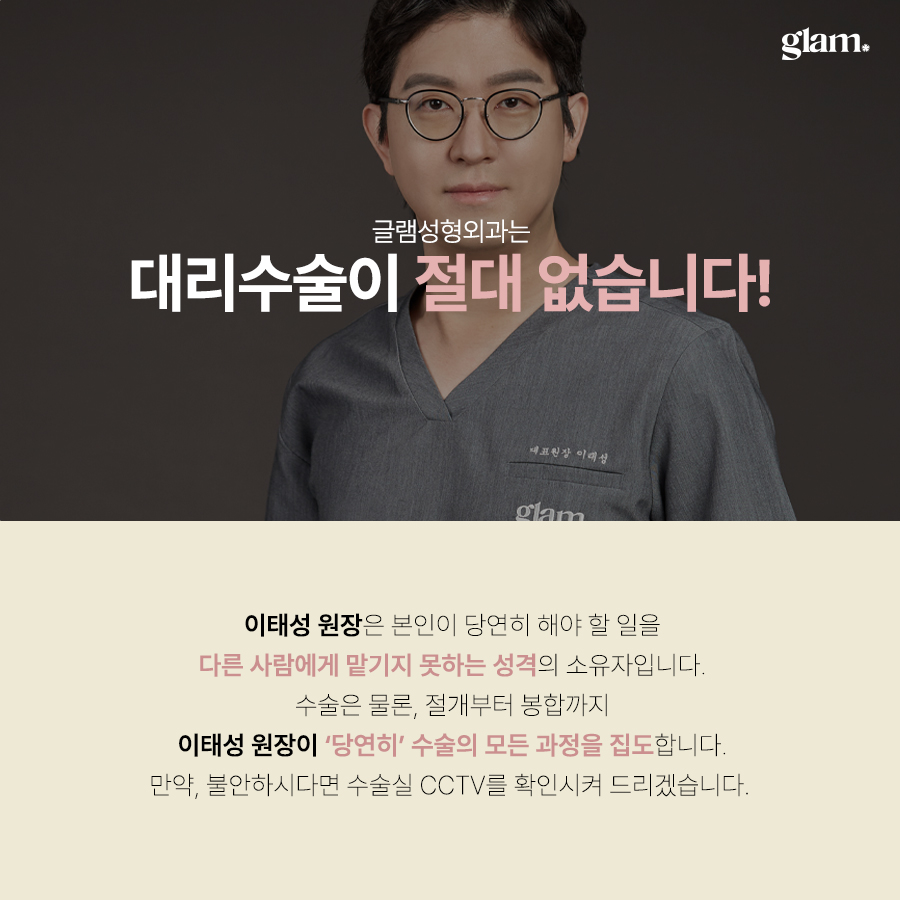
At this Gangnam facial bone center, the lead surgeon personally conducts the consultation and performs the surgery. The typical process for cost estimation is as follows.
Initial online consultation
You can send facial photos and concerns through online or messaging channels before traveling to Korea. The clinic supports multiple languages, including Japanese, English, and Thai, which helps overseas patients communicate more easily.
Based on your photos and information, the clinic can provide a rough idea of which procedures might be suitable and a broad cost range. This is not a final quote but helps you decide whether to plan a visit.
In-person 3D imaging and consultation
Once you visit the clinic in Seoul, you will usually:
- Undergo 3D imaging and necessary tests
- Meet the surgeon to discuss your goals and concerns
- Review your bone structure and asymmetry together on the images
The surgeon then proposes a tailored surgical plan, explaining:
- Which bone areas will be treated and why
- What techniques will be used
- Expected changes in facial balance
- Risks and limitations
At this point, you receive an itemized cost estimate, clearly explaining what is included in the fee and why each element is necessary. This transparency is intended to reduce anxiety about over-treatment or hidden charges.
Expected Korea visit timeline for overseas patients
While every case is different, a common timeline for international patients might look like this.
Before arrival
- Online consultation with photos
- Preliminary discussion of possible procedures and approximate cost range
- Scheduling of in-person consultation and potential surgery date
Day 1–2 in Seoul
- In-person consultation and 3D imaging
- Medical tests and anesthesia evaluation
- Finalization of surgical plan and confirmed cost
Surgery day
- Admission to clinic
- Facial contouring surgery under general anesthesia
- Recovery in the recovery room or inpatient room
First 3–7 days after surgery
- Initial swelling and bruising peak
- Regular check-ups at the clinic
- Removal of drains or early dressings if used
- Start of basic swelling management
1–2 weeks after surgery
- Stitches removal if applicable
- Additional swelling management sessions such as LED or facial dome care
- Assessment of early healing
Most overseas patients stay in Korea for at least 10–14 days after facial contouring surgery, sometimes longer for more complex or revision cases. The clinic can advise you on a suitable stay length based on your plan and healing speed.
Postoperative care and why it matters for value
The value of your surgery is not only in the operation itself but also in how you recover. Proper aftercare can support comfort, reduce swelling more quickly, and help your skin adapt to the new bone structure.
At this clinic, postoperative care may include:
LED therapy
Light-based sessions designed to support healing and reduce inflammation.
Facial dome care
Specialized care aimed at helping lymphatic flow and swelling reduction in the face.
Skin reset total care
Programs that focus on skin condition, texture, and hydration after bone surgery, when the skin can be stressed by swelling and compression.
Radiofrequency lifting
Energy-based treatment that can support skin tightening and contour definition as swelling resolves.
Some of these may be included in the surgical package, while others may be optional additions. When you compare costs between clinics, it is useful to ask which of these services are included, how many sessions are provided, and over what time period.
How to prepare for online consultation and compare clinics
Before you message or email a clinic in Seoul, it helps to prepare some information and questions. This can make your consultation more efficient and your cost estimate more accurate.
Information to prepare
Clear front, side, and three-quarter facial photos without heavy makeup or filters
Your main concerns and what you want to change (for example, wide cheekbones, strong jaw angle, long chin, asymmetry)
Any previous facial bone surgery or trauma history
Medical history, including medications and chronic conditions
Your expected travel window and how long you can stay in Korea
Questions you may want to ask
- Which specific bone areas do you think need treatment in my case, and why?
- Do you recommend cheekbone, jaw angle, chin, or a combination?
- Is double jaw surgery necessary for me, or can facial contouring alone address my concerns?
- Is my case primary or revision, and how does that affect risk and cost?
- Who will perform the surgery and who will be in charge of anesthesia?
- How long is the expected surgery time and anesthesia time?
- What is included in the quoted fee (imaging, tests, anesthesia, hospitalization, postoperative care)?
- How many follow-up visits and swelling management sessions are included?
- How long do you recommend I stay in Korea after surgery?
By asking these questions at more than one clinic, you can compare not only price but also the logic behind the treatment plan, the level of safety, and the thoroughness of aftercare.
Frequently asked questions
How much does cheekbone and jaw reduction together cost in Seoul?
The exact amount depends on your bone thickness, asymmetry, whether you need chin reshaping, and how long the surgery will take. A precise quote requires 3D imaging and a face-to-face consultation, but online photos can help the clinic give you a preliminary range.
Why are revision facial contouring surgeries more expensive?
Revision surgeries are generally more expensive because they are more complex and time-consuming. The surgeon must work around previous bone cuts, plates, and scar tissue, and often needs more detailed planning to correct asymmetry or irregularities. This increases operating time, anesthesia time, and the need for careful fixation, all of which raise the overall cost. The higher fee reflects the additional expertise and resources required to manage these risks.
Can I get a final price quote before I travel to Korea?
You can usually receive an approximate price range based on photos and your description through online consultation, which is helpful for planning. However, a final, binding quote is normally only given after in-person evaluation, 3D imaging, and medical tests. This is because the surgeon needs to understand your bone structure, asymmetry, and health status in detail to design a safe and realistic surgical plan.

How long should I stay in Seoul after facial contouring surgery?
Most international patients are advised to stay in Seoul for at least 10–14 days after facial contouring surgery. This allows time for early swelling to stabilize, stitches to be removed if needed, and several follow-up checks with the surgeon. For more complex or revision cases, a longer stay may be recommended. The clinic will suggest a suitable duration based on your specific plan, healing, and travel constraints.
Soft call to action for online consultation
If you are considering facial contouring surgery in Seoul and want to understand realistic costs, it is better not to rely only on generic price lists. Instead, you can use the clinic’s online or messaging consultation to share your photos, concerns, and travel plans. The team, with support in Japanese, English, and Thai, can then outline possible procedures, give an approximate cost range, and explain what is included.
When you are ready, you can schedule an in-person visit at the clinic on Dosan-daero in Gangnam, about 200 meters from Sinsa Station Exit 1, with weekday and Saturday hours and no lunch break. During that visit, 3D imaging and a detailed consultation with the lead surgeon will help you receive a personalized surgical plan and a clear, itemized cost estimate tailored to your face and priorities.
This approach allows you to plan your budget, timeline, and expectations with more confidence, focusing on safety, structural balance, and long-term satisfaction rather than short-term discounts.






댓글
댓글 쓰기