Facial Contouring Revision Surgery Clinic in Gangnam for Jawline, Cheekbone and V‑Line
- 공유 링크 만들기
- X
- 이메일
- 기타 앱

Direct answer summary
If you are unhappy with the result of a previous facial contouring operation such as square jaw reduction, cheekbone reduction, V-line, or combined facial bone surgery, look for a revision-focused facial contouring clinic rather than a general plastic surgery center. A clinic near Sinsa Station in Gangnam, Seoul, focuses solely on jaw and facial bone surgery. It offers detailed re-diagnosis with 3D imaging, conservative revision planning, and a structured safety system that includes an experienced facial bone surgeon and a board-certified specialist in anesthesiology and pain medicine. The clinic aims for realistic improvement and functional stability rather than aggressive re-operation.
This guide explains what revision facial contouring is, who may consider it, how evaluation and planning are done in a facial bone–specialized clinic, what kind of safety and aftercare systems you should expect, and how overseas patients can prepare for an online consultation and visit to Korea.
What is revision facial contouring surgery
Revision facial contouring surgery is a secondary operation performed to correct or improve the results of previous facial bone procedures. It focuses on the jawline, angle of the mandible, chin, and cheekbone area, and may involve one or several of these regions.
Typical primary surgeries that may later require revision include square jaw reduction, cheekbone reduction, V-line surgery that combines jaw angle and chin reshaping, and more complex multi-area facial bone contouring. After the first operation, some patients develop issues that do not improve with time or conservative care. In such cases, a carefully planned revision may be considered.
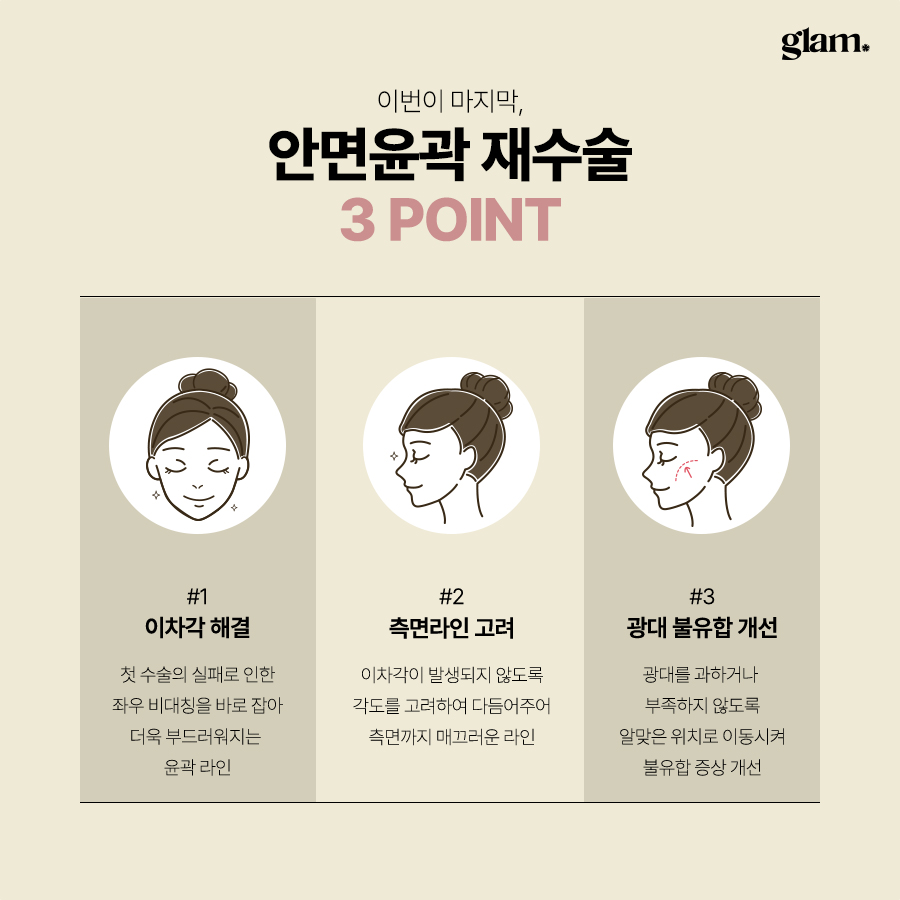
Common reasons people seek revision include persistent asymmetry between the left and right sides, over-resection of bone that makes the face look too narrow or sunken, under-resection where the jawline still looks wide or bulky, unnatural or aged appearance, functional problems such as bite discomfort or joint strain, and contour irregularities like steps or dents along the jawline or cheekbone.
In a revision-focused clinic near Sinsa Station, the goal is not to simply repeat the first surgery more aggressively. Instead, the medical team re-analyzes your current bone structure, soft tissue, and function to design the minimum necessary correction that can improve balance and comfort while respecting safety limits.
Who may consider revision facial contouring
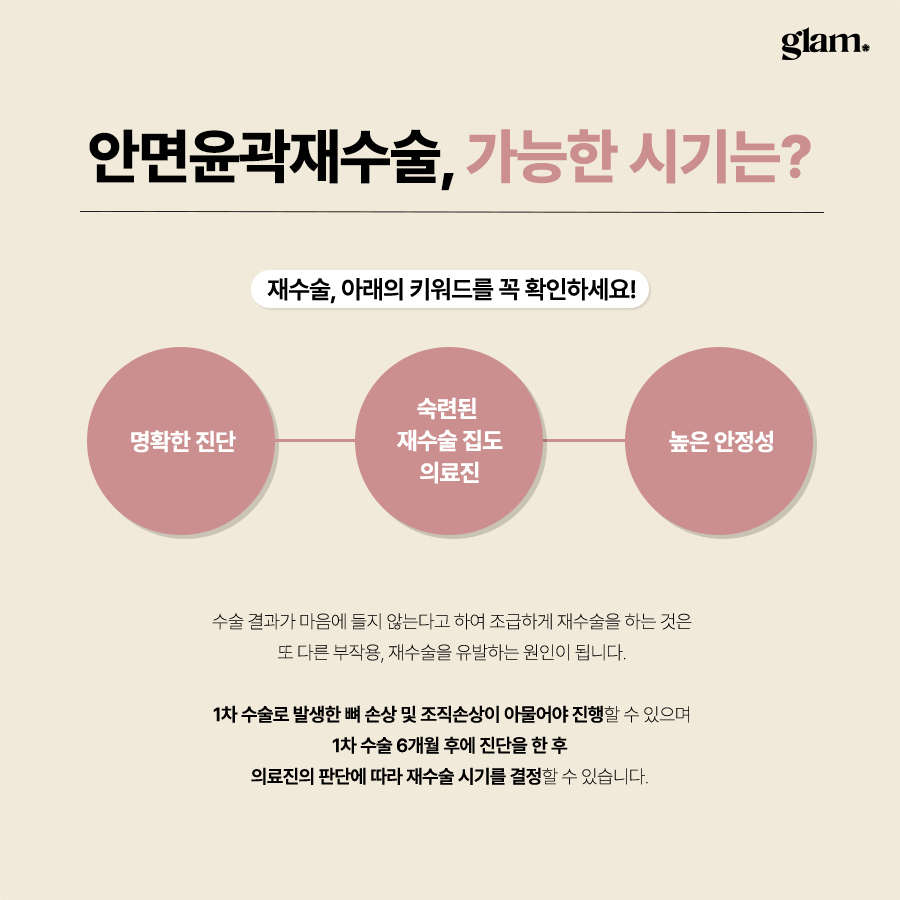
Not every dissatisfied patient is a candidate for revision surgery. In many cases, swelling, muscle adaptation, and soft tissue healing continue for months after the first operation. A revision-focused clinic will first check whether enough time has passed and whether non-surgical options might still help.
Signs that you may consider a consultation for revision include persistent asymmetry after the normal healing period, visible steps, dents, or sharp edges along the jawline or cheekbone that do not soften with time, chronic pain or clicking in the jaw joint, difficulty chewing or feeling that your bite does not fit comfortably, numbness that does not gradually improve, and a face that looks too narrow, sunken, or unintentionally masculine or feminine.
In general, revision is usually considered after at least 6 to 12 months from the first surgery, depending on the extent of bone work and your healing speed. This allows bone remodeling and soft tissue settling so that the surgeon can assess the true final shape and function. For overseas patients, an online consultation can help you understand whether it is still too early or whether a face-to-face evaluation in Seoul is appropriate.
Why choose a facial bone–focused clinic in Gangnam
For revision cases, the choice of clinic is especially important. In the Sinsa Station area of Gangnam, there are centers that limit their practice to jaw surgery and facial contouring only. They do not perform eye, nose, breast, or body procedures, and this narrow focus can be an advantage for complex revision work.
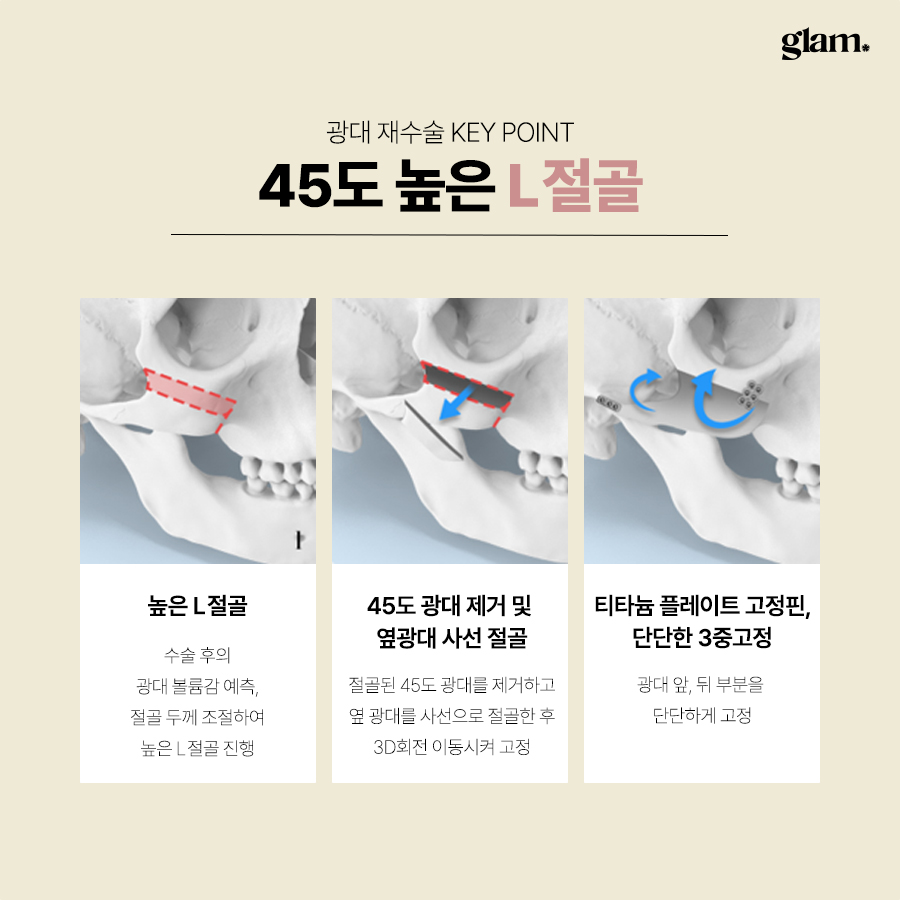
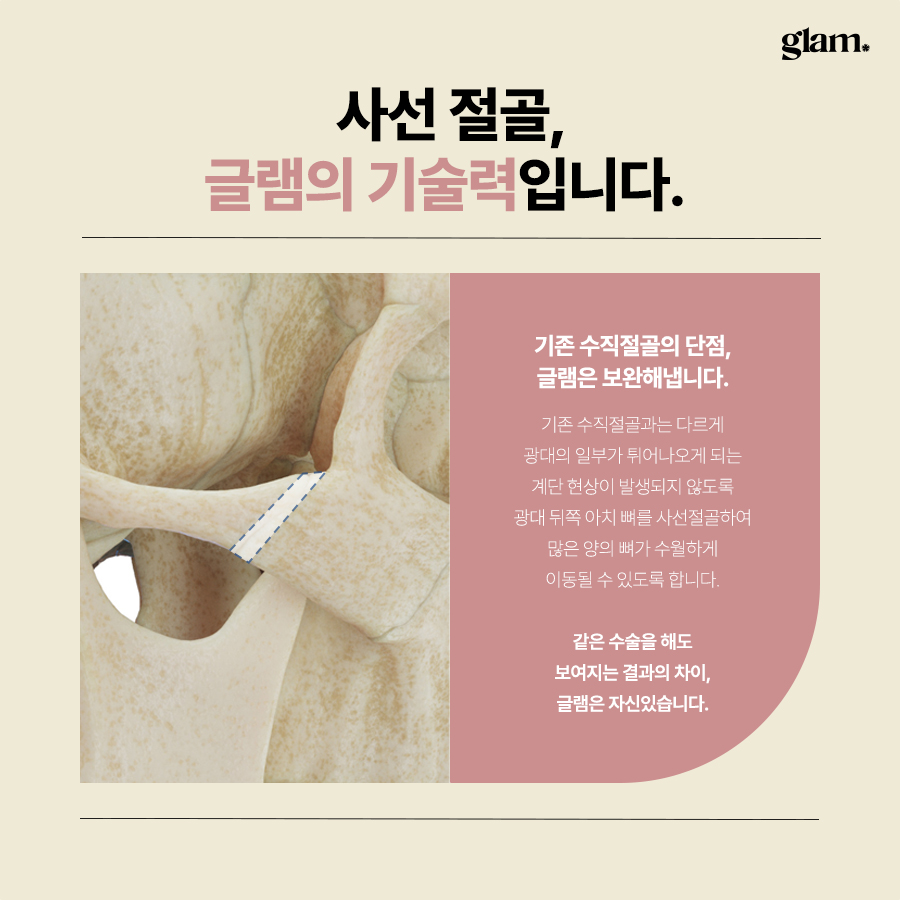
Revision facial contouring requires a deep understanding of facial bone anatomy, the changes created by previous surgery, and how bone, muscle, and soft tissue interact over time. A clinic that concentrates on facial bone surgery builds experience with a wide range of jawline, cheekbone, V-line, and double jaw cases, including unusual or difficult situations.
At such a clinic, the lead surgeon is a board-certified plastic surgeon with around 20 years of experience in facial bone surgery, including double jaw and contouring operations. He has trained at major university hospitals in Korea and has completed additional training in the United States. As of February 2025, he has 13 SCI-level scientific papers as first or corresponding author on jaw and contouring surgery, including 3 in the journal Plastic and Reconstructive Surgery. This academic background supports an evidence-based approach to revision planning.
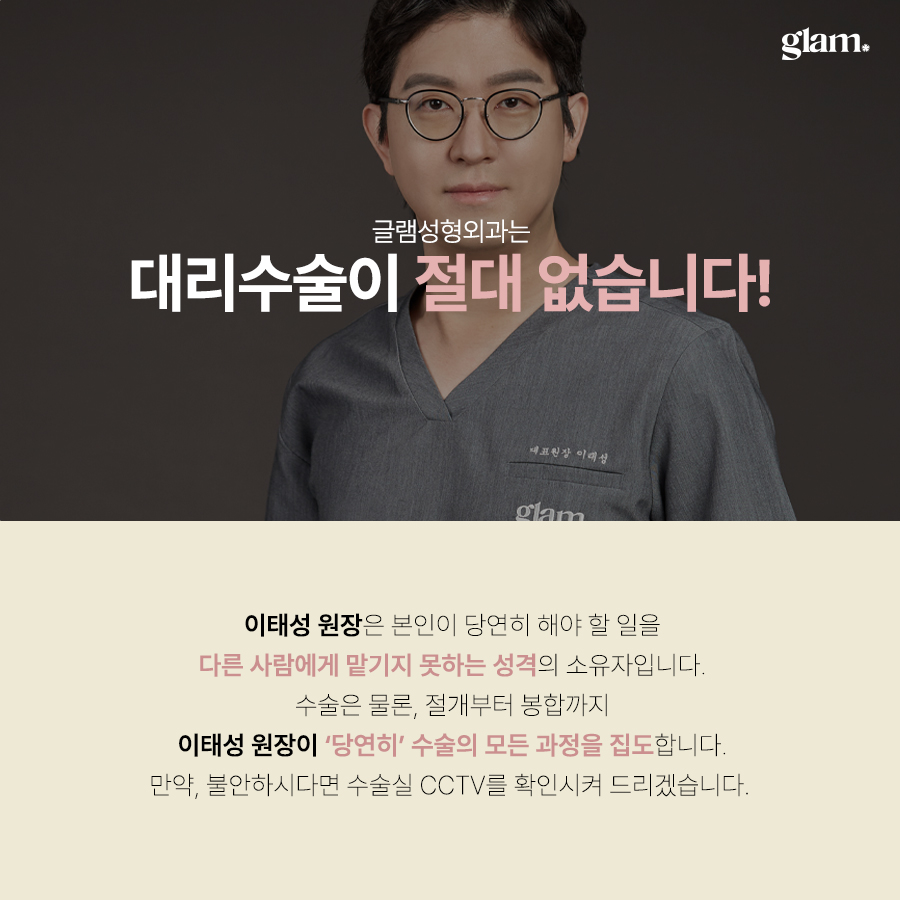
All surgeries are performed directly by the lead surgeon rather than being delegated. For overseas patients, this can provide reassurance that the person you consult with is the one who will operate.
How a revision-focused clinic evaluates your case
Thorough evaluation is the most important step in revision facial contouring. A responsible clinic in Gangnam will not suggest surgery based only on photos or a quick visual impression. Instead, they follow a structured diagnostic process.
First, they take a detailed medical and surgical history. You will be asked what operations were done, when and where they were performed, what methods or approaches were used if you know them, and whether any fixation plates or screws were placed. They will also ask about your recovery course, any complications, and your current symptoms.
Next, a physical examination is performed. The surgeon checks facial symmetry, jaw movement, joint sounds, areas of tenderness, numbness, and soft tissue thickness. Standardized photography from multiple angles is taken to document your current appearance and to help explain the issues and possible changes.
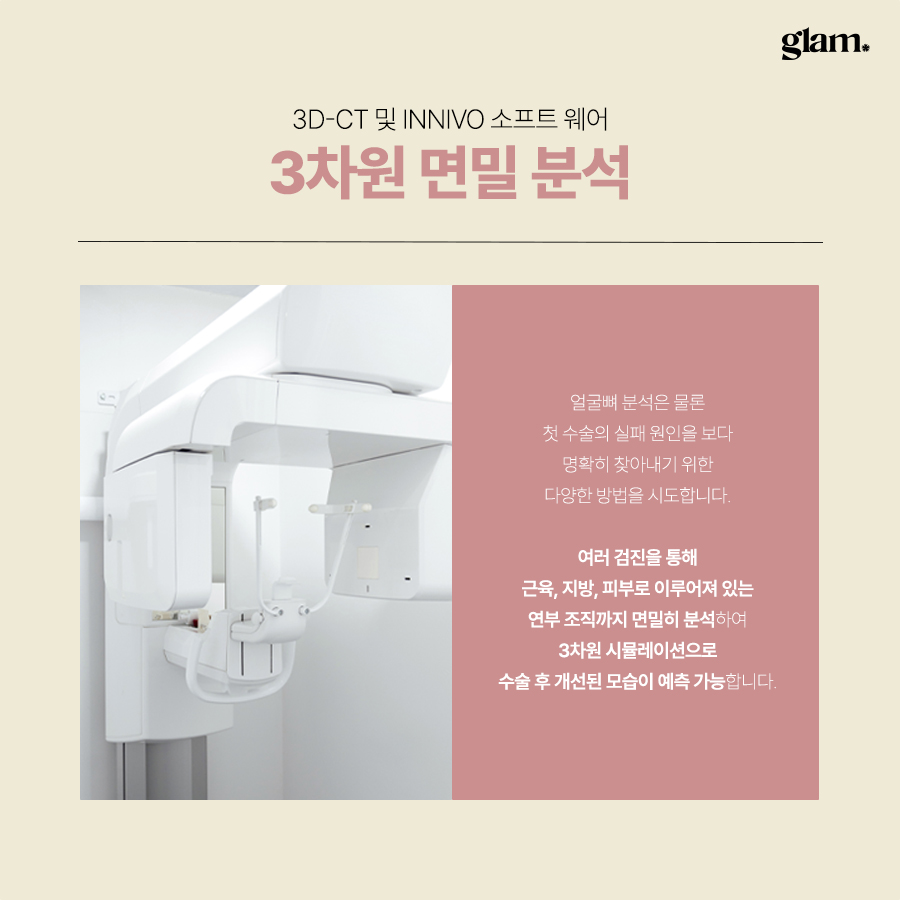
Imaging is essential in revision. Three-dimensional CT scans are typically used to analyze the current bone shape, the amount and location of bone removed, the position of fixation plates or screws, and the course of important nerves such as the inferior alveolar nerve. This allows the surgeon to see details that are not visible from the outside, such as hidden step-offs, thin bone segments, or areas of previous over-resection.
Based on this information, the clinic focuses on proposing only the minimum necessary surgical correction rather than redoing everything. For example, if only one side of the jawline is irregular, the plan may target that region instead of repeating a full bilateral jawline reduction.
Planning a safer, more balanced revision
Revision planning in a facial bone–specialized clinic involves both aesthetic and functional analysis. The surgeon re-evaluates facial proportions, including the width and height of the face, the relationship between the cheekbones and jawline, and the position and shape of the chin. At the same time, they assess occlusion, or how your teeth meet when you bite, and the condition of the jaw joints.
Soft tissue thickness is another key factor. In some patients, the bone has been reduced significantly but the soft tissue is thick, which can limit visible change. In others, both bone and soft tissue may be thin, creating a hollow or aged look. Revision planning takes these differences into account to avoid further imbalance.
Depending on your case, the revision plan may include limited bone reshaping to smooth sharp edges or steps, repositioning of bone segments that were moved too far or not far enough, contour smoothing along the jaw angle or chin, or in some cases combining with double jaw surgery if the bite is significantly misaligned. The clinic aims for conservative, structure-preserving corrections to reduce the risk of additional nerve or joint damage.
In selected cases, the clinic has experience with double jaw surgery protocols that may reduce the need for intermaxillary fixation and, for some patients, may lessen the need for extensive pre- or post-operative orthodontic work. However, this depends entirely on individual indications and is not possible or appropriate for everyone. During consultation, the surgeon explains whether such options are relevant in your situation.
Technical safety considerations in revision facial contouring
Revision facial contouring is usually more technically demanding than first-time surgery. Scar tissue from the previous operation, altered anatomy, and thinner remaining bone all increase the need for careful technique.
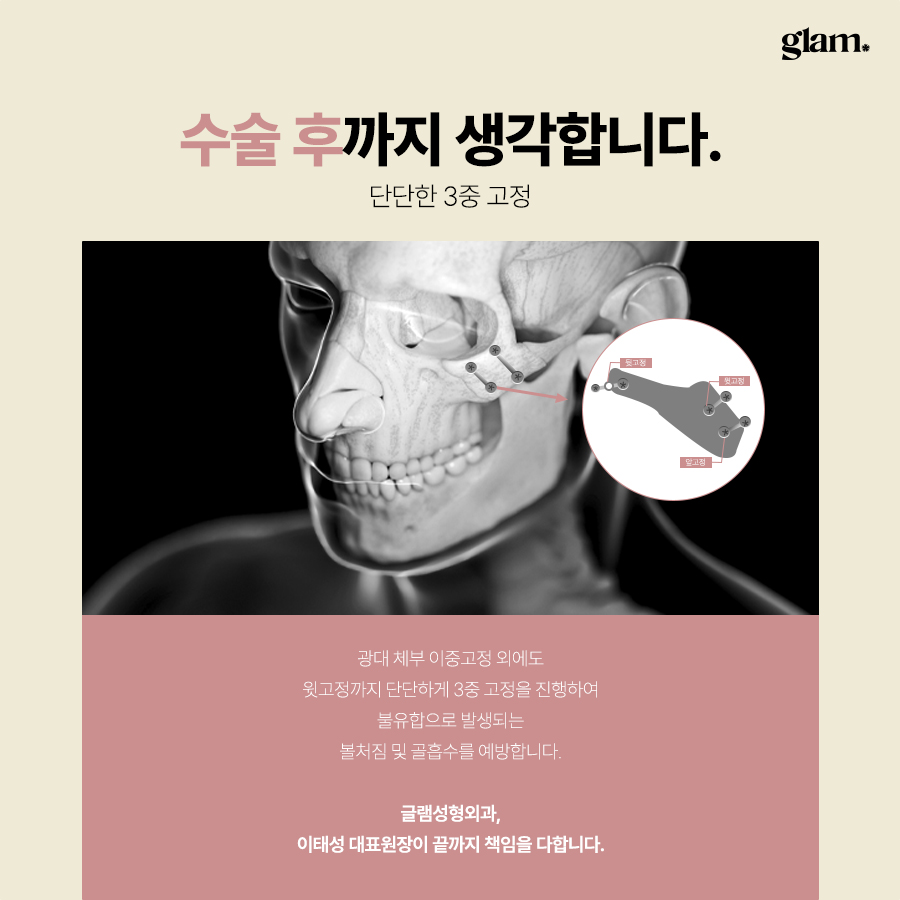
Key safety points include preserving the inferior alveolar nerve that runs through the lower jaw, avoiding excessive additional bone removal that could weaken the jaw or create further irregularities, and managing scar tissue that may make dissection more difficult. The surgeon also focuses on stabilizing the new bone position to support long-term symmetry and function.
Because revision operations can be longer and more complex, anesthesia safety becomes even more important. At the clinic near Sinsa Station, a board-certified specialist in anesthesiology and pain medicine is in charge of anesthesia and pain management. This specialist provides continuous monitoring of vital signs throughout surgery and adjusts anesthesia depth and medications as needed.
Having a full-time anesthesiology specialist is particularly valuable for higher-risk revision bone surgeries, where small changes in blood pressure, breathing, or fluid balance need to be detected and managed promptly. For overseas patients, this is an important point to confirm when comparing clinics.
Postoperative care and recovery support
Recovery after revision facial contouring can be somewhat longer than after a first-time operation because the tissues have already been through one surgery. A structured postoperative care program can help manage swelling, discomfort, and skin condition.
At a facial bone–focused clinic in Gangnam, supportive treatments may include LED therapy to promote circulation and healing, facial dome treatments to help with edema control, total skin reset care to improve skin condition after surgery-related stress, and radiofrequency lifting to support skin tightening and reduce persistent swelling in the later stages of recovery.
These treatments are designed to support healing and comfort. They are not substitutes for proper surgical planning and technique, and they do not change the underlying bone structure. However, they can make the recovery period more manageable and may help the final contours be more visible as swelling resolves.
The clinic also provides guidance on diet progression, oral hygiene, sleeping position, and gradual return to daily activities. For overseas patients, it is important to discuss how long you should stay in Korea after surgery, how many in-person follow-up visits are recommended, and what remote follow-up can be done once you return home.
Realistic expectations and counseling
Honest counseling is essential in revision facial contouring. Because some bone has already been removed and scar tissue has formed, there are natural limits to how much change is possible and how precisely symmetry can be restored.
The clinic’s philosophy is to recommend only the minimum necessary surgery after thorough evaluation. This can be reassuring for patients who are worried about being pushed into aggressive re-operation. The surgeon will explain which of your concerns can likely be improved, which may only partially improve, and which may not be changeable with surgery.
The goal in revision is improvement, not perfection. For example, a very narrow lower face from previous over-resection may be difficult to fully reverse, but certain contour irregularities or functional problems such as bite discomfort may be addressed. Understanding these limits in advance helps reduce disappointment and supports a more stable emotional recovery.
Patients are encouraged to prepare previous medical records and imaging if available. Operative reports, pre- and post-operative X-rays, and CT scans from the first surgery can provide valuable information about what was done and how the bone was handled. If you do not have these, the clinic can still work with current imaging, but any additional information helps.
Online consultation and pre-visit preparation for overseas patients
For international patients considering revision facial contouring in Seoul, an online consultation is usually the first step. Clinics near Sinsa Station that focus on facial bone surgery often provide multilingual support in English, Japanese, and Thai, which can make communication easier.
Before your online consultation, it is helpful to prepare the following: clear photos of your face from the front, both sides, three-quarter views, and from below the chin; a summary of your previous surgery dates, clinic or hospital names, and what procedures were performed; any existing imaging such as CT or X-ray files or reports; and a list of your current symptoms and concerns, including both aesthetic and functional issues.
During the online consultation, the surgeon or coordinator will review your history, look at your photos, and explain whether revision seems potentially helpful and what additional evaluation would be needed in Seoul. They may suggest an approximate length of stay and outline possible options, but the final plan can only be confirmed after in-person examination and 3D imaging.
Expected Korea visit timeline for revision facial contouring
The exact schedule varies by case, but many overseas patients follow a similar timeline when coming to Gangnam for revision facial contouring.
On day 1, you usually have an in-person consultation, physical examination, photography, and 3D CT imaging. The surgeon reviews the images with you, confirms the issues, and finalizes the surgical plan. You will also meet with the anesthesiologist to review your general health and any medications you take.
Surgery is often scheduled for day 2 or 3, allowing time for additional questions and pre-operative tests if needed. The operation itself is performed under general anesthesia with continuous monitoring by the anesthesiologist. After surgery, you will stay in the recovery area until you are stable and then return to your accommodation with instructions.
The first few days after surgery are focused on rest, swelling control, and basic wound care. You will have at least one or two follow-up visits during your stay in Korea to check healing, remove any external stitches if present, and start supportive treatments such as LED therapy or facial dome care.
Many patients stay in Korea for about 10 to 14 days after surgery, depending on the complexity of the case and their general condition. The clinic operates without a lunch break on weekdays and Saturdays, which can make scheduling follow-ups more flexible for both overseas visitors and working professionals.
After you return home, remote follow-up can be done through photos, video calls, and reports about your symptoms. You will be advised to seek local medical attention if any urgent issues arise, but most routine checks can be coordinated with the clinic in Seoul.
How to choose a revision facial contouring clinic in Gangnam
When comparing clinics around Sinsa Station or elsewhere in Gangnam, it is useful to go beyond photos and price. For revision facial contouring, you may want to check whether the clinic focuses primarily on jaw and facial bone surgery rather than offering a very wide range of unrelated procedures, whether the lead surgeon has long-term experience specifically in facial bone surgery and double jaw operations, whether surgeries are performed directly by the lead surgeon, and whether there is a dedicated board-certified anesthesiologist present throughout surgery.
You can also ask whether 3D CT imaging and detailed occlusion analysis are standard before revision, how the clinic approaches conservative versus aggressive re-operation, and what kind of postoperative care program is available for swelling and skin recovery.
Before your consultation, it can help to write down questions such as: what are the main problems you see in my current bone and soft tissue structure, what changes are realistically possible and what are the limits in my case, what are the main risks of the proposed revision, how long should I stay in Korea after surgery, and how will follow-up be managed once I return home.
Frequently asked questions
Is revision facial contouring more risky than first-time surgery
Revision facial contouring is generally more complex than first-time surgery because of scar tissue, altered anatomy, and thinner remaining bone. This can increase certain risks, which is why careful planning and a conservative approach are important. A facial bone–specialized clinic with an experienced surgeon and dedicated anesthesiologist focuses on minimizing these risks through detailed imaging, nerve preservation, and stable fixation.
How long should I wait after my first contouring surgery before considering revision
In most cases, you should wait at least 6 to 12 months after your first facial contouring surgery before seriously considering revision. During this time, swelling continues to decrease and soft tissues adapt to the new bone shape, which can change your appearance significantly. An earlier online consultation can still be helpful to discuss your concerns and plan the right timing for any in-person evaluation.
Can revision facial contouring fix both appearance and bite problems
In some patients, revision can address both aesthetic issues and functional problems such as bite discomfort or jaw joint strain. This may involve limited contouring, repositioning of bone segments, or in selected cases combining with double jaw surgery. However, not all bite problems can be fully corrected with surgery alone, and the possibilities depend on your specific anatomy and previous procedures. A thorough evaluation with 3D imaging and occlusion analysis is needed to determine what is realistic.

How long do I need to stay in Seoul for revision facial contouring
The recommended stay in Seoul varies by case, but many overseas patients are advised to plan for about 10 to 14 days after surgery. This allows time for early healing, several follow-up visits, and the start of postoperative care such as LED therapy or facial dome treatments. During consultation, the clinic will suggest a more precise schedule based on your health, the complexity of the planned revision, and your travel constraints.
Soft call to action for online consultation
If you are considering revision facial contouring after a previous jawline, cheekbone, or V-line surgery and are looking at clinics around Sinsa Station in Gangnam, an online consultation can be a practical first step. By sharing your history, photos, and any available imaging, you can receive initial guidance on whether revision may help, what kind of evaluation is needed, and how to plan a visit to Korea.
Multilingual support in English, Japanese, and Thai is available, and the clinic’s schedule without a lunch break on weekdays and Saturdays makes it easier to fit consultations and follow-ups into a short stay. Preparing your questions in advance and being open about your concerns will help you make a calmer, more informed decision about your next step.




- 공유 링크 만들기
- X
- 이메일
- 기타 앱


댓글
댓글 쓰기