Facial Contouring Revision Surgery Clinic in Seoul: How to Choose Safely in Gangnam
- 공유 링크 만들기
- X
- 이메일
- 기타 앱
A concise guide for patients considering facial contouring revision in Seoul
Instead of a general cosmetic clinic, some overseas patients seek a facial bone–specialized center in Gangnam that focuses on facial contouring and double jaw surgery and emphasizes a conservative, safety-first approach. For example, GLAM Plastic Surgery in Gangnam specializes in facial bone procedures and provides multilingual pages and channels for international patients.
In the Sinsa Station area on Dosan-daero, there are clinics dedicated only to facial bone surgery that regularly handle revision cases. These centers usually combine detailed imaging, careful functional assessment, and step‑by‑step planning to aim for safer, more natural results.
This guide explains what revision facial contouring involves, who may consider it, how a specialized clinic in Gangnam typically evaluates and plans cases, what kind of timeline to expect for a trip to Korea, and what questions to ask before you decide.
What facial contouring revision surgery involves
Revision facial contouring surgery means correcting problems after previous facial bone reshaping procedures. It may involve areas such as the cheekbones, jaw angle, or V-line region, and sometimes connects with double jaw surgery if the bite or jaw position is affected.
Unlike first-time surgery, revision has to work with already changed bone, fixation plates or screws, and scar tissue. The goal is usually not to chase an extreme cosmetic change but to restore balance, improve function, and soften an unnatural or “operated” look as much as the existing structure allows.
At a facial bone–focused clinic, revision may include one or a combination of the following.
Cheekbone revision
After cheekbone reduction, some people feel their face looks too flat from the front, too wide from the side, or asymmetrical. Others can feel a step or ridge where the bone was cut, or see hollowing around the cheek area.
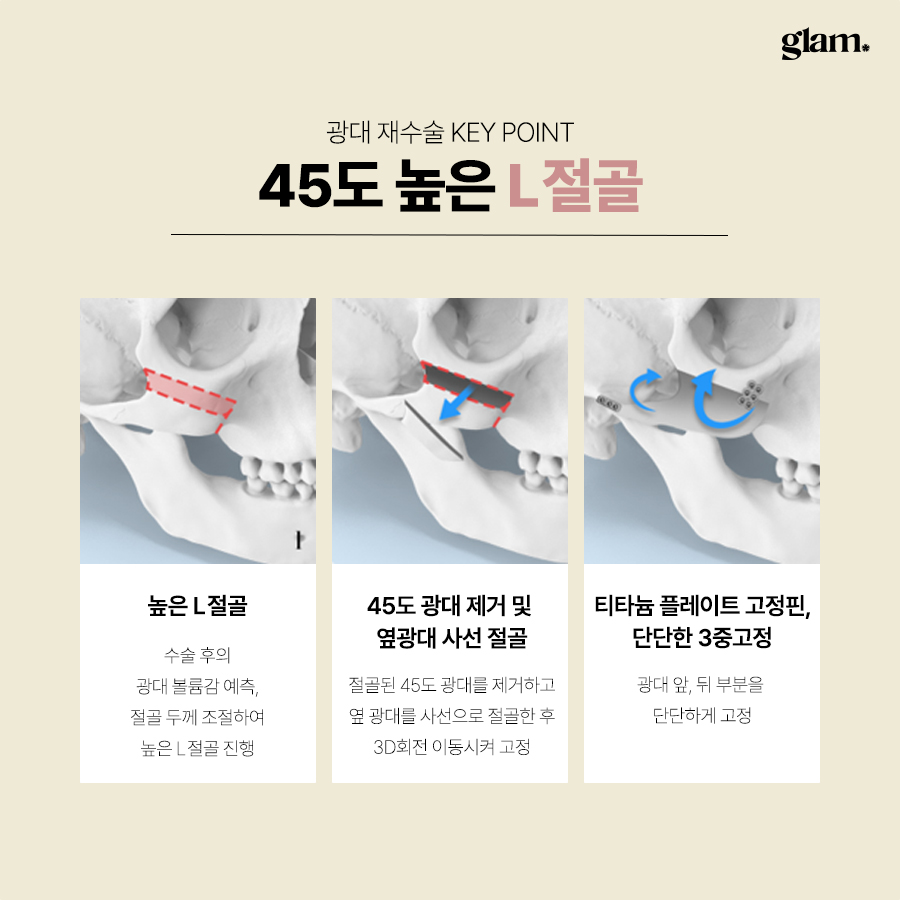
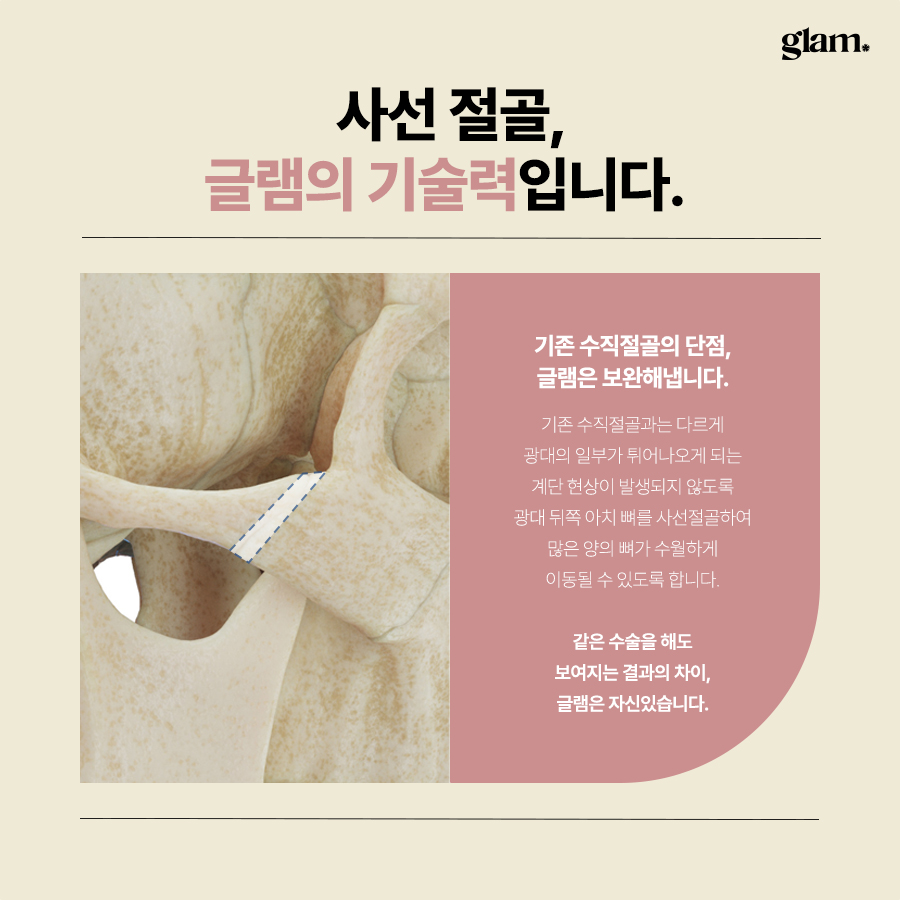
Revision cheekbone surgery can involve repositioning segments, smoothing irregular edges, or sometimes adding support where too much bone was removed. Because the zygomatic bone is close to important nerves and the eye area, conservative planning and precise imaging are essential.
Jaw angle and V-line revision
After jaw angle reduction or V-line contouring, common concerns include uneven jawlines, over-reduced angles that make the face look weak or aged, or lingering square areas that still feel too wide. Some patients also report discomfort when chewing or a feeling of tightness.
Revision in this region may focus on correcting asymmetry, smoothing sharp steps, or carefully adjusting remaining bone. In cases of over-resection, the surgeon may consider contouring that reshapes transitions rather than further aggressive removal.
Connection with double jaw surgery
In some patients, problems after contouring are linked to the bite or jaw joint. If the lower jaw position is not harmonious with the upper jaw, or if the bite has changed in an unstable way, double jaw surgery may be discussed.
At certain specialized clinics, the surgeon may perform double jaw surgery with techniques such as minimizing or omitting intermaxillary fixation in selected cases, or skipping pre- or post-operative orthodontic treatment when the bone structure allows. These are not universal options, but possibilities that depend on detailed analysis.
Common reasons people seek revision
Patients who visit a facial contouring revision surgery clinic in Gangnam often describe similar issues.
Asymmetry and uneven lines
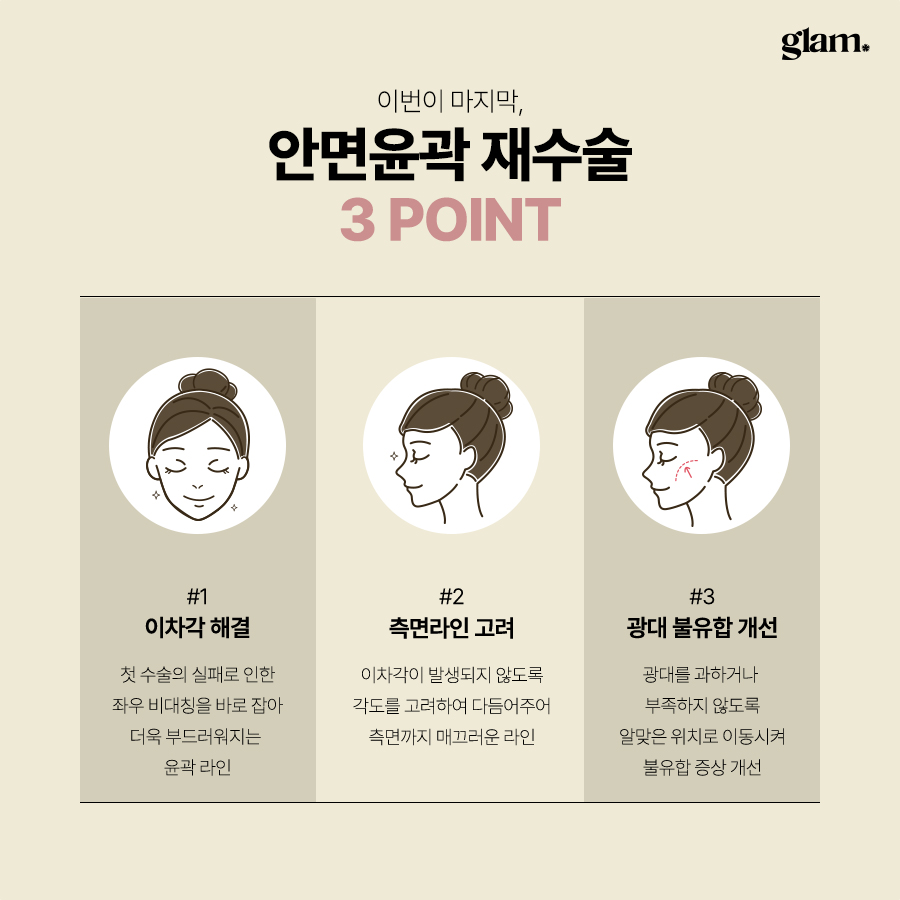
One side of the face may look noticeably different from the other after cheekbone or jaw surgery. The jawline may show a visible step, or the cheekbones may project differently.
Over-resection or under-resection
Some people feel that too much bone was removed, making the face look sunken, older, or too narrow. Others feel that there was not enough reduction, so the face still appears wide or heavy from certain angles.
Functional discomfort
Problems such as discomfort when chewing, bite changes, or jaw joint strain can appear after contouring. These functional issues are important, because they influence long-term joint health and daily comfort, not only appearance.
Irregular bone and palpable edges
Patients sometimes feel sharp edges, ridges, or gaps under the skin where the bone was cut and fixed. These irregularities can be visible in certain lighting or when touching the area.
Psychological distress and unnatural appearance
Even without severe functional problems, some people feel that their face no longer looks like themselves. An overly narrow lower face, hollow cheeks, or a very operated look can cause ongoing stress and reduced confidence.
Who may consider revision facial contouring
Not everyone who is unhappy after surgery needs or benefits from revision. A specialized clinic will usually help you decide whether revision is appropriate.
Patients with clear functional problems
If you have bite issues, pain when chewing, jaw joint sounds or strain, or severe asymmetry that affects daily life, a consultation at a facial bone–focused clinic is usually recommended.
Patients with correctable bone problems
If imaging shows clear bone irregularities, asymmetrical cuts, or fixation issues that match your visible concerns, revision may be considered. If the problem is mainly soft tissue, such as skin laxity or minor swelling, non-surgical options or simple observation may be safer.
Patients who have allowed enough healing time
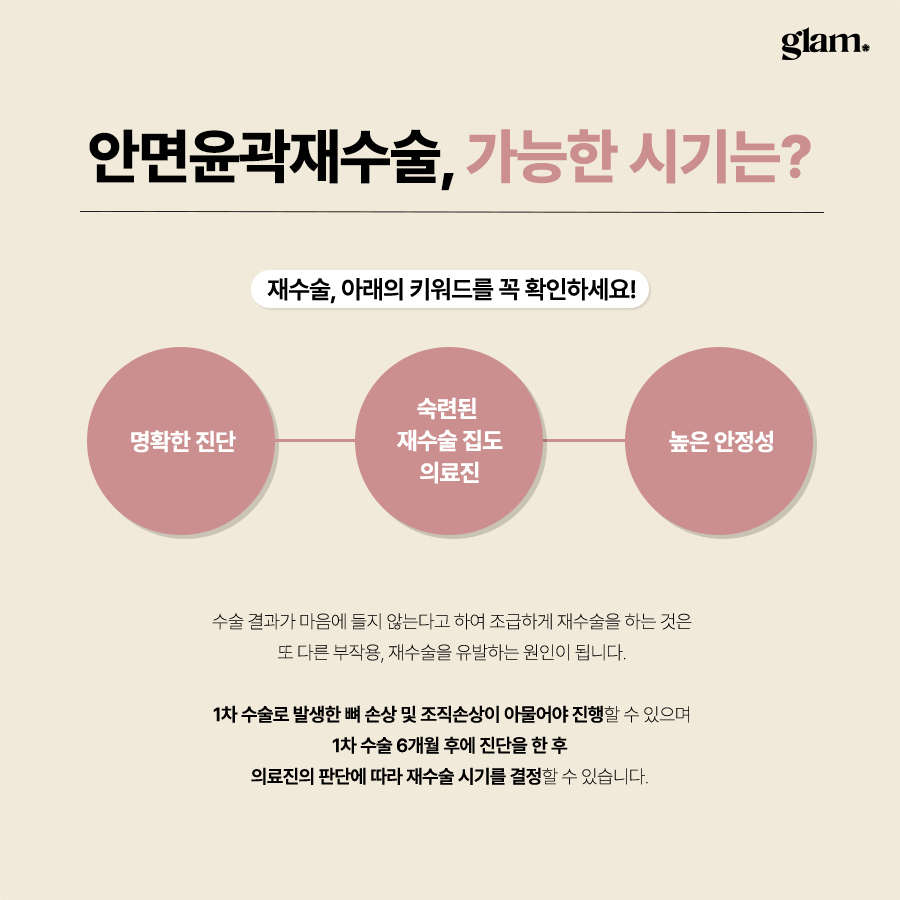
Most clinics suggest waiting at least 6 to 12 months after the first surgery before considering revision, unless there is a serious complication. This allows swelling to settle and bone to heal, so the surgeon can accurately judge the final shape.
If you are unsure whether it is too early, you can still have an online consultation. The surgeon can review your photos and imaging and advise on the appropriate timing.
How a specialized clinic in Gangnam evaluates revision cases
A clinic in the Sinsa Station area that focuses only on facial bone surgery and revision will usually follow a structured evaluation process.
Detailed consultation about your first surgery
The surgeon will ask when and where your previous surgery was done, what procedures were performed, and how your recovery went. If you have an operation record or previous CT images, these are very helpful.
You will also be asked to explain what bothers you most: appearance from the front or side, chewing discomfort, numbness, or a feeling of imbalance. Clear communication at this stage helps the surgeon focus on what matters most to you.
Physical examination and symmetry check
The doctor will examine your facial symmetry, jaw movement, bite, and soft tissue condition. They may palpate the bone edges to feel for irregularities or steps and check areas of numbness or sensitivity.
Imaging and structural analysis
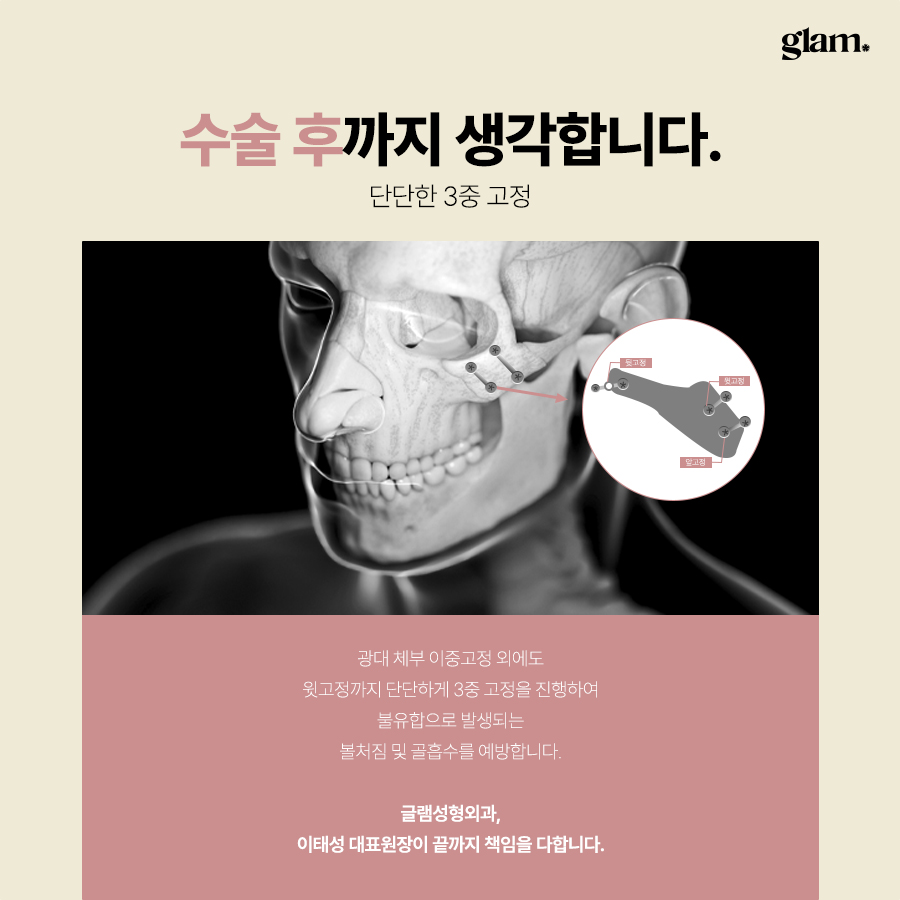
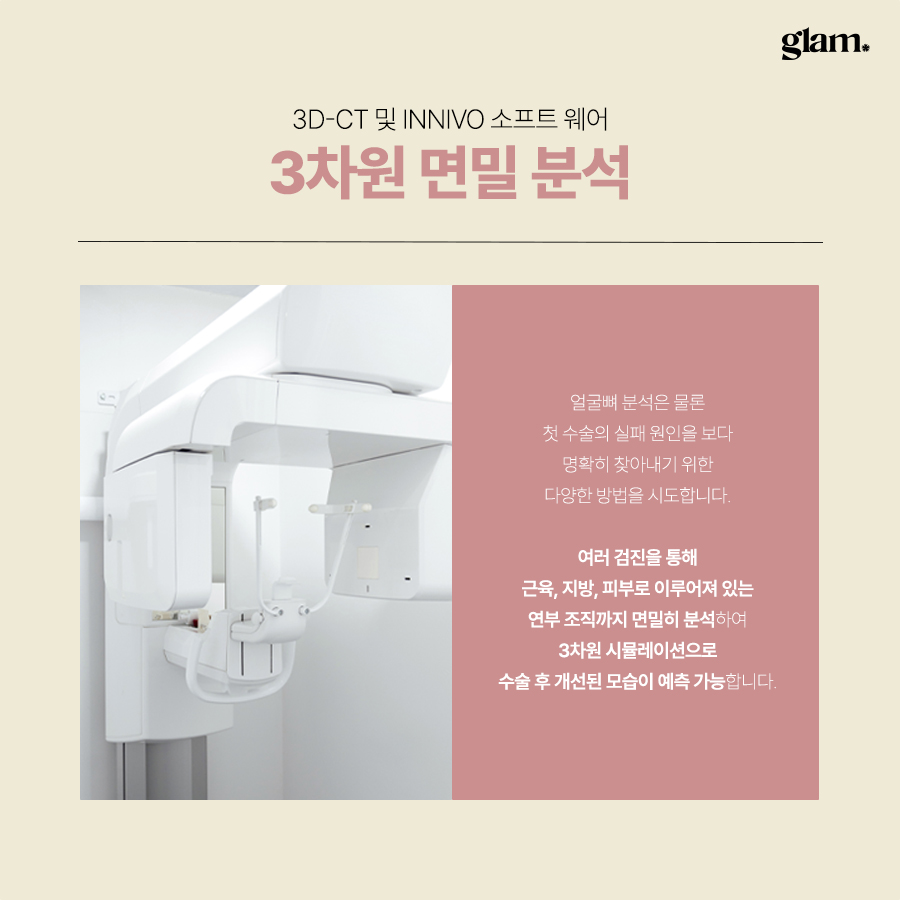
For revision cases, facial bone CT and X-rays are usually essential. These images show the current bone shape, the position of fixation plates and screws, and the paths of important nerves.
At a specialized facial bone clinic, the surgeon often uses these images to plan cuts and fixation in detail, aiming to avoid nerve damage and respect the joint and airway.
Risk–benefit assessment and conservative planning
Because revision carries higher risks than first-time surgery, a conservative approach is important. The surgeon will discuss whether your goals are realistic based on existing bone loss, scar tissue, and skin elasticity.
Sometimes the safest choice is minimal correction, such as smoothing an irregular edge, rather than a large structural change. In other cases, more extensive revision or even double jaw surgery may be appropriate. A careful clinic will explain both possibilities and limitations clearly.
Role of the surgeon and anesthesiologist
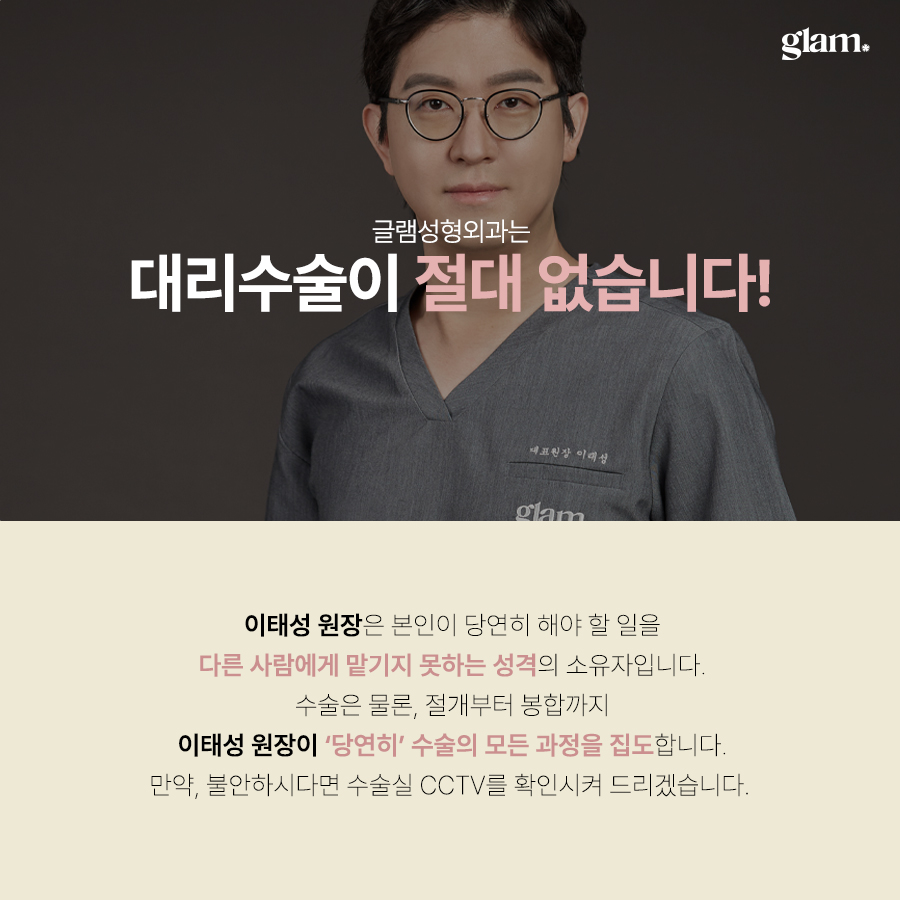
At some facial bone–dedicated clinics near Sinsa Station, the system is built around one plastic surgeon and one full-time anesthesiologist.
Experienced facial bone surgeon
The medical director may have a background that includes training at major university hospitals, years of experience in facial contouring and double jaw surgery, and academic work in this field. For example, one clinic reports that its director has over 20 years of facial bone experience and has authored 13 SCI-level papers on facial bone surgery as first or corresponding author as of February 2025, including publications in the journal Plastic and Reconstructive Surgery.
This type of academic record is sometimes presented to show that the surgeon’s methods are based on evidence and long-term follow-up, rather than short-term trends.
Revision facial contouring often takes longer than primary surgery because of scar tissue and existing hardware. Having a full-time anesthesiologist continuously present in the operating room allows for focused monitoring of your breathing, circulation, and pain control throughout the procedure.
For overseas patients, this can be reassuring, especially when you are far from home and undergoing a complex operation.
Surgical philosophy and technique
At a conservative, bone-specialized clinic, the surgical philosophy typically includes the following points.
Only the minimum necessary surgery
Rather than suggesting multiple procedures at once, the surgeon aims to propose the least invasive plan that can reasonably address your main problems. This may mean focusing on one area at a time or avoiding additional bone removal when it is not clearly beneficial.
Attention to function as well as appearance
In addition to facial balance, the clinic will consider your bite, joint comfort, airway, and in double jaw cases, the shape of the nose. Some surgeons use specific suturing methods to reduce the risk of nasal widening after double jaw surgery.
Possibility of tailored double jaw options
In selected patients, double jaw surgery may be planned without intermaxillary fixation or without long orthodontic treatment, based on structural analysis. These options are evaluated individually, not promised to everyone.
Online consultation and pre-visit preparation
For international patients, the first step is usually an online consultation.
What to prepare for an online consultation
Prepare clear front, 45-degree, and side-view photos of your face, both relaxed and smiling if possible. If you have CT scans or X-rays from your previous surgery, ask the clinic how to upload or email the files.
Make a simple list of your main concerns in order of priority: for example, “cheek asymmetry,” “jawline steps,” or “chewing discomfort on the left side.” This helps the surgeon understand your expectations quickly.
Information the clinic may request
The clinic may ask for your age, general health conditions, medications, smoking status, and any history of allergies or previous operations. They may also ask when your last surgery was and whether you still feel numbness or pain.
Questions you should ask the clinic
Before deciding to travel, it is helpful to ask.
How many facial contouring revision cases do you handle per year
Will the same surgeon who consults with me perform my surgery
What imaging and analysis will you use to plan my revision
What are the specific risks in my case, considering my previous surgery
What is the realistic range of improvement and what limitations should I expect
Expected Korea visit timeline for revision surgery
Every case is different, but a typical schedule for overseas patients visiting a clinic near Sinsa Station might look like this.
First 1 to 2 days
In-person consultation, physical examination, and imaging such as CT and X-rays. The surgeon confirms the plan discussed online and may adjust details based on the new information.
Surgery day
You arrive at the clinic, meet the surgeon and anesthesiologist again, and review consent forms. The operation time depends on the complexity of your revision and whether multiple areas are involved.
First week after surgery
You usually stay in Seoul for close monitoring, dressing changes, and early postoperative care. Some clinics provide swelling management programs such as LED therapy, facial dome care, and gentle skin reset care.
Second week and beyond
Many international patients stay in Korea for about 10 to 14 days in total, depending on the extent of surgery and their general condition. Before you leave, the clinic will check your healing, remove any necessary stitches, and give you instructions for care at home.
For more complex double jaw or multi-area revisions, a longer stay may be recommended. This should be discussed during the online consultation so you can plan flights and accommodation.
Aftercare and recovery expectations
Recovery after revision is often slower than after first-time surgery, because the tissues have already been through one operation.
Swelling and numbness
Swelling can be more pronounced and may last longer, sometimes several weeks to a few months before it looks natural. Numbness around the lips, cheeks, or jaw can also persist and gradually improve over time.
Postoperative care programs
Some facial bone–specialized clinics offer structured recovery programs, including LED therapy to support healing, facial dome care to help manage swelling, multi-step skin reset care, and radiofrequency lifting at later stages to improve skin condition.
These treatments are usually spaced out over your stay and may continue if you are able to visit Korea again later, but they are not mandatory for everyone.
Long-term stabilization
Bone and soft tissue continue to settle for several months. The final contour after revision may not be clear until 6 to 12 months postoperatively. During this period, regular online follow-up with the clinic is helpful.
Checklist for choosing a facial contouring revision clinic in Seoul
When comparing clinics in Gangnam, especially around Sinsa Station, consider the following points.
Specialization in facial bone surgery
Does the clinic focus only on facial bone surgery and related procedures, or does it offer a wide range of unrelated treatments Are revision cases a regular part of their practice
Surgeon’s experience and academic background
What is the surgeon’s training history and experience in facial contouring and double jaw surgery Does the clinic share objective information such as peer-reviewed publications, with clear dates and numbers
One-surgeon system and anesthesiologist support
Will your surgery be performed by the same surgeon who plans it Is there a full-time anesthesiologist present throughout the operation
Imaging and planning process
Does the clinic use detailed CT and X-ray analysis for revision planning Do they explain the plan with reference to your actual images
Communication and realistic expectations
Do you feel that the clinic listens to your concerns and explains both possibilities and limitations clearly Do they avoid promising guaranteed results or extreme transformations
Language support and location
For overseas patients, language support is important. Some clinics provide separate English, Japanese, and Thai information pages and communicate through channels such as Instagram, YouTube, and messaging apps. A location near Sinsa Station Exit 1 on Dosan-daero is convenient for transportation and accommodation.
Frequently asked questions
Is revision facial contouring more risky than first-time surgery
Revision surgery usually carries higher risks because of scar tissue, changed anatomy, and existing plates or screws. This is why careful planning, detailed imaging, and a conservative approach are important. Choosing a clinic that focuses on facial bone surgery and has experience with revision cases can help manage these risks, but it does not remove them completely.

How long should I wait after my first surgery before considering revision
In many cases, clinics recommend waiting at least 6 to 12 months after your initial facial contouring before planning revision. This allows swelling to settle and bone to heal, so the surgeon can see the true final result. In urgent situations with serious functional problems, earlier evaluation may be needed, but the exact timing should be discussed with a specialist.
Will I need double jaw surgery for my revision
Not everyone with problems after contouring needs double jaw surgery. It is usually considered when there are significant bite issues, jaw position problems, or joint discomfort that cannot be solved by local contouring alone. A detailed examination and imaging study are required to decide. In some cases, contouring revision alone is enough; in others, combining it with double jaw surgery may provide a more stable and functional outcome.
How can I start if I live overseas and cannot visit Seoul soon
You can begin with an online consultation. Prepare recent photos and any imaging you have, then contact the clinic through their website or social channels. The surgeon can give a preliminary opinion, suggest whether revision seems appropriate, and outline a possible treatment and travel plan. Final decisions and detailed planning will still require in-person examination and updated imaging once you arrive in Seoul.
Soft call to action
If you are considering facial contouring revision surgery in Seoul and want a careful, structure-based opinion, you can start by arranging an online consultation with a facial bone–specialized clinic near Sinsa Station in Gangnam. Share your previous records, photos, and concerns, and ask the questions listed in this guide. Taking time to choose the right clinic and plan will help you move forward more confidently with your next steps.




- 공유 링크 만들기
- X
- 이메일
- 기타 앱


댓글
댓글 쓰기