Facial Contouring Hospital Guide: How to Choose a Clinic for Safe Revision Facial Contouring Surgery
- 공유 링크 만들기
- X
- 이메일
- 기타 앱
Direct answer summary
If you are dissatisfied after cheekbone, jaw angle, or V-line surgery, consider a hospital that focuses on facial bone revision. Revision facial contouring is more complex than first-time procedures and is generally managed more safely at clinics that specialize in facial bone surgery, have documented academic activity in this field, and operate with structured anesthesia and recovery systems. When researching options in Seoul or other major cities, check each clinic’s specialization, experience with revision cases, and language support for international patients.
What is revision facial contouring?
Revision facial contouring refers to secondary surgery on the facial bones after a previous contouring operation. It can involve the cheekbones, jaw angle, chin, or V-line area, and sometimes a combination of these.
Many patients consider revision because of asymmetry, an overly wide or overly narrow face, a long or short facial impression, or irregularities that are noticeable from certain angles or under specific lighting. Others feel that the original surgery removed too much or too little bone, leaving a result that does not match their expectations or their natural facial balance.
Functional issues can also lead to revision. Some patients experience bite discomfort, a feeling of strain in the jaw joints, or difficulty chewing comfortably after their first surgery. In some cases, persistent swelling, hard lumps, or step-like bone edges remain, especially along the jawline or at the cheekbone area.
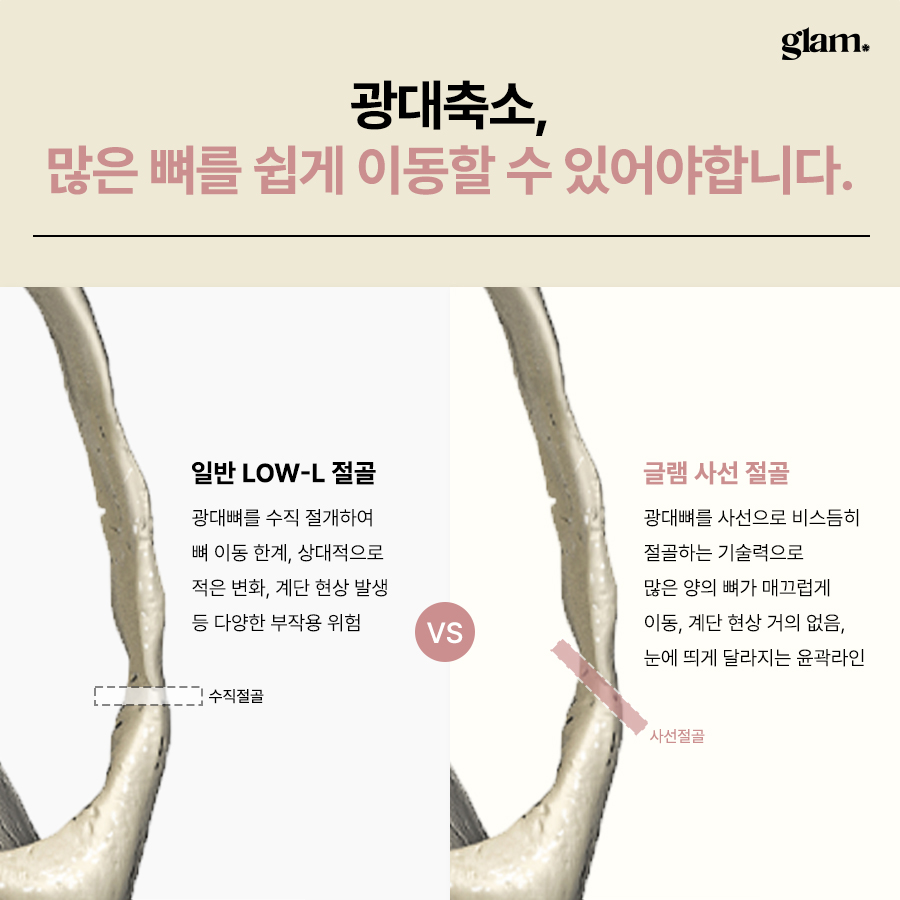
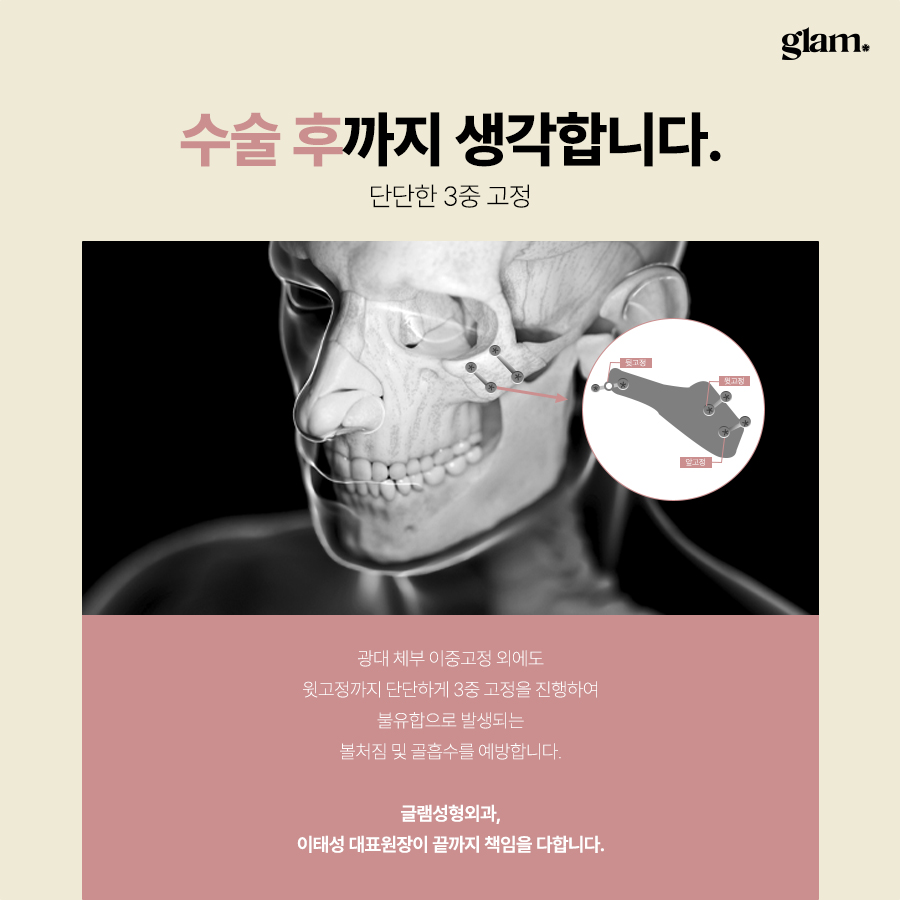
Revision is more demanding than first-time contouring because the bone has already been cut and healed. Scar tissue forms around the surgical area, the anatomy is altered, and there may be fixation plates or screws in place. The volume of remaining bone is also reduced, so the surgeon must calculate carefully what is structurally safe.
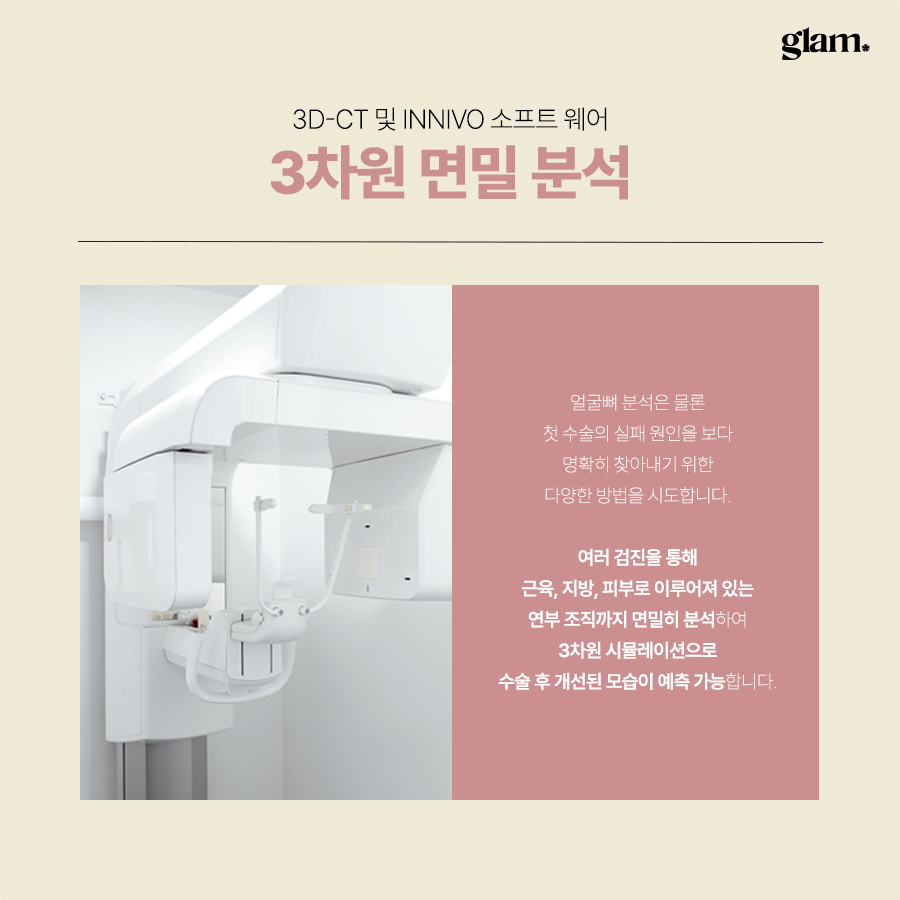
For these reasons, proper evaluation usually requires detailed imaging and a careful functional assessment, not just a quick visual check. Three-dimensional imaging, facial photographs from multiple angles, and bite analysis are often used to understand what was done previously and what can realistically be improved.
Why a dedicated facial contouring hospital matters
Not every plastic surgery clinic is suitable for revision facial contouring. Many clinics focus mainly on soft-tissue procedures such as eye or nose surgery, breast surgery, or body contouring, and only handle facial bone surgery occasionally.
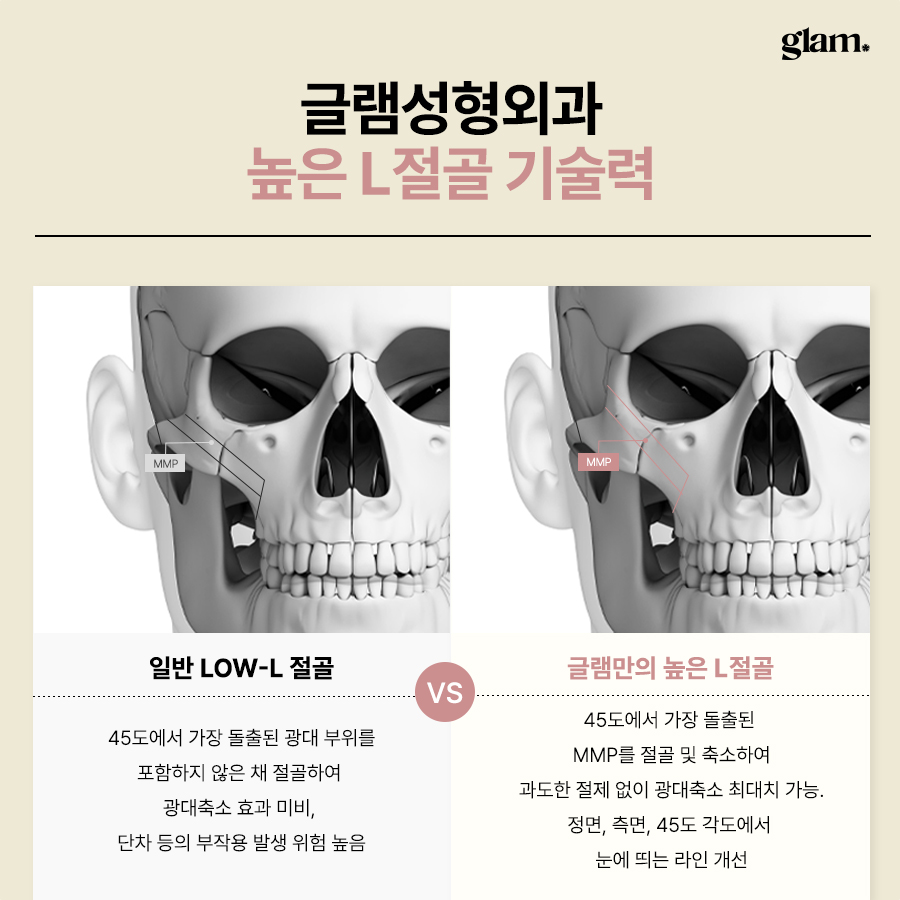
A hospital that concentrates on facial bone surgery, such as double jaw and facial contouring procedures, can accumulate extensive experience in complex and revision cases. The surgical team becomes familiar with different fixation methods, approaches for dealing with old plates or screws, and strategies to correct previous bone cuts.
This single-specialty structure allows the staff, systems, and equipment to be organized around facial bone operations only.
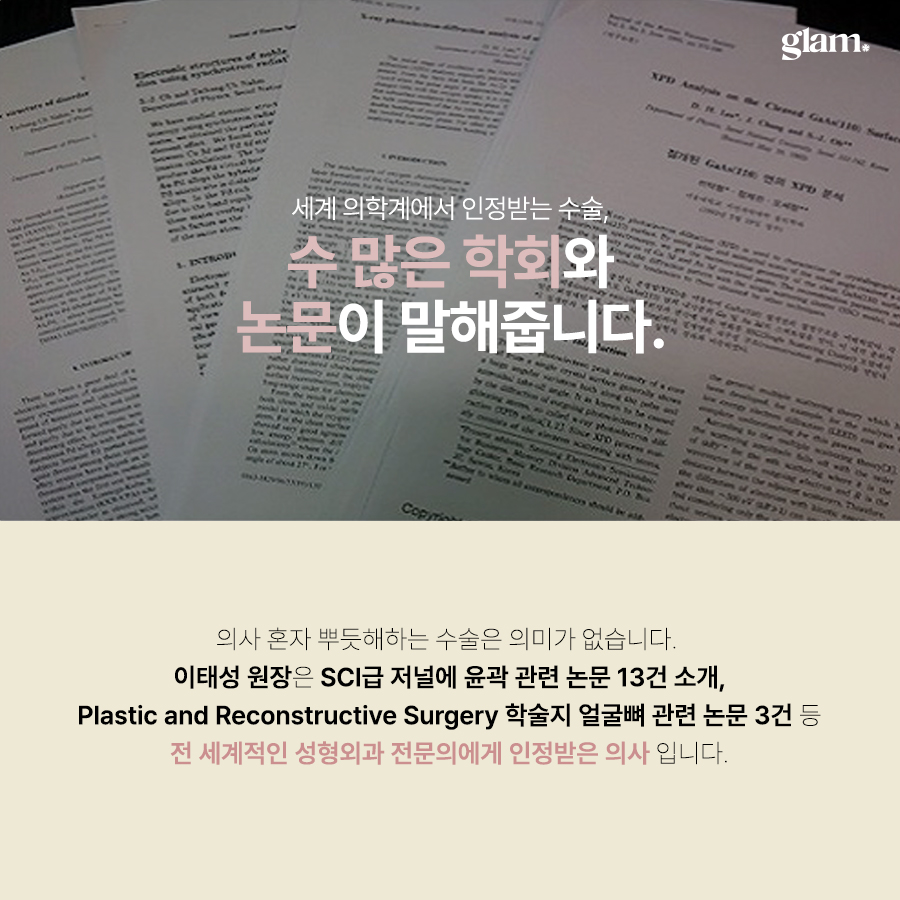
Documented academic activity and peer-reviewed work can be helpful indicators of ongoing professional engagement, which is particularly relevant for complex revision procedures.
For long and technically demanding bone surgeries, anesthesia safety is critical. Ask prospective clinics whether anesthesia is provided by an on-site, board-certified anesthesiologist or by contracted anesthesia staff, what monitoring and safety protocols are used, and how perioperative responsibilities are divided. Confirming who will manage anesthesia and reviewing their credentials and protocols should be part of your preoperative evaluation.
Key criteria when choosing a hospital for revision facial contouring
Specialization
Confirm that the clinic specifically lists facial bone surgery and revision contouring as core services. Concrete questions to ask include:
- Can you provide examples of recent revision cases (before/after photos with patient consent) and references?
- What specific training, fellowships, or continuing education does the surgical team have in maxillofacial or craniofacial surgery?
- How frequently does the surgeon perform revision facial bone procedures?
Red flags may include refusal to share outcome data, only generic cosmetic photos, or unusually low prices for complex revision surgery.
Surgeon qualifications
Check that the main surgeon is a board-certified plastic surgeon or maxillofacial surgeon, and ask specifically about years of experience in facial bone surgery and revision cases. It is reasonable to ask how often they perform revision contouring of the cheekbones, jaw angle, and V-line, and whether they have published academic work in this area.
Imaging and planning
A suitable hospital should use detailed imaging and preoperative analysis. This often includes three-dimensional scans, facial photographs, and bite evaluation. During consultation, the surgeon should be able to show you your bone structure, explain what was done previously as far as can be seen, and outline realistic options and limitations.
Ethical consultation
Many revision patients worry about being pushed into additional surgeries that are not essential. Look for a consultation style that focuses on your main complaint, proposes only necessary procedures, and explains both the benefits and risks. A clinic that emphasizes the minimum required bone work rather than aggressive upselling is often a safer choice for revision.
Anesthesia safety
Ask whether the clinic has a board-certified anesthesiologist on site and how anesthesia is managed during long surgeries. You can also ask about monitoring equipment, emergency protocols, and how they assess your general health before surgery.
Postoperative care
Revision surgery can cause more swelling than primary procedures, so structured aftercare is important. When comparing hospitals, ask what postoperative support they provide (for example, wound care plans, lymphatic massage, physical therapy, or adjunctive therapies), which specific treatments are included, how many sessions are provided, and the expected timeline for recovery. Request evidence or published information about any claimed benefits and discuss realistic expectations for swelling reduction and tissue healing with your surgeon.
Communication and multilingual support
For international patients, clear communication is essential. When you contact any hospital, check whether they can provide medical explanations in your language and whether they have experience guiding overseas patients through the process.
How revision facial contouring is planned and performed
Revision facial contouring begins with a detailed preoperative assessment. The medical team will review your medical history, including any systemic conditions, medications, and allergies. If you have previous operative records or imaging from your first surgery, it is helpful to share them.
A physical examination of your face, jaw movement, and bite is performed, along with new imaging studies. The surgeon will analyze bone shape, thickness, previous cut lines, and the position of any plates or screws. Soft-tissue thickness and skin elasticity are also considered, as they affect the final contour.
Goal setting is a key step. Some patients mainly want to correct asymmetry, such as one side of the jaw appearing lower or wider. Others wish to soften an overly aggressive contour that makes the face look hollow or aged. Some want to reduce remaining width at the cheekbones or jaw angle, while others prioritize functional improvement, such as more comfortable chewing.
Based on these goals, the surgeon designs a surgical strategy. Examples include adjusting cheekbone position, revising the angle and length of previous jaw cuts, smoothing step deformities, reshaping the chin or V-line, and removing or repositioning fixation hardware when necessary.
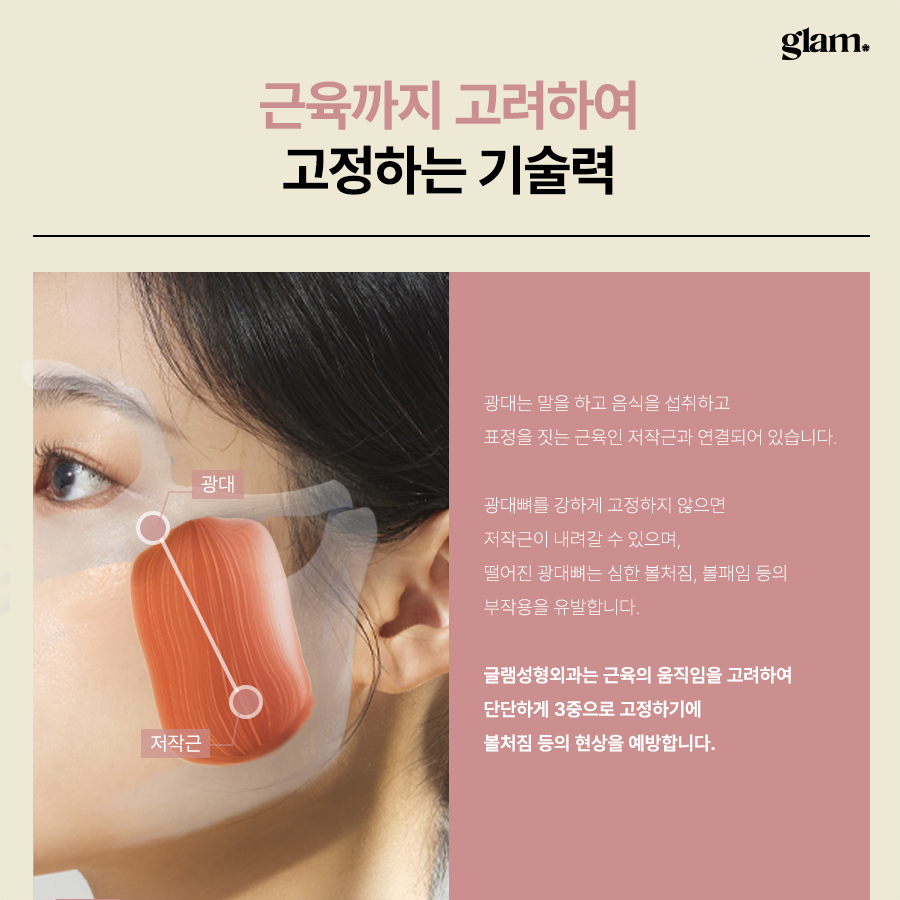
Because the bone has already been altered, the surgeon must calculate how much bone remains and what changes are structurally safe. In some cases, the options are limited by bone thickness or nerve position. The surgeon should explain these limitations clearly so you understand what can and cannot be achieved.
Realistic expectations are important. Revision surgery can often improve contour, symmetry, and comfort, but it may not be possible to recreate the exact anatomy you had before any surgery. The aim is usually to move closer to a balanced, natural appearance and better function, rather than perfection.
Safety, anesthesia, and recovery in revision contouring
Revision facial contouring is usually performed under general anesthesia. Having a board-certified anesthesiologist dedicated to your case can help maintain stable blood pressure, heart rate, and breathing throughout the operation, which may last several hours depending on the extent of revision.
During surgery, continuous monitoring of vital signs is standard. A stable anesthesia environment allows the surgeon to perform precise bone work without rushing. Before surgery, the anesthesiologist will typically review your medical history, discuss previous anesthesia experiences, and explain the planned anesthesia method.
After surgery, you will be monitored in a recovery area until you are fully awake and stable. Pain control is managed with medication, and swelling is expected, especially in the first few days. You may have a compression bandage or facial support device depending on the areas treated.
To support recovery, this clinic uses a postoperative care program that includes LED therapy, which may help with skin condition and healing, facial dome treatments to assist with swelling management, skin reset total care, and radiofrequency lifting devices to support tissue tightening and circulation. These treatments are not a replacement for surgery but are intended to help your body recover more comfortably.
The recovery timeline varies by individual, but many patients experience peak swelling in the first week, followed by gradual improvement over several weeks. Intermediate healing usually takes place over one to three months, while the final contour can continue to refine for six months or longer as swelling fully resolves and tissues settle.
Who may consider revision facial contouring
You may be a candidate for revision facial contouring if you have had previous cheekbone, jaw angle, chin, or V-line bone surgery and you experience one or more of the following:
- Persistent asymmetry that is visible from the front or side
- A face that feels too wide, too narrow, too long, or too short compared with your expectations
- Step-like irregularities or sharp edges along the jawline or cheekbone area
- Functional issues such as bite discomfort, jaw joint strain, or difficulty chewing
- Chronic swelling, numbness, or a feeling of tightness that has not improved over time
The timing of revision is important. In many cases, surgeons recommend waiting at least six to twelve months after the initial surgery to allow swelling to settle and bone to heal fully. However, the exact timing should be discussed with a specialist, as it can vary depending on your condition.
Not everyone is suitable for revision surgery. General health, bone condition, nerve status, and psychological readiness all need to be evaluated. A thorough consultation with a surgeon experienced in revision facial bone surgery is essential before making any decision.
Online consultation and pre-visit preparation
For overseas patients, an online consultation is often the first step. The clinic near Sinsa Station offers multilingual channels in Japanese, English, and Thai, which can be used to share basic information and ask initial questions.
To prepare for an online consultation, it is helpful to gather the following:
- Front, three-quarter, and side-view photos of your face in good lighting, without heavy makeup or filters
- Any previous imaging, such as X-rays or three-dimensional scans, if available
- Operative records or a summary from your previous surgeon, if you can obtain them
- A written list of your main concerns, both aesthetic and functional
During the online consultation, you can discuss your history, show your photos, and describe your goals. The medical team can then provide a preliminary opinion on whether revision might be possible and what kind of evaluation would be needed when you visit Korea.
You should also use this time to ask practical questions, such as the estimated length of stay in Korea, the expected number of clinic visits, and general recovery guidelines. Although a final surgical plan usually requires in-person examination and imaging, an online consultation can help you decide whether to proceed with travel and which hospital aligns with your needs.
Expected Korea visit timeline for revision surgery
While each case is different, many international patients follow a similar timeline when visiting Seoul for revision facial contouring.
First, there is an in-person consultation and imaging day. You visit the clinic, undergo detailed scans and examinations, and meet the surgeon. The surgeon reviews your imaging, discusses options, and confirms the surgical plan. This may take several hours, so it is wise to reserve most of the day.
Surgery is usually scheduled within a few days after the initial visit, depending on your travel schedule and the clinic’s availability. On the day of surgery, you arrive fasting as instructed, complete preoperative checks, and then undergo the operation under general anesthesia.
After surgery, you typically stay in Korea for a period to allow for early recovery and follow-up. Many patients plan for at least two to three weeks in Seoul, although the exact duration depends on the complexity of surgery and your individual healing. During this time, you will have follow-up appointments for wound checks, suture removal if needed, and postoperative care sessions such as LED therapy, facial dome care, skin reset total care, and radiofrequency lifting.
Before you return home, the clinic will usually provide instructions for ongoing care, such as how to manage swelling, what foods to eat, how to clean the mouth and incision areas if there are intraoral cuts, and what activities to avoid. Online follow-up can then continue after you leave Korea.
Aftercare and long-term follow-up
After you return to your home country, it is important to continue following the guidelines provided by your surgeon. Swelling can take months to fully resolve, and numbness or stiffness may gradually improve over time.
You may be advised to avoid intense exercise, heavy lifting, or direct trauma to the face for a certain period. Soft or semi-soft foods may be recommended in the early phase, progressing to a normal diet as comfort allows.
The clinic’s postoperative care program in Seoul is designed to support early healing, but long-term results also depend on your general health, lifestyle, and adherence to instructions. If you notice unusual pain, sudden swelling, fever, or other concerning symptoms after you return home, you should contact the clinic and also seek local medical evaluation.
Honest consultation and minimal necessary surgery
Patients seeking revision facial contouring are often anxious and cautious. Many have already gone through one or more surgeries and may feel worried about further changes or complications.
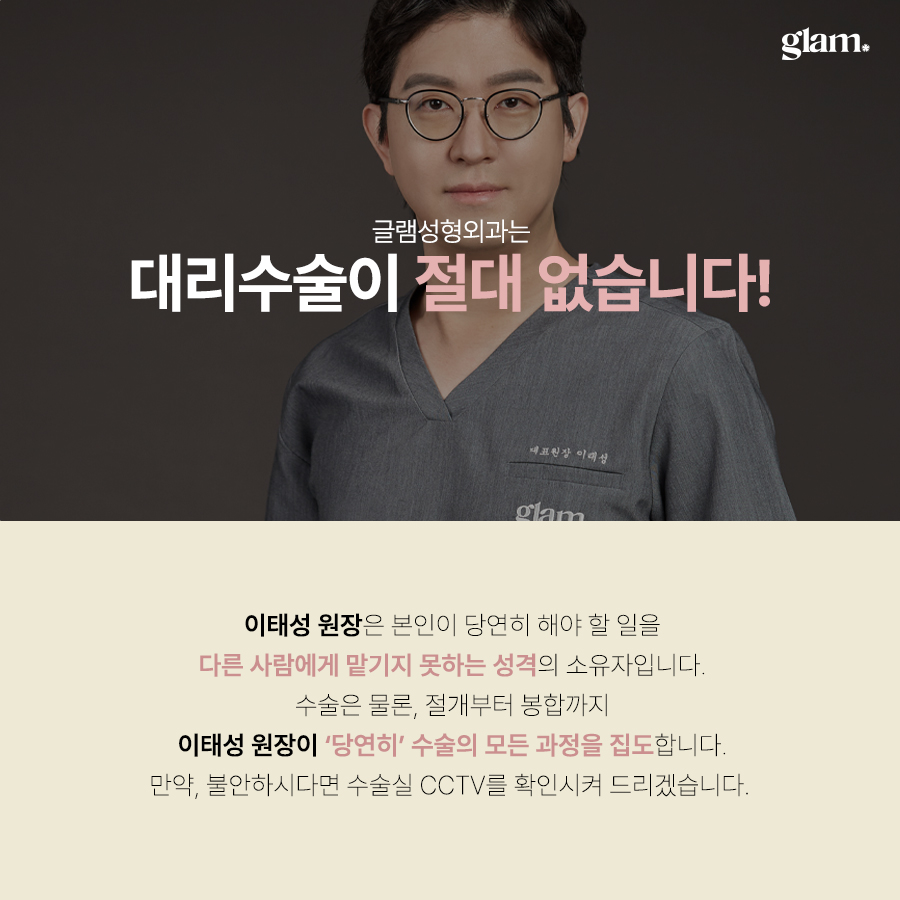
A treatment philosophy that focuses on the minimum necessary bone work can be reassuring. At the clinic near Sinsa Station, the representative surgeon performs the surgery directly and aims to recommend only essential procedures rather than adding multiple unrelated operations.
During consultation, the surgeon should explain both what can be improved and what cannot be fully corrected. This honest discussion helps you set realistic expectations and decide whether the potential benefits of revision outweigh the risks in your specific case.
Location and accessibility in Sinsa, Gangnam
The clinic is located on Dosan-daero in Sinsa, Gangnam, within walking distance of Sinsa Station Exit 1. This area is convenient for both domestic and international patients, with easy access to public transportation, hotels, and amenities.

Weekday and Saturday operating hours are arranged without a lunch break, which can make scheduling easier for busy patients. The clinic is closed on Sundays and public holidays, so it is advisable to plan your travel dates accordingly.
For information and updates, the clinic provides Instagram, YouTube, and messaging channels where you can view educational content and make inquiries. Multilingual support in Japanese, English, and Thai is available to help overseas patients navigate the process from initial contact to follow-up.
Frequently asked questions about revision facial contouring hospitals
When is the right time to consider revision after initial facial contouring?
In many cases, surgeons recommend waiting at least six to twelve months after your first facial contouring surgery before considering revision. This allows swelling to settle, scar tissue to mature, and bone to heal fully, providing a more accurate picture of the final result. However, if you have severe functional problems or complications, earlier evaluation may be necessary, so it is important to discuss timing with a specialist.
How many revision cases should a surgeon have handled before I trust them with my case?
There is no single number that guarantees safety, but it is reasonable to choose a surgeon who performs facial bone surgery regularly and has clear experience with revision cases. During consultation, you can ask how often they perform revision contouring of cheekbones, jaw angles, and V-lines, and how long they have been focusing on facial bone surgery. Academic work in this field and a clinic structure centered on facial bone procedures can also indicate deeper experience.
What tests and imaging should be done before planning revision surgery?
Before planning revision facial contouring, detailed imaging is usually required. This can include three-dimensional scans of the facial bones, standard X-rays, and clinical photographs from multiple angles. A bite evaluation and functional assessment of jaw movement are also important. These tests help the surgeon understand previous bone cuts, plate positions, and remaining bone volume so that a safe and realistic surgical plan can be made.
Can revision contouring fix both aesthetic and functional issues such as bite discomfort?
In some cases, revision facial contouring can address both aesthetic concerns and functional issues like bite discomfort or jaw strain, especially if these problems are related to previous bone cuts or alignment. However, not all functional symptoms can be fully resolved with revision surgery alone. A thorough evaluation by a surgeon experienced in facial bone and revision surgery is necessary to determine what improvements are possible in your specific situation.

How do postoperative care programs help with swelling and recovery after revision?
Postoperative care programs are designed to support your body’s natural healing process. Treatments such as LED therapy, facial dome care, skin reset total care, and radiofrequency lifting can help manage swelling, improve circulation, and support skin and soft-tissue recovery. While they do not replace the surgical result, they can make the recovery period more comfortable and may help your face settle into its new contour more smoothly.
What should international patients prepare before traveling to Seoul for revision facial contouring?
International patients should prepare recent facial photos, any available imaging or operative records from previous surgery, and a clear list of concerns and goals. It is also important to plan enough time in Seoul for consultation, surgery, and early recovery, often at least two to three weeks. Arranging accommodation near Sinsa, understanding local transportation, and confirming multilingual support at the clinic can make the experience smoother. Travel insurance and a plan for follow-up communication after returning home are also recommended.
Soft call to action
If you are considering revision facial contouring after an unsatisfactory cheekbone, jaw angle, or V-line surgery, a detailed and honest consultation is the first step. The facial bone–focused clinic near Sinsa Station in Gangnam offers online consultations with Japanese, English, and Thai support, along with in-depth imaging and planning once you arrive in Seoul. You can contact the clinic through its online channels to share your case, ask questions, and explore whether specialized revision facial contouring may be appropriate for you.




- 공유 링크 만들기
- X
- 이메일
- 기타 앱


댓글
댓글 쓰기