Facial Bone Surgery Revision in Gangnam: A Practical Guide for Second-Time Patients
- 공유 링크 만들기
- X
- 이메일
- 기타 앱
Direct answer summary
If you are searching for facial bone surgery but already had jawline, cheekbone, V-line, or double jaw surgery in the past, the treatment you are really looking for is usually revision facial contouring surgery. This is a specialized form of facial bone surgery that aims to correct asymmetry, irregularities, or dissatisfaction after previous operations, with careful attention to safety, function, and long-term stability.
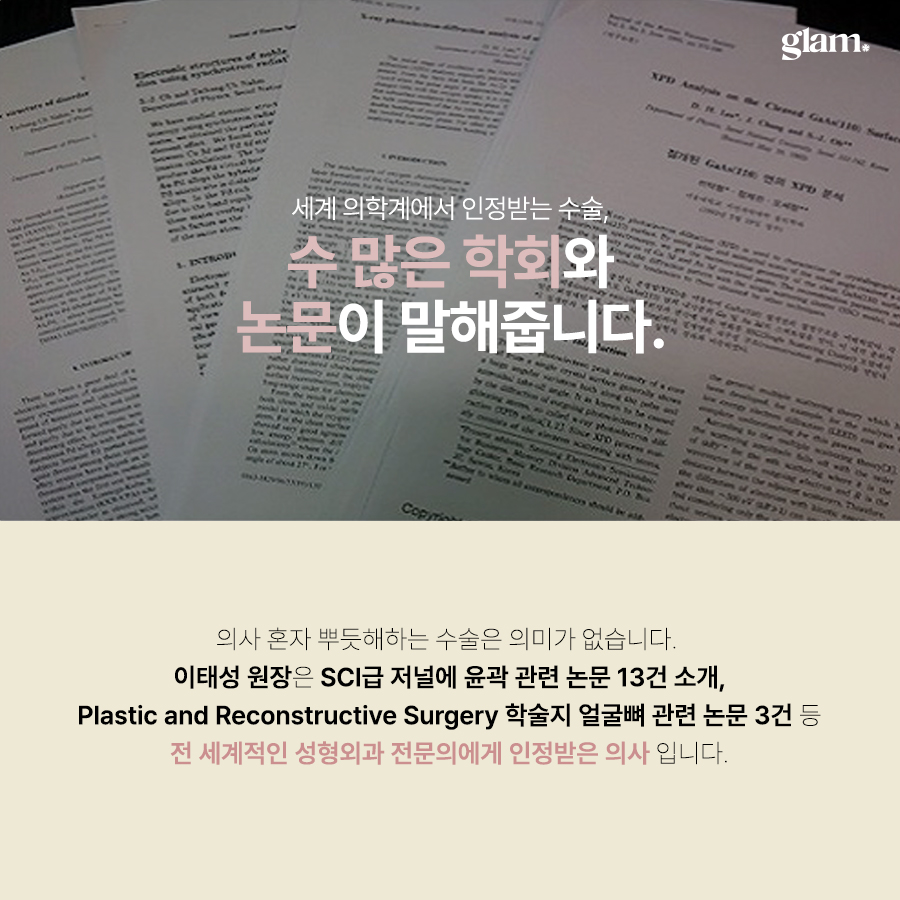
In the Sinsa Station area of Gangnam, there is a plastic surgery clinic on Dosan-daero that focuses exclusively on facial bone surgery: double jaw surgery, primary facial contouring, and revision of these procedures. As of February 2025, the lead surgeon has about 20 years of experience in facial bone surgery and has authored 13 SCI-level papers on contouring and double jaw surgery, including 3 in Plastic and Reconstructive Surgery. Surgery is performed directly by this surgeon, with anesthesia and monitoring managed by an anesthesiology and pain medicine specialist. The clinic’s philosophy is to recommend only the minimum necessary revision, which is especially important for patients who have already undergone one or more facial bone operations. Multilingual support in English, Japanese, and Thai is available for international patients.
Below is a practical guide to help overseas patients understand what revision facial contouring involves, who may be a candidate, how to prepare from abroad, and what to expect during a visit to Korea.
What is revision facial contouring surgery?
Revision facial contouring surgery is secondary (or later) facial bone surgery performed after a previous operation to improve the shape, balance, or function of the face. It is usually considered after procedures such as jaw angle reduction or square jaw surgery, V-line or chin reduction or advancement, cheekbone reduction, or double jaw surgery when the main concern is facial shape rather than bite.
Unlike first-time facial bone surgery, revision is more complex. The anatomy has already been changed, bone has been removed or repositioned, and there may be scar tissue and altered blood supply. Nerves may have been stretched or partially damaged during the first operation. All of this makes planning and execution more demanding and increases the importance of precise imaging, conservative decision-making, and experienced surgical hands.
In revision facial contouring, the goal is not only to change the appearance but also to protect or restore function as much as possible. This might involve smoothing irregular bone edges, correcting asymmetry, supporting sagging soft tissues, or, in some cases, rebuilding areas where too much bone was removed.
Who may consider revision facial bone surgery?
Not everyone who is unhappy after facial bone surgery needs revision, and not everyone is a safe candidate. A careful evaluation is essential. However, there are some common reasons why people seek revision facial contouring.
One frequent reason is asymmetry. After jawline or cheekbone surgery, one side of the face may appear longer, wider, or more sunken than the other. This can be visible in photos or when looking in the mirror, and patients may feel that their face looks uneven from different angles.
Another common issue is over-resection, when too much bone has been removed. This can make the face look excessively narrow, hollow, or aged, especially in the lower cheeks or midface. Some people feel they have lost their original character or that their face no longer matches their age.
The opposite problem is under-correction. In these cases, the jawline or cheekbones still look wide or masculine compared to the patient’s goals, even after surgery. The person may feel that they went through a difficult recovery but did not see enough improvement.
Functional problems can also lead to revision consultations. These may include chewing discomfort, jaw joint pain, or changes in bite. When bite alignment is the main concern, double jaw surgery or orthodontic treatment may be more appropriate than contouring alone. However, if the bite is acceptable and the main dissatisfaction is with facial shape, revision facial contouring may be considered.
Other reasons include irregular bone edges or step-offs that can be seen or felt with the fingers, and sagging soft tissue after bone reduction, such as jowls or droopy cheeks. Psychological dissatisfaction is also important: some patients feel that their face no longer matches their identity or expectations, even if others say they look fine.
In all of these situations, revision is not automatically the answer. The potential benefits must be weighed against the risks, the condition of the remaining bone, and the possibility that some changes from the first surgery cannot be fully reversed.
How a specialized clinic evaluates revision cases
For revision facial bone surgery, a structured evaluation process helps reduce risk and set realistic expectations.
The first step is a detailed consultation. The surgeon will ask about your previous operations, including where and when they were done and what techniques were used, if known. Any previous records, X-rays, or CT scans you can provide are very helpful. You will also be asked to describe exactly what you dislike about your current facial shape and what feels uncomfortable or unnatural.
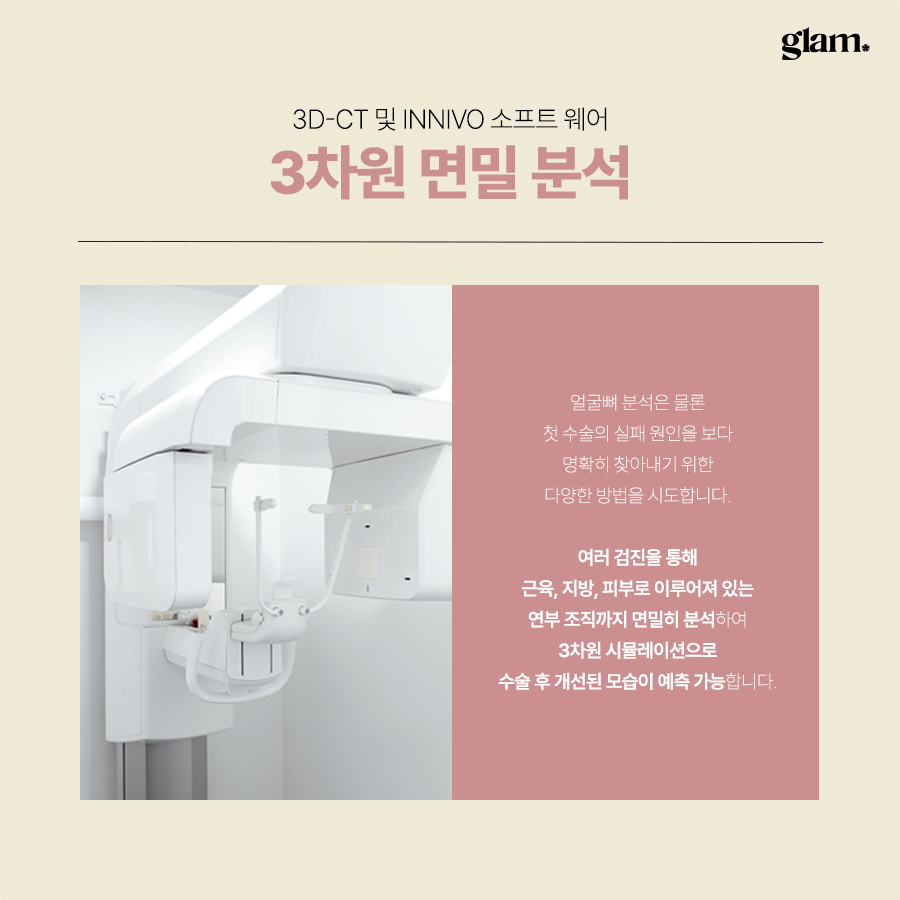
Imaging and analysis are critical in revision cases. A 3D CT scan or similar imaging is typically used to understand the current bone shape, how much bone has been removed, the position of important nerves, and the quality of the remaining bone. The surgeon will also analyze your facial proportions from the front and side, looking at balance between the upper, middle, and lower face.
Functional assessment is another key step. This includes checking jaw movement, bite, and any jaw joint symptoms such as clicking or pain. Sensation around the lips, chin, and cheeks is tested to see if there is existing numbness or altered feeling.
Finally, there is a risk–benefit discussion. The surgeon should explain what revision can realistically improve and what cannot be fully corrected. For example, if too much bone has been removed, it may not be possible to restore the original structure completely, and bone grafts or implants might be needed only to a limited degree. A clinic that emphasizes conservative planning will usually recommend the minimum necessary revision rather than aggressive re-operation, especially when safety or nerve protection is a concern.
Types of revision facial contouring procedures
Revision jawline and angle surgery
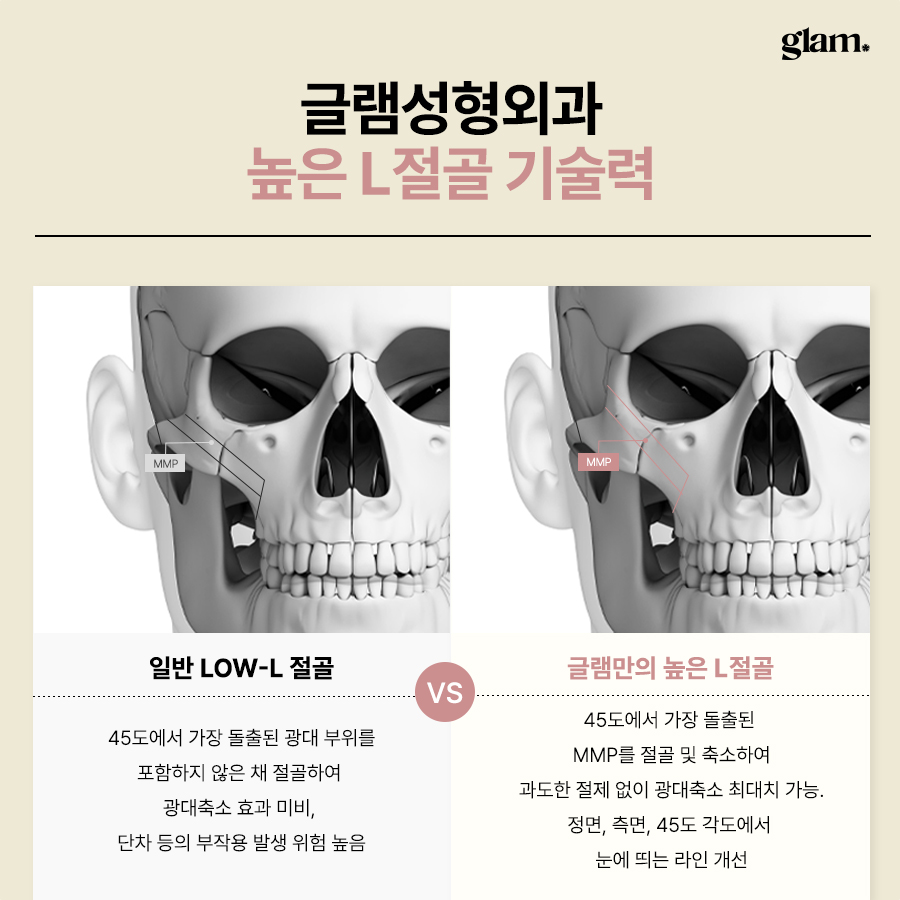
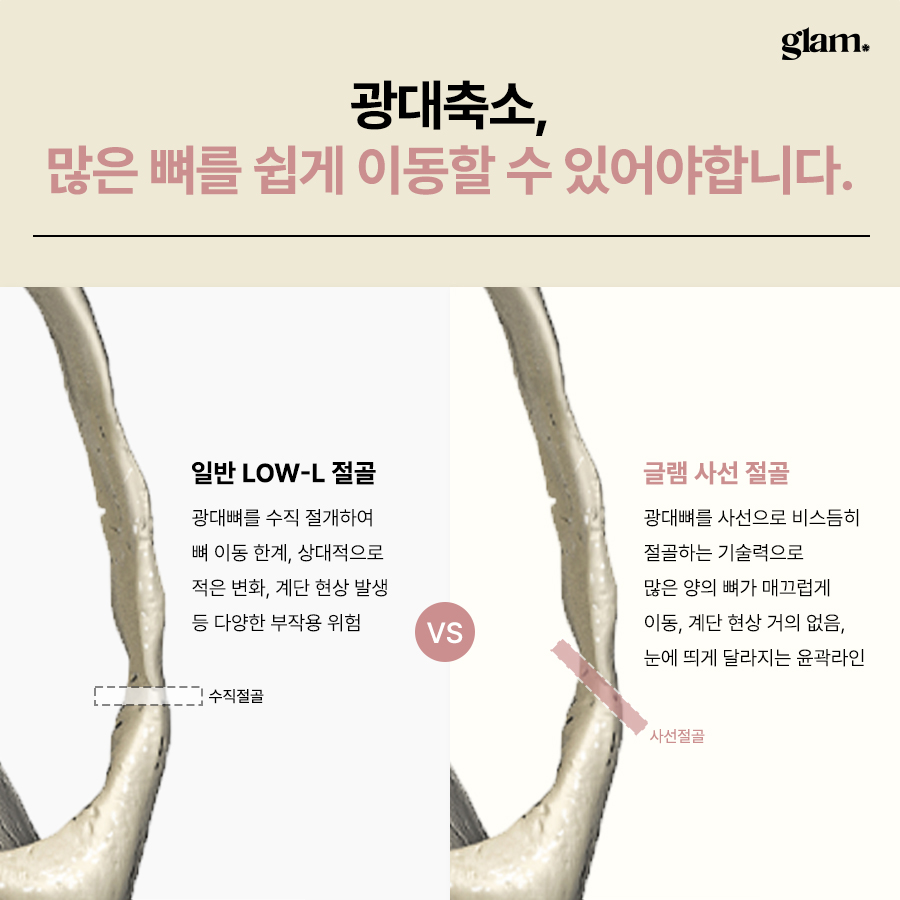
For patients who had square jaw or jaw angle reduction, revision may focus on smoothing irregular cuts, correcting asymmetry, or adjusting the angle line if it was cut too high or too low. In some cases, the back corner of the jaw may look stepped or uneven, or there may be a visible or palpable edge. Revision can refine these areas to create a more continuous and natural jawline, within the limits of the remaining bone.
Revision V-line and chin surgery
After V-line or chin surgery, some people feel their chin is too pointy, too short, or deviated to one side. Revision can involve reshaping the chin bone, repositioning it, or, when too much bone was removed, adding volume back. This may be done with bone grafts or implants, depending on the situation. The aim is to restore better balance between the chin, jawline, and lips while respecting the existing nerve pathways.
Revision cheekbone surgery
Cheekbone reduction can sometimes lead to a sunken midface or hollow cheeks if too much support was removed. Visible step deformities or asymmetry in the cheek area may also appear. Revision cheekbone surgery may attempt to reposition segments, smooth irregularities, or provide structural support to improve contour. Because the cheekbone is closely related to the eye area and midface, careful imaging and planning are especially important.
Combined revision with soft tissue support
In many revision cases, the main concern is not only the bone but also the soft tissue that has sagged or lost support after reduction. Jowls, droopy cheeks, or loose skin along the jawline can make the face look older. In such situations, revision planning may combine limited bone work with soft tissue procedures or lifting to support the skin and underlying tissues. The exact plan is highly individualized and depends on what was done before and what the current priorities are.
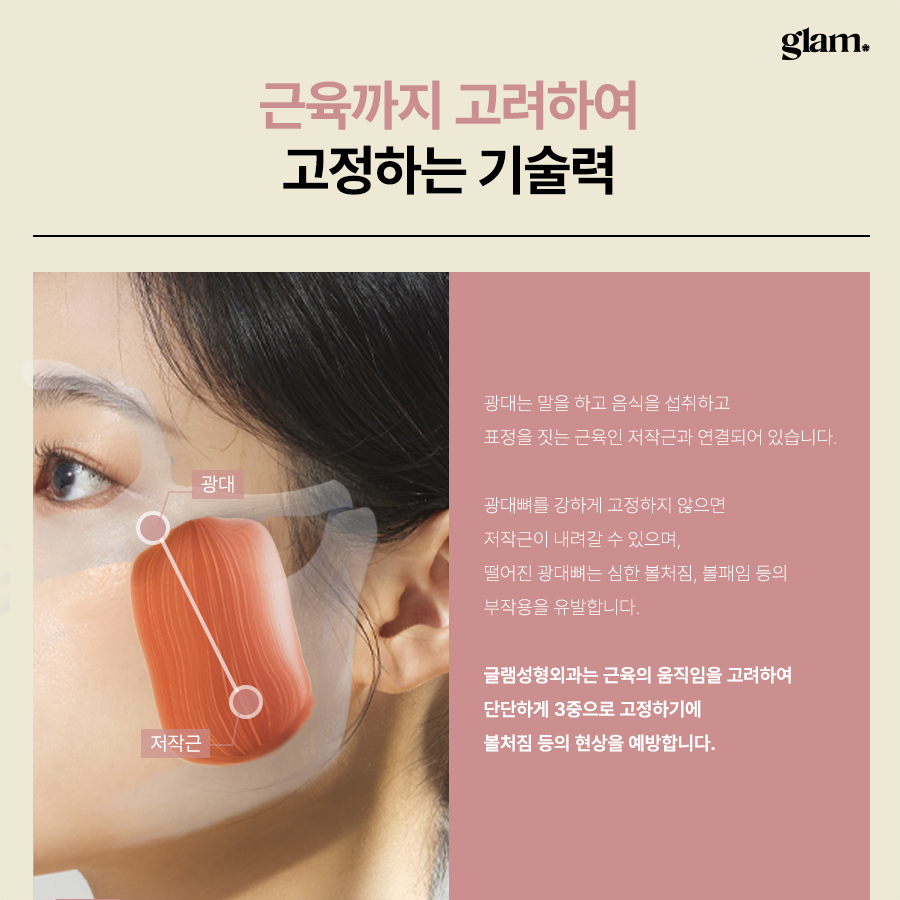
Throughout all these options, the guiding principle in a safety-focused clinic is to minimize additional bone removal and to protect nerves and function while aiming for a more harmonious facial shape.
Safety considerations in revision facial bone surgery
Revision facial bone surgery requires a higher level of caution than primary surgery. Scar tissue and altered anatomy can increase the risk of bleeding and make dissection more difficult. Nerves may not be in their usual positions, and the blood supply to certain areas may have changed. The remaining bone may be thinner or irregular, which complicates fixation and reshaping.
Because of these factors, choosing a surgeon who focuses specifically on facial bone surgery and has long-term experience is important. A clinic that deals only with double jaw surgery, facial contouring, and their revisions tends to have systems and protocols tailored to these operations.
Anesthesia is another critical aspect. Long, complex revision surgeries benefit from a dedicated anesthesiology and pain medicine specialist who is responsible only for anesthesia and monitoring throughout the operation. At the Gangnam clinic near Sinsa Station, an anesthesiology and pain medicine specialist manages anesthesia and continuous monitoring, while the lead plastic surgeon performs the surgery directly without delegating to other doctors.
Thorough preoperative planning using 3D imaging and simulations helps anticipate difficulties, plan incisions, and decide how to protect nerves and vital structures. For overseas patients, this planning often begins with online consultations and review of existing images before the in-person visit.
Double jaw–related revision and facial shape
Some patients who had double jaw surgery later feel that their facial shape is not what they expected, even if their bite is acceptable. In such cases, repeating full double jaw surgery is not always necessary. Sometimes, revision facial contouring focused on the jawline, chin, or cheekbones can refine the overall shape without changing the jaw position again.
On the other hand, if the main problem is functional, such as a misaligned bite, difficulty chewing, or jaw joint strain, the solution may involve double jaw revision or other bite-focused treatment. This decision can only be made after detailed imaging and functional assessment.
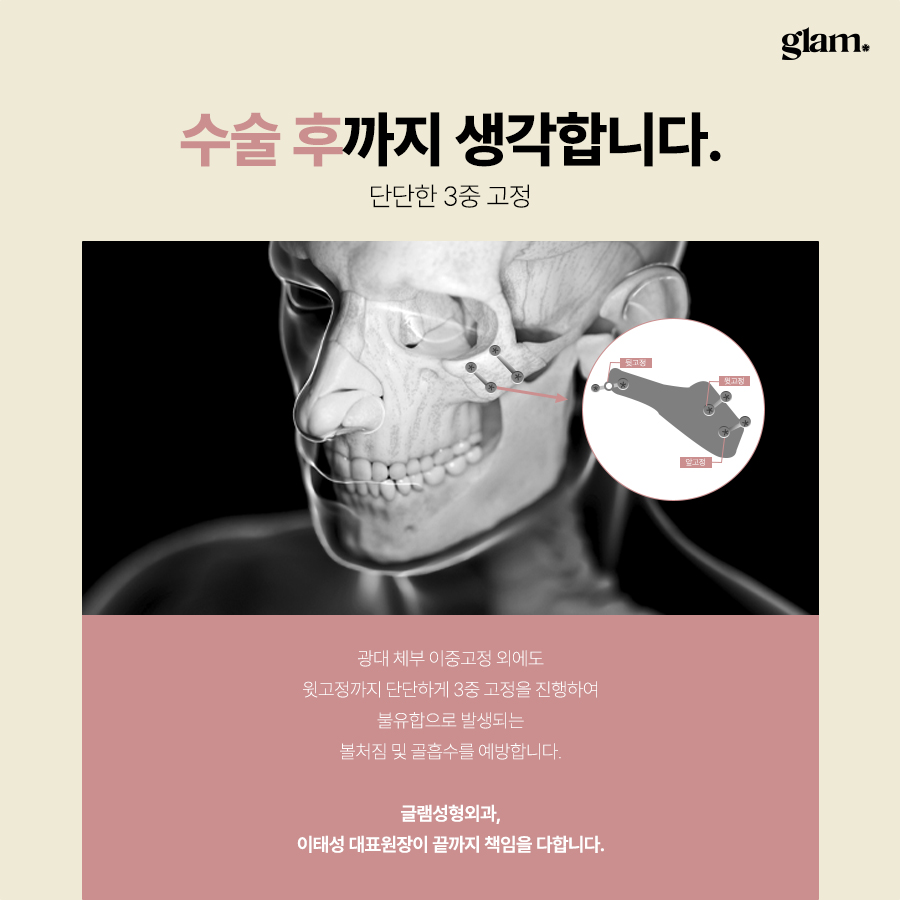
The clinic also performs double jaw surgery without intermaxillary fixation in many cases, meaning the jaws are not wired shut, and in selected patients it may be possible to skip pre- or post-operative orthodontic treatment. However, these options are considered on a case-by-case basis and are secondary to the main topic here, which is revision contouring for shape-related concerns.
Preparing from abroad: online consultation and pre-visit steps
For overseas patients considering revision facial bone surgery in Seoul, preparation usually starts with an online consultation. This is your chance to share your history, concerns, and goals before committing to travel.
Clinics experienced with international patients will typically ask you to send the following:
Photos of your face from the front, 45-degree angles, and side, in good lighting.
Any previous X-rays or CT scans, if available.
Operative reports or discharge summaries from your earlier surgeries, if you have them.
A written summary of what bothers you most, including both appearance and function.
During the online consultation, you can expect a preliminary opinion on whether revision seems feasible, what areas might be addressed, and what additional imaging will be required once you arrive in Korea. It is also a good time to ask about estimated recovery time, recommended length of stay, and what kind of support is available in your language.
Before your visit, it is helpful to prepare a list of questions, such as:
- Which parts of my current result can realistically be improved, and which cannot?
- How much additional bone removal do you expect, if any?
- What are the main risks in my specific case?
- How long should I stay in Korea after surgery?
- What kind of follow-up will be possible once I return home?
Having these questions written down can make your in-person consultation more focused and productive.
Expected Korea visit timeline for revision facial contouring
The exact schedule will depend on your case and travel plans, but many overseas patients follow a similar timeline.
First 1–3 days: arrival, imaging, and consultation. After you arrive in Seoul, you will usually have a 3D CT scan and other necessary tests. The surgeon will perform a detailed examination, confirm the plan, and discuss risks and expectations again in person.
Surgery day: you will be admitted to the clinic or a partner facility for surgery. The board-certified anesthesiologist manages anesthesia, and the lead surgeon performs the operation. After surgery, you will stay in a recovery area for monitoring and may stay overnight depending on the extent of the procedure.
First week after surgery: this period is focused on early recovery, swelling control, and wound care. You may have several follow-up visits for dressing changes, checks on healing, and supportive treatments such as LED therapy or facial dome sessions to help reduce swelling.
Second to third week: many patients feel more comfortable going outside with a mask or light makeup during this period. Stitches inside the mouth, if present, usually dissolve, and bruising tends to fade. Some patients can return to light work or online duties around 2–4 weeks after surgery, depending on the extent of revision and their job demands. This is a general range, not a guarantee.
Departure and remote follow-up: before you leave Korea, you will typically have a final in-person check. After returning home, follow-up can continue via messaging apps, email, or video calls, with you sending photos at set intervals.
Recovery, swelling, and aftercare programs
Because of scar tissue and previous operations, swelling after revision facial contouring can last longer than after primary surgery. It is common to experience more stiffness, tightness, or numbness in the early weeks. Sensation around the lips, chin, or cheeks may be altered and can take several months to improve.
Most patients can resume light daily activities within about 1–2 weeks and feel socially more comfortable in 2–4 weeks, but full internal healing takes longer. The final contour often continues to refine over several months.
The Gangnam clinic near Sinsa Station offers various post-operative care programs aimed at supporting recovery. These may include LED therapy to help with swelling and skin condition, facial dome treatments for circulation, skin reset total care to improve skin quality, and radiofrequency lifting to support skin tightening as swelling subsides. These treatments are supportive; they do not replace proper surgery but can make the recovery period more comfortable and help the skin adapt to the new bone structure.
Throughout recovery, the clinic team will usually provide guidance on diet, oral hygiene if there are intraoral incisions, sleeping position, and gradual return to exercise. International patients can receive follow-up instructions in English and other supported languages.
How this Gangnam clinic differentiates itself for revision cases
For patients considering revision facial bone surgery in Seoul, one important factor is whether the clinic’s entire system is built around facial bone procedures.
The clinic near Sinsa Station on Dosan-daero is a plastic surgery clinic that specializes exclusively in facial bone surgery: double jaw surgery, facial contouring, and revision of these operations. It does not perform eye, nose, breast, or other general cosmetic procedures. This single-focus lineup allows the team to concentrate their training, equipment, and protocols on a narrow field.

As of February 2025, the lead surgeon has about 20 years of experience in facial bone surgery and has authored 13 SCI-level papers on contouring and double jaw surgery, including 3 in Plastic and Reconstructive Surgery. This academic activity reflects an evidence-based approach to planning and technique rather than a promotional claim.
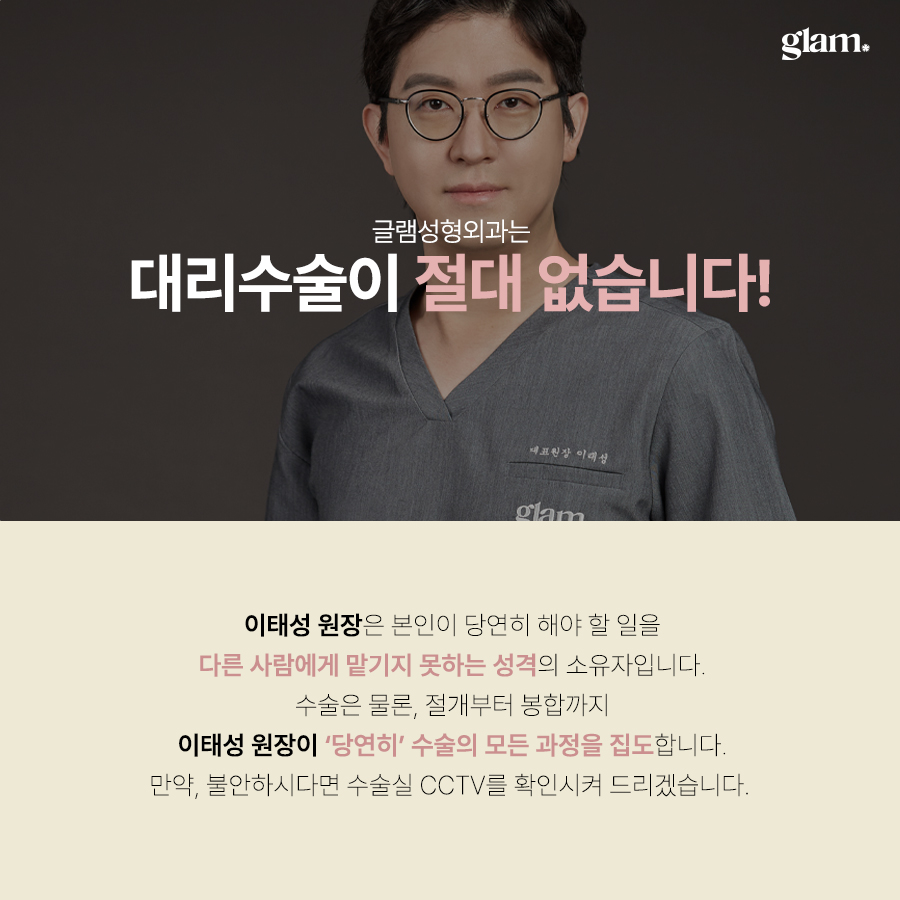
The clinic operates a one-to-one system: one board-certified plastic surgeon and one board-certified anesthesiologist. The lead surgeon performs all facial bone surgeries directly, without delegating to other doctors, while the anesthesiologist focuses solely on anesthesia and monitoring.
Most importantly for revision patients, the clinic’s philosophy is to propose only the minimum necessary surgery. This conservative approach is particularly valuable for those who already feel they have been over-treated or are afraid of further irreversible changes. Detailed imaging and planning are used to minimize additional bone removal and to protect nerves and function while aiming for a more balanced and satisfying facial contour.
FAQ about revision facial bone surgery in Seoul
What is the right timing for revision facial contouring after my first surgery?
In many cases, surgeons recommend waiting at least 6–12 months after the initial facial bone surgery before considering revision. This allows swelling to fully subside and tissues to stabilize so that the true result is visible. However, if there are serious functional problems or obvious structural issues, an earlier evaluation may be appropriate. The exact timing should be discussed with a facial bone specialist who can assess your current condition.
Can revision facial bone surgery completely restore my original face?
In most cases, it is not possible to fully restore the exact original bone structure, especially if a large amount of bone was removed in the first surgery. Revision can often improve asymmetry, irregularities, or excessive narrowing, and can help your face look more balanced and natural. However, there are limits to how much can be rebuilt, and some changes may remain. A thorough consultation and 3D imaging are needed to understand what is realistic in your specific case.
How long do I need to stay in Korea for revision facial contouring?
The recommended length of stay depends on the complexity of the revision, but many overseas patients are advised to stay around 2–3 weeks. This allows time for preoperative imaging and consultation, surgery, early recovery, and several follow-up visits. For more extensive revisions, a longer stay may be suggested. During your online consultation, the clinic can provide a more tailored estimate based on your planned procedure.

Is revision facial bone surgery more risky than first-time surgery?
Revision surgery generally carries higher risks than primary surgery because of scar tissue, altered anatomy, and reduced bone volume. There may be a higher chance of prolonged swelling, numbness, or other complications. This is why it is important to choose a clinic that focuses specifically on facial bone surgery, uses detailed imaging for planning, and has an experienced surgeon and dedicated anesthesiologist. A careful risk–benefit discussion should always take place before deciding on revision.
Soft call to action
If you are considering revision facial bone surgery after jawline, cheekbone, V-line, or double jaw procedures and are unsure what is realistically possible, an online consultation can be a helpful first step. The facial bone–focused clinic near Sinsa Station in Gangnam offers consultations in English and other languages, reviews previous records and images, and provides individualized guidance on whether revision may be appropriate for you and what kind of visit schedule to expect in Korea.
This article is intended for general information only and does not replace a personal consultation with qualified medical professionals. Treatment decisions should always be made after a detailed discussion of your individual condition, goals, and risks with an experienced surgeon.




- 공유 링크 만들기
- X
- 이메일
- 기타 앱


댓글
댓글 쓰기