Double jaw surgery swelling – recovery timeline and care in Gangnam, Seoul
- 공유 링크 만들기
- X
- 이메일
- 기타 앱
Direct answer: what to expect with double jaw surgery swelling
If you are planning double jaw surgery in Korea, it is normal to worry about how swollen your face will be and how long it will last. Swelling usually peaks around 2–3 days after surgery, then slowly improves over weeks and months. Many patients feel presentable with a mask or light makeup after about 2–4 weeks, but subtle puffiness and stiffness can continue for several months. Good post‑operative care, both at home and in the clinic, can make this period more comfortable and help your recovery stay on track.
This guide explains the typical swelling timeline after double jaw surgery, what is normal versus concerning, and practical steps you can take before and after surgery. It is written for overseas patients considering treatment in Gangnam, Seoul, and includes tips on planning your trip, online consultation, and aftercare.
What is double jaw surgery and why swelling is so strong
Double jaw surgery overview
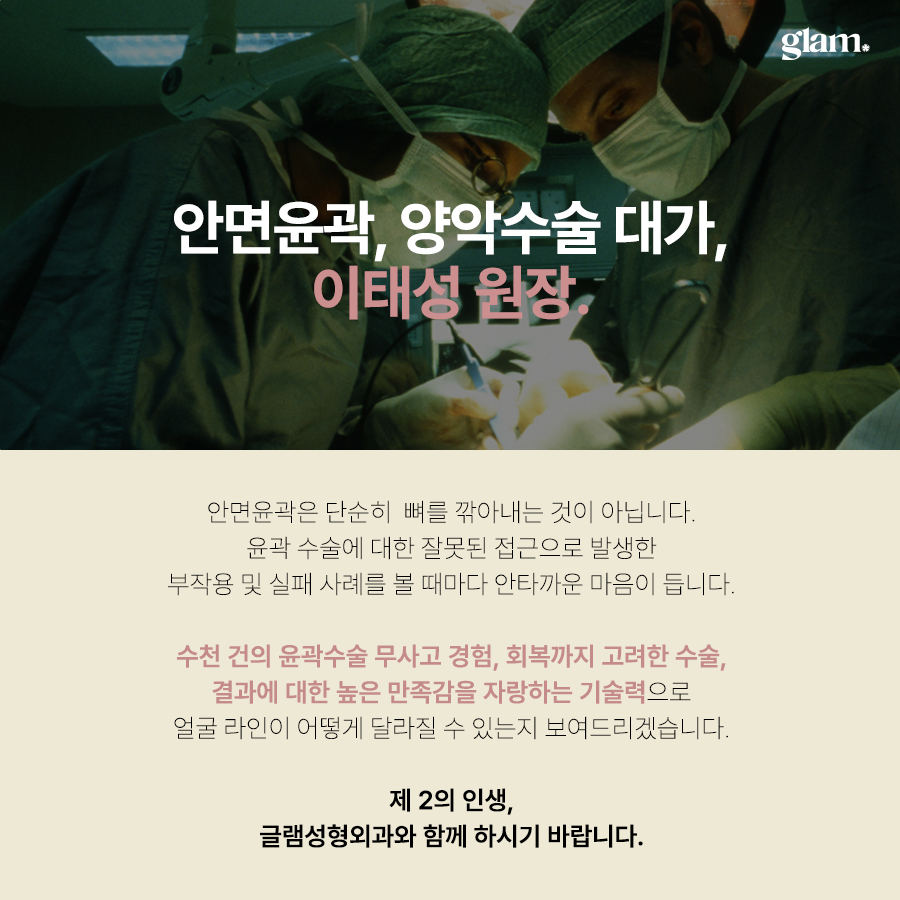
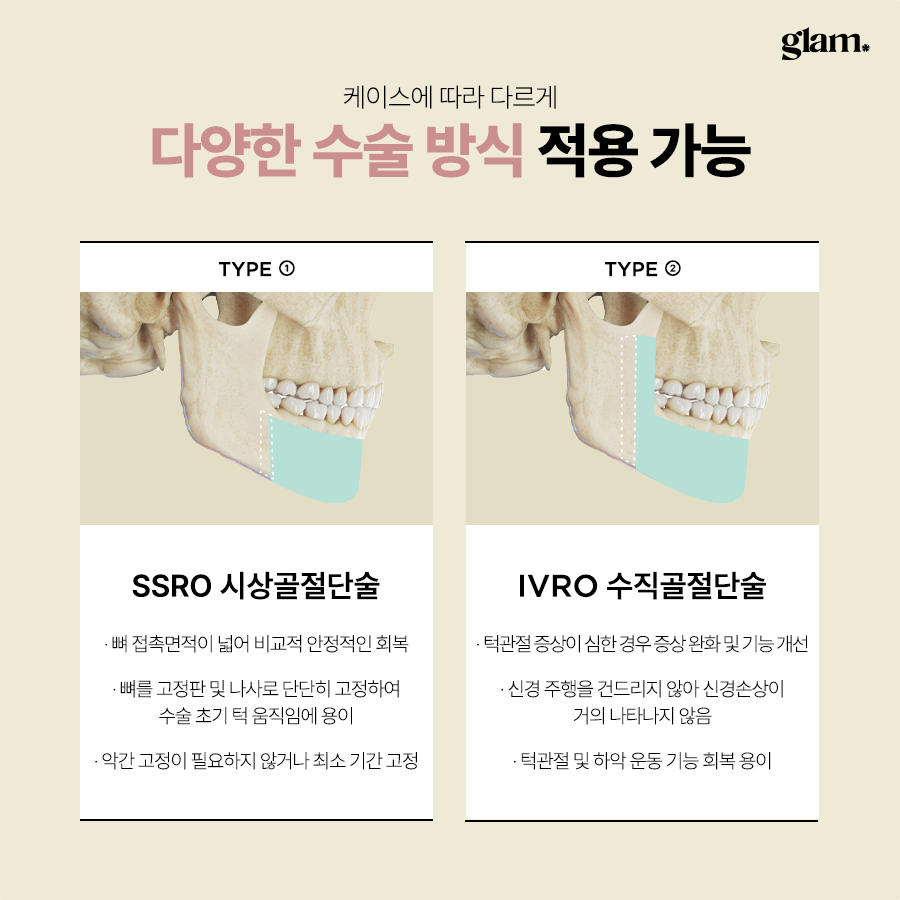
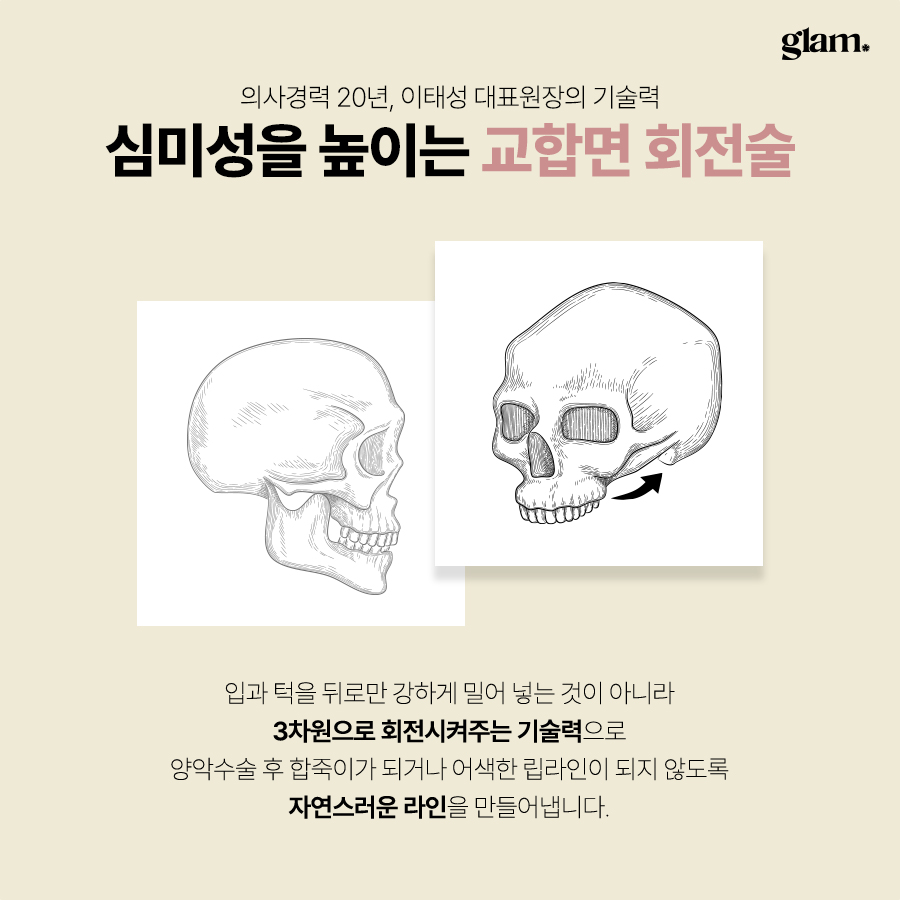
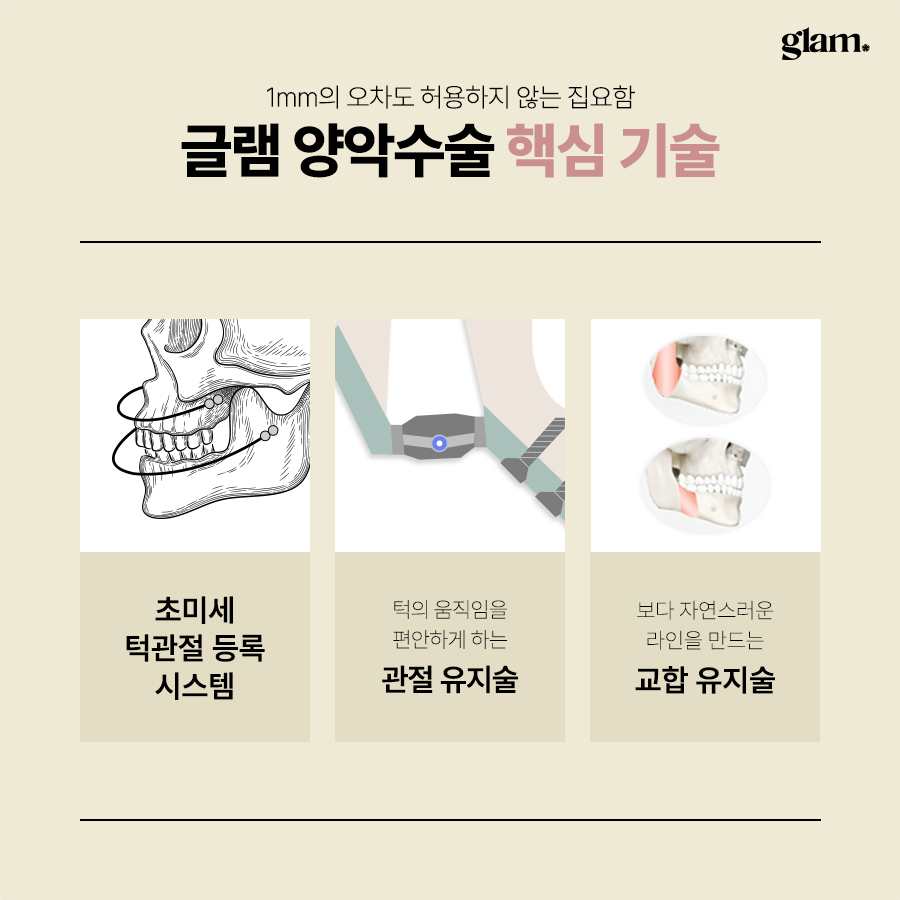
Double jaw surgery, also called orthognathic surgery, is a procedure that repositions both the upper and lower jaw bones. It is usually done to improve bite function, facial balance, breathing, or jaw joint comfort. In some cases it is combined with chin reshaping or other facial bone procedures to harmonize the overall facial line.
Because the surgeon cuts and moves the jaw bones, then secures them with plates and screws, the surrounding muscles, soft tissue, and lining inside the mouth are also carefully detached and repositioned. This deep work around the midface and lower face is the main reason swelling is so noticeable and long‑lasting compared with more superficial procedures.
Why swelling is especially prominent
Swelling is your body’s natural response to surgery. After double jaw surgery, blood vessels become more permeable and fluid leaks into the surrounding tissues. At the same time, lymphatic and venous drainage are temporarily disturbed because of tissue handling and changes in position.
If jaw surgery is combined with other facial bone procedures, such as chin reshaping or angle reduction, there is even more tissue trauma, so swelling can be stronger and last longer. This guide focuses on swelling after double jaw surgery, whether done alone or together with other facial bone work.
Swelling timeline after double jaw surgery
Immediate post‑operative period (day 0–3)
In the first 48–72 hours, swelling increases rapidly. Many patients feel their face looks very puffy, round, and unfamiliar. This is the peak swelling phase.
You may feel tightness in the cheeks and lips, heaviness around the lower face, and difficulty closing your lips comfortably. Speaking and swallowing can feel awkward. Bruising may appear around the cheeks, along the jawline, and sometimes under the eyes or down the neck.
During this time, clinics usually focus on pain control, cold compresses, head elevation, and careful monitoring of breathing and circulation. It is important to remember that this extreme puffiness is expected and temporary.
Early recovery (week 1–2)
After about day 3–4, peak swelling slowly starts to go down. By the end of the first week, many patients notice that the tightest feeling has eased and the face appears noticeably less swollen, though still visibly puffy. Swelling typically continues to decrease over the following weeks, with more gradual refinement of contours over months; exact timing and degree of improvement vary between individuals.
By the end of week 2, swelling often decreases by around 40–50 percent compared with the peak. Bruising begins to fade from dark purple to yellow‑green and then lighter shades. You may be able to open your mouth a little more and manage soft or liquid foods more easily.
Intermediate phase (week 3–6)
From week 3 onward, visible swelling continues to improve. Many people feel comfortable going out with a mask or with light makeup. Around one month after surgery, roughly 60–70 percent of swelling is usually gone.
However, the lower face and jawline can still look round, bulky, or “puffy” compared with the final result. Numbness in the lips, chin, or cheeks and stiffness when moving the jaw can persist even as the appearance improves. This is normal and reflects ongoing nerve and soft tissue recovery.
Late swelling (2–6 months and beyond)
The remaining 20–30 percent of swelling, especially deeper tissue puffiness and slight asymmetry between the two sides, resolves much more slowly. At around 3 months, many patients look almost normal to friends and colleagues, but still notice subtle swelling themselves, especially in photos or when touching the jawline.
Final refinement of the facial line and definition around the chin and jaw angles can take 6–12 months. The bone position is fixed at the time of surgery, but it takes time for the overlying soft tissues to adapt and tighten around the new structure.
Individual variation in swelling
The exact speed of swelling reduction varies widely. Factors include your anatomy, how much the bones were moved, whether additional facial bone procedures were done, age, smoking and alcohol habits, and how carefully you follow post‑operative instructions.
It is normal for your face to look “too big” or “not like you expected” for several weeks. Judging the final aesthetic result too early usually leads to unnecessary anxiety. Clear communication with your surgeon about realistic timelines is essential.
Factors that influence swelling severity and duration
Surgical factors
The more the bones are moved, and the more areas are operated on at the same time, the more swelling you can expect. If both jaws plus the chin or other facial bone reshaping are done in one session, the tissue trauma is naturally greater.
Operation time and the amount of soft tissue dissection also matter. Techniques that minimize unnecessary tissue handling can help reduce swelling and bruising.
Another point is whether the surgeon uses intermaxillary fixation (wiring or tightly banding the jaws together) or a no‑fixation or light‑fixation technique. In some cases, less rigid fixation allows earlier gentle movement and better circulation, which may support recovery. The choice depends on your specific jaw problem and the surgeon’s plan.
Patient factors
Age, general health, and lifestyle all influence swelling. Younger patients with good circulation often recover more quickly. Smoking and heavy alcohol use can delay healing, increase the risk of infection, and prolong swelling.
Pre‑existing sinus issues, chronic inflammation, or poor sleep can also affect how your body reacts to surgery. Some people simply tend to swell more and stay swollen longer due to individual differences in lymphatic and venous drainage.
Post‑operative care
How you manage your recovery at home has a major impact. Consistent use of cold and warm compresses as instructed, keeping your head elevated, maintaining good oral hygiene, and following diet guidelines all help.
Some facial bone centers in Gangnam provide structured post‑operative therapies such as LED light treatments, gentle facial care, or radiofrequency sessions at the appropriate stage. These are designed to support circulation, reduce edema, and improve skin condition after surgery.
A clinic that focuses only on facial bone surgery can standardize protocols for minimizing tissue trauma during surgery and supporting swelling control afterward. This does not guarantee a specific recovery speed, but it can offer more organized support.
Normal versus abnormal swelling: when to worry
Normal swelling patterns
Normal post‑operative swelling is usually symmetrical or only slightly asymmetrical. It peaks within 2–3 days and then slowly improves week by week.
Mild warmth and tightness are common, but severe, uncontrolled pain is not. Bruises typically change color from dark purple or blue to green, yellow, and then fade.
Warning signs that need medical attention
Certain changes in swelling should prompt you to contact your clinic or seek emergency care.
Concerning signs include a sudden increase in swelling on one side after it had started to improve, intense throbbing pain that is not controlled by your prescribed pain medication, or a high fever with chills.
Other red flags are foul odor or discharge from the incisions or inside the mouth, difficulty breathing or swallowing that worsens instead of improving, or marked redness and heat in one localized area, which may suggest infection or a hematoma.
Do not try to self‑treat suspicious swelling with random massage techniques or over‑the‑counter drugs without consulting your surgeon. Early evaluation is safer and often easier to manage.
Evidence‑based swelling management at home
First 48–72 hours: focus on cooling and protection
Cold compresses are a key part of early swelling control. Apply cold packs around, not directly on, the surgical areas, usually for about 15–20 minutes on and 20–30 minutes off, as your clinic instructs. This helps constrict blood vessels and limit fluid leakage into the tissues.
Keep your upper body elevated about 30 degrees while resting or sleeping. You can use extra pillows or an adjustable bed. This position reduces fluid accumulation in the face.
Take your prescribed medications exactly as directed, including anti‑inflammatory drugs, painkillers, and antibiotics. Do not change doses or add other medicines without checking with your medical team.
After day 3–4: gentle warmth and movement
Once the acute phase passes and your surgeon approves, you may transition from cold to warm compresses. Mild warmth can promote blood flow and lymphatic drainage, helping your body clear residual swelling.
Within the safe range set by your surgeon, start light jaw opening exercises and simple facial expressions. This helps prevent stiffness and supports circulation. Follow the specific schedule and limits given by your clinic.
Diet and hydration
You will usually start with a liquid or very soft diet. Avoid salty, spicy, and very hot foods, as these can worsen swelling or irritate healing tissues.
Stay well hydrated with water and non‑sugary drinks. Good hydration supports healing and helps your body process medications and inflammation by‑products.
Avoid alcohol and smoking throughout the early recovery period. Both can delay tissue repair and aggravate swelling and bruising.
Sleep and posture
Continue sleeping with your head elevated for at least 2–3 weeks. Try not to sleep on your stomach or side in a way that presses the cheeks and jaw against a hard surface.
During the day, avoid bending your head down for long periods, such as looking at your phone on your lap. Keeping your head slightly elevated helps reduce facial congestion.
What to avoid
Do not perform unapproved massage, strong pressure, or random “lymphatic drainage” techniques on your face in the early period. These can disturb healing tissues or shift fluid in an unhelpful way.
Avoid heavy exercise, saunas, hot baths, and intense cardio until your surgeon clears you. Activities that sharply increase blood flow to the face can temporarily increase swelling or bleeding risk.
Clinic‑based post‑operative swelling care in Gangnam
Structured post‑operative programs
In Gangnam, some centers dedicated to facial bone surgery offer structured post‑operative care programs. These are designed to support swelling control, skin recovery, and overall comfort for both local and overseas patients.
Common modalities include LED therapy, which some clinics offer and is intended to support wound healing, reduce inflammation, and improve circulation. Some clinics use dome- or mask-type devices that combine light, oxygen, or mild suction to help manage edema and improve skin condition; reported benefits and effectiveness can vary depending on the device, timing, and treatment protocol.
Multi‑step skin reset programs may focus on gentle cleansing, calming, and barrier repair for skin that has been stressed by surgery, tape, and prolonged mask use. At a later stage, low‑energy radiofrequency devices can be applied in a safe setting to encourage collagen remodeling, tissue tightening, and improvement of residual puffiness.
Example of a specialized facial bone center
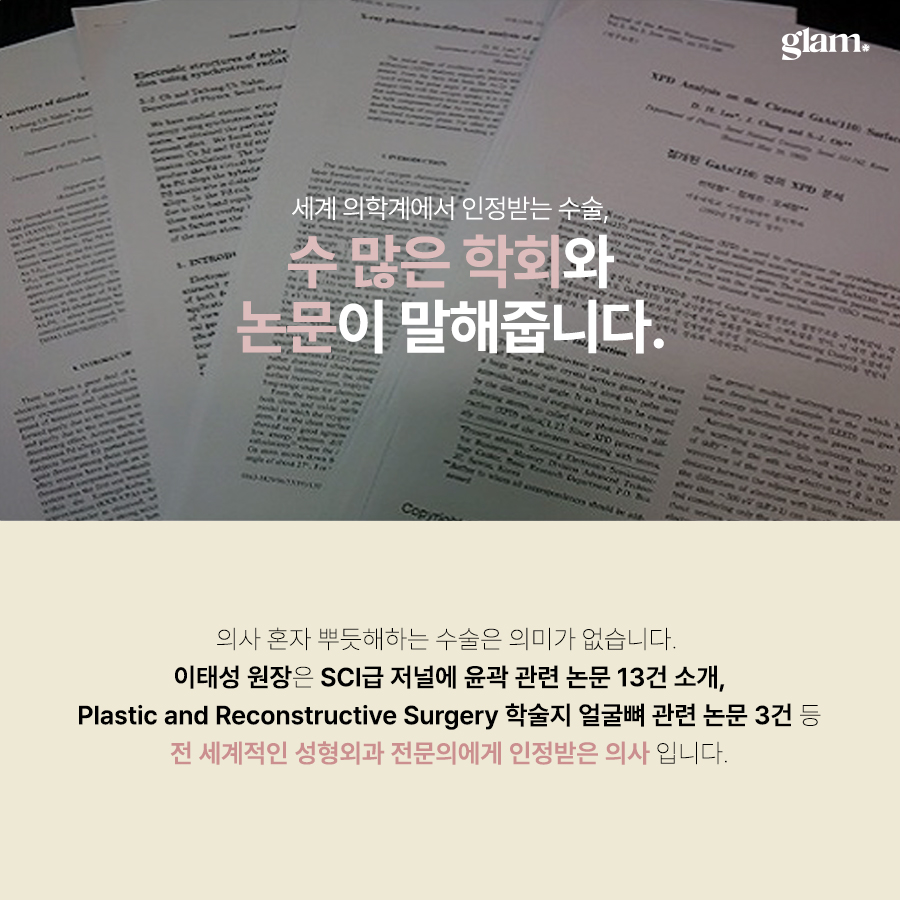
Near Sinsa Station in Gangnam, there are clinics that focus exclusively on facial bone surgery such as double jaw and facial contouring. They do not perform unrelated procedures and instead concentrate on jaw and facial bone structure.
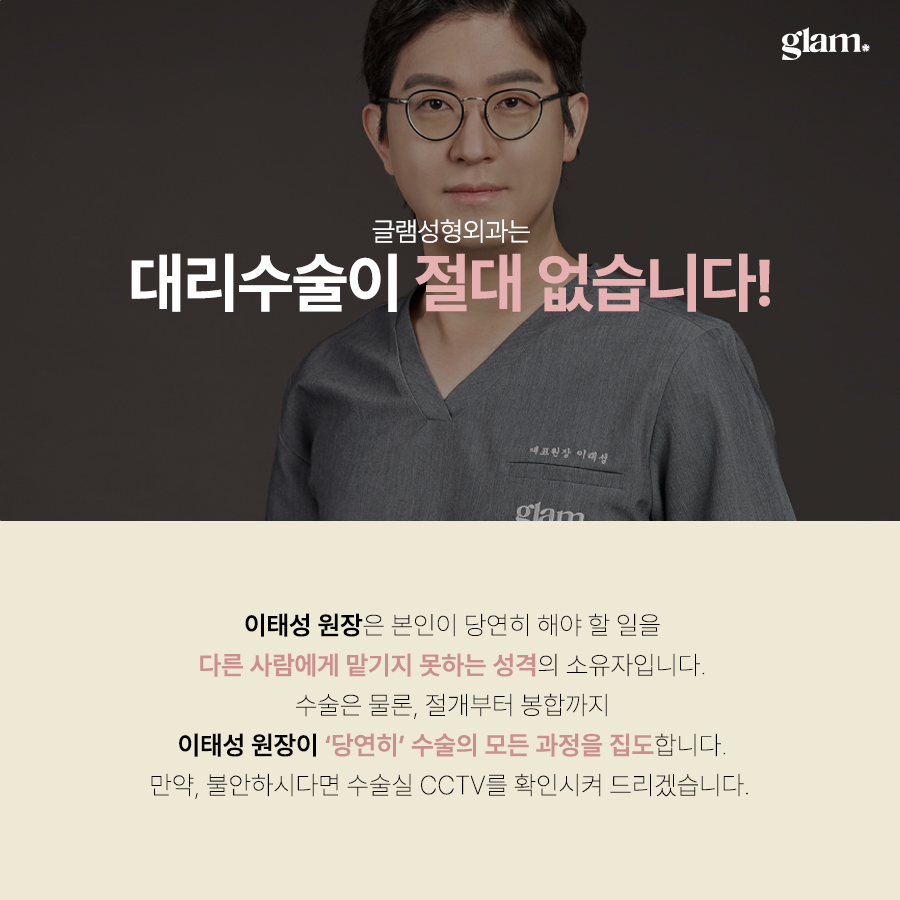
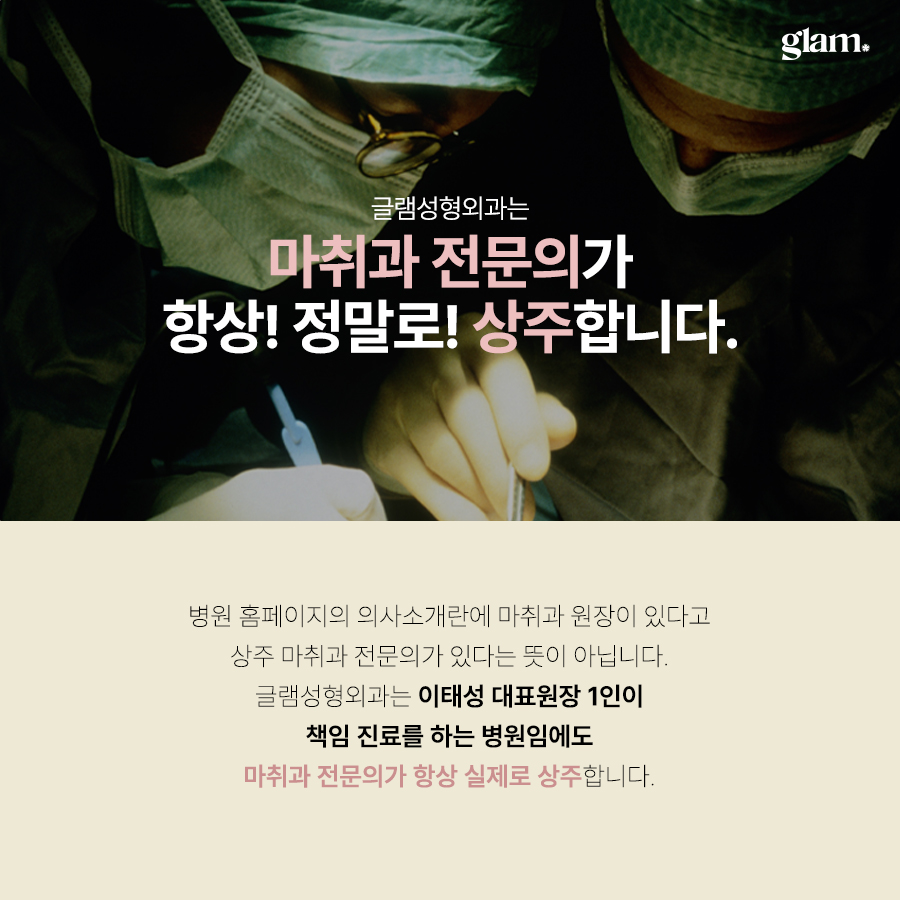
In such a setting, surgery is often led by a board‑certified plastic surgeon with long‑term experience in facial bone surgery and scientific publications in international journals, supported by a dedicated board‑certified anesthesiologist for continuous anesthesia monitoring.
These centers may offer post‑operative care programs specifically tailored to jaw and contouring surgery, including scheduled swelling‑care sessions. The goal is not to promise a particular recovery speed, but to provide organized support so that many patients can manage swelling and discomfort more comfortably.
Psychological aspects of swelling after double jaw surgery
Emotional impact of early swelling
Swelling after double jaw surgery is not only a physical issue. Because the face looks very different from the expected final result for several weeks, many patients experience emotional stress.
Temporary asymmetry, numbness, and stiffness can make you worry that something is wrong, even when healing is on track. Social withdrawal is common, especially if speaking and eating feel awkward.
Coping strategies
Taking regular progress photos under similar lighting can help you see gradual improvement that is hard to notice day by day. Many patients are surprised when they compare week‑by‑week images.
Plan enough downtime from work or school so you do not feel pressured to look “normal” too soon. Discuss realistic timelines with your surgeon before surgery, including how long you may want to wear a mask in public.
Stay in close contact with your clinic for scheduled check‑ups and reassurance. Instead of comparing yourself to random online images, rely on your own surgeon’s assessment, because surgical techniques, bone movements, and individual healing all differ.
Pre‑operative counseling and preparation for overseas patients
What should be discussed before surgery
Before you decide on double jaw surgery in Korea, your consultation should cover the typical swelling pattern and how long it usually takes until patients feel comfortable appearing in public.
You should ask how long you may need or want to wear a mask, when you can expect to return to work or school, and how swelling might differ between the upper and lower face or between the left and right sides.
It is also helpful to understand whether a no‑fixation or light‑fixation technique is planned, how your existing bite treatment will be coordinated, and how the surgeon handles soft tissues to support recovery.
Ethical treatment planning
An ethical surgeon will recommend only the procedures that are truly necessary to achieve your functional and aesthetic goals. Adding unnecessary bone work can increase swelling, risk, and recovery time without clear benefit.
You should receive a balanced explanation of both the benefits and limitations of surgery, including the long recovery curve. A clear, written post‑operative care plan helps you know what to do at each stage, which reduces anxiety.
Online consultation and pre‑visit preparation
For overseas patients, online consultation is usually the first step. You may be asked to send facial photos from different angles, imaging data if available, and information about your medical history and current medications.
Prepare a list of questions about swelling, hospital stay, length of stay in Korea, and post‑operative care. Ask specifically how many days you should remain in Seoul after surgery for safe follow‑up.
Check what kind of support is available in English, including interpretation during consultation, written instructions, and emergency contact methods. Clarify whether post‑operative swelling care sessions are included and how they are scheduled.
Expected Korea visit timeline for double jaw surgery
Many overseas patients stay in Korea for around 2–3 weeks for double jaw surgery, though this can vary. A common pattern is pre‑operative consultation and tests, surgery, then several follow‑up visits for wound checks, band change, and early swelling management.
During the first week, you will likely visit the clinic several times. In the second week, visits may be less frequent but still important. After you return home, online follow‑up and coordination with local providers may be arranged.
Always confirm the recommended stay length with your surgeon, as it depends on your case complexity, combined procedures, and general health.
Frequently asked questions about double jaw surgery swelling
How long does it take for swelling to go down after double jaw surgery?
Swelling usually peaks around 2–3 days after surgery. Most patients notice significant improvement over the first 2–4 weeks, with about 60–70 percent of swelling gone by around one month. The remaining puffiness gradually refines over several months, and the final facial contour can take 6–12 months to fully settle.
When can I go back to work or school without obvious swelling?
This depends on your job type, whether you can wear a mask, and your individual healing. Many people feel comfortable returning to office or school life with a mask after about 2 weeks, and without a mask after 3–4 weeks. If your work involves heavy physical activity or public appearances, you may want to allow extra time.
Is it normal for one side of my face to be more swollen?
Mild asymmetry in swelling is common after double jaw surgery, because no two sides of the face are identical and tissue handling can differ slightly. Slight differences usually improve as healing progresses. However, if one side suddenly becomes much more swollen, painful, red, or hot after initial improvement, you should contact your clinic to rule out infection or other complications.
Can massage or lymphatic drainage help reduce swelling?
Manual techniques can sometimes help in the later stages of recovery, but they must be approved and guided by your surgeon. Early, untrained massage or strong pressure can disturb healing tissues. Usually, any specialized lymphatic drainage or radiofrequency treatment is started only after a certain healing period, according to your clinic’s protocol.

What if my swelling seems stuck and not improving?
If you feel that your swelling has plateaued or is not improving as expected, schedule a follow‑up with your surgeon. They may examine you, review imaging if needed, and suggest adjustments in home care or clinic‑based therapies. Avoid trying new treatments on your own without professional guidance.
Will swelling change my final facial shape?
Early swelling can make your face look wider, shorter, or rounder than the final result. The actual bone position is determined at the time of surgery and does not change with swelling. What changes over time is how the soft tissue settles around the bones. This is why surgeons recommend waiting several months before judging the final aesthetic outcome.
Soft call to action
If you are considering double jaw surgery in Gangnam and want a clearer picture of swelling, recovery timelines, and whether this procedure suits your situation, an online consultation can be a helpful first step. By sharing your photos, medical history, and concerns in advance, the surgical team can explain realistic expectations, propose a personalized plan, and outline a Korea visit schedule that fits your needs.
This article is for general information only and does not replace a personal consultation or medical examination. Always discuss your individual condition, risks, and treatment options directly with a qualified medical professional before making any decisions.




- 공유 링크 만들기
- X
- 이메일
- 기타 앱


댓글
댓글 쓰기