Double Jaw Surgery Swelling: Recovery Timeline And Care In Gangnam
- 공유 링크 만들기
- X
- 이메일
- 기타 앱
Direct answer: what to expect about double jaw surgery swelling
Fine puffiness and stiffness may keep improving for many months. Swelling is a normal part of healing after jaw movement and is not usually a sign of complication.
A face-bone–focused clinic in Gangnam, near Sinsa Station Exit 1 in Seoul, offers structured postoperative care to support this process, including recovery programs designed to help facial edema settle more comfortably. For overseas patients, understanding this timeline and the available support can make planning a trip to Korea much easier.
Overview of double jaw surgery and why swelling happens
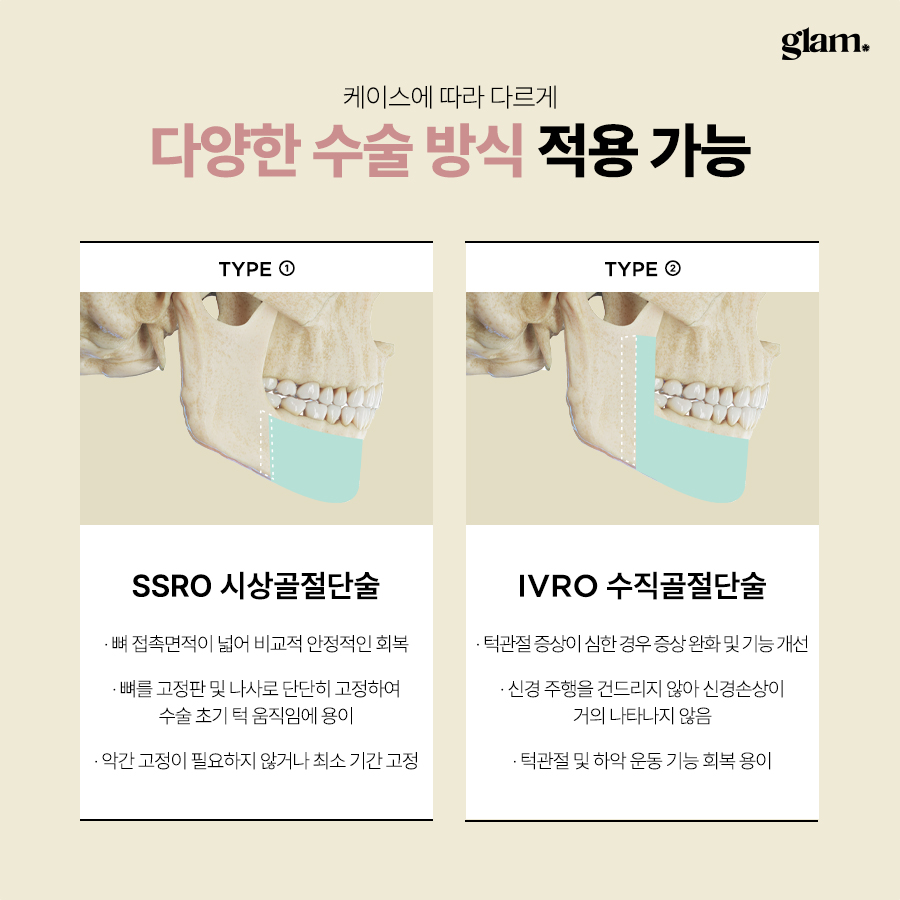
Double jaw surgery, also called orthognathic surgery, is a procedure that repositions both the upper and lower jaw bones. It is usually done to improve bite function, breathing, and facial balance. Because the bones are cut and moved, the surrounding soft tissues, blood vessels, and lymphatic channels are also affected.
Your body responds to this controlled trauma with inflammation. Fluid and immune cells move into the area to protect and repair the tissues, which shows up on the outside as swelling and sometimes bruising. For double jaw surgery, the area involved is large, so swelling after double jaw surgery is more intense and lasts longer than after simple soft tissue procedures.
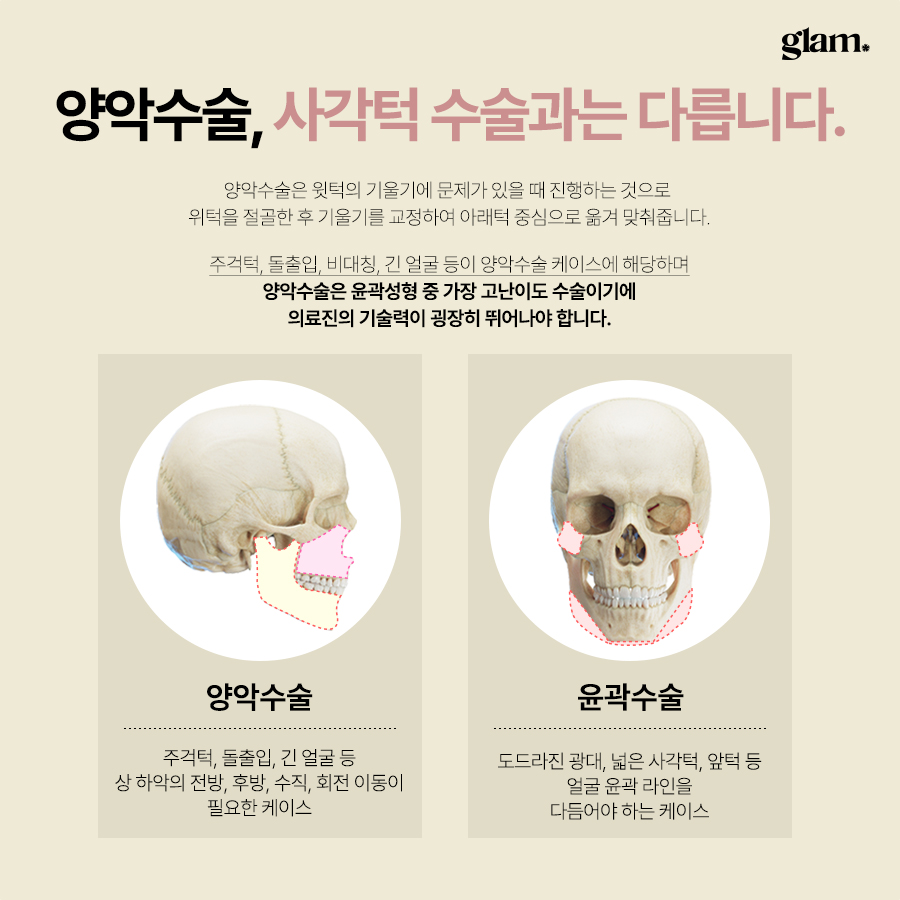
It is important to understand that this swelling is a normal part of healing. It does not mean the surgery went badly. The goal of good postoperative care is not to stop swelling completely, but to help it follow a healthy pattern and to make you as comfortable and safe as possible while it settles.
Typical swelling timeline after double jaw surgery
Every person heals at a slightly different speed, but there is a fairly consistent pattern for double jaw surgery swelling.
First 2 to 3 days
During the first 48 to 72 hours, swelling usually increases and reaches its peak. The face can look very puffy, and the cheeks and lower face may feel tight and heavy. Some bruising may appear around the cheeks or lower eyelids.
At this stage, many patients stay in or near the clinic or hospital so the team can monitor breathing, pain control, and early healing. Head elevation and cold compresses, if recommended by the surgeon, are often used in this period.
About 1 to 2 weeks
After the peak, swelling gradually starts to decrease. The first big drop in puffiness often happens between days 5 and 14. Bruising, if present, may change color from dark purple or red to yellowish or greenish tones as it resolves.
Most patients still look obviously swollen in this period, but the face begins to feel less tight. Eating is usually still limited to soft or liquid foods, and talking can feel tiring. Many people who plan a trip to Korea for surgery stay through at least this stage so they can attend several follow-up visits and recovery care sessions.
About 1 to 3 months
Over the next several weeks, most visible swelling continues to improve. The face starts to look more natural, and you can begin to see the new facial lines and jaw position more clearly. Friends and colleagues may still notice some puffiness, but it is usually much less dramatic than in the first two weeks.
During this time, the surgeon may gradually allow you to return to more normal eating and light exercise, depending on your individual healing and bone stability.
About 6 to 12 months
Fine swelling, stiffness, and subtle changes can continue for many months. This is when the deeper tissues and bone are still remodeling and adapting. Some areas may feel slightly numb or firm to the touch for a long time. For most patients, the final facial shape and definition are not fully clear until around 6 to 12 months after surgery.
This long timeline does not mean something is wrong. It simply reflects how long it takes for bone and surrounding tissues to fully settle after a major repositioning procedure.
Factors that influence swelling and recovery speed
Several factors affect how much swelling you experience and how quickly it improves:
Extent of bone movement and surgical method
Larger bone movements or more complex jaw repositioning can cause more tissue disruption, which may lead to more swelling and a longer visible recovery period.
Age and general health
Younger patients and those in good general health often recover a bit faster. Conditions such as anemia, uncontrolled diabetes, or smoking can slow healing and may prolong swelling.
Individual body response
Some people naturally produce more swelling or bruising than others. Your personal circulation, lymphatic drainage, and skin characteristics all play a role.
Postoperative care and cooperation
Following instructions about head elevation, diet, medications, and activity level can make a noticeable difference. A structured recovery program and regular follow-up visits help the team adjust your care as you heal.
Common questions about double jaw surgery swelling
How long will I look very swollen
For most patients, the period of very strong swelling lasts about 1 week, sometimes up to 2 weeks. The first 3 days are usually the most intense. After that, the puffiness slowly decreases.
Many people feel comfortable returning to work or school around 2 to 4 weeks after surgery, depending on their job, how visible they are in public, and how self-conscious they feel about their appearance. For online or remote work, some patients resume earlier, as long as they are medically stable and pain is controlled.
Is asymmetrical swelling normal
It is quite common for one side of the face to look more swollen than the other, especially in the first few weeks. This can happen because the bone work was slightly different on each side, or because the lymphatic drainage is not perfectly symmetrical.
Mild to moderate asymmetry that slowly improves over time is usually normal. However, you should contact the clinic if you notice rapidly increasing one-sided swelling, strong redness and heat on one side, or if the asymmetry gets worse instead of better after the first week. These could be signs of infection or other complications that need prompt evaluation.
What is normal discomfort and what are warning signs
Normal sensations after double jaw surgery often include tightness, a dull ache, heaviness in the cheeks and lower face, and mild numbness or tingling. These feelings usually improve gradually over weeks and months.
Warning signs that require urgent contact with the clinic or emergency care include:
- Sudden or rapidly increasing swelling on one side
- Severe, sharp, or worsening pain that is not controlled by prescribed medication
- High fever or chills
- Foul odor or discharge from the incision areas or inside the mouth
- Difficulty breathing, swallowing, or opening the mouth
If you are an overseas patient staying in Korea, it is important to know in advance how to reach the clinic after hours and which emergency services are nearby.
Evidence-based ways to help reduce swelling
Swelling cannot be removed instantly. Several simple, evidence-based measures can support healing and help reduce swelling over time; discuss which are appropriate for you with your surgical team.
Head elevation
Keeping your head higher than your heart when resting or sleeping helps fluid drain away from the face. Using extra pillows or a wedge pillow is often recommended for at least the first 1 to 2 weeks, and sometimes longer.
Cold compresses and gentle warmth
In the very early phase, usually the first 48 to 72 hours, cold compresses may be recommended to help limit excessive swelling. They should be used carefully, following the surgeon’s instructions, to avoid frostbite or discomfort.
Later, once the surgeon approves, gentle warmth may be introduced to support circulation and comfort. This timing is important and should always be confirmed with your medical team.
Hydration and diet
Drinking enough fluids helps your body manage inflammation and clear waste products. At the same time, a low-salt diet can help avoid extra fluid retention. After double jaw surgery, you will usually start with liquid or very soft foods, then progress as your surgeon allows. Choosing nutrient-dense options supports overall healing.
Gentle walking and activity
Light walking, as soon as it is safe, promotes circulation and can help swelling move through the lymphatic system. It also reduces the risk of blood clots during recovery. However, intense exercise, heavy lifting, and contact sports are typically restricted for a longer period.
Medications and mouth care
Taking prescribed medications exactly as directed is essential. This may include pain relief, anti-inflammatory drugs, and antibiotics. Careful mouth rinsing and hygiene, as instructed, help reduce infection risk and support smooth healing around the incisions.
What to avoid without surgeon approval
Aggressive massage, strong pressure on the face, unapproved supplements, or self-directed treatments can be harmful after bone surgery. They may disturb the bone segments, irritate healing tissues, or interact with medications.
Any additional treatments, including lymphatic drainage, herbal products, or devices, should only be used if your surgeon specifically approves them and at the correct stage of recovery.
Clinic focus and expertise for facial bone surgery
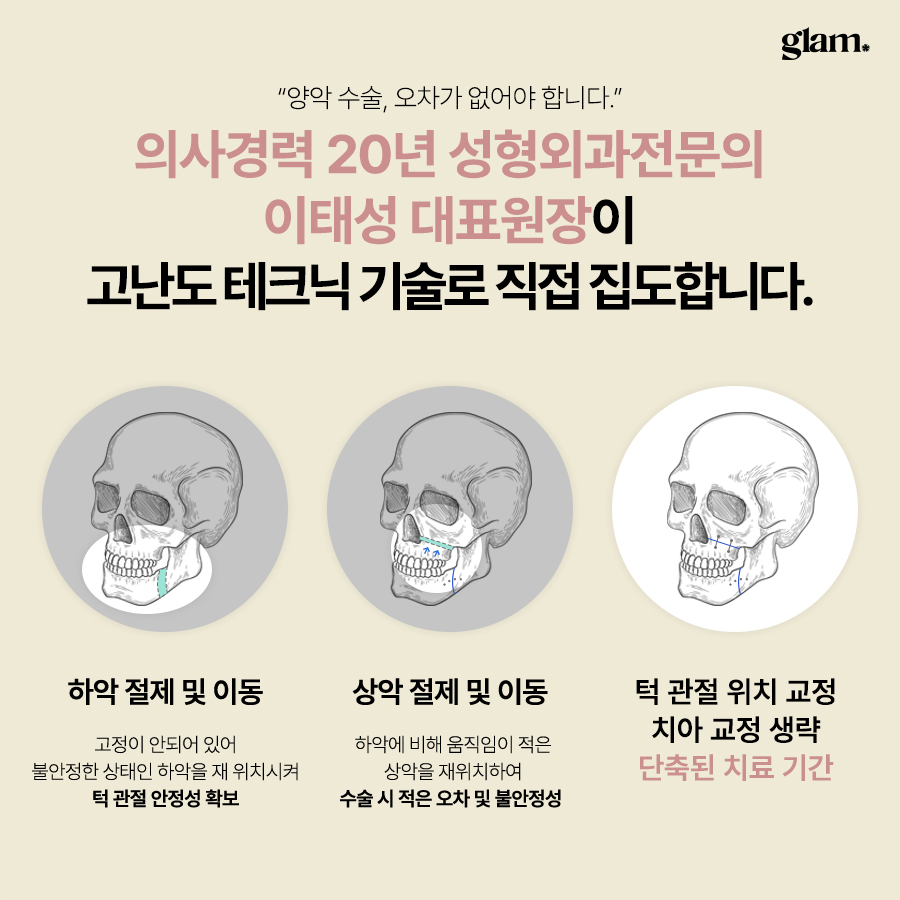
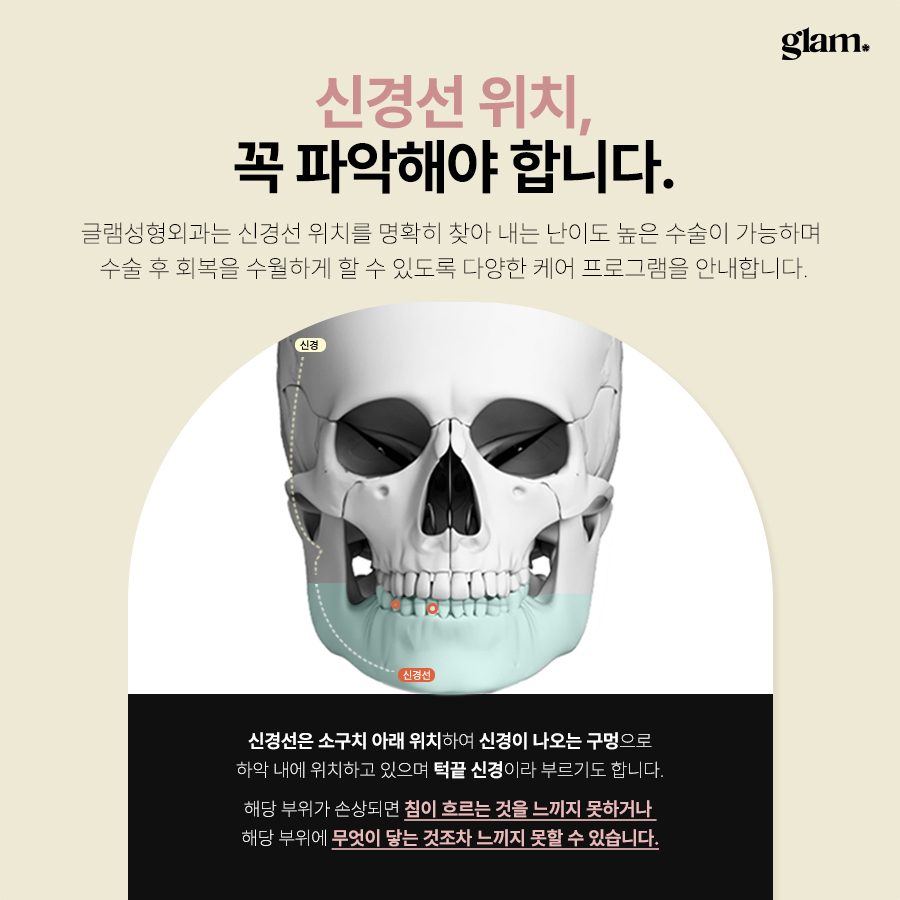
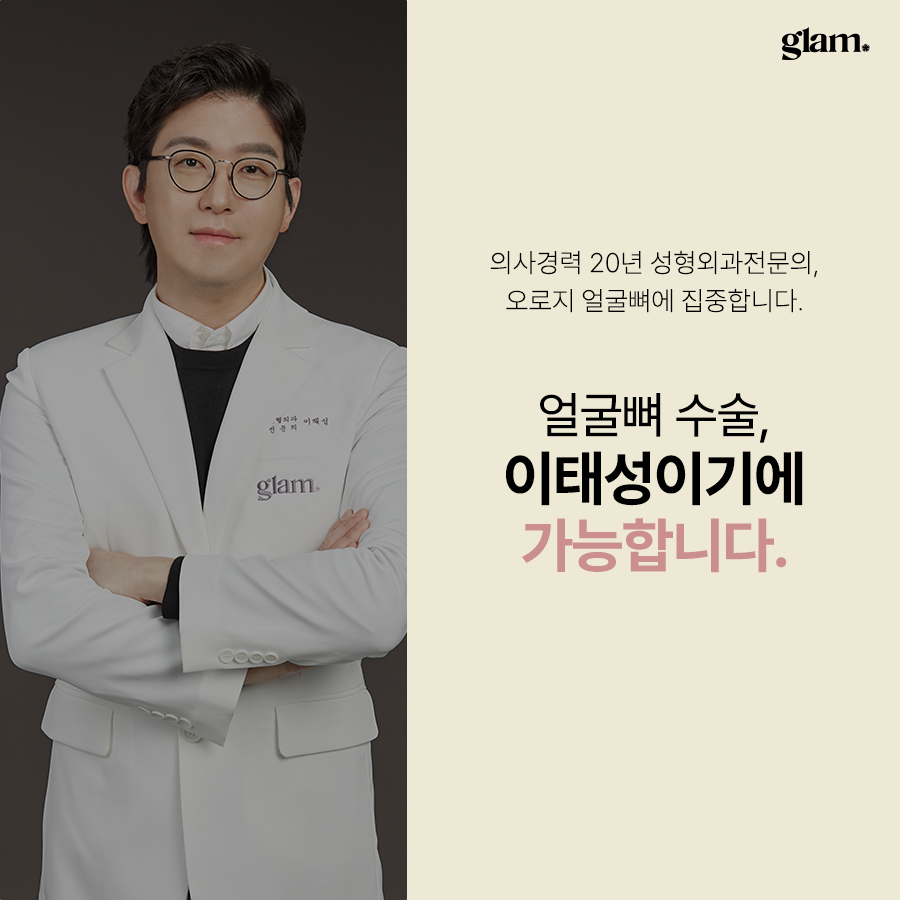
In Gangnam, Seoul, near Sinsa Station Exit 1, there is a plastic surgery center that focuses exclusively on face-bone procedures such as double jaw surgery and facial contouring. Instead of offering many unrelated procedures, this type of clinic concentrates its systems and staff training on facial bone operations and recovery.
Patients should confirm the surgical and anesthesia team during preoperative consultation.
Because the clinic is centered on facial bone surgery, it has structured protocols for minimizing swelling, monitoring recovery, and supporting patients during the long healing period.
Postoperative care programs for swelling and recovery
Beyond standard medical follow-up, the clinic offers a series of recovery and skin care sessions designed to support healing and make the swelling phase more comfortable. These are supportive measures, not replacements for surgery or medical treatment.
LED therapy
The clinic offers LED therapy as a supportive postoperative option. Clinical evidence for benefits such as reduced inflammation or improved circulation is mixed; ask your surgeon for the latest evidence and whether this therapy is suitable for your recovery.
LED therapy uses specific wavelengths of light delivered to the skin. In the context of recovery after double jaw surgery, it is used to support skin recovery and may help with local inflammation and circulation. Sessions are usually short and painless, and are scheduled according to the surgeon’s protocol.
Dome-type facial care
A dome-type facial care system is used to create a soothing environment for the face. It is designed to calm the skin, provide a comfortable temperature and humidity, and support overall post-surgical comfort. This can be especially helpful when the skin feels sensitive or tight after swelling.
Multi-step skin reset care
Multi-step skin reset care focuses on gentle cleansing, calming, and hydrating of the skin that has been stressed by surgery, tape, and swelling. Products and techniques are chosen to be mild and compatible with healing tissues. The goal is to keep the skin barrier as healthy as possible while deeper structures recover.
Radiofrequency lifting device
In the context of double jaw surgery recovery, it is used carefully and only after the bones and soft tissues are stable enough for this type of stimulation.
These treatments are planned as part of a structured postoperative program. The main drivers of swelling reduction remain the surgical plan, careful technique, and proper postoperative management, but these supportive sessions can make the process more comfortable and help the skin and soft tissues adapt.
Who may consider double jaw surgery in Korea
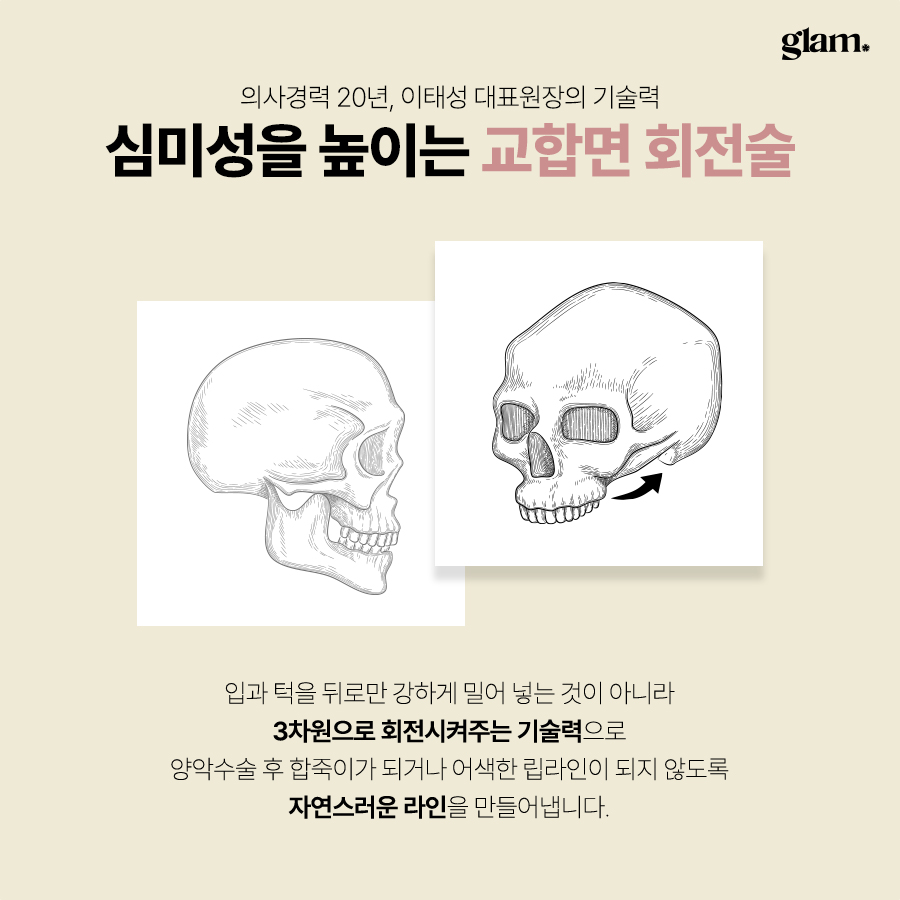
Double jaw surgery is usually considered by people who have functional or aesthetic concerns related to jaw position, such as bite problems, jaw asymmetry, or a very protruded or recessed jaw. Many international patients choose to travel to Korea because of the concentration of facial bone surgery centers and the availability of combined surgical and recovery programs.
However, not everyone is a candidate. Your general health, bone structure, and goals need to be evaluated through consultation, imaging, and detailed planning. Swelling and a long recovery timeline are part of the process, so it is important to be prepared mentally and practically.
Online consultation and pre-visit preparation for overseas patients
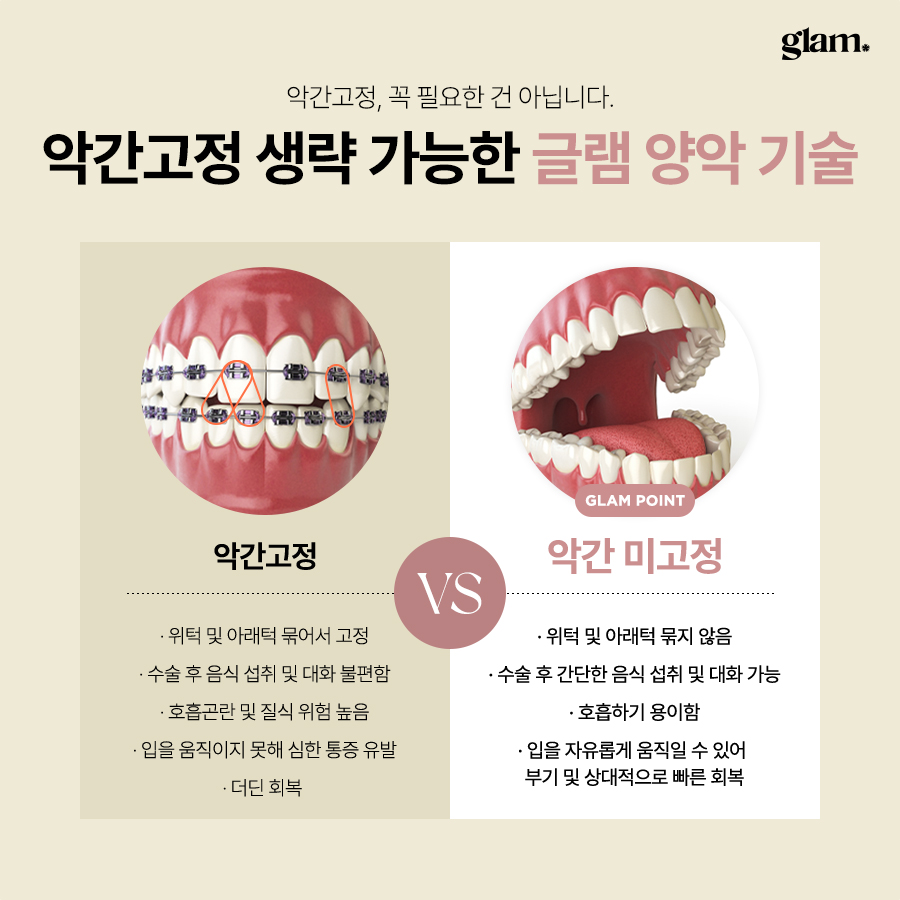
Before traveling to Korea, most international patients start with an online consultation. This usually includes sending facial photos, medical history, and sometimes previous imaging. The clinic can then provide a preliminary opinion about whether double jaw surgery may be appropriate and what kind of swelling and recovery timeline you might expect based on your case.
Questions you may want to prepare include:
- How long should I plan to stay in Korea after surgery
- When are the key follow-up visits scheduled
- Which recovery care sessions are included and how often
- What is the expected swelling timeline for my specific surgical plan
- When can I safely fly back home
It is also useful to share any medical conditions, medications, or past surgeries, as these can affect anesthesia, healing, and swelling.
Expected Korea visit timeline for double jaw surgery
While details vary by clinic and individual case, a typical visit for an overseas patient might look like this:
Preoperative period in Korea
Arrive at least a few days before surgery for in-person consultation, physical examination, imaging, and final planning. This is when you will review risks, benefits, and the postoperative schedule.
Surgery day and immediate postoperative period
On the day of surgery, you will be admitted, undergo anesthesia, and have the procedure performed by the surgical team. After surgery, you will be monitored closely for breathing, pain, and early swelling. Some patients stay overnight in a monitored setting.
First 1 to 2 weeks in Korea
During this time, you will usually attend several follow-up visits. The team checks your wounds, swelling, bite, and general condition. Recovery care sessions such as LED therapy, dome-type facial care, and skin reset care may start according to protocol.
Most patients remain in Seoul for at least 2 weeks after double jaw surgery, sometimes longer, to ensure early healing is stable before flying home.
Weeks 3 to 4 and beyond
If your condition is stable and your surgeon approves, you may return home around 2 to 4 weeks after surgery. At this point, swelling is still visible but usually less dramatic. You may continue online follow-up and send photos so the clinic can monitor your progress.
Some patients choose to stay longer in Korea to complete more recovery sessions, especially if their schedule allows and if they prefer in-person monitoring.
Aftercare once you return home
When you go back to your home country, you will still be in the middle of the healing process. It is important to:
- Continue head elevation as advised
- Follow diet progression instructions from your surgeon
- Avoid heavy exercise or impact to the face until cleared
- Maintain excellent oral hygiene and take any remaining medications as directed
You should also know how to contact the clinic for questions and send regular updates. If any urgent issues arise, you may need to see a local medical provider, so having a summary of your surgery and instructions in your language can be helpful.
Safety, realistic expectations, and communication
Even with well-planned surgery and careful postoperative care, double jaw surgery involves a substantial recovery period. You will not see your final face shape immediately. Instead, expect weeks to months of gradual change.
Before deciding on surgery, discuss with your surgeon:
- The expected swelling timeline based on your individual plan
- When you can return to work, exercise, and social activities
- Which postoperative care sessions are recommended and in what sequence
- How the clinic monitors for complications and what emergency contact options are available
Online information, including this guide, is general. Final decisions about surgery and postoperative care should be made through in-person consultation, examination, and imaging.
Local and practical context in Gangnam
The clinic is located in Gangnam, Seoul, within walking distance of Sinsa Station Exit 1. It offers weekday and Saturday hours without a separate lunch break, which can be convenient for follow-up visits and postoperative care sessions, especially if you are staying nearby.

For overseas patients, the clinic provides information in multiple languages and has communication channels such as social media and messaging apps. Through these, prospective patients can request consultations, ask about swelling and recovery protocols, and clarify travel planning.
Soft call to action for online consultation
If you are considering double jaw surgery and are worried about swelling, recovery time, and how to manage daily life after the procedure, an online consultation can be a practical first step. You can share your concerns, medical background, and photos, and receive a personalized explanation of the expected swelling pattern and recommended stay in Korea.
With clear information and structured postoperative care, it becomes easier to plan your treatment, understand each stage of recovery after double jaw surgery, and feel more prepared for the temporary but significant swelling that comes with this type of facial bone procedure.






댓글
댓글 쓰기